Famous Warships with Bizarre Names
Ships through time have worn names built to impress, some roaring with strength, others whispering oddity. One moment a warship honors a legendary commander, next it answers to something baffling without warning.
Heroic labels sit beside choices that today make people pause, tilt their head, wonder why. Cities lend dignity, ideals add weight – then come names that feel misplaced, almost playful by accident.
Strength and solemnity share waters with quirks nobody expected. Meaning shifts across years, leaving some titles feeling out of place, like old jokes without punchlines.
Back then, strange names often had clear reasons behind them. Drawn from creatures, forgotten sailor terms, or customs lost to time, they carried meaning.
A few came out of playful group decisions on ships. Centuries-old jokes at sea shaped some without warning.
A number of naval vessels carry titles that continue to draw surprise, even now. Some names stick out more than others, long after their time.
These ships stand apart, not just for what they did – but for what they were called. Curious labels remain attached to them through history.
Reactions haven’t faded much over the years. What once caused murmurs still does, decades later.
HMS Pickle

One of the most famous oddly named ships in British naval history is HMS Pickle. Despite the name sounding more like a kitchen ingredient than a naval vessel, this small schooner played a surprisingly important role during the Napoleonic Wars.
In 1805, HMS Pickle was entrusted with carrying news of Admiral Nelson’s victory at the Battle of Trafalgar back to Britain. The vessel crossed the Atlantic to deliver the message that changed the course of naval warfare.
While the ship itself was relatively small, the mission it carried was enormous.
Still, the name ‘Pickle’ came from a long-standing naval tradition of using playful or quirky names for smaller vessels. In the rough-and-ready culture of the Royal Navy at the time, such names were often embraced with a sense of humor rather than embarrassment.
HMS Spanker

Another Royal Navy vessel that attracts modern attention is HMS Spanker. The ship served during the late 18th century as a brig used for patrol and escort duties.
At the time, the word ‘spanker’ referred to a specific type of sail used on sailing ships. Sailors used the term casually as part of everyday maritime vocabulary, so the name would not have sounded unusual to the crew.
Today, however, the word carries a completely different cultural tone, which makes the ship’s name seem unexpectedly comedic. It serves as a reminder that language evolves, and names that once sounded perfectly normal can become unintentionally amusing centuries later.
HMS Cockchafer

HMS Cockchafer was a British gunboat that served during the early 20th century. The ship’s unusual name came from a type of beetle commonly found in Europe.
While the name may sound strange today, British naval tradition often drew inspiration from animals, insects, and natural features. The practice produced a wide range of names that might appear odd outside their original context.
Despite its quirky title, HMS Cockchafer was a serious vessel that saw action during World War I. It operated in river and coastal environments where larger ships could not maneuver easily, proving that even ships with peculiar names could play important roles in wartime operations.
USS Puffer

The United States Navy has also contributed its share of unusually named vessels. USS Puffer, a World War II submarine, took its name from the pufferfish, a species known for inflating its body when threatened.
Submarines in the U.S. Navy were frequently named after sea creatures, especially fish. While some names sounded fierce or dramatic, others reflected the natural diversity of marine life.
USS Puffer served in the Pacific during World War II, conducting patrol missions and targeting enemy shipping. The name might sound lighthearted today, yet the submarine and its crew were involved in intense and dangerous operations beneath the ocean’s surface.
HMS Teazer
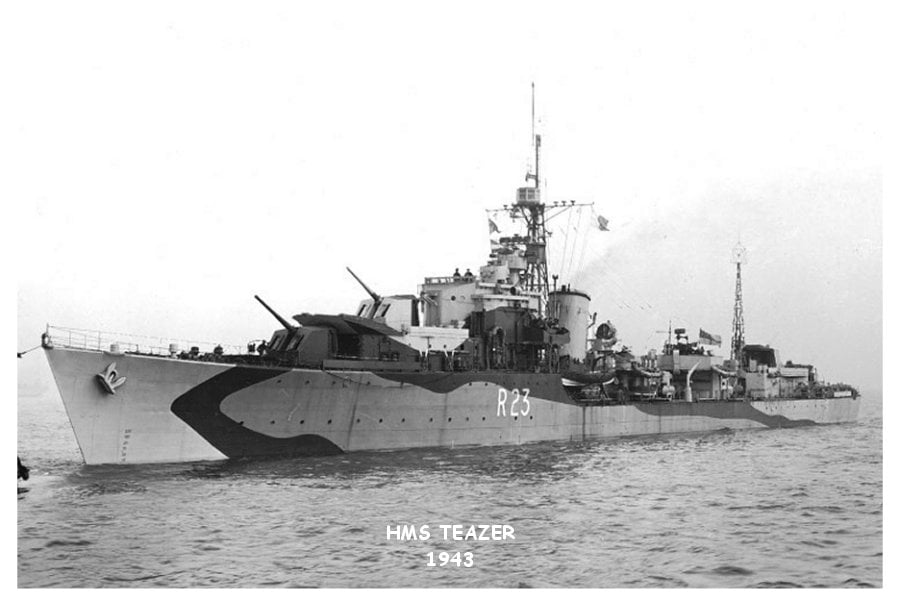
HMS Teazer carried a name that sounds almost playful, yet the ship had a far more serious purpose. The vessel operated during the late 18th and early 19th centuries, pursuing privateers and protecting trade routes.
The name likely reflected the ship’s intended role: harassing enemy vessels and disrupting their movements. In naval terms, a ‘teazer’ could be understood as something that provoked or irritated an opponent.
Even so, the ship’s unusual spelling and tone make it stand out in naval records. It highlights how ship names often carried personality, reflecting the spirit or mission assigned to the vessel.
USS Wahoo

USS Wahoo was one of the most famous American submarines of World War II. Named after a fast-swimming fish found in tropical waters, the submarine became legendary for its aggressive tactics in the Pacific.
Under the command of Captain Dudley ‘Mush’ Morton, the submarine gained a reputation for bold and daring patrols. The vessel sank numerous enemy ships before it was lost during a mission in 1943.
Although the name ‘Wahoo’ may sound playful, it perfectly matched the submarine’s swift and relentless character. Naval naming traditions often embraced marine life, even when the resulting names sounded unusual to people unfamiliar with the species.
HMS Biter
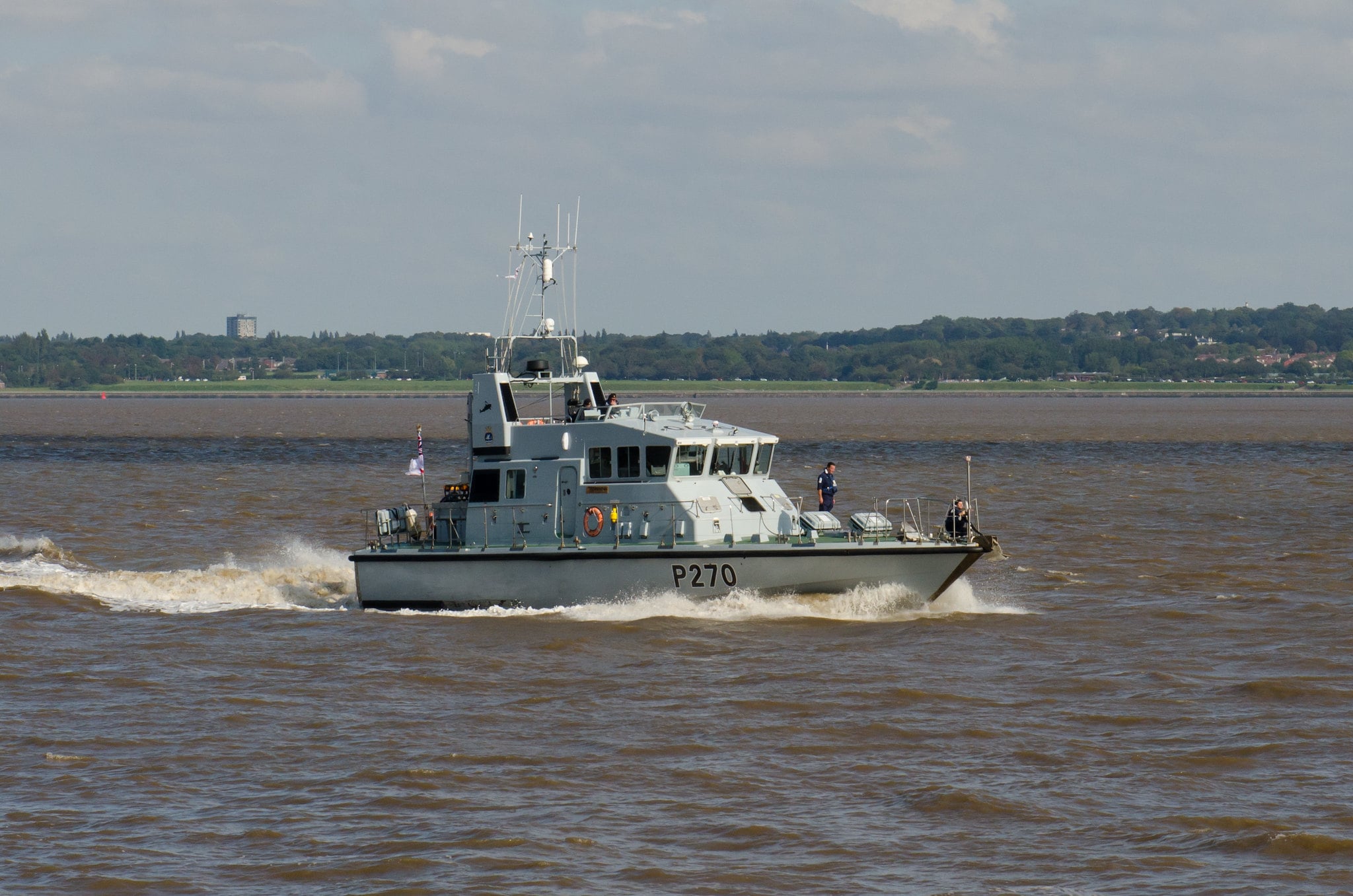
HMS Biter was an escort carrier that served with the Royal Navy during World War II. The ship’s name sounds short and almost mischievous, yet it reflected a long tradition of using animal-like traits to symbolize determination and toughness.
Escort carriers were smaller aircraft carriers designed to protect convoys crossing the Atlantic. They launched aircraft that could patrol vast stretches of ocean, helping defend merchant ships from enemy submarines.
Even though the name might raise a smile today, HMS Biter performed vital wartime duties. Its aircraft helped guard supply lines that were essential to Allied victory during the conflict.
USS Trigger

USS Trigger was another American submarine with a name that sounds more like an action movie title than a naval vessel. Commissioned during World War II, the submarine conducted several patrols in the Pacific Ocean.
The name suggested speed, precision, and sudden action—qualities well suited to submarine warfare. Underwater vessels relied on stealth and surprise, often striking enemy ships before disappearing beneath the waves.
Although the submarine was lost in 1945, its story remains part of the broader narrative of naval operations in the Pacific. The name ‘Trigger’ captures the tense and decisive nature of submarine missions during that era.
HMS Pansy

HMS Pansy is perhaps one of the most surprising names ever given to a naval vessel. The ship served as part of a group of Royal Navy sloops built during World War I.
At the time, naming ships after flowers was not unusual. The Royal Navy frequently used botanical themes for certain classes of vessels, producing ships with names like ‘Azalea’ and ‘Bluebell.’
Over the decades, however, the cultural meaning associated with the word ‘pansy’ changed significantly. As a result, the ship’s name sounds far more unusual to modern readers than it did when the vessel first entered service.
When Naval Tradition Meets Changing Language
Names like Oddity or Wrysmile pop up now and then in old navy records, hinting at shifts in speech and social habits across centuries. Back when vessels got their labels, most followed everyday patterns – some pulled from creatures, others from greenery, still others rooted in seafaring words.
Over years, even a name might slip sideways in how it feels. Meanings stretch or shrink while culture moves on.
A label meant to be solid could start to seem odd, maybe faintly silly, long after its moment has passed.
Still, those vessels belong to a long-standing sea tradition. Each odd name hides a craft that braved risky seas, moved crews toward unclear fights, through time helped define how navies evolved.
Often, the standout tales emerge from hulls tagged with slightly weird labels.
More from Go2Tutors!

- The Romanov Crown Jewels and Their Tragic Fate
- 13 Historical Mysteries That Science Still Can’t Solve
- Famous Hoaxes That Fooled the World for Years
- 15 Child Stars with Tragic Adult Lives
- 16 Famous Jewelry Pieces in History
Like Go2Tutors’s content? Follow us on MSN.