Food Names That Mean Something Else in Other Countries
Ordering food abroad can turn into an unexpected comedy show. A simple request for a familiar dish might get confused looks, giggles, or even gasps from locals.
What sounds perfectly normal in one language can mean something totally different, sometimes embarrassing or downright hilarious, in another. These linguistic mix-ups happen more often than anyone expects, catching travelers and food companies off guard.
Language barriers create some truly funny moments when food names cross borders. Here are some examples that prove why checking translations matters.
Pechuga

Spanish speakers know this word simply means chicken breast, a staple protein found in countless recipes. But travel to Portugal and say ‘pechuga’ out loud, and people might raise their eyebrows.
The word sounds nearly identical to a Portuguese slang term referring to female body parts. Restaurants in Portugal stick with ‘peito de frango’ instead, avoiding any awkward confusion.
Imagine a tourist innocently ordering grilled pechuga at a Lisbon cafe and wondering why everyone’s trying not to laugh.
Fanny
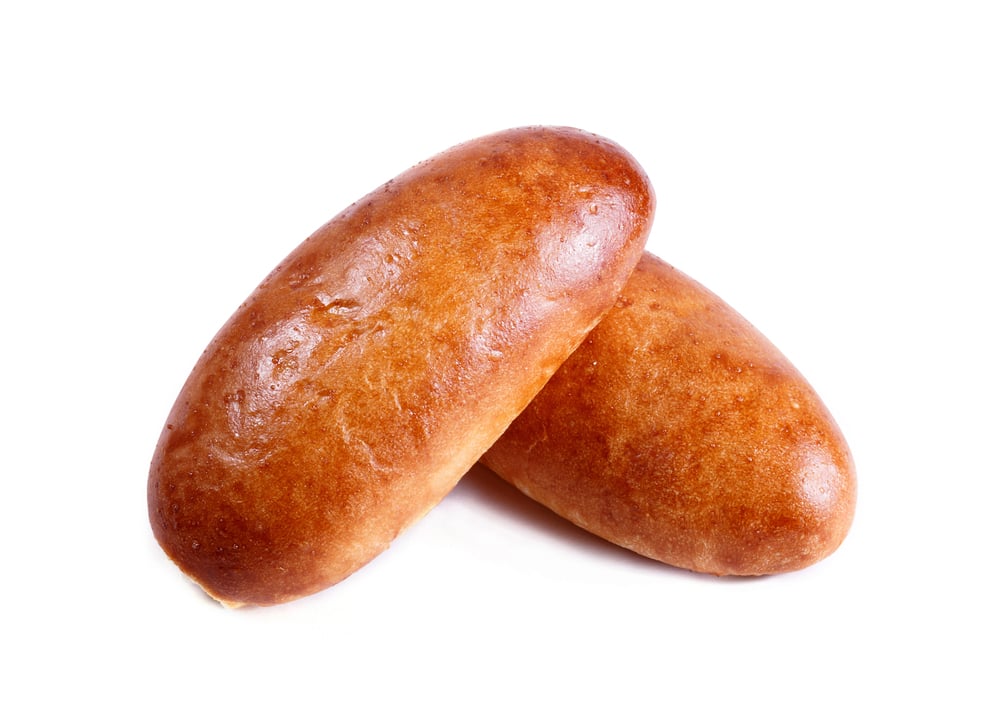
British bakery chain Fanny’s Buns sounds quaint and old-fashioned in the UK, where ‘fanny’ refers to the rear end. Americans hearing this name would think of something completely different since ‘fanny’ means the backside in America too, just a different part.
The real confusion comes when Brits visit America and hear ‘fanny pack’ used casually everywhere. What seems like innocent bakery branding in one country becomes unintentionally cheeky in another.
Food names using common first names can backfire spectacularly when slang gets involved.
Pão
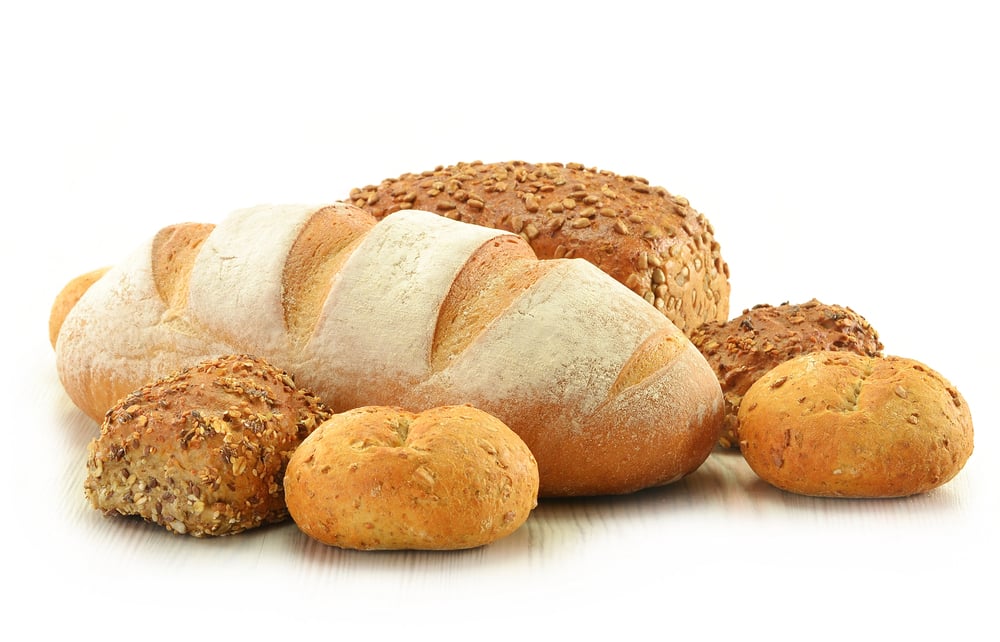
Portuguese speakers enjoy ‘pão’ daily since it just means bread in their language. Korean speakers hearing this word might do a double take because it sounds like their word for stomach or belly.
The confusion doubles when someone talks about ‘pão de queijo,’ the famous Brazilian cheese bread. Koreans unfamiliar with Portuguese might wonder why anyone would name food after body parts.
This overlap shows how completely unrelated languages can accidentally share sounds that mean totally different things.
Kuru Fasulye

Turkey’s beloved white bean stew goes by this name, and locals have eaten it for generations. The problem starts when Turkish speakers visit Japan and mention their favorite dish.
In Japanese, ‘kuru’ means ‘to come’ and ‘fasulye’ sounds similar to inappropriate words. Japanese listeners might misunderstand the entire conversation before anyone clarifies they’re discussing beans.
Turkish restaurants in Japan often use alternative descriptions on menus to avoid this mix-up.
Pollo
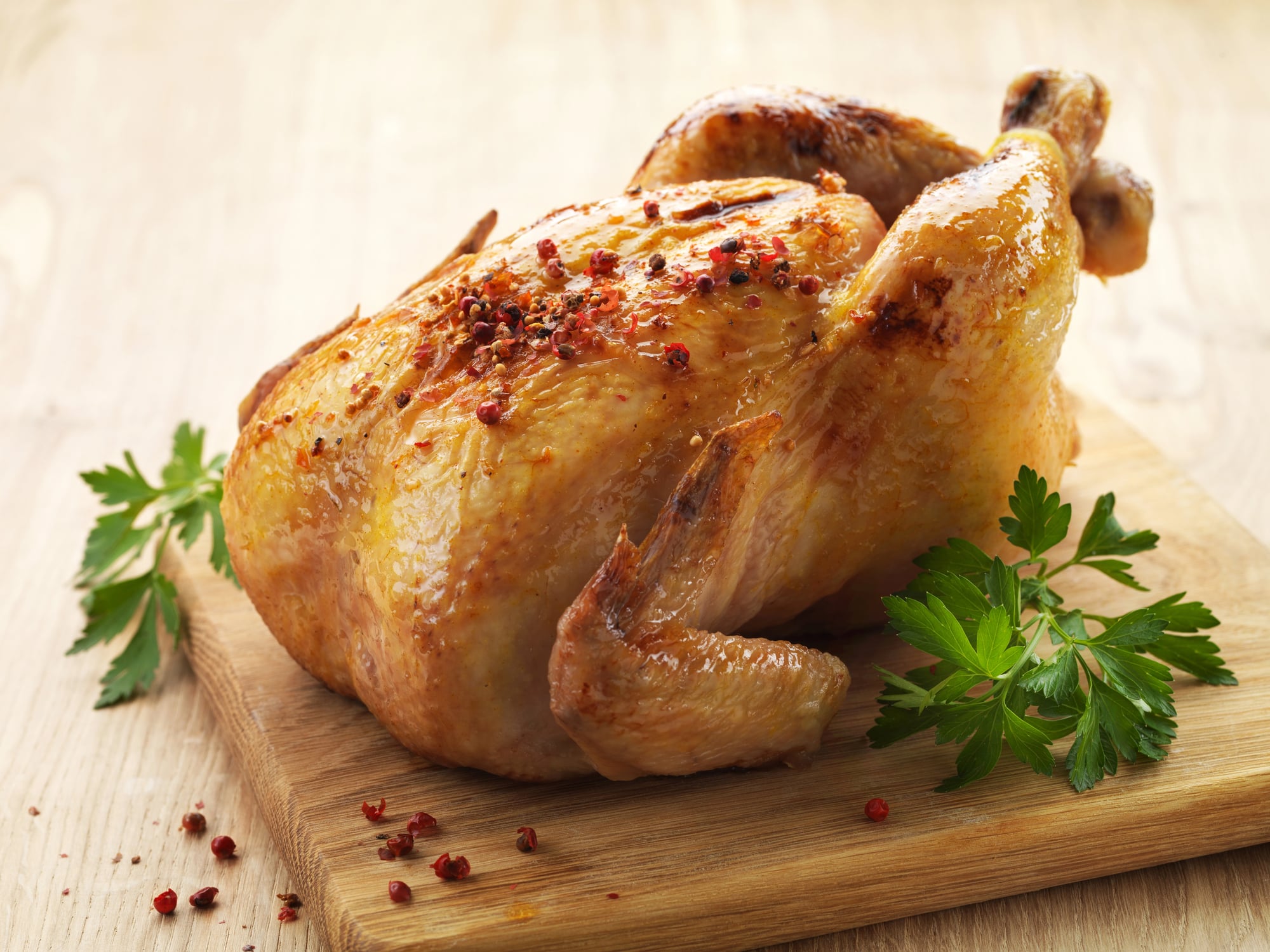
Italian and Spanish menus feature ‘pollo’ prominently since it means chicken in both languages. Hindi speakers might pause before ordering because ‘polo’ sounds like their word for a rice dish, though the spelling differs slightly.
The real trouble happens with pronunciation since subtle differences separate harmless food terms from words people avoid in polite company. International restaurant chains learned to adjust their marketing based on how words sound when spoken aloud, not just how they appear written.
Barf

Iran serves a popular snack food called ‘barf,’ which translates to snow and describes its white, flaky appearance. English speakers see packages labeled ‘Barf’ in Iranian grocery stores and can’t help but react with shock.
The Persian word has zero connection to the English meaning of vomiting. Iranian food companies exporting products to English-speaking countries quickly rename this item to avoid the obvious problem.
Cultural context determines whether a food name sounds appealing or absolutely disgusting.
Crap

British fish and chips shops might offer ‘crappie,’ a type of freshwater fish that’s perfectly edible and tasty. Americans know this fish too, but the shortened version sounds unfortunate in casual conversation.
French speakers face similar confusion with ‘crabe’ for crab, which sounds close enough to cause snickers. Marketing teams spend serious time and money making sure product names don’t accidentally invoke bathroom humor.
Sometimes a single letter makes the difference between an appetizing dish and something nobody wants to order.
Mutti

German brand Mutti produces quality tomato products sold across Europe. Their name comes from the Italian word for tomato paste consistency.
English speakers might find it endearing since ‘mutt’ refers to mixed-breed dogs, though not exactly what a sauce company aims for. The real confusion hits in Hindi-speaking regions where ‘mutti’ means a closed fist.
Context matters enormously when a single word carries multiple meanings across different language groups.
Prick

Swedish frozen food company Prick makes fish products under this brand name. In Swedish, the word means dot or point, completely innocent and descriptive.
English speakers spot these packages in Scandinavian supermarkets and do immediate double takes. The company hasn’t changed its name despite the obvious English meaning because domestic sales matter more than international confusion.
This demonstrates how local markets sometimes outweigh global branding concerns.
Plopp
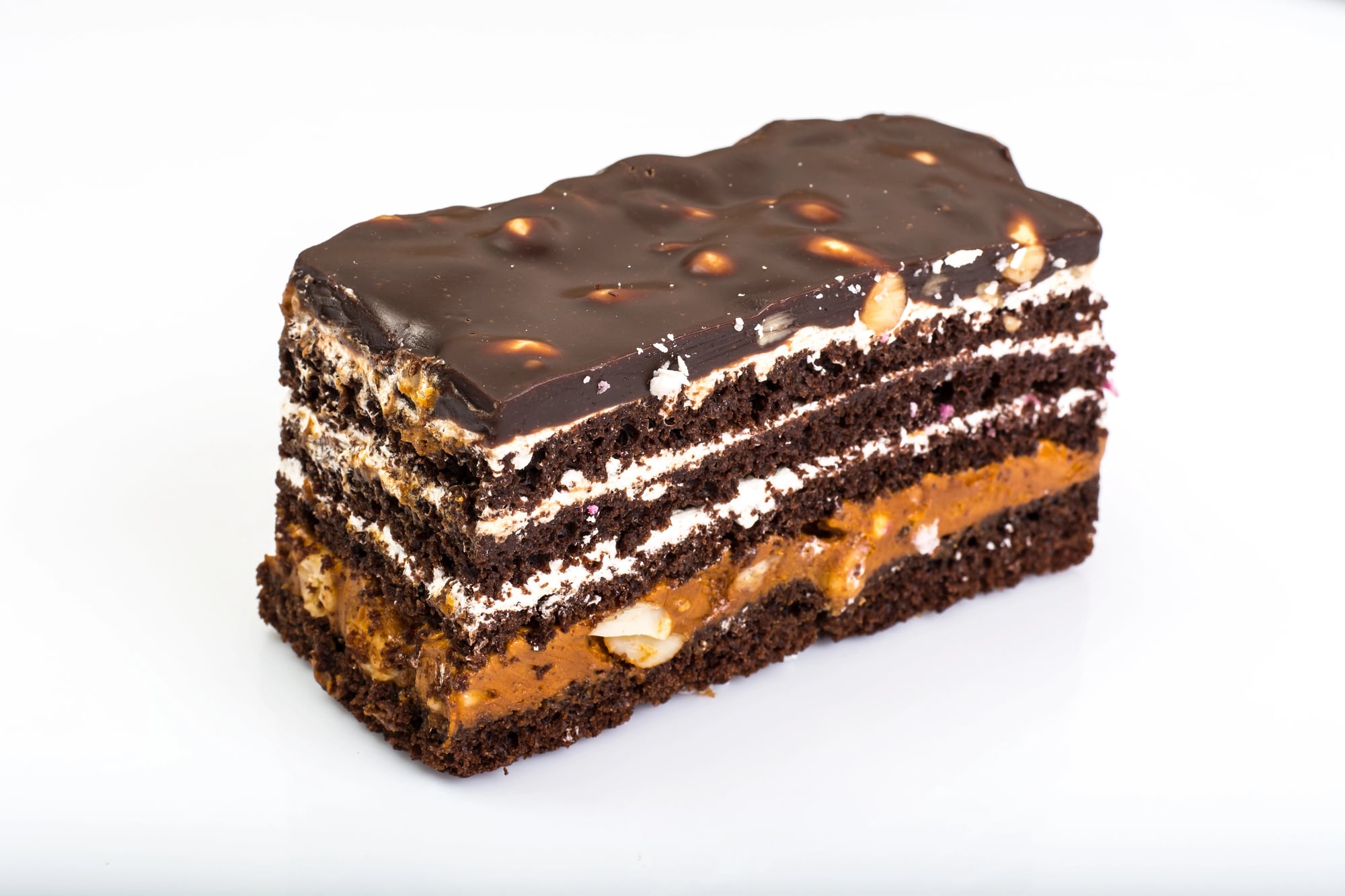
Swedish candy lovers enjoy Plopp, a chocolate and caramel treat that’s been around since 1949. The name supposedly imitates the sound candy makes when you pop it in your mouth.
English speakers immediately think of something dropping into water, and not in an appetizing way. The onomatopoeia works perfectly in Swedish but translates awkwardly elsewhere.
Candy companies often discover that cute-sounding names in one language become unintentionally funny or gross in another.
Shitto
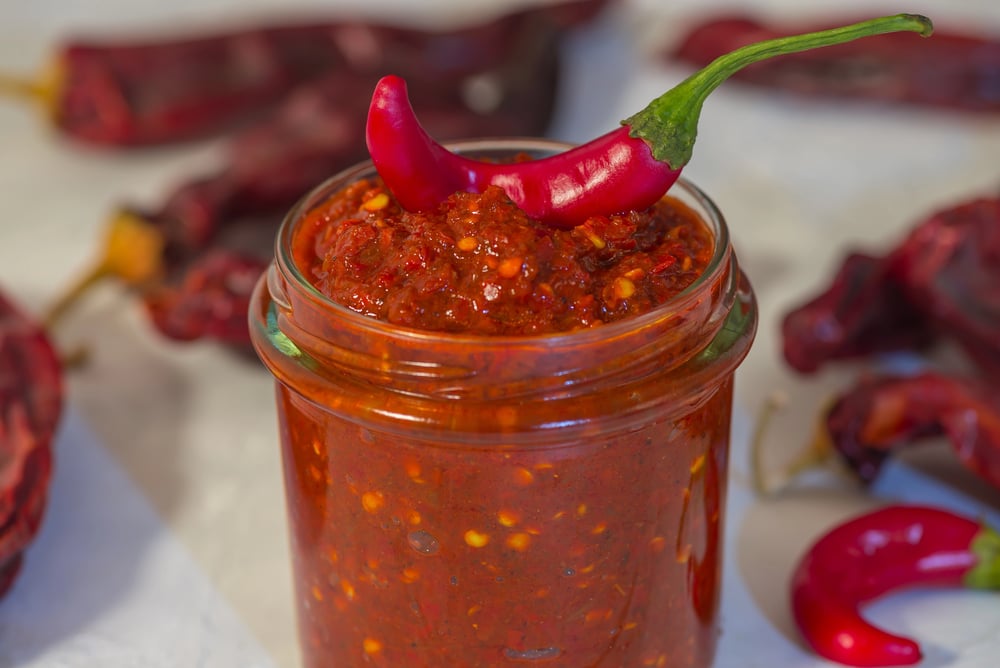
Ghana’s popular pepper sauce carries this name proudly, and locals use it to spice up countless dishes. The sauce has nothing to do with the similar-sounding English curse word.
Ghanaian restaurants abroad often explain the name’s origin to avoid misunderstandings with customers. Some exporters rebrand it as ‘Shito’ with one ‘t’ to sidestep the issue entirely.
Food names rooted in African languages sometimes clash with English in ways nobody anticipated during original naming.
Shart
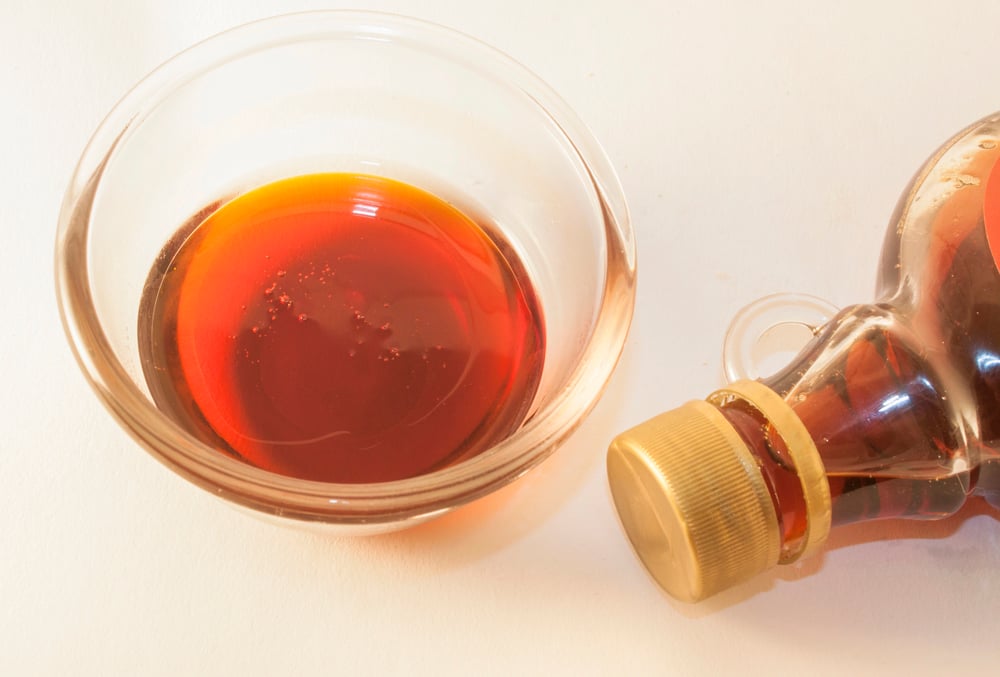
Persian drinks and sweets use ‘shart’ as a common term, particularly for syrups and concentrated beverages. English speakers know this word refers to an embarrassing bathroom accident.
Iranian restaurants catering to mixed audiences might use alternative terms on English menus while keeping traditional names in Farsi. The pronunciation differs slightly between languages, but not enough to prevent awkward moments.
This shows how everyday words in one culture become comedy gold in another.
Prick and Fart
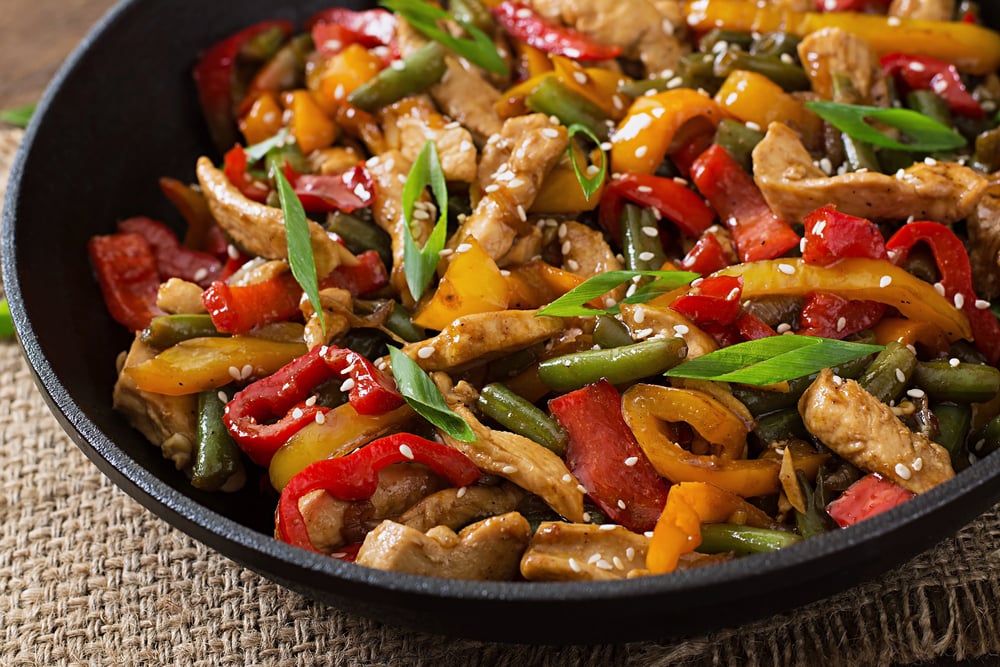
Thai restaurants serve ‘Prik King,’ a spicy stir-fry dish with green beans. When pronounced quickly, it can sound like something entirely different to English speakers.
Swedish desserts include ‘Semla,’ sometimes called ‘fastlagsbulle,’ which Swedes abbreviate in ways that sound unfortunate in English. The combination of these innocent food terms creates situations where tourists nervously point at menu items instead of saying names aloud.
Pronunciation guides help, but cultural context determines whether something sounds delicious or disasters waiting to happen.
Homo

Canadian dairy company Neilson sells ‘Homo Milk,’ short for homogenized milk that’s been around for decades. Canadian shoppers think nothing of grabbing Homo Milk from grocery shelves since everyone understands the abbreviation.
American visitors often photograph these cartons because the name looks shocking out of context. The company maintains this branding in Canada while adjusting labels for export markets.
Short forms that work domestically can create PR nightmares internationally if companies don’t think ahead.
Kock

Henrik Kock, a chef from Sweden, could get laughed at opening a place where English is spoken. His last name? It just translates to “cook” back home – totally normal there.
But folks used to English might giggle because it sounds like something rude. A bunch of Swedes with that name tweak the spelling once they relocate.
Anyone in the food biz going global should think about how their name comes across.
Colon

Spanish-speaking places could promote a tea or coffee called ‘Limpieza de Colon’ that helps digestion. In Spanish, ‘colon’ means the big part of the intestine – just like in English medicine terms.
But here’s the twist: people use this word way more easily in daily talk than English speakers do. When selling gut-health stuff, name translations need careful handling.
Something sounding smart and proper in one tongue may come off blunt or awkward somewhere else.
Kaki

People from Japan really like kaki – that’s what they call persimmons. But folks who speak Spanish might giggle at that word, ‘cause it sounds way too close to their term for poop.
In Greece, “kaki” actually stands for bad or wicked – so same sound, totally different idea. Stores selling Asian fruit in Latino areas usually skip the name and just show a picture instead.
Words for fruit get messy when they jump across borders – it’s cool how one thing can mean so many things. Language is wild like that.
Puke

Iceland has little treats called ‘pukur’ – people there love eating them with coffee. Sounds just like a gross English word tied to throwing up.
Bakeries aiming at visitors figured out fast: better describe it than say the name straight. Guidebooks now tell travelers to watch out, so no one gets awkward at dinner.
When food names are short and basic in one tongue, they can accidentally mean something weird somewhere else.
From Kitchen to Comedy

Food ties folks across places, yet these name blunders show how speech might split or entertain just as fast. Big businesses pouring cash into going global often skip checking what their brand names say abroad.
Swapping a few letters could stop firms from looking silly online or crashing hard overseas. Each story shows meanings shift by location – so when things go sideways, grab a bite, chuckle, and move on.
More from Go2Tutors!

- The Romanov Crown Jewels and Their Tragic Fate
- 13 Historical Mysteries That Science Still Can’t Solve
- Famous Hoaxes That Fooled the World for Years
- 15 Child Stars with Tragic Adult Lives
- 16 Famous Jewelry Pieces in History
Like Go2Tutors’s content? Follow us on MSN.



