17 Facts About Immigration
Immigration is one of those subjects that generates enormous debate while the basic facts often get lost in the noise. People move across borders for all kinds of reasons — work, family, conflict, opportunity, survival.
The numbers are larger than most people realize, the history goes back further than most countries, and the economic and social realities are far more complicated than either side of the argument tends to admit. Here are 17 facts worth knowing.
It’s One of the Oldest Human Behaviors

People have been moving from one place to another for as long as there have been people. Early humans migrated out of Africa roughly 70,000 years ago, eventually spreading across every continent on Earth except Antarctica.
Modern nation-states and the borders that define them are a relatively recent invention. For most of human history, movement across land was simply how populations survived, adapted, and grew.
There Are Around 281 Million International Migrants Worldwide
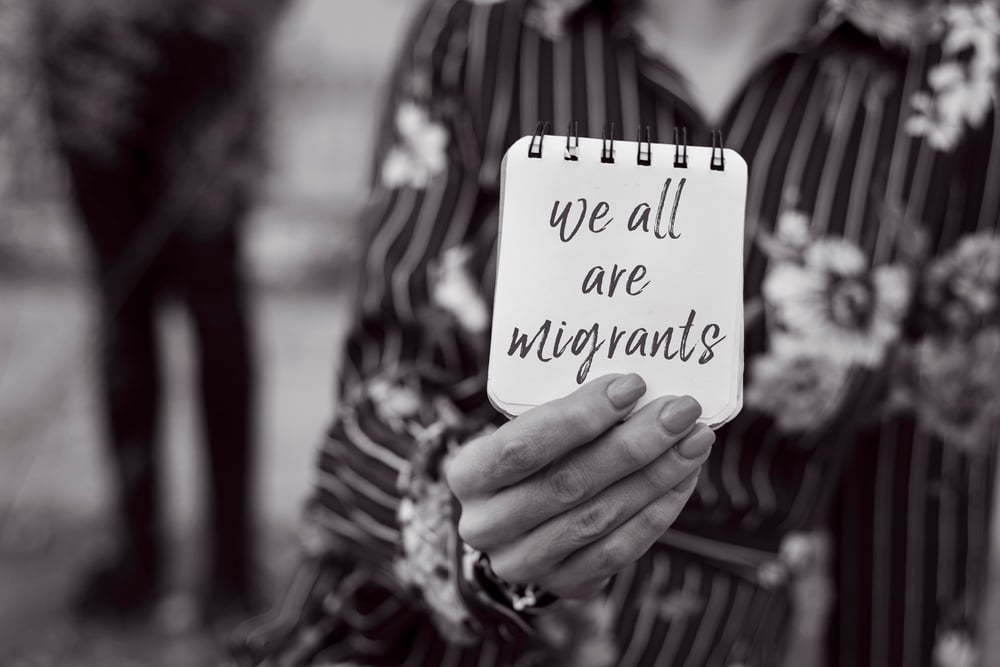
The United Nations estimates that roughly 281 million people currently live outside the country of their birth. That sounds like a large number, but it represents only about 3.6% of the global population.
The vast majority of people — more than 96% — live in the country where they were born. International migration is significant, but it’s not the norm.
Most Immigrants Move to Wealthier Countries

The flow of immigration is not random. People predominantly move from lower-income countries to higher-income ones, driven by wage differences, employment opportunities, and better living conditions.
The United States, Germany, Saudi Arabia, Russia, and the United Kingdom consistently rank among the top destinations for international migrants. Economic opportunity is the single biggest pull factor in most migration decisions.
The United States Has the Largest Immigrant Population in the World

Around 51 million people living in the United States were born in another country, making it home to more immigrants than any other nation. That figure includes both documented and undocumented residents.
Despite the scale of immigration, foreign-born residents make up about 15% of the total US population — a high percentage historically, but not the highest the country has ever recorded.
Refugees Are a Specific Legal Category

Not every person who crosses a border is a refugee. Under international law, a refugee is someone who has fled their home country due to persecution, war, or violence, and who cannot safely return.
Refugees have specific legal protections under the 1951 Refugee Convention. Economic migrants, by contrast, move primarily for work or opportunity. The distinction matters legally, even though the lived experiences of both groups often overlap in complicated ways.
The Majority of the World’s Refugees Come From Five Countries
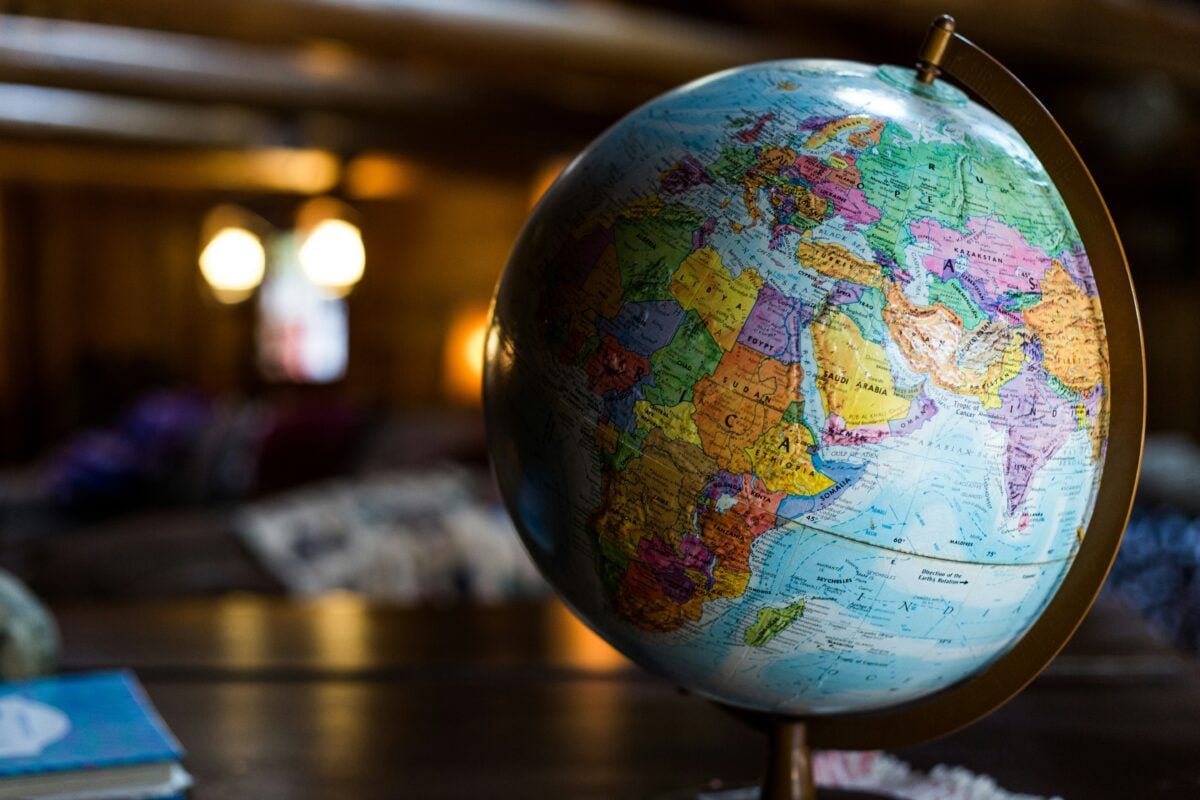
More than two-thirds of the world’s refugees originate from just five countries: Syria, Venezuela, Ukraine, Afghanistan, and South Sudan. These are places marked by prolonged conflict, political collapse, or both.
The pattern holds consistently — mass displacement almost always traces back to a small number of severe and ongoing crises.
Most Refugees Stay Close to Home

Despite common assumptions, most refugees don’t travel to wealthy Western nations. The majority end up in neighboring countries, often ones that are themselves low or middle-income.
Turkey, Colombia, Iran, Pakistan, and Uganda consistently host the largest refugee populations in the world. For every refugee who reaches Europe or North America, many more remain in the regions closest to the conflicts they fled.
Immigration Has a Complex Relationship With Crime

Research across multiple countries consistently finds that immigrants — including undocumented immigrants — commit crimes at lower rates than native-born citizens. This holds in the United States, across Europe, and in other major destination countries.
The reasons are debated, but one factor is selection: people who go through the effort and risk of moving to another country tend to be motivated to build stable lives and avoid legal trouble. The perception that immigration raises crime rates is not supported by the weight of available evidence.
Undocumented Immigration to the US Has Declined From Its Peak

The undocumented population in the United States peaked at around 12 million people in 2007 and has declined since then. The decline happened largely because of a combination of stricter enforcement, a drop in economic opportunities during the 2008 financial crisis, and changing conditions in origin countries.
The issue remains politically charged, but the trend over the past 15 years has been one of reduction, not increase.
Immigrants Often Do Work That Local Populations Avoid

In many high-income countries, immigrants fill roles in agriculture, construction, elder care, food processing, and domestic work — jobs that are essential but that local workers are often unwilling to take at prevailing wages. This isn’t unique to any one country.
It’s a consistent pattern across wealthy nations, and it means that immigration policy has direct consequences for entire sectors of the economy, regardless of political preference.
Highly Skilled Immigration Is a Major Economic Driver

On the other end of the labor market, immigrants are disproportionately represented in science, technology, engineering, and medicine. In the United States, immigrants or their children founded more than 40% of Fortune 500 companies. A significant share of Nobel Prize winners working in American institutions were born abroad.
Countries actively compete to attract high-skilled workers, offering fast-track visas and residency pathways specifically designed to draw talent.
Remittances Outpace Foreign Aid

When immigrants send money back to family members in their home countries, those transfers are called remittances. Globally, remittances total more than $800 billion per year — a figure that dwarfs the total amount of foreign aid provided by all governments combined.
For many developing countries, remittances represent one of the largest sources of external income, often exceeding foreign direct investment. The money flows quietly, family to family, and has a direct impact on poverty reduction.
Language Is One of the Biggest Integration Challenges

Across every country that receives large numbers of immigrants, language consistently emerges as one of the most significant barriers to integration. Access to employment, education, healthcare, and social services all depend on the ability to communicate.
First-generation immigrants often struggle, while their children — raised in the destination country’s schools — typically become fluent within a few years. The language gap tends to close within two generations in most places.
Border Walls Have a Mixed Record

Physical barriers along borders have been built throughout history, and the debate about their effectiveness continues. Studies on the US-Mexico border suggest that walls and fencing reduce illegal crossings in specific areas but often redirect movement to other, more dangerous routes rather than stopping it altogether.
They also have little effect on people who enter legally and then overstay their visas — which accounts for a significant portion of the undocumented population in many countries.
Climate Change Is Becoming a Driver of Migration

Researchers increasingly identify climate change as a factor pushing people to move. Droughts, flooding, rising sea levels, and the collapse of agricultural systems in vulnerable regions displace populations — sometimes temporarily, sometimes permanently.
The term “climate refugee” is not yet a recognized legal category under international law, but the phenomenon it describes is real and growing. Estimates of how many people climate change will displace over the coming decades vary widely, but the numbers are significant by any projection.
Public Opinion on Immigration Often Differs From Policy Reality

Polling consistently shows that public attitudes toward immigration are more nuanced than political rhetoric suggests. Most people in destination countries support controlled immigration and distinguish between different types — favoring skilled workers and refugees while expressing more concern about undocumented entry.
Public opinion also tends to shift with economic conditions, rising when unemployment is high and softening during periods of growth. The gap between what people say in surveys and the simplified positions offered by politicians is often wide.
Second-Generation Immigrants Frequently Outperform Both Groups

Children born to immigrant parents — the so-called second generation — often achieve higher levels of education and income than both their immigrant parents and the native-born population of the destination country. This pattern appears across the United States, Canada, Western Europe, and elsewhere.
It suggests that the drive and sacrifice involved in migration tend to translate into motivation in the next generation, even when the first generation faces significant barriers. The story of immigration rarely ends with the people who made the journey.
The Numbers Behind the Headlines

Immigration debates tend to be loud, emotional, and strongly argue what is far removed from the data. The facts – who moves, where they go, why they leave, what they contribute, and what challenges they face – tell a story that is not easily summed up by a single conclusion.
Migration is a feature that has always been part of human history. Old are the borders.
The desire to find a better place, or just a safe one, is in fact the oldest characteristic of our species.
More from Go2Tutors!

- The Romanov Crown Jewels and Their Tragic Fate
- 13 Historical Mysteries That Science Still Can’t Solve
- Famous Hoaxes That Fooled the World for Years
- 15 Child Stars with Tragic Adult Lives
- 16 Famous Jewelry Pieces in History
Like Go2Tutors’s content? Follow us on MSN.