Furniture Designs That Defined Art Movements
Furniture has always been more than something to sit on or store things in. Throughout history, certain chairs, tables, and cabinets became visual manifestations of entire artistic philosophies, reshaping how we think about form, function, and beauty in our living spaces.
These pieces weren’t just products of their movements—they actively defined them, turning abstract aesthetic principles into tangible objects you could touch, use, and live with every day. Here is a list of furniture designs that didn’t just follow trends but created them, each one a turning point in the evolution of modern design.
Thonet No. 14 Chair
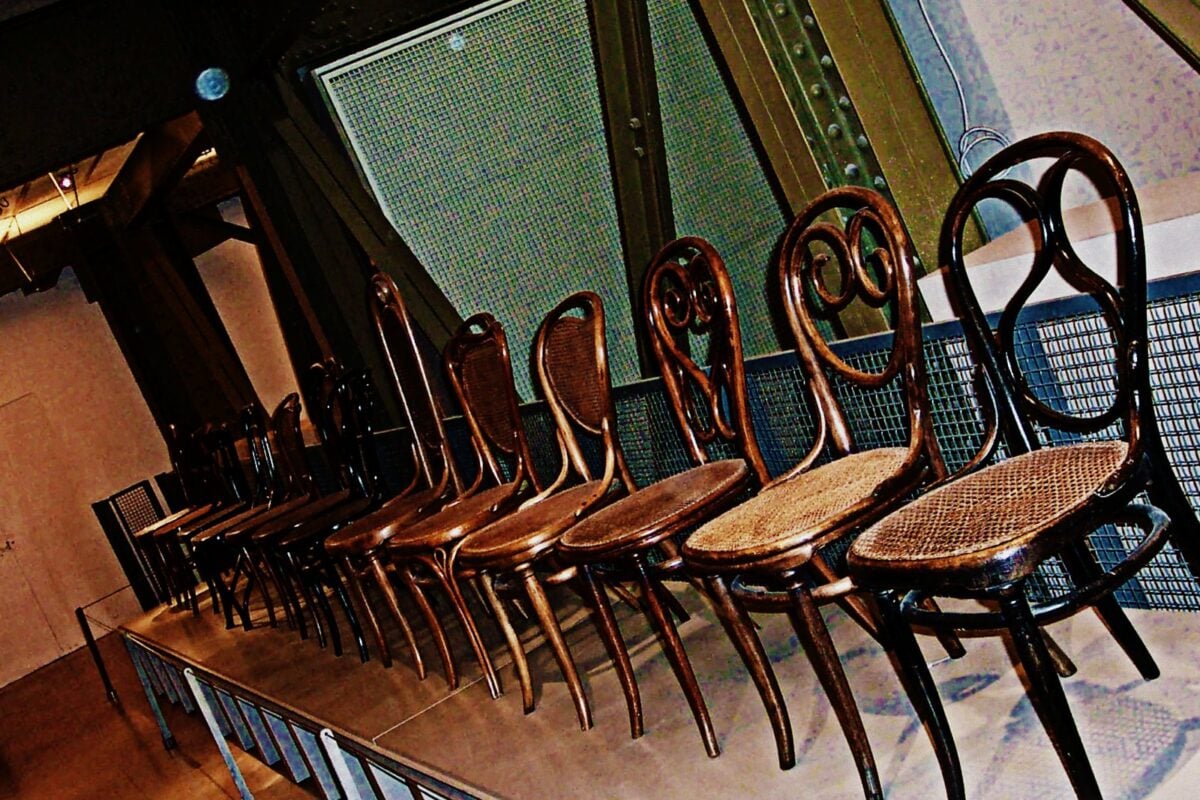
Michael Thonet’s 1859 café chair revolutionized furniture production by using steam-bent wood, a process that allowed curves to be formed without joints or glue. This wasn’t just clever engineering—it was a complete rethinking of how furniture could be made.
The chair could be disassembled into six pieces and shipped flat, making it affordable and accessible to cafés across Europe. Mass production met elegant design, and suddenly furniture wasn’t just for the wealthy anymore.
Wassily Chair

Marcel Breuer designed the Wassily Chair in 1925 while he was head of the cabinet-making workshop at the Bauhaus in Dessau, Germany. After purchasing his first bicycle, Breuer was impressed by the lightness of its tubular steel frame, which inspired him to experiment with using the material in furniture design.
The result was a chair that looked like it belonged in a factory, not a living room—and that was revolutionary. Bent steel tubing and leather straps replaced wood and upholstery, creating something that felt utterly modern and shockingly light.
Like Go2Tutors’s content? Follow us on MSN.
Barcelona Chair
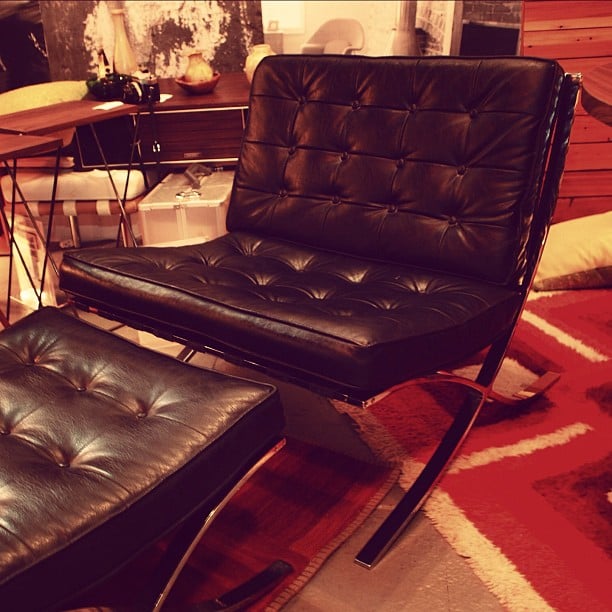
When tasked with furnishing the German pavilion at the 1929 Barcelona International Exposition, Mies van der Rohe conceived a chair fit for royalty while keeping his modernist aesthetic. The leather-and-chrome seat and accompanying ottoman have been produced by Knoll ever since.
The X-shaped frame is so clean and precise it looks almost inevitable, like this is simply what a chair should be. No frills, no excess—just perfect proportions and luxurious materials doing exactly what they need to do.
Zig-Zag Chair
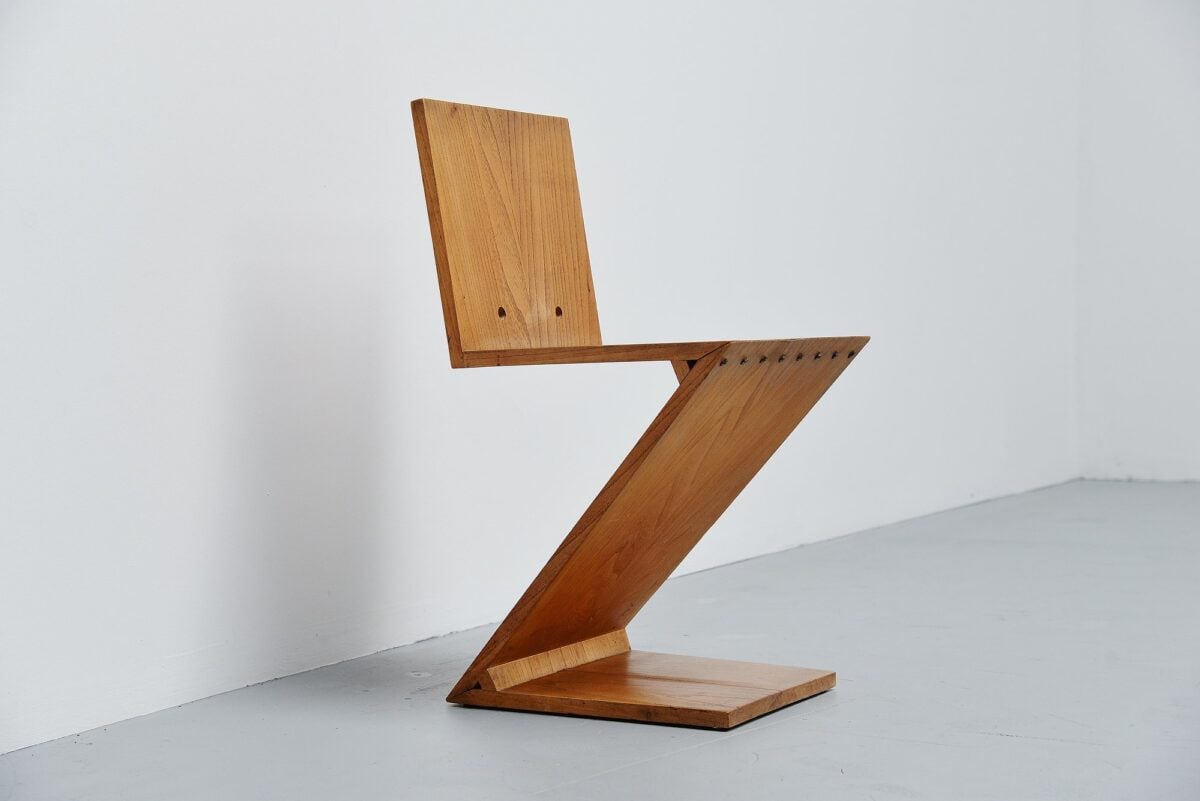
Composed of four flat wood boards articulated end to end to form a Z-shape, Rietveld’s 1934 chair rejects conventional chair features like two arms, four legs, and a padded seat. Each board joins the next at mathematically precise angles with a bare minimum of supports, nuts, and bolts.
It looks impossible until you sit in it, and then you realize the diagonal support does all the work. The piece proves that if you understand structure well enough, you can strip away everything that isn’t essential.
Womb Chair
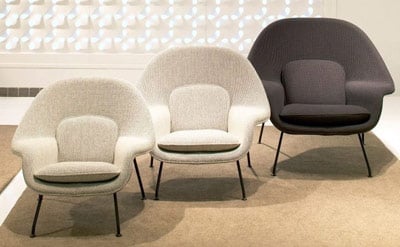
When Eero Saarinen began working with Florence Knoll, she challenged him to create the world’s most comfortable chair, and he reasoned that nothing could be more comfortable than the womb. The aptly named chair was first released in 1948 and has been continually produced by Knoll since then.
The fiberglass shell wraps around you like a protective cocoon, while the angled seat and supportive back make it nearly impossible to sit in this chair without relaxing. Form and comfort became inseparable.
Like Go2Tutors’s content? Follow us on MSN.
Eames Lounge Chair and Ottoman
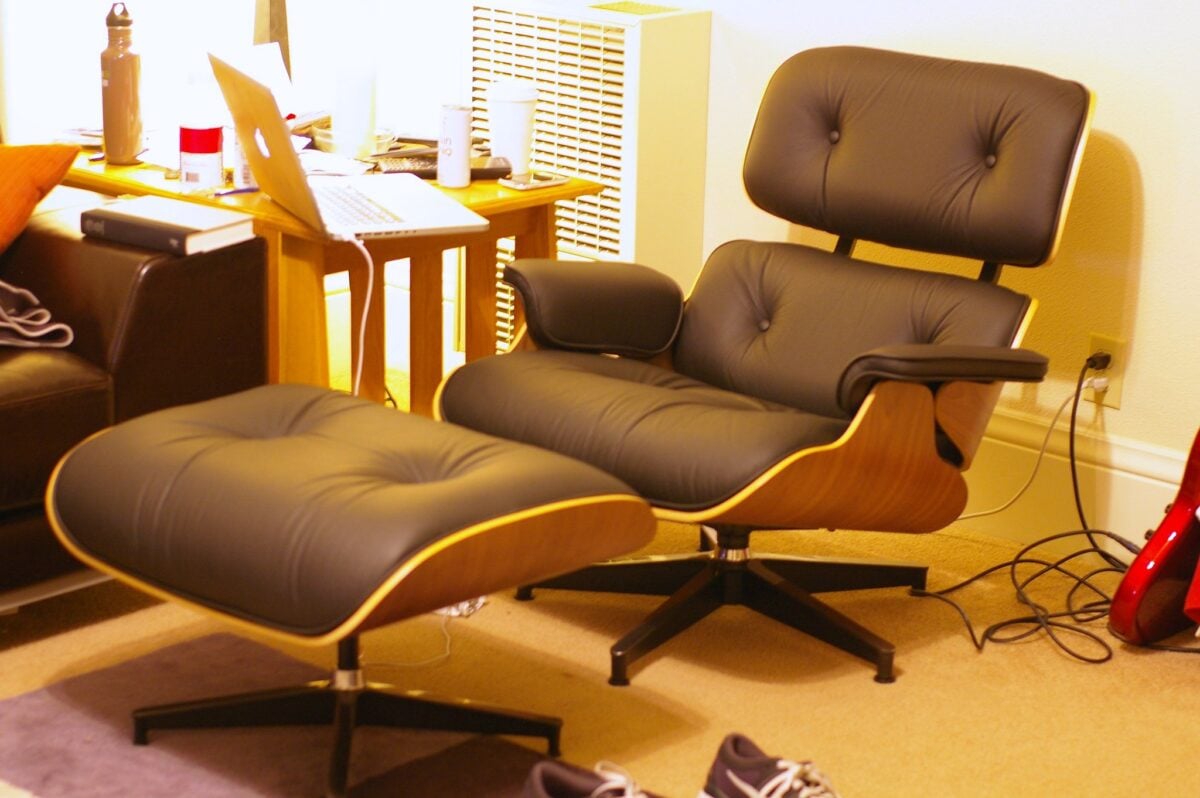
Designers Charles and Ray Eames introduced the lounge chair in 1956, inspired by the traditional English club chair, and Charles’s vision was for a chair with ‘the warm, receptive look of a well-used first baseman’s mitt.’ Made of molded plywood and leather, it was the first chair the Eameses designed for the high-end market.
The three shells curve to cradle your body, while the ottoman provides the perfect height for your feet. Luxury and modern design finally shook hands, proving that contemporary furniture could feel as good as it looked.
Tulip Chair
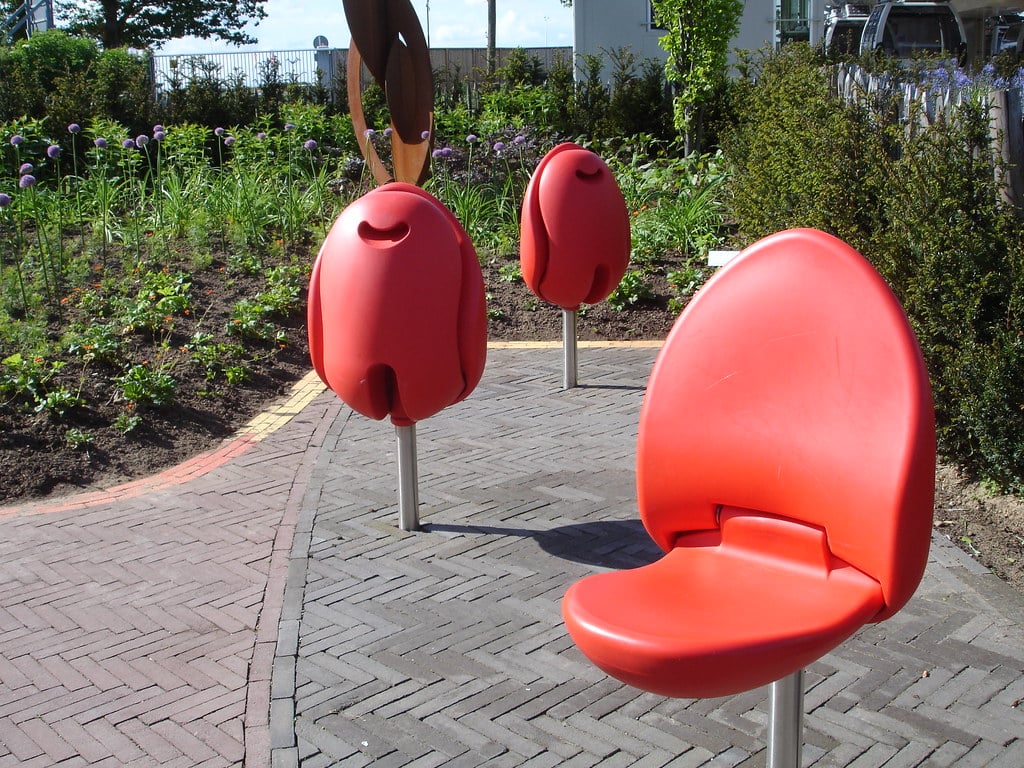
Eero Saarinen created the Tulip collection in 1957 because he was tired of seeing so many table and chair legs in a room, calling it ‘an ugly, confusing, unrestful world.’ The Tulip collection replaced four-legged designs with one central pedestal, supporting a sculptural seat reminiscent of its namesake flower.
The single stem rising from the floor gave dining rooms a cleaner, more unified look. It was futuristic without being cold, organic without being fussy—a perfect balance that made it feel like furniture from another decade.
Egg Chair
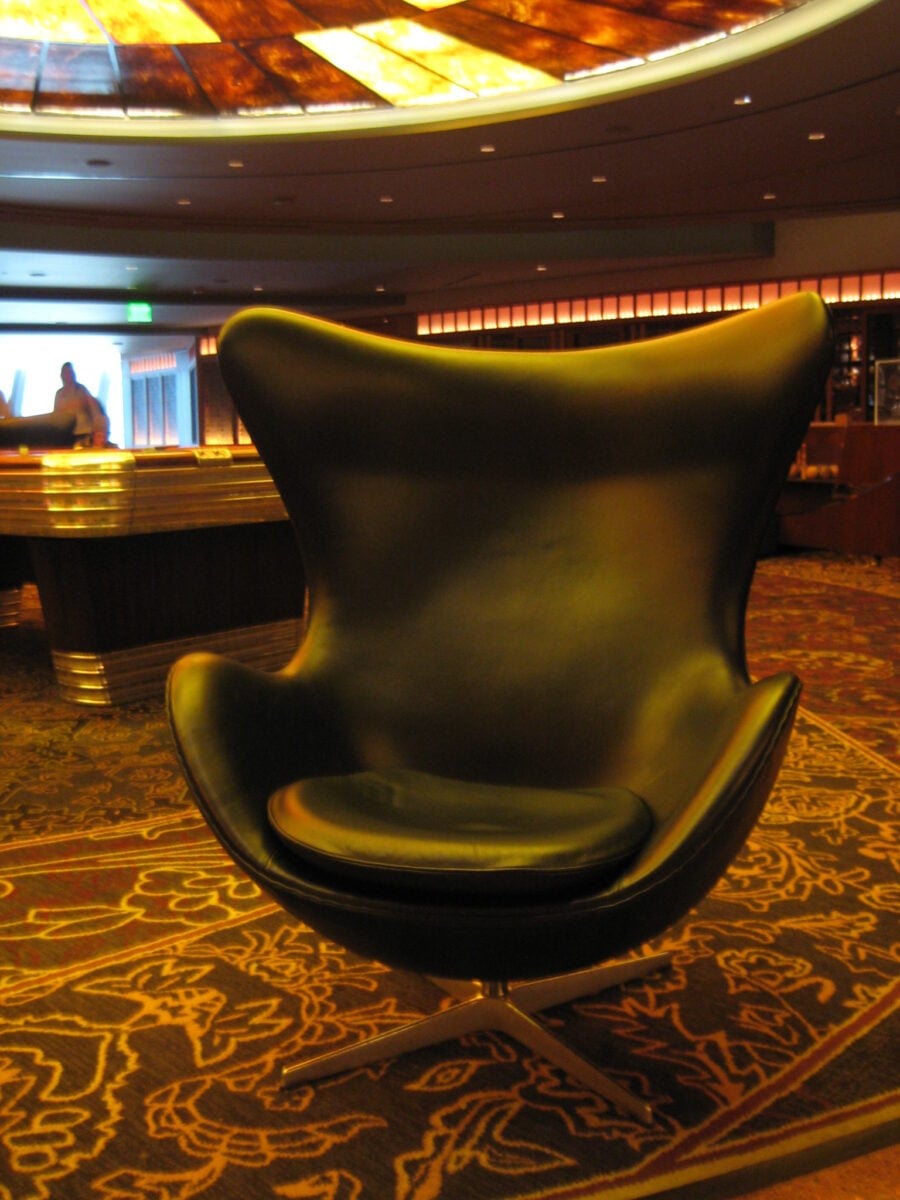
Danish architect Arne Jacobsen designed the iconic Egg Chair in 1958 specifically for the SAS Royal Hotel, which he had also designed. The chair is molded from rigid foam and upholstered with cushions, featuring a high back and armrests with a swivel base.
The curved shell creates a private space within a larger room, offering both physical and psychological comfort. It’s sculptural enough to be art but comfortable enough that you’ll never want to get up.
Like Go2Tutors’s content? Follow us on MSN.
Swan Chair
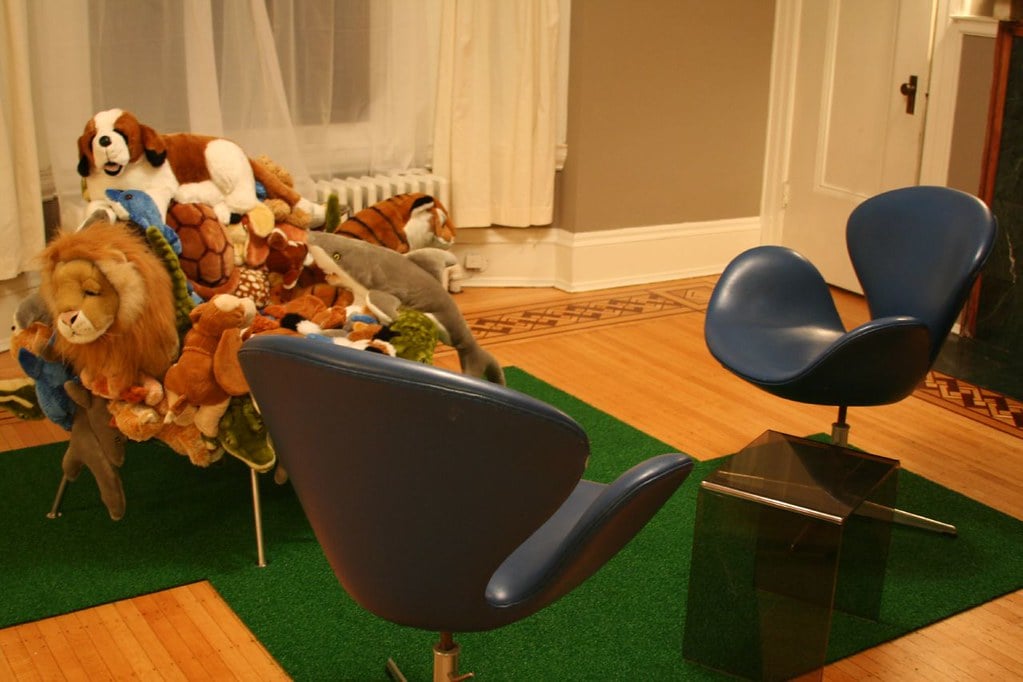
Created alongside the Egg Chair for the SAS Royal Hotel in 1958, the Swan Chair features flowing curves and a swiveling base, embodying elegance and comfort in a sculptural form. The design eliminates all straight lines, creating something that looks more grown than built.
Jacobsen’s prototype was assembled in his garage, proving that groundbreaking design doesn’t always need a fancy studio. The chair has such visual presence that fashion designer Paul Smith once covered one in his fabric pattern just to celebrate it.
Panton Chair
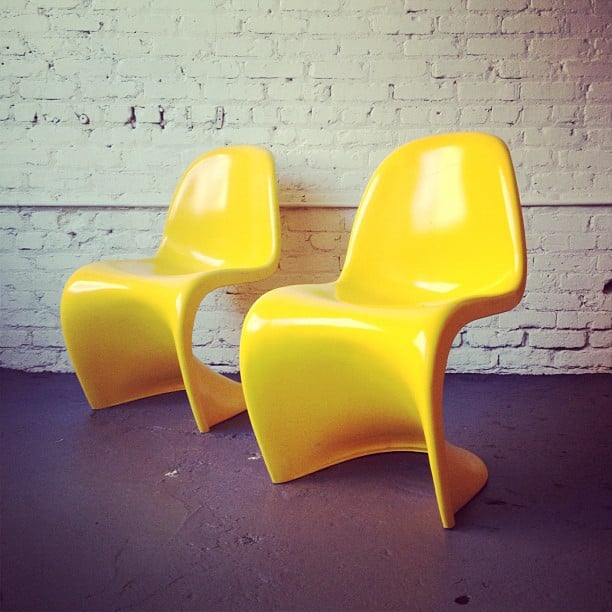
The Panton Chair was designed in 1960 by Verner Panton and introduced in 1967 as the first chair made entirely of molded plastic in a single piece. The chair’s S-shaped form and stackable design made it an instant classic, frequently featured in avant-garde interiors and photography.
It looks like it’s flowing or melting, a frozen wave of color that belongs in a spaceship. The fact that it’s also comfortable and practical almost seems beside the point—this chair is about possibility, about what design could become.
Bringing It All Together
Modern furniture evolved as designers introduced new technology and materials, shifting from decorative excess to minimalist principles while changing philosophy and architecture influenced the approach. These sixteen pieces trace that evolution from industrial revolution to postmodern rebellion.
They show us that furniture is never just furniture—it’s a statement about how we want to live, what we value, and what kind of world we’re trying to build. Today these designs sit in museums and living rooms alike, still working, still relevant, still shaping how we think about the objects we live with every day.
Like Go2Tutors’s content? Follow us on MSN.
More from Go2Tutors!

- 16 Historical Figures Who Were Nothing Like You Think
- 12 Things Sold in the 80s That Are Now Illegal
- 15 VHS Tapes That Could Be Worth Thousands
- 17 Historical “What Ifs” That Would Have Changed Everything
- 18 TV Shows That Vanished Without a Finale
Like Go2Tutors’s content? Follow us on MSN.