Famous dresses worn only once
A few gowns get worn again and again. Most exist just for one night, meant to disappear after that.
Think of how iconic ones usually shine once, then step out of sight. These clothes show up, take over the room, and slip away – kept alive in photos, not closets.
It’s their one-time-only nature that sticks in your mind.
A single wearing gives certain dresses a quiet power. Held close to one event, they bond tightly to the wearer, the place, the mood – none of which can be repeated.
To put it on again feels wrong, like repeating a line meant for one scene only. Their role was fixed the first time they were seen.
Time stops around them.
A single moment can define a dress more than endless appearances ever could. Think of how quiet impact often speaks louder than constant presence.
These gowns appeared just one time yet stayed unforgettable. Absence gave them weight instead of wear.
Each vanished after its debut, leaving behind images that stuck around. Less showing made them matter more.
Silence between viewings built memories stronger than any parade. Rareness shaped legacy far better than reuse ever would.
Marilyn Monroe’s ‘Happy Birthday’ dress
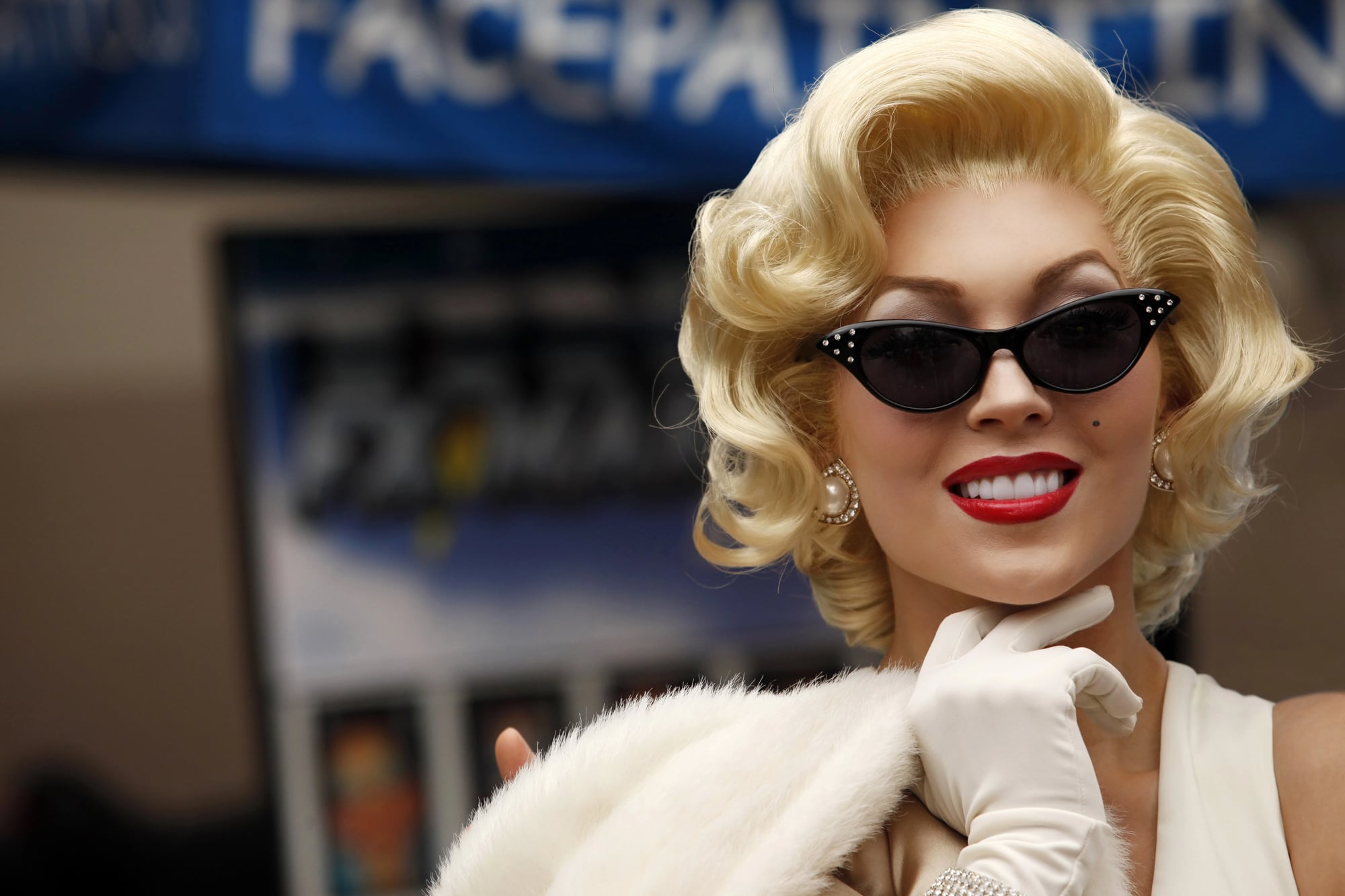
That see-through dress Marilyn Monroe had on when she sang to JFK back in 1962? You’d be hard-pressed to find a more famous outfit.
Crafted so it nearly vanished under bright lights, the garment fit like skin – stitched right onto her frame before the show.
Still hanging there, untouched on purpose. Not because it broke, but because its meaning needed just one night.
Delicate threads, built for a scene nobody could repeat. Magic lived in how fast it appeared then vanished.
Doing it twice would drain the surprise right out. Now people see history stitched into fabric, not something meant to be worn.
Audrey Hepburn’s Ascot dress

Audrey Hepburn’s white Ascot dress from My Fair Lady is often remembered as effortless elegance. Though it appeared on screen, it was created solely for that scene and never worn beyond it.
The dress was theatrical rather than practical, designed to visually communicate transformation, class, and control. Its single use preserved its narrative purpose.
Outside that context, it would lose meaning, becoming costume rather than storytelling.
Princess Diana’s ‘revenge dress’

Princess Diana wore the now-famous black off-the-shoulder dress to a public event in 1994, on the same evening Prince Charles publicly admitted to infidelity. The timing turned the dress into a statement without requiring explanation.
She never wore it again. The dress had already completed its role.
Its symbolism rested on confidence and visibility, and repetition would have softened that message. Retiring it immediately preserved its emotional clarity.
Jennifer Lopez’s green Versace dress
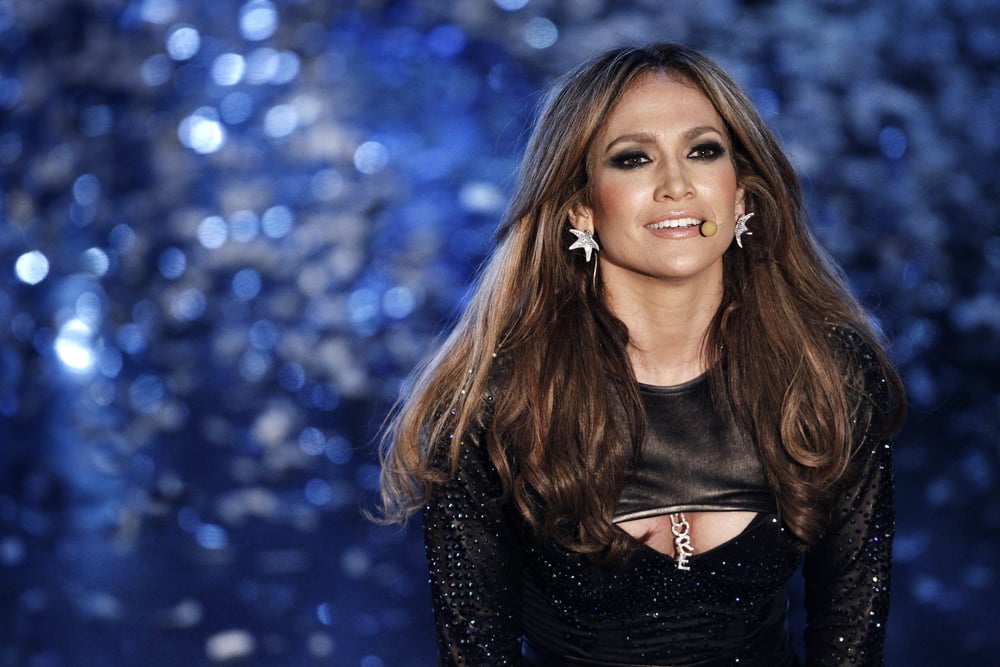
Jennifer Lopez’s plunging green Versace dress at the 2000 Grammy Awards marked a turning point in celebrity fashion culture. The dress was daring, fluid, and visually arresting, arriving at a moment when the internet was beginning to reshape how images spread.
She never wore it again. The dress belonged entirely to that night, that reaction, and that cultural shift.
Its influence was so significant that it reportedly inspired changes in how images were cataloged and searched online. One appearance was enough to secure its legacy.
Lady Gaga’s meat dress

Lady Gaga’s meat dress was designed for performance rather than apparel. Worn once at an awards ceremony, it functioned as visual commentary rather than fashion in the traditional sense.
The dress was preserved, but never repeated. Its meaning depended on shock, context, and immediacy.
Outside that moment, it would lose coherence. By limiting it to a single appearance, Gaga ensured it remained message rather than spectacle.
Grace Kelly’s wedding dress

Grace Kelly’s wedding dress, worn when she married Prince Rainier III of Monaco, symbolized a public transformation. Designed to blend royal tradition with Hollywood refinement, it marked the end of one identity and the beginning of another.
The dress was never worn again, nor was it meant to be. Its purpose was ceremonial, not personal.
Over time, it became a reference point for bridal fashion rather than a garment meant for reuse.
Rihanna’s Met Gala papal gown

Rihanna’s papal-inspired gown at the Met Gala was created specifically to align with that year’s theme. Every detail was deliberate, from structure to symbolism, designed to exist only within that conceptual framework.
The dress was never repeated because it could not be separated from its context. Outside that setting, it would become costume rather than commentary.
Theme-driven fashion often gains strength through singularity.
Kate Middleton’s wedding dress

Kate Middleton’s wedding dress marked a modern royal milestone. Its design balanced tradition with restraint, signaling continuity rather than excess.
Like most royal wedding gowns, it was worn once. Its function was historical rather than practical, intended to mark a moment rather than serve a wardrobe.
Repetition would undermine its role as a public symbol.
Cher’s Bob Mackie Oscar dress
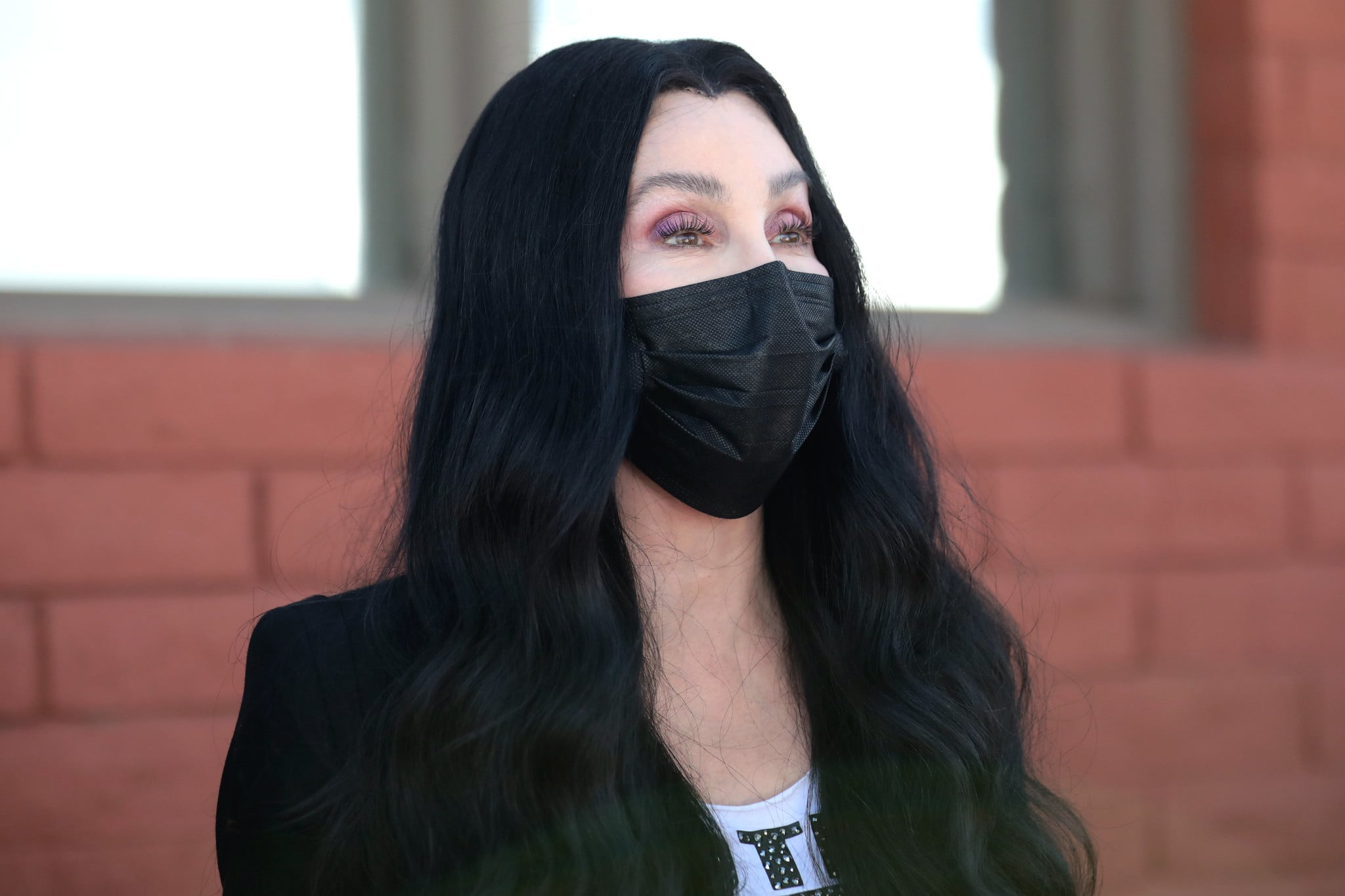
Cher’s Bob Mackie dress at the Academy Awards redefined red carpet boundaries. Bare, theatrical, and unapologetic, it challenged expectations of elegance and propriety.
She wore it once, and that was enough. The dress was an event in itself.
Its power depended on surprise, and repetition would have transformed defiance into familiarity.
When once is intentional

At this level, wearing a dress only once is rarely accidental. These garments are often fragile, heavily customized, or so tightly bound to a specific moment that reuse would feel inappropriate.
Designers and wearers alike understand that meaning can be diminished through repetition.
There is also narrative control at play. Fashion at this scale operates like storytelling.
A single appearance allows the message to remain clear, while repetition introduces ambiguity. Ending the story at its peak preserves its impact.
Fashion as punctuation, not routine
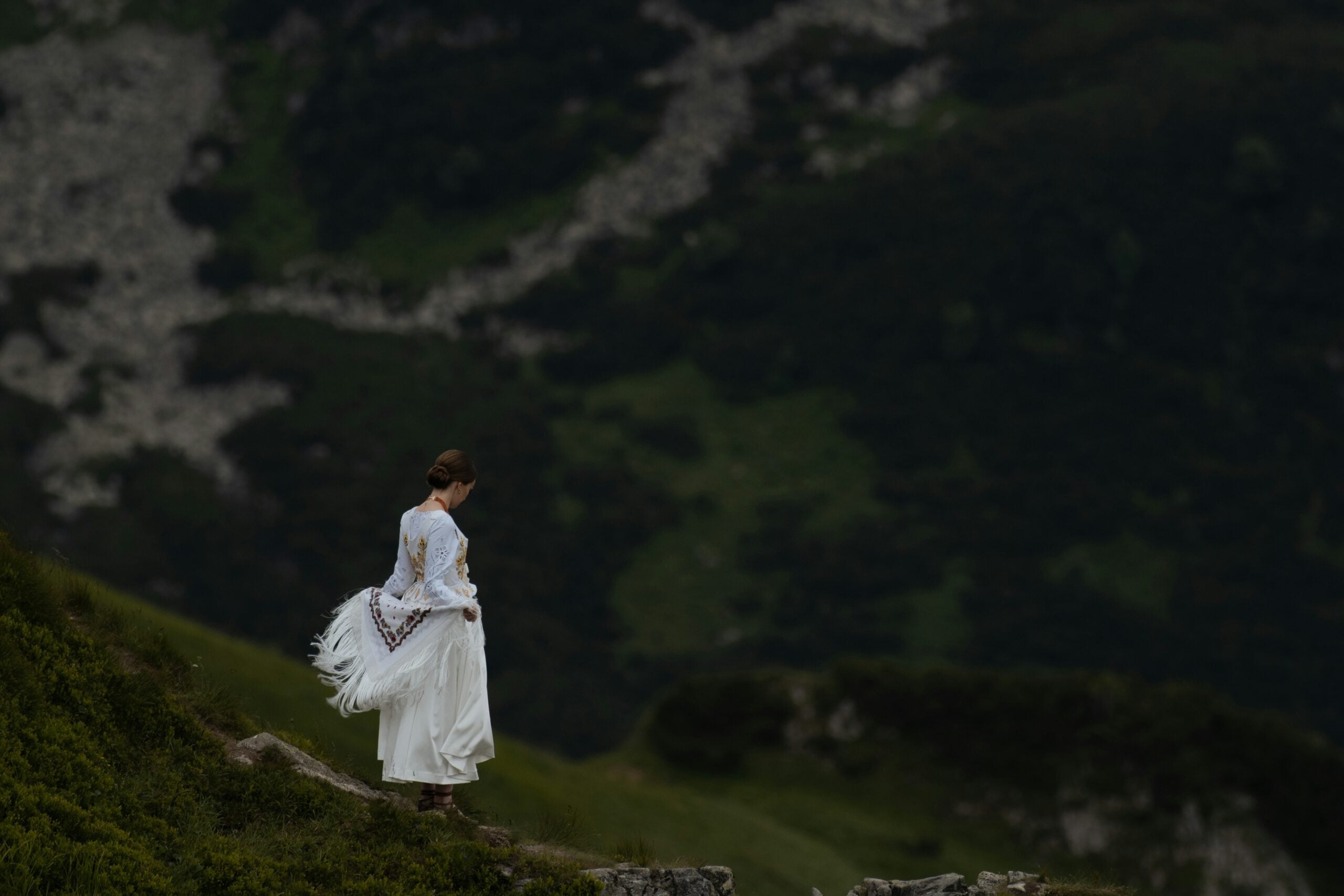
A period at the end of a thought – that is what these dresses feel like. For just a moment they show up, say exactly what they need to, then vanish.
What makes them strong isn’t how they bend but how they stop. Stopping shapes everything that came before.
What you put on every day changes over time. These pieces do not grow or shift.
Their purpose leans toward conclusion. To wear one just a single time isn’t holding back.
That moment is the whole point.
Why it still matters
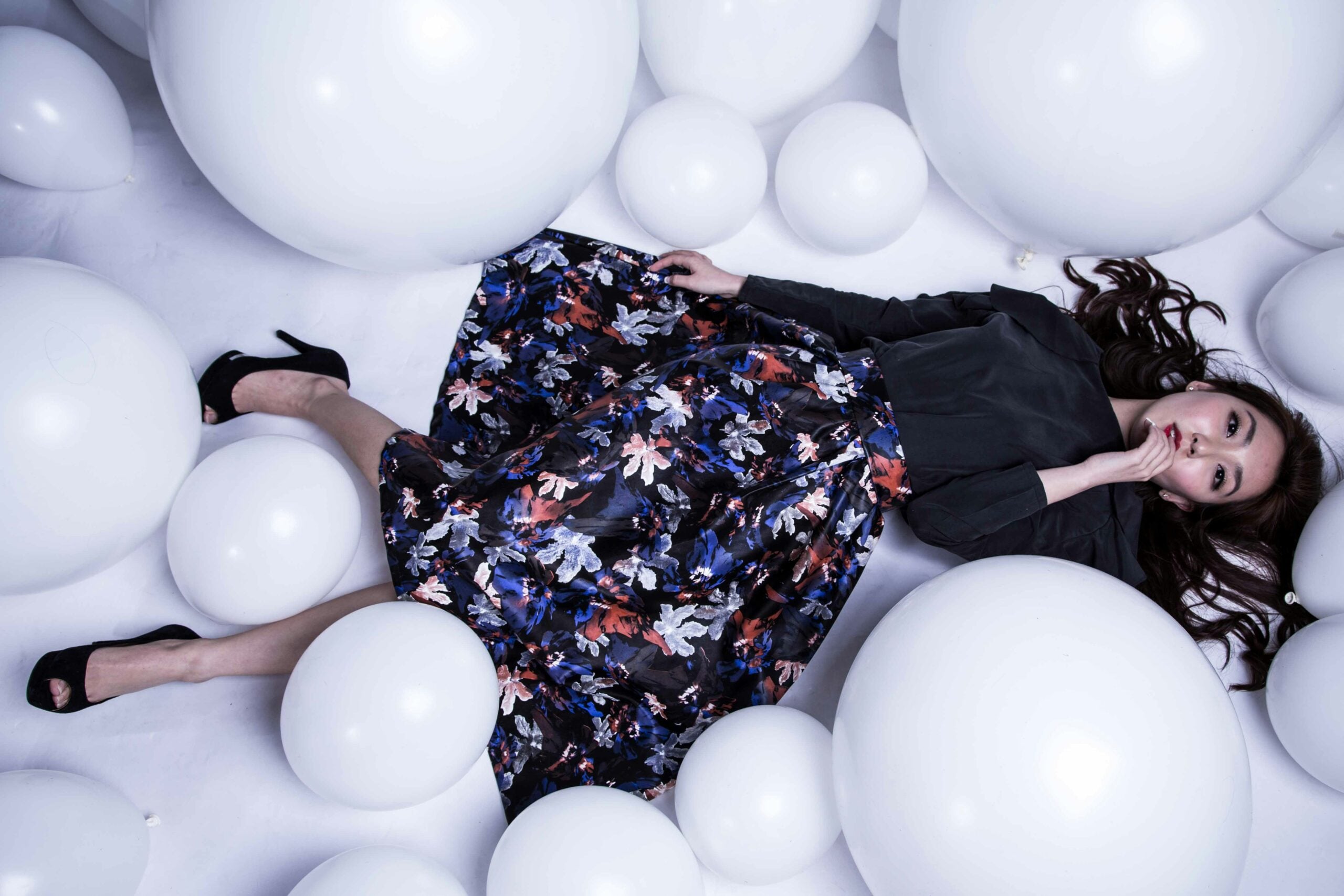
One-time wonders on red carpets whisper quiet truths about choice over clutter. Precision shapes impact more than frequency ever could.
Silence between events speaks louder than constant presence. Timing turns cloth into memory.
Moments freeze when repeated too much to lose weight. Worn just once, some gowns hold decades inside their seams.
Avoiding reuse guards the emotion like a locked room.
More from Go2Tutors!

- The Romanov Crown Jewels and Their Tragic Fate
- 13 Historical Mysteries That Science Still Can’t Solve
- Famous Hoaxes That Fooled the World for Years
- 15 Child Stars with Tragic Adult Lives
- 16 Famous Jewelry Pieces in History
Like Go2Tutors’s content? Follow us on MSN.