Heartbreaking Movies to Love
Some movies linger in your head longer than expected. After hitting stop, you just stay put, staring at the screen as names scroll by, not quite eager to move.
These stories hurt – yet somehow that ache feels right. Tears come, sure, but so does gratitude for having seen it.
Maybe later, you’ll play it once more, fully aware of every twist ahead.
Schindler’s List Shows History’s Weight

Steven Spielberg’s 1993 film follows Oskar Schindler, a German industrialist who saved over 1,100 Jewish lives during the Holocaust. The black and white cinematography creates distance that somehow brings you closer.
You watch Schindler transform from profiteer to savior. The little girl in the red coat becomes one of cinema’s most haunting images.
The ending, when Schindler breaks down realizing he could have saved more people, destroys you.
The Green Mile Explores Death Row Differently

A death row guard meets an inmate with supernatural healing powers. Michael Clarke Duncan plays John Coffey, a gentle giant convicted of murdering two girls.
The film slowly reveals his innocence while showing his impossible gift. You know where this story leads.
Death row doesn’t care about innocence or miracles. The execution scene ranks among the most difficult moments ever filmed.
Tom Hanks narrates the story from old age, still haunted by what happened.
Grave of the Fireflies Never Gets Easier
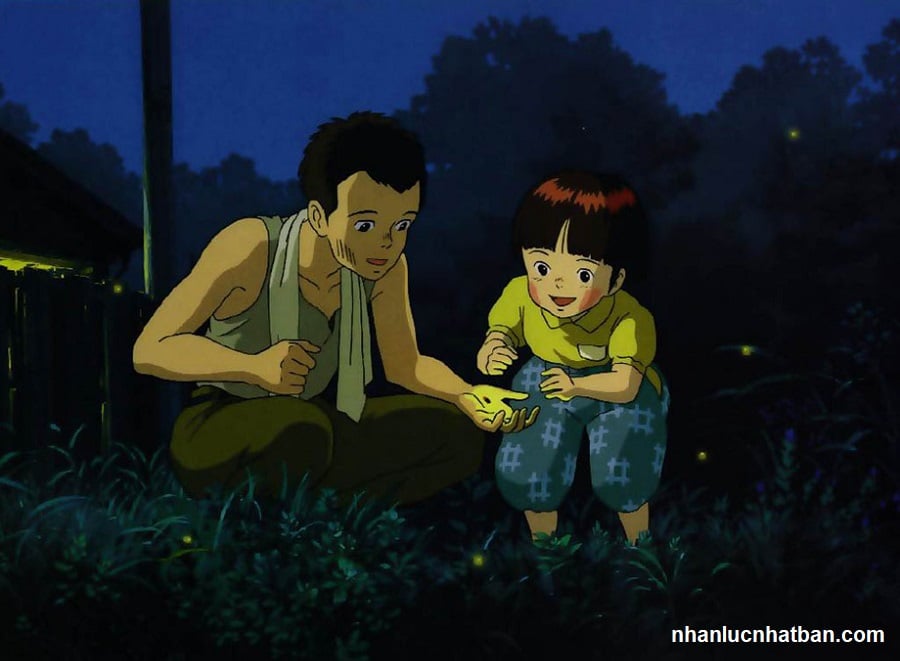
This Studio Ghibli film from 1988 follows two Japanese siblings trying to survive after World War II firebombings. Seita tries to care for his younger sister Setsuko after their mother dies.
Hunger slowly destroys them both. The opening tells you immediately that Seita dies in a train station.
The film then shows you how he got there. Animation doesn’t make the pain lighter.
If anything, it cuts deeper. You watch children starve while the world moves on around them.
Manchester by the Sea Captures Grief’s Paralysis
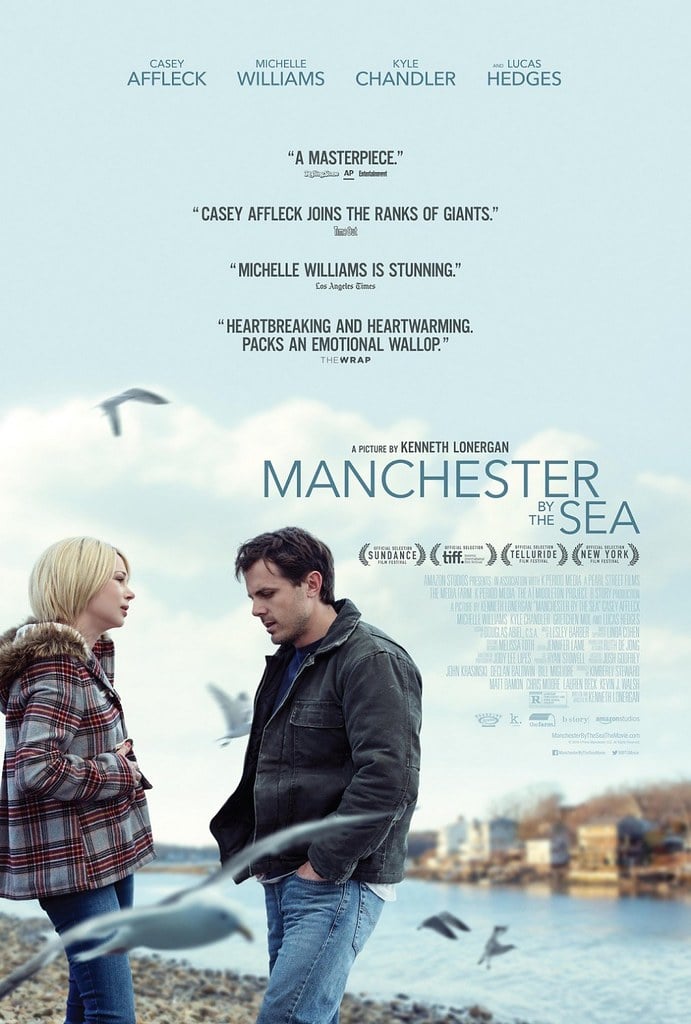
Lee Chandler returns to his hometown after his brother dies. He becomes guardian to his teenage nephew.
Flashbacks reveal the tragedy that drove Lee away years before. Casey Affleck plays Lee as a man who can barely function under the weight of his past.
The film doesn’t offer redemption or healing. Some wounds don’t close.
Some people don’t move on. The honesty in that truth breaks your heart.
Up Makes You Cry In Ten Minutes

Pixar opens with Carl and Ellie’s life together told without dialogue. Marriage, dreams, disappointments, illness, death.
Ten minutes and you’re sobbing. The rest of the film follows elderly Carl traveling to South America with a young scout.
The adventure story works, but if those opening minutes stay with you. The film captures how love and loss intertwine so completely you can’t separate them.
Room Shows Captivity Through a Child’s Eyes

A woman and her five-year-old son live in a single room where she’s been held captive for seven years. The boy knows nothing else.
The room is his whole world. Brie Larson gives everything to protect her son while planning their escape.
The film’s first half builds tension. The second half explores what happens after freedom.
The boy struggles to adjust to a world that’s too big and too strange. Recovery takes longer than escape.
The Boy in the Striped Pajamas Ends Brutally

An eight-year-old boy befriends another boy through a concentration camp fence. Bruno doesn’t understand where his father works.
He doesn’t grasp what the striped pajamas mean. The friendship develops with complete innocence.
The ending punishes that innocence in the cruelest way possible. You see it coming and still hope the film will swerve.
It doesn’t. The final moments leave you breathless.
Marley and Me Destroys Dog Lovers

A couple adopts a chaotic Labrador retriever who destroys their house and challenges their patience. The dog becomes part of their family through moves, children, and career changes.
For most of the runtime, you laugh at Marley’s antics. Then the dog ages.
The final third of the film shows Marley’s decline. Anyone who’s loved a dog knows where this goes.
The vet visit near the end remains one of cinema’s most honest portrayals of saying goodbye to a pet.
Atonement Punishes One Lie

A young girl misunderstands what she sees and tells a lie that destroys two lives. James McAvoy and Keira Knightley play lovers torn apart by false accusations.
The film spans decades and a war. The cinematography is beautiful.
The score swells at perfect moments. The ending reveals just how thoroughly that childhood lie poisoned everything that followed.
The final twist reframes the entire story you just watched.
Life is Beautiful Uses Comedy Before Tragedy
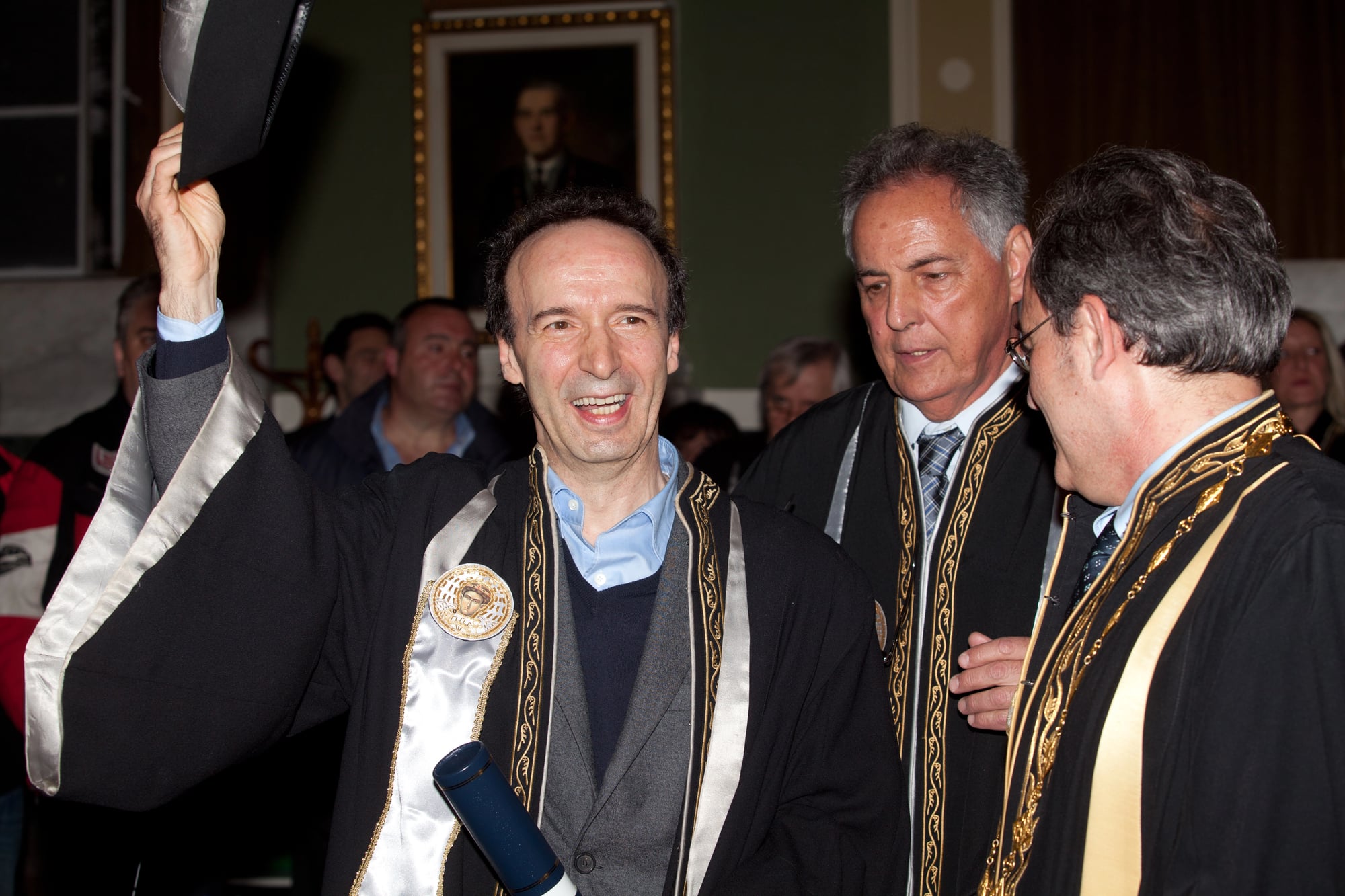
Roberto Benigni plays a Jewish Italian father who uses humor and imagination to shield his son from the horrors of a concentration camp. The first half plays as romantic comedy.
The second half takes place in the camp where the father convinces his son they’re playing an elaborate game. He maintains the illusion until the end.
The father’s final act of protection as he’s led away wraps hope and heartbreak together.
My Girl Handles First Love and First Loss

An 11-year-old girl lives in a funeral home with her widowed father. She develops a friendship with a boy who’s allergic to everything.
The film captures the awkwardness of first crushes and the confusion of approaching adolescence. Then tragedy strikes during a simple trip to find a lost ring.
The funeral scene shows grief from a child’s perspective. The inability to understand why someone won’t wake up hits harder than any adult drama.
Hotel Rwanda Documents Impossible Choices

Paul Rusesabagina manages a luxury hotel in Rwanda when genocide erupts around him. Don Cheadle plays Paul as he uses every connection and favor to shelter over a thousand refugees.
The film shows someone becoming a hero not through bravery but through desperate resourcefulness. The violence stays mostly off-screen, which makes it more terrifying.
You watch Paul’s face as he realizes the world isn’t coming to help.
The Fault in Our Stars Embraces Terminal Illness

Two teenagers meet at a cancer support group. They fall in love knowing time is limited.
The film could have become manipulative melodrama. Instead, it finds humor and honesty in facing death young.
The Amsterdam trip gives them moments of joy against an unavoidable countdown. The eulogies written and spoken create a unique kind of heartbreak.
Love doesn’t fix anything. It just makes the ending mean more.
Requiem for a Dream Shows Addiction’s Spiral

Four people chase different versions of happiness through drugs. The film tracks their simultaneous descents into addiction and despair.
Darren Aronofsky’s editing style grows increasingly chaotic as the characters lose control. Each person starts with understandable dreams and reasonable plans.
The film shows exactly how those plans disintegrate. The final montage offers no redemption, no recovery, just the brutal endpoint of each character’s choices.
What Crying in the Dark Teaches Us

These movies aren’t about neat conclusions or quick fixes. Instead, they face grief, sorrow, unfairness, hurt – head-on.
Watching them, you expect tears, even a rough next day. Yet feeling those emotions together, through cinema, brings release.
You weep for people who aren’t real, yet work through pain from actual goodbyes in your world. These films bring sorrow – somehow that sadness feels meaningful.
They show you that strong emotions, even painful ones, prove you’re living fully and can still connect. Often, the stories that leave you shattered end up being the ones you hold closest.
More from Go2Tutors!

- The Romanov Crown Jewels and Their Tragic Fate
- 13 Historical Mysteries That Science Still Can’t Solve
- Famous Hoaxes That Fooled the World for Years
- 15 Child Stars with Tragic Adult Lives
- 16 Famous Jewelry Pieces in History
Like Go2Tutors’s content? Follow us on MSN.