15 Phrases People Use Every Day Without Knowing Their Dark Origins
Language evolves in fascinating ways, carrying traces of history that most speakers never realize. The innocent expressions we casually drop into conversation often have surprising and sometimes disturbing backstories that reveal much about our cultural past.
Here is a list of 15 common phrases with unexpectedly dark origins that might make you think twice about the words you use daily.
Rule of Thumb

This seemingly innocent measurement reference originated from an old English law that reportedly allowed men to beat their wives with a stick, provided it was no thicker than their thumb. While historians debate whether this law was ever formally codified, the phrase emerged from this disturbing concept of acceptable domestic violence.
Basket Case

Today used to describe someone who’s overwhelmed or disorganized, this term originated after World War I to describe soldiers who had lost all four limbs in battle and had to be carried around in baskets. The military officially denied such cases existed, making the term even more controversial.
Sold Down the River

When someone betrays your trust, you might say they ‘sold you down the river.’ This phrase comes directly from the American slave trade, when slaveholders in the Upper South would literally sell their slaves down the Mississippi River to the Deep South, where conditions were even more brutal.
Deadlines

This common publishing and project management term has a literal origin from Civil War prison camps. At Andersonville prison, guards would draw a boundary line around the prison perimeter, and any prisoner crossing this ‘dead line’ would be shot immediately without warning.
Brand Recognition

The modern marketing concept of making your company identifiable stems from the practice of branding livestock—and historically, human slaves—with hot irons to mark ownership. The painful practice of human branding was used to identify runaway slaves and criminals for centuries.
Paying Through the Nose

This painful-sounding idiom for expensive payments comes from 9th-century Ireland, where Danish invaders would slit the noses of Irish people who refused to pay their taxes. The grisly punishment ensured compliance with their excessive taxation demands.
Meeting a Deadline

While ‘deadline’ itself has dark origins, the pressure of ‘meeting a deadline’ comes from 19th-century newspaper printing. Missed deadlines often meant entire editions wouldn’t print, resulting in financial ruin for many small papers and occasionally leading to violence against workers who caused delays.
Cakewalk

The term for something simple came from pre-Civil War plantation activities where enslaved people would perform an exaggerated formal dance ridiculing their white owners’ behavior. Not understanding the ridicule, the owners would give cakes to the “best” performances.
Sleep Tight
This classic nighttime phrase originated from a time when regularly tightened ropes supported mattresses. Should the ropes be slack, the sleeper would sink into a painful posture, running the danger of falling through the bed frame totally.
Sold a Bill of Goods

This phrase for being tricked or deceived comes from traveling salesmen who would take payment for goods, provide a receipt (bill of goods), but never deliver the merchandise. Many families lost crucial savings to these schemes during economically desperate times.
Cat Got Your Tongue
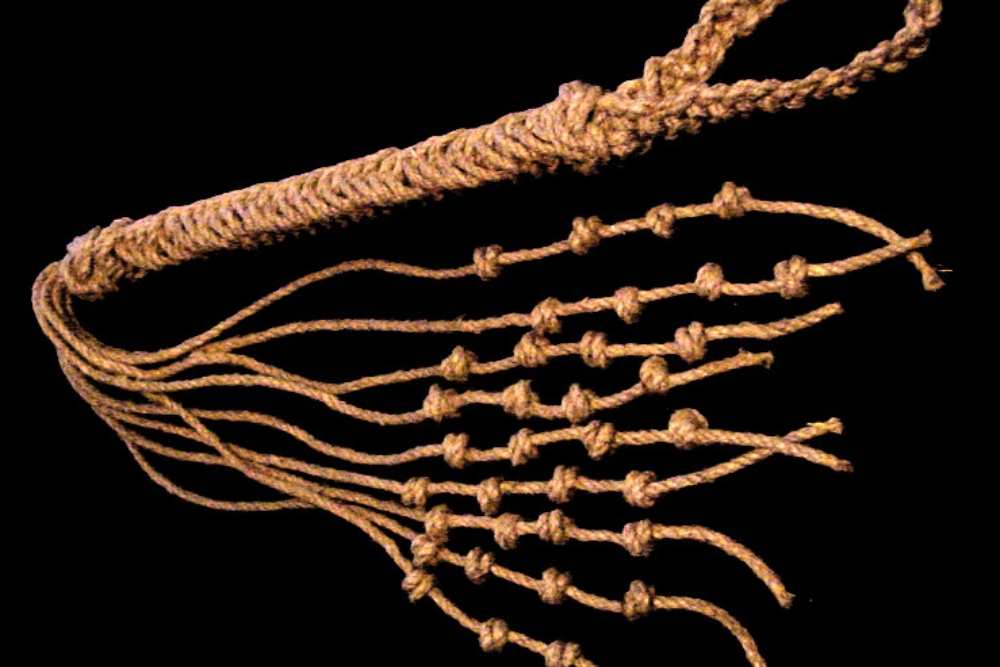
This playful phrase used when someone is speechless has several proposed dark origins. One suggests it references the cat-o’-nine-tails whip used to flog sailors into silence, while another claims it relates to ancient punishment where liars’ tongues were cut out and fed to cats.
Dressed to Kill
This complimentary phrase about impressive attire originated from soldiers wearing their most elaborate uniforms to intimidate enemies in battle. The psychological warfare technique was meant to make the opponent think twice before engaging with such professionally outfitted forces.
Bite the Bullet
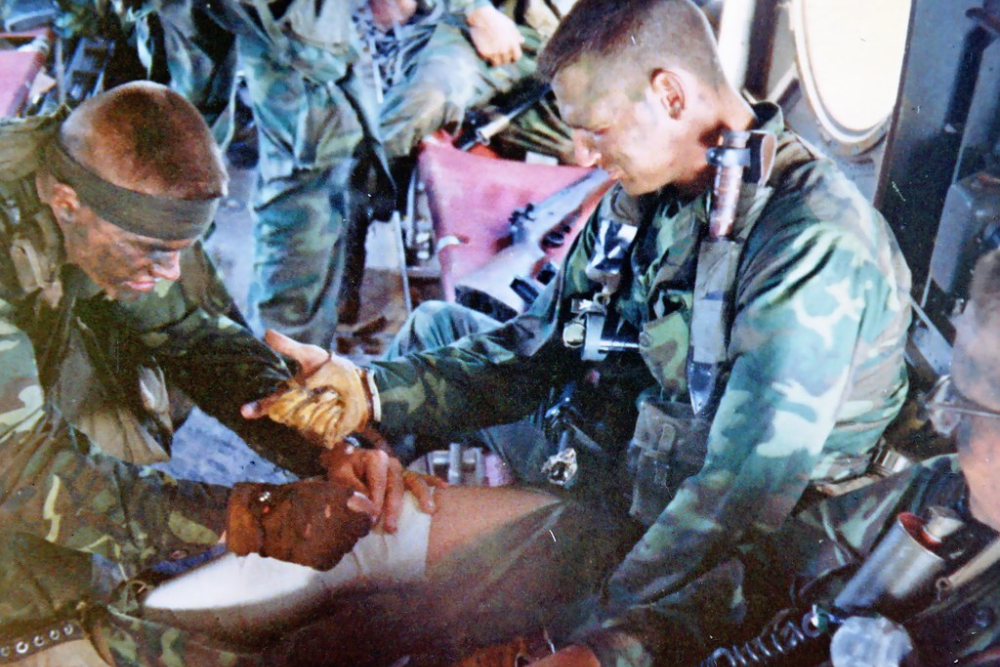
This expression for enduring something painful comes from battlefield surgery before anesthesia, when wounded soldiers would literally bite on bullets to endure the excruciating pain of operations, amputations, and extractions without medication.
Blood Money

This term for payment received for betrayal or murder has an ancient history. In medieval Norse and Germanic societies, ‘wergild’ or man-payment was the compensation paid by murderers to the family of someone they killed—literally putting a price on human life.
Give the Cold Shoulder

This snubbing gesture originated from medieval hospitality customs. When hosts wanted guests to leave, they would serve them cold shoulder of mutton instead of hot food, signaling that their welcome had ended without directly confronting them.
More Than Mere Words

Language carries our collective history—both the triumphs and the tragedies. These everyday phrases remind us that words aren’t simply tools for communication but artifacts preserving cultural memories that might otherwise be forgotten.
The dark origins behind these common expressions serve as subtle reminders of how far society has progressed, even as echoes of the past continue in our daily conversations.
More from Go2Tutors!

- The Romanov Crown Jewels and Their Tragic Fate
- 13 Historical Mysteries That Science Still Can’t Solve
- Famous Hoaxes That Fooled the World for Years
- 15 Child Stars with Tragic Adult Lives
- 16 Famous Jewelry Pieces in History
Like Go2Tutors’s content? Follow us on MSN.



