Historic Trades That Impacted Future Industries
Some deals happen quietly, without much fanfare, and yet they end up shaping entire industries for decades to come. A businessman swaps land for livestock, a government sells territory for cash, or a company trades patents for survival.
These transactions might have seemed ordinary at the time, but they created ripples that turned into waves, changing how we live, work, and do business today. Let’s look at some of these game-changing exchanges that rewrote the rules for industries around the world.
The Louisiana Purchase

Thomas Jefferson doubled the size of the United States in 1803 by purchasing roughly 827,000 square miles from France for about $15 million. Napoleon Bonaparte needed cash to fund his wars in Europe, and America needed room to grow.
The deal worked out to about three cents per acre, making it one of the most lopsided real estate transactions in history. This trade didn’t just expand borders.
It opened up farming lands that would turn America into an agricultural powerhouse, provided access to the Mississippi River for shipping industries, and gave the nation control over resources that would fuel the Industrial Revolution.
Manhattan Island for trade goods
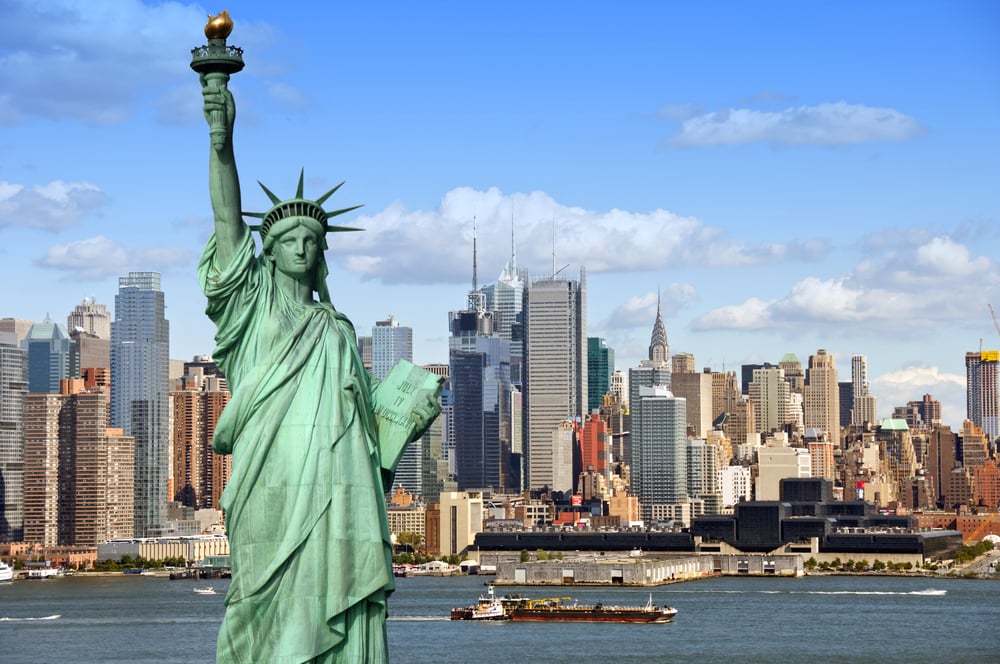
The Dutch West India Company purchased Manhattan from the Lenape people in 1626 for goods valued at 60 guilders, often cited as roughly $24 in modern estimates. While historians debate the exact value and nature of this exchange, the transaction gave the Dutch control over one of the world’s most strategic harbors.
Manhattan became New Amsterdam, then New York, and eventually the financial center of the world. Wall Street, the New York Stock Exchange, and countless banking institutions trace their roots back to this single trade that established European control over prime waterfront real estate.
Alaska from Russia

William Seward convinced Congress to buy Alaska from Russia in 1867 for $7.2 million, which critics mockingly called ‘Seward’s Folly’ at the time. The 586,000 square miles seemed like frozen wasteland with no obvious value to a nation still recovering from the Civil War.
Then gold was discovered in the Klondike, oil fields were tapped in Prudhoe Bay, and fishing industries exploded along the coast. The trade gave America access to resources worth trillions of dollars and strategic military positioning that proved critical during World War II and the Cold War.
The Suez Canal shares

The British government purchased Egypt’s shares in the Suez Canal Company in 1875 for £4 million, giving Britain control over the vital shipping route between Europe and Asia. Prime Minister Benjamin Disraeli moved quickly when Egypt’s ruler needed cash to pay off debts, securing the purchase with a loan from the Rothschild banking family.
This trade transformed global shipping industries by cutting thousands of miles off trade routes and giving Britain dominance over commerce between continents. The canal remains one of the world’s most important waterways, handling about 12 percent of global trade today.
Thomas Edison’s patents to General Electric
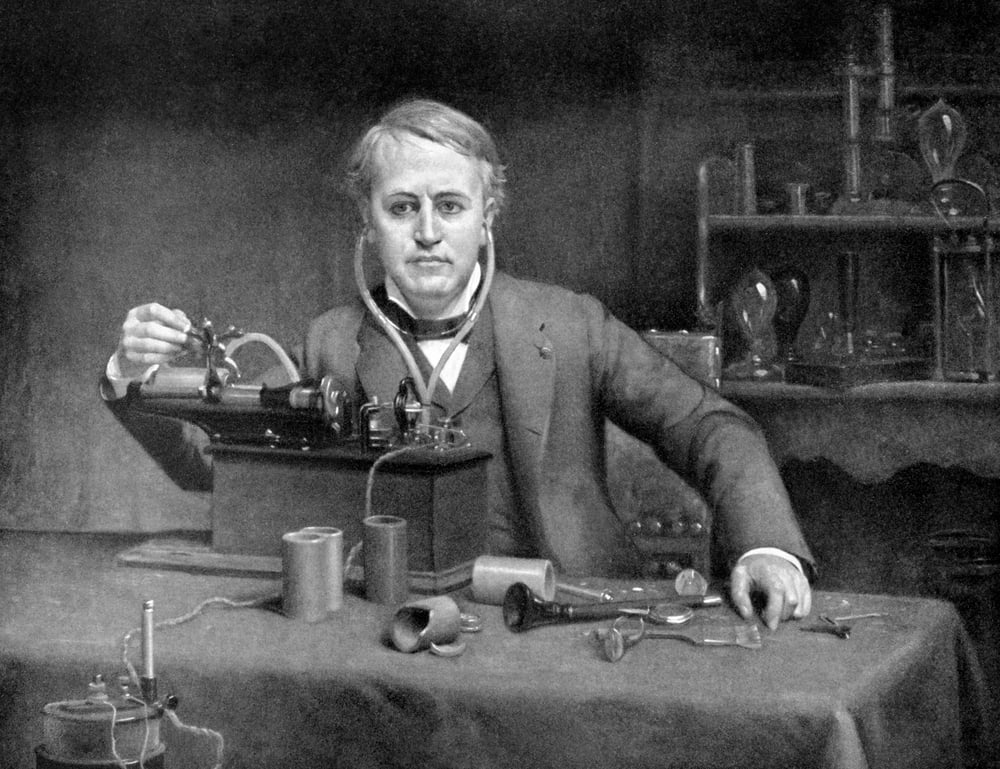
Edison merged his various electrical companies with Thomson-Houston Electric Company in 1892, trading his patents and businesses to form General Electric. He received stock and a board position but eventually lost control over his own innovations.
The consolidation created an industrial giant that standardized electrical systems across America and pioneered everything from light bulbs to jet engines. Edison’s willingness to trade individual ownership for corporate growth helped establish the modern model of industrial research and development that drives innovation today.
RCA’s color television patents

Radio Corporation of America dominated early television but fell behind in color technology during the 1940s and 1950s. RCA traded access to its existing patents with other manufacturers in exchange for adopting RCA’s color system as the industry standard.
This strategic exchange prevented a format war that could have delayed color television for years. The deal established RCA as the leader in broadcasting technology and created the framework for how media companies would cooperate on technical standards while competing on content.
The Bretton Woods Agreement

Forty-four nations gathered in New Hampshire in 1944 and essentially traded their individual currency systems for a unified framework tied to the U.S. dollar and gold. Countries agreed to peg their currencies to the dollar, while America promised to convert dollars to gold at $35 per ounce.
This massive international trade of monetary sovereignty stabilized global commerce after World War II and established the dollar as the world’s reserve currency. The agreement created institutions like the International Monetary Fund and World Bank that still govern international finance today, even though the gold standard ended in 1971.
IBM’s operating system deal with Microsoft

IBM needed an operating system for its personal computer in 1980 and made a deal with a small company called Microsoft. Instead of buying the software outright, IBM agreed to let Microsoft retain ownership and license MS-DOS to other computer makers.
Bill Gates and Paul Allen turned this trade into an empire by selling the same operating system to IBM’s competitors. The deal created the software industry as we know it, where licensing intellectual property became more valuable than manufacturing hardware.
The spectrum auction trades

The Federal Communications Commission started auctioning radio spectrum licenses in 1994 instead of giving them away through comparative hearings. Telecommunications companies traded billions of dollars for the right to use specific frequencies for cell phones, wireless internet, and broadcasting.
These auctions generated over $233 billion for the U.S. government while creating clear property rights that enabled companies to invest in building modern wireless networks. The trade of airwaves for cash established the foundation for the mobile revolution that put smartphones in billions of pockets.
Daimler-Benz and Chrysler merger

German automaker Daimler-Benz merged with Chrysler Corporation in 1998 in what was called a ‘merger of equals’ worth $36 billion. The companies traded their independent identities hoping to create a global automotive powerhouse that combined German engineering with American marketing.
The deal failed spectacularly, with Daimler selling most of Chrysler nine years later for just $7.4 billion. However, the merger taught industries worldwide about the challenges of cross-cultural corporate integration and changed how companies approach international partnerships and acquisitions.
The phonograph patent pool

Thomas Edison, Victor Talking Machine Company, and Columbia Records were suing each other constantly over phonograph patents in the early 1900s. They finally agreed to pool their patents and license them collectively, trading legal battles for shared profits.
This arrangement standardized record player technology and allowed the music industry to focus on content rather than equipment wars. The patent pool model influenced how technology companies would later handle competing innovations in industries from radio to semiconductors.
Standard Oil’s pipeline network

John D. Rockefeller built Standard Oil’s dominance not by drilling for oil but by controlling how it moved from wells to refineries to customers. He traded favorable shipping rates with railroads in exchange for guaranteed volume, then built his own pipeline network that made rail transport obsolete.
This trade of transportation infrastructure for market control showed industries that distribution channels could be more valuable than production. The strategy influenced everything from Amazon’s fulfillment centers to telecommunications networks today.
The Bell Telephone patent settlement
Alexander Graham Bell and Western Union nearly went to war over telephone patents in the 1870s, with Western Union claiming their telegraph network gave them rights to voice communication. They settled out of court, with Western Union trading its telephone patents and equipment to Bell in exchange for a share of telephone rental revenues for 17 years.
This deal gave Bell a monopoly that lasted nearly a century and established the telephone industry’s structure. The settlement also demonstrated how dominant companies could use licensing agreements to eliminate competition while avoiding antitrust concerns.
Disney’s acquisition of Pixar

Disney purchased Pixar in 2006 for $7.4 billion, trading cash and stock for a computer animation studio that had revolutionized filmmaking. The deal brought Steve Jobs onto Disney’s board and gave Disney access to Pixar’s technology and creative talent.
More importantly, it showed traditional media companies that they needed to embrace digital technology or risk becoming irrelevant. The acquisition influenced a wave of similar trades where established corporations bought innovative startups to gain expertise they couldn’t develop internally.
The OPEC oil embargo exchange
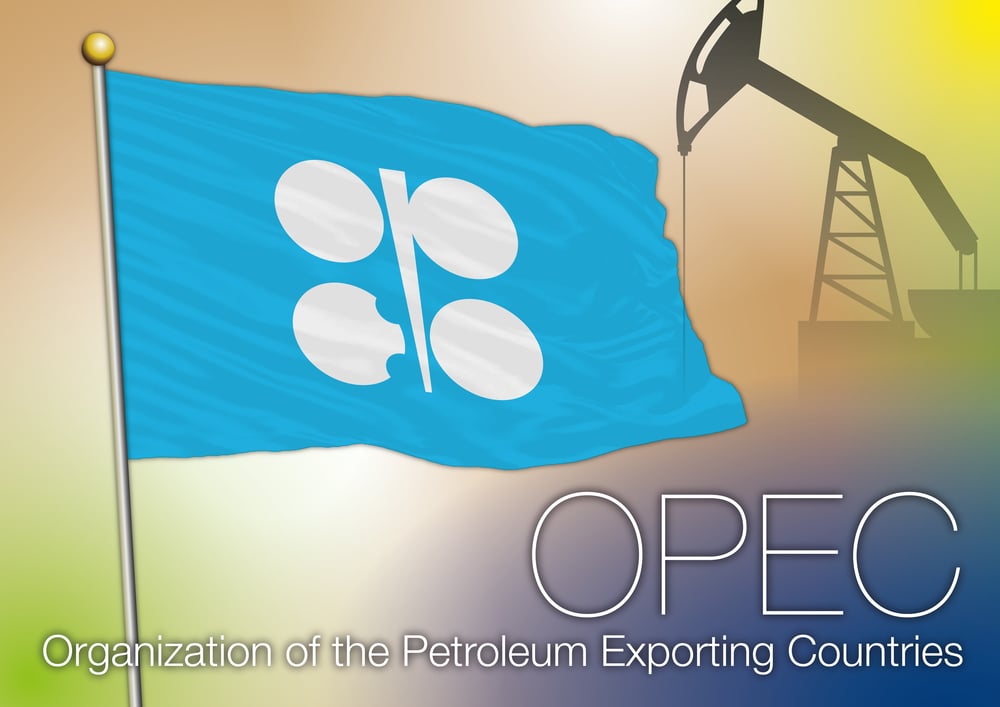
Arab members of OPEC stopped selling oil to nations supporting Israel during the 1973 Yom Kippur War, essentially trading their product for political leverage. The embargo lasted five months and quadrupled oil prices worldwide.
This trade of petroleum for political influence reshaped global economics and proved that resource-rich nations could use commodities as weapons. The crisis pushed industries to develop fuel-efficient technologies, alternative energy sources, and strategic petroleum reserves that still influence energy policy today.
The New York Stock Exchange seat prices

For most of its history, the New York Stock Exchange sold memberships, or ‘seats,’ that gave traders the right to conduct business on the trading floor. These seats traded privately between members, with prices reflecting the value of access to America’s premier stock market.
When the NYSE became a publicly traded company in 2006, it converted seats to shares and trading rights. This transformation from a member-owned club to a corporate entity changed how financial markets operate globally, with traditional exchanges now competing against electronic platforms.
The radio signal permit swaps

Back in the day, radio stations just picked any signal they liked – no rules at all. Things got so messy by the 1920s that something had to change.
So, Washington stepped in and formed the Federal Radio Commission in ’27. They began handing out set frequencies instead of letting everyone scramble.
Stations gave up wild west freedom but gained steady, interference-free slots. That deal shaped how we run broadcasts today while planting the idea that airwaves belong to everyone.
Over time, this system stretched to TV signals, mobile networks, even wireless internet. In hindsight, it’s been a quiet yet powerful shift across communication tech.
Warner Brothers’ sound film patents

Warner Brothers wasn’t big back in 1926, but they took a risk on sound movies by teaming up with Western Electric. Most film companies believed talkies wouldn’t last – so they stayed out.
Then came “The Jazz Singer” in 1927, which changed everything. Because Warners got audio tech first, they surged ahead.
Rivals either paid to use it or built alternatives; meanwhile, that early deal gave Warner Bros. a solid lead, turning a small name into a top Hollywood force.
How these deals changed everything

These deals weren’t only about cash moving around or items switching owners. Instead, they proved that knowing when to act, having foresight, and daring to risk wisely can beat sheer scale every time.
A few swaps appeared dumb at first yet ended up genius; others sounded sharp but failed fast. Sectors we rely on now – tech, media, power – were built by folks who saw trade not as losing something, rather grabbing an opening plus running with it.
More from Go2Tutors!

- The Romanov Crown Jewels and Their Tragic Fate
- 13 Historical Mysteries That Science Still Can’t Solve
- Famous Hoaxes That Fooled the World for Years
- 15 Child Stars with Tragic Adult Lives
- 16 Famous Jewelry Pieces in History
Like Go2Tutors’s content? Follow us on MSN.