15 Luxury Airline Services That Vanished Over Time
Flying used to be an event. Not just transportation, but theater — complete with crystal glasses, cloth napkins, and flight attendants who knew your name before the second drink service.
The golden age of aviation promised luxury at 30,000 feet, and for decades, airlines delivered on that promise in ways that seem almost fictional today.
Somewhere between deregulation, cost-cutting, and the race to the bottom on ticket prices, the most extravagant touches began disappearing one by one.
These weren’t just amenities — they were experiences that transformed a cramped metal tube into something approaching elegance.
Some vanished quietly during economic downturns. Others died dramatic deaths when airlines merged or collapsed entirely.
What remains is a catalog of what flying once was, and a reminder of how far the industry has drifted from its original vision of making passengers feel genuinely pampered.
Piano Lounges

Pan Am’s 747s featured full piano lounges in the upper deck. Real pianos. Real pianists.
Passengers gathered around with cocktails while someone played requests somewhere over the Atlantic.
The space existed because it could. Before airlines figured out how to cram every square inch with revenue-generating seats, they built social areas that served no purpose except making the journey memorable.
Sleeper Berths in Economy
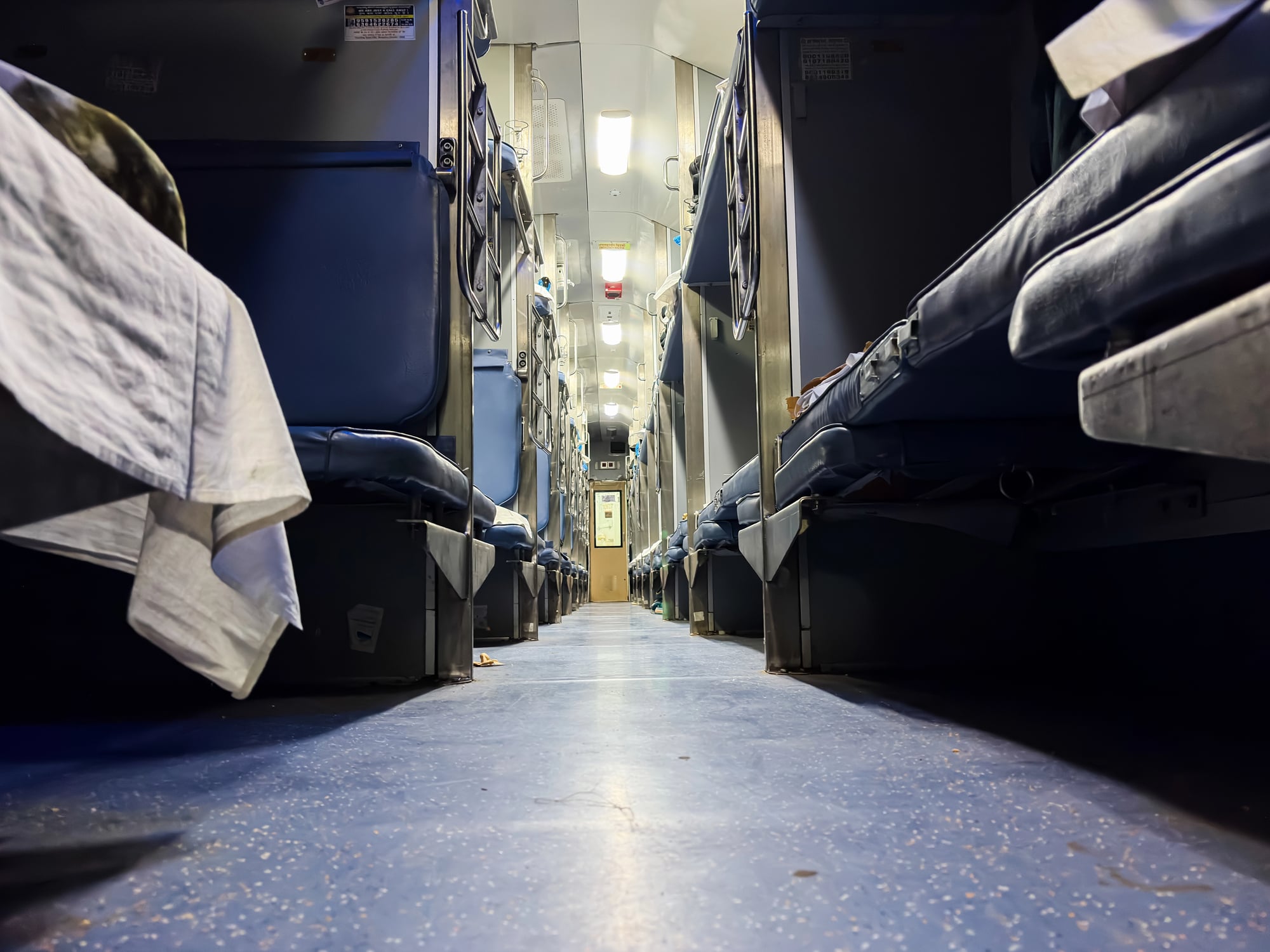
Sleeper berths weren’t just for first class — airlines like TWA offered them to economy passengers on overnight flights, and the engineering behind these convertible seats (which transformed an entire row into a flat sleeping surface through an intricate system of cushions and supports) represented a level of thoughtfulness about passenger comfort that feels almost alien by today’s standards.
The process took maybe five minutes, and suddenly you had something approaching an actual bed rather than the pretense of one.
So passengers slept. Actually slept, instead of that grim half-conscious state that passes for rest on modern red-eyes — which is saying something, because these weren’t particularly wide or luxurious sleeping arrangements, but they were flat and that made all the difference.
The logistics were straightforward enough: flight attendants would convert the berths after dinner service, then convert them back before breakfast.
And yet the whole system disappeared not because it was technically difficult but because airlines realized they could sell those same seats to more passengers instead of letting fewer passengers use them more comfortably.
Full Meal Service with Real China

Every flight served meals on actual plates with metal utensils.
Not just international flights or first class — every flight, every passenger, real food prepared in airline kitchens and served by flight attendants who carried themselves like restaurant servers rather than safety personnel.
The meals weren’t always spectacular, but they were meals in the fullest sense. Multiple courses. Wine service.
Cloth napkins that passengers kept as souvenirs. Airlines competed on their menus the way they now compete on baggage fees.
TWA hired celebrity chefs. United printed recipe cards.
The whole production treated flying like dining out, because in many ways, that’s exactly what it was.
Onboard Bars and Cocktail Lounges
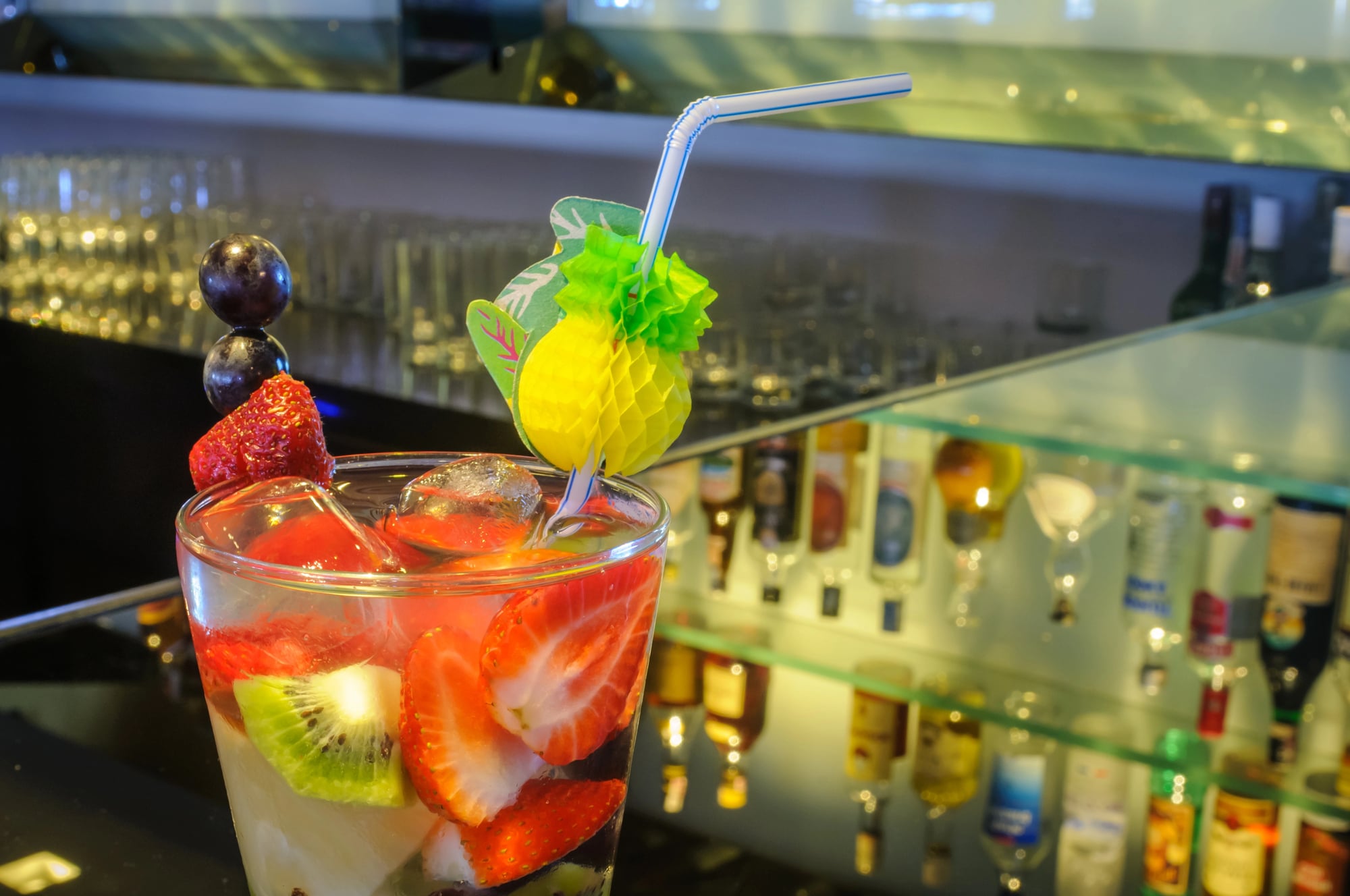
The bar service wasn’t a cart rolling down the aisle — it was an actual bar, built into the aircraft like something you’d find in a hotel lobby, complete with a bartender who knew how to make drinks properly rather than someone opening tiny bottles and hoping for the best.
Airlines like BOAC installed these gathering spaces in their 747s, and passengers would leave their seats during flight to socialize over properly mixed cocktails, the way you might wander over to the hotel bar during a conference.
These weren’t cramped galley spaces repurposed for drink service; they were designed as social areas where the journey itself became part of the destination.
The whole concept rested on a fundamentally different assumption about air travel: that passengers might want to treat a long flight as an opportunity rather than an endurance test.
Fair enough, considering that flying was expensive enough that most people did it rarely, so why not make it memorable?
Personal Attendants for First Class
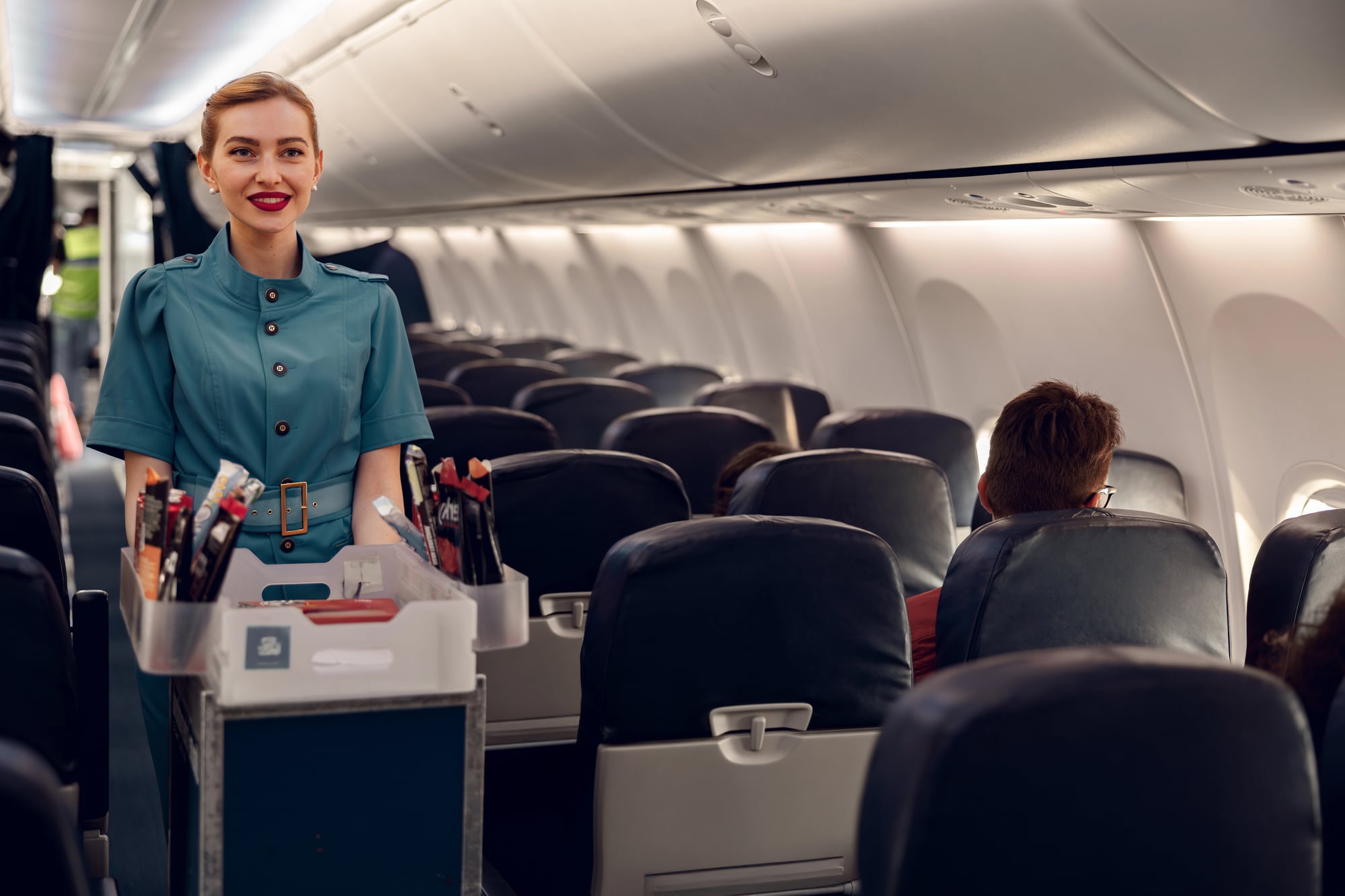
First class passengers received dedicated flight attendants — not shared service, but individual attention throughout the entire flight.
One attendant for every few passengers, sometimes one-to-one on the most premium services.
These weren’t just servers but something closer to personal valets.
They knew passenger preferences before takeoff, anticipated needs without being asked, and maintained the kind of attention to detail that made flying feel like staying at a five-star hotel.
The economics made sense when first class tickets cost enough to justify the labor. When airlines started cramming more premium seats into smaller spaces, the math stopped working.
Formal Dress Codes

Airlines required passengers to dress appropriately for flying — men in jackets, women in dresses or equivalent attire, no exceptions for anyone who wanted to board the aircraft.
This wasn’t a suggestion or a polite request; it was policy, enforced at the gate, because flying occupied the same social category as dining at an upscale restaurant or attending theater, which meant you dressed accordingly or you didn’t participate (and yes, people were actually turned away for showing up in inappropriate attire, though what constituted “inappropriate” was both more restrictive and somehow more clearly defined than it would be today).
The whole system assumed that flying was special enough to warrant getting dressed up for, and passengers largely agreed with that assessment — not because they loved formal clothing particularly, but because the experience itself felt formal enough to justify the effort.
So passengers complied, mostly without complaint.
But airlines stopped enforcing dress codes not because passengers rebelled against them, but because flying became common enough that treating it like a special occasion stopped making cultural sense.
And yet something was lost when flying became just another form of transportation rather than an event worth dressing for.
Spacious Seating Configurations
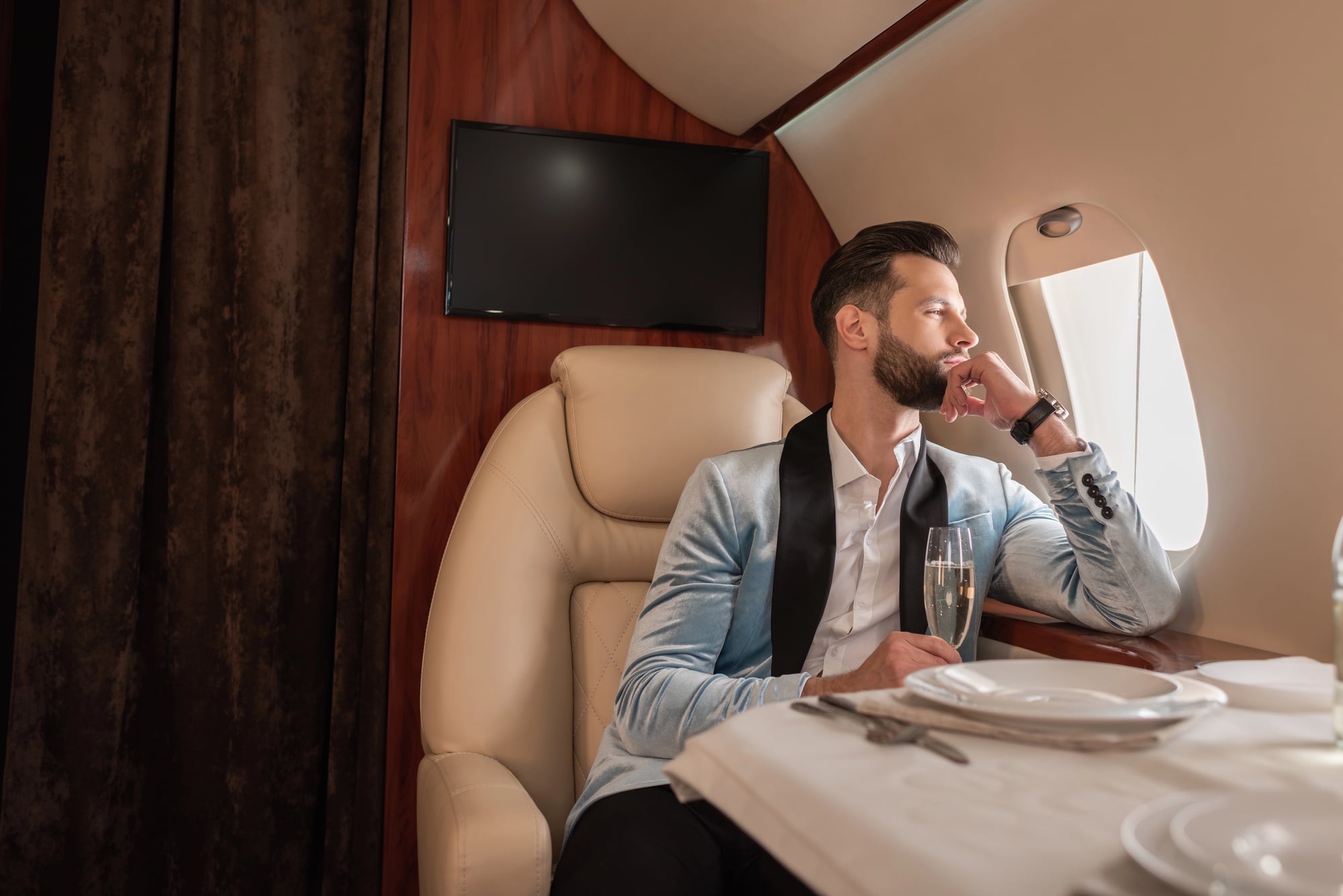
Seats were wider and spaced further apart because airlines prioritized passenger comfort over maximizing revenue per square foot.
The numbers tell the story — economy seats measured 18-19 inches across with 34-36 inches of legroom, dimensions that sound almost mythical compared to today’s 17-inch seats crammed into 28-30 inch rows.
The difference wasn’t subtle. Passengers could cross their legs comfortably, unfold newspapers without elbowing their neighbors, and actually use the tray tables for something other than balancing a smartphone.
Flying felt spacious because it genuinely was spacious, at least by current standards.
Airlines discovered they could fit more passengers in the same aircraft by shrinking everything incrementally.
Each reduction seemed minor in isolation, but the cumulative effect transformed flying from comfortable to claustrophobic.
Complimentary Amenity Kits
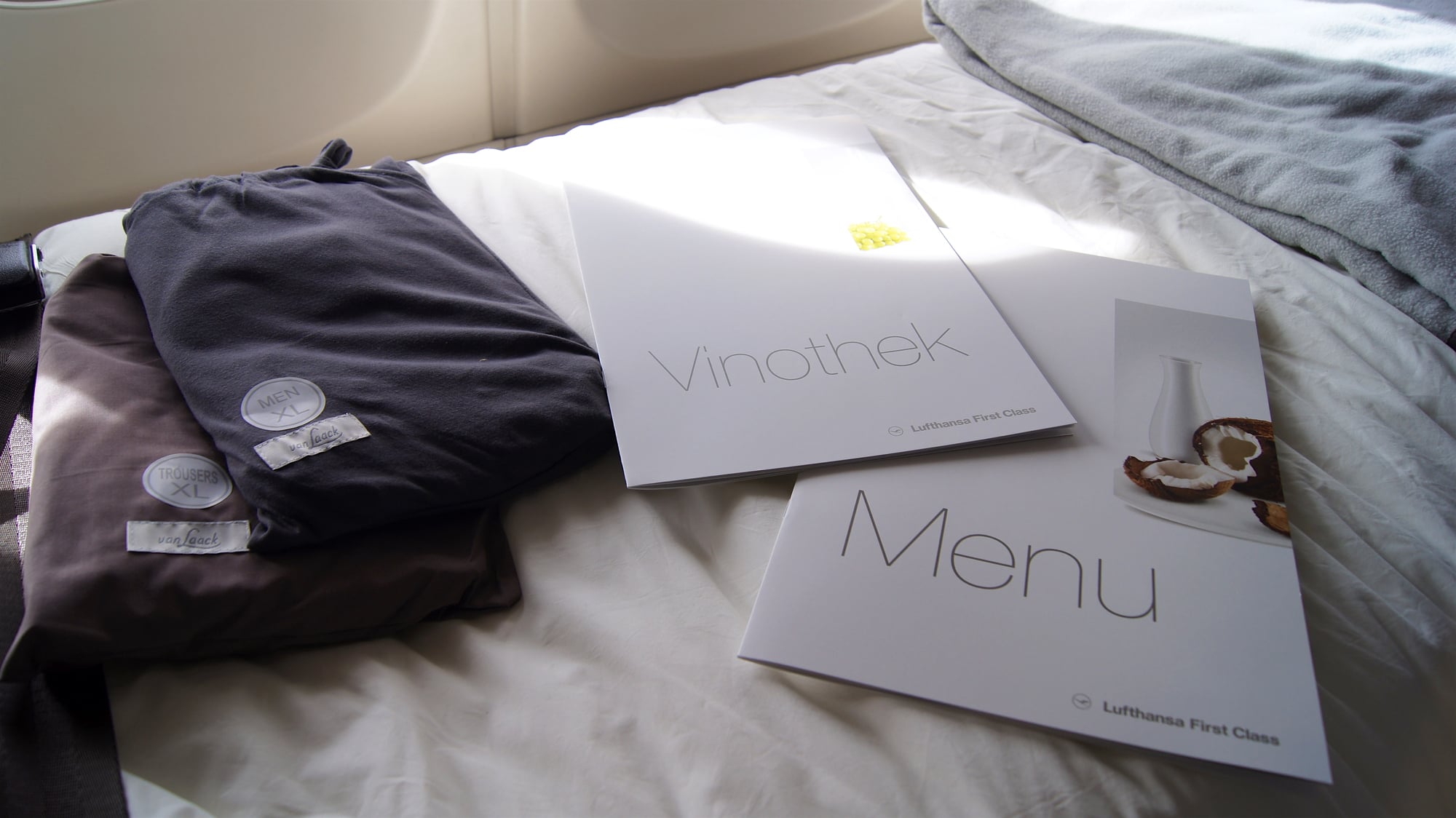
Airlines provided proper amenity kits to all passengers — not just first class tokens, but useful collections of toiletries, socks, eye masks, and other comfort items that passengers actually wanted to keep, and the kits themselves were often designed by luxury brands or featured distinctive artwork that served as souvenirs of specific airlines rather than generic plastic pouches filled with items that seemed chosen primarily for their low cost.
Pan Am’s kits included cologne and playing cards. TWA featured designer cosmetics.
Even economy passengers received amenities that suggested the airline cared about their comfort beyond the bare minimum required to get them from departure to arrival without major incident.
The shift away from complimentary amenities happened gradually — first the kits shrank, then they disappeared from economy, then airlines started charging for items that had once been included automatically.
But the underlying philosophy changed more dramatically than the specific items: airlines stopped treating passenger comfort as part of the base service and started treating it as an optional upgrade.
Dedicated Children’s Areas
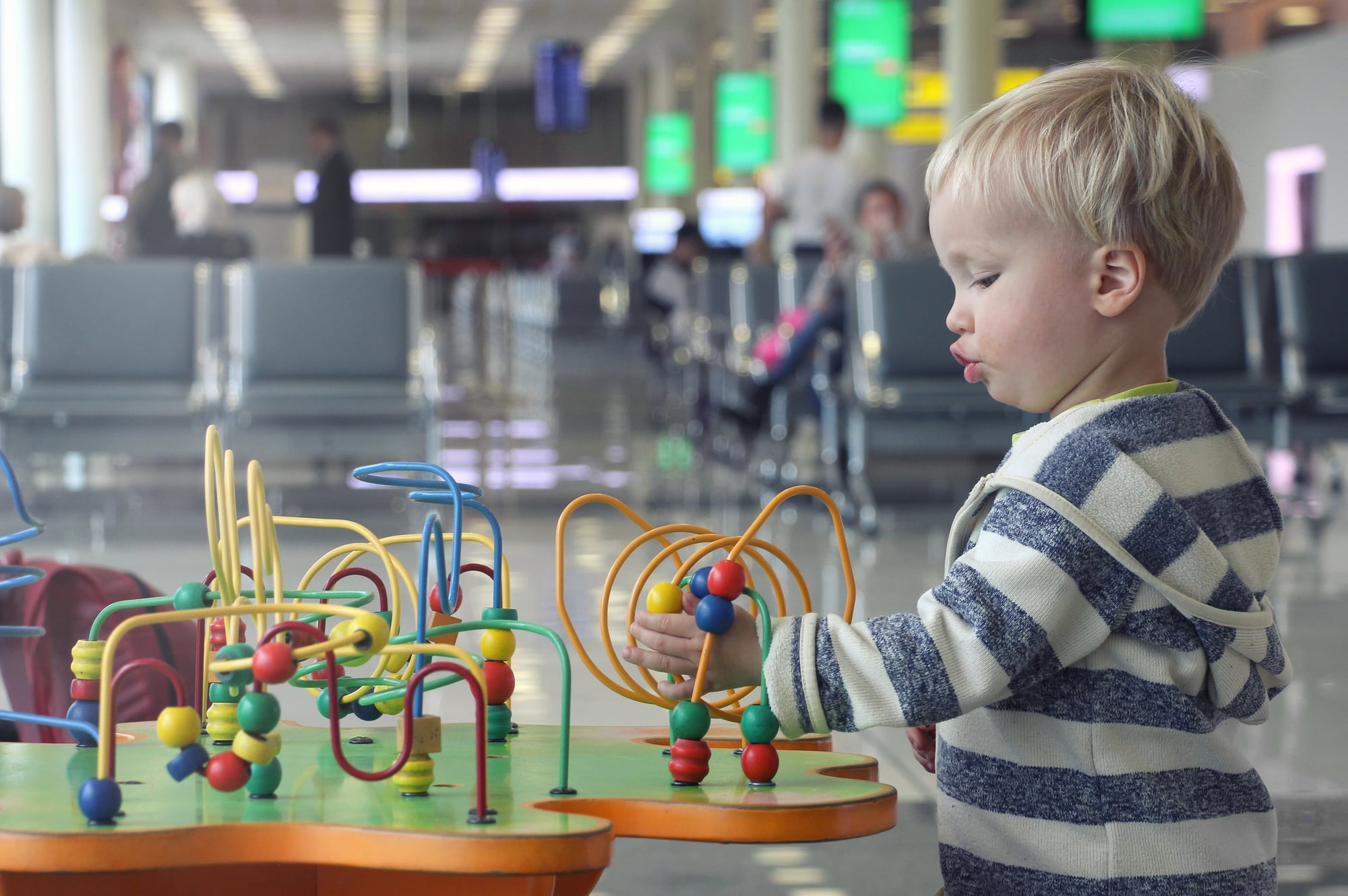
Some aircraft featured dedicated play areas where children could move around during long flights.
Not just extra space, but actual playrooms with toys, games, and supervision from specially trained flight attendants who understood that keeping children entertained made everyone’s flight more pleasant.
These spaces existed because airlines recognized that families were a significant part of their customer base and designed accordingly.
The play areas weren’t afterthoughts squeezed into unused corners, but planned amenities that airlines advertised as selling points.
Modern aircraft configuration treats children like small adults who should remain quietly seated for hours.
The family-friendly approach disappeared when airlines decided that every square foot needed to generate ticket revenue.
Multi-Course Gourmet Dining
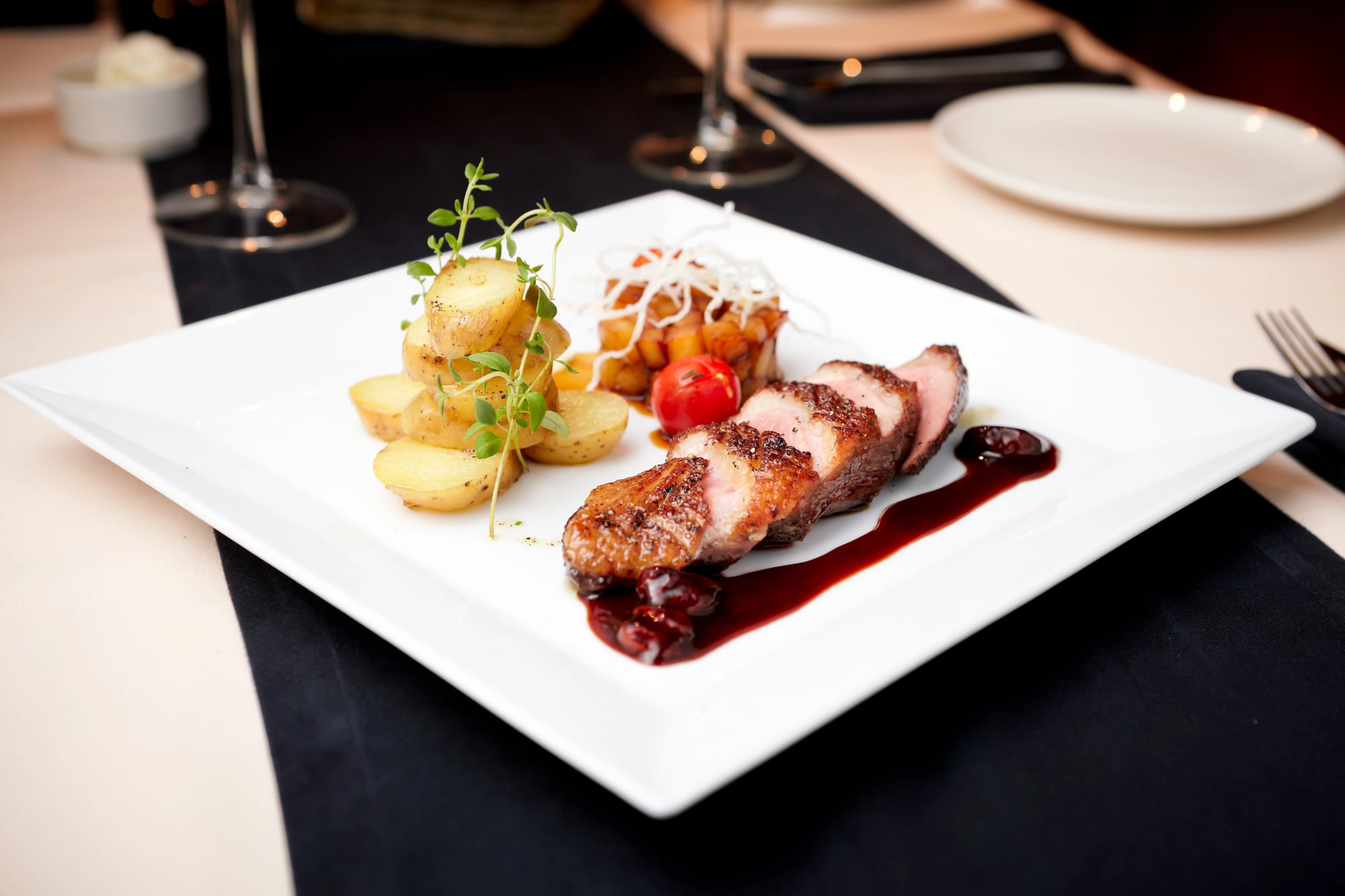
Airlines hired executive chefs and served elaborate multi-course meals that rivaled fine dining restaurants — not just in first class, but throughout the cabin, because the assumption was that passengers deserved proper food as part of their ticket price rather than as an expensive add-on, and these weren’t reheated frozen entrees but meals prepared with genuine culinary ambition (even if the limitations of aircraft galleys meant the execution didn’t always match the intention).
Passengers received printed menus describing each course in detail, complete with wine pairings selected by sommeliers.
The presentation included proper table settings, multiple utensils, and service paced like an actual restaurant rather than the hurried distribution of packaged snacks that passes for meal service today.
So people lingered over their food instead of wolfing it down, which meant flights felt more leisurely and social rather than purely functional.
Airlines competed on their culinary reputations the way hotels compete on their spas or restaurants compete on their wine lists.
Fair enough, considering that meals were often the most memorable part of the flying experience.
Cig and Non-Cig Sections
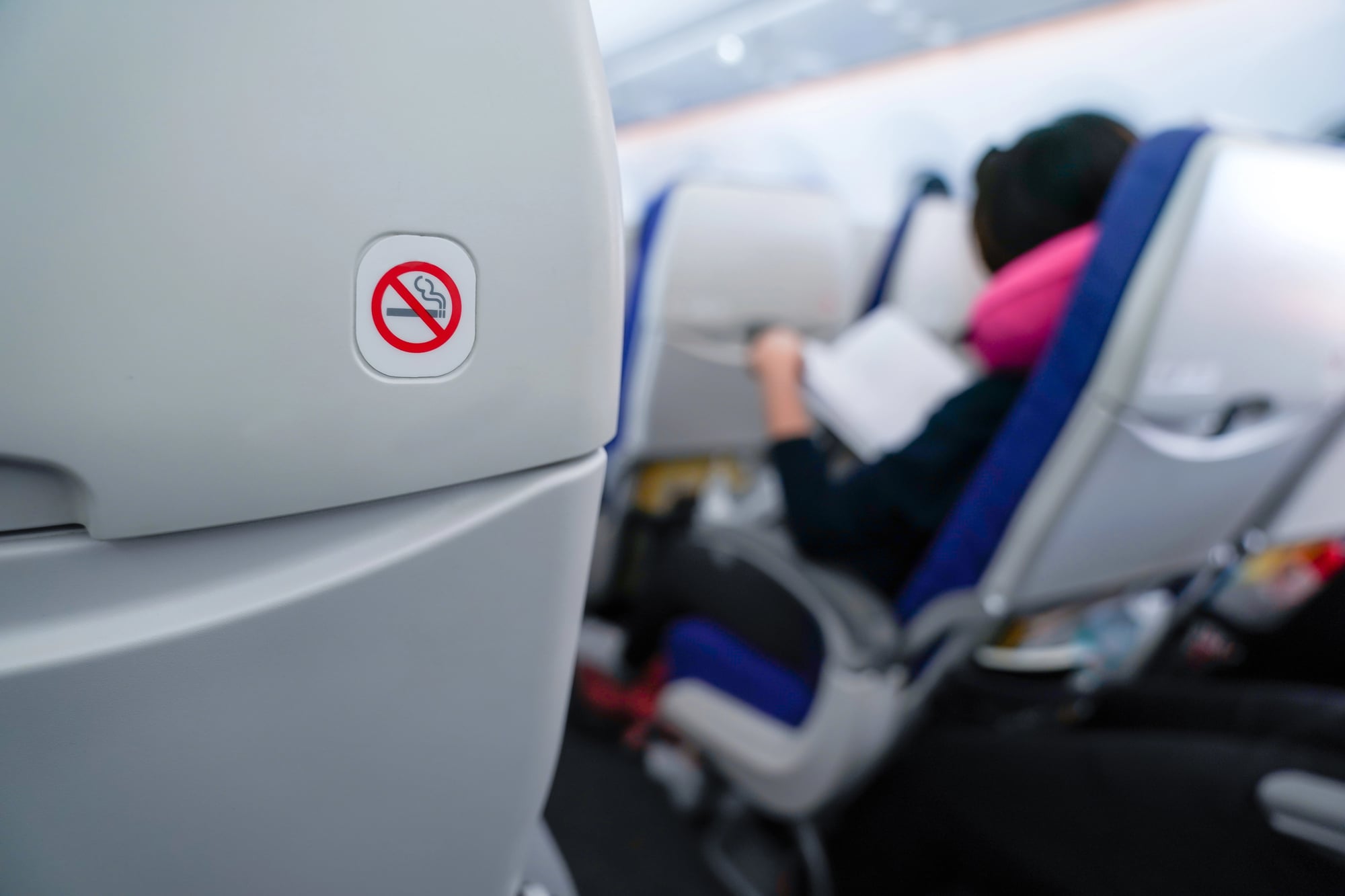
Airlines accommodated smokers with designated sections, complete with proper ashtrays built into armrests and ventilation systems designed to handle cig smoke.
The sections were clearly marked, rigorously maintained, and treated as a standard feature of aircraft design rather than a reluctant accommodation.
This wasn’t ideal for anyone, including the smokers who were confined to specific rows, but it reflected a different era’s approach to personal habits and social compromise.
Airlines designed their cabins around the assumption that a significant percentage of passengers would want to smoke during flight.
The health concerns eventually made cig on aircraft untenable, but the elimination of cig sections also marked the end of airlines designing services around passenger preferences rather than regulatory requirements.
Personal Entertainment Systems With Vast Content Libraries
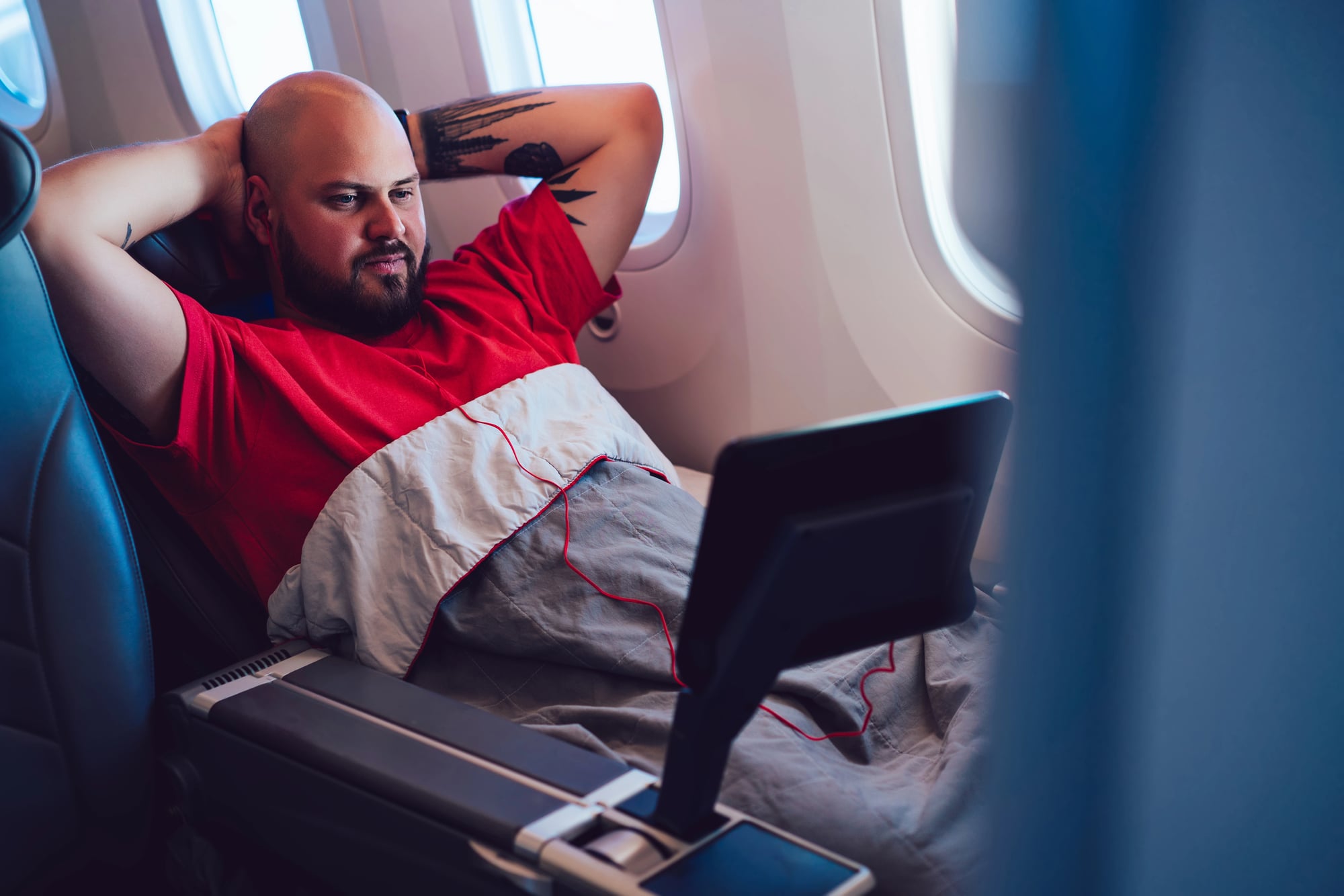
Before seatback screens became standard (and cheap), airlines offered personal entertainment systems that were genuinely impressive — extensive movie libraries, television shows, music collections, and games that passengers could access through individual controls rather than shared screens mounted throughout the cabin, and the content was curated rather than just whatever licensing deals the airline could negotiate most cheaply.
These systems represented significant investments in passenger experience rather than afterthoughts designed to keep people minimally occupied during flights.
The screen quality was often better than what passengers had at home, and the content selection was broader than what most people could access through their own entertainment systems.
But maintaining and updating these systems proved expensive, especially as personal devices became more capable and passengers started bringing their own entertainment.
Airlines discovered they could eliminate the expensive custom systems and tell passengers to bring their own devices instead — which solved the cost problem while quietly shifting the entertainment burden from airline to passenger.
Coat Check and Hat Storage Services
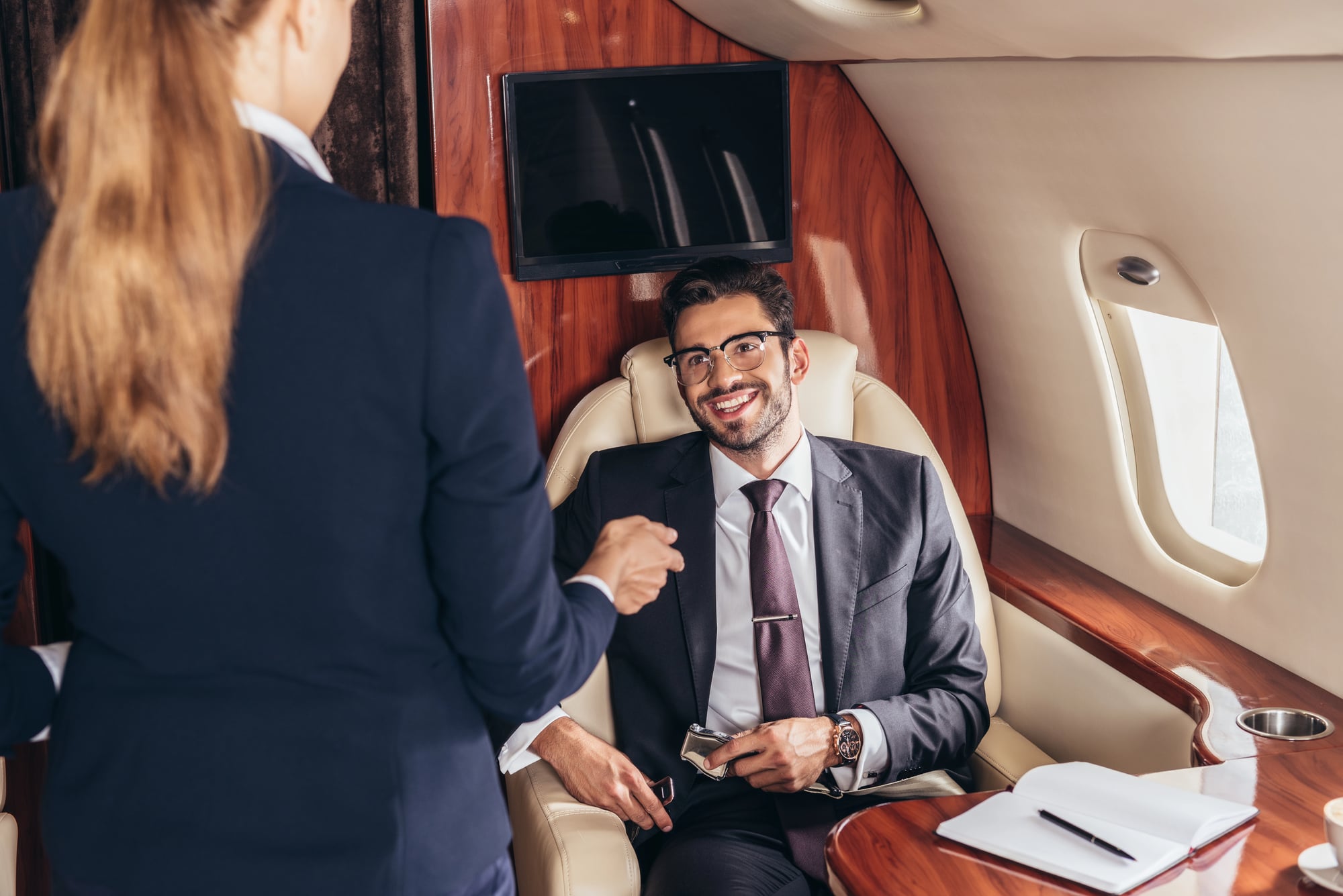
Flight attendants provided proper coat and hat storage services, hanging garments carefully in dedicated closets rather than expecting passengers to stuff everything into overhead bins.
The service included brushing and arranging items so passengers disembarked looking as composed as when they boarded.
This attention to clothing care made sense when passengers dressed formally for flights.
Someone wearing a wool coat and hat to travel deserved to have those items treated with appropriate care, not crammed into a bin with everyone else’s luggage.
The service disappeared when dress codes relaxed and airlines decided that passengers could manage their own clothing arrangements.
But something was lost in the transition — the sense that airlines cared about how passengers looked and felt throughout the journey.
Real Silverware and Glassware Throughout All Cabins
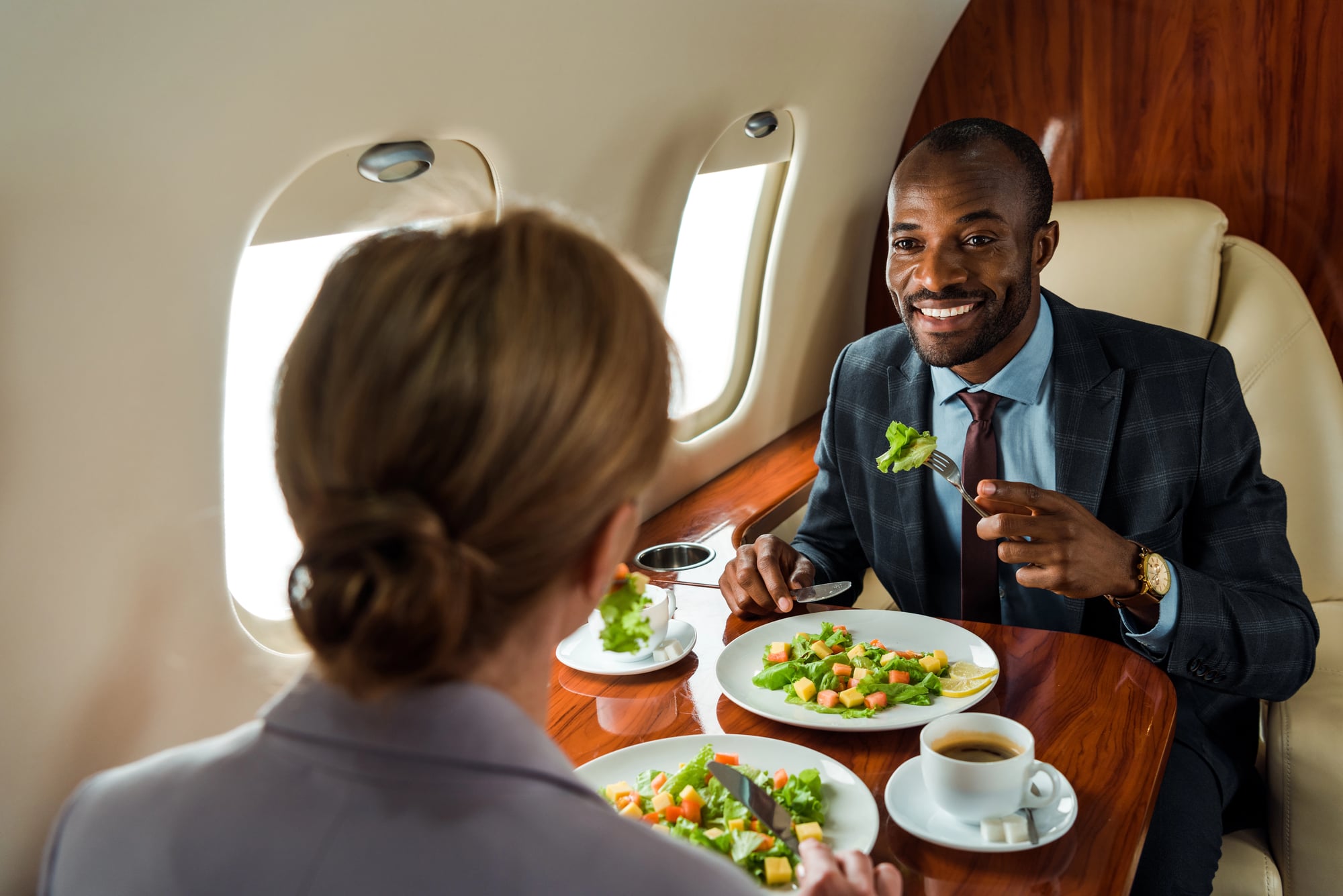
Every passenger received metal utensils and actual glasses for their beverages — not just first class passengers, but everyone who boarded the aircraft, because airlines treated proper serviceware as a basic requirement rather than a premium amenity that needed to be earned through expensive ticket purchases.
The logistics were straightforward: flight attendants collected and washed everything between flights, the way restaurants handle dishes between services.
The glassware included wine glasses, water glasses, and cocktail glasses appropriate to whatever passengers ordered, which meant drinks were served properly rather than poured into plastic cups that made everything taste vaguely institutional.
Airlines eliminated real serviceware not because passengers didn’t appreciate it (they did) but because plastic alternatives were lighter, cheaper, and eliminated the washing requirements between flights.
The cost savings were significant, but the experience became notably less elegant — which mattered more when flying was still expensive enough that passengers expected a certain level of refinement.
Luxurious Lounges Accessible to All Passengers
Airport lounges were designed as elegant waiting areas that all passengers could access, not exclusive clubs reserved for frequent flyers and premium ticket holders.
These spaces featured comfortable seating, complimentary food and beverages, newspapers and magazines, and the kind of refined atmosphere that made waiting for flights feel civilized rather than institutional.
The democratization of lounge access reflected airlines’ broader approach to passenger service — everyone deserved comfort and amenities, not just the highest-paying customers.
Lounges served as extensions of the airline’s brand and hospitality philosophy rather than revenue centers designed to extract additional fees.
When airlines discovered they could monetize lounge access through membership programs and day passes, the complimentary model disappeared.
Modern lounges generate significant revenue, but they’ve become exclusionary rather than welcoming spaces.
The Romance Lives On in Memory

These vanished luxuries weren’t just amenities — they represented a completely different philosophy about what flying should be.
Airlines treated passengers as guests rather than cargo, prioritized comfort over efficiency, and designed experiences that people genuinely looked forward to rather than endured.
The economics that supported this approach may have been unsustainable, but the vision behind it still resonates with anyone who believes that travel should be about more than just getting from point A to point B as cheaply as possible.
The golden age of aviation ended not because passengers stopped wanting luxury, but because airlines discovered they could eliminate it without losing customers.
What remains is nostalgia for a time when flying felt magical rather than mundane, and the persistent sense that something important was lost in the pursuit of lower fares and higher profits.
More from Go2Tutors!

- The Romanov Crown Jewels and Their Tragic Fate
- 13 Historical Mysteries That Science Still Can’t Solve
- Famous Hoaxes That Fooled the World for Years
- 15 Child Stars with Tragic Adult Lives
- 16 Famous Jewelry Pieces in History
Like Go2Tutors’s content? Follow us on MSN.