Household Gadgets Grandparents Trusted More Than Anything Sold Today
Grandparents didn’t read product reviews because products didn’t require review cycles—they either worked reliably for decades or they didn’t, and word-of-mouth was all anyone needed. Trust wasn’t marketed or earned through online testimonials. It was built through direct experience with objects that performed identically on day one and day three-thousand.
These gadgets were simple enough to understand completely, durable enough to pass down, and often repairable with basic household tools. Modern household products are engineered to become obsolete; grandparent-era gadgets were engineered to become permanent fixtures.
The difference wasn’t aesthetic or feature-based. It was structural. Heavy materials, simple mechanisms, and the assumption that the object would serve multiple generations meant manufacturers took durability seriously in ways contemporary production cannot afford to.
Cast Iron Skillets
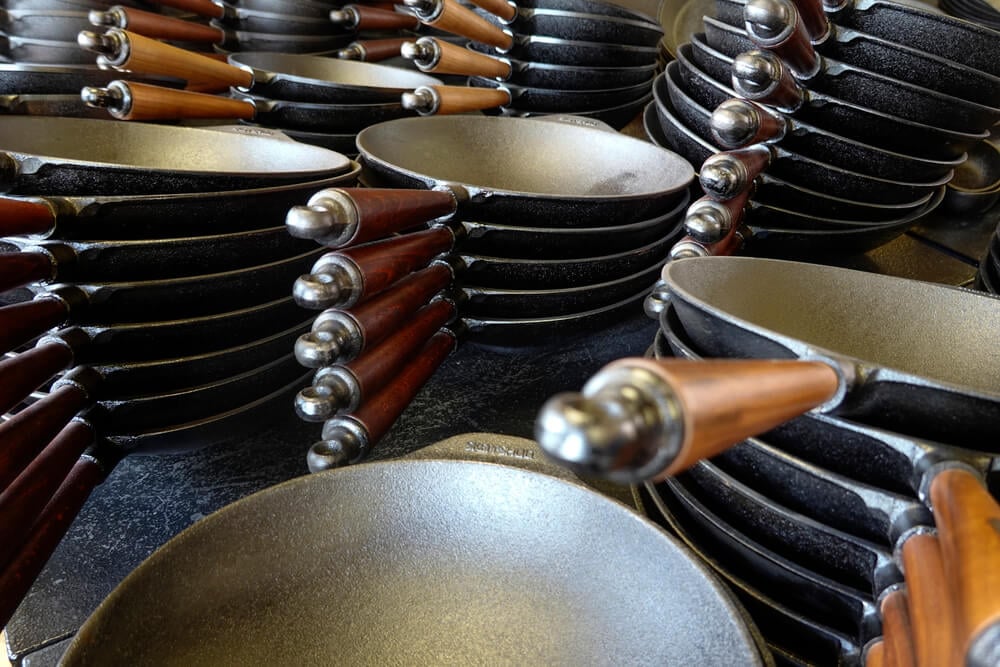
A cooking surface that improves with age and use rather than degrading. Properly seasoned cast iron becomes naturally nonstick, conducts heat evenly, and transitions from stovetop to oven to campfire without complaint.
A seventy-year-old skillet functions identically to a new one and will outlive the cook using it.
Dutch Ovens
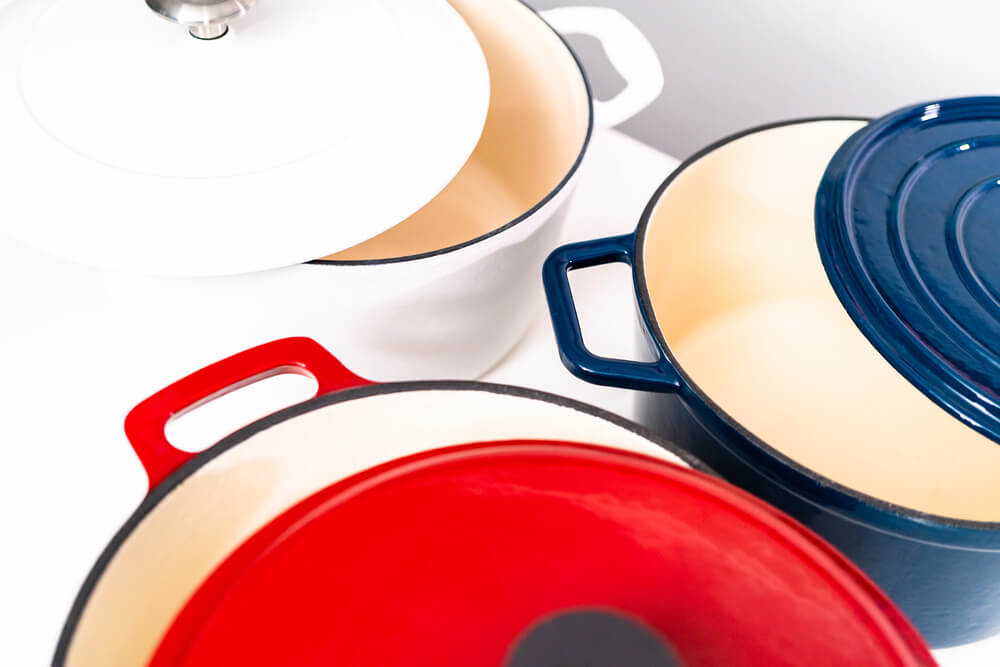
Cast iron vessels with lids designed for fire cooking—feet to keep the pot elevated in coals and a rimmed lid for adding coals on top. Modern versions sacrifice durability for aesthetic convenience.
Grandparent-era Dutch ovens are indestructible and actually improve at food preparation with age and use.
Sunbeam Mixmaster
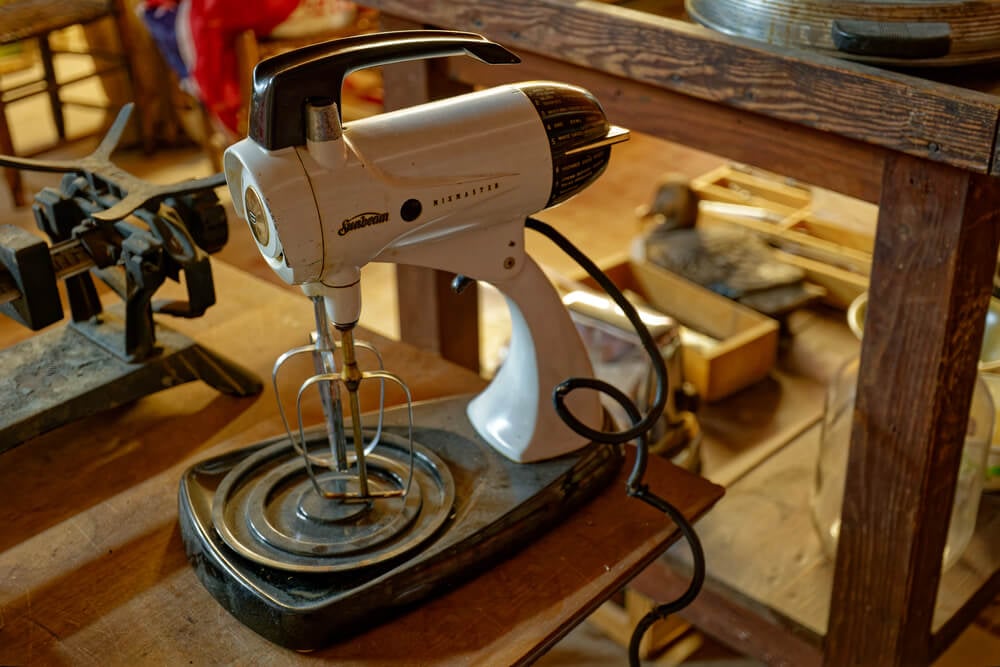
Hand mixers from the 1930s-1960s with all-metal construction and motors that could mix cake batter continuously for decades. The distinctive Art Deco styling hid industrial-grade durability inside.
Many still operate perfectly despite being passed through multiple generations and outlasting dozens of modern replacements.
KitchenAid Stand Mixer
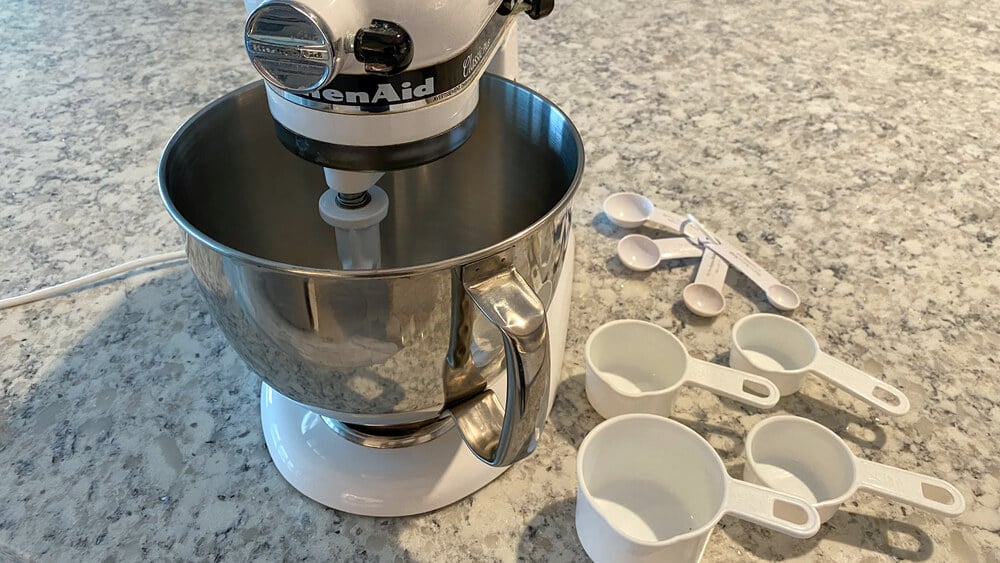
The tilt-head design became iconic for good reason—all-metal construction with powerful motors designed to handle heavy bread dough without strain. 1950s-1980s models featured significantly more metal components than modern versions.
These mixers are often inherited, not purchased new, because passing them down is expected.
Singer Featherweight Sewing Machine
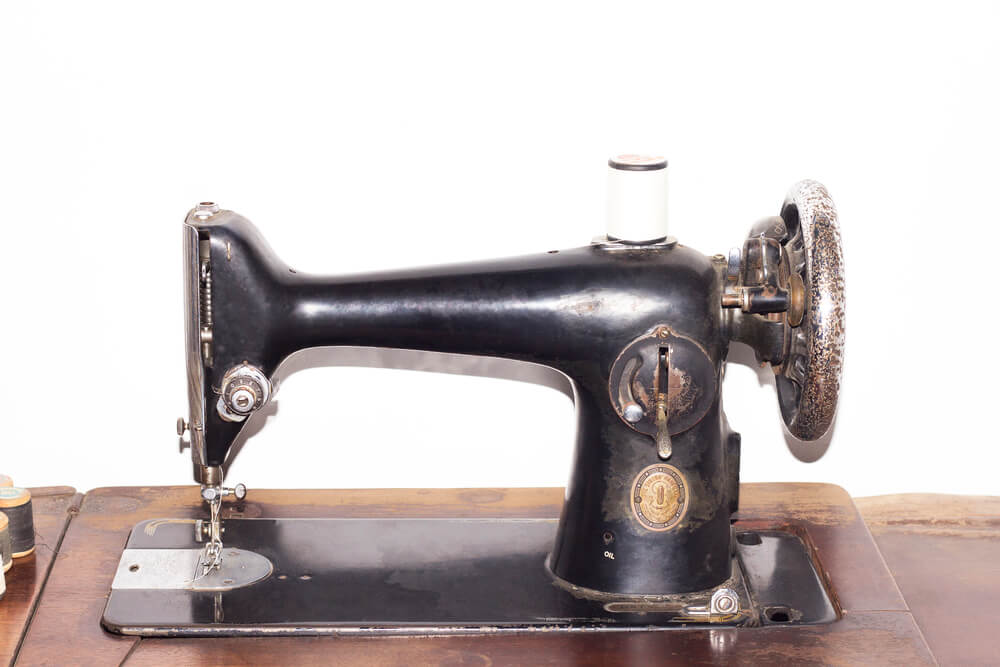
Weighing only eleven pounds but constructed entirely from metal, the Singer Featherweight from the 1930s-1940s sews through multiple denim layers without complaint. After eighty years of continuous use, these machines still stitch perfectly.
They remain the most sought-after sewing machines ever made, valued specifically for durability rather than features.
Maytag Wringer Washer
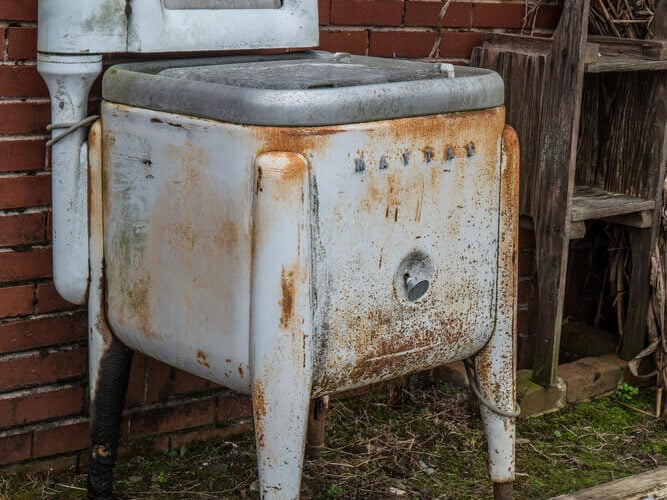
Laundry machines featuring cast-iron construction and a wringer mechanism for removing water from clothing. The mechanical wringer was durable and effective, requiring skill to operate safely but never requiring replacement.
Many wash clothes for decades without major repairs, a reliability standard modern appliances cannot meet.
Frigidaire Refrigerator

Built like bank vaults, 1950s-1960s Frigidaire refrigerators feature sealed compressor systems so reliable that many still run today using less electricity than expected. The art deco styling makes them popular with collectors, but people keep them as working appliances, not museum pieces, because they genuinely still preserve food effectively.
Rotary Telephone
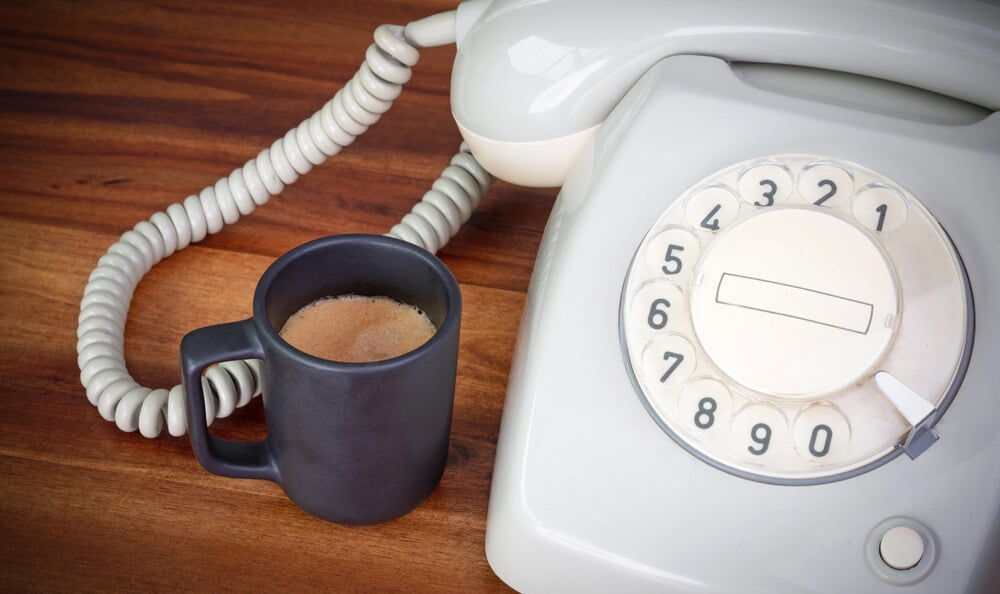
Built from sturdy materials and engineered for decades of use, rotary phones functioned without batteries and required no service calls. The mechanical components were simple enough that basic repairs were possible with household tools.
Many still sit in homes or workplaces, functional after fifty years of service.
Cast Iron Waffle Makers
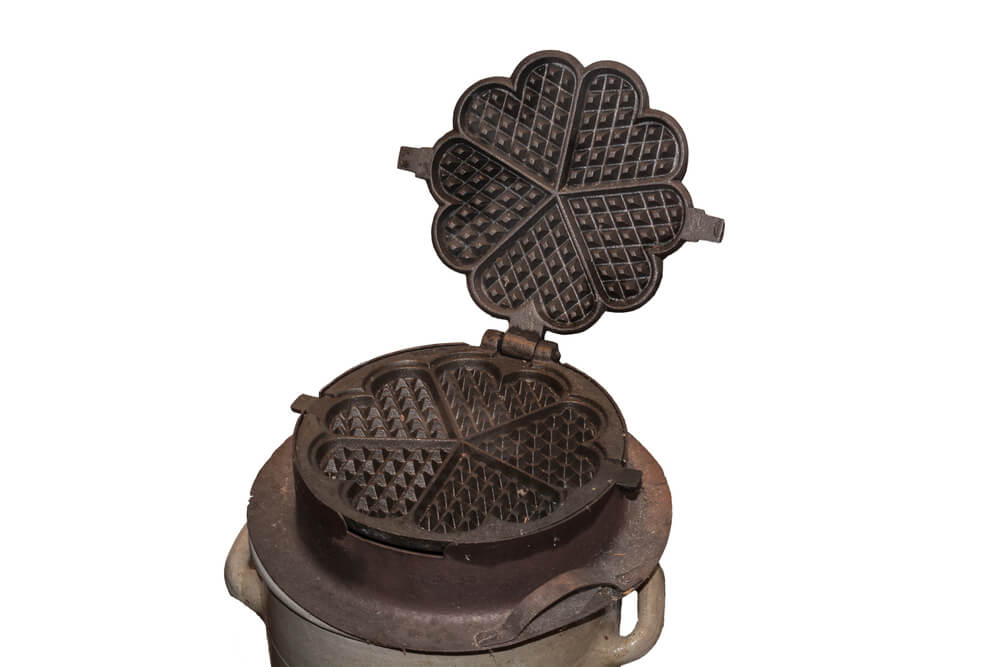
Kitchen workhorses that required direct stovetop heat rather than electricity. With ornate designs and sturdy handles, these withstood decades of heavy use.
Detachable plates made them versatile—remove them and you have a grill for sandwiches or outdoor cooking.
Pyrex Mixing Bowls
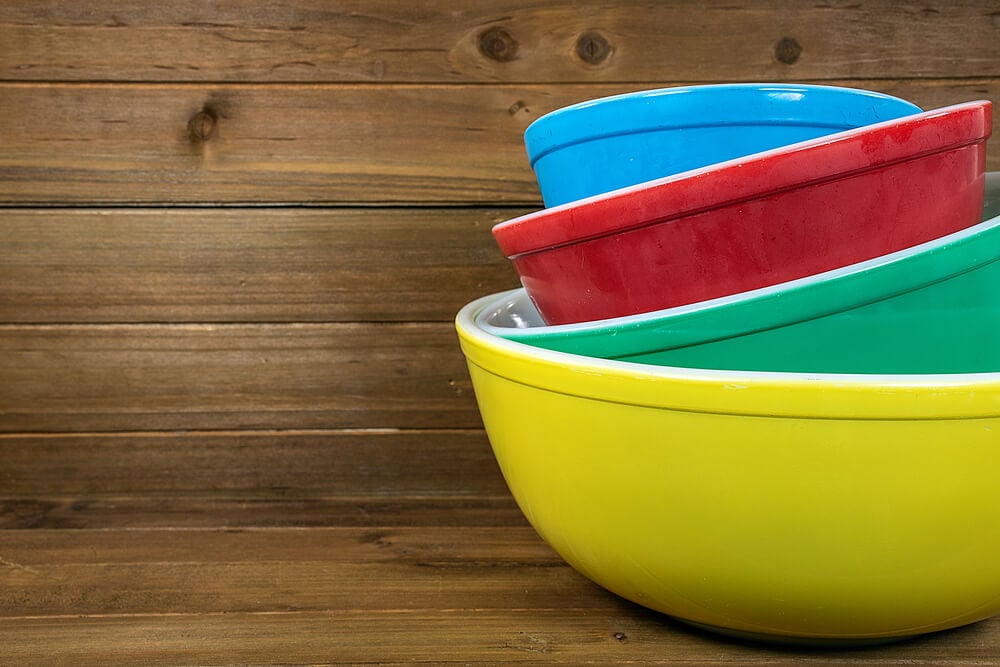
Colorful glass bowls in pastel or patterned designs that handled heat without shattering, nested neatly for storage, and seemed immortal. Collectors value vintage Pyrex highly not out of nostalgia but because they remain superior to modern equivalents.
They’re still used for baking, still functional after seventy years.
Mechanical Alarm Clock
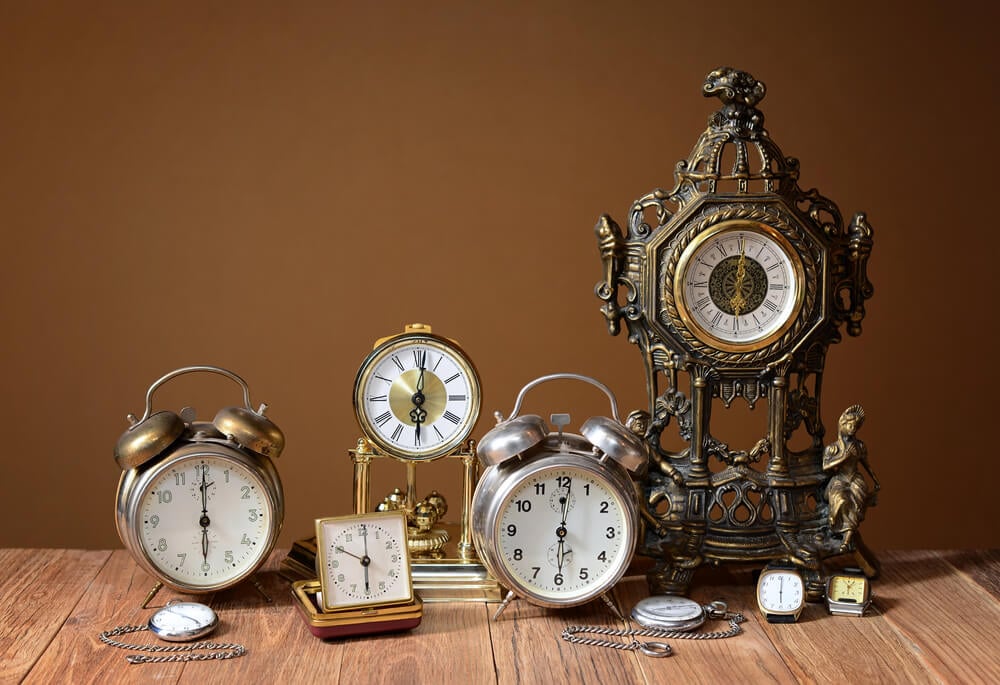
Wind-up clocks that required no electricity, no batteries, and no digital components that could fail. The mechanical logic was transparent and repairable.
These clocks often outlasted the people who owned them and still sit on nightstands, still keeping time perfectly.
Reel-to-Reel Tape Deck
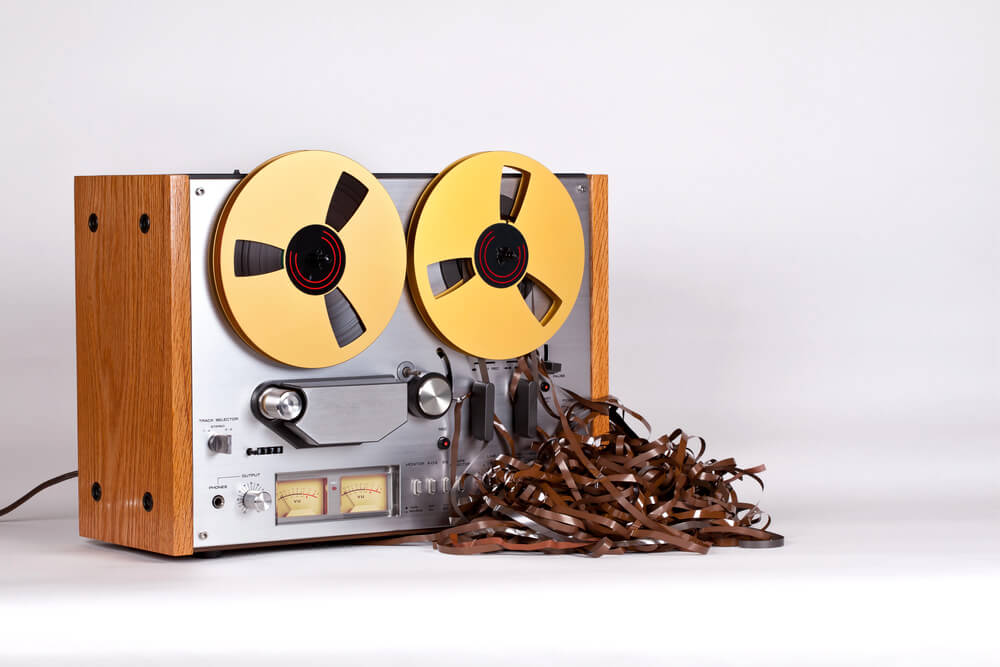
While requiring maintenance and calibration, these audio recording machines from the 1960s-1980s are still operable after refurbishment. The components are accessible and replaceable.
Compared to sealed digital recorders that become garbage when one component fails, reel-to-reel decks prove that precision mechanics can be preserved and restored indefinitely.
Pop-Up Toaster
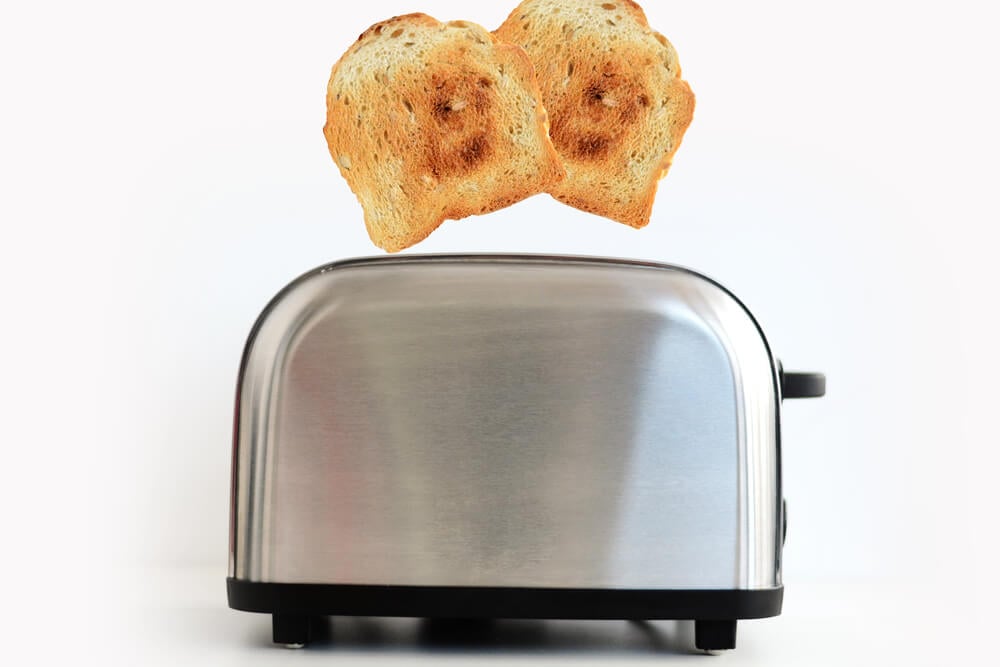
The automatic pop-up toaster, commercially introduced in 1921 by Toastmaster, seemed like magic—bread went in, heat applied, and the toast ejected automatically. The mechanism was so simple that failure rarely occurred, and repairs were straightforward.
Toasters from the 1950s still toast bread identically to modern versions, having never needed replacement.
Hand-Crank Ice Cream Maker
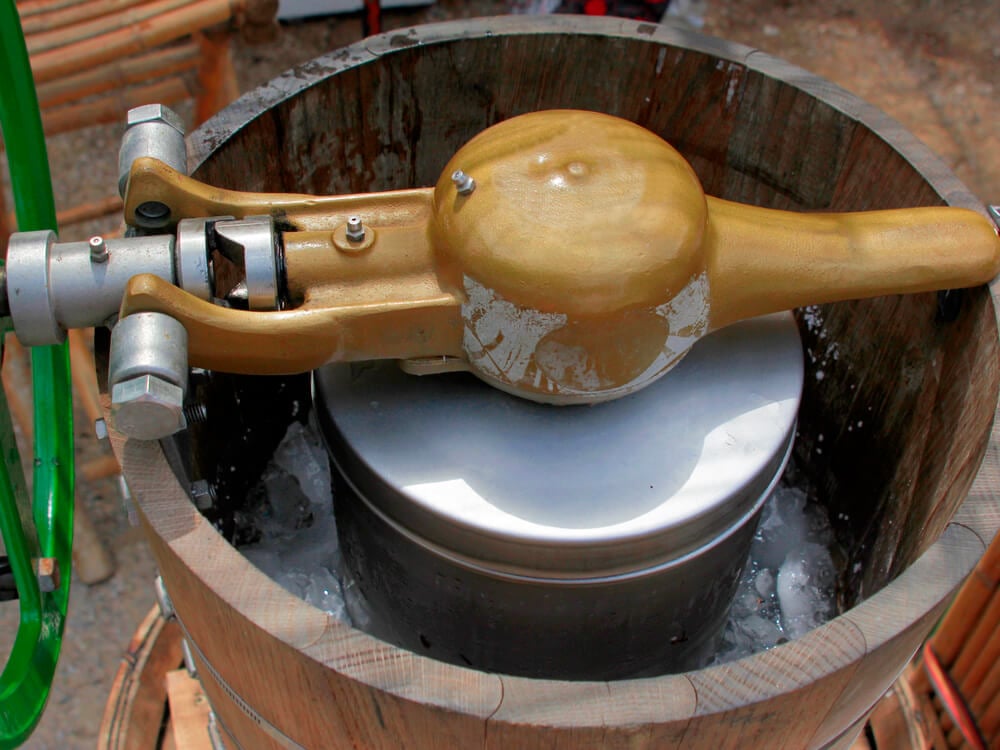
The mechanical operation creates ice cream the way great-grandparents did. No electricity required, no motorized components to break. The simple physics of salt, ice, and agitation remains unchanged.
Using one feels satisfying precisely because the mechanism is completely transparent and trustworthy.
Electrolux Vacuum Cleaner
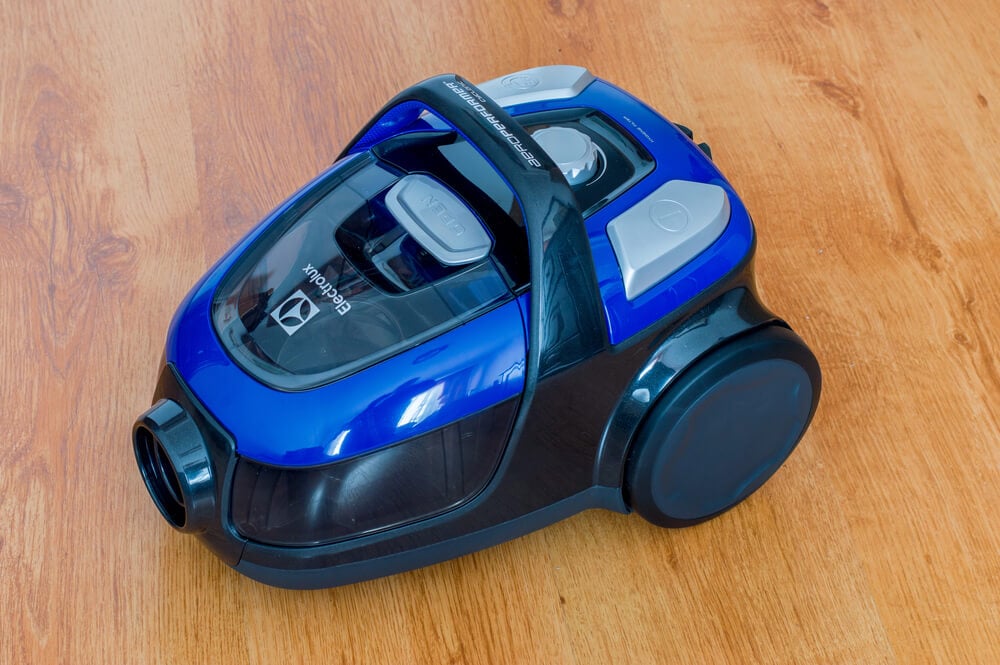
The torpedo-shaped chrome cylinder rolled smoothly on runners and came with complete attachment sets for every cleaning task. Powerful suction and superior mechanical filtration rivaled modern equivalents.
Vintage models are still purchased as functional appliances, not restored museum pieces, because they genuinely clean better than new vacuum cleaners.
Manual Can Opener
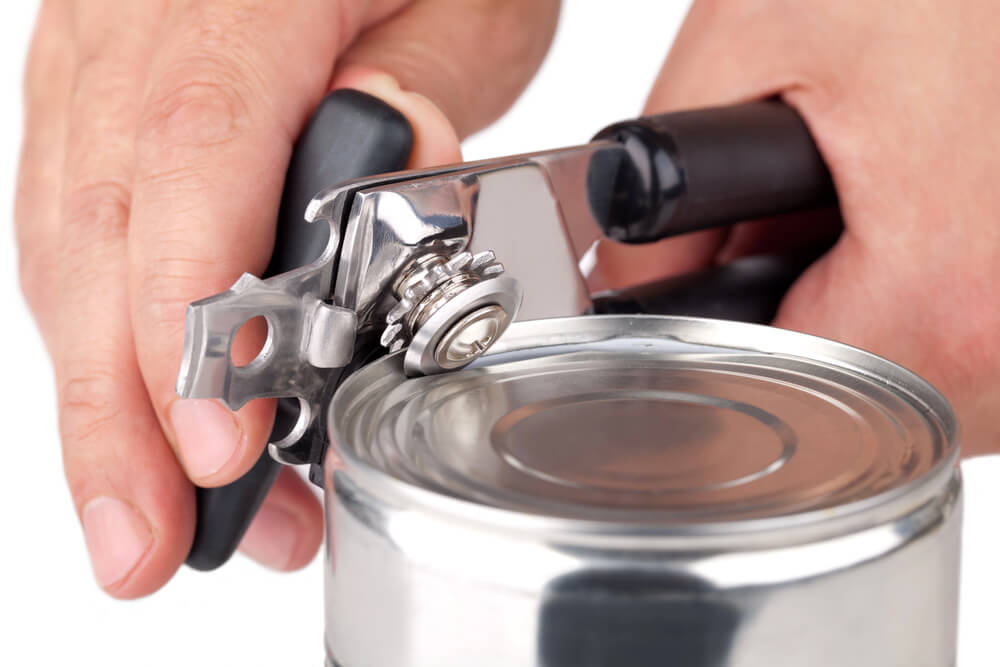
A mechanical device requiring hand operation to feed tin cans through a cutting wheel. Simple, durable, and completely transparent in function.
A can opener from 1940 opens cans identically to one from today, having never required maintenance or replacement.
Hand-Crank Egg Beater
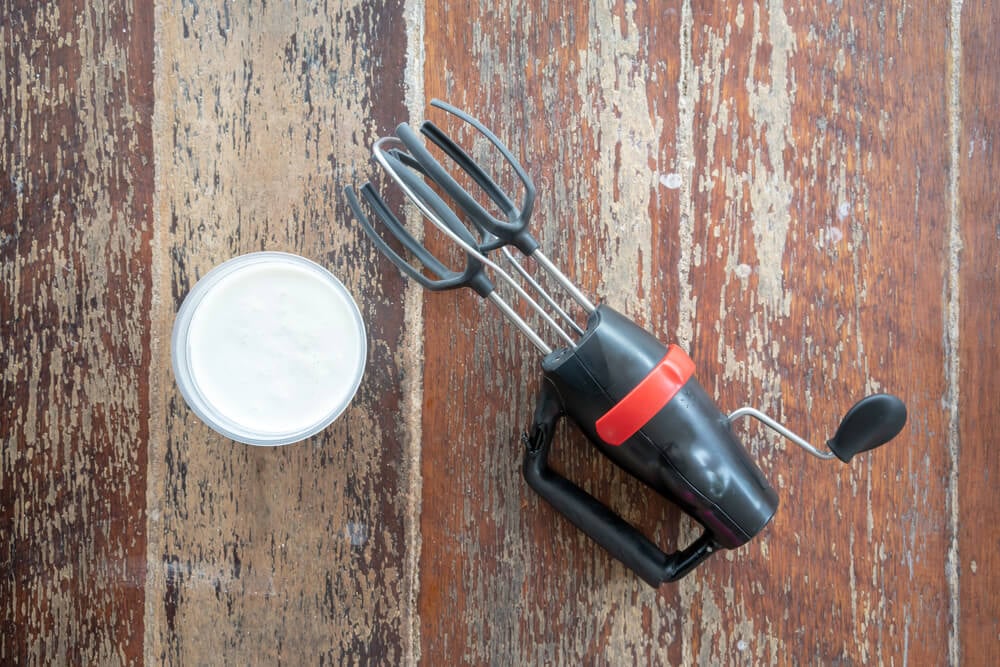
The mechanical mixing action was achieved through turning a crank mechanism, no electricity required. These were durable enough to force through dense cake batter without strain.
The simplicity meant virtually nothing could fail, and if something did, repairs were elementary.
Meat Grinder
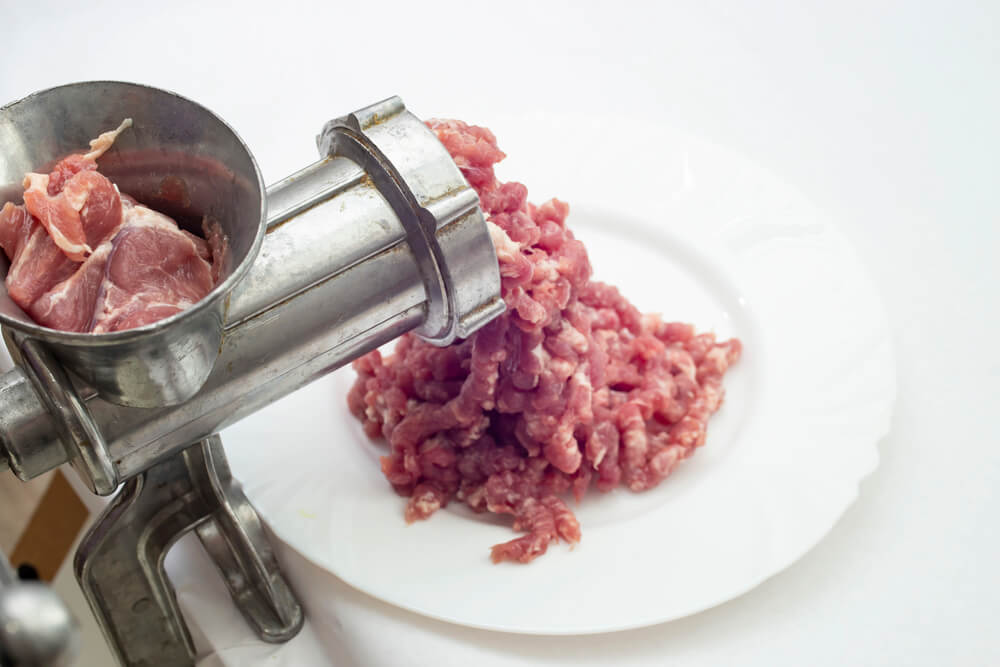
Hand-operated mechanical grinders that clamp to the table edge and force meat through cutting plates. The cast-iron construction and mechanical simplicity meant they functioned for decades.
Heavy enough to require genuine physical effort, they produced results that electric grinders still struggle to match.
Mason Jar Canning Containers

Glass jars with mechanical sealing lids designed for food preservation. The system was simple, reusable indefinitely, and never required replacement.
A jar from 1950 seals food identically to a new one, having never degraded or required maintenance.
Bread Box
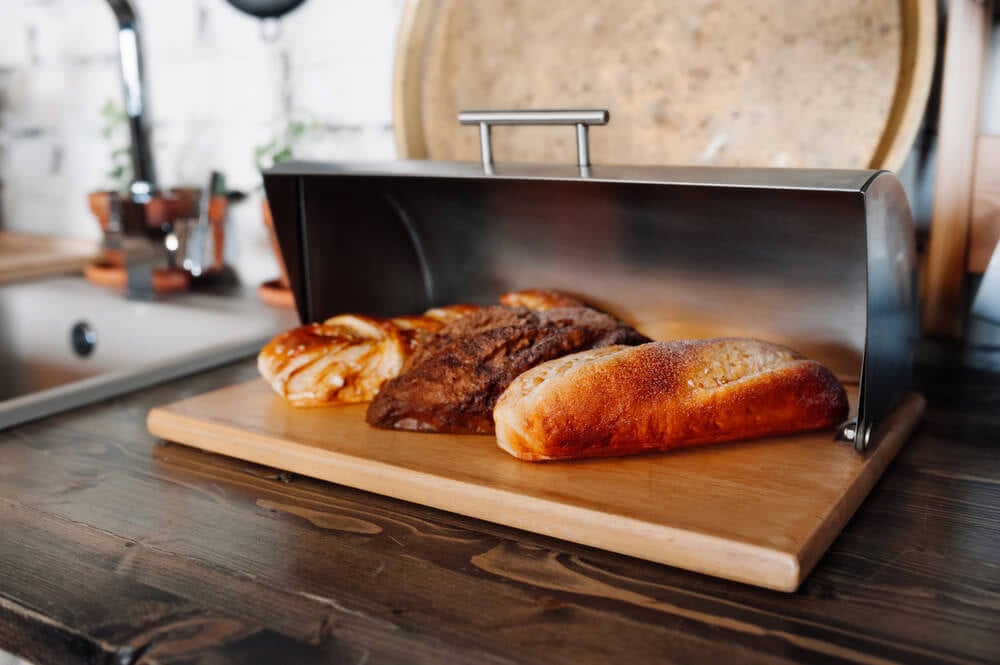
A sealed wooden or metal container designed specifically for bread storage, keeping it fresh without requiring electricity. The simplicity was the point—seal bread from air exposure, nothing more.
Modern plastic storage containers fail to achieve equivalent functionality despite containing motors, sensors, or digital components.
Coffee Percolator
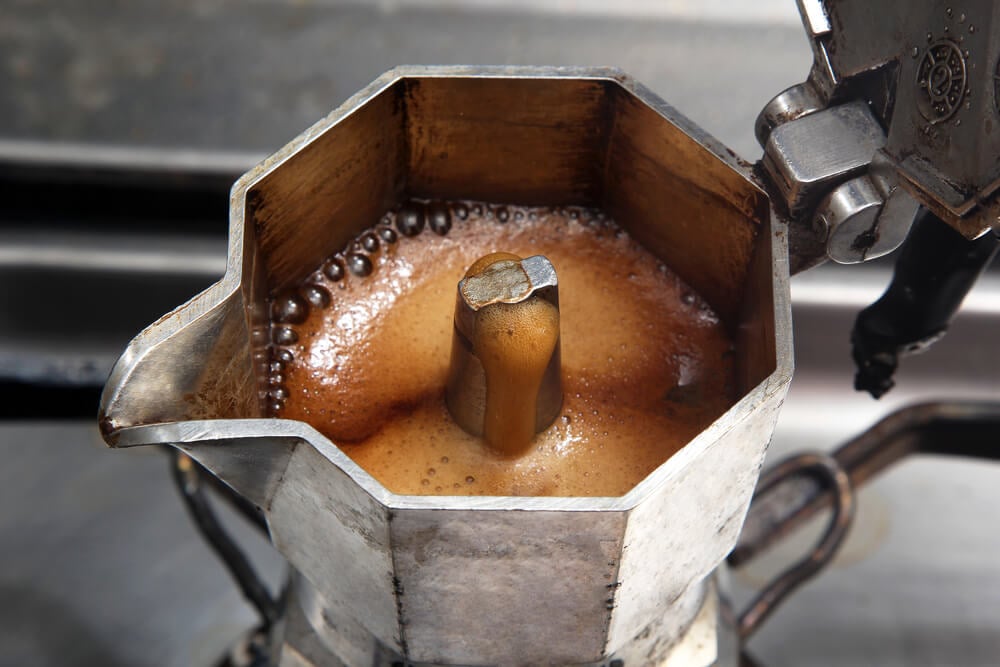
Glass or stainless steel vessels that boiled water and circulated it through ground coffee repeatedly using simple steam pressure mechanics. No timer, no automatic shut-off, no programming.
Watching coffee percolate was part of the morning ritual. These still produce better coffee than automatic drip machines.
Pressure Cooker
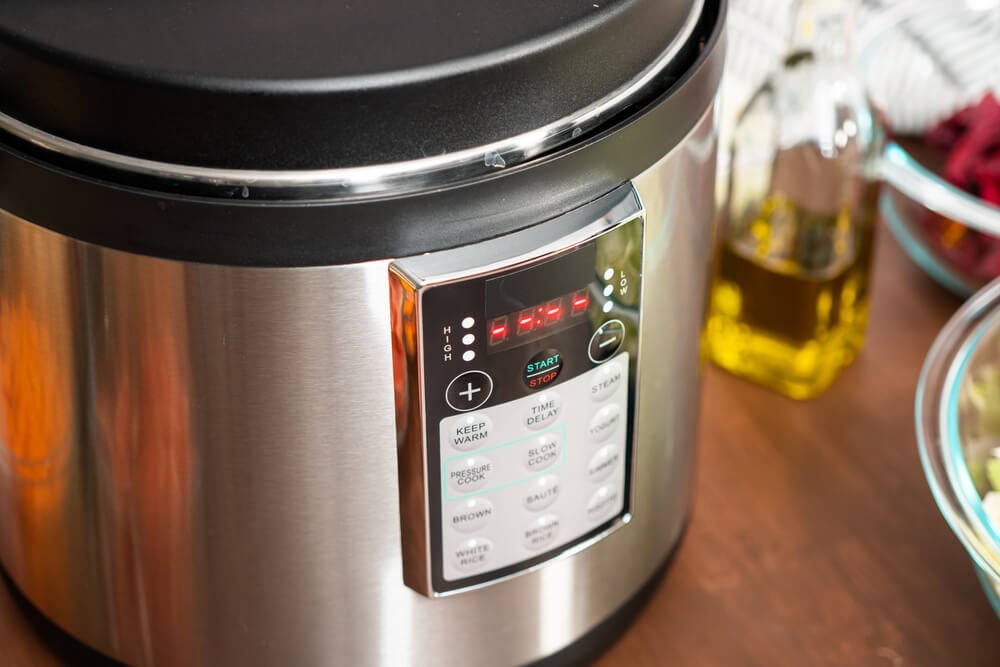
Metal pots with weighted pressure valves that allowed cooking with controlled steam pressure. The mechanism was simple enough to understand immediately and durable enough to function for decades without service.
Modern pressure cookers attempt to replicate the same function with computerized controls that fail more frequently.
Butter Churn
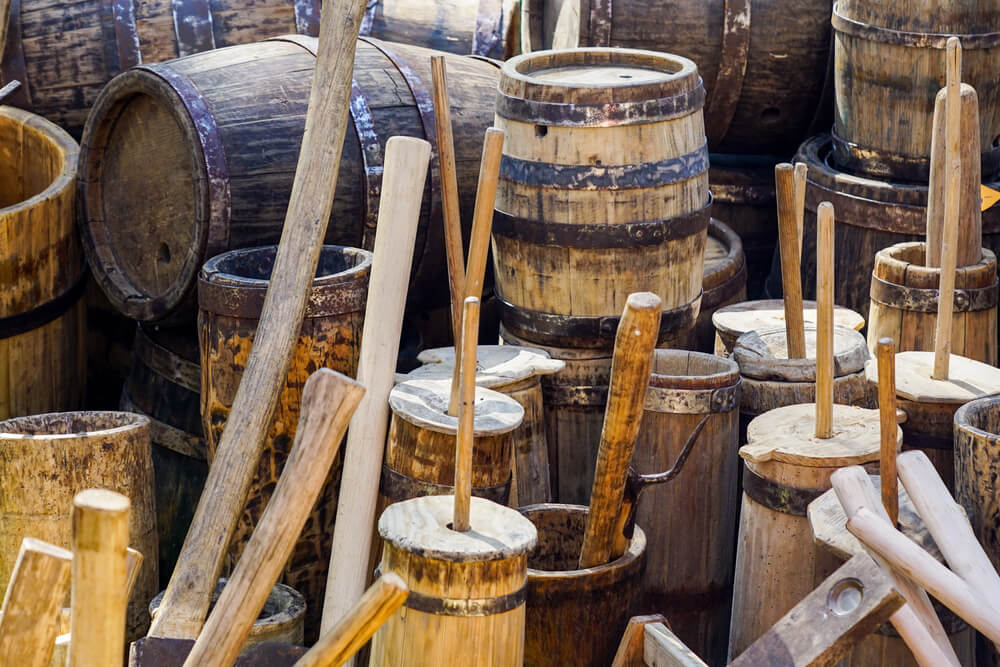
Mechanical devices that agitated cream to separate butter through physical force and time. No electricity, no moving parts beyond the handle mechanism.
These operated for centuries before electricity existed and continue operating identically today.
Oil Lamp
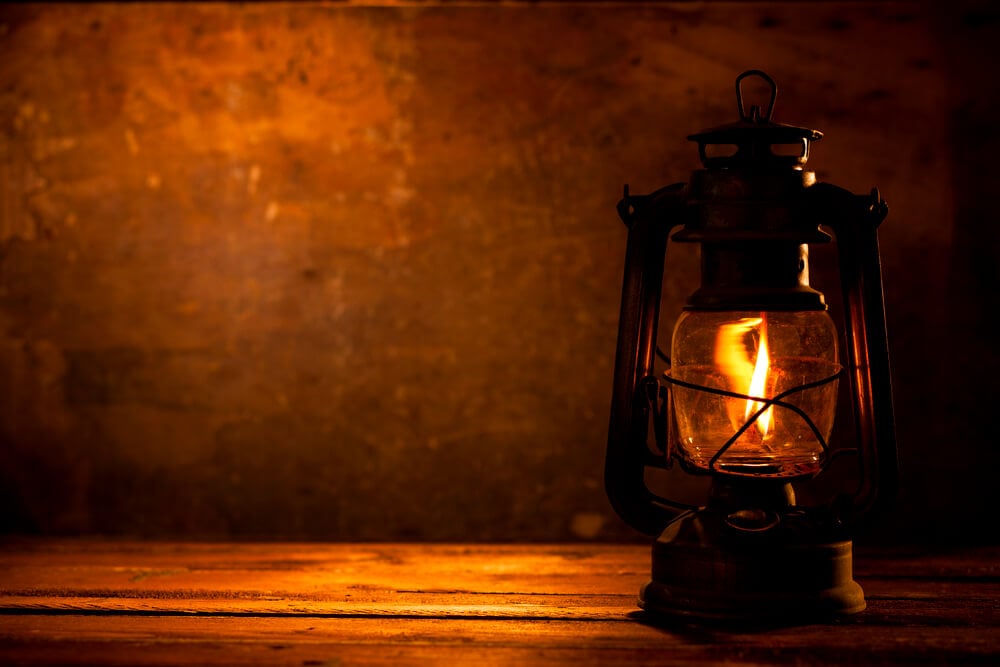
Gravity-fed lighting devices that required no electricity, no fuel except oil, no components beyond the burning chamber. As backup light sources, they remain functional and reliable.
More durable and more honest than any electronic lighting, these still sit in homes as both practical and decorative objects.
Drawdown Knife Sharpener
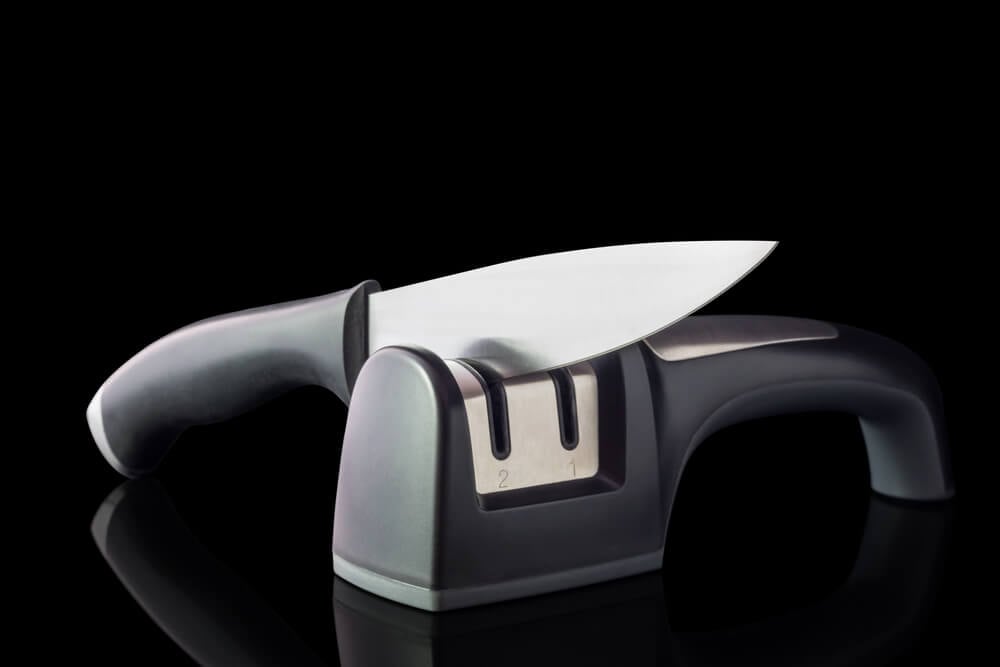
A mechanical device that drew knife blades through aligned sharpening stones, requiring no electricity or skill. The simplicity meant it almost never failed and actually improved knife edges better than modern electric equivalents.
The Infrastructure of Trust

These objects share a philosophy: do one thing, do it extremely well, make it simple enough to understand and repair, build it from materials meant to persist. That philosophy produced objects that grandparents could trust because trust wasn’t marketing—it was mathematical certainty built into the structure itself.
Modern products market trust through reviews and testimonials; grandparent-era products proved themselves through decades of identical performance. That difference defines why an eighty-year-old refrigerator still preserves food while a two-year-old smart refrigerator requires replacement components that may no longer be manufactured.
More from Go2Tutors!

- 16 Historical Figures Who Were Nothing Like You Think
- 12 Things Sold in the 80s That Are Now Illegal
- 15 VHS Tapes That Could Be Worth Thousands
- 17 Historical “What Ifs” That Would Have Changed Everything
- 18 TV Shows That Vanished Without a Finale
Like Go2Tutors’s content? Follow us on MSN.