How Far is Far? Space Distances Explained
Space is big. Really, really big. The distances between planets, stars, and galaxies are so huge that regular numbers stop making sense.
When scientists talk about space, they use special ways to measure these incredible distances because saying “93 million miles” gets old pretty fast. Understanding these measurements helps us appreciate just how tiny Earth really is in the grand scheme of things.
Think of it like this: if you could drive a car to the moon, it would take you about six months of non-stop driving. Now let’s explore the mind-bending distances that make up our universe.
The distance to our moon
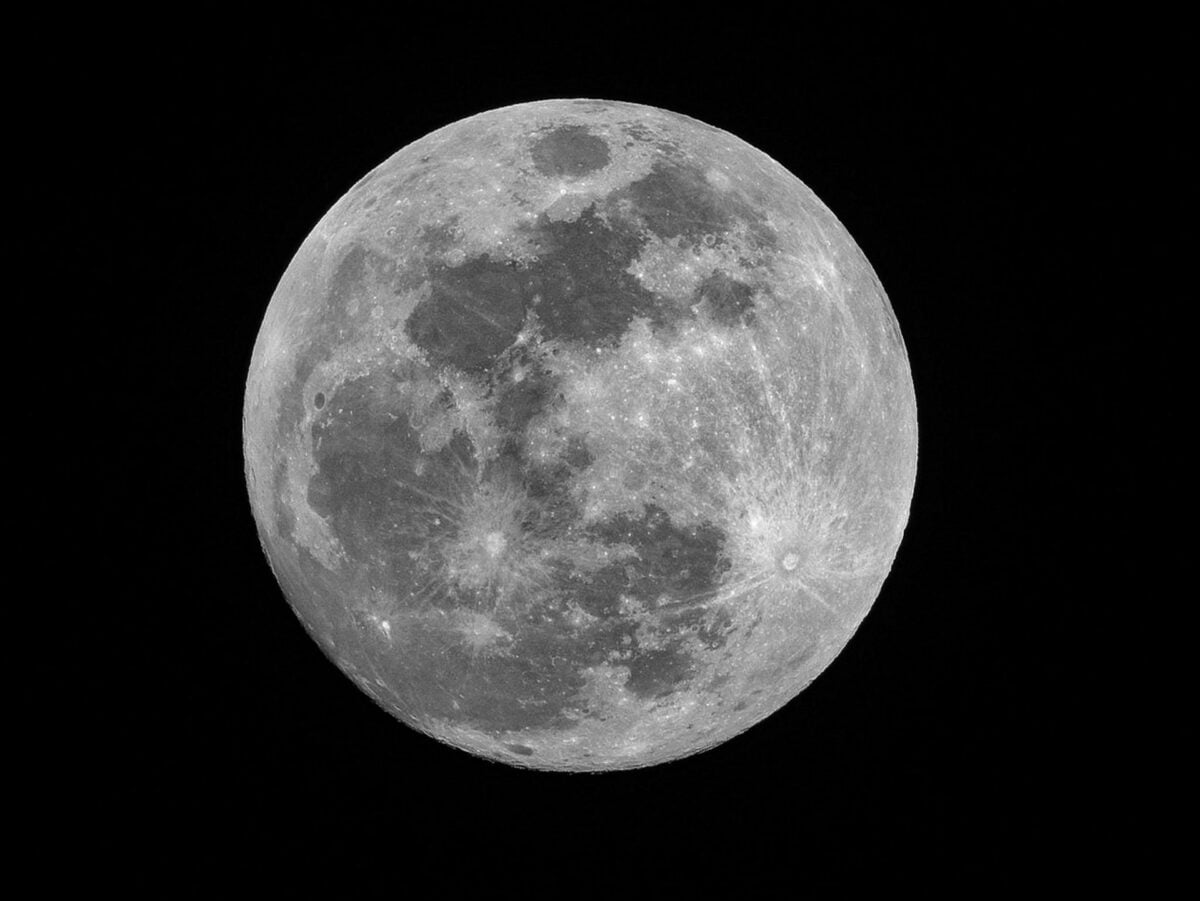
Earth’s moon sits about 238,855 miles away from us. That might sound far, but in space terms, the moon is practically next door.
If you could walk there at a normal pace, it would take you about nine years of continuous walking without any breaks. The Apollo astronauts took three days to get there with the most powerful rockets available at the time.
This distance changes slightly as the moon moves in its oval-shaped path around Earth, sometimes getting as close as 225,700 miles and as far as 252,000 miles.
Reaching the sun’s neighborhood

The sun sits roughly 93 million miles away from Earth, a distance scientists call one Astronomical Unit or AU for short. Light from the sun takes about 8 minutes and 20 seconds to reach us, which means when you look at the sun (please don’t actually do this), you’re seeing it as it was 8 minutes ago.
If that same car from earlier could somehow survive the trip, driving to the sun would take over 100 years of non-stop travel. This distance stays pretty steady throughout the year, though Earth does get slightly closer in January and farther away in July.
Like Go2Tutors’s content? Follow us on MSN.
Mars and the red planet challenge
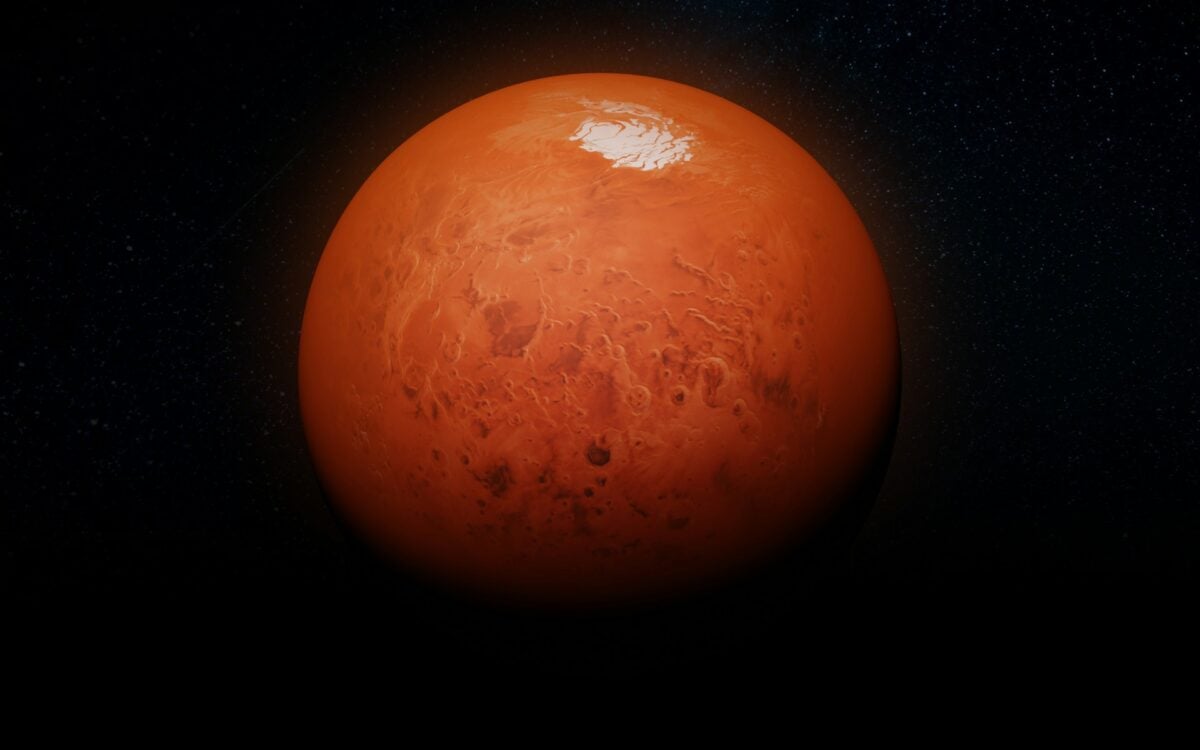
Mars can be anywhere from 35 million miles to 250 million miles away, depending on where both planets are in their trips around the sun. When Mars and Earth are closest, which happens about every 26 months, spacecraft can make the journey in 6 to 9 months.
When the planets are on opposite sides of the sun, the distance becomes much greater and trips take much longer. This changing distance explains why space agencies carefully time their Mars missions to launch during these close approach windows.
Jupiter’s massive presence
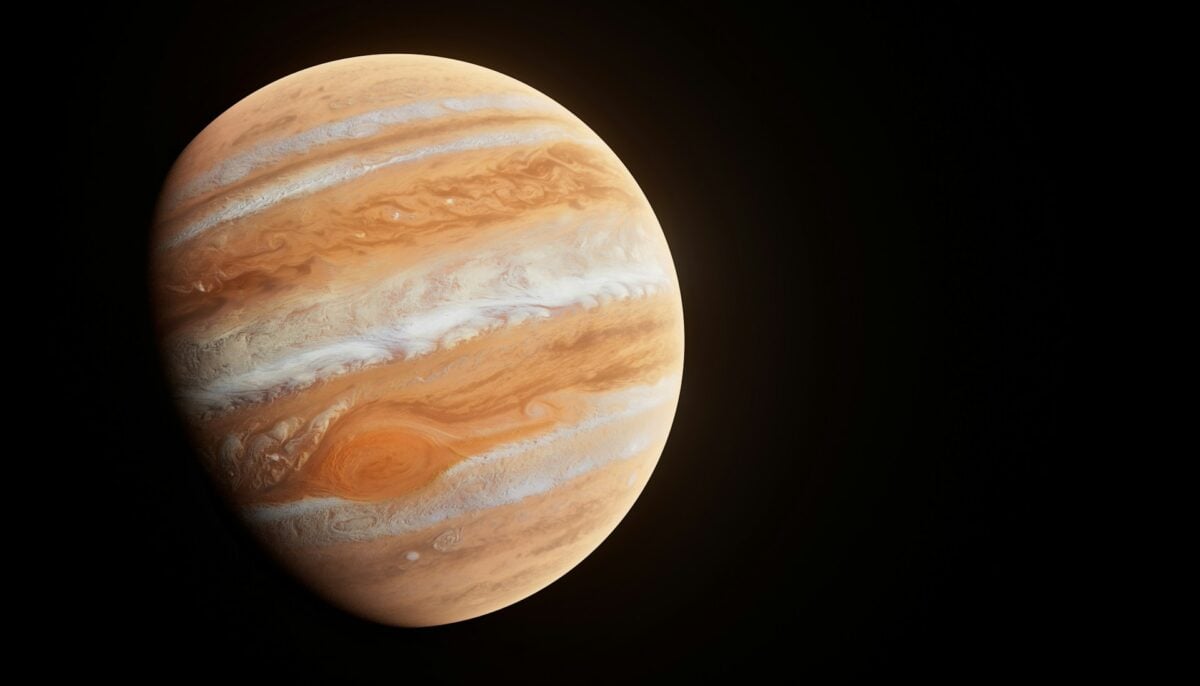
The giant planet Jupiter orbits between 365 million and 601 million miles from Earth. Light from Jupiter takes between 33 and 54 minutes to reach us, depending on our relative positions.
Jupiter’s four largest moons, discovered by Galileo over 400 years ago, are visible through a good pair of binoculars on a clear night. The Juno spacecraft, currently studying Jupiter, took five years to make the journey there.
When you see Jupiter shining in the night sky, remember that light left the planet almost an hour ago.
Saturn’s ring system distance
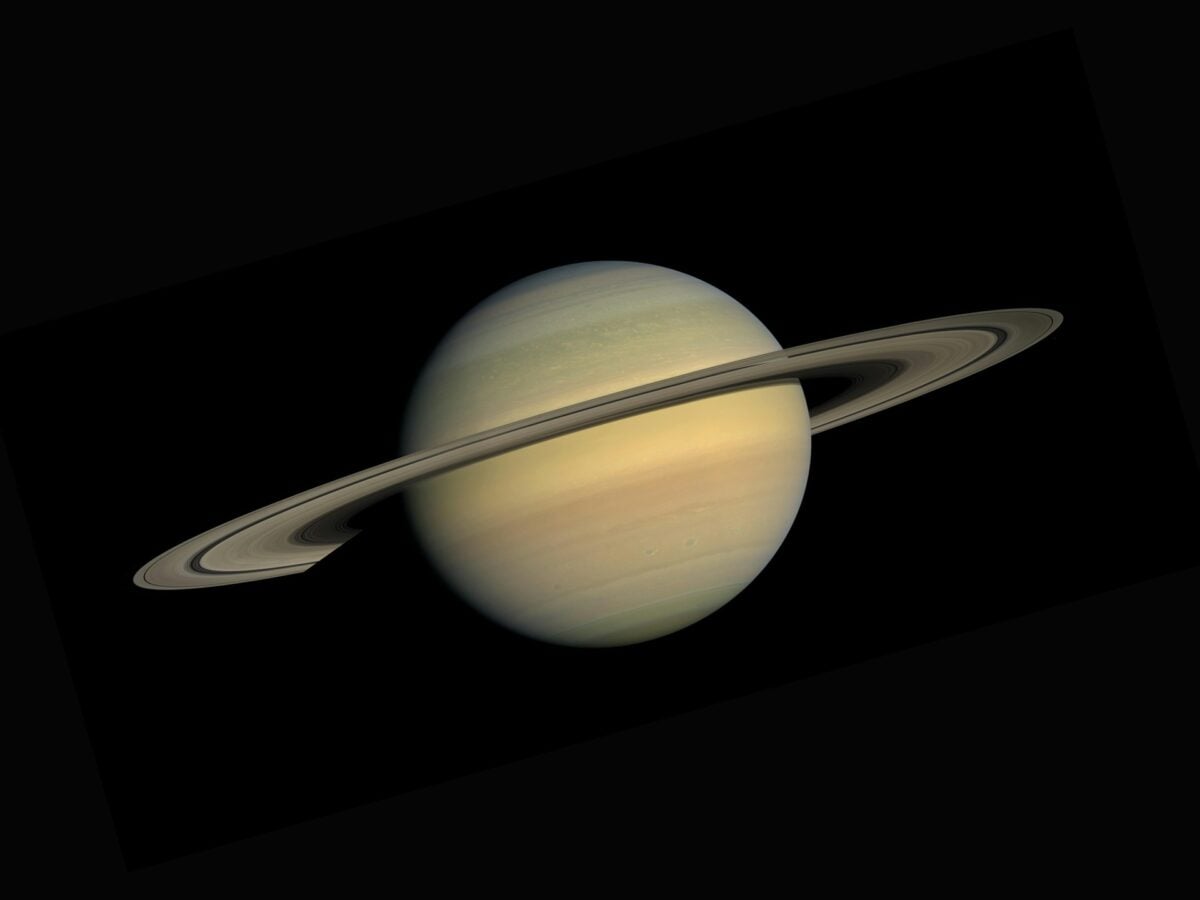
Saturn orbits between 746 million and 1.7 billion miles from Earth. The beautiful rings that make Saturn famous are actually visible through a small telescope from your backyard, even across this enormous distance.
Light from Saturn takes between 1 hour and 24 minutes to 1 hour and 84 minutes to reach Earth. The Cassini spacecraft spent 13 years studying Saturn after taking 7 years just to get there.
Those stunning ring photos you see took over an hour to travel from Saturn to the spacecraft, then additional time to beam back to Earth.
Like Go2Tutors’s content? Follow us on MSN.
The outer planets get really distant
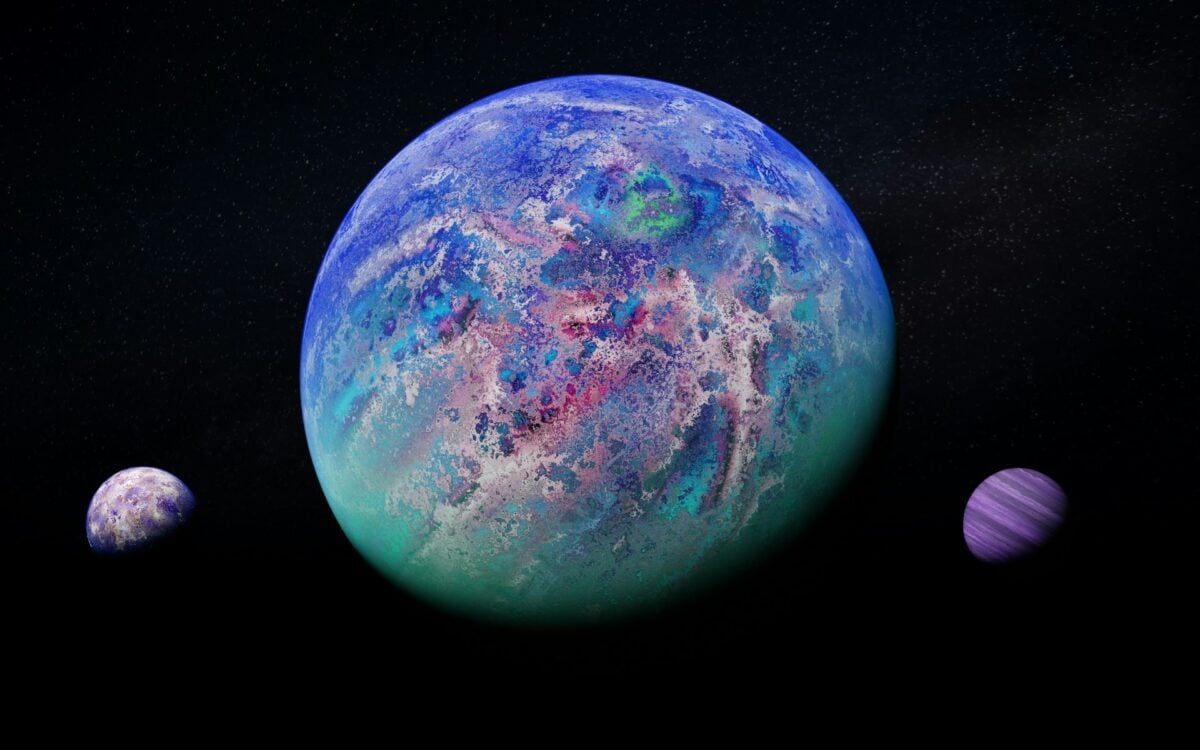
Uranus sits about 1.7 to 2.0 billion miles away, while Neptune ranges from 2.7 to 2.9 billion miles from Earth. Light from these distant worlds takes 2.5 to 3 hours from Uranus and about 4 hours from Neptune to reach us.
The Voyager 2 spacecraft remains the only human-made object to visit these planets, taking 12 years to reach Neptune after launching in 1977. These planets are so far away that they’re barely visible as tiny dots even through powerful telescopes.
Pluto’s lonely orbit
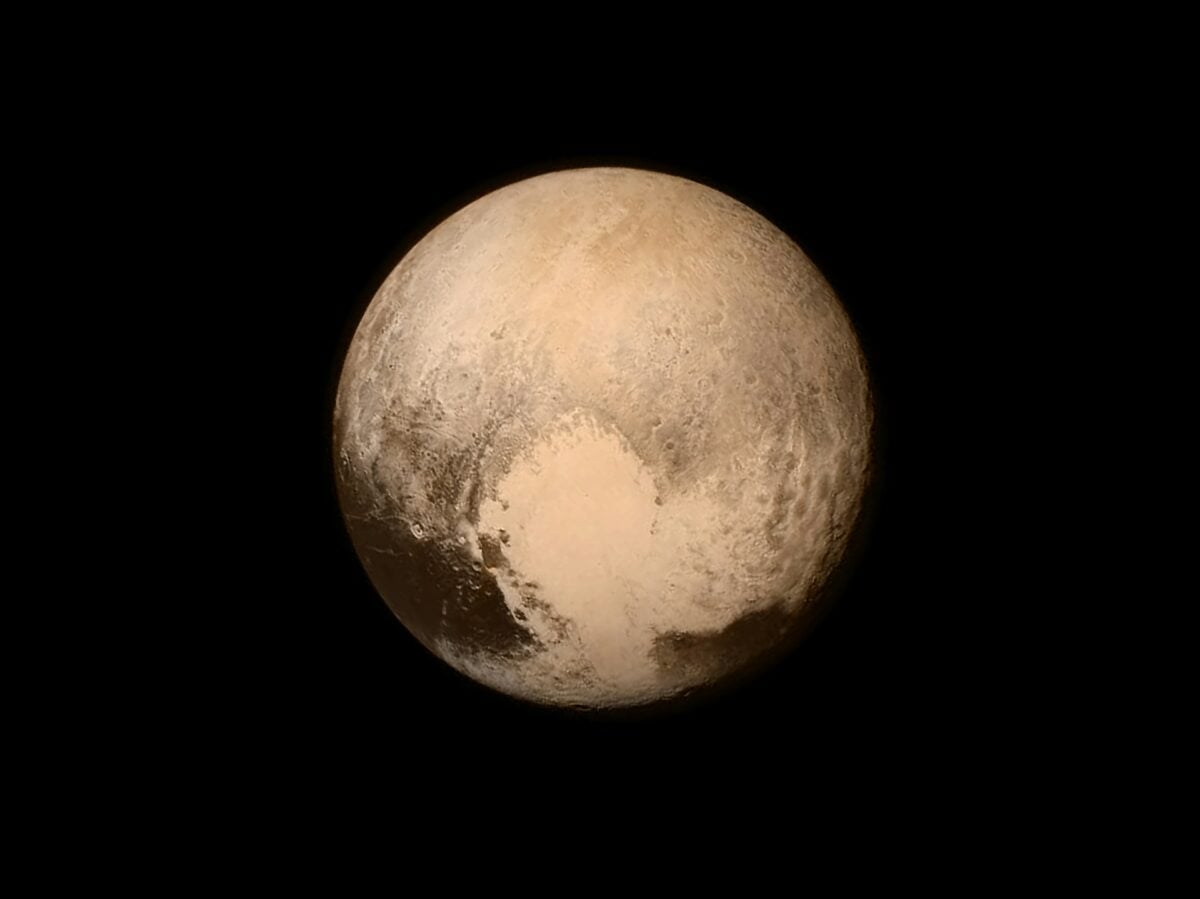
Poor Pluto, no longer officially a planet, orbits between 2.7 and 4.7 billion miles from Earth. Light from Pluto takes 4 to 7 hours to reach us, depending on where it is in its long, oval-shaped path around the sun.
The New Horizons spacecraft took 9.5 years to reach Pluto for its historic flyby in 2015. When New Horizons sent back those amazing close-up photos of Pluto, the radio signals took over 4 hours to travel from the spacecraft back to Earth.
The nearest star beyond our sun
Proxima Centauri, the closest star to our solar system, sits about 4.24 light-years away. That equals roughly 25 trillion miles, a number so big it’s hard to imagine.
If you could travel at the speed of light (which nothing with mass can actually do), it would still take 4.24 years to get there. Our fastest spacecraft would need about 73,000 years to make that trip.
Scientists recently discovered a potentially habitable planet orbiting Proxima Centauri, making it the closest known world that might support life.
Like Go2Tutors’s content? Follow us on MSN.
The bright star Sirius
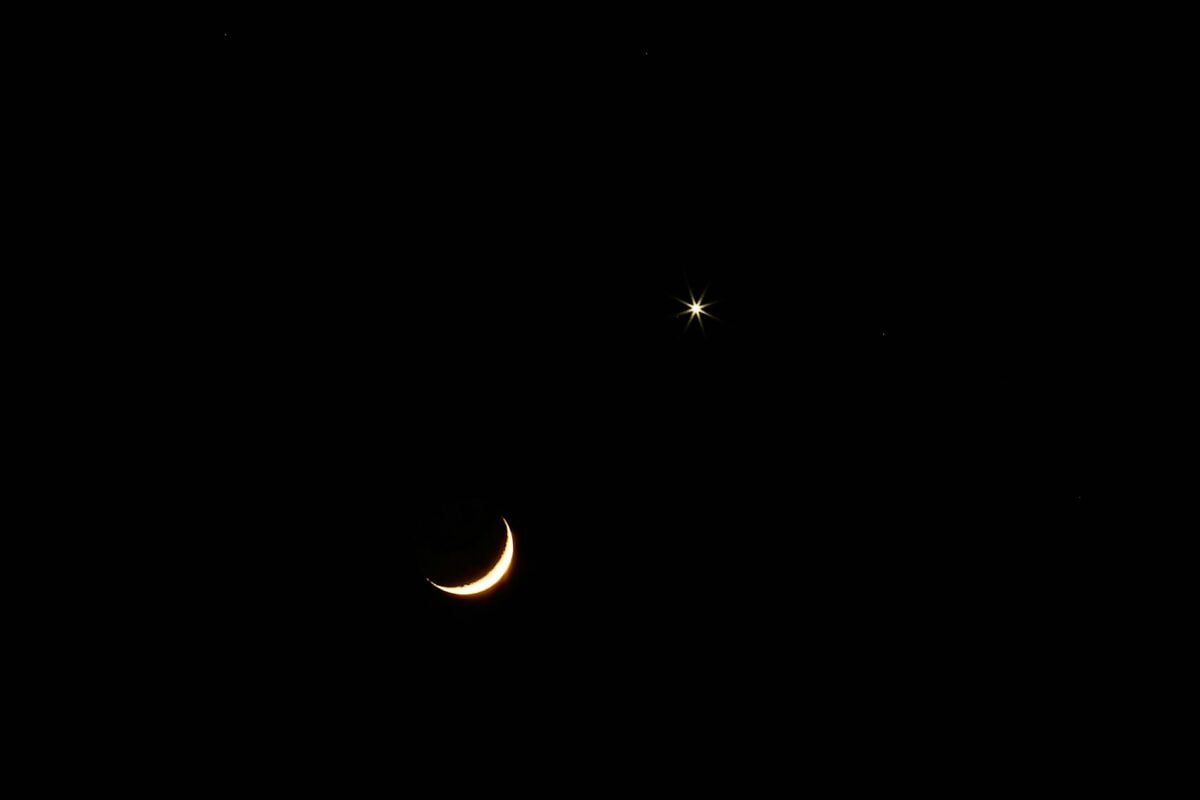
Sirius, the brightest star in our night sky, shines from about 8.6 light-years away. This means the light hitting your eyes left Sirius when you were 8.6 years younger than you are right now.
Sirius is actually two stars orbiting each other, though they appear as one bright point from Earth. This star system contains about 5 times as much material as our sun, which helps explain why it looks so bright despite being much farther than Proxima Centauri.
The North Star’s distant guidance
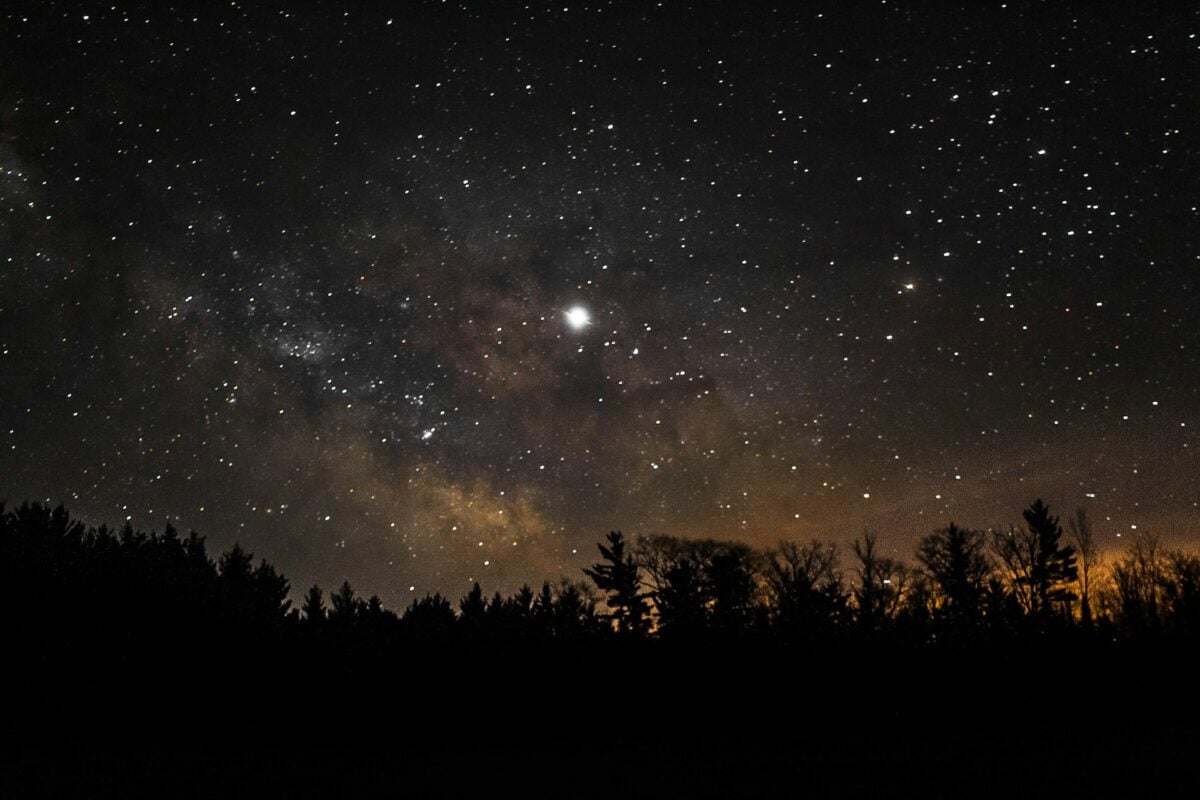
Polaris, the North Star that has guided travelers for thousands of years, sits roughly 433 light-years away. The light you see when you look at Polaris tonight actually left that star around the year 1590.
This means when you use the North Star for navigation, you’re relying on light that began its journey during Shakespeare’s lifetime. Despite this enormous distance, Polaris appears steady in our sky because it sits almost directly above Earth’s north pole.
From backyard to infinity
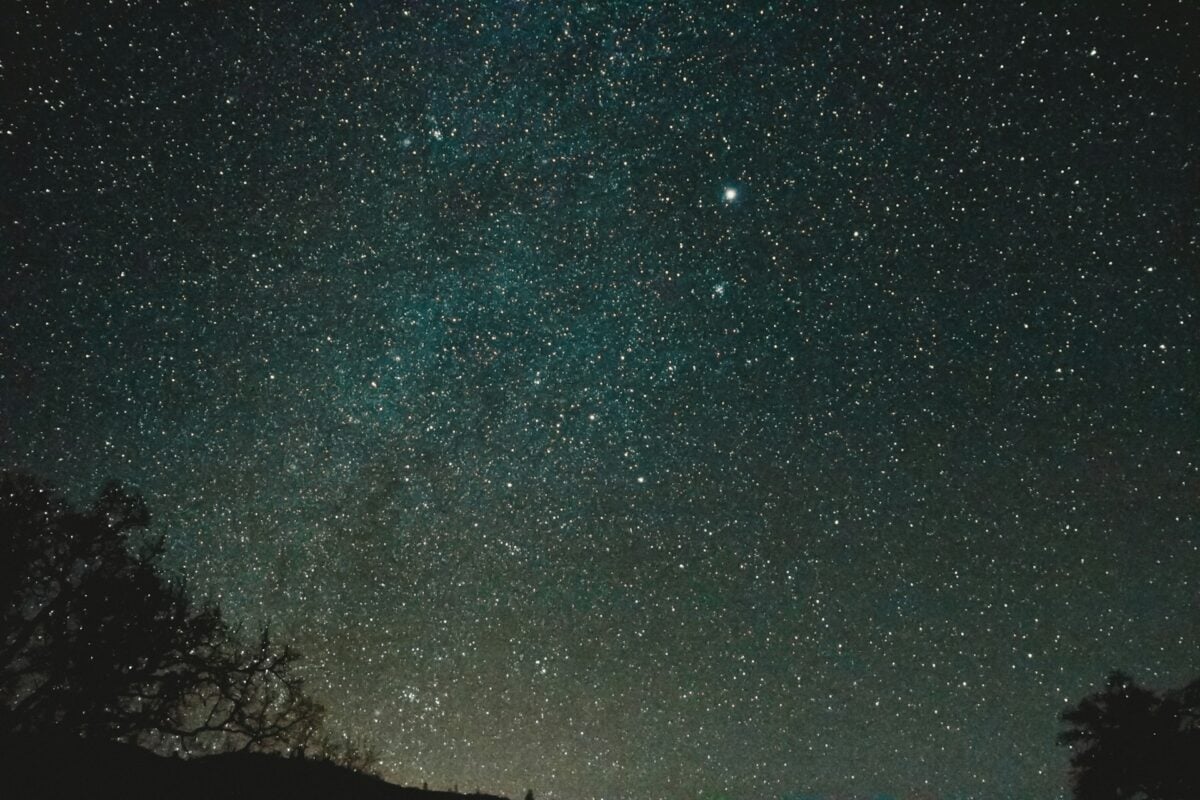
These mind-boggling distances connect us to the cosmos in ways our ancestors could never imagine. When you step outside on a clear night and look up, you’re seeing light that has traveled for years, centuries, or even millions of years to reach your eyes.
Every star, every galaxy, every distant world represents a journey across space and time that dwarfs anything humans have ever accomplished. Understanding these cosmic distances doesn’t make us smaller; it makes us part of something infinitely larger and more wonderful than we ever dreamed possible.
The next time someone asks how far is far, you’ll have plenty of amazing answers to share.
More from Go2Tutors!

- 16 Historical Figures Who Were Nothing Like You Think
- 12 Things Sold in the 80s That Are Now Illegal
- 15 VHS Tapes That Could Be Worth Thousands
- 17 Historical “What Ifs” That Would Have Changed Everything
- 18 TV Shows That Vanished Without a Finale
Like Go2Tutors’s content? Follow us on MSN.



