Actors who are real royalty
Gold crowns shine bright in people’s minds, just like hushed stories behind grand castle doors. Acting pulls attention too – faces light up stages through charm and timing rather than titles.
Once in a while, someone walks both paths without making it obvious. Bloodlines meant for thrones sometimes flow in those who memorize lines instead.
These individuals live across two worlds: duty tied to name, dreams shaped by craft. What stands out isn’t fame but how past and present hold hands quietly.
Some performers carry bloodlines that match their fame under the spotlight. A title might run in the family just like talent does.
Not every crown is made of prop metal – some come with birth certificates. On set or in history books, lineage sticks around.
Royal roots sometimes grow behind the scenes too. Fame often shares space with ancestry others can trace back centuries.
Princess Charlene of Monaco
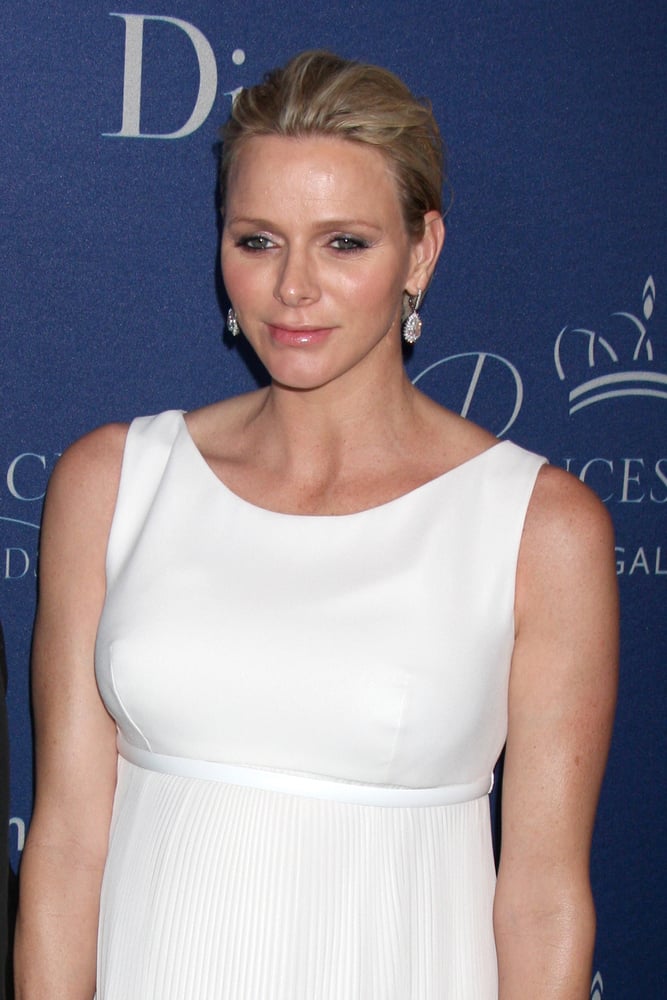
Before she became Princess Charlene, she pursued a career in competitive swimming, representing South Africa in international competitions. While not initially known for acting, she made appearances in commercials and charitable events that demanded performance skills.
Her transition into Monaco’s royal family didn’t erase her athletic and media experience, but rather, it layered it with ceremonial and social responsibilities. Balancing public duties with personal projects, she demonstrates how an understanding of presence and poise—skills honed through sport and media—can translate into broader forms of performance.
Even outside acting, her journey highlights how royal heritage influences public perception. Every move, every appearance, carries scrutiny, which is surprisingly analogous to the pressures actors face under the lens of cinema or television.
Meghan Markle
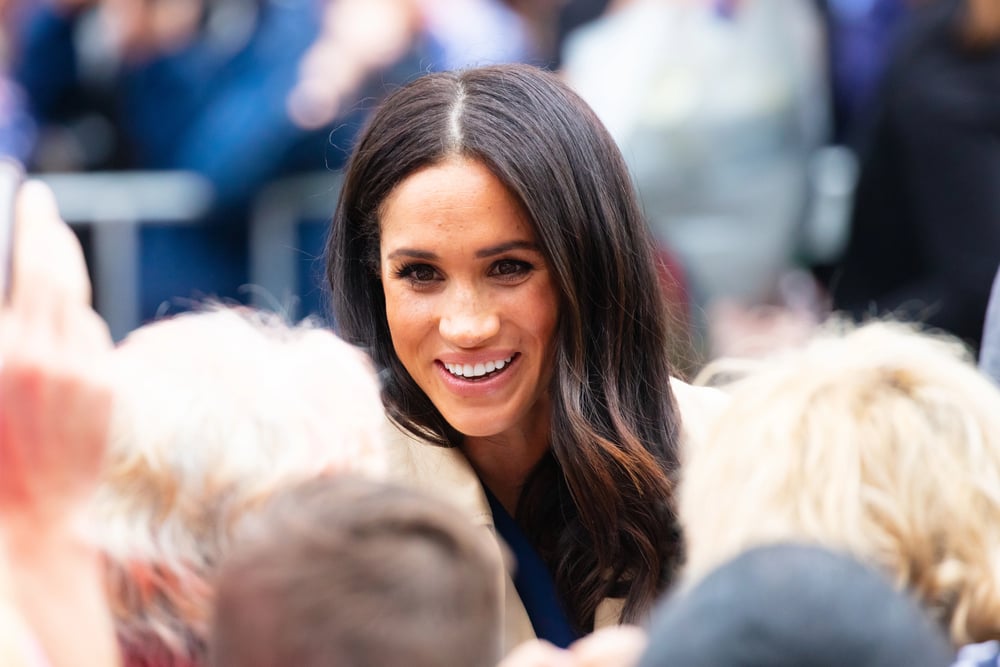
Before marrying Prince Harry and becoming the Duchess of Sussex, Meghan Markle was already a recognizable face on television, most notably for her role on Suits. Her acting career demanded discipline, long hours, and the ability to navigate public attention, skills she later transferred seamlessly into royal life.
Her transition exemplifies the delicate balance between celebrity and royalty, showing that a professional performance background can prepare someone for the ceremonial and charitable responsibilities of a modern royal role. Still, her story underscores the unexpected pressures of public life.
The demands of acting may prepare you for cameras and audiences, but the royal spotlight amplifies scrutiny, a lesson many former actors turned royals have learned firsthand.
Kate Middleton (Indirectly tied to aristocracy)
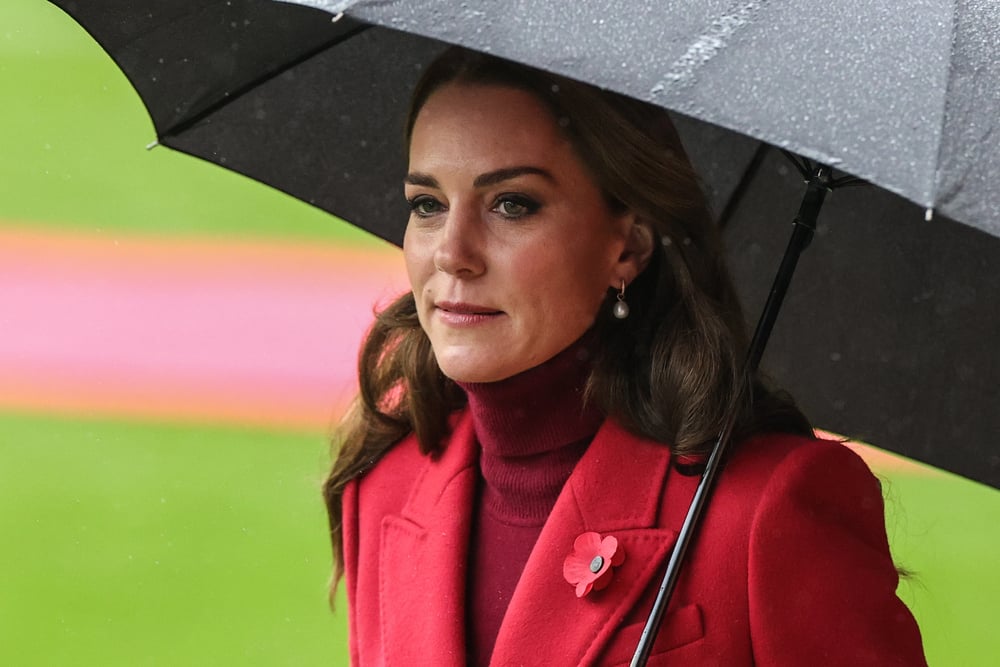
While Kate Middleton, now the Princess of Wales, doesn’t have a formal acting background, her public appearances and media training have often been described in performance terms. Every speech, every wave, and every carefully staged photograph resembles a crafted performance.
Her aristocratic upbringing, though not royal in the reigning sense, provided early exposure to etiquette, presentation, and social navigation—all essential skills for public-facing roles. Her trajectory reminds us that nobility and performance aren’t confined to theater or film.
The act of being observed, judged, and interpreted is universal to both actors and royals.
Grace Kelly
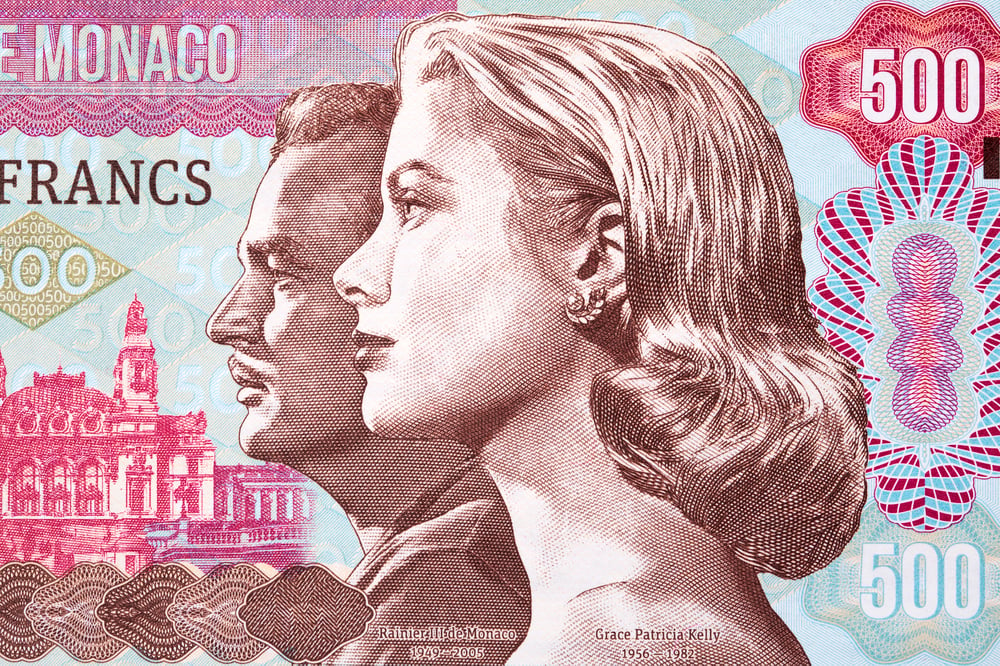
Grace Kelly stands as perhaps the most famous example of an actor who became royalty. Her Hollywood career in the 1950s was marked by Oscar-winning performances and collaborations with iconic directors.
Yet she traded film sets for the principality of Monaco when she married Prince Rainier III. The transition was dramatic, but her life illustrates the transferable qualities between acting and royal life: composure under pressure, the ability to tell a story through gestures and presence, and the cultivation of a public persona.
Even decades later, Kelly’s story serves as a template for the ways performance and ceremonial life intersect, proving that charisma and discipline can bridge even the widest social gaps.
Prince Michael of Kent
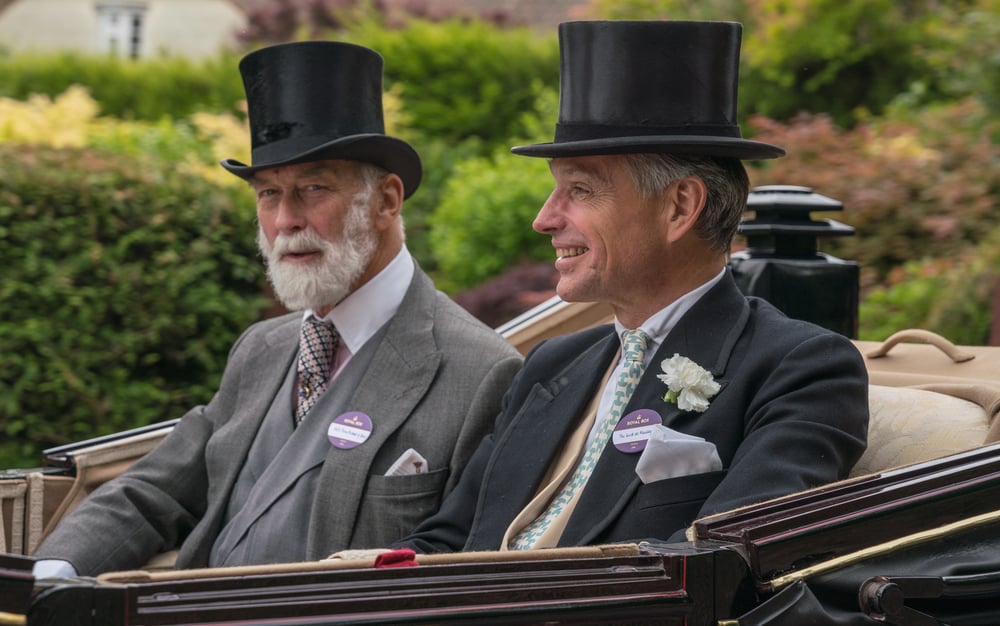
Prince Michael of Kent, a member of the British royal family, has pursued acting and media engagements alongside his royal duties. His appearances, often in documentaries or minor television roles, showcase the flexibility required to navigate both worlds.
Royal status gives a platform, but credibility as a performer demands dedication, rehearsal, and the subtle art of engaging an audience. That duality is telling: being royal doesn’t guarantee success in acting.
The skills must be cultivated independently, just as any professional performer would need to train and refine their craft.
Alexandra of Hanover
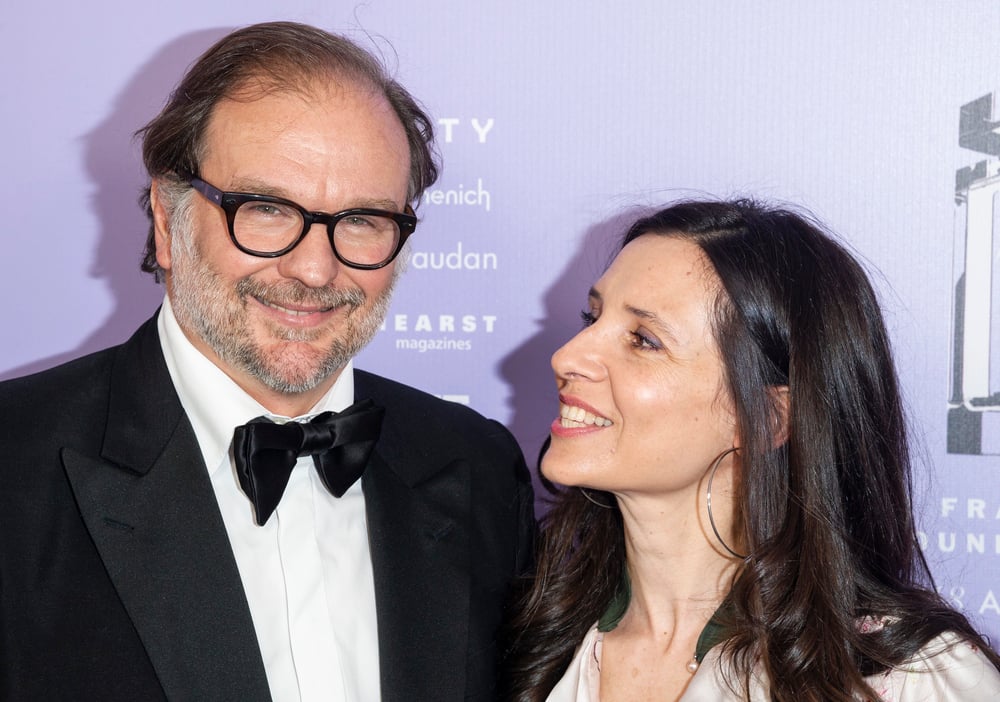
Princess Alexandra of Hanover comes from a lineage of European nobility and has explored acting in various international projects. Her career choices illustrate a willingness to engage with modern media while honoring traditional responsibilities.
The balance requires not just talent but strategic thinking, the kind often nurtured in royal education systems. Her projects, though modest compared to Hollywood productions, still demand the poise and adaptability characteristic of both actors and royals.
On the other hand, her choices demonstrate a measured approach. Not all royal actors seek fame; many navigate their craft quietly, integrating it with broader duties rather than competing for the spotlight.
Pavlos, Crown Prince of Greece

Crown Prince Pavlos of Greece has appeared in media interviews and documentary-style productions, bridging his role as heir to a historic throne with public storytelling. While his acting engagements are limited, his presence on camera requires an understanding of performance, timing, and engagement—skills actors refine through formal training.
His experiences exemplify the broader theme of royal actors: public life itself can demand performance, whether scripted or improvised. Even so, the difference between inherited status and earned craft remains central.
True skill in acting involves sustained effort and emotional investment, even if one’s royal position provides an initial platform.
Princess Olympia of Greece

Princess Olympia, daughter of Crown Prince Pavlos, is another example of modern royalty dipping into acting and media projects. While still young, she has participated in short films and modeling campaigns, combining creative exploration with the expectations of her lineage.
These experiences offer lessons in balancing freedom and obligation, showing how performing before a camera can coexist with the long-term responsibilities of a royal household. The way she navigates public perception is particularly striking.
Each appearance is scrutinized by audiences and press alike, yet she uses the opportunity to refine confidence and presentation skills, echoing the methods actors develop through rehearsal and public performance.
Bridging Two Worlds
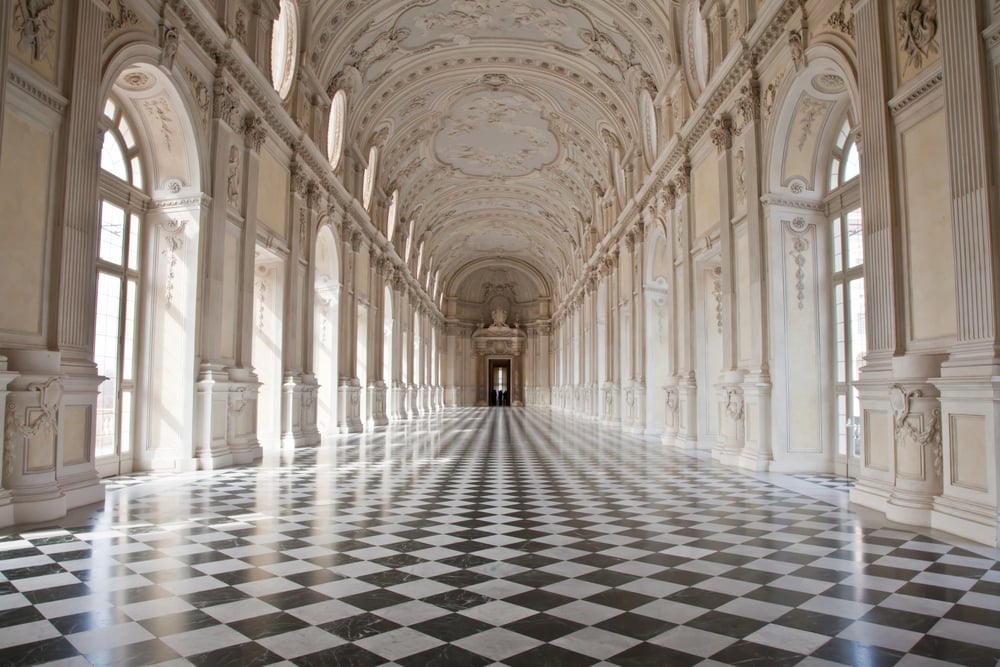
What unites these individuals is more than just bloodlines or talent. Their lives underscore a shared set of qualities: composure, awareness, adaptability, and an understanding of audience perception.
Royalty imposes expectations; acting demands mastery of craft. Those who inhabit both spheres must reconcile inherited responsibility with chosen artistry.
The interplay is subtle but compelling, offering lessons about identity, discipline, and the performance inherent in public life. The overlap also highlights unexpected parallels.
Just as an actor rehearses for a role, a royal prepares for appearances, speeches, and public duties. Both arenas reward preparation, poise, and the ability to respond gracefully under scrutiny.
In many ways, being royal is a performance that never ends, and a background in acting can make that lifelong role a little more navigable.
The balance of strain and support

It would be misleading to frame these journeys as purely individual triumphs. Access to flexible programs, supportive mentors, and financial stability plays a significant role.
Actors born into royalty often benefit from institutions willing to accommodate unconventional schedules. That support does not diminish the work involved but helps make the path possible.
On the other hand, the strain should not be underestimated. Acting demands vulnerability and emotional exposure, while royal obligations require composure under scrutiny.
Those who persist tend to treat their dual commitments like long campaigns, pacing themselves and embracing a rhythm that allows growth over time.
Why it still matters

What these tales show changes how people think about who belongs in front of crowds or roles in public life. Royalty does not erase drive or skill, just as duty passed down through families doesn’t block someone from stepping into theater lights.
Where heritage meets artistry, one sees places – crowded courts or silent sets – where focus, bearing, and quick thinking hold equal weight. Seeing performers born into palaces reveals act after act shaped not only by spotlight but also by birthright, some moments loud with ceremony, others still beneath a lens barely whispering.
What stands out is how achievement takes many forms. Acting in front of cameras or preserving customs passed down through generations shows rank by birth doesn’t block hard work – it can walk beside it.
Because of them, success feels wider now, shaped by ancestry yet carved by choice, making those who watch think differently about holding two lives at once.
More from Go2Tutors!

- The Romanov Crown Jewels and Their Tragic Fate
- 13 Historical Mysteries That Science Still Can’t Solve
- Famous Hoaxes That Fooled the World for Years
- 15 Child Stars with Tragic Adult Lives
- 16 Famous Jewelry Pieces in History
Like Go2Tutors’s content? Follow us on MSN.