How Queens Led Armies Into Battle
Have you ever wondered what it would take to rally thousands of warriors while wearing a crown? Throughout history, royal women have shattered expectations by trading palace comfort for battlefield command, proving that courage knows no gender boundaries.
These weren’t just figureheads watching from castle walls. These were strategic commanders who personally led cavalry charges, orchestrated siege defenses, and inspired armies against impossible odds.
Here’s the fascinating story of how history’s most extraordinary queens transformed from rulers into military leaders, commanding respect through strength, strategy, and sheer determination.
They Used Their Royal Authority as Military Legitimacy

Male commanders had to earn the divine legitimacy that royal queens possessed. While Tamar ruled as Queen of Georgia from 1184 to 1213, overseeing the height of the Georgian Golden Age, Boudica led the Iceni and other peoples in an uprising against Roman rule.
A queen wasn’t just another general issuing orders when she declared war. Supported by centuries of royal bloodline and a divine right to rule, she was the embodiment of the power of her kingdom. Even seasoned warriors were unable to ignore the weight that their military commands carried because of this innate authority.
Warrior Queens Started Young and Prepared for Battle

Many of these fabled queens were bred to be military leaders; it wasn’t something they just decided to do. In 1178, Tamar’s reigning father, George III, declared her heir and co-ruler, but the aristocracy strongly opposed her.
Astute royal families realized that training daughters for leadership entailed training them for combat. When they eventually assumed power, these young princesses were fierce opponents because they had studied strategy in addition to their studies.
Like Go2Tutors’s content? Follow us on MSN.
They Personally Appeared on Battlefields to Inspire Troops

Nothing motivated ancient armies like seeing their queen in armor at the front lines. The image of Boudicca standing proud and defiant in her chariot, her daughters at her side, became an icon of British nationalism.
When soldiers saw their queen willing to risk everything alongside them, it transformed ordinary men into fierce warriors fighting for someone who genuinely shared their dangers. This wasn’t ceremonial leadership — it was putting crown and life on the line.
Medieval Queens Led Through Strategic Military Marriages
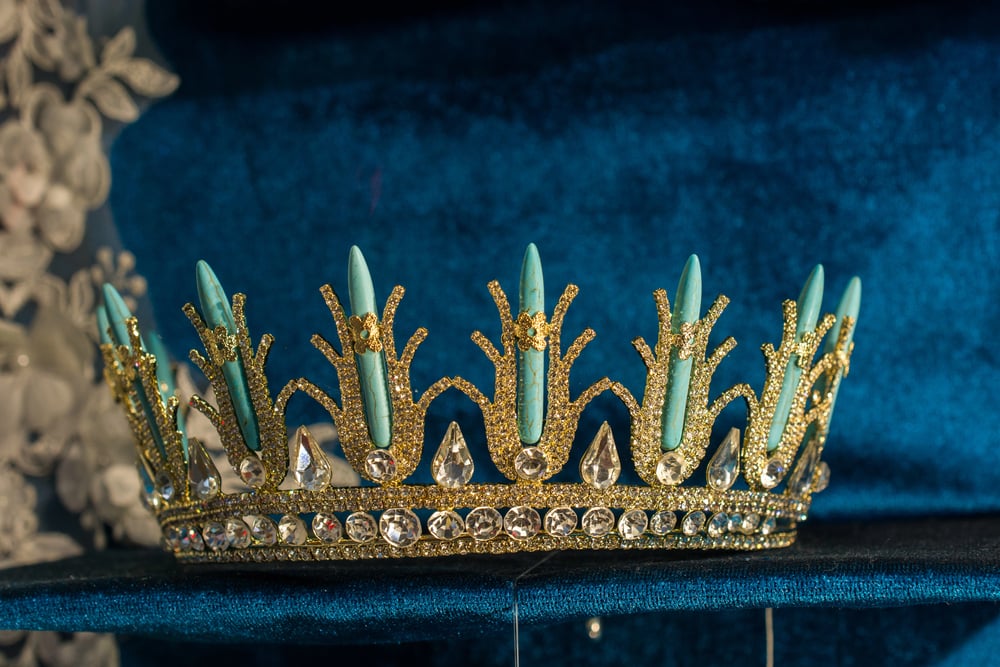
Clever queens turned marriage into military alliances, then commanded the combined armies themselves. Eleanor of Aquitaine accompanied Louis VII on the Second Crusade and later married Henry, Duke of Normandy, becoming queen of England.
Rather than being passive political pawns, these women actively chose partners who brought military strength, then used those alliances to launch their own campaigns. They understood that the right marriage could double their army size overnight.
They Commanded During Times of National Crisis

History’s most famous warrior queens often emerged during their kingdom’s darkest hours. Boudica’s uprising was motivated by the Romans’ failure to honor agreements and the brutal mistreatment of Boudica and her daughters.
When traditional leadership failed, these women stepped into the void with nothing to lose and everything to prove. Crisis created the perfect conditions for extraordinary queens to seize military command and rally desperate nations.
Like Go2Tutors’s content? Follow us on MSN.
Female Rulers Used Religious Authority to Legitimize War
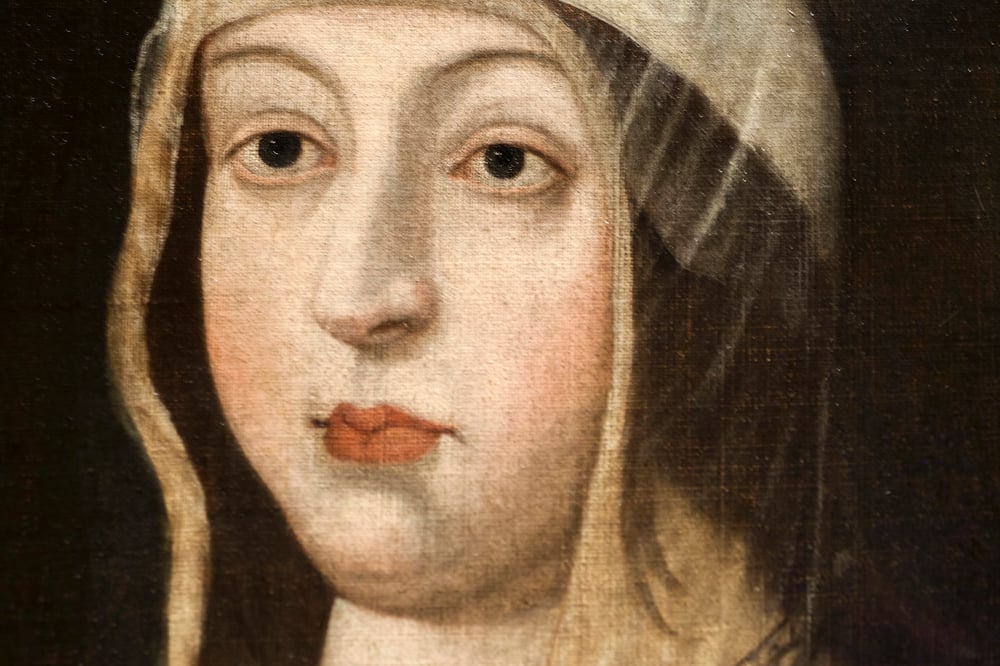
Smart queens wrapped their military campaigns in religious justification, making opposition seem blasphemous. Queen Tamar became the most powerful Orthodox ruler in Eastern Christendom and was acclaimed as ‘Augusta’, the Roman Empress.
By positioning themselves as defenders of the faith, these queens transformed personal conflicts into holy wars. Soldiers fought harder when they believed God was on their side — and their queen was His chosen representative.
They Exploited Enemy Underestimation of Female Command
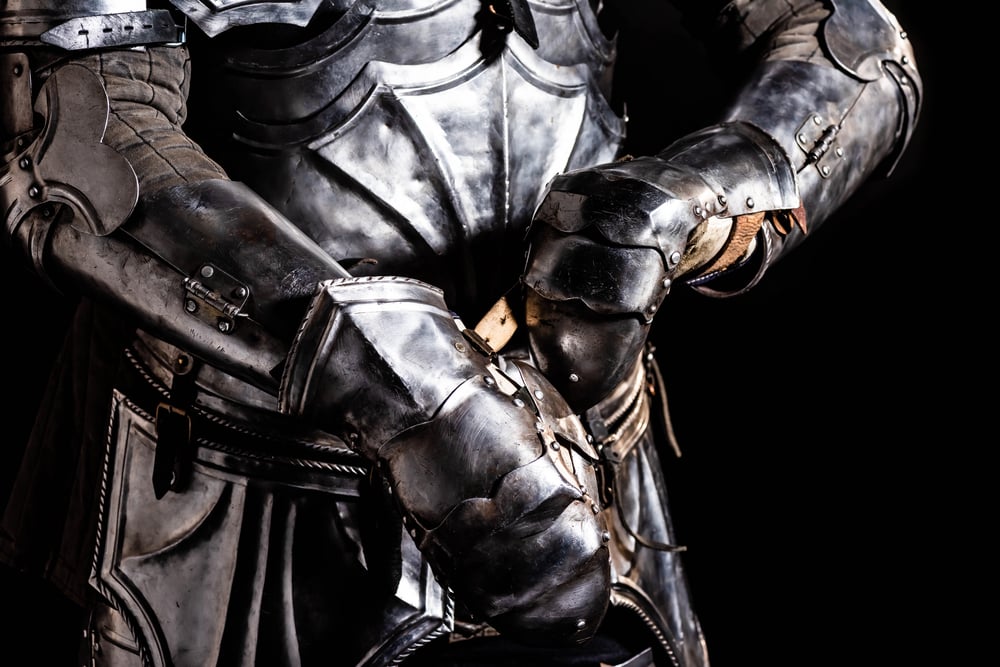
Male enemies consistently underestimated queens, creating perfect opportunities for devastating surprises. In 1205, a ruler from Seljuk invaded Georgia, citing Tamar’s gender as the reason, believing women rulers were a hindrance to military strength.
These queens weaponized sexist assumptions, letting enemies expect weakness while they prepared overwhelming force. The psychological shock of discovering a brilliantly strategic female opponent often decided battles before they properly began.
Queen Mothers Led Armies to Protect Their Children’s Inheritance

Nothing motivated royal mothers like threats to their children’s future thrones. Empress Matilda invaded England in 1139 to claim the throne and fought a nineteen-year civil war during ‘The Anarchy’.
These weren’t power-hungry women seeking personal glory — they were mothers ensuring their sons and daughters inherited what was rightfully theirs. Maternal instinct combined with royal training created some of history’s most determined military leaders.
Like Go2Tutors’s content? Follow us on MSN.
Royal Women Led Crusading Armies Across Continents

The Crusades provided perfect opportunities for ambitious queens to command armies while serving God. Eleanor of Aquitaine joined the Second Crusade as leader of soldiers from the Duchy of Aquitaine, inspiring other noblewomen who became known as ‘Amazons’.
These expeditions legitimized female military leadership under religious authority, letting queens command thousands of knights in foreign lands. Crusading gave royal women unprecedented freedom to exercise military power.
They Used Siege Warfare and Defensive Strategies
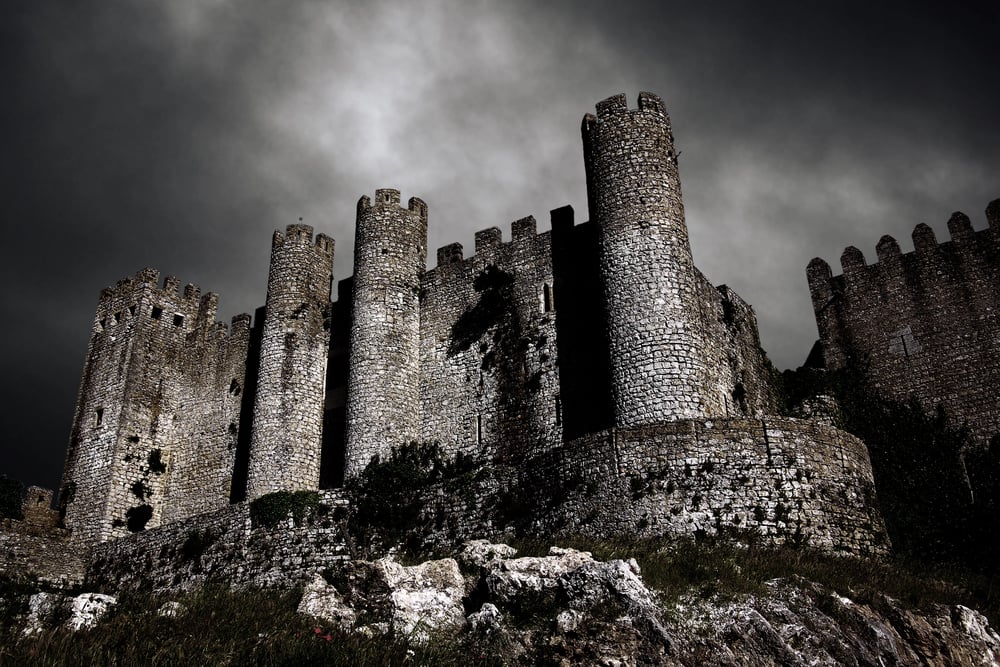
Queens excelled at siege warfare, both defending their own strongholds and besieging enemy positions. Matilda escaped from Oxford Castle during a siege, walking through snow to Abingdon while camouflaged in a white cloak.
Defensive strategy played to female strengths — patience, planning, and resource management. These queens turned their castles into military command centers, coordinating complex defensive operations that could last for months.
Warrior Queens Created Lasting Military Legacies

The most successful military queens didn’t just win battles — they established military traditions that outlasted their reigns. Tamar’s reign marked major political and cultural developments, extending Georgia’s territory from the Black Sea to the Caspian Sea.
These women understood that temporary victories meant nothing without institutional changes. They reformed military structures, established new training methods, and created professional armies that continued fighting long after their deaths.
Like Go2Tutors’s content? Follow us on MSN.
They Balanced Royal Duties With Active Military Command

The most remarkable thing about these warrior queens was their ability to lead the battlefield and handle crown duties at the same time. In addition to being a capable military leader who oversaw two decades of conflict, Matilda was a successful civil administrator who managed both her Norman possessions and her English territory during the war.
They had to be excellent at both domestic governance and military glory. Some of the most capable rulers in history were produced by this dual duty.
When Crown Meets Sword

These extraordinary women proved that effective military leadership transcends gender boundaries. From Boudica’s defiant stand against Rome to Tamar’s golden age of Georgian expansion, warrior queens combined royal legitimacy with personal courage to achieve what seemed impossible.
They didn’t just command armies — they inspired entire civilizations to believe that strength comes in many forms. Their legacy reminds us that true leadership emerges not from traditional expectations, but from the courage to rewrite those expectations entirely. When history needed heroes, these queens answered with crowns, swords, and unshakeable determination.
More from Go2Tutors!

- 16 Historical Figures Who Were Nothing Like You Think
- 12 Things Sold in the 80s That Are Now Illegal
- 15 VHS Tapes That Could Be Worth Thousands
- 17 Historical “What Ifs” That Would Have Changed Everything
- 18 TV Shows That Vanished Without a Finale
Like Go2Tutors’s content? Follow us on MSN.



