Sports Traditions With Dark Origins
Sports bring people together and create memories that last for generations. Fans love the traditions that make each game special, from halftime shows to championship rituals.
But many of these beloved customs have histories that aren’t quite as cheerful as they appear today. Some started in times when society viewed entertainment, competition, and even human life itself very differently than we do now.
Here is a list of sports traditions that began under troubling circumstances or evolved from practices we would find disturbing today.
Gladiatorial combat influenced modern sports

The Romans turned fighting to the death into organized entertainment for massive crowds. Gladiators fought in arenas like the Colosseum, where 50,000 people watched humans battle each other and wild animals.
These shows originally started as funeral rites meant to honor the dead, but they became huge public events that emperors used to stay popular with citizens. The games didn’t end because people grew tired of them.
Christianity eventually played a role in shutting them down around 404 AD, though some historians note the empire was also running out of money to keep staging such expensive spectacles.
Ancient boxing with metal-studded gloves
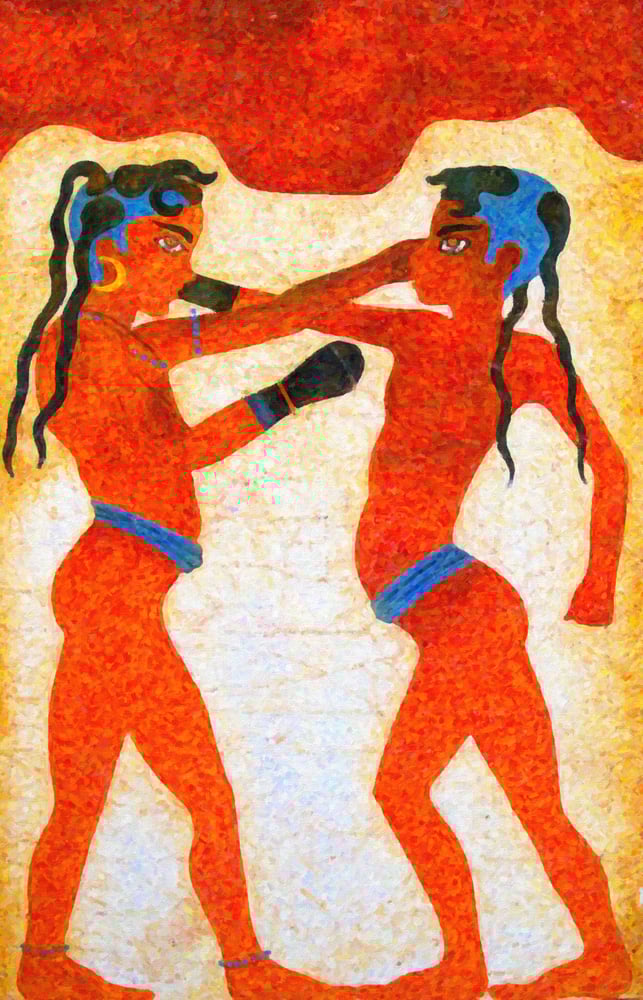
Greek and Roman boxers wore leather straps called himantes on their hands, but the Romans made them deadlier by adding metal studs. Fighters competed until one person couldn’t continue, which often meant serious injury or death.
There were no rounds, no breaks, and no weight classes. Emperor Augustus reportedly loved watching these brutal matches more than any other entertainment in the Colosseum.
Fighters who showed pain or made noise when hit were looked down on, so they learned to take punishment in silence. The sport disappeared for centuries after Rome fell and didn’t come back until much safer rules were created.
Cheerleading started as an all-male, exclusionary activity

When cheerleading began at Princeton in the 1880s, it was considered a leadership role reserved only for men at elite private schools. Women and people of different races were completely shut out because these institutions didn’t admit them in the first place.
The activity was seen as building character and teaching young men how to command crowds. Even after women started joining cheer squads in the 1920s and 1930s, newspapers still referred to cheerleaders as chap, fellow, and man well into that era.
When schools finally integrated in the 1950s and beyond, Black students found themselves rarely elected as cheerleaders even though they made up significant portions of student populations.
Professional cheerleading and objectification

The Dallas Cowboys Cheerleaders changed everything about cheerleading when they debuted in 1972 with revealing outfits and dance routines. Other teams quickly copied the formula because it brought attention and sponsorship money.
Former cheerleaders have described being treated as merchandise rather than athletes or entertainers. One Chicago Bears cheerleader remembered getting booed by fans and hearing chants of Take it off! when the squad wore skirts instead of their usual bottoms, forcing them to change clothes mid-game.
Many teams required cheerleaders to attend private parties and mingle with fans, sometimes in situations that made them uncomfortable.
Chariot racing and deadly crashes
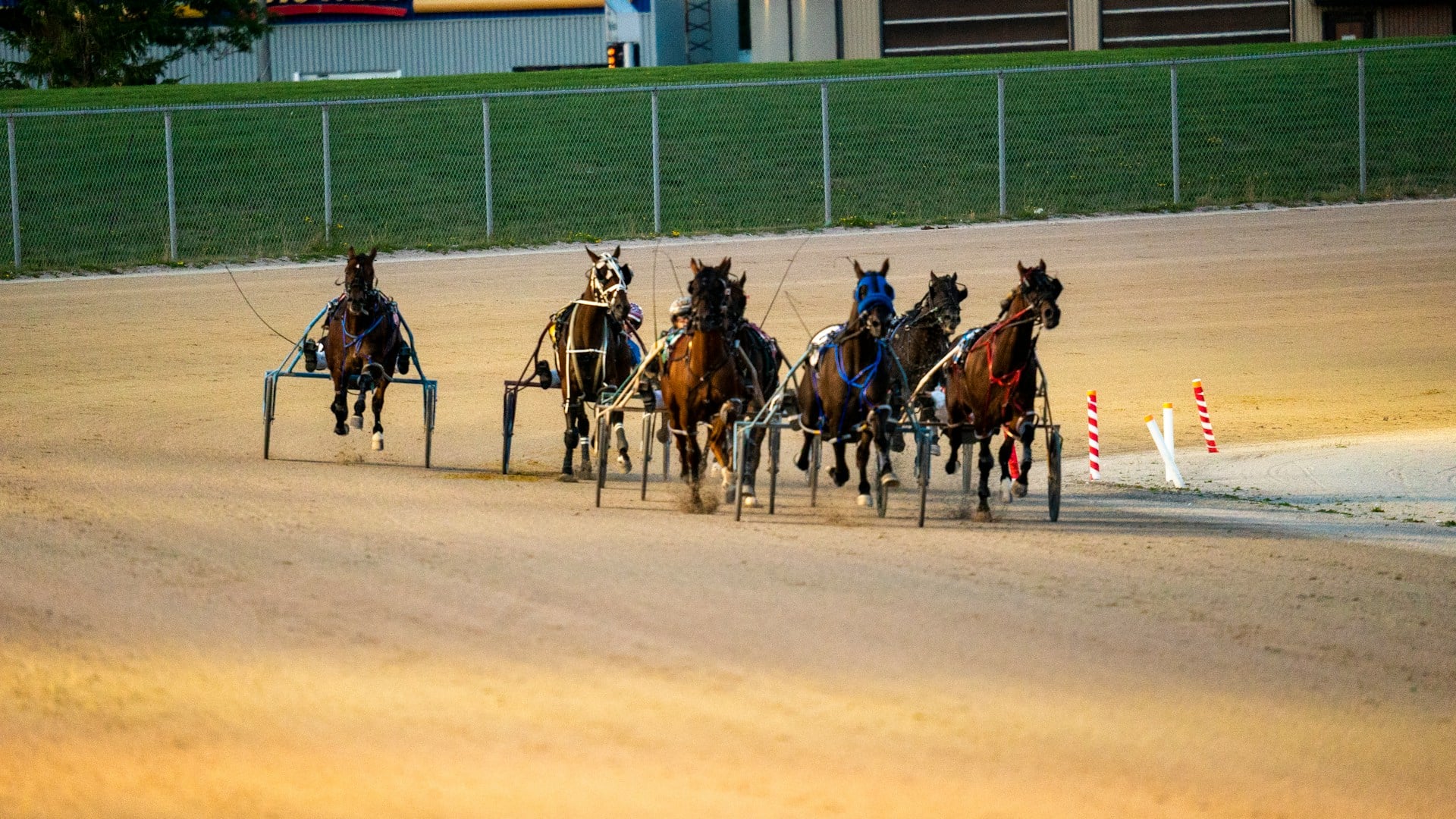
Roman chariot races at the Circus Maximus drew crowds of 300,000 people who came partly to watch the spectacular crashes. Drivers strapped themselves to reins controlling four to twelve horses while balancing on tiny platforms.
When chariots flipped or collided, drivers had to cut themselves free with daggers to avoid being dragged to death or trampled. The races lasted seven laps covering several miles, and crashes happened regularly enough that they became part of the appeal.
The sport was so dangerous that successful charioteers who survived long careers were celebrated as heroes.
Bear-baiting and animal torture as sport

Before modern sports took over, people in England gathered to watch dogs attack bears that were chained to posts. This wasn’t considered cruel at the time.
It was regular entertainment that entire families attended. The bears couldn’t escape or defend themselves properly because of the chains, while dogs were trained specifically to attack them.
Similar events involved bulls, and these spectacles remained popular for centuries. Queen Elizabeth I reportedly enjoyed watching bear-baiting, which shows how accepted the practice was across all levels of society.
These events finally ended in the 1800s when attitudes about animal treatment started changing.
Fox hunting and class exclusion

Fox hunting in England became a tradition for wealthy landowners who had the time and money for horses, dogs, and elaborate hunts. Common people were often forbidden from hunting on land they had worked for generations because aristocrats claimed exclusive rights to game animals.
The tradition reinforced social hierarchies, with wealthy riders in red coats following packs of hounds across countryside that poor farmers depended on for survival. Hunters sometimes trampled crops and destroyed property while chasing foxes, but landowners faced no consequences.
The sport became a symbol of class privilege that excluded most of society from participating.
Polo and colonial exploitation

British colonizers in India adopted polo from local traditions in the 1860s, but they transformed it into an exclusive sport for military officers and wealthy colonists. The game required expensive horses, equipment, and vast amounts of land, putting it out of reach for ordinary people including the Indians who had played earlier versions of the game.
Colonial administrators used polo clubs as places to network and reinforce their authority over local populations. The sport spread to other colonized regions following the same pattern of exclusion.
Today polo remains one of the most expensive sports to play, partly because of how it developed during this period.
Baseball’s color barrier

Major League Baseball officially banned Black players from 1887 until Jackie Robinson broke the barrier in 1947. This wasn’t an informal understanding.
Team owners had explicit agreements to keep baseball segregated even though Black players had proved their abilities in Negro Leagues and barnstorming tours. Some of the greatest players in history spent their entire careers shut out from the major leagues because of their race.
The tradition of opening day ceremonies and the seventh-inning stretch existed during all those years when stadiums remained segregated. Fans celebrating baseball’s traditions were participating in a system designed to exclude talented athletes based solely on skin color.
College sports and unpaid athletes

Universities make millions of dollars from football and basketball programs while the players who generate that money receive scholarships but no salary. This system has roots in early debates about amateurism, but it also developed when most college athletes were white and middle-class.
As college sports became big business, schools continued arguing that players shouldn’t be paid even though coaches earn multi-million dollar salaries and networks pay billions for broadcast rights. The tradition of amateur college athletics has meant generations of athletes, many from poor backgrounds, created wealth they never shared in.
Only recently have some changes started allowing players to profit from their names and images.
The Olympics and political control

Ancient Olympic Games barred women from competing or even watching most events under penalty of death. Organizers also restricted participation to free men, shutting out slaves who made up a large portion of the population.
When the modern Olympics started in 1896, women were again excluded from most events because Baron Pierre de Coubertin believed their participation would be improper. It took decades before women could compete in the same range of sports as men.
The Olympics also became tools for propaganda, with Nazi Germany using the 1936 Games to promote their regime and the Soviet Union treating Olympic success as proof of communist superiority.
Ice skating focuses way too much on being young or looking good

Figure skating built habits pushing kids into tough practice way before their bodies were ready. The game favored specific looks, nudging athletes away from appearing strong or grown-up.
Trainers often decided food portions and weight limits, sparking unhealthy relationships with eating. Since judges scored artistry too, looks, background, or race could sway results more than actual skill.
Young skaters felt pushed to stay small and youthful while growing up. Even now, these struggles stick around though people know more about them than before.
Gymnastics but harsh coaching styles

Young kids in gymnastics often began tough workouts early, letting coaches gain heavy influence. Across several nations, these children joined strict routines cutting them off from home life or typical kid moments.
When hurt, they were still told to compete pressure came strong, mind games happened now and then. Winning medals didn’t stop harm behind the scenes, some going unseen for ages.
Folks in sports who called out issues usually got punished or just disappeared from the scene. It took big scandals lately for gymnastics groups to finally shift things around.
Golf courses and environmental destruction

Golf course building usually involves cutting down trees, drying out marshes while guzzling tons of water and pesticides just to keep turf alive. Back then, certain courses popped up on territory once held by Native groups, people pushed off their homes without a choice.
Fancy private clubs became spots where handshakes turned into contracts, connections made careers but doors stayed shut for women and non-white folks. A few only let African Americans join after lawsuits cracked them open during the 1990s.
Right now, nature still pays the price; some layouts in dry zones suck up billions of gallons each year even when towns close by can barely get enough.
Tennis spots sometimes keep folks out. Not everyone feels welcome there

Private tennis clubs across Europe and America once kept poor folks and non-whites out through strict entry rules. These weren’t just quiet biases many had official bans targeting Jews, Black players, or others seen as unfit.
Wearing only white gear while playing, along with rigid social norms, helped maintain a sense of high-class separation. In the 1950s, Althea Gibson shattered racial limits in the game, yet met resistance from events and venues unhappy about her showing up.
Despite progress, certain elite courts still held onto biased access practices well past the mid-1900s.
Cricket and imperial power

British rulers took cricket to every corner of their empire, using it to push beliefs in their own greatness. Local folks were meant to follow British games but still stay at the bottom of society’s ladder.
In colonies, cricket teams split spaces whites got fancy gear and clean pitches, others didn’t. Over time, playing the game quietly trained people to go along with foreign rule.
Long after gaining freedom, certain ex-colonies still kept cricket habits from those times. Because of its tangled past, the game’s rules and style keep feeling the impact now.
The Super Bowl and commercialization of patriotism

The custom of jet flybys, big flag moments at games, also saluting soldiers during the Super Bowl grew strong after 9/11. Backing service people sounds good yet reports showed the Pentagon gave pro football clubs huge payouts for such shows.
Moments thought to come from pride were really part of secret ad deals. Standing up when the song plays got forced on athletes; anyone speaking out on injustice risked anger or losing their career.
Turning love for the country into a business helped army sign-ups while boosting the league’s public look.
What came next
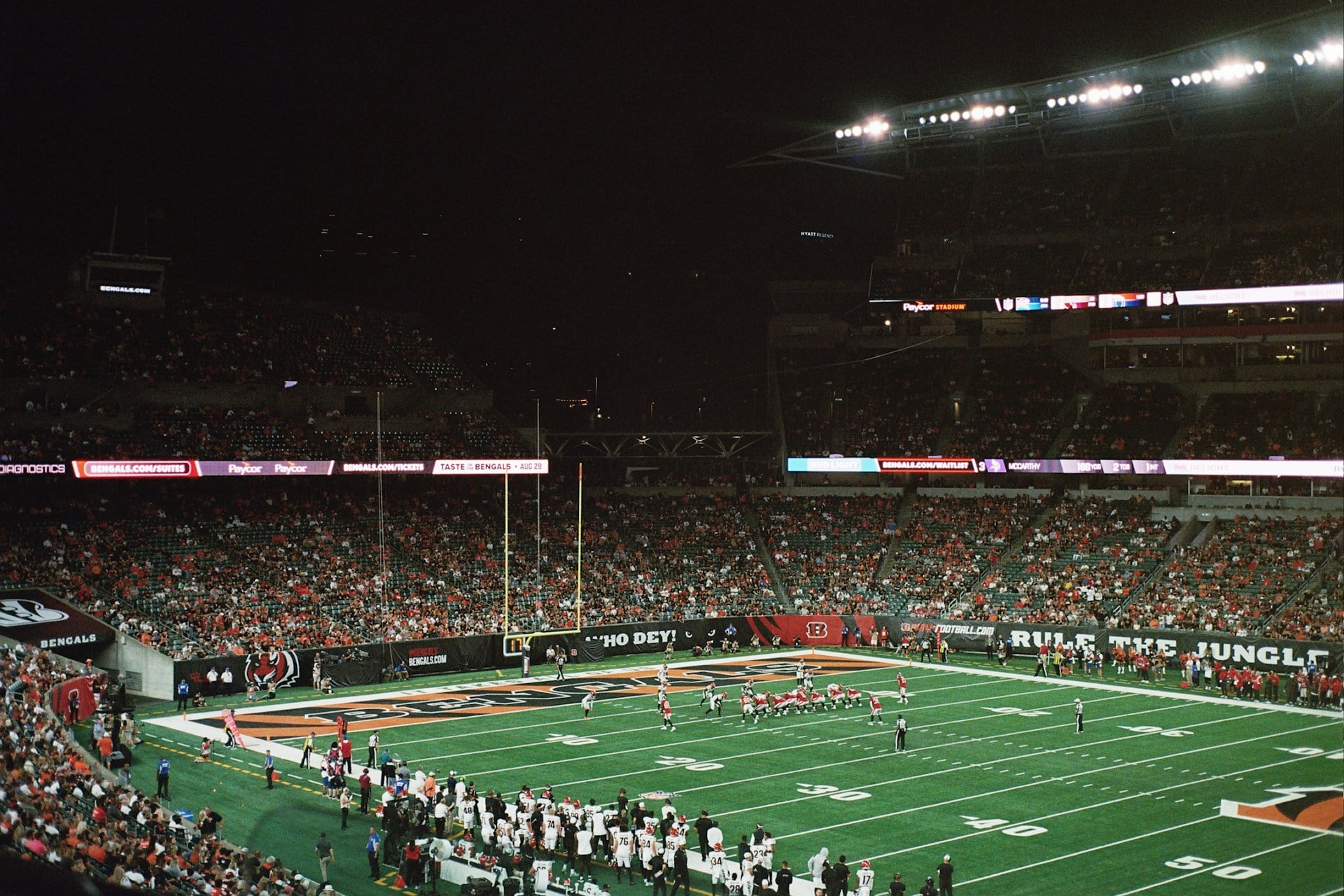
Sports rituals tie us to the past, yet knowing their roots makes a difference. Some stem from outdated beliefs like keeping people out because of skin color or seeing players as tools instead of humans.
A few highlight old mindsets where cruelty was normal, something most find shocking nowadays. Seeing this truth doesn’t require tossing everything aside, just facing facts while pushing for sports that are safer, fairer, more welcoming.
Progress across different games shows customs can shift, matching who we aim to be now.
More from Go2Tutors!

- The Romanov Crown Jewels and Their Tragic Fate
- 13 Historical Mysteries That Science Still Can’t Solve
- Famous Hoaxes That Fooled the World for Years
- 15 Child Stars with Tragic Adult Lives
- 16 Famous Jewelry Pieces in History
Like Go2Tutors’s content? Follow us on MSN.