18 Desert Plants That Store Water in Odd Ways
Desert plants have mastered the art of survival in some of Earth’s harshest environments. While most plants would wither and die in extreme heat with minimal rainfall, these botanical survivors have developed remarkable adaptations that seem almost too strange to believe.
Here’s a list of 18 desert plants that have evolved fascinating and unusual methods to collect, store, and conserve water in ways that would make any engineer jealous.
Barrel Cactus
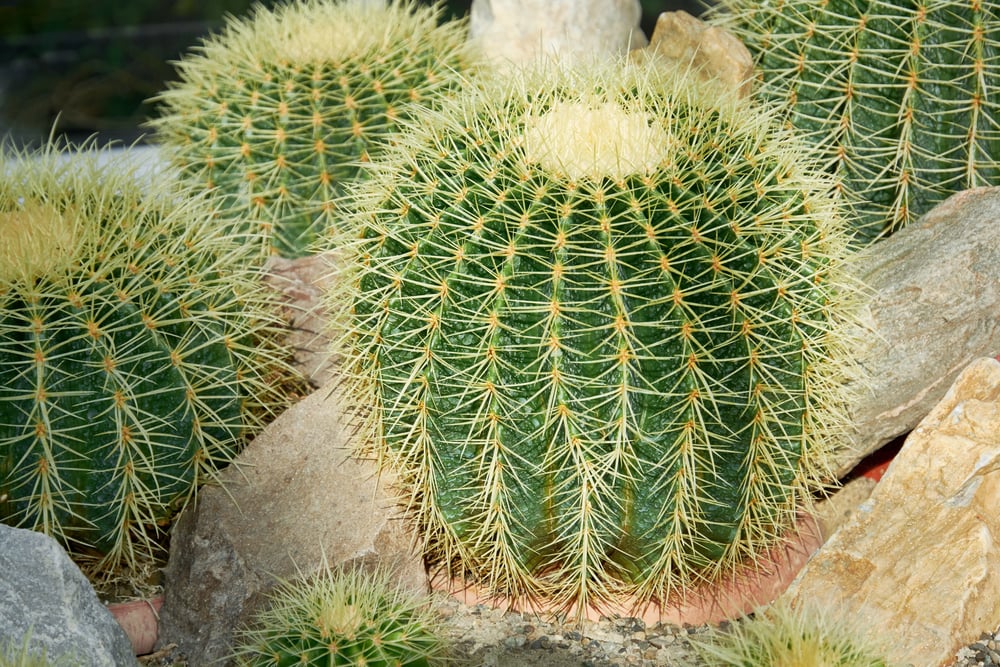
The barrel cactus lives up to its name by functioning like a living water tank in the middle of the desert. Its thick, ribbed stem can expand like an accordion when it rains, storing up to 200 gallons of water that sustains it through months of drought.
The plant’s waxy coating prevents evaporation, while its spines create tiny pockets of shade and collect morning dew that drips down to the roots.
Resurrection Plant
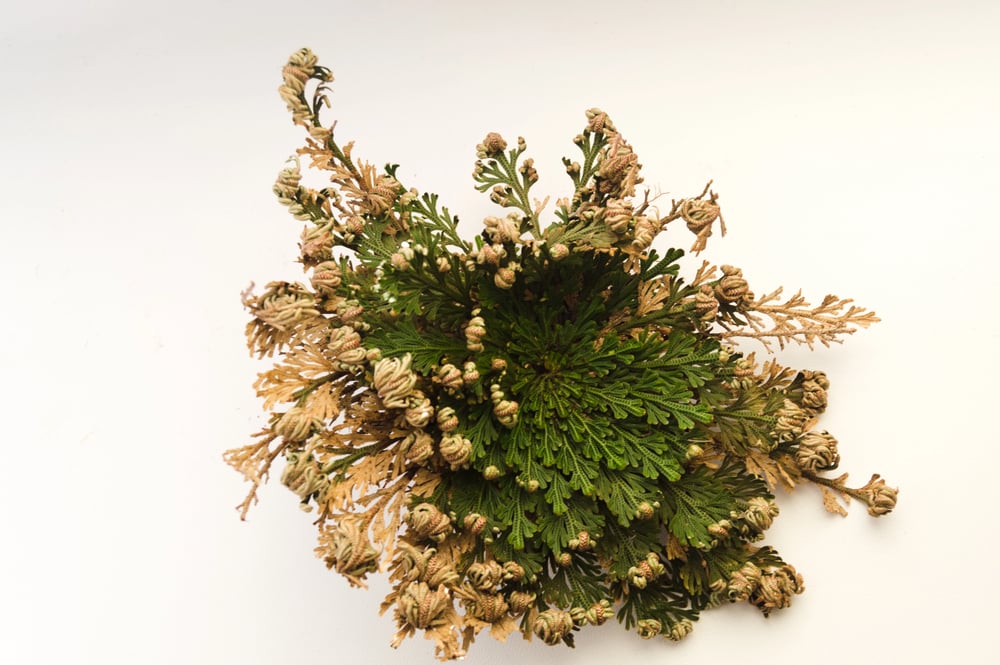
This remarkable plant takes water storage to the extreme by essentially dying and coming back to life. When water becomes scarce, the resurrection plant curls up into a brown, seemingly lifeless ball that can survive for months without a single drop of moisture.
Once rain returns, it unfurls its green leaves within hours and resumes normal growth as if nothing happened.
Like Go2Tutors’s content? Follow us on MSN.
Welwitschia
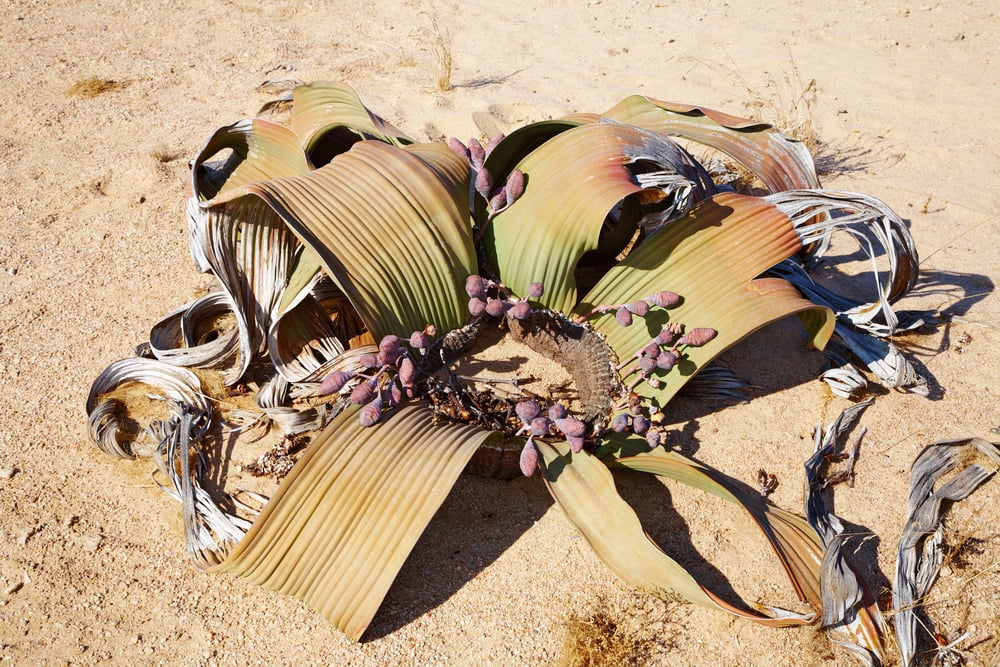
Native to the Namib Desert, the Welwitschia plant looks like something from another planet with its two massive, strap-like leaves that can live for over 1,000 years. These ancient leaves have specialized pores that open only at night to collect moisture from fog and dew, channeling every precious drop down grooves in the leaves directly to the plant’s extensive root system.
The plant can survive on just 10 millimeters of annual rainfall by being incredibly efficient with fog collection.
Lithops

Lithops, also known as living stones, have perfected the art of camouflage while storing water in their thick, fleshy leaves that look exactly like rocks. These plants are so convincing that they’re nearly impossible to spot until they bloom with bright flowers.
Their stone-like appearance isn’t just for show—the thick, waxy surface minimizes water loss while the plant’s reduced surface area means less exposure to the drying desert sun.
Baobab Tree
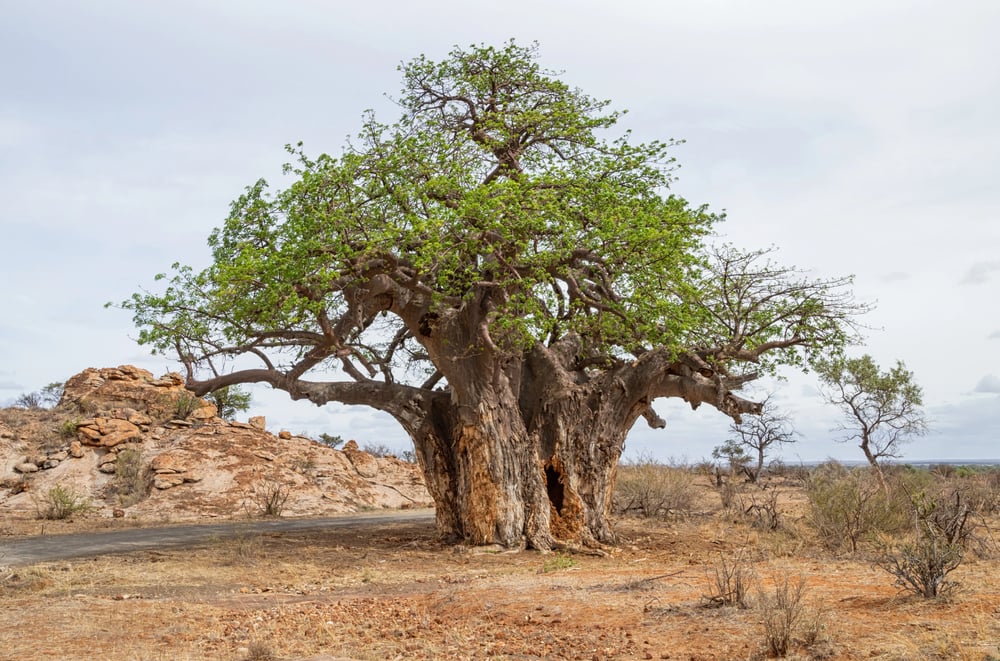
The baobab’s massive trunk isn’t just for show—it’s essentially a giant water bottle that can hold up to 32,000 gallons of water. During the rainy season, the tree’s spongy bark tissue absorbs and stores enormous amounts of water that keep it alive during dry periods that can last up to nine months.
Local communities have traditionally tapped into baobab trunks during droughts, treating these trees as natural water reservoirs.
Like Go2Tutors’s content? Follow us on MSN.
Prickly Pear Cactus
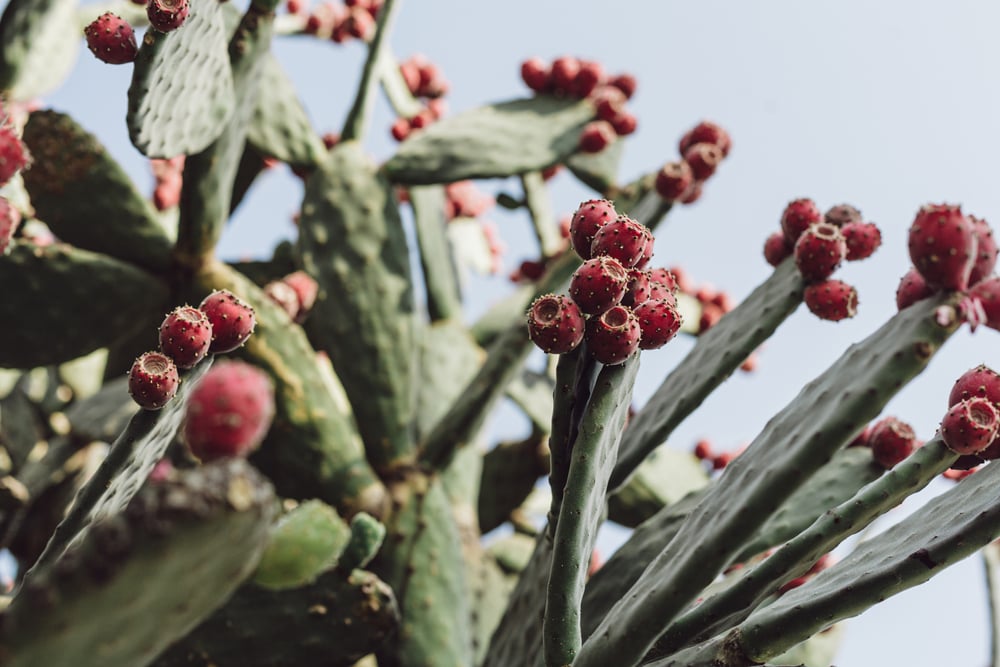
Prickly pear cacti have turned their flat, paddle-shaped stems into efficient water storage units that also serve multiple functions. These modified stems, called cladodes, store water in their thick, mucilaginous tissue while also performing photosynthesis since the plant has no traditional leaves.
The mucilage acts like a natural hydrogel, holding water so effectively that the plant can survive extreme droughts while still producing edible fruits.
Adenium
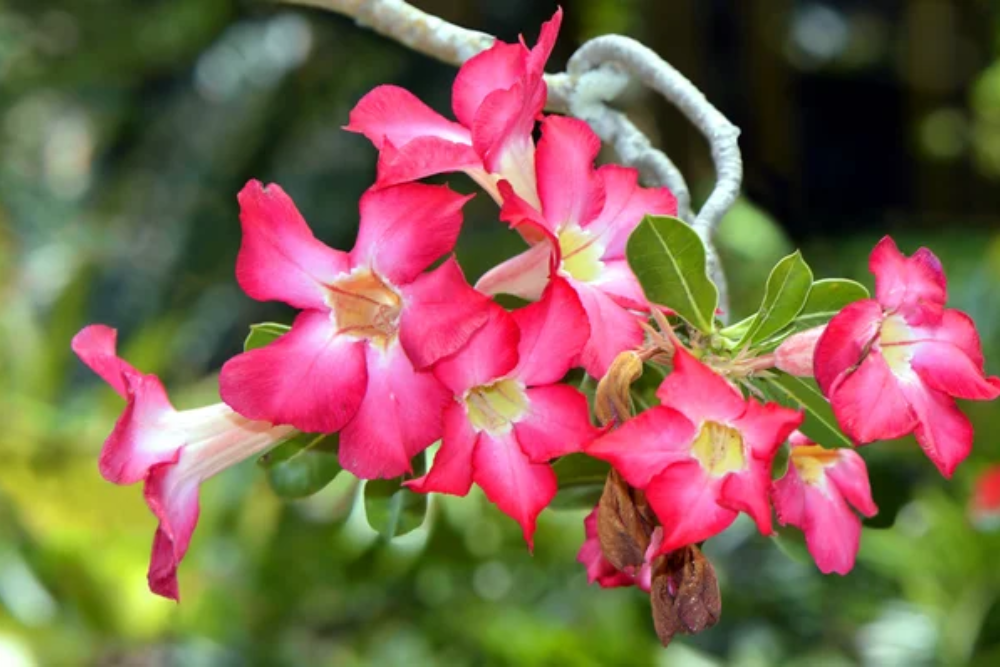
The desert rose, or adenium, stores water in its swollen stem base called a caudex, which looks like a natural sculpture carved from living wood. This enlarged stem can grow to enormous proportions, creating a built-in reservoir that allows the plant to survive months without water while still producing stunning pink and red flowers.
The caudex continues to grow throughout the plant’s life, becoming more impressive and water-efficient with age.
Pachypodium
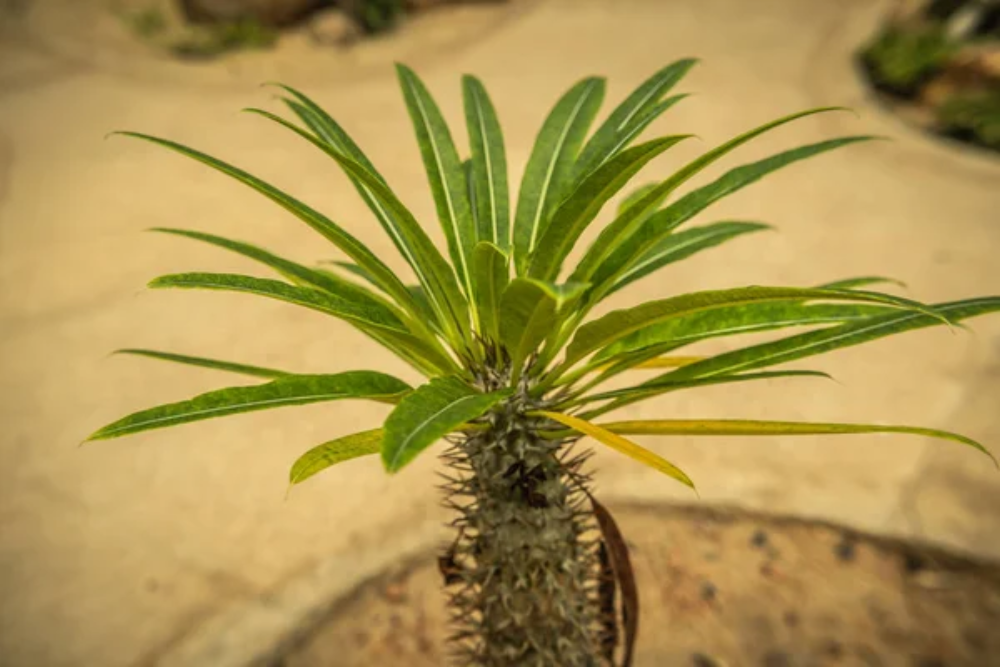
Pachypodium species have developed bottle-shaped trunks that taper dramatically from a wide, water-storing base to a narrow crown of leaves. These Madagascar natives can store months’ worth of water in their succulent trunks, which swell during the rainy season and gradually shrink as the stored water is consumed.
The trunk’s surface is covered in sharp spines that protect the valuable water reserves from thirsty animals.
Like Go2Tutors’s content? Follow us on MSN.
Didierea
Found only in Madagascar, Didierae plants look like underwater coral formations but are actually highly specialized water-storing trees. Their thick, bottle-shaped trunks are covered in photosynthetic bark that eliminates the need for energy-consuming leaves during dry periods.
The trunk tissue contains specialized water-storing cells that can expand dramatically when water is available, giving the plant its characteristic swollen appearance.
Fockea
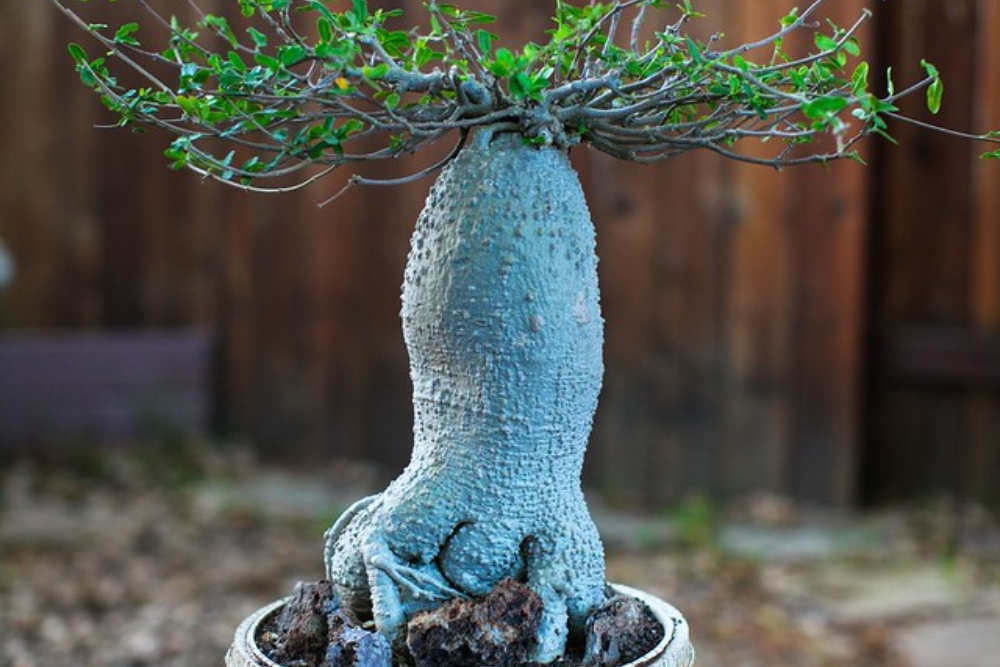
Fockea plants produce enormous underground tubers that can weigh over 100 pounds and function as natural water tanks buried safely beneath the desert surface. These massive storage organs allow the plant to send up delicate, vine-like growth during favorable conditions while keeping its water reserves protected from heat and herbivores underground.
Some fockea tubers are estimated to be centuries old, growing larger and more efficient with each passing year.
Hoodia

Hoodia cacti have thick, succulent stems divided into segments that each function as individual water storage compartments. If one section is damaged by animals or extreme weather, the other segments can seal themselves off and continue storing water independently.
This compartmentalized storage system makes Hoodia incredibly resilient, as losing part of the plant doesn’t compromise the entire water storage network.
Like Go2Tutors’s content? Follow us on MSN.
Cyphostemma

Cyphostemma plants develop massive, bulbous stems that look more like elephant feet than typical plant parts. These swollen stems, called pachycauls, store water in specialized tissue that can expand and contract based on water availability without damaging the plant’s structure.
During the wet season, the stems become dramatically enlarged, while in dry periods they shrink considerably as the stored water is gradually consumed.
Calibanus
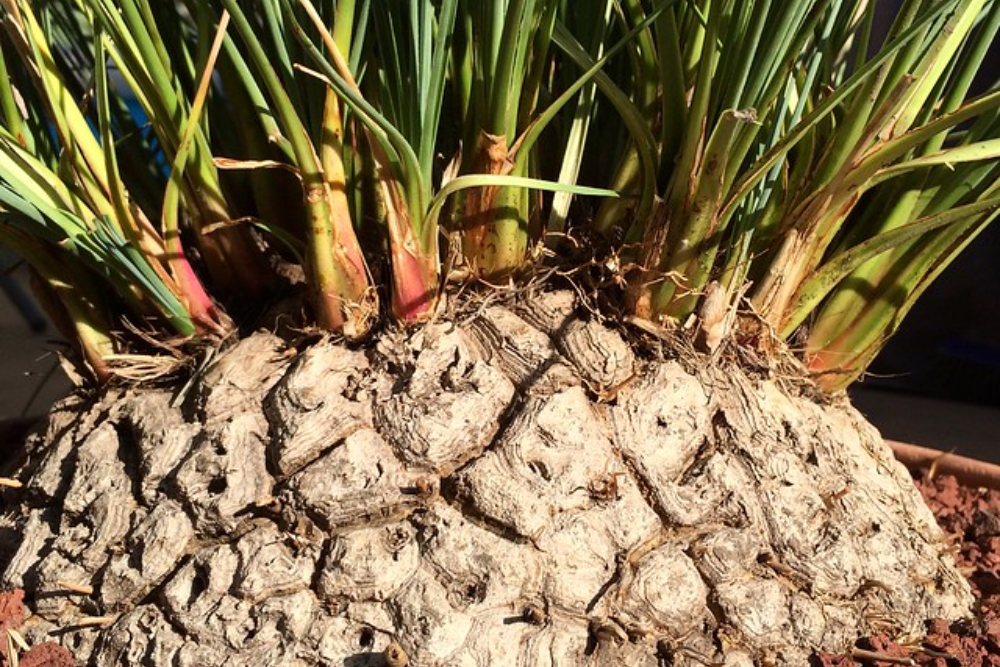
The Mexican boulder plant stores water in its unusual dome-shaped base that resembles a giant gray turtle shell emerging from the ground. This woody caudex can grow several feet across and stores water in dense, cork-like tissue that’s incredibly efficient at preventing evaporation.
Thin, grass-like leaves emerge from the top of this living boulder, but the real magic happens in the water-storing base that can sustain the plant for years.
Operculicarya

Native to Madagascar, operculicarya plants have developed thick, bottle-shaped trunks with smooth, almost metallic-looking bark that stores water while reflecting excess heat. The trunk’s surface has specialized pores that can quickly absorb moisture from brief rain showers or morning dew, channeling it into internal storage tissue.
These plants often grow in seemingly impossible locations on rocky outcrops where their water-storing abilities are essential for survival.
Like Go2Tutors’s content? Follow us on MSN.
Bursera

Bursera trees, also known as elephant trees, store water in their massively swollen trunks and branches that look like they’re inflated with air. The trunk’s spongy interior tissue can absorb water so quickly during rain that you can almost watch the tree swell in real-time.
This rapid absorption and storage system allows bursera trees to take advantage of brief desert storms that might only last a few minutes.
Monadenium

Monadenium plants have evolved thick, succulent stems that store water while also serving as the plant’s primary photosynthetic organs. These unusual stems can photosynthesize even when the plant drops its leaves during extreme drought, allowing it to continue producing energy while conserving its stored water.
The stems often develop intricate branching patterns that maximize both water storage capacity and surface area for photosynthesis.
Dorstenia

Dorstenia plants store water in their thick, underground caudex while sending up minimal above-ground growth to reduce water loss. The caudex can grow to impressive sizes while remaining completely hidden beneath the soil surface, protecting the plant’s water reserves from desert heat and animals.
During favorable conditions, the plant produces small clusters of leaves and unusual disc-shaped flowers, but it can survive for years with just its underground water storage system.
Like Go2Tutors’s content? Follow us on MSN.
Jatropha
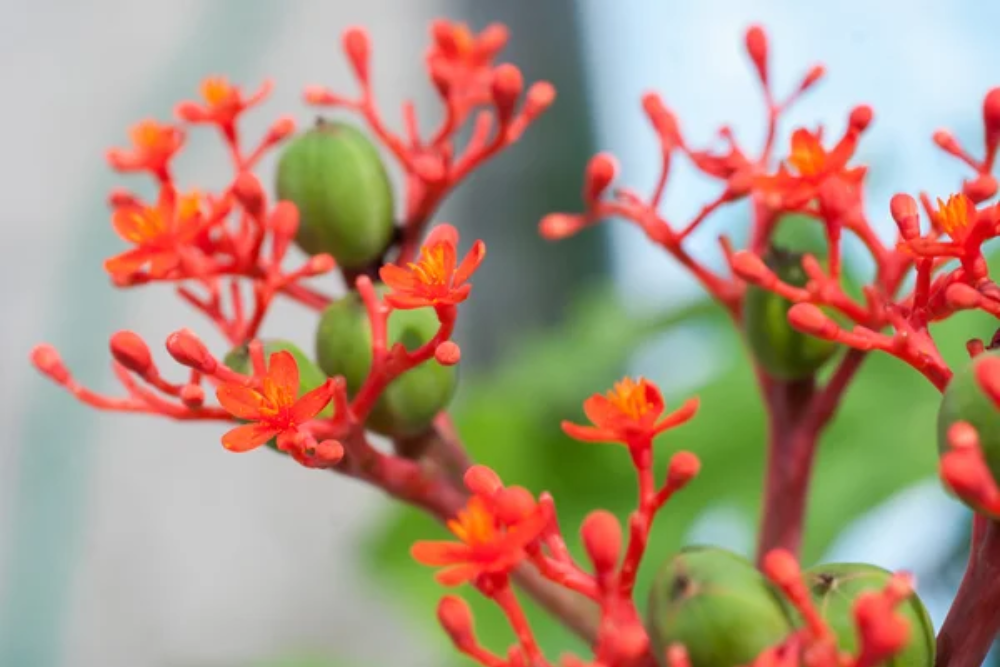
Jatropha plants have developed swollen stem bases that store water while also producing compounds that make them unpalatable to desert animals. This dual-purpose adaptation protects both the plant’s water reserves and its physical structure from herbivores desperate for moisture.
The stored water allows Jatropha to produce flowers and seeds even during extended drought periods, ensuring the species’ survival in harsh desert conditions.
Nature’s Most Ingenious Engineers

These remarkable plants demonstrate that evolution can create solutions more elegant and efficient than anything humans have designed. From underground water tanks to expandable storage systems and fog-collecting leaves, desert plants have spent millions of years perfecting techniques that modern engineers are only beginning to understand.
Their strategies for surviving in Earth’s most challenging environments continue to inspire new technologies for water conservation and drought-resistant agriculture. Next time you see a cactus or desert plant, remember that you’re looking at one of nature’s most sophisticated water management systems in action.
More from Go2Tutors!

- 16 Restaurant Chains That Went Too Fast
- 12 Things Sold in the 80s That Are Now Illegal
- 15 Strange Things People Have Tried to Ban (And Failed)
- 16 Collectibles People Tossed Out Too Soon
- 17 Myths from Your Childhood That Were Actually Based on Real Things
Like Go2Tutors’s content? Follow us on MSN.