16 Most Polluted Sandy Shores in the Modern World
Sandy beaches represent some of nature’s most beautiful landscapes, but many have become casualty zones of human activity. Industrial runoff, plastic waste, oil spills, and untreated sewage have transformed pristine coastlines into environmental disaster areas.
The crystal-clear waters and soft sand that once drew millions of visitors now harbor dangerous toxins, chemical pollutants, and mountains of debris that threaten both marine life and human health.
Versova Beach
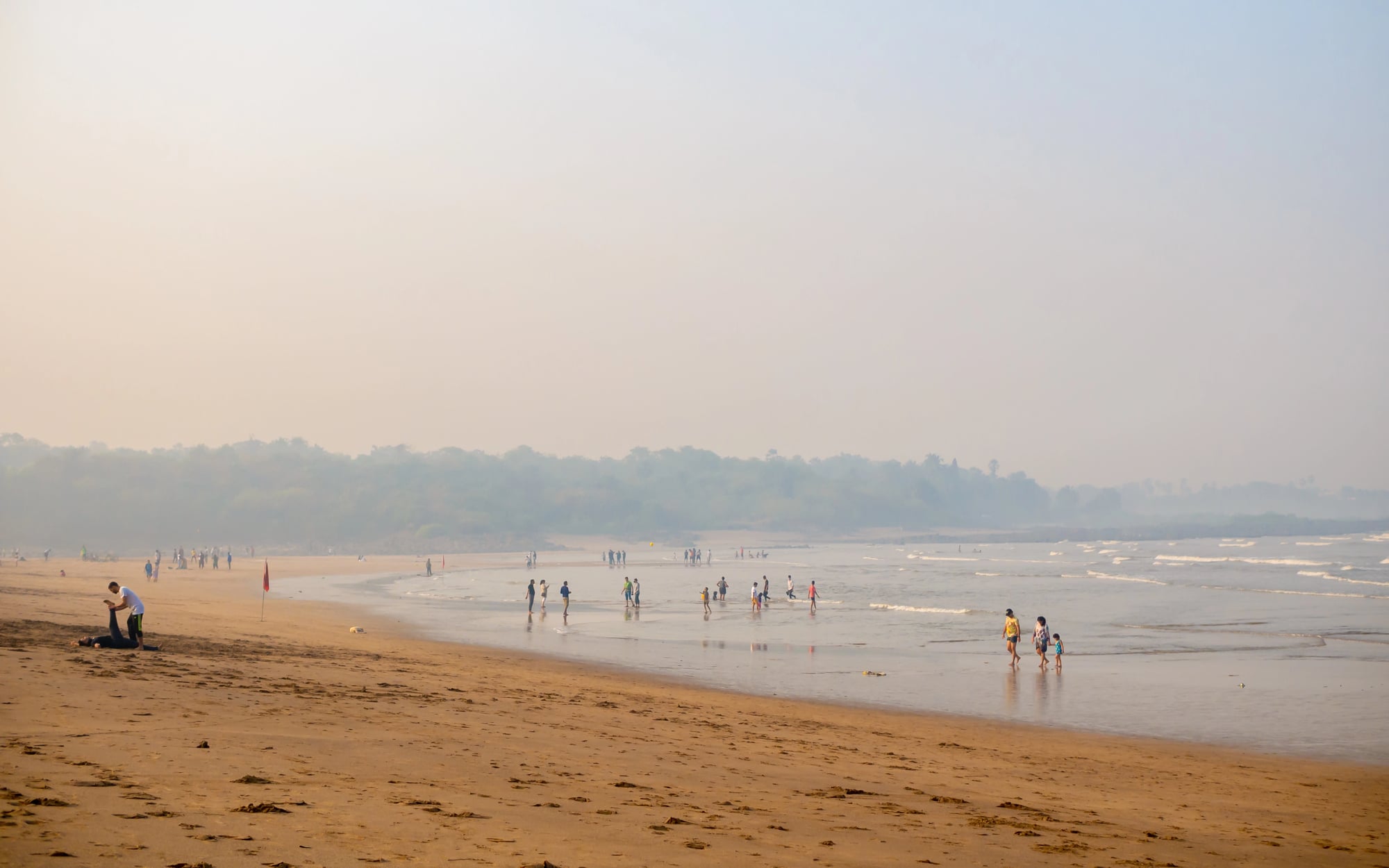
Mumbai’s Versova Beach was buried under so much garbage that the sand disappeared entirely. Plastic bottles, food containers, and industrial waste created a toxic carpet stretching for miles.
The smell alone could knock you down from a hundred yards away.
Local cleanup efforts have removed millions of pounds of trash, but the damage runs deeper than surface debris. Chemical pollutants have seeped into the sand and groundwater, creating contamination that will persist for decades.
Juhu Beach
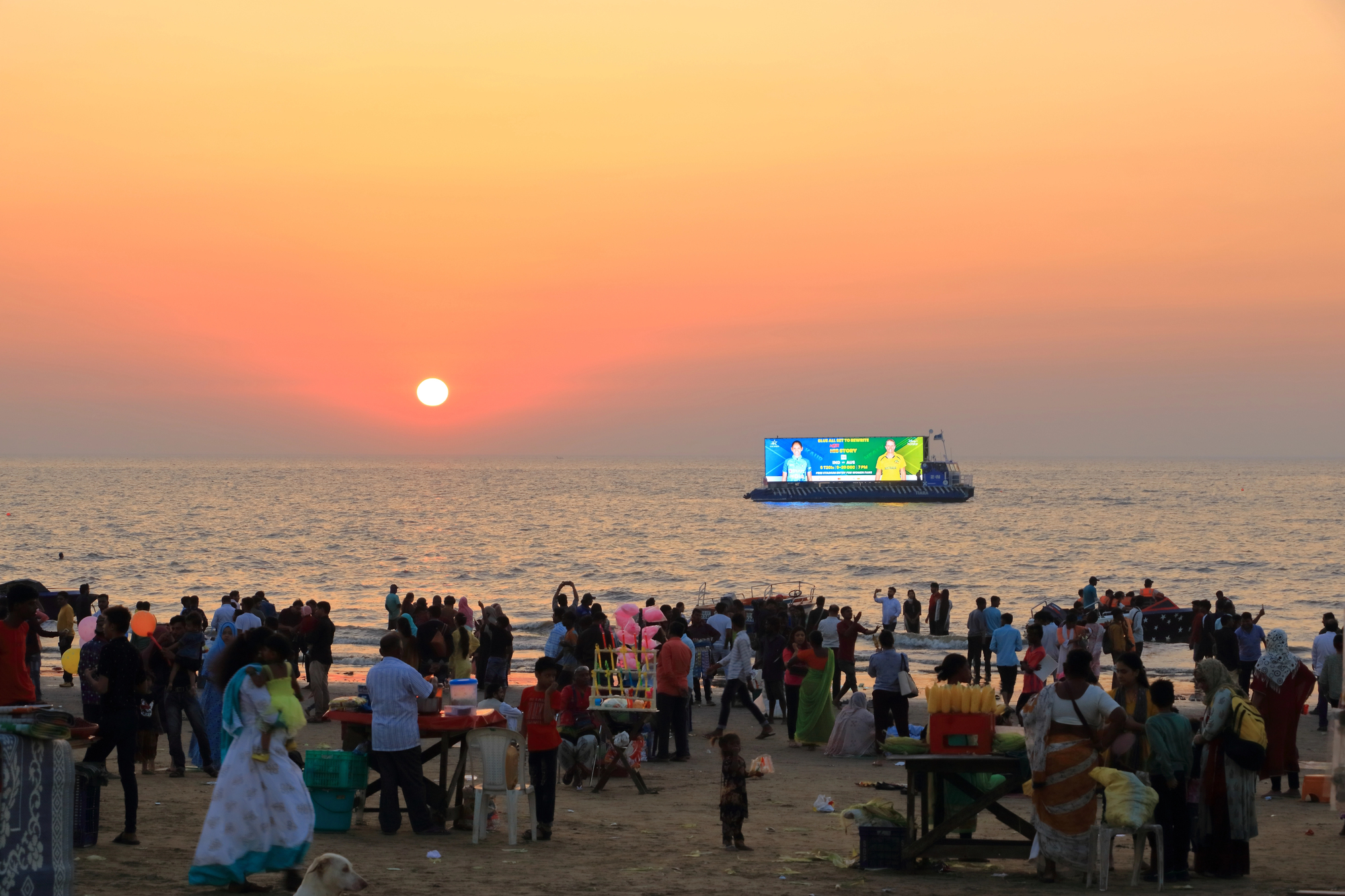
Right next to Versova sits another disaster. Juhu Beach receives untreated sewage from Mumbai’s overwhelmed drainage system, mixing human waste with industrial chemicals from nearby factories.
The water turns brown during monsoon season.
Tourism continues despite the pollution. Vendors still sell food along the shoreline where medical waste regularly washes up with the tide.
Citarum River Delta
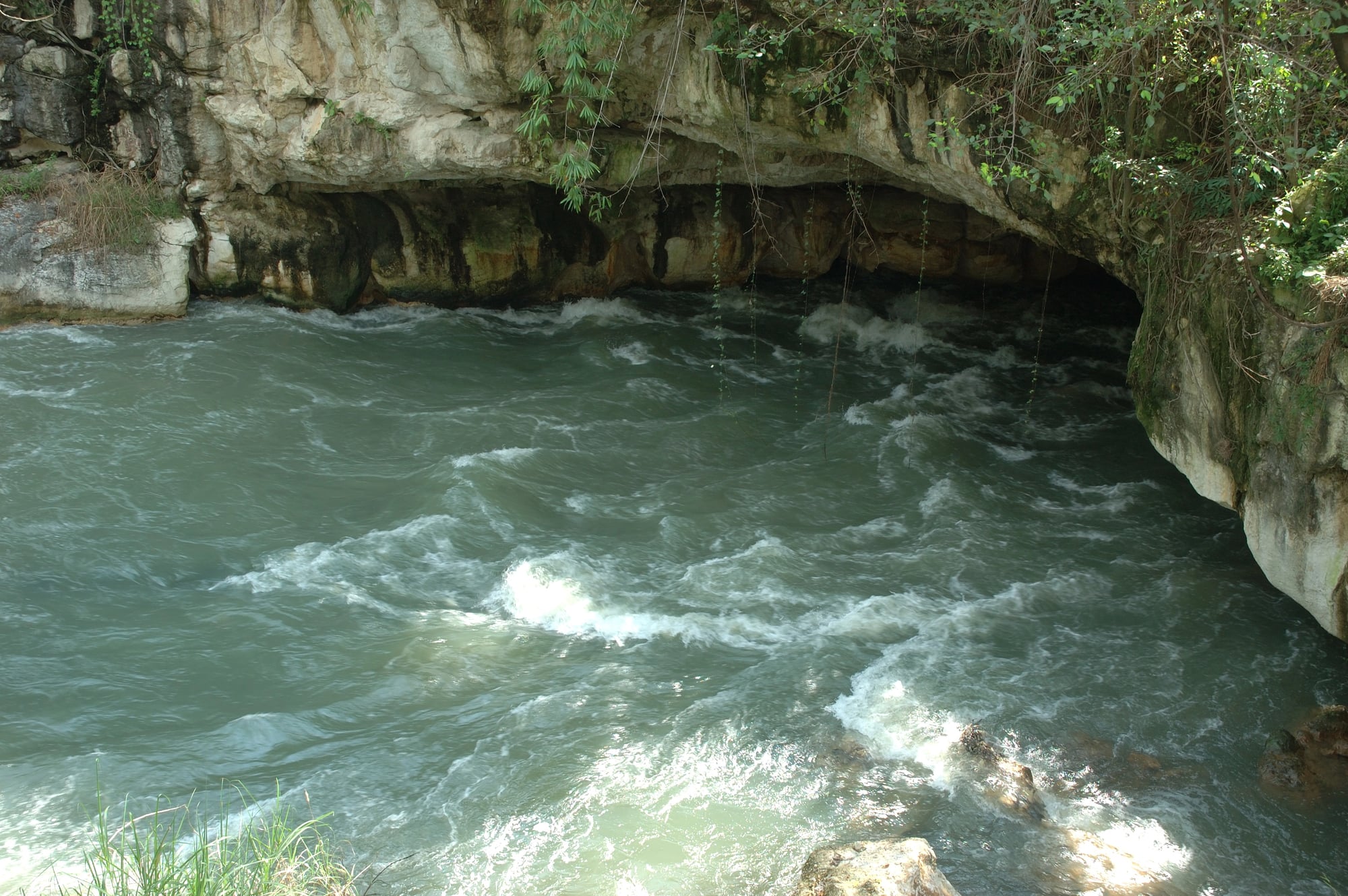
Indonesia’s Citarum River carries textile dyes, heavy metals, and agricultural chemicals straight into the Java Sea, where it spreads across multiple beach areas. The water runs purple, red, or orange depending on which factories are operating upstream (and what they’re dumping that particular day), creating a toxic rainbow that settles into the coastal sand and transforms what should be a tropical paradise into something resembling an industrial waste site.
Local fishermen—the ones still brave enough or desperate enough to work these waters—report that their nets come up empty more often than not, and when they do catch something, the fish are often covered in sores or deformed in ways that make them unsellable.
So the contamination doesn’t just stay in the water. And the heavy metals bind to sand particles, creating a persistent source of pollution that gets stirred up with every wave.
Haina Beach
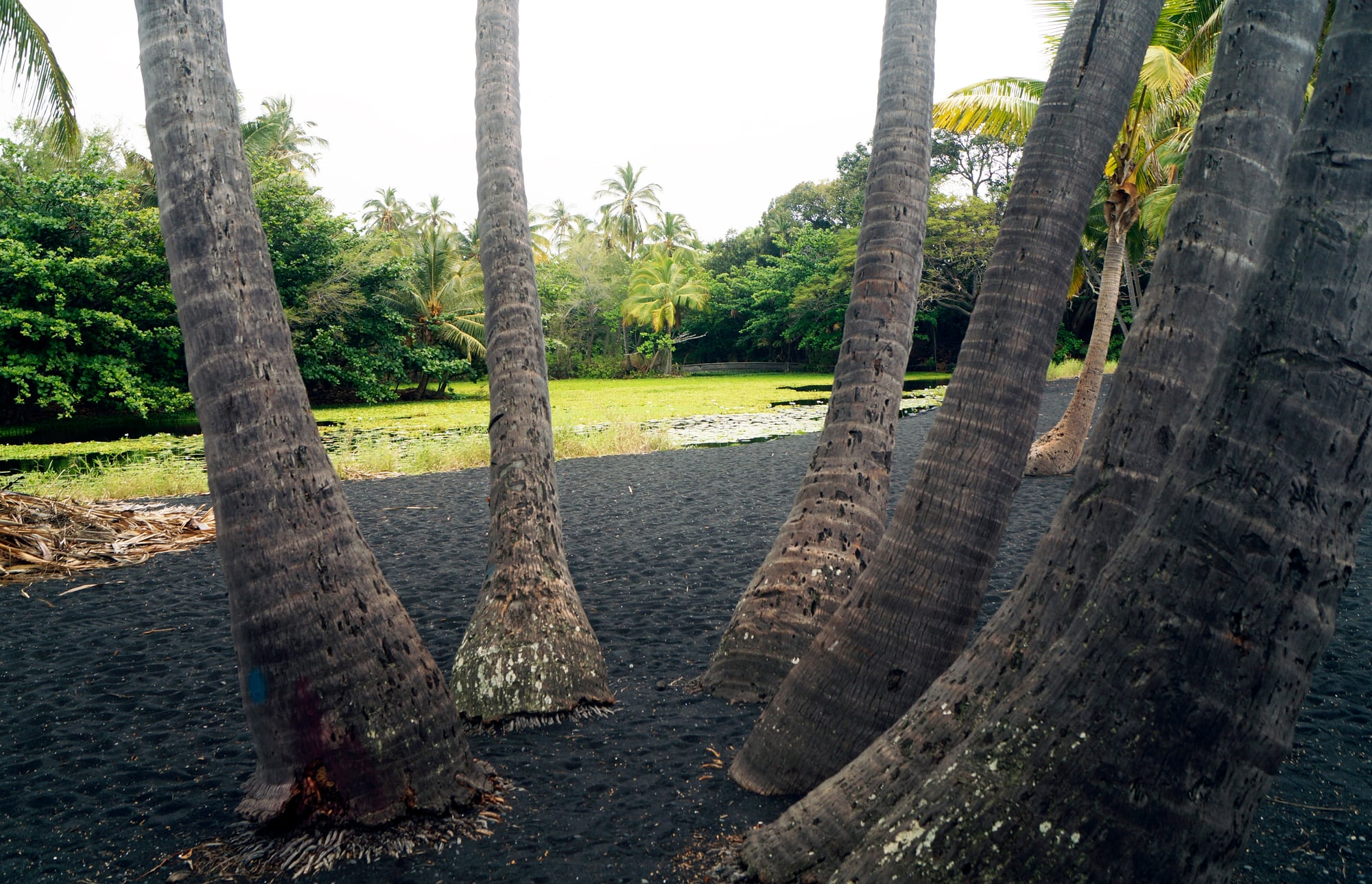
Haina Beach in the Dominican Republic sits next to one of the world’s most contaminated industrial zones. Lead smelting operations have poisoned the sand with heavy metals that cause neurological damage in children.
The beach glitters with metallic particles that look almost beautiful until you realize what they are.
Blood tests of nearby residents show lead levels ten times higher than safe limits. The sand itself has become a weapon.
Chernobyl Exclusion Zone Beaches
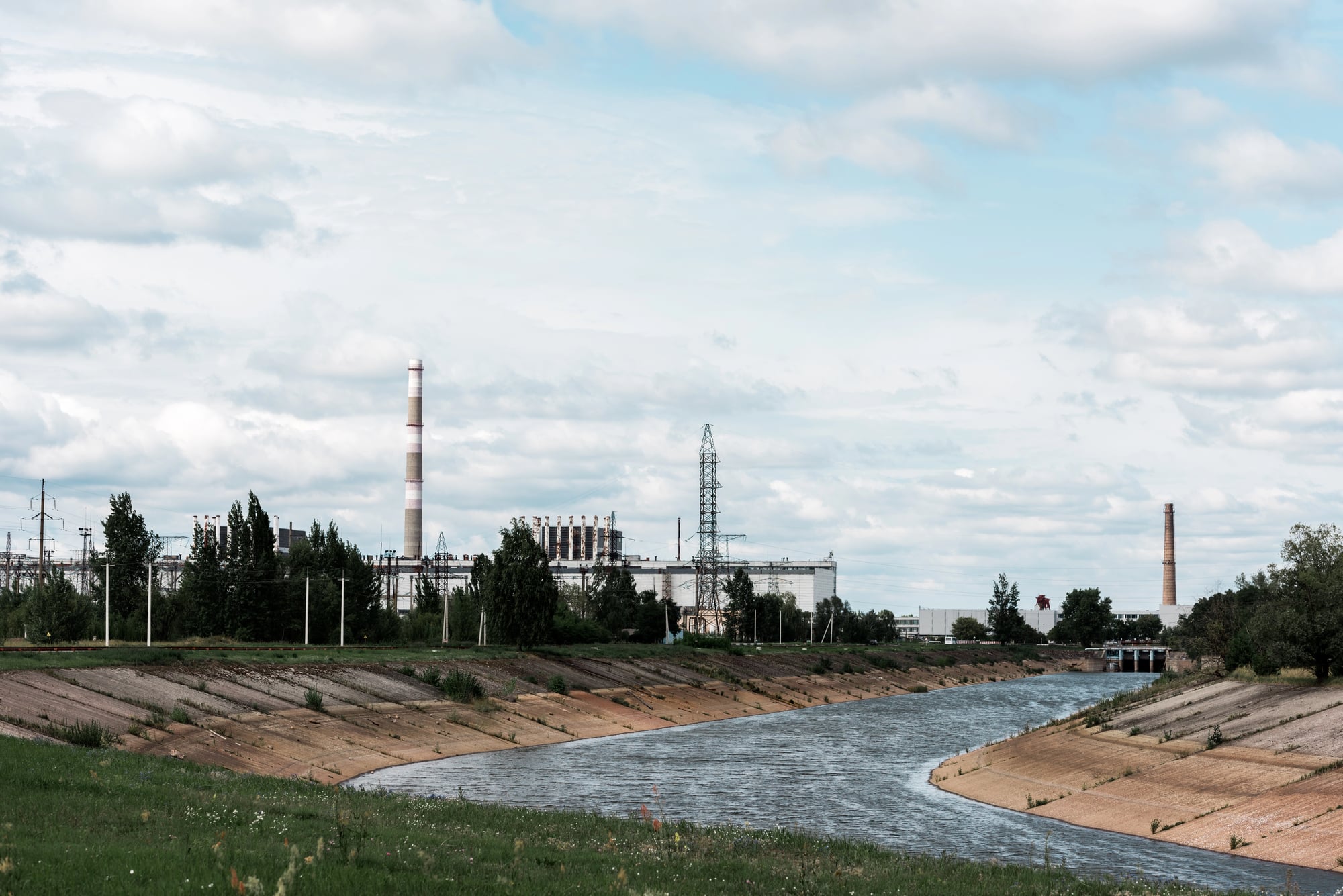
The Pripyat River carries radioactive particles from the Chernobyl disaster site to sandy areas along its banks. Geiger counters start clicking frantically when you approach the water.
Wildlife has returned to the area, but the animals carry radiation in their bodies—a reminder that nature’s resilience has limits.
These beaches will remain dangerous for thousands of years. The sand contains cesium-137 and strontium-90 that will outlive entire civilizations.
Guanabara Bay
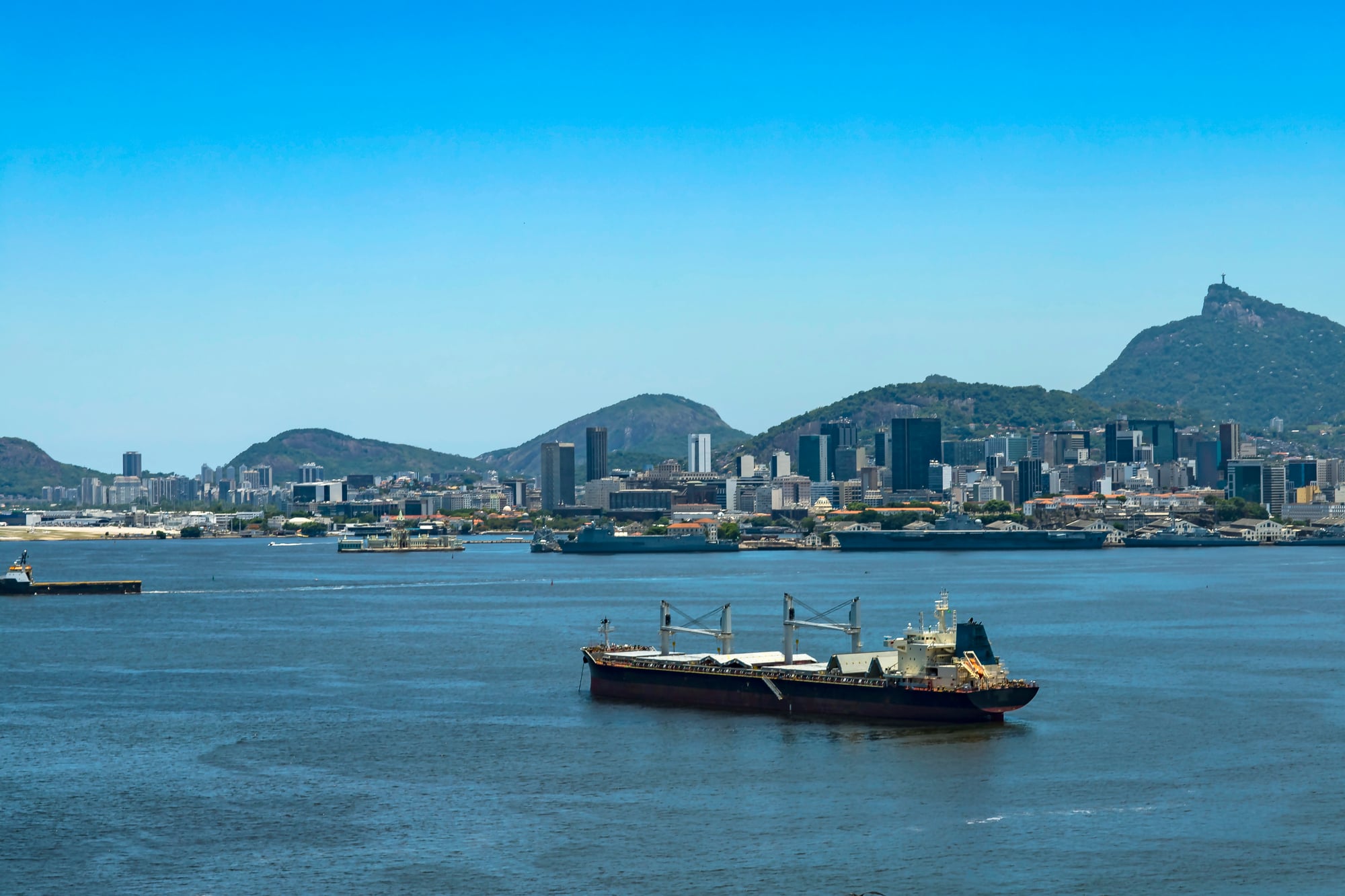
Rio de Janeiro’s postcard beaches hide a toxic secret. Guanabara Bay receives raw sewage from millions of residents, mixed with industrial runoff from petrochemical plants, creating a cocktail of human waste and chemical pollutants that washes onto the sandy shores where Olympic athletes once competed and tourists still swim despite warnings from health officials.
The bay’s ecosystem has collapsed—fish populations have dropped by 90% over the past three decades, and the remaining marine life shows signs of severe contamination including tumors, reproductive failures, and behavioral abnormalities that scientists are still trying to understand.
But the beaches remain open. Tourism revenue apparently outweighs public health concerns.
Dzerzhinsk Region Beaches
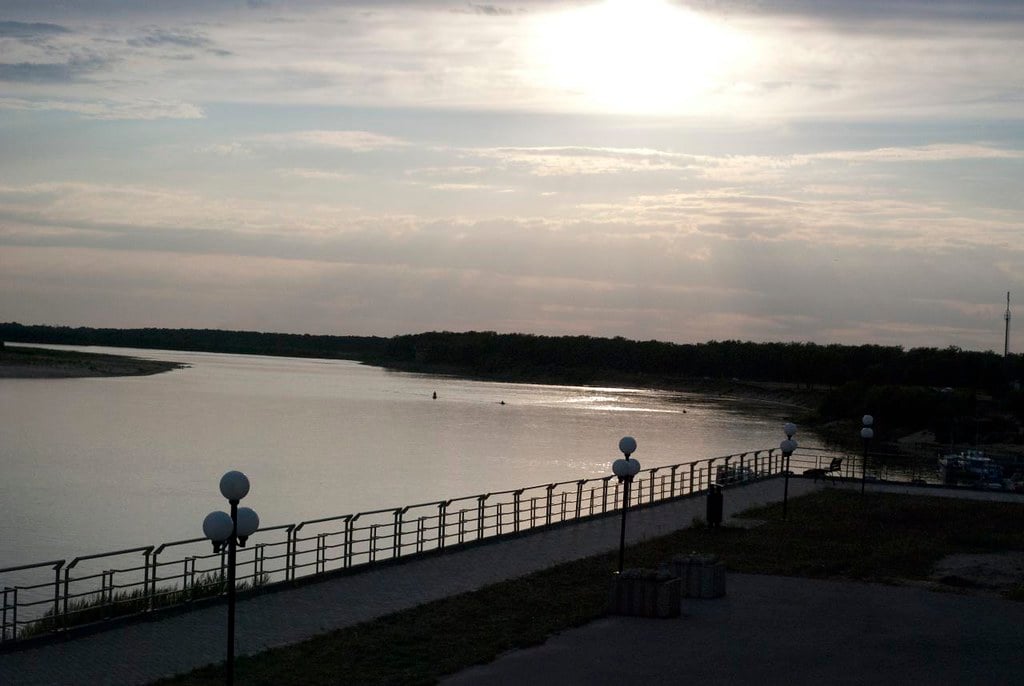
Russia’s Dzerzhinsk was once the center of chemical weapons production. Decades of manufacturing left the area so contaminated that life expectancy dropped below 40 years.
The beaches along nearby rivers contain chemical compounds that don’t exist anywhere else on Earth.
You can smell the toxicity in the air before you see the water. The sand has a chemical sheen that catches sunlight in unnatural ways, like oil slicks frozen in time.
East River Beaches
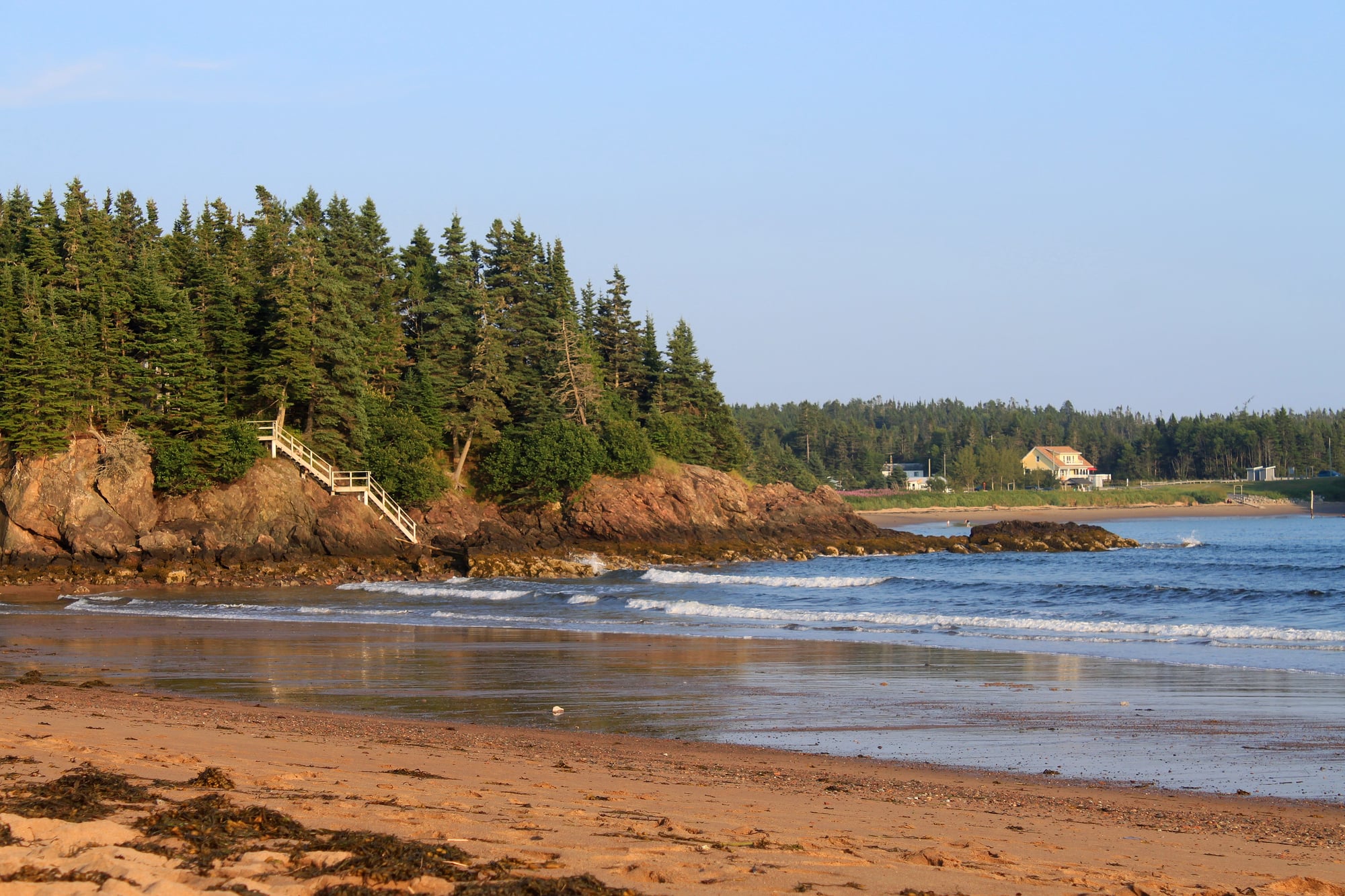
New York’s East River beaches collect urban runoff from one of the world’s largest metropolitan areas. Storm drains carry everything from motor oil to prescription drugs straight onto the sand.
After heavy rains, the beaches become toxic waste dumps disguised as recreational areas.
The city posts pollution warnings, but people ignore them. Desperation for outdoor space trumps health concerns in a crowded city.
La Oroya Surroundings
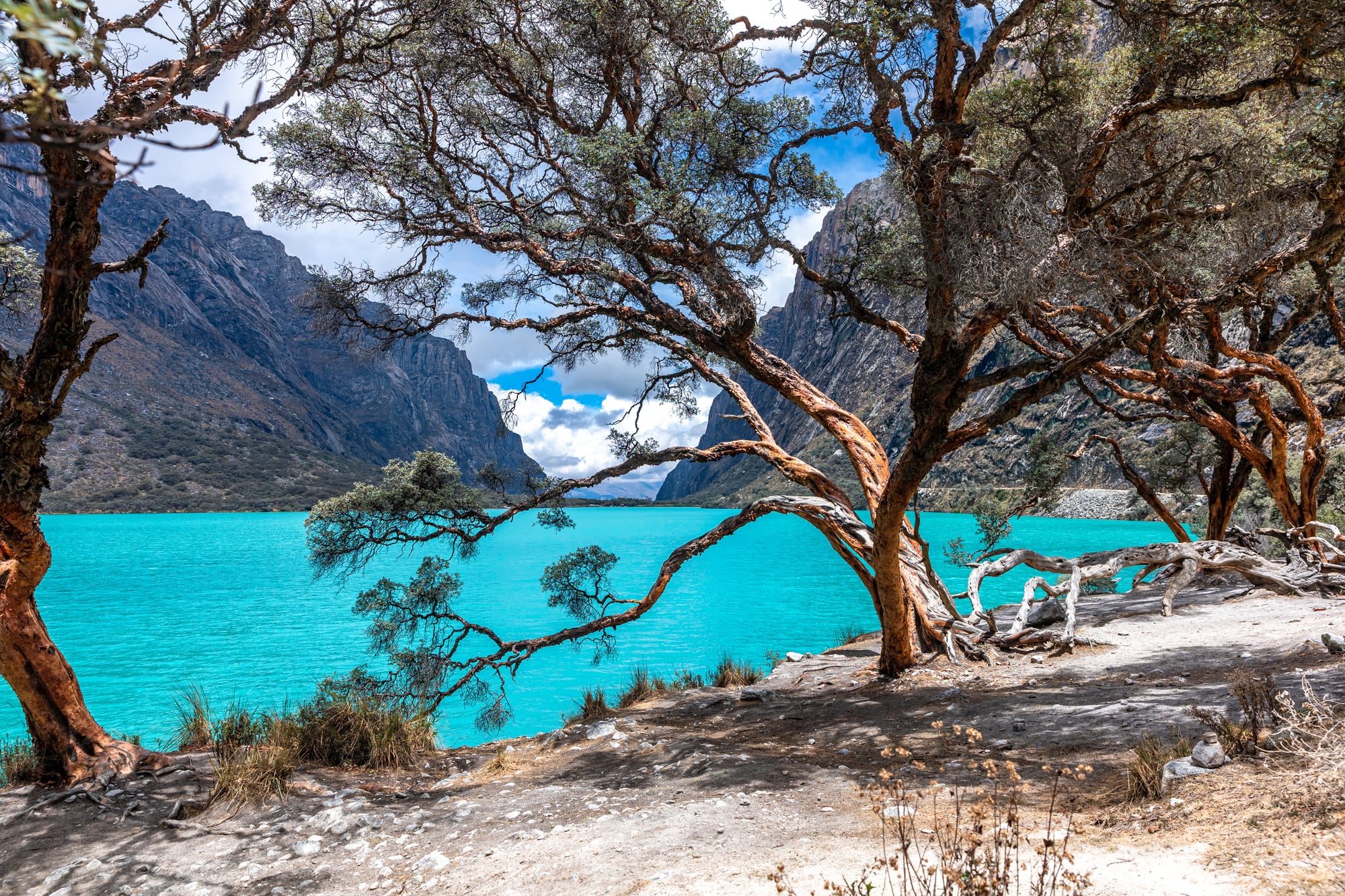
Peru’s La Oroya region (once home to a massive lead smelter that operated with minimal environmental controls for nearly a century) has contaminated beaches along nearby waterways where the sand contains concentrations of lead, zinc, and sulfur dioxide that would qualify as hazardous waste in most countries, yet local children still play there because it’s the only open space available in a region where poverty leaves families with few options for recreation or escape. The smelter has closed, but the contamination persists—heavy metals don’t break down, they just accumulate, building up in soil and sand and groundwater until the entire landscape becomes a monument to industrial negligence.
And yet life continues around the edges. But the cost gets paid in shortened lifespans and damaged children.
Salton Sea Shores
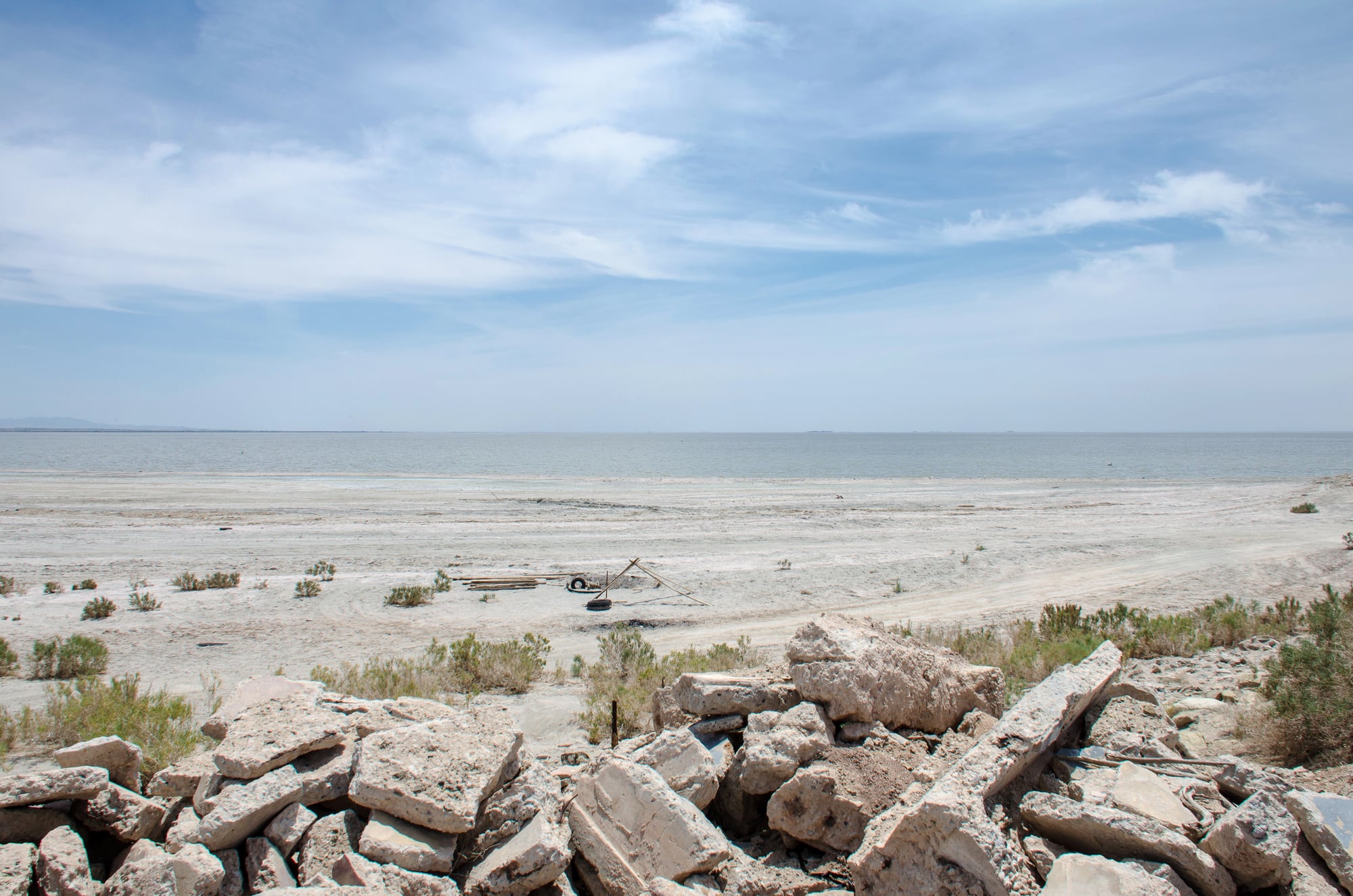
California’s Salton Sea was created by accident and has been dying ever since. Agricultural runoff loaded with pesticides and fertilizers has turned the water toxic.
As the sea shrinks, it exposes sandy beaches contaminated with selenium, arsenic, and agricultural chemicals.
The smell of rotting fish and hydrogen sulfide makes breathing difficult. Dust storms carry toxic particles for hundreds of miles, spreading contamination across the region.
Aral Sea Remnants
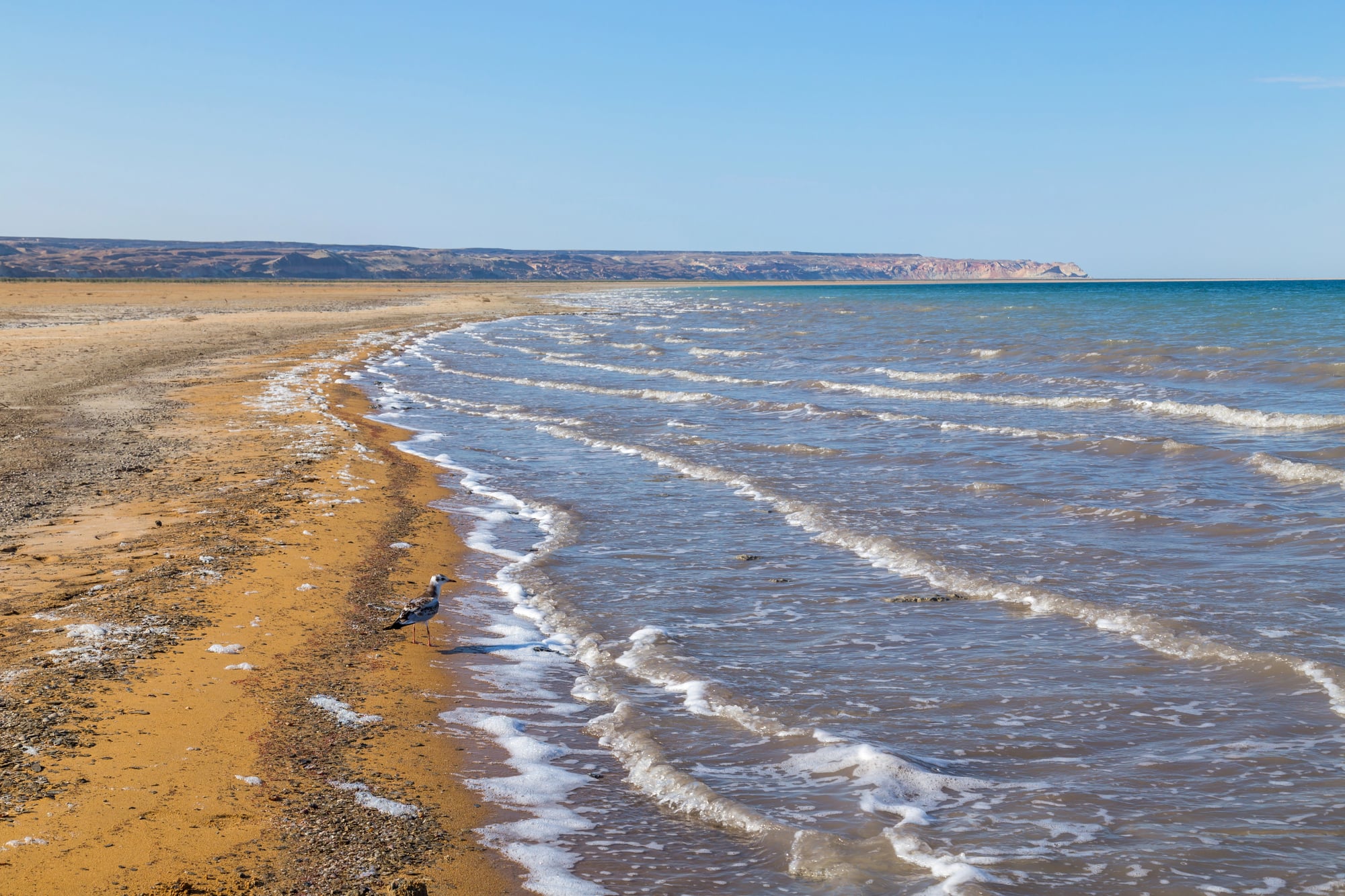
The Aral Sea’s collapse exposed thousands of square miles of sandy lakebed contaminated with pesticides, salt, and industrial chemicals. Dust storms pick up the toxic sand and spread it across Central Asia, creating one of the world’s worst environmental disasters.
Ship graveyards dot the former seabed like monuments to ecological destruction.
The sand contains enough salt and chemicals to kill vegetation for miles around.
Río de la Plata Beaches
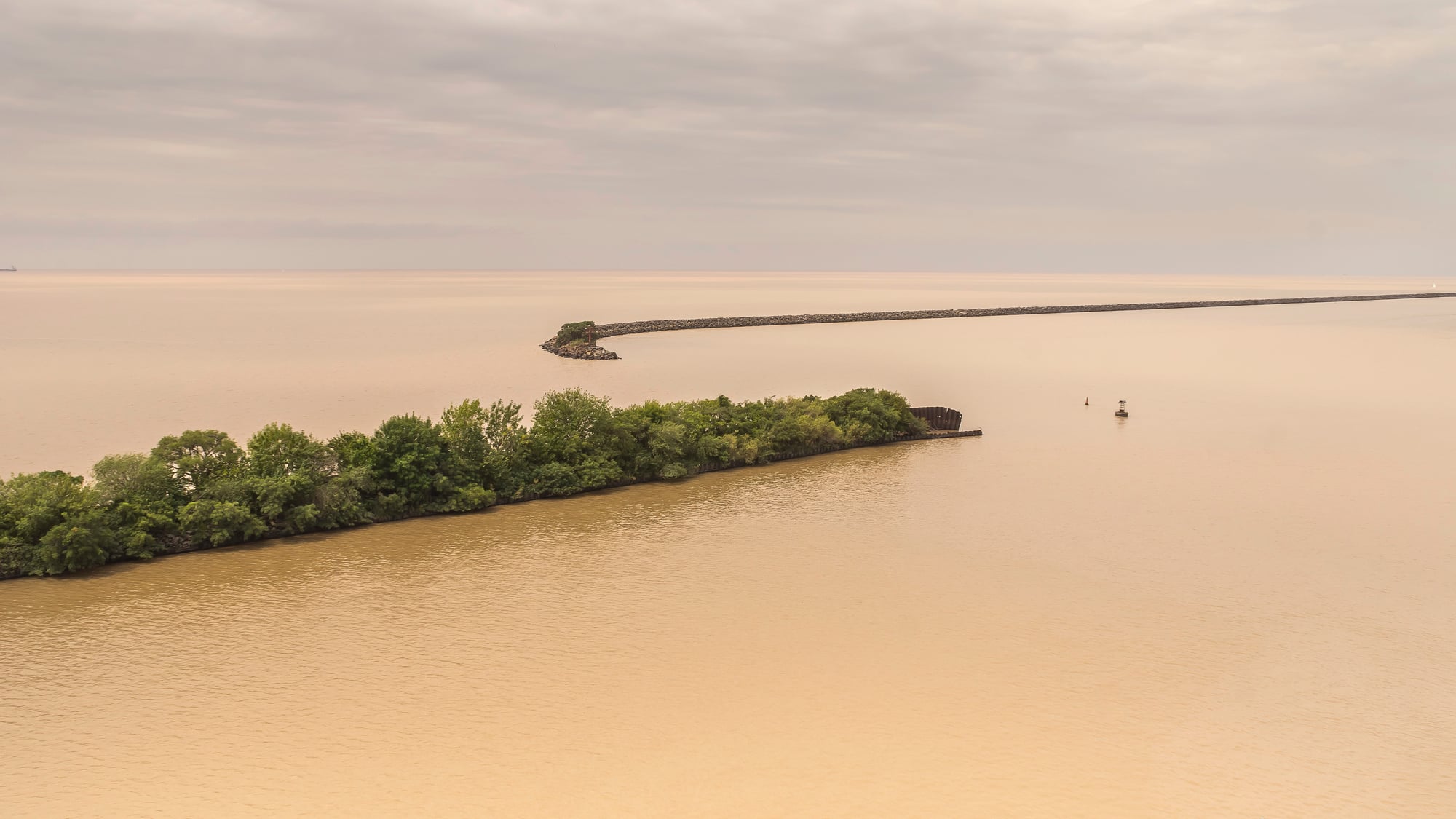
Argentina’s Río de la Plata receives industrial waste from Buenos Aires and Montevideo, along with agricultural runoff from the entire river basin. The beaches along this massive estuary are contaminated with heavy metals, pesticides, and untreated sewage that creates dead zones where nothing can survive except the hardiest bacteria, and even those struggle in water so polluted that it changes color with the seasons depending on which industries are dumping what upstream.
Local governments issue swimming advisories that everyone ignores, partly because the warnings are in bureaucratic language that minimizes the actual danger, and partly because people need somewhere to cool off during brutal summer months when air conditioning is a luxury most families can’t afford.
So the beaches stay crowded despite the contamination. Hope and desperation make strange partners.
Sarno River Delta
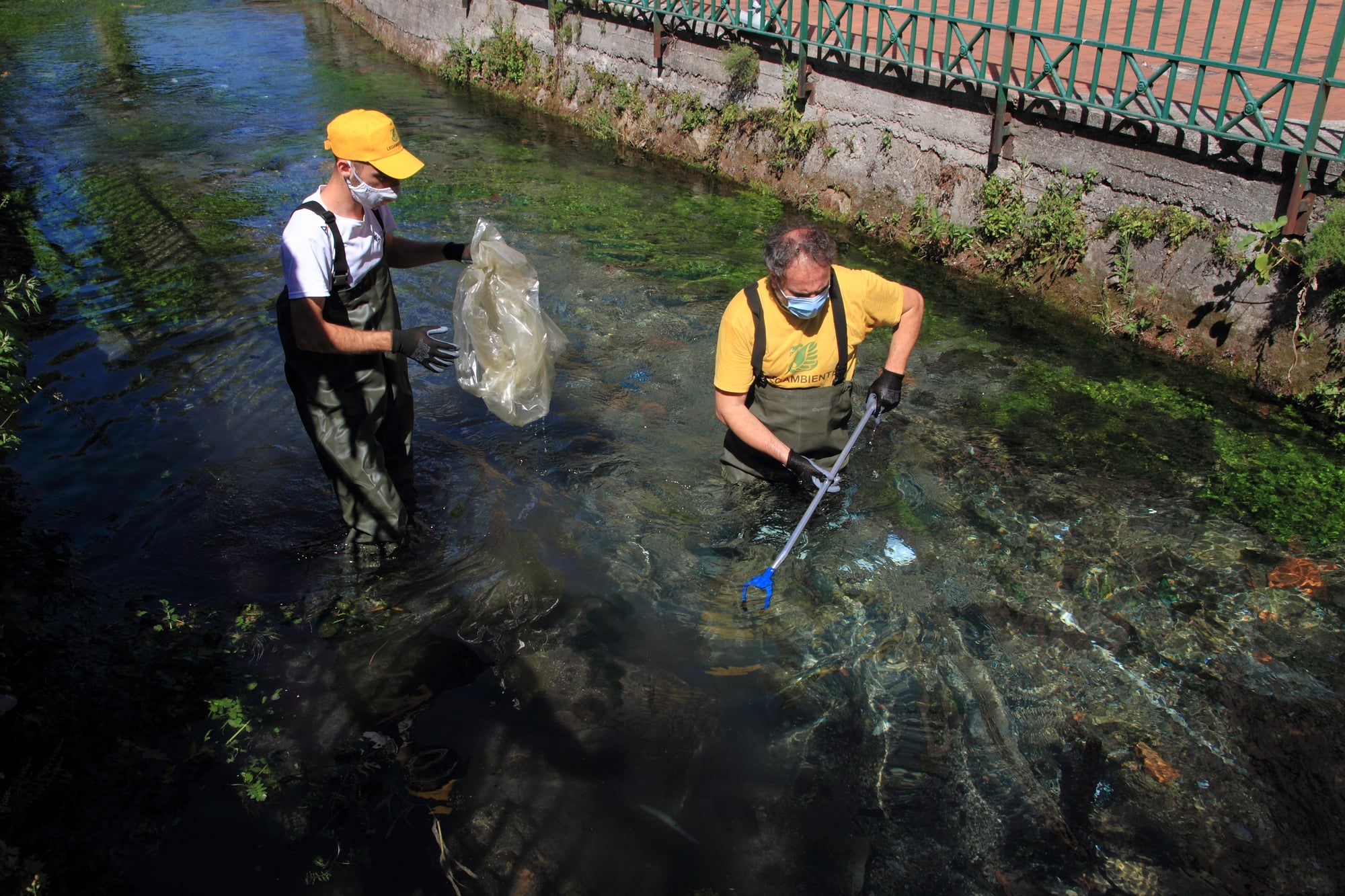
Italy’s Sarno River has been called Europe’s most polluted waterway. Industrial chemicals from textile plants and tanneries flow directly into the Tyrrhenian Sea, contaminating beaches along the coast.
The water runs black during industrial peak periods.
These beaches were once pristine Mediterranean coastline. Now they serve as a warning about what happens when environmental regulations exist on paper but not in practice.
Yamuna River Beaches
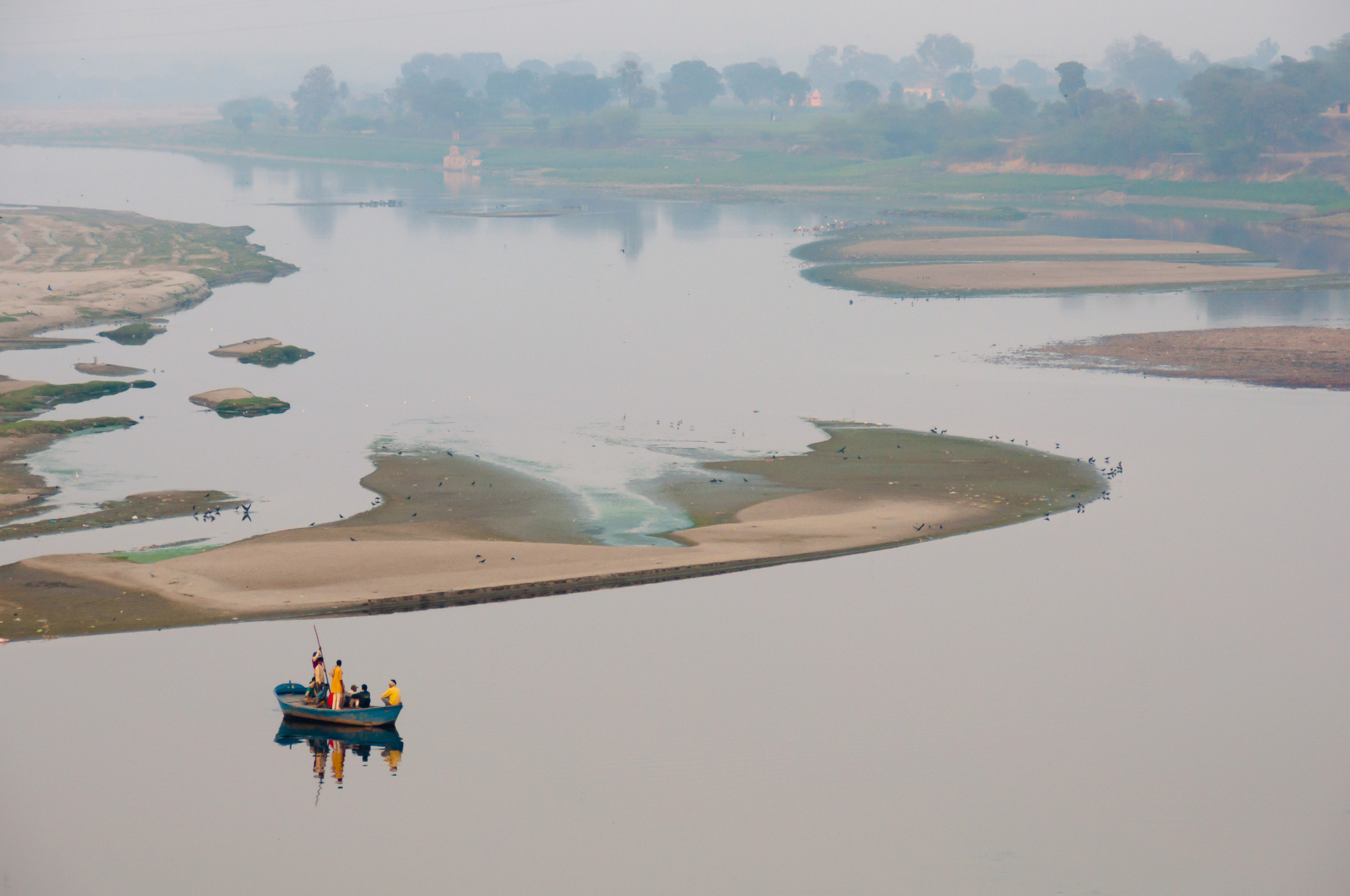
India’s Yamuna River creates toxic beaches as it winds through Delhi and other industrial cities. Untreated sewage mixes with chemical runoff from factories, creating a cocktail of human waste and industrial toxins.
The foam on the water is so thick it looks like snow.
Religious ceremonies continue along these polluted shores. Faith apparently provides protection that environmental science cannot.
Blacksmith Institute Identified Zones
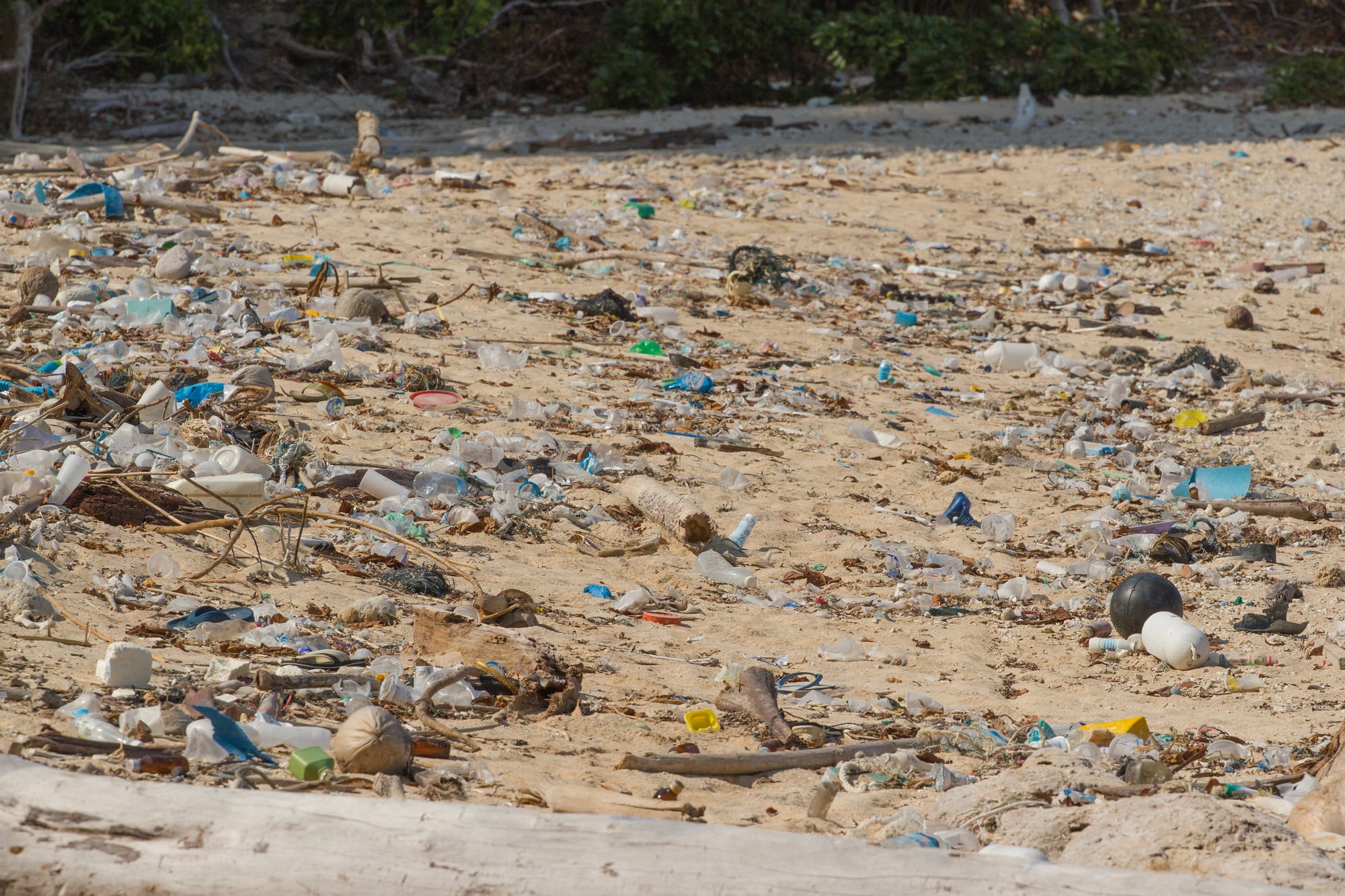
Multiple beach areas identified by environmental groups as among the most polluted places on Earth. These locations span several countries and contain contamination so severe that cleanup would cost more than the local economy produces in a decade.
The common thread is industrial activity without environmental oversight. When profit matters more than public health, beaches become sacrifice zones.
Lake Karachay Vicinity
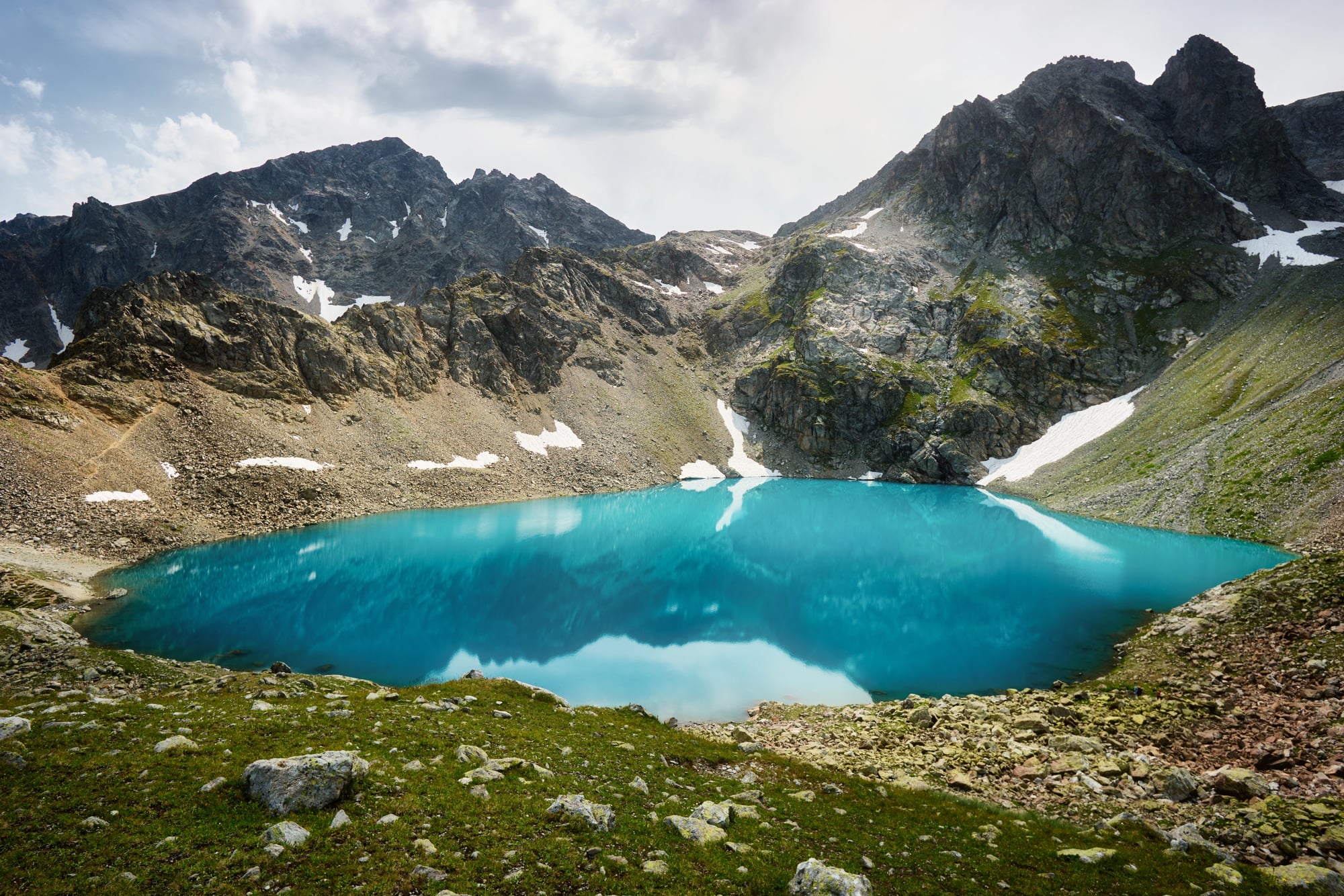
Russia’s Lake Karachay received nuclear waste for decades, making it one of the most radioactive places on Earth. Standing near the shore for an hour would deliver a lethal dose of radiation.
The lake has been partially filled with concrete, but contaminated groundwater still reaches nearby sandy areas.
This represents the ultimate pollution—contamination that kills immediately and persists for millennia. The sand itself has become a weapon of mass destruction.
When Paradise Becomes Poison
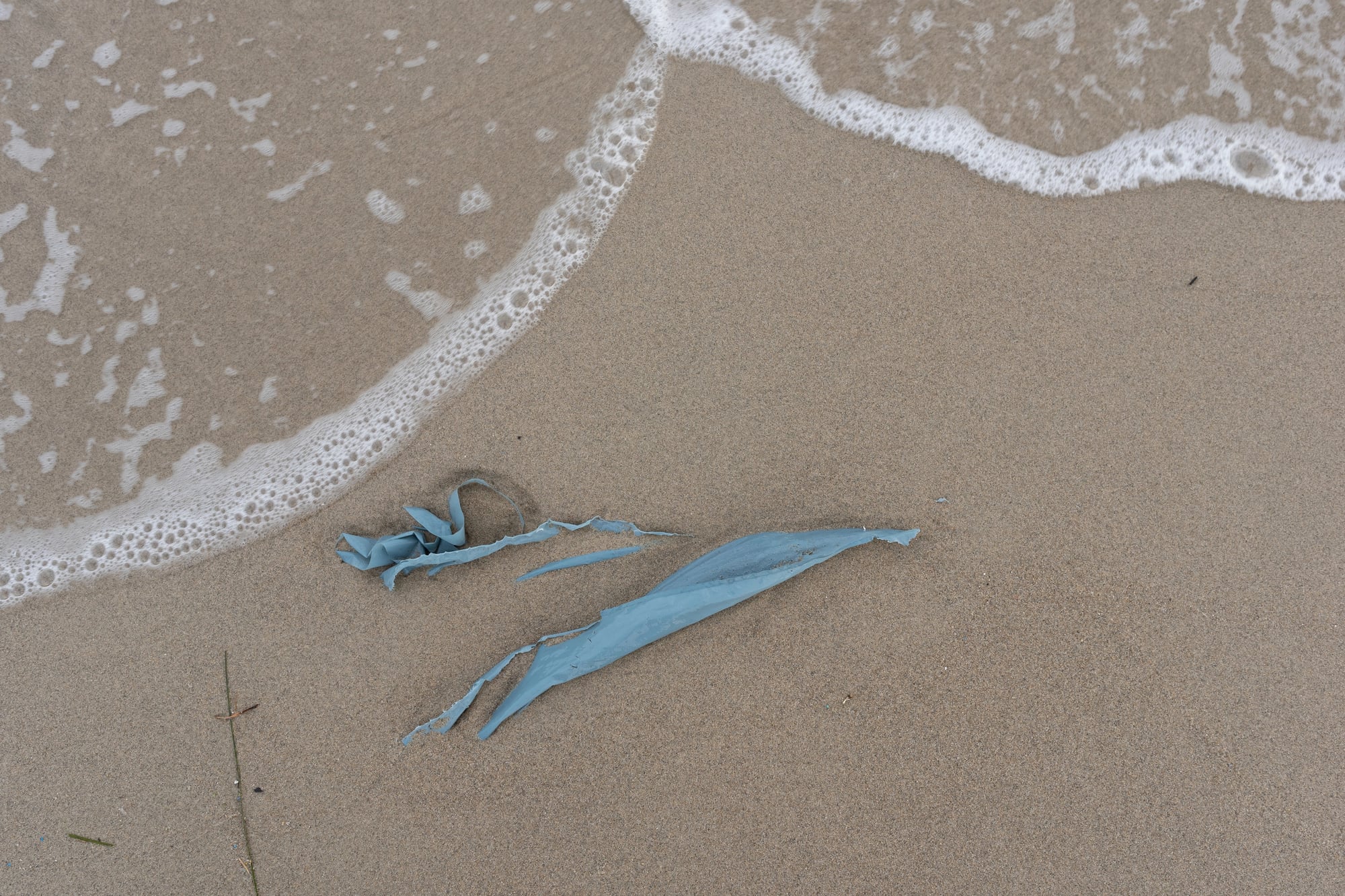
These beaches tell the same story in different languages. Industrial progress without environmental protection turns natural beauty into toxic waste sites.
The sand that once provided refuge now harbors dangers that will persist long after the factories close and the profits are spent. Recovery, when it happens at all, takes generations—and sometimes the damage is simply permanent, written into the landscape in languages of lead and radiation that speak louder than any warning sign ever could.
More from Go2Tutors!

- The Romanov Crown Jewels and Their Tragic Fate
- 13 Historical Mysteries That Science Still Can’t Solve
- Famous Hoaxes That Fooled the World for Years
- 15 Child Stars with Tragic Adult Lives
- 16 Famous Jewelry Pieces in History
Like Go2Tutors’s content? Follow us on MSN.



