Images of Everyday 1980s Things That Feel So Alien Now
There’s a particular kind of vertigo that comes from looking at old photos of ordinary life. Not the famous shots from history books, but the background stuff — the clutter on a kitchen counter, the living room corner, the desk at school.
The things nobody thought to photograph on purpose because they were just… there. And now they look like props from another planet.
The 1980s weren’t that long ago. But the objects people lived alongside back then have almost entirely disappeared.
Here’s a look at some of the most common ones.
The Phone Attached to the Wall
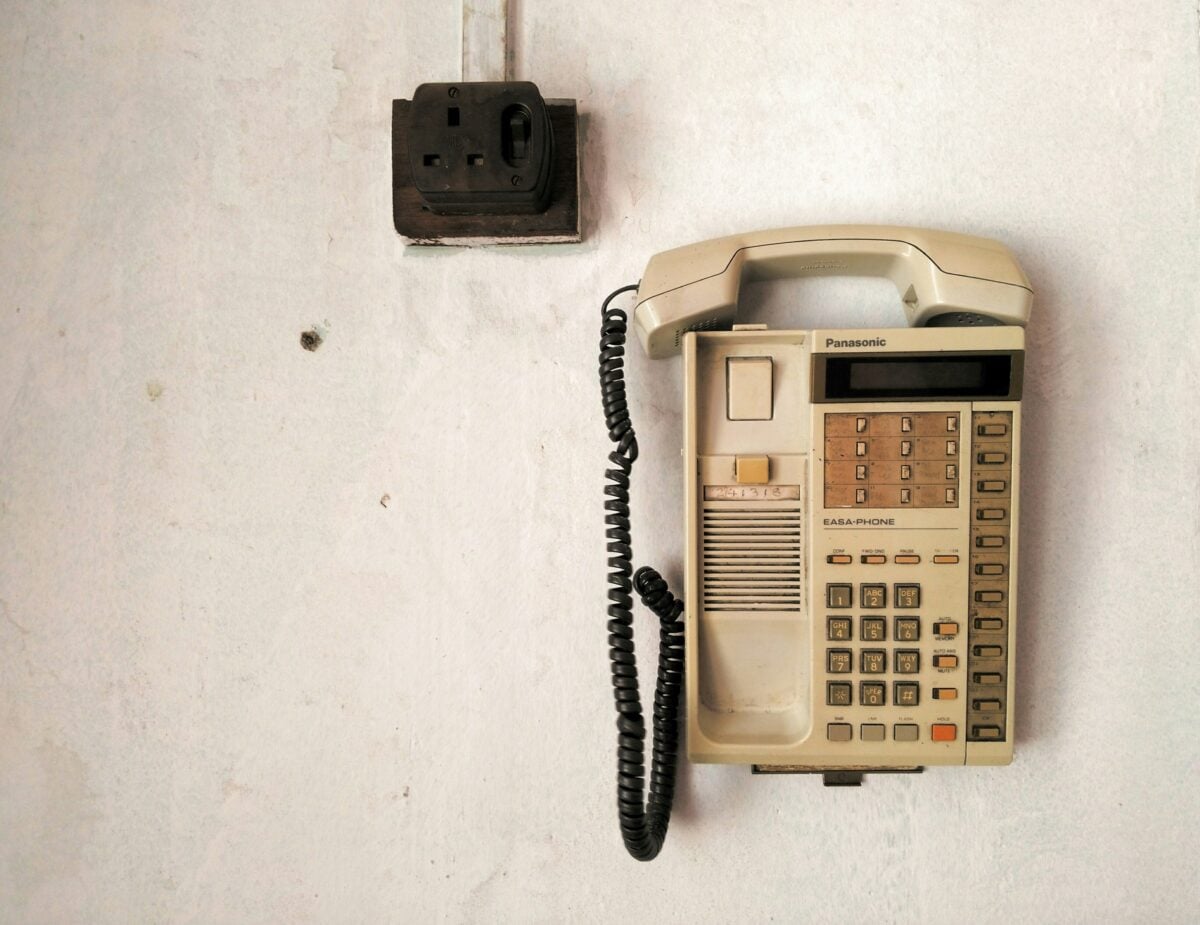
Not just a landline. A corded phone, bolted to the kitchen wall or sitting on a special little phone table in the hallway.
The cord was usually coiled and stretched to impressive lengths because people had figured out how to drag it into the next room for a private conversation. When someone called, the whole house knew.
There was no caller ID. You picked it up and said hello with zero idea who was on the other end. That was just how it worked.
Rabbit Ears on the Television

The television itself looked different — boxy, deep, often encased in wood paneling. But the real artifact sitting on top was the antenna.
Two metal rods spread at angles, sometimes with aluminum foil wrapped around the tips, adjusted by trial and error until the picture cleared up. You’d get it perfect, then sneeze and knock it sideways.
Getting a good signal was a constant negotiation.
The VCR and Its Tower of Tapes
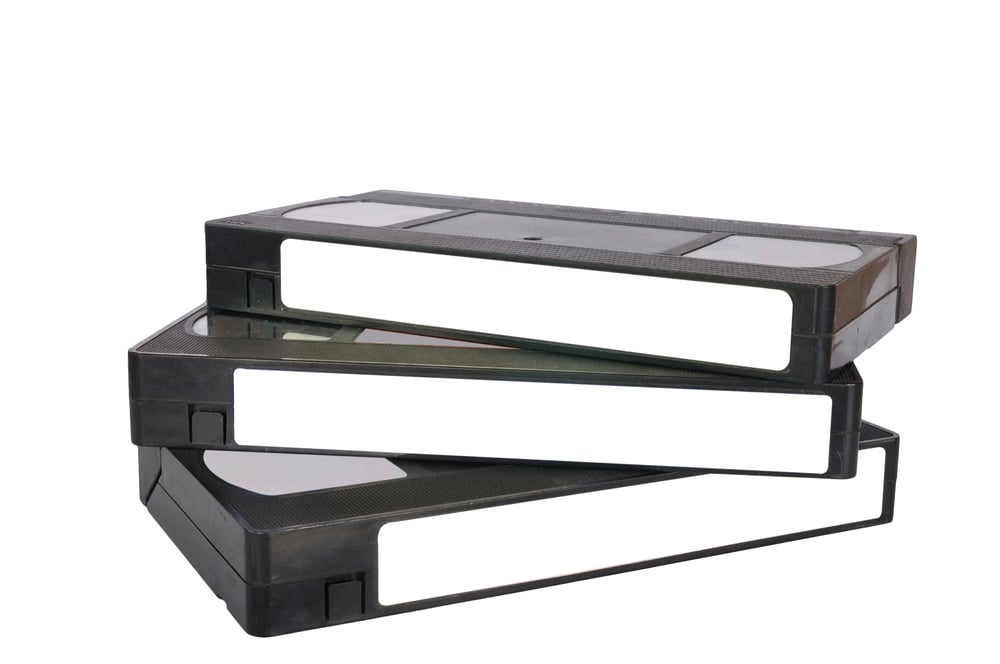
VHS tapes were everywhere. Stacked on shelves, stored in their plastic cases with handwritten labels on the spine, or just piled loose next to the TV.
The VCR itself was a serious piece of equipment — a big black box with a satisfying mechanical clunk when you pushed the tape in. And the clock.
That infuriating blinking 12:00 that nobody ever figured out how to set properly. It blinked in millions of homes for years.
The Answering Machine

Before voicemail lived in the cloud, it lived in a beige plastic box on the counter. The tape inside recorded messages.
When you came home, you pressed play and listened to everything in order. If someone called twelve times, you heard all twelve. The outgoing message was an event — families would spend real time deciding what to say and how to say it.
The Rolodex
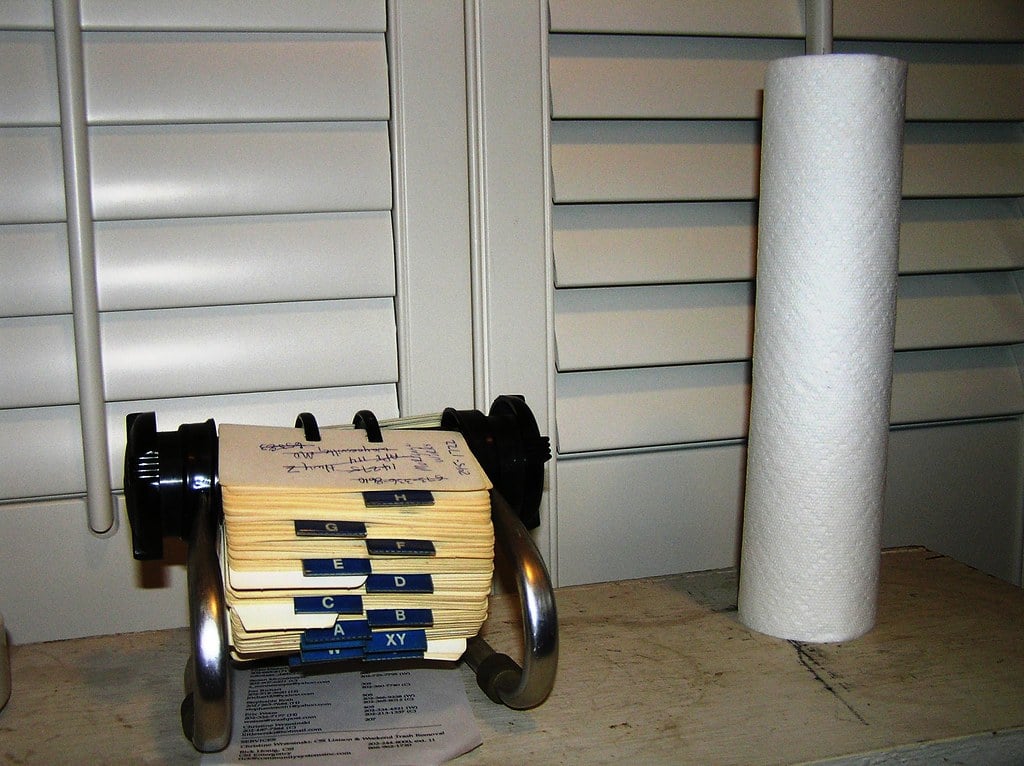
Every office desk had one. A spinning wheel of index cards, each holding a contact’s name, phone number, and address written by hand.
When you needed to reach someone, you spun the wheel, found the tab for the right letter, and flipped through the cards.
It sounds inefficient now. At the time, it was considered a sign of organization.
The Road Atlas

A thick book of maps, usually shoved under the car seat or in the glove compartment. Long trips required actual planning — you studied the route the night before, maybe wrote down the highway numbers, and hoped you didn’t miss a turn.
If you did, you pulled over and consulted the book again. There was no recalculating.
There was just the atlas and your best guess.
Pay Phones

They were everywhere. Street corners, gas stations, shopping malls, the lobbies of every building.
A local call cost a dime, then a quarter. Long-distance cost a lot more and you fed coins in rapid succession while talking fast.
If you were waiting for an important call and weren’t home, you gave someone the number of a nearby pay phone and hoped they’d call at the right time.
The Card Catalog at the Library

Before digital search, finding a book required going through small wooden drawers filled with index cards. Each card listed a book’s title, author, subject, and location number.
You cross-referenced between drawers, wrote the call number on a slip of paper, and went hunting through the stacks. Librarians knew this system inside out.
It was a genuine skill.
Cassette Tapes

Music lived in plastic shells with two tiny reels of magnetic tape inside. Albums came on cassette.
So did mixtapes — a labor of love that required planning the order of songs, pressing record at exactly the right moment, and hoping the tape didn’t get eaten by the player. The pencil trick — using one to rewind a slack tape by hand — was second nature to anyone who grew up in the era.
The Printed TV Guide

A small magazine, thinner than most, that came with the Sunday paper or by subscription. It listed every show on every channel for the entire week, hour by hour.
You circled what you wanted to watch or committed it to memory. Miss your show? You missed it.
That was that. You waited for reruns.
The Yellow Pages
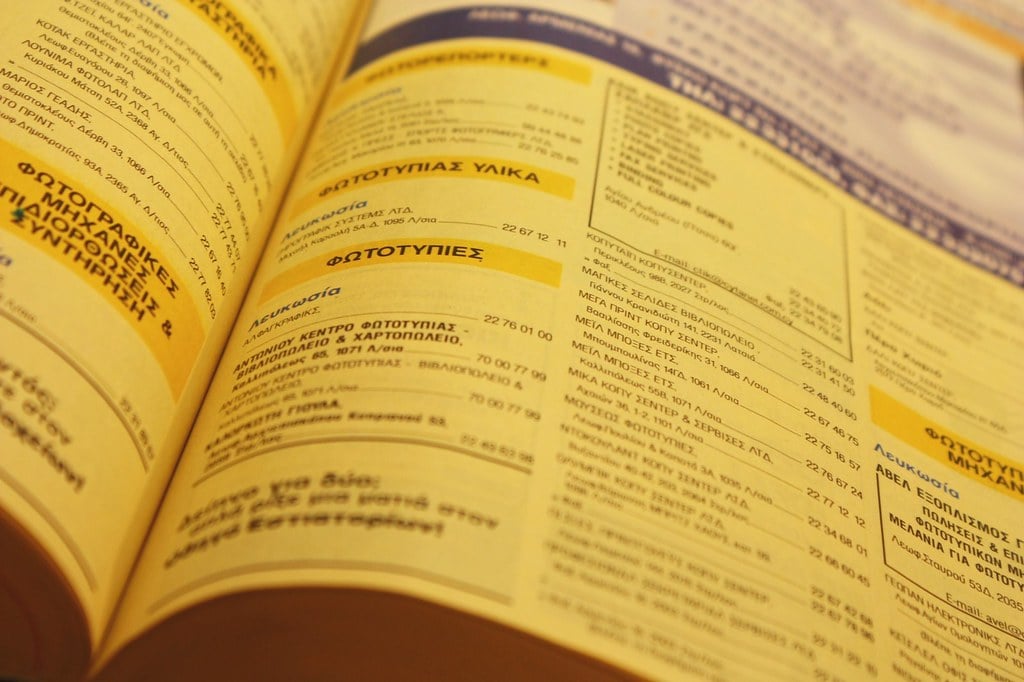
A fat phone book, delivered to every door, listing every business in the area by category. Finding a plumber meant flipping to the P section and scanning columns of tiny print.
Restaurants, dentists, dry cleaners — it was all in there, along with some surprisingly elaborate ads that businesses paid real money for. People kept last year’s copy too, just in case.
Film Cameras and the Wait
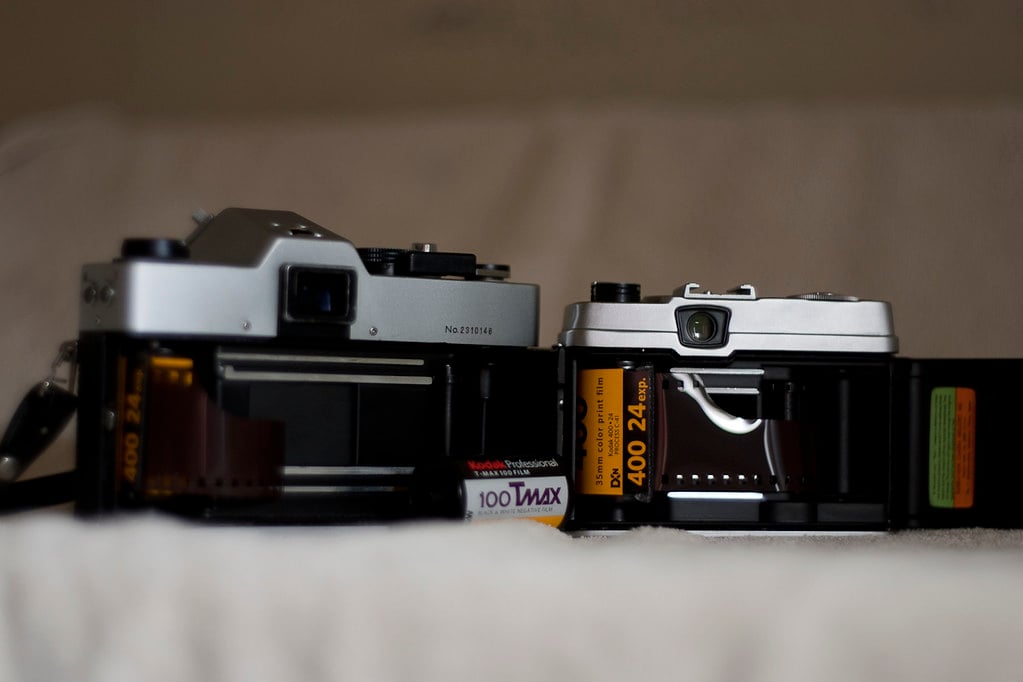
Taking a photo was a commitment. Each roll held 24 or 36 exposures and cost money to develop.
You didn’t see the results for days or weeks, not until you dropped the film off at the drugstore and came back. Some photos came out blurry.
Some had a thumb across the corner. You kept them anyway. The experience of seeing your own photos for the first time, days after the moment happened, has almost no equivalent now.
Encyclopedias on the Shelf

A heavy stack of books once meant knowledge lived on your shelf. Alphabet order kept them tidy, one spine after another across the wood.
Need an answer for class? You reached for the correct spine, flipped through pages until the word caught your eye.
Folks showed up at homes with boxes in hand, trying to make a sale. Instead of paying all at once, households spread the cost over weeks.
The Walkman

Music could move with you, once the Walkman arrived. Strapped to a belt or tucked into a coat, it turned sidewalks into stages.
Headphones on, the world shifted – your tunes, your pace, your moment. Before that, portable players were just gadgets.
This one felt like a secret shared between you and the city. Back then it felt like something nobody had tried before – walking around while wrapped in your personal soundtrack.
These days, that’s simply what happens whenever you step outdoors.
Floppy Disks
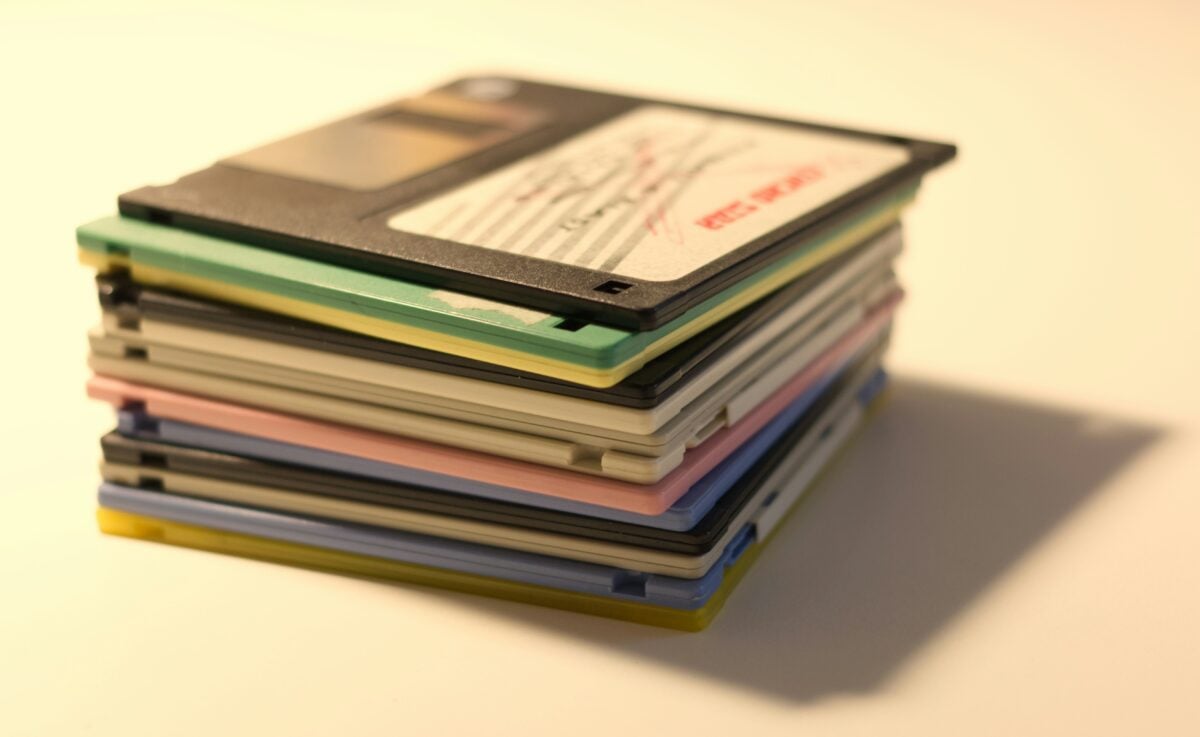
A floppy disk, big and bendable, measured 5.25 inches across – just a slim magnet trapped in squishy plastic. That’s where it got its bounce.
Then the world shifted to a tighter 3.5-inch model, stiffer now yet still called floppy. Files traveled between machines using those little squares.
Important papers lived there too. Today, even a tiny image on your phone packs more memory than one of those disks ever could.
A single missing piece meant starting over. Each had its name written clear, stored away inside hard shells of plastic.
The Alarm Clock That Has Two Bells On Top
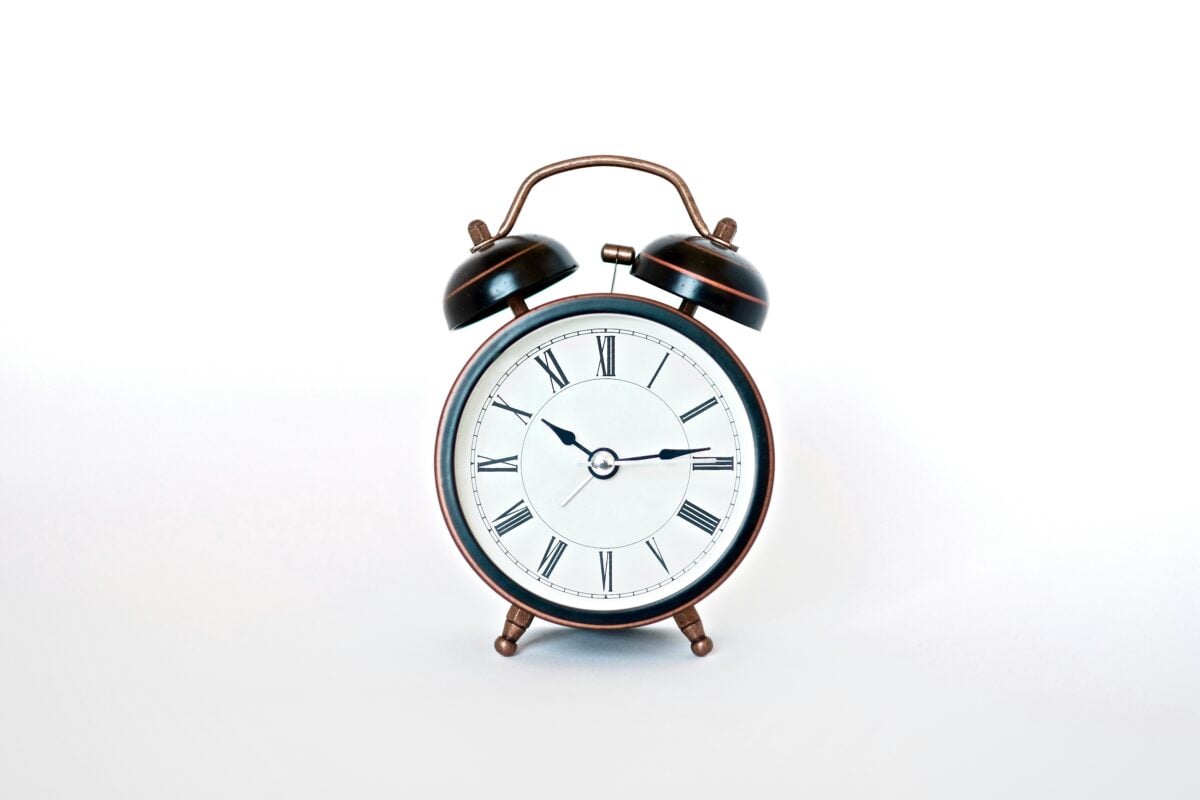
A tiny metal clock, nothing like a smartphone. On its head, two bells sit above a swinging arm.
Loudness hit hard when the alarm fired – no speaker could copy that force. Hit the snooze? You used your palm against a solid lever right there.
A single one stood by the bed in almost any household you’d enter. It stayed useful, year after year, often outliving its owner.
The Shape of a Day Without Screens

Perhaps the strangest thing in old pictures isn’t an item at all. Missing instead is what we now carry everywhere.
Tables set for meals, free of glowing screens. Places like clinics, filled only with stillness.
Journeys across states, passed by watching clouds drift. Back then, gadgets filled homes but stayed put.
Not tucked into pockets or clutched in hands. Moments passed without pings or signals.
You could vanish between hours, unseen and unheard. No need to answer.
No one expected it. Today that feels odd.
Like a quiet indulgence we lost.
More from Go2Tutors!

- The Romanov Crown Jewels and Their Tragic Fate
- 13 Historical Mysteries That Science Still Can’t Solve
- Famous Hoaxes That Fooled the World for Years
- 15 Child Stars with Tragic Adult Lives
- 16 Famous Jewelry Pieces in History
Like Go2Tutors’s content? Follow us on MSN.



