Legendary Fighter Jets and Their Pilots
The history of aerial combat is written in the contrails of extraordinary machines and the brave pilots who flew them. From the canvas-and-wood biplanes of the Great War to the supersonic jets that rule modern skies, certain aircraft have transcended their roles as mere weapons of war to become icons of aviation history.
These fighters didn’t just dominate their opponents—they changed the very nature of air combat. Here is a list of legendary fighter jets and the pilots who made them famous.
P-51 Mustang
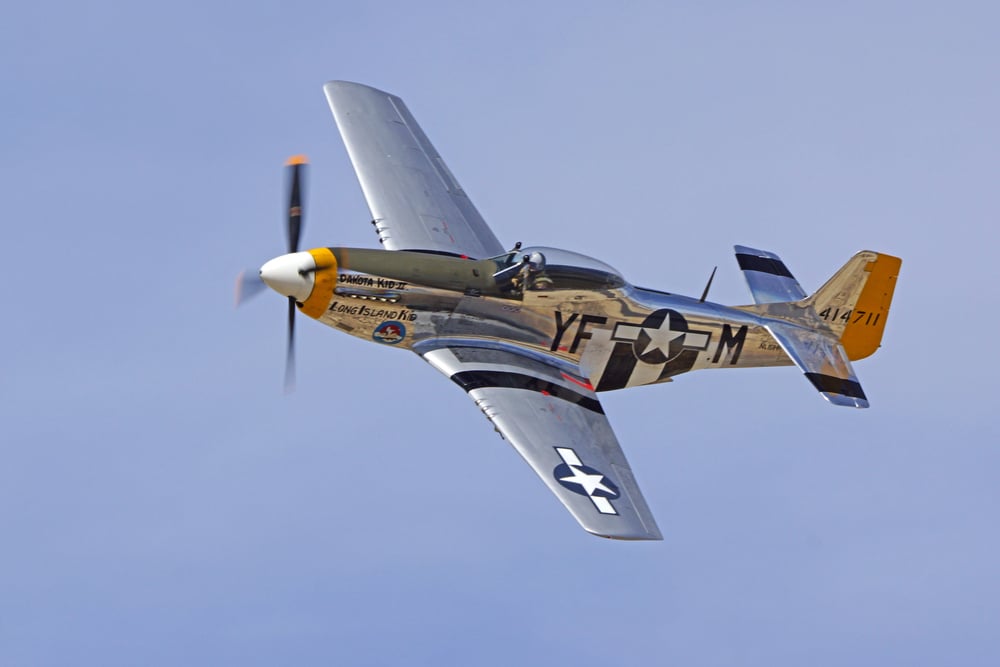
The North American P-51 Mustang started as a rushed design built in just 180 days, but it became the fighter that changed World War II. When British engineers mated the American airframe with a Rolls-Royce Merlin engine, they created something special.
The Mustang could escort bombers all the way to Berlin and back, a range no other fighter could match. Its sleek laminar-flow wing gave it speeds exceeding 440 miles per hour, and its six .50 caliber machine guns packed serious punch.
Chuck Yeager flew Mustangs during the war, racking up 11.5 kills including a German Me 262 jet, before going on to break the sound barrier in 1947. Over 250 Mustang pilots achieved ace status, and the aircraft claimed 4,950 enemy planes destroyed.
Supermarine Spitfire

The Spitfire wasn’t just beautiful—it was brilliantly effective. Its distinctive elliptical wings made it instantly recognizable over the skies of Britain during the darkest days of 1940.
Designed in 1936, the Spitfire kept evolving throughout the war, always staying competitive with whatever the Germans threw at it. At altitudes above 30,000 feet, it could out-climb and out-maneuver a P-51 Mustang, though it lacked the range for long-distance escort missions.
The aircraft achieved legendary status during the Battle of Britain, recording the highest victory-to-loss ratio among British fighters. Pilots loved how it handled, describing the experience as effortless and graceful.
Nearly a century after its first flight, restored Spitfires still draw crowds at airshows, their Merlin engines producing that unmistakable growl.
Messerschmitt Bf 109
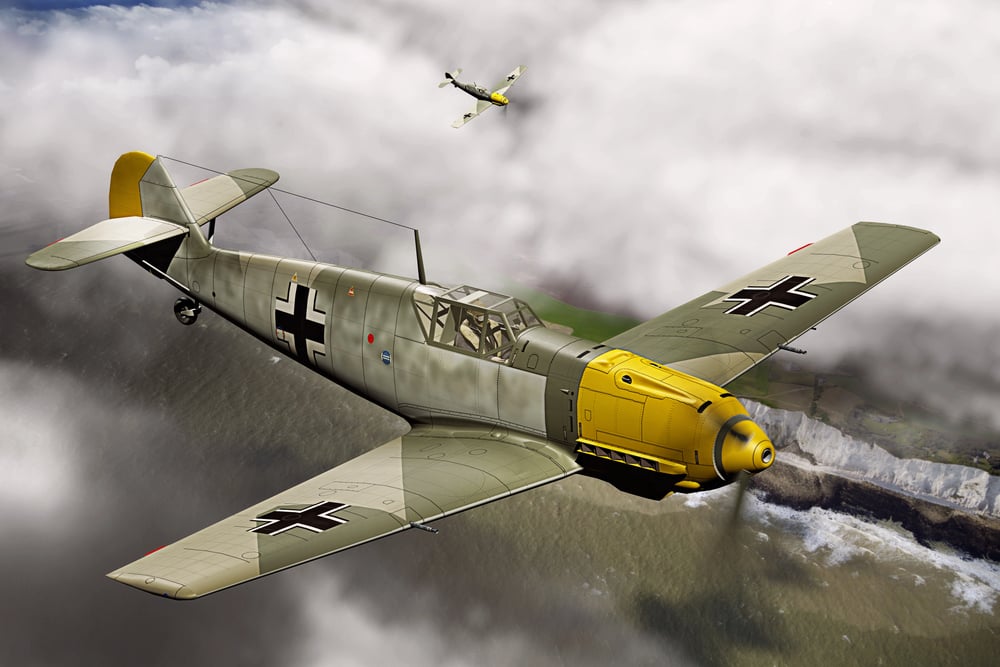
The Bf 109 remains the most-produced fighter aircraft in history, with over 33,000 built during its production run. This angular, aggressive-looking machine was the workhorse of the Luftwaffe throughout World War II.
Erich Hartmann, the highest-scoring fighter ace of all time with 352 confirmed kills, flew the Bf 109 exclusively during his career. His technique was simple but deadly—get so close before firing that you couldn’t miss.
The top three German aces of the war flew Bf 109s and claimed 928 victories among them. The aircraft could hold its own against anything the Allies fielded, particularly at higher altitudes where its performance excelled.
Its narrow landing gear made it tricky on the ground, but once airborne, the 109 was a formidable opponent that commanded respect from every pilot who faced it.
F4U Corsair
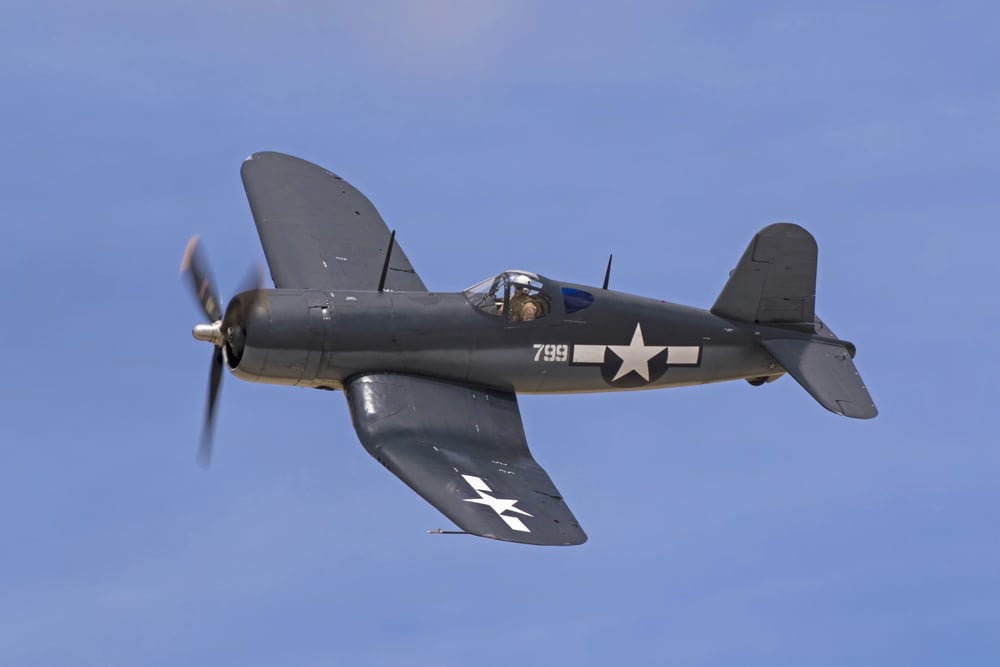
The Corsair looked mean and flew even meaner. Its distinctive bent-wing design housed a massive Pratt & Whitney radial engine that gave it exceptional speed and power.
Japanese pilots called it ‘whistling death’ because of the sound it made diving through the air. The F4U claimed 2,140 air combat victories with an overall kill ratio exceeding 11-to-1, making it one of the most successful fighters of World War II.
Gregory ‘Pappy’ Boyington flew Corsairs as commander of the famous ‘Black Sheep’ squadron, earning 28 aerial kills with his aggressive flying style. The aircraft served well into the Korean War, proving its adaptability and ruggedness.
Its combination of speed, firepower, and durability made it a favorite among Navy and Marine pilots who needed a fighter that could take punishment and keep flying.
Messerschmitt Me 262

The Me 262 was a glimpse into the future, arriving too late to change history. As the world’s first operational jet fighter, it could reach speeds exceeding 540 miles per hour—about 100 miles per hour faster than any Allied propeller plane.
When it appeared in the skies over Germany in 1944, Allied pilots found themselves chasing an aircraft that could simply accelerate away from them at will. Franz Schall became the top Me 262 ace with 17 kills, though pilot Kurt Welter claimed over 20 victories flying night missions.
The aircraft influenced every jet fighter that came after it, with both the American F-86 Sabre and Soviet MiG-15 incorporating lessons learned from captured Me 262s. Its main weaknesses were unreliable engines that lasted only 10-25 flight hours and vulnerability during takeoff and landing, when Allied pilots learned to ambush them.
F-86 Sabre
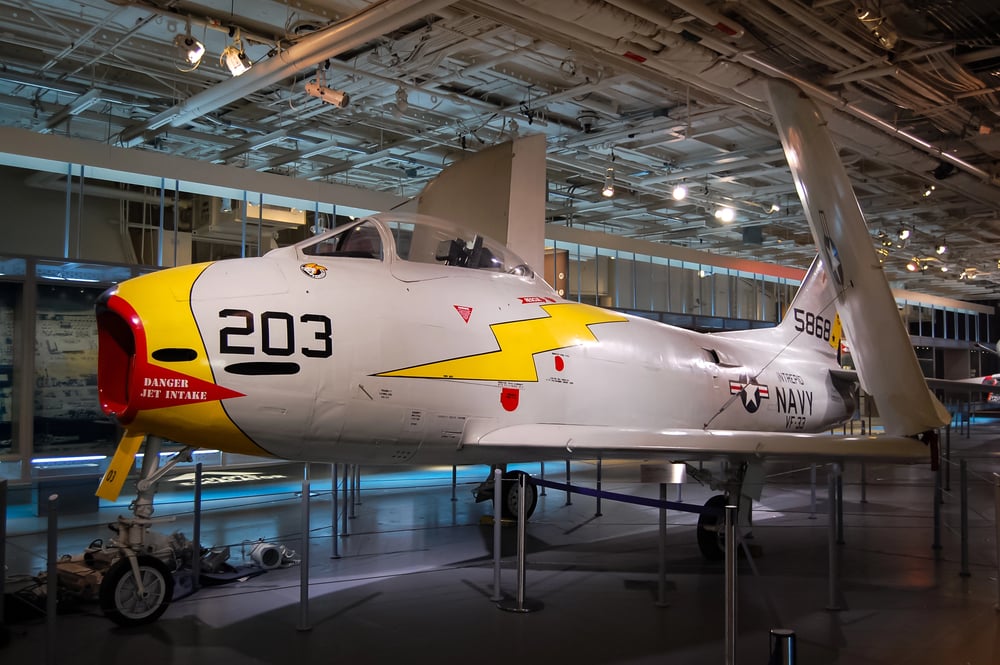
The F-86 Sabre brought American air power into the jet age with style. When MiG-15s dominated the skies over Korea in 1950, threatening to ground UN daylight bombing missions, the Sabre arrived to level the playing field.
Its swept wings and clean design gave it exceptional handling characteristics, and pilots praised its responsiveness at high speeds. Captain James Jabara became the first jet-versus-jet ace in history flying an F-86, shooting down his fifth and sixth MiGs in April 1951.
The Sabre ended the Korean War with a 10-to-1 kill ratio over the MiG-15s it faced, though some historians debate whether those numbers reflect the superior training of American pilots as much as the aircraft itself. The dogfights in ‘MiG Alley’ between Sabres and MiG-15s represented the glory days of jet-on-jet combat, with pilots engaging in turning battles at speeds their fathers could never have imagined.
P-38 Lightning
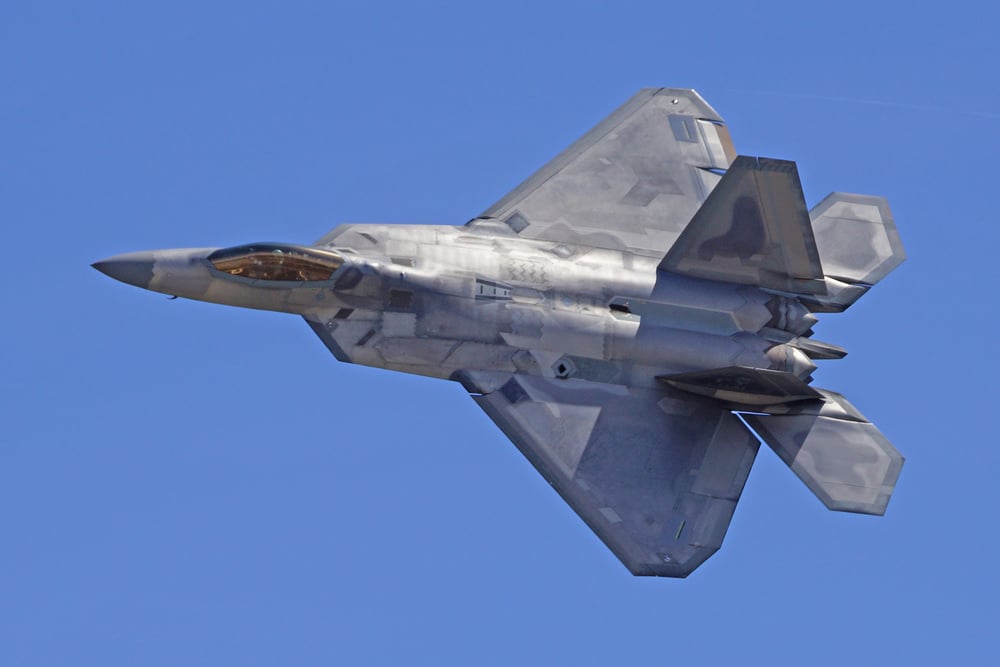
The P-38’s distinctive twin-boom design made it impossible to mistake for anything else in the sky. Its unusual configuration limited its roll rate, but in the hands of skilled pilots, it proved devastatingly effective in the Pacific theater.
Richard Bong, America’s top ace, flew the Lightning to 40 confirmed victories, while Thomas McGuire scored 38 kills in the same aircraft. The P-38’s twin engines provided redundancy that saved many pilots’ lives when battle damage would have doomed a single-engine fighter.
Its long range made it ideal for the vast distances of the Pacific, where it could escort bombers and conduct long-range interception missions. The aircraft carried heavy armament concentrated in the nose, giving it pinpoint accuracy that wing-mounted guns couldn’t match.
F-14 Tomcat
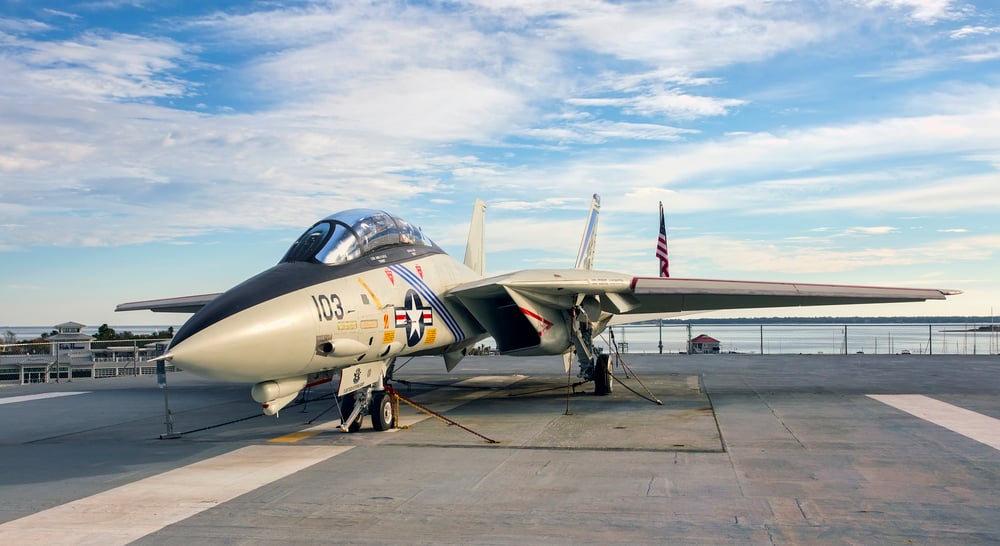
The F-14 became an American icon, thanks largely to a certain movie involving aviators and a volleyball scene. But beyond Hollywood glamour, the Tomcat was a serious piece of hardware with variable-sweep wings and the ability to track 24 targets simultaneously with its AWG-9 radar system.
Iranian pilot Jalil Zandi flew F-14s during the Iran-Iraq War and achieved extraordinary success, including one mission where he shot down three Iraqi MiG-23s with a single Phoenix missile by catching them in close formation. The aircraft entered service in 1974 and served the U.S. Navy until 2006, proving adaptable enough to transition from fleet defense to ground attack missions.
Pilots loved the Tomcat’s power and presence, though they nicknamed it ‘the turkey’ because of all its moving parts and complex systems.
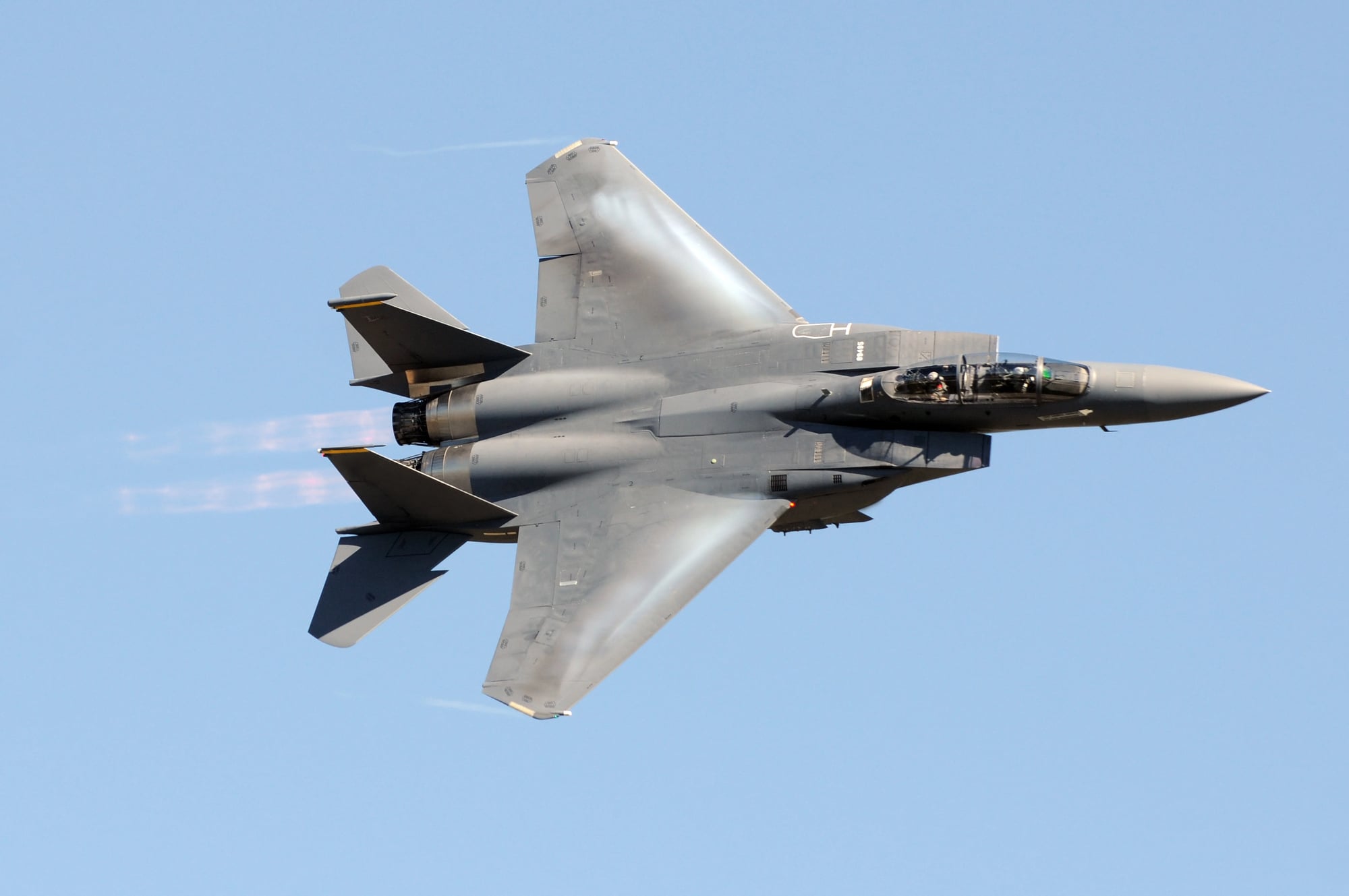
F-15 Eagle
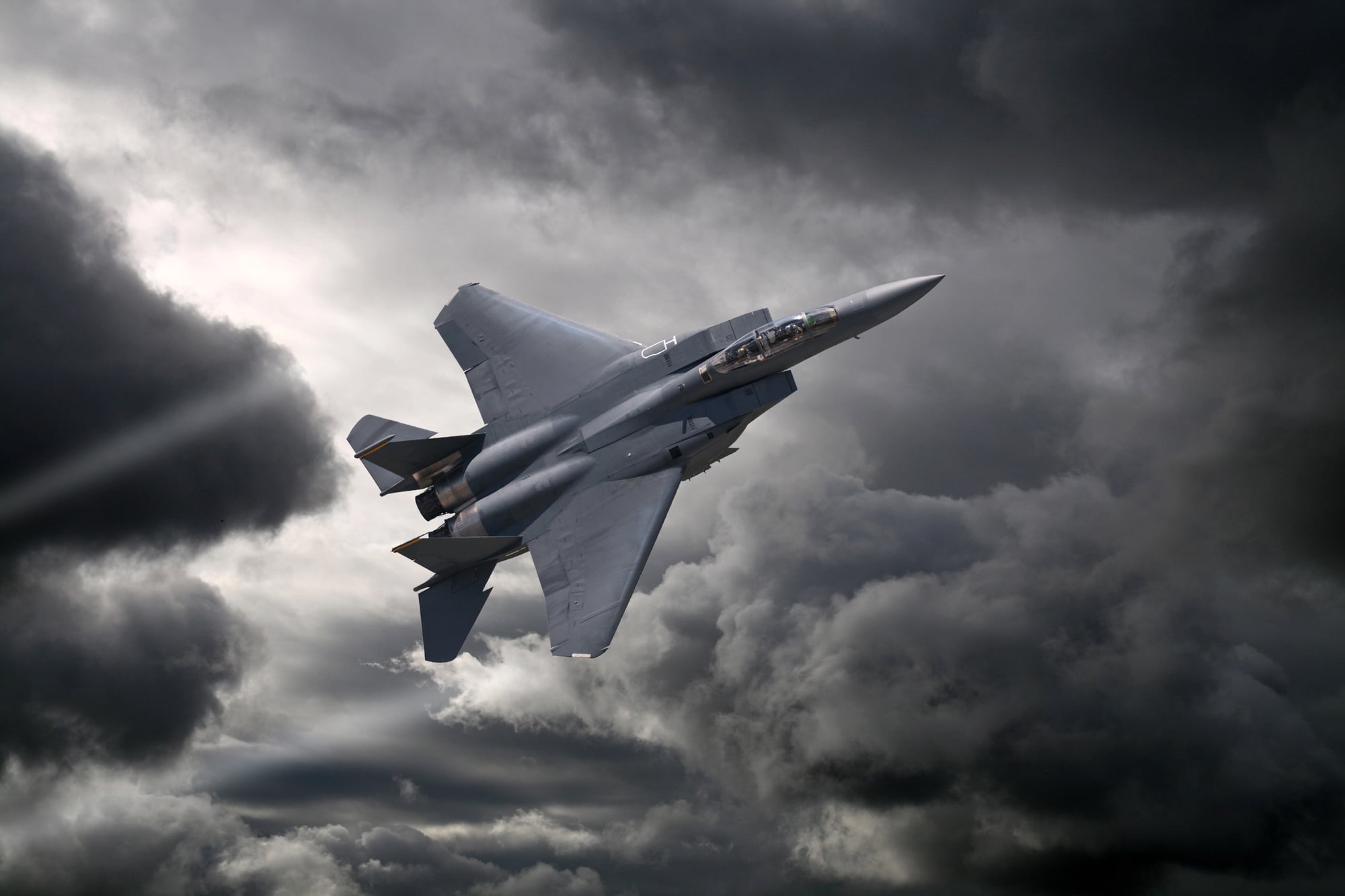
The F-15 was designed for one purpose—air superiority—and it has never been defeated in air-to-air combat. That’s not marketing hype; it’s historical fact.
Since entering service in 1976, the Eagle has racked up an impressive combat record without a single loss to enemy fighters. Its twin engines, advanced radar, and superior thrust-to-weight ratio give it performance that still impresses decades later.
The aircraft can climb to 30,000 feet faster than a P-51 Mustang, a capability that puts it in position before enemies even know it’s there. Israeli pilots flying F-15s have achieved numerous victories, including several cases where the aircraft returned home safely despite catastrophic battle damage.
The Eagle’s combination of speed, maneuverability, and weapons systems created a platform that redefined what air superiority meant in modern combat.
Mitsubishi A6M Zero
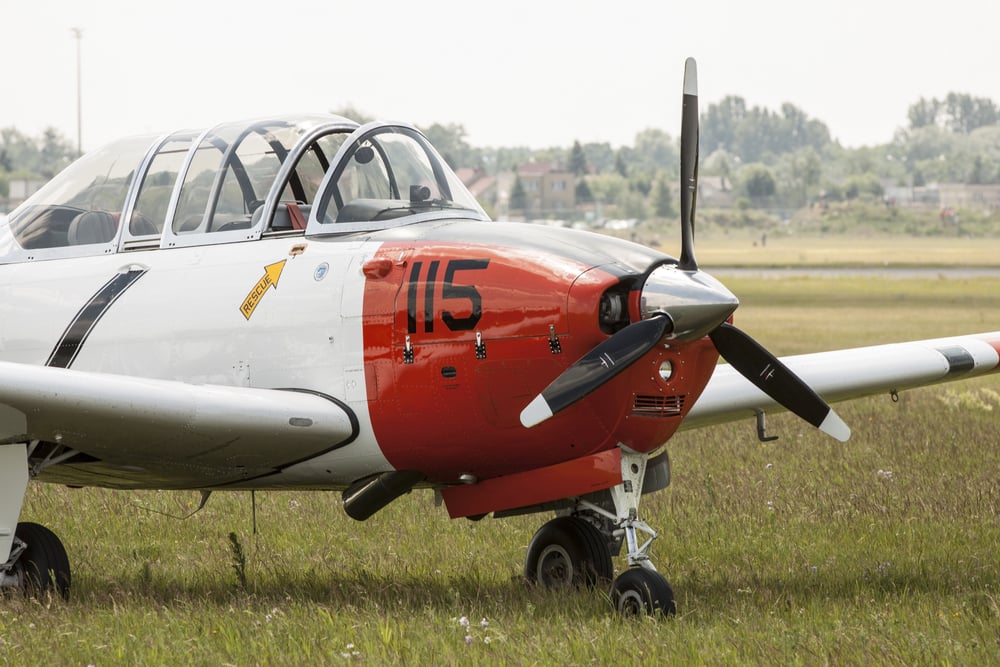
The Zero owned the skies over the Pacific during the early years of World War II, achieving a 12-to-1 kill ratio in the conflict’s first phase. Japanese engineers sacrificed armor and self-sealing fuel tanks to create an incredibly maneuverable aircraft with exceptional range.
The Zero could fly circles around Allied fighters in turning battles, and its long operational radius allowed it to operate far from its carriers. Japanese ace Hiroyoshi Nishizawa flew Zeros to remarkable success, though exact kill numbers remain disputed.
The aircraft’s weaknesses became apparent as the war progressed—it couldn’t dive as fast as American fighters, and its lack of protection made it vulnerable once Allied pilots learned to avoid turning dogfights. Still, the Zero’s smooth curves and deadly efficiency made it one of the most recognizable aircraft of the war, and it commands respect as an engineering achievement that pushed lightweight fighter design to its limits.
F-16 Fighting Falcon
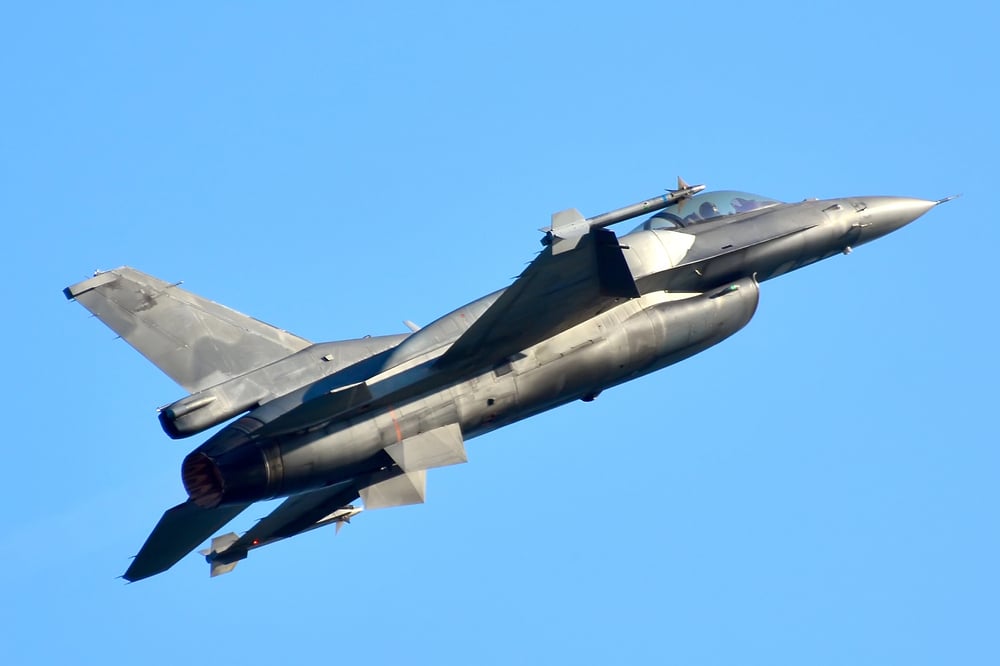
The F-16, affectionately known as the ‘Viper,’ looks like pure energy shaped into metal. Its bubble canopy, slim fuselage, and purposely unstable design controlled by fly-by-wire systems give it incredible agility.
The aircraft was conceived by the ‘Fighter Mafia,’ a group of pilots and engineers who wanted a lightweight, maneuverable fighter as an alternative to heavier, more complex aircraft. Captain Gary North flew F-16s during Operation Southern Watch and scored the Fighting Falcon’s first air-to-air kill in December 1992, shooting down an Iraqi MiG-25 with an AMRAAM missile.
The F-16’s small size makes it hard to spot on radar or visually, while its modular design allows for easy upgrades. More than 2,500 F-16s have been delivered worldwide, making it one of the most successful fighter exports in aviation history.
Fokker Dr.I Triplane
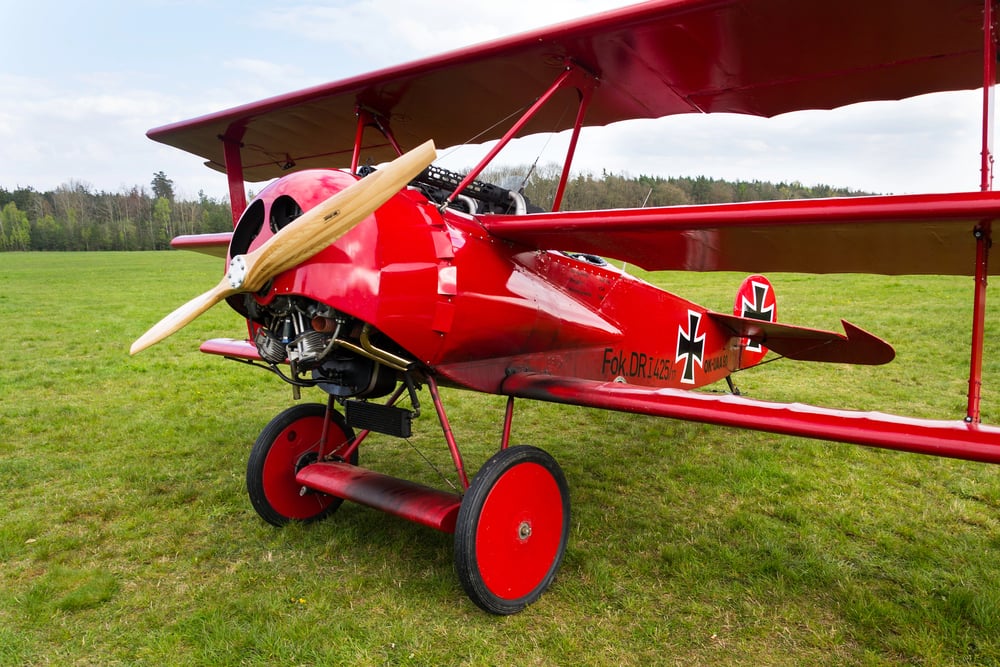
Manfred von Richthofen made the Fokker Triplane famous, or perhaps it’s the other way around. The ‘Red Baron’ flew this distinctive three-winged fighter to 19 of his 80 total victories before his death in April 1918.
The Triplane’s design, inspired by a captured British Sopwith, gave it an exceptional turning radius that skilled pilots could leverage in the swirling dogfights over the Western Front. It was relatively slow and difficult to see out of compared to other fighters, but its maneuverability more than compensated for these shortcomings.
The bright red paint scheme von Richthofen chose made him instantly recognizable to friend and foe alike, cementing his legend as Germany’s top ace. The aircraft itself became so associated with its most famous pilot that seeing a Triplane in the sky meant the Flying Circus was nearby.
MiG-15
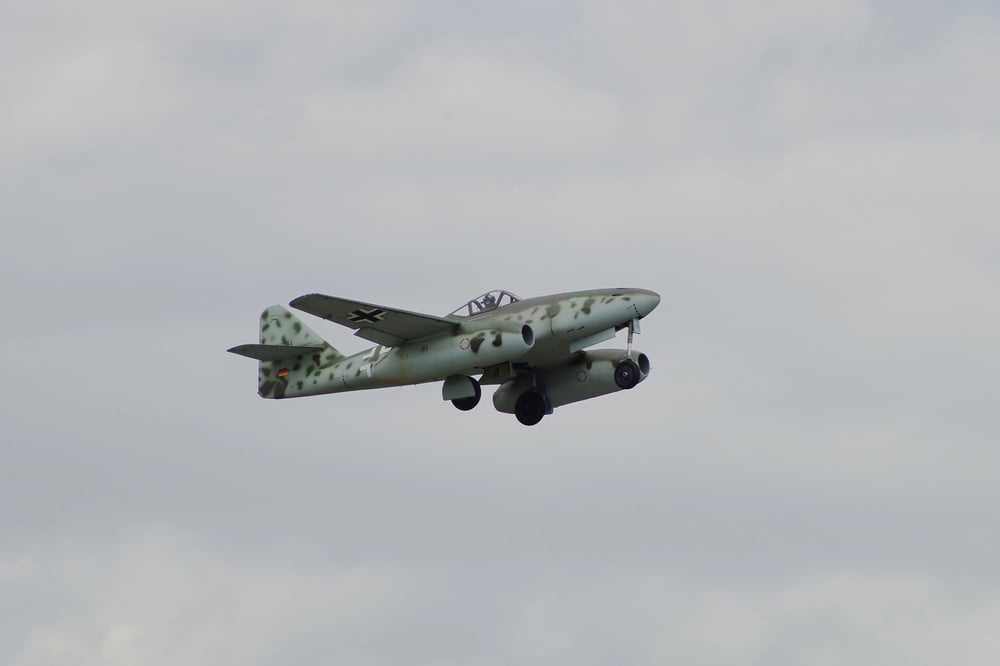
The Soviet MiG-15 shocked Western air forces when it appeared over Korea in 1950. Its swept wings and powerful engine gave it performance that temporarily outclassed American straight-wing jets like the F-80 and F-84, forcing UN commanders to halt daylight bombing until the F-86 Sabre arrived.
The design borrowed heavily from captured German aerodynamic research, including swept-wing concepts pioneered by Messerschmitt engineers. Soviet pilot Ivan Kozhedub, already the top Allied ace of World War II with 64 kills, helped develop tactics for the MiG-15, though he didn’t fly combat missions in Korea himself.
The aircraft’s heavy cannon armament could destroy bombers with just a few hits, but American pilots flying Sabres eventually developed tactics that exploited the MiG’s weaknesses in high-speed maneuvering.
P-47 Thunderbolt
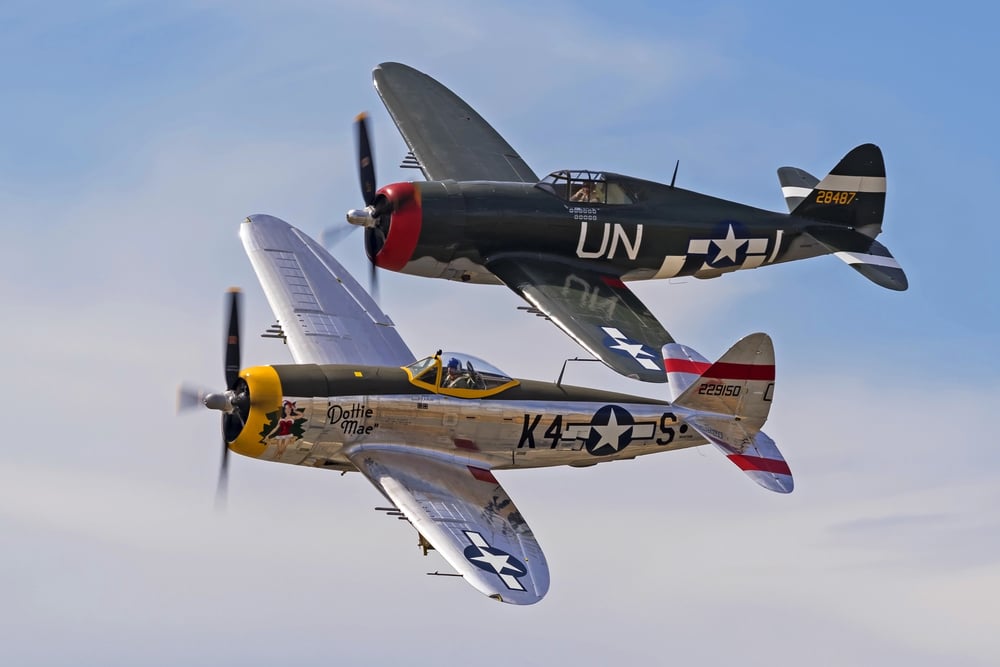
The P-47 was massive for a single-seat fighter, weighing in at seven tons when fully loaded. Pilots called it the ‘Jug’ because it looked like a milk jug, but they loved its toughness and firepower.
The Thunderbolt’s air-cooled radial engine could absorb incredible battle damage and keep running, making it the preferred choice for ground attack missions where flying low meant facing intense anti-aircraft fire. Between January and May 1944, P-47s shot down more German fighters than any other Allied aircraft, breaking the back of the Luftwaffe during the critical months before D-Day.
The aircraft’s eight .50 caliber machine guns could shred ground targets, and it could carry bombs and rockets for additional punch. Its ruggedness saved countless pilots who limped home in badly damaged aircraft that would have killed them in anything less robust.
F/A-18 Hornet
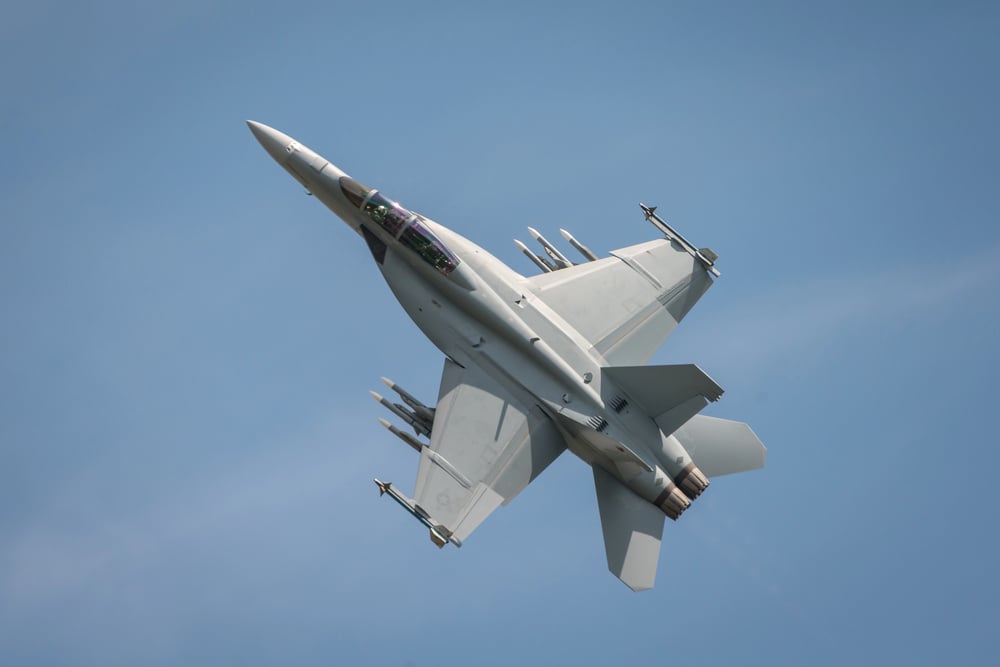
The F/A-18 built its reputation as a true pilot’s aircraft through reliable, predictable handling that inspired confidence. Its digital fly-by-wire system gave it stable yet agile characteristics crucial for the demanding task of carrier landings.
The Hornet could seamlessly switch between air-to-air and ground attack roles, earning its designation as a genuine multirole fighter. Navy pilots appreciated that it did everything they asked and some things they didn’t know they could ask for.
The aircraft served extensively from the Gulf War through operations in Libya and beyond, proving its worth in varied combat conditions. Its twin engines provided the safety margin carrier pilots needed when operating over water, and its relatively small size made it easier to fit on crowded carrier decks than its predecessor, the F-14 Tomcat.
Dassault Mirage III
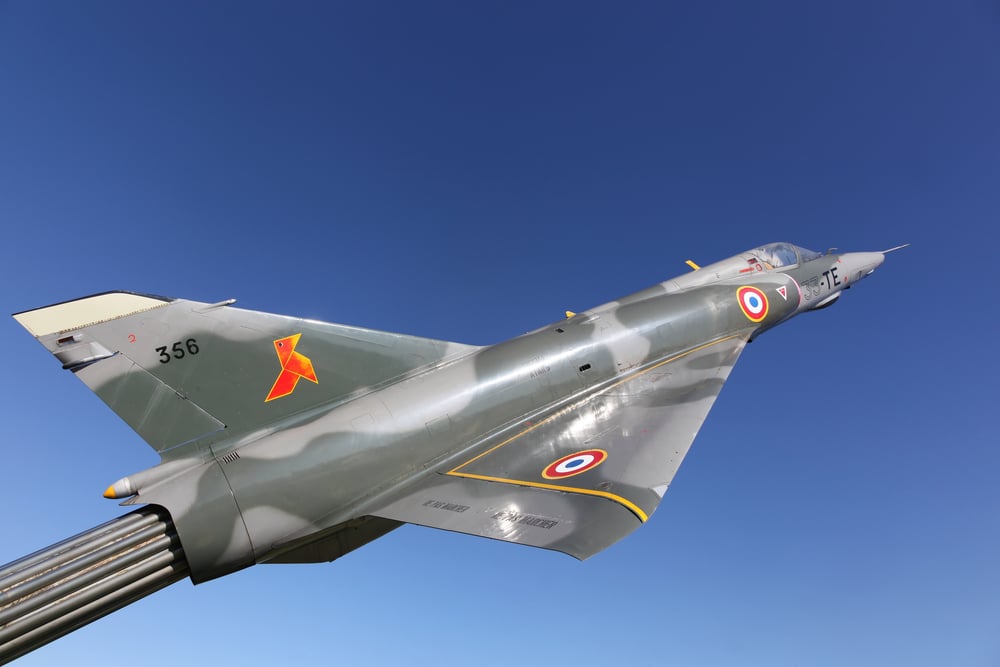
The Mirage III introduced the classic delta-wing design that became synonymous with French aerospace engineering. Its sleek, triangular wing gave it Mach 2 capability and excellent high-altitude performance for interception missions.
Israeli pilots flew Mirages to devastating effect during the 1967 Six-Day War, claiming around 48 aerial victories and helping establish Israeli air superiority. The aircraft’s simplicity and reliability made it popular with air forces worldwide, and pilots praised its beauty in flight.
French and Israeli aviators particularly loved how the Mirage handled, describing it as graceful and responsive. The delta wing configuration sacrificed some low-speed maneuverability for high-speed performance, but in the interception role for which it was designed, this trade-off made perfect sense.
Sopwith Camel
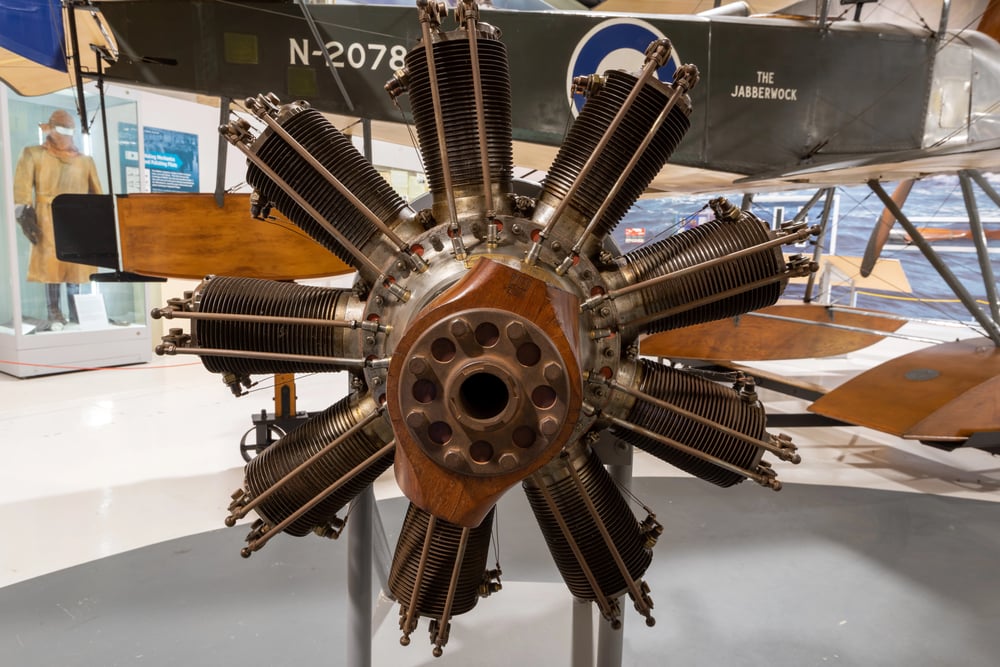
The Sopwith Camel shot down more enemy aircraft than any other fighter in World War I, claiming 1,294 kills. Its powerful rotary engine and twin machine guns gave it an advantage over German fighters, though that same engine made it notoriously difficult to handle.
The entire engine rotated with the propeller, creating massive gyroscopic forces that could catch inexperienced pilots off guard. In skilled hands, however, this quirk became an advantage—the Camel could snap around in incredibly tight right turns that left opponents struggling to follow.
The aircraft’s twitchy handling killed many student pilots during training, but veterans who mastered it found they had a weapon that could out-turn almost anything in the sky. Its distinctive hump covering the gun breeches gave the aircraft its name and its place in aviation legend.
Hawker Hunter
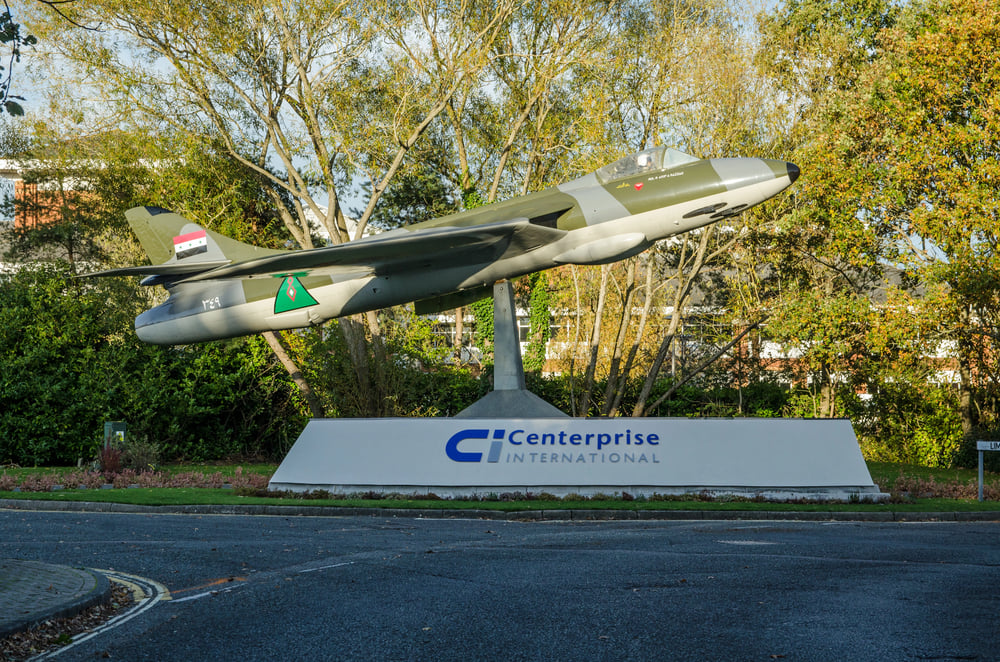
British pilots of the 1950s and 1960s formed a bond with the Hawker Hunter similar to the love their fathers felt for the Spitfire. Entering RAF service in 1954, the Hunter exceeded 700 miles per hour and briefly held the world air speed record at 727 miles per hour.
Pilots described flying the Hunter as effortless, with precise controls and smooth handling that made it feel more like an extension of the pilot than a machine. Its clean lines and balanced design looked as graceful on the ground as in the air.
The aircraft served with distinction in numerous air forces worldwide, and its reputation for reliability made it popular for both air defense and ground attack roles. Even decades after its introduction, pilots spoke fondly of the Hunter as one of the finest fighters ever built.
Where Legends Meet the Sky
These aircraft and their pilots represent more than just technological achievement or military success. They embody the evolution of aerial combat from canvas-covered biplanes to supersonic jets capable of speeds their designers could barely imagine.
The Sopwith Camel and Fokker Triplane gave birth to fighter tactics that pilots still study today, while the Me 262 proved that revolutionary technology could arrive too late to change a war’s outcome. Modern fighters like the F-15 and F-16 carry forward lessons learned from Mustangs over Berlin and Sabres over Korea.
The bond between pilot and machine remains constant across generations—whether it’s Hartmann in his Bf 109 or Yeager in his F-86, the greatest aces understood their aircraft not as tools but as partners in an unforgiving sky.
More from Go2Tutors!

- The Romanov Crown Jewels and Their Tragic Fate
- 13 Historical Mysteries That Science Still Can’t Solve
- Famous Hoaxes That Fooled the World for Years
- 15 Child Stars with Tragic Adult Lives
- 16 Famous Jewelry Pieces in History
Like Go2Tutors’s content? Follow us on MSN.



