16 Underwater Tunnels That Amaze
When you think about the most ambitious engineering projects on Earth, underwater tunnels rank among the most mind-blowing achievements humans have ever accomplished. These submerged passageways don’t just connect distant shores—they represent decades of planning, billions of dollars, and the kind of technical wizardry that would make ancient civilizations think we’ve mastered magic.
From tunnels that plunge nearly 1,300 feet below sea level to others stretching longer than entire cities, these underwater marvels have revolutionized how we travel, trade, and connect across bodies of water that once seemed impossibly vast to cross. Here is a list of 16 underwater tunnels that showcase the absolute pinnacle of human engineering and will leave you amazed at what we can build beneath the waves.
Seikan Tunnel
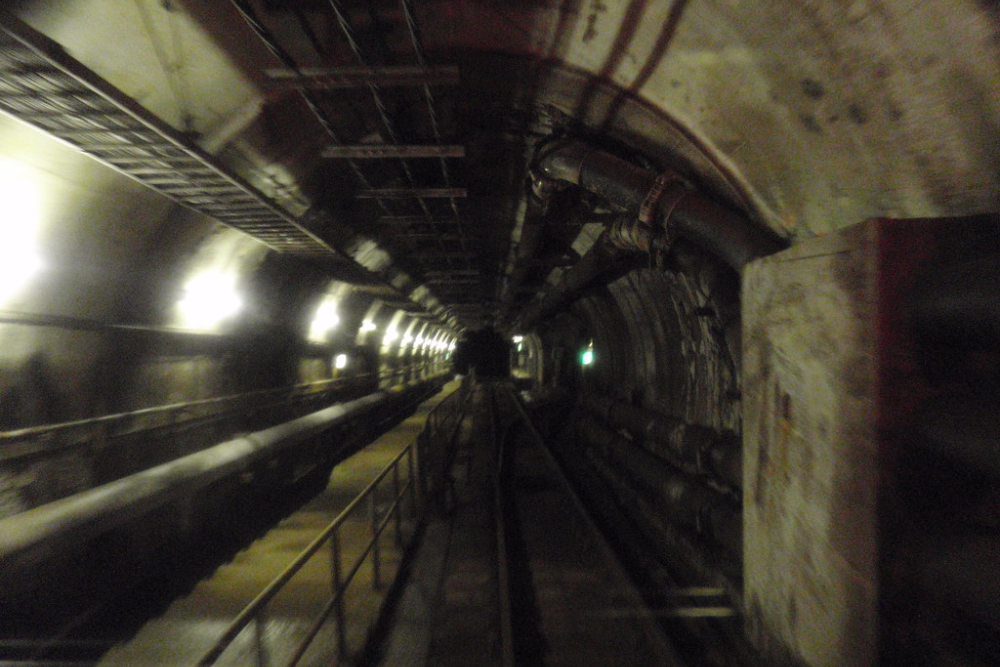
The Seikan Tunnel in Japan holds the crown as the world’s longest undersea rail tunnel, stretching an incredible 33.5 miles with 14.3 miles running beneath the seafloor. This engineering giant connects Japan’s main island of Honshu with Hokkaido, replacing dangerous ferry crossings that claimed over 1,400 lives in a single 1954 typhoon.
Construction took 24 years and cost 34 workers their lives, but the result is a tunnel that can handle trains traveling safely 790 feet below sea level, even during the worst storms.
Channel Tunnel
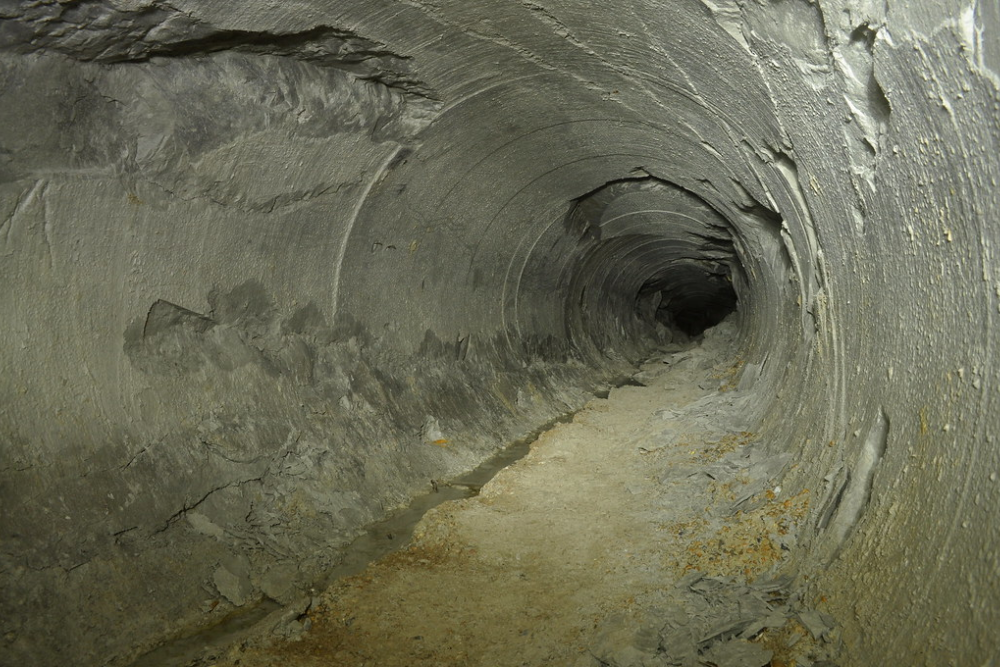
The famous ‘Chunnel’ linking England and France spans 31.4 miles, with 23.5 miles running under the English Channel—making it the tunnel with the longest undersea section in the world. This isn’t just one tunnel but actually three running parallel to each other, with trains carrying both passengers and their cars through the smaller two while a service tunnel handles ventilation and emergency access.
The journey that once took over an hour by ferry now takes just 35 minutes on the high-speed Eurostar, and the tunnel is recognized as one of the Seven Wonders of the Modern World.
Like Go2Tutors’s content? Follow us on MSN.
Rogfast Tunnel
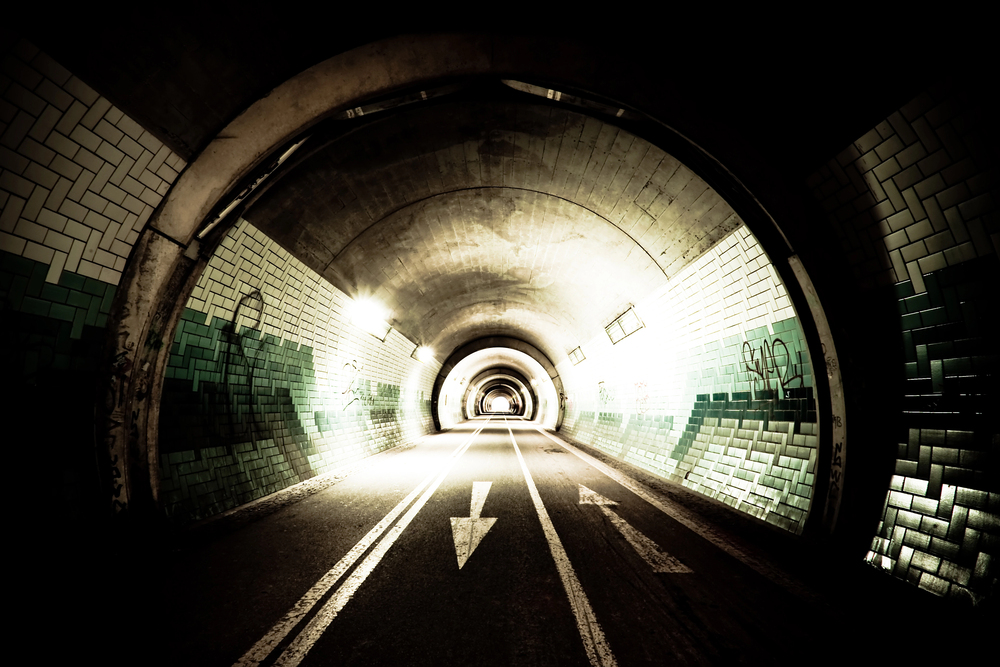
Currently under construction in Norway, the Rogfast Tunnel will shatter records when it opens in 2033 as both the longest and deepest underwater road tunnel on the planet. This monster project will stretch 16.6 miles and dive to an incredible 1,286 feet below sea level—deeper than the Empire State Building is tall.
The twin tunnels will slash travel time between Stavanger and Bergen by nearly half, eliminating ferry crossings that can be shut down by harsh North Sea weather.
Tokyo Bay Aqua-Line
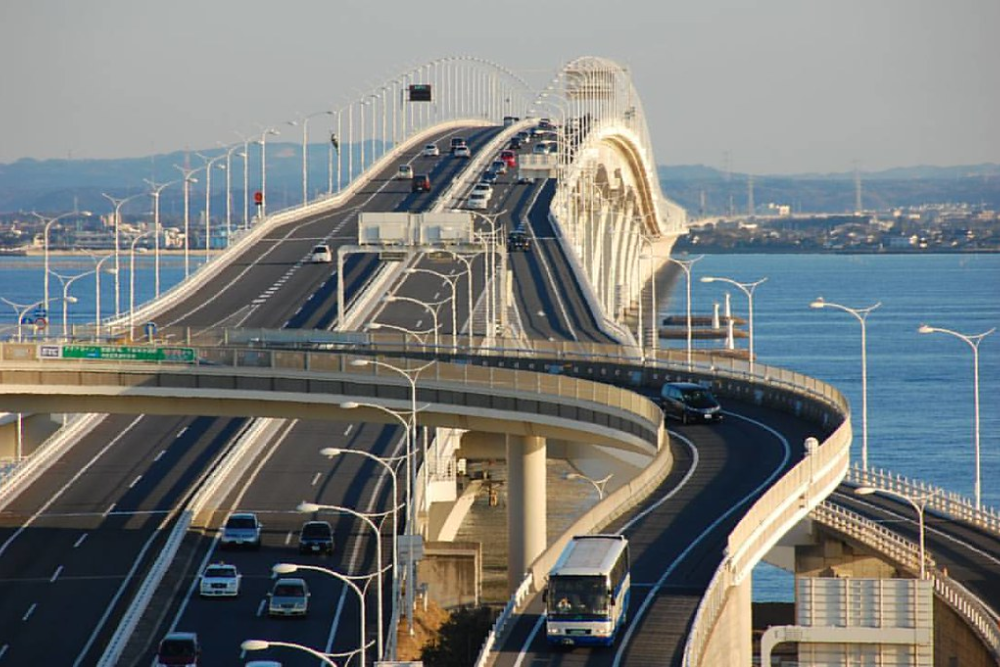
Japan’s Tokyo Bay Aqua-Line is a 9.4-mile marvel that combines both a bridge and an underwater tunnel, connected by an artificial island that looks like something from a science fiction movie. The underwater portion stretches 5.9 miles beneath Tokyo Bay, transforming a 62-mile journey around the bay into a quick 15-minute drive.
What makes this tunnel especially remarkable is how it seamlessly transitions from underwater roadway to bridge via the man-made Umihotaru island, complete with restaurants and observation decks.
Eiksund Tunnel
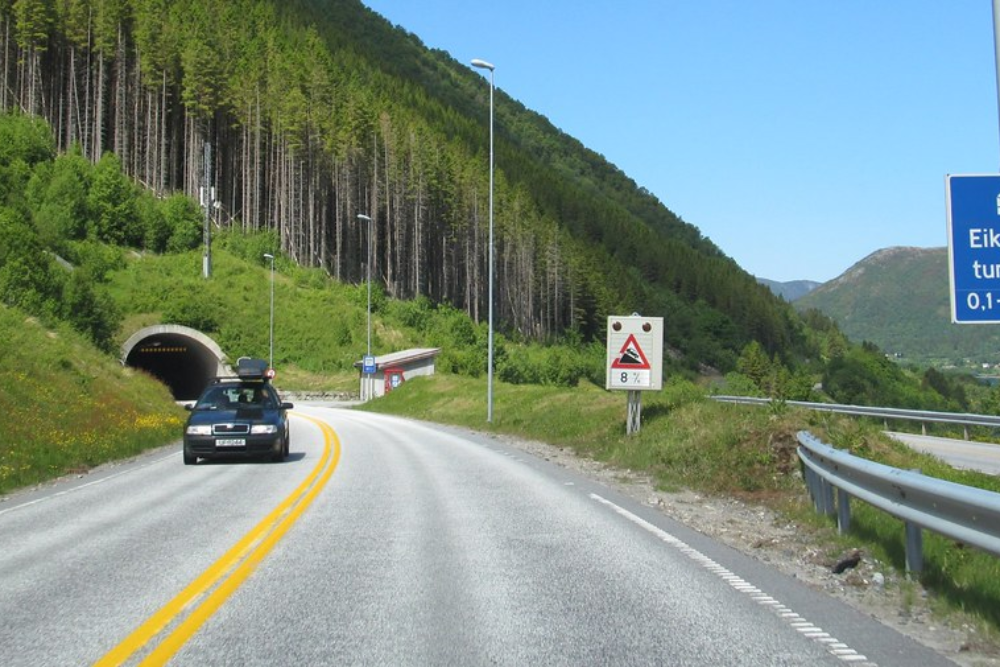
Norway’s Eiksund Tunnel holds the distinction of being the deepest underwater tunnel in the world, plunging 942 feet below sea level through some of the most challenging geology imaginable. Engineers had to carve through unstable greenstone using rock bolting techniques to prevent landslides while creating a passage that cut travel time between islands from 45 minutes to just 10.
The tunnel’s extreme depth means drivers experience a descent and ascent that feels more like an underground roller coaster than a typical roadway.
Like Go2Tutors’s content? Follow us on MSN.
Eysturoyartunnilin
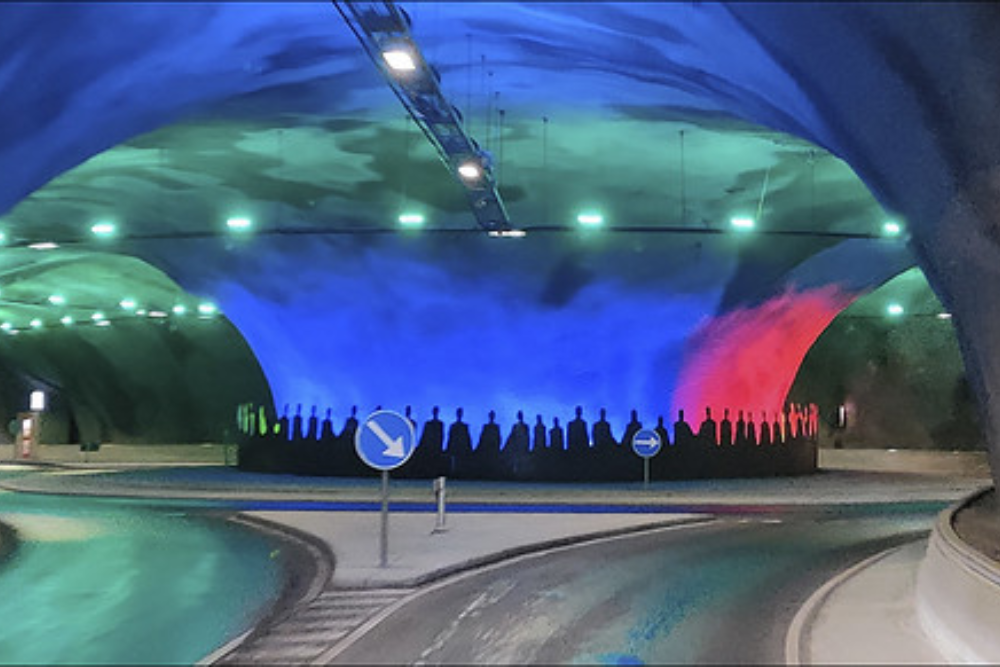
The Faroe Islands’ Eysturoyartunnilin tunnel created something that has never existed before: the world’s first and only underwater roundabout. This 6.9-mile tunnel features a spectacular jellyfish-themed intersection 600 feet below the North Atlantic, complete with multicolored LED lighting, sculpture installations, and accompanying music.
The tunnel connects the two largest Faroe Islands and transforms what was once a weather-dependent ferry journey into a reliable year-round road connection through one of the most remote archipelagos on Earth.
Jinan Huanggang Tunnel
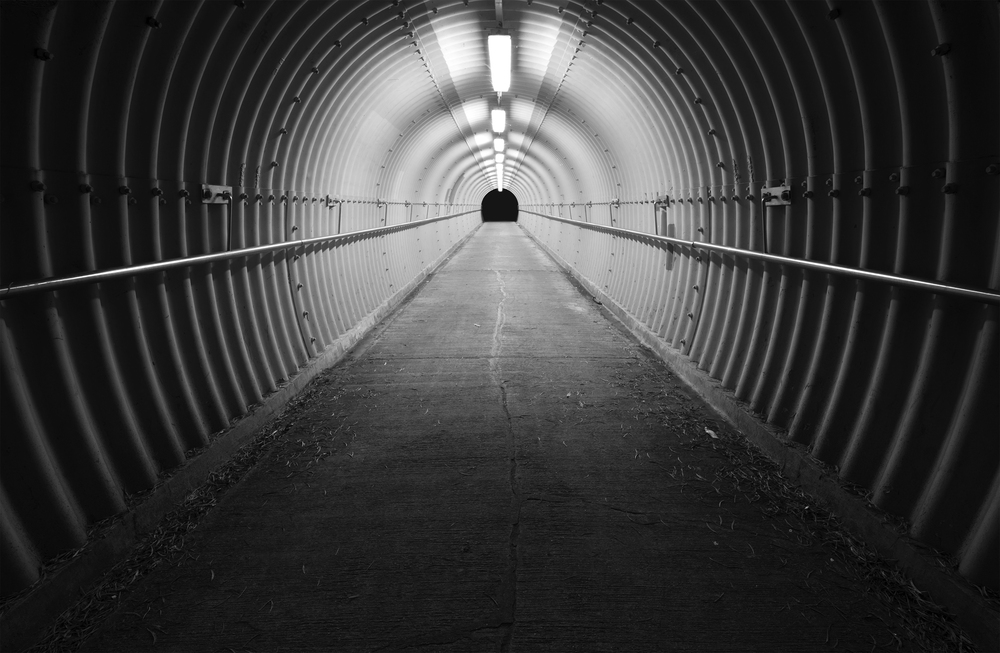
China’s newest underwater giant, the Jinan Huanggang Tunnel, just set a world record for the largest diameter underwater tunnel ever built at an enormous 55.8 feet across. This double-decker roadway will carry six lanes of traffic in each direction beneath the Yellow River, and crews managed to complete the underwater shielding section in just 110 days using a tunnel boring machine the size of a five-story building.
The sheer scale means this tunnel could easily fit a subway train with room to spare on either side.
Qingdao Jiaozhou Bay Tunnel
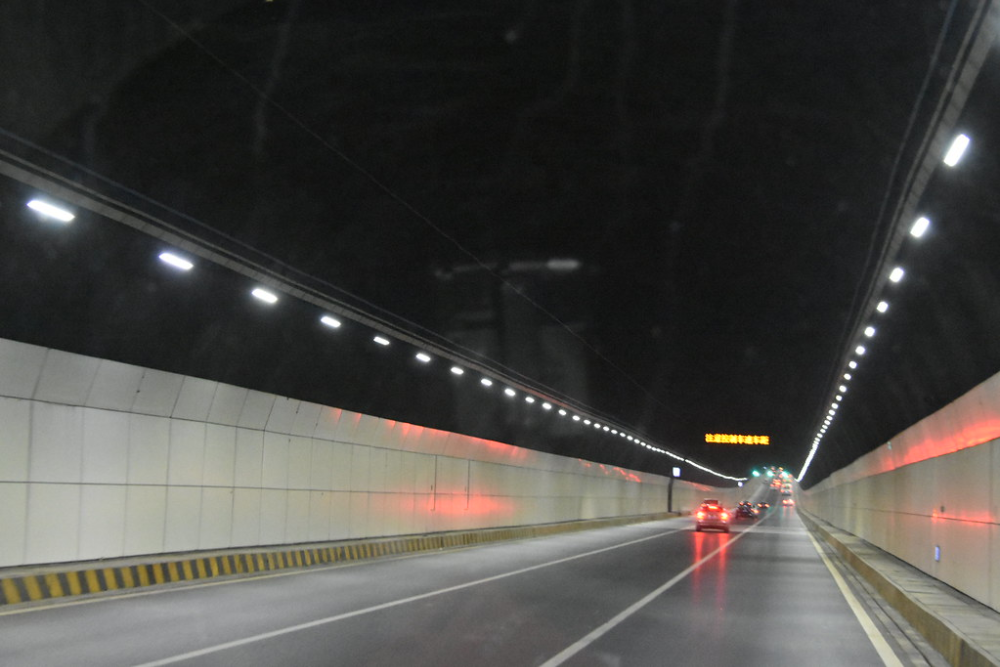
Stretching 4.95 miles beneath China’s Jiaozhou Bay, this tunnel represents one of the longest underwater road tunnels in Asia and connects the bustling port city of Qingdao with its southern districts. Construction required five years of careful planning and execution to deal with challenging underwater geology and high water pressure.
The tunnel has become crucial infrastructure for one of China’s most important ports, handling massive cargo traffic that keeps global trade flowing smoothly.
Like Go2Tutors’s content? Follow us on MSN.
Hong Kong Cross Harbour Tunnel
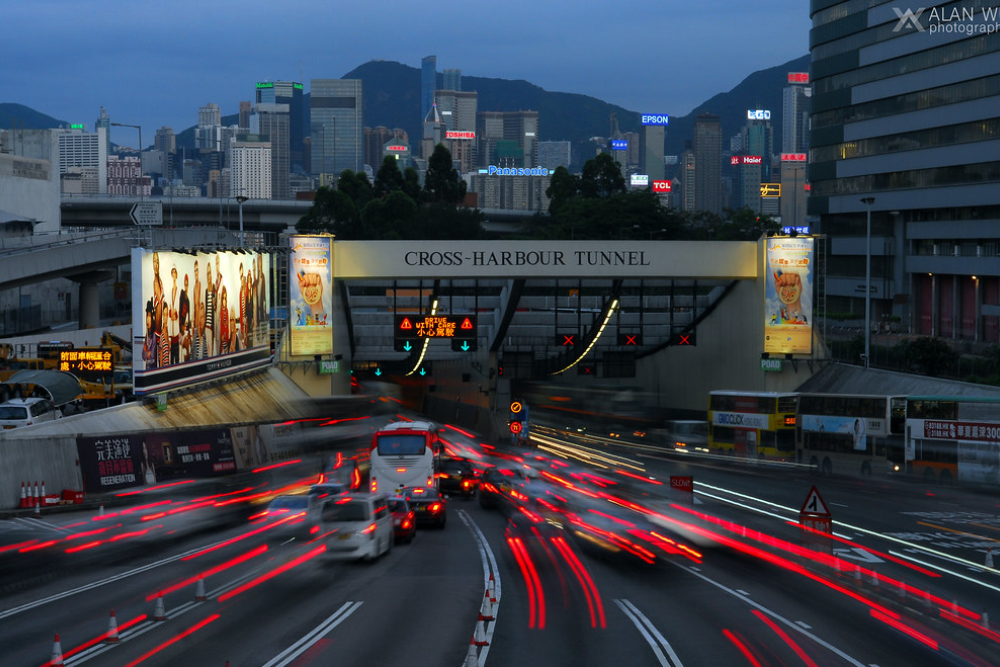
Hong Kong’s original Cross Harbour Tunnel might be relatively short at just 1.2 miles, but it’s arguably the most intensively used underwater tunnel on the planet, with over 116,000 vehicles passing through daily. This tunnel has been a victim of its own success, creating some of the worst traffic jams in Hong Kong as three lanes in each direction simply can’t handle the volume of traffic between Hong Kong Island and the mainland.
Despite the congestion, it remains an essential artery that keeps one of the world’s busiest cities functioning.
Thames Tunnel
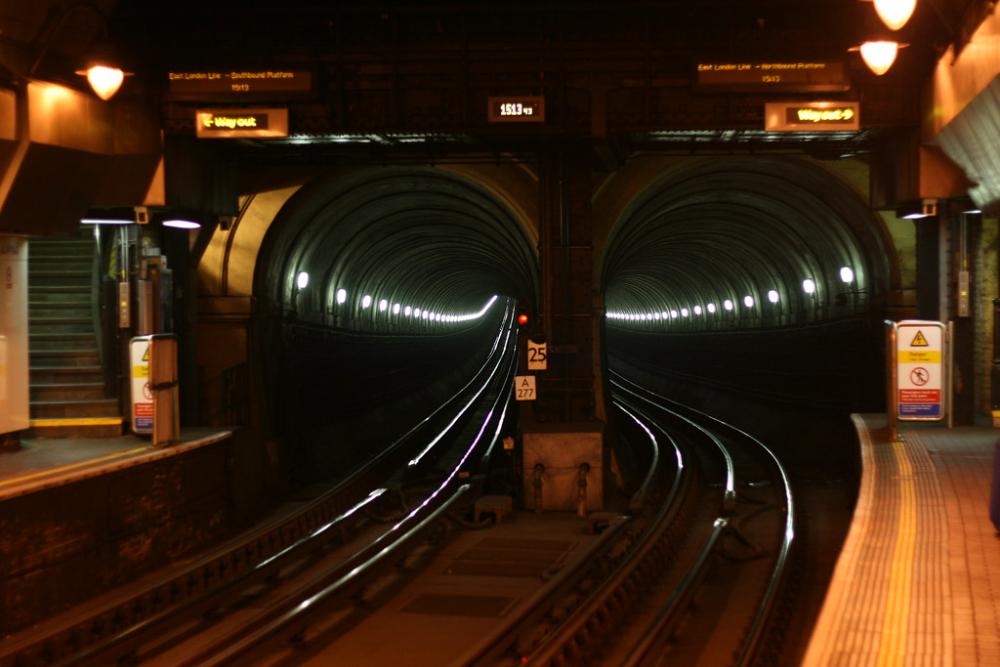
London’s Thames Tunnel deserves recognition as the grandfather of all underwater tunnels, completed way back in 1843 using revolutionary ‘tunneling shield’ technology inspired by watching shipworms bore through wood. This 1,200-foot tunnel took 18 years to build and survived multiple catastrophic floods that nearly killed the project.
Originally designed for horse-drawn carriages, it was later converted for railway use and proved that humans could successfully build beneath major waterways, inspiring every underwater tunnel that followed.
Great Belt Fixed Link
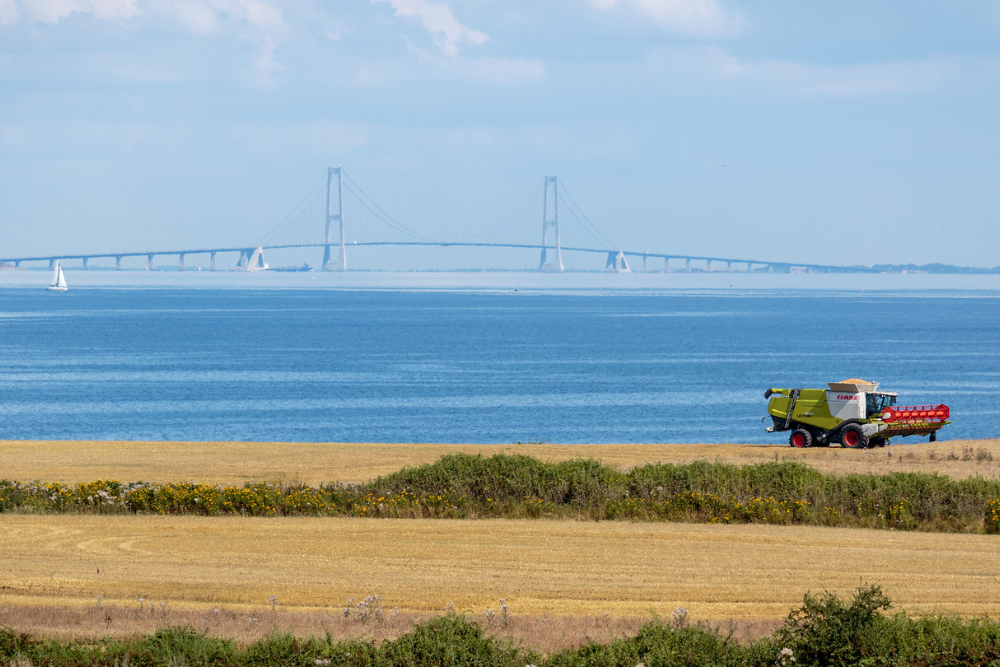
Denmark’s Great Belt Fixed Link combines both bridges and an underwater tunnel to connect the country’s main islands across 11 miles of open water. The tunnel portion handles rail traffic while bridges carry road traffic, creating a transportation system that withstands harsh Baltic Sea conditions year-round.
This engineering approach solved the problem of allowing both ship traffic through the strait and reliable land-based transportation, proving that sometimes the best solution combines multiple technologies.
Like Go2Tutors’s content? Follow us on MSN.
Chesapeake Bay Bridge-Tunnel
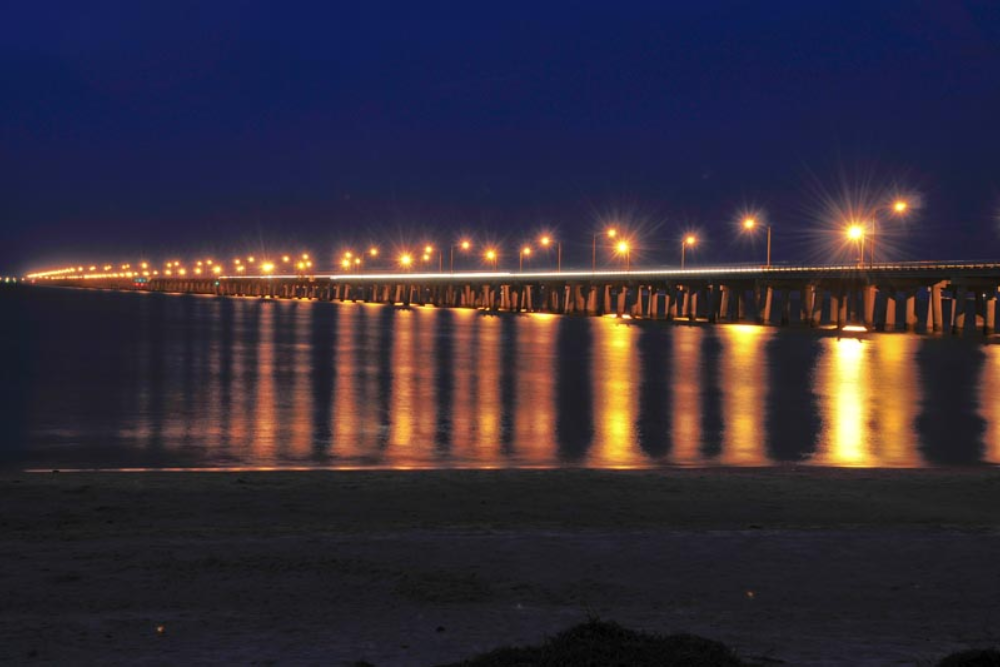
Virginia’s Chesapeake Bay Bridge-Tunnel stretches an impressive 23 miles across the mouth of the Chesapeake Bay, incorporating two underwater tunnel sections totaling 3.2 miles to allow massive ships to pass overhead. This structure combines the best of both worlds: bridges that provide stunning views and tunnels that keep shipping lanes clear for vessels heading to major East Coast ports.
The engineering challenge involved building in an area prone to hurricanes while maintaining one of America’s busiest shipping channels.
Hamburg Elbe Tunnel
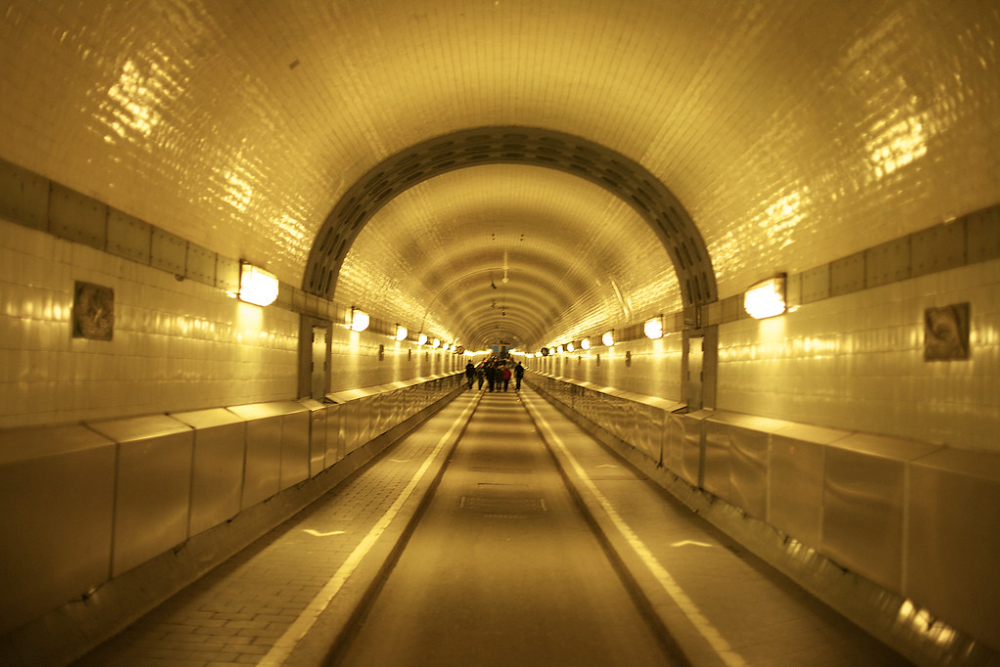
Germany’s Hamburg Elbe Tunnel, completed in 1975, showcases how underwater tunnels can handle massive urban traffic loads with its eight lanes spanning 2 miles beneath the Elbe River. This tunnel carries over 120,000 vehicles daily through the heart of one of Europe’s busiest ports, proving that underwater infrastructure can successfully serve both commercial shipping and civilian transportation needs.
The tunnel’s design allows Hamburg’s port to operate without interruption while providing a reliable crossing for the city’s residents.
Suez Canal Tunnel
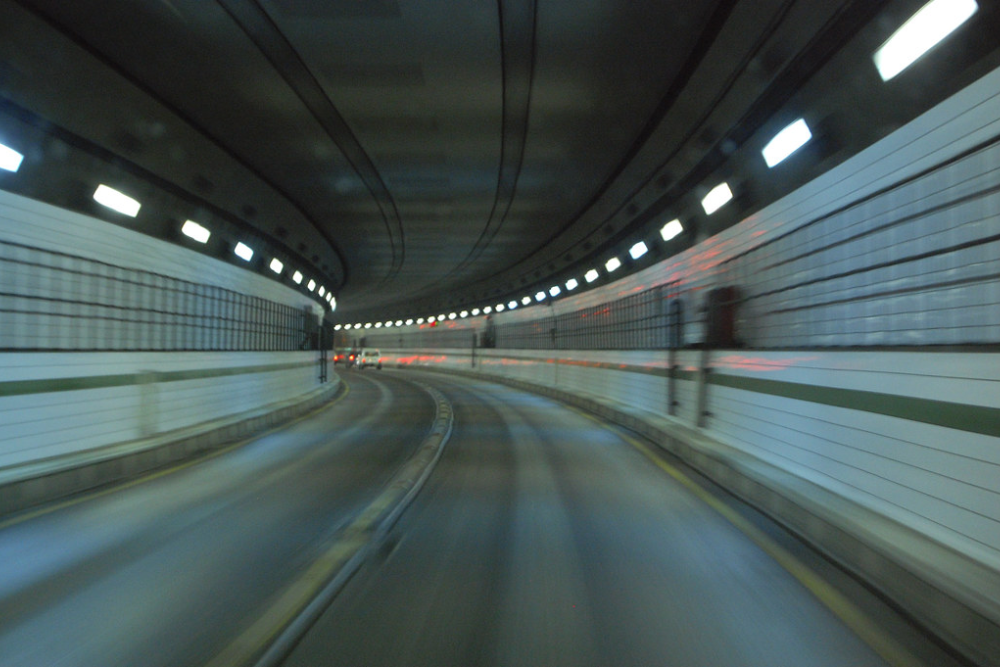
Egypt’s Suez Canal Tunnel creates a unique connection between Africa and Asia with its 1-mile passage beneath one of the world’s most important shipping waterways. This tunnel handles the challenging task of providing a crossing point without disrupting the constant flow of cargo ships that carry a significant percentage of global trade through the canal.
The engineering required special consideration for the sandy soil conditions and the need to maintain the canal’s precise depth requirements for supertankers.
Like Go2Tutors’s content? Follow us on MSN.
Vardø Tunnel
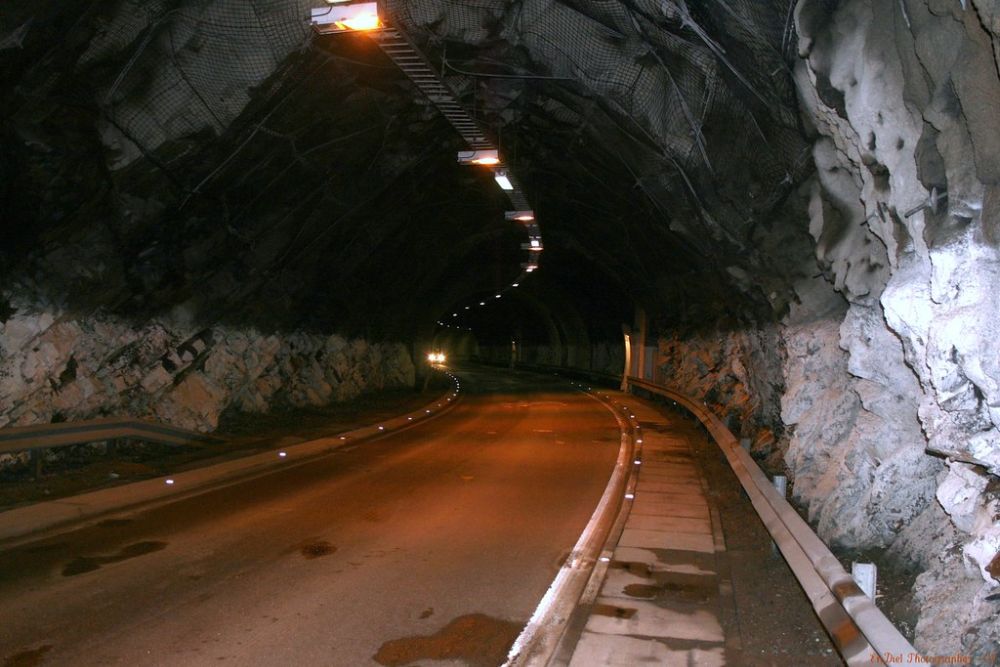
Norway’s remote Vardø Tunnel extends 1.8 miles beneath Arctic waters to connect the mainland with an isolated community, representing one of the most extreme tunnel-building environments on Earth. Construction crews had to work in sub-Arctic conditions while dealing with permafrost and extreme cold that could freeze equipment and make concrete curing nearly impossible.
This tunnel serves fewer than 2,200 residents but provides a lifeline that keeps this remote Arctic community connected year-round when sea ice and storms make other transportation impossible.
Sydney Harbour Tunnel
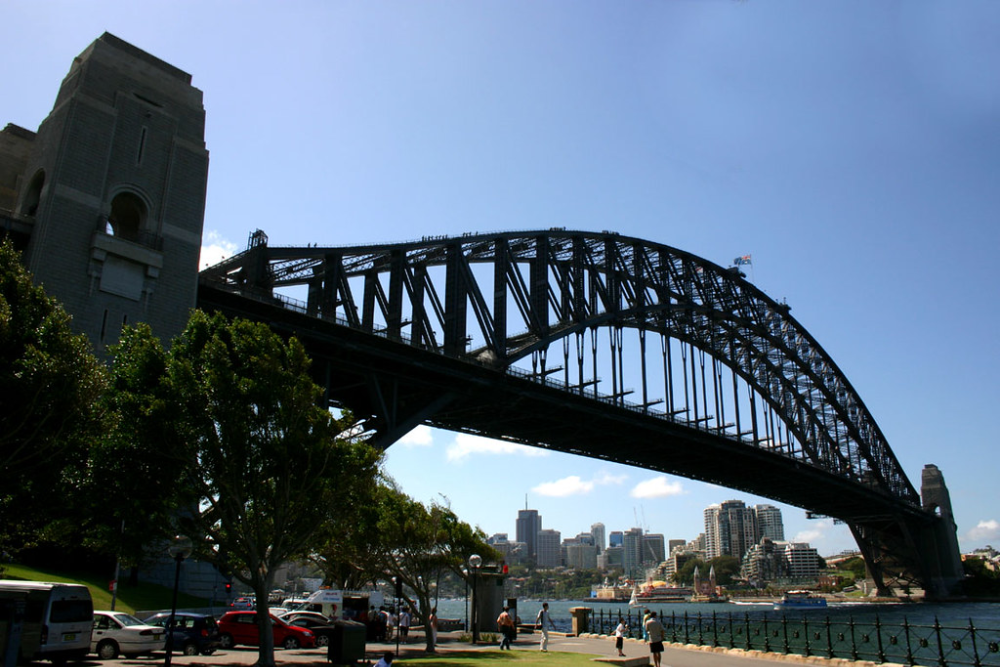
Australia’s Sydney Harbour Tunnel stretches 1.5 miles beneath one of the world’s most famous harbors, providing a crucial traffic alternative to the iconic Sydney Harbour Bridge that was becoming increasingly congested. The tunnel’s construction required innovative engineering to work beneath an active harbor filled with ferry traffic, pleasure boats, and cargo ships.
What makes this tunnel particularly impressive is how it manages to handle eight lanes of traffic while preserving the harbor’s recreational and commercial activities above.
Connecting Past to Future

These 16 underwater tunnels represent more than just transportation infrastructure—they’re proof that human ingenuity can overcome seemingly impossible geographical barriers. From the pioneering Thames Tunnel that started it all in 1843 to the record-breaking projects currently under construction, each tunnel pushed the boundaries of what engineers thought possible.
Today’s tunnel boring machines can carve through solid rock at speeds that would amaze the workers who spent decades hand-digging the early tunnels, while computer modeling helps predict and prevent the floods and cave-ins that once claimed dozens of lives. These underwater passages haven’t just connected distant shores; they’ve connected us to our own potential for solving problems that once seemed unsolvable.
Like Go2Tutors’s content? Follow us on MSN.
More from Go2Tutors!

- 16 Historical Figures Who Were Nothing Like You Think
- 12 Things Sold in the 80s That Are Now Illegal
- 15 VHS Tapes That Could Be Worth Thousands
- 17 Historical “What Ifs” That Would Have Changed Everything
- 18 TV Shows That Vanished Without a Finale
Like Go2Tutors’s content? Follow us on MSN.



