Most Anticipated Game Sequels That Took Forever
Waiting for a game sequel can feel like torture. Developers announce a title, show a teaser trailer, and then vanish into silence for years.
Sometimes a decade passes. Fans refresh forums, analyze every corporate statement, and wonder if they’ll ever actually play what they’ve been promised.
Some of these games eventually arrived and justified the wait. Others became cautionary tales about ambition exceeding reality.
A few are still trapped in development limbo, existing only as broken promises and fading hope.
Duke Nukem Forever Became a Punchline
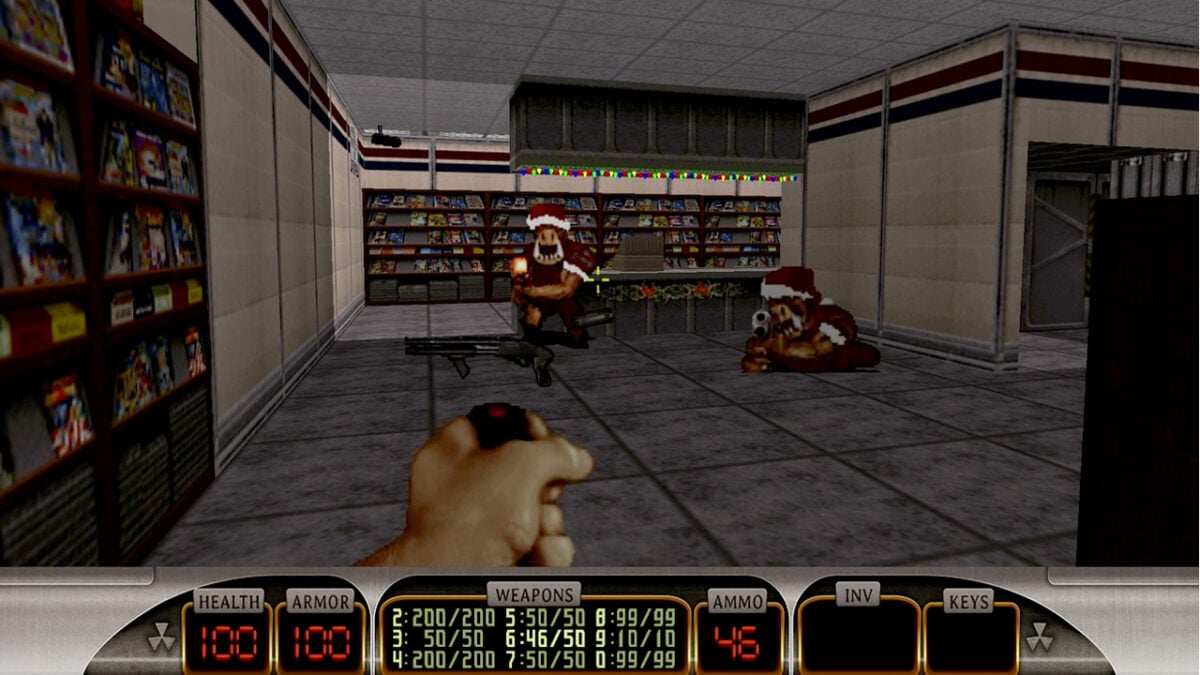
Duke Nukem 3D dominated the first-person shooter scene in 1996. Fans expected the sequel quickly.
Instead, they had a 14-year nightmare. Developer 3D Realms announced Duke Nukem Forever in 1997 with a planned 1998 release.
That date came and went. Then 1999. Then 2000.
The game kept getting reworked as technology advanced. New engines replaced old ones.
Features got added, scrapped, and reimagined. Screenshots appeared occasionally, looking dated by the time they went public.
The project became infamous for “development hell”—a situation where a game stays in production indefinitely without clear progress. 3D Realms eventually ran out of money.
Gearbox Software picked up the pieces and finally released Duke Nukem Forever in 2011. Critics destroyed it.
The humor felt outdated. The gameplay mechanics belonged to a previous era.
All those years of development produced something that felt old on arrival. The game sold decently on curiosity alone, but nobody considered it worth the wait.
Half-Life 3 Became Gaming’s Biggest Ghost
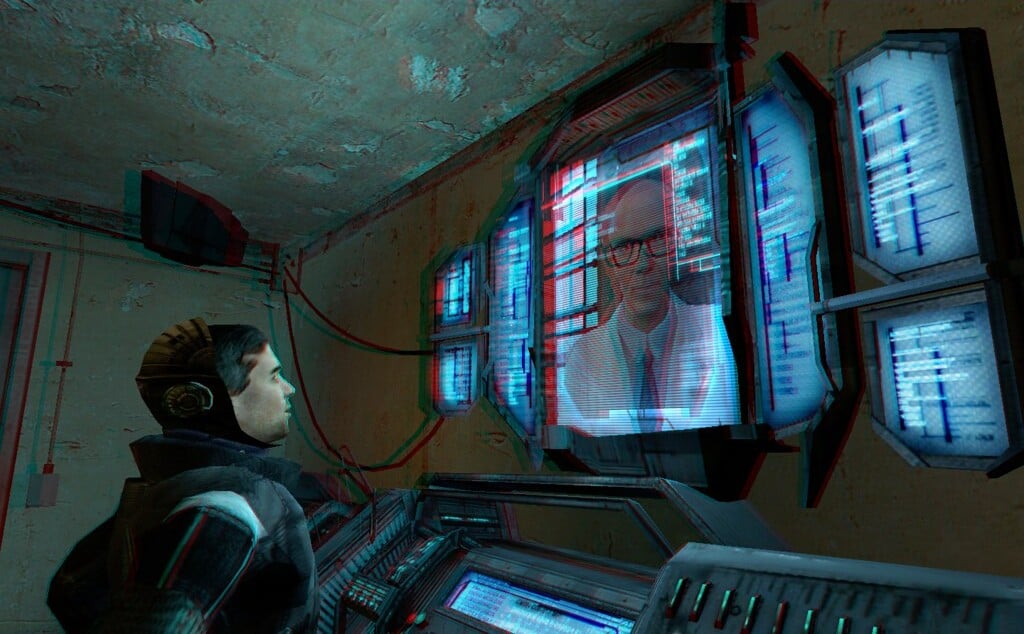
Half-Life 2: Episode Two ended on a cliffhanger in 2007. Valve promised Episode Three would conclude the story.
That promise turned into one of gaming’s most persistent mysteries. Years passed without official word.
Valve shifted focus to Steam, its digital distribution platform, and multiplayer games. The company’s flat organizational structure meant developers worked on whatever interested them.
Apparently, finishing Gordon Freeman’s story didn’t interest enough people. Fans analyzed every Valve statement for hidden clues.
Rumors circulated whenever an employee changed LinkedIn profiles or someone spotted unusual file names in updates. The phrase “Half-Life 3 confirmed” became a meme mocking the community’s desperate hope.
Valve eventually released Half-Life: Alyx in 2020, a VR prequel that advanced the story slightly but left the main narrative unresolved. The traditional Half-Life sequel remains abandoned, probably forever.
The Last Guardian Tested Patience and Faith
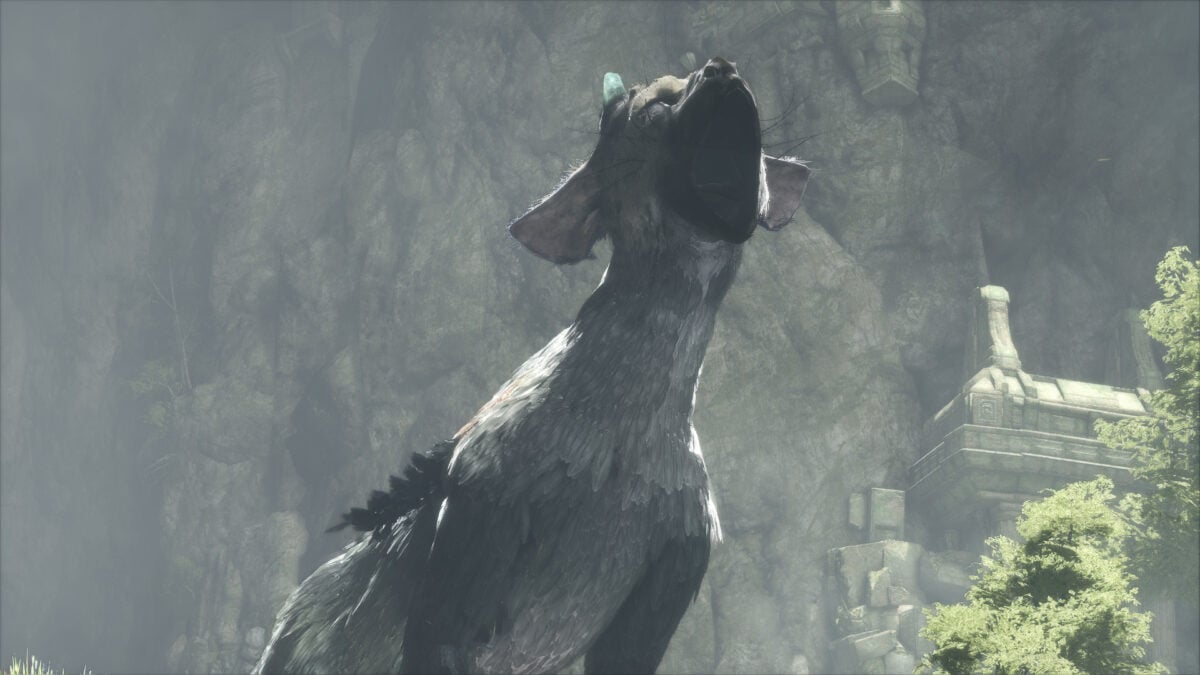
Team Ico announced The Last Guardian in 2009 for PlayStation 3. The studio had created Ico and Shadow of the Colossus, beloved games known for emotional storytelling and unique gameplay.
Expectations ran high. Then development problems piled up.
The PS3’s technical limitations frustrated the team. Director Fumito Ueda left Sony but continued as a contractor. The game went dark for years, and many assumed it was canceled.
Sony finally confirmed in 2015 that The Last Guardian had moved to PlayStation 4. The game was released in 2016, seven years after its announcement.
Critics praised the artistic vision and the relationship between the boy protagonist and Trico, his giant creature companion. They also noted awkward camera controls and technical issues.
The long development created impossible expectations. Some players found the experience magical.
Others felt disappointed that seven years of work produced something that felt rough around the edges.
Final Fantasy XV Spent a Decade Lost
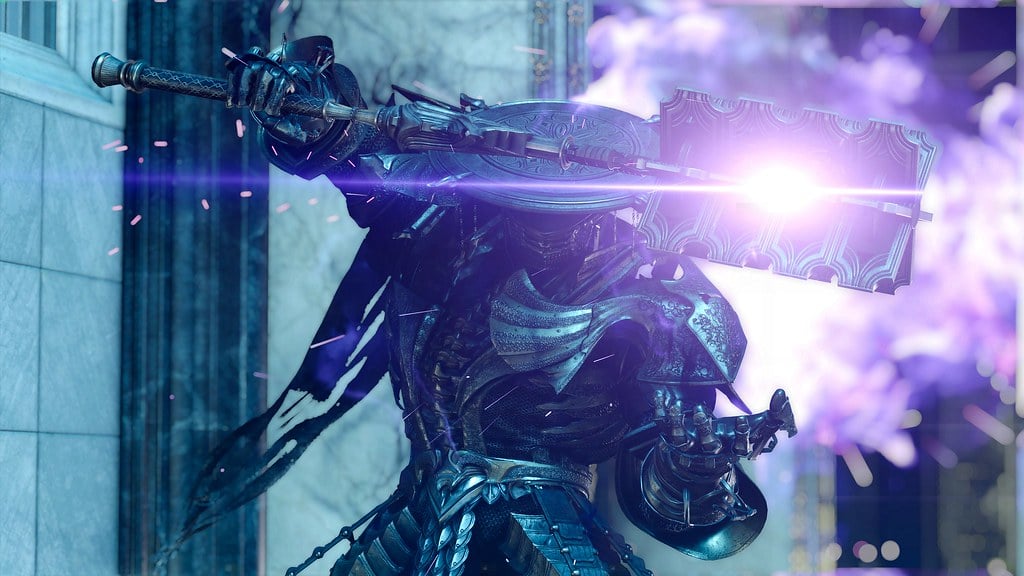
Square Enix announced Final Fantasy Versus XIII in 2006 as part of a multimedia project centered on the Final Fantasy XIII universe. Director Tetsuya Nomura envisioned a darker, more action-focused game than typical Final Fantasy entries.
Development dragged on while the main Final Fantasy XIII came and went. The project kept getting delayed as resources shifted to other titles.
Rumors suggested the game faced serious technical and directional problems. In 2012, Square Enix went silent on Versus XIII.
In 2013, they revealed it had transformed into Final Fantasy XV, now a mainline entry rather than a spin-off. Hajime Tabata took over as director.
The game was finally released in 2016, ten years after its original announcement. The reception was mixed.
The open-world road trip with friends had charm, but the story felt incomplete and the second half rushed. Square Enix spent years releasing patches and DLC trying to fill gaps in the narrative.
The development hell had created a game that felt like pieces duct-taped together rather than a cohesive vision.
Diablo III Made Fans Wait 12 Years
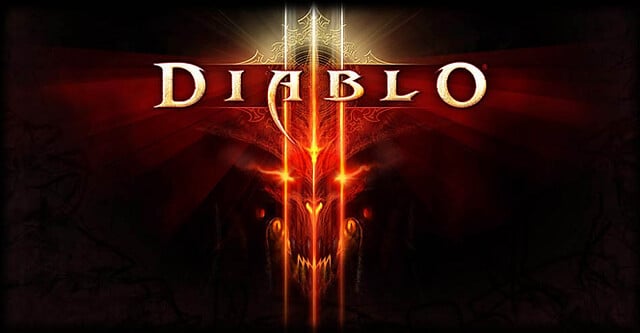
Diablo II defined the action RPG genre in 2000. Blizzard took their time with the sequel. They announced Diablo III in 2008, already eight years after its predecessor.
Then development continued for four more years. Blizzard repeatedly delayed the game to polish features and refine systems.
They scrapped and rebuilt the skill system multiple times. Art direction changed to a slightly more colorful style, which hardcore fans hated.
The game launched in 2012 with major problems. The auction house, where players could buy and sell items for real money, broke the core gameplay loop.
Server issues plagued the launch. The always-online requirement angered players who wanted to play solo.
Despite these issues, the game sold over 30 million copies. Blizzard eventually fixed most problems, removing the auction house and adding adventure mode.
The Reaper of Souls expansion in 2014 transformed Diablo III into the game it should have been at launch. But those first two years showed how long development time doesn’t guarantee a smooth release.
Shenmue III Returned After 18 Years
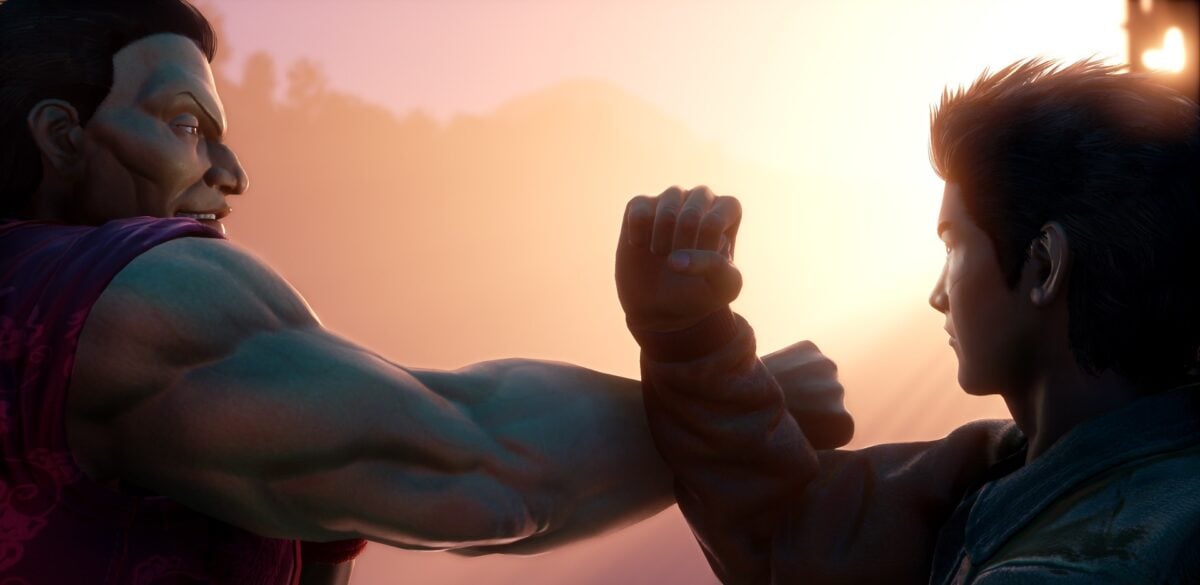
Shenmue and Shenmue II on Dreamcast built a cult following in the early 2000s. Creator Yu Suzuki had planned a multi-game saga.
Sega’s financial troubles and the Dreamcast’s commercial failure killed those plans. Shenmue II ended on another cliffhanger. Fans resigned themselves to never seeing the conclusion.
Then Yu Suzuki announced a Kickstarter for Shenmue III in 2015. The campaign raised over $6 million, showing that the demand still existed.
The game was finally released in 2019, 18 years after Shenmue II. Critics gave it middling reviews.
The gameplay felt dated, stuck in design philosophies from two decades earlier. The story advanced but didn’t conclude.
Fans who had waited almost two decades got a game that felt like a museum piece. Some appreciated the nostalgic experience.
Others wondered why they’d waited so long for something that refused to evolve.
Kingdom Hearts III Kept Disney Fans Waiting
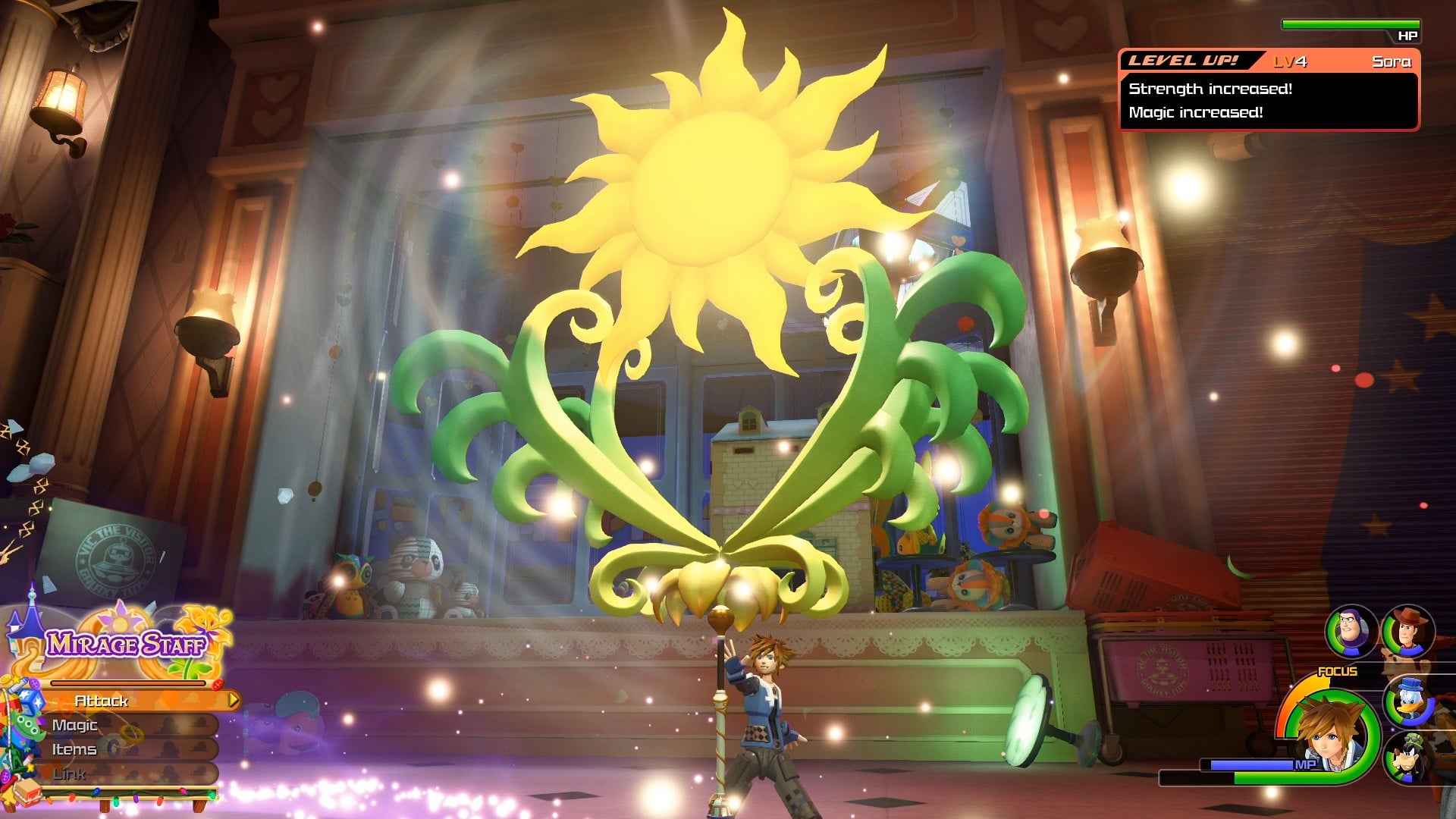
Kingdom Hearts II came out in 2005. Square Enix announced Kingdom Hearts III in 2013. Between those points, the series released numerous side games on different platforms, each adding confusing layers to an already convoluted plot.
Fans who just wanted the next main entry had to track down games on PSP, Nintendo DS, and mobile phones to follow the story. Development on Kingdom Hearts III restarted partway through when Square Enix switched from one game engine to another.
Director Tetsuya Nomura juggled multiple projects simultaneously, spreading his attention thin. The game finally arrived in 2019, 14 years after Kingdom Hearts II. It sold well and pleased most fans, though some felt the combat was too flashy and the story tried too hard to wrap up every loose thread from a decade of spin-offs.
The wait had built expectations that no game could fully meet.
Starcraft II Arrived After 12 Years
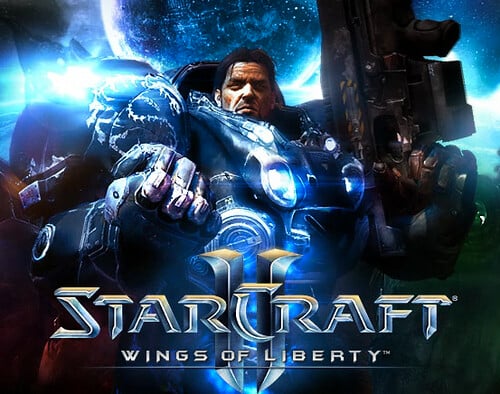
Starcraft dominated competitive gaming in the late 1990s, especially in South Korea where professional players achieved celebrity status. Blizzard went silent on the sequel for years while they worked on World of Warcraft.
They finally announced Starcraft II in 2007. The game was released in 2010 as Wings of Liberty, the first part of a planned trilogy.
Heart of the Swarm followed in 2013, and Legacy of the Void concluded the story in 2015. The 12-year gap between Starcraft and Starcraft II seemed justified when it was released.
The campaign was polished, the competitive multiplayer thrived, and the esports scene exploded globally. Blizzard had taken their time and delivered.
But the decision to split the sequel into three separate releases over five years frustrated fans who wanted the complete story. At least the long wait produced a worthy successor, unlike some entries on this list.
Team Fortress 2 Emerged from Multiplayer Evolution
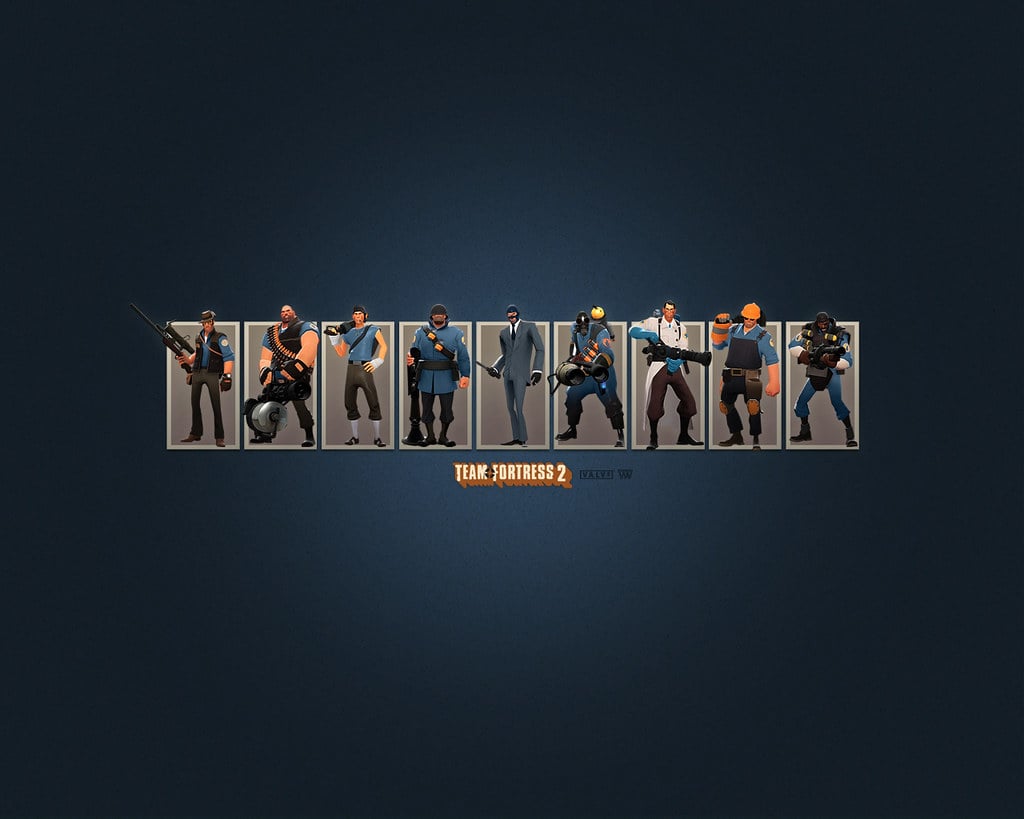
Valve announced Team Fortress 2 as a realistic military shooter in 1999, a sequel to the popular Quake mod. Then silence.
The game languished in development as Valve focused on Half-Life 2 and building the Source engine. Occasional screenshots showed a gritty, modern warfare aesthetic.
When Team Fortress 2 finally appeared in 2007, it looked nothing like the original concept. Valve had scrapped the realistic approach for a cartoon art style inspired by mid-century illustration.
The gameplay emphasized class-based teamwork with exaggerated character designs and a humorous tone. The eight-year transformation produced one of the most influential multiplayer shooters ever made.
The art direction still looks distinctive today. Going free-to-play in 2011 brought in millions more players. Sometimes a long development cycle allows a game to find its true identity.
Alan Wake II Required 13 Years
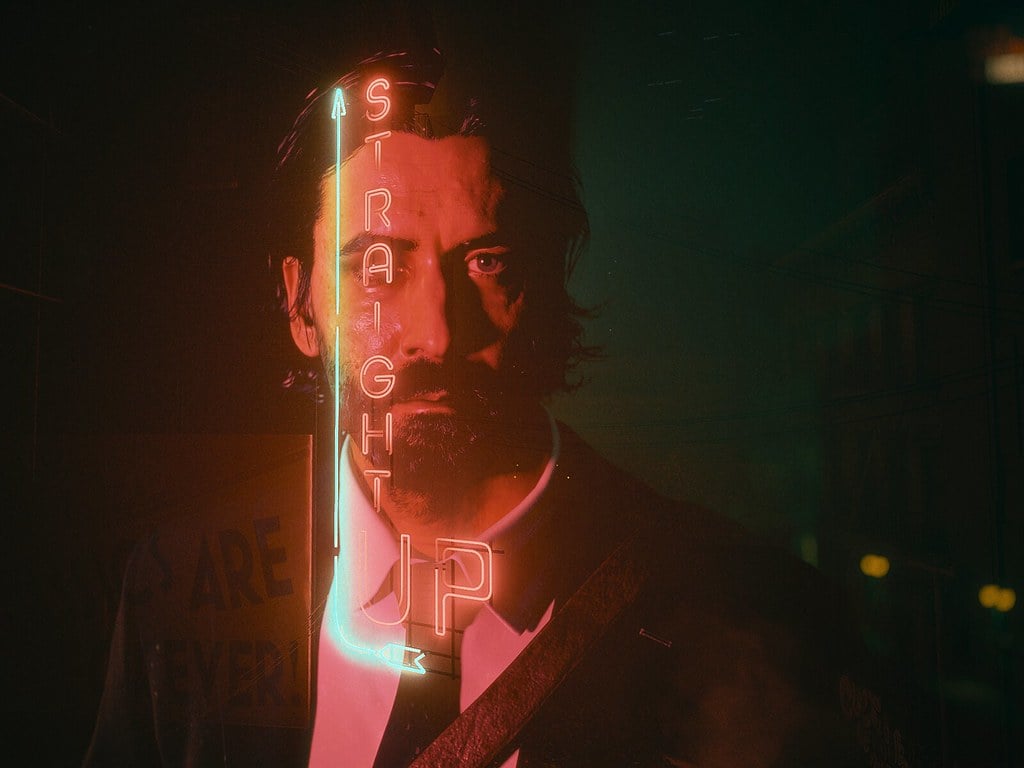
Remedy Entertainment released Alan Wake in 2010, a psychological thriller about a writer trapped in a nightmare. The game ended with major questions unanswered.
Remedy wanted to make a sequel but couldn’t secure funding. They made other games instead—Quantum Break and Control—while Alan Wake’s story sat unfinished.
In 2021, Remedy announced they were finally working on Alan Wake II. The game was released in October 2023, 13 years after the original.
Critics praised it as one of the best games of the year. The survival horror approach and dual protagonist structure showed how Remedy had evolved as developers.
The long gap allowed the team to refine their vision rather than rush a sequel. Fans who had waited over a decade got something that justified their patience.
Beyond Good and Evil 2 Remains Trapped
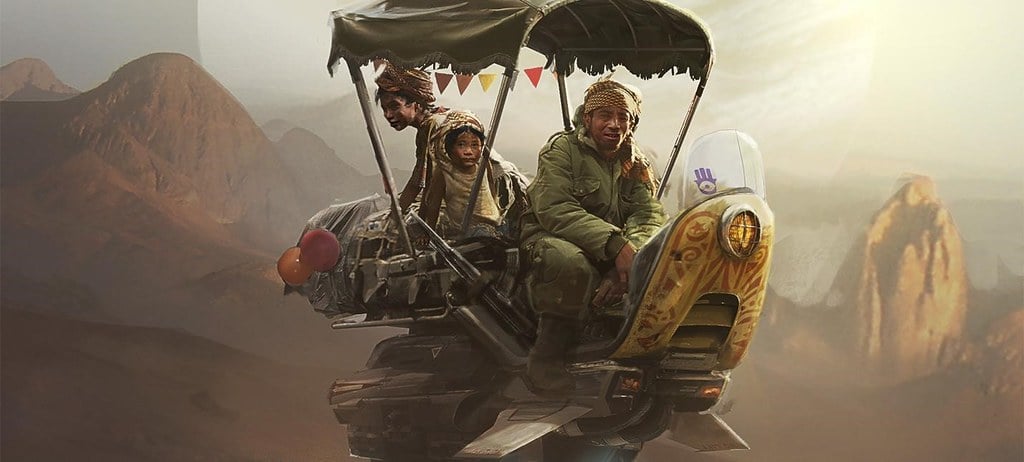
Ubisoft announced Beyond Good and Evil 2 in 2008 with a teaser trailer. Then nothing.
Years passed. In 2016, creator Michel Ancel said it was still in development. Ubisoft showed a new trailer in 2017 with a completely different tone and setting—a prequel rather than a sequel.
Development continued with occasional updates showing concept art and gameplay snippets. As of now, the game still hasn’t been released.
Ancel left Ubisoft in 2020. Reports suggest the project has faced multiple restarts and direction changes. Fans who got excited in 2008 have been waiting over 15 years with nothing to play.
The game has become another cautionary tale about announcing projects too early and losing control of development vision.
Metroid Prime 4 Stays Stubbornly Unreleased
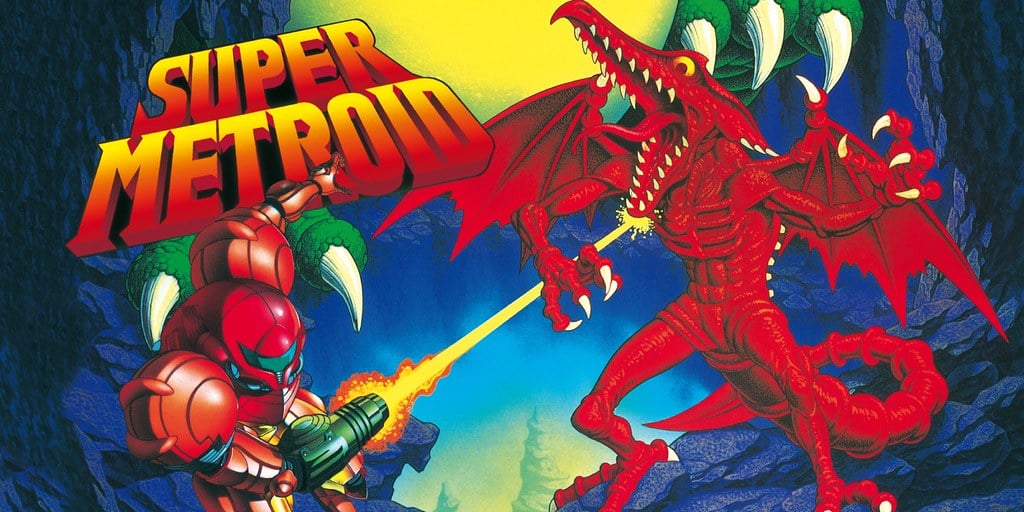
Nintendo announced Metroid Prime 4 in 2017 with a simple logo. Fans of the series, which hadn’t seen a proper entry since 2007’s Metroid Prime 3, celebrated.
Then silence. In 2019, Nintendo made an unusual announcement—they were scrapping all development and restarting from scratch with Retro Studios, the developer of the original trilogy. Years have passed since that restart.
Nintendo has shown nothing. No screenshots, no gameplay, no release window.
The game exists in a strange limbo where everyone knows it’s being made, but nobody knows when they’ll see it. Some fans joke they’ll be in retirement homes when Metroid Prime 4 finally releases.
The complete lack of information makes the wait worse than projects that at least show occasional progress updates.
Cyberpunk 2077’s Long Road to Redemption
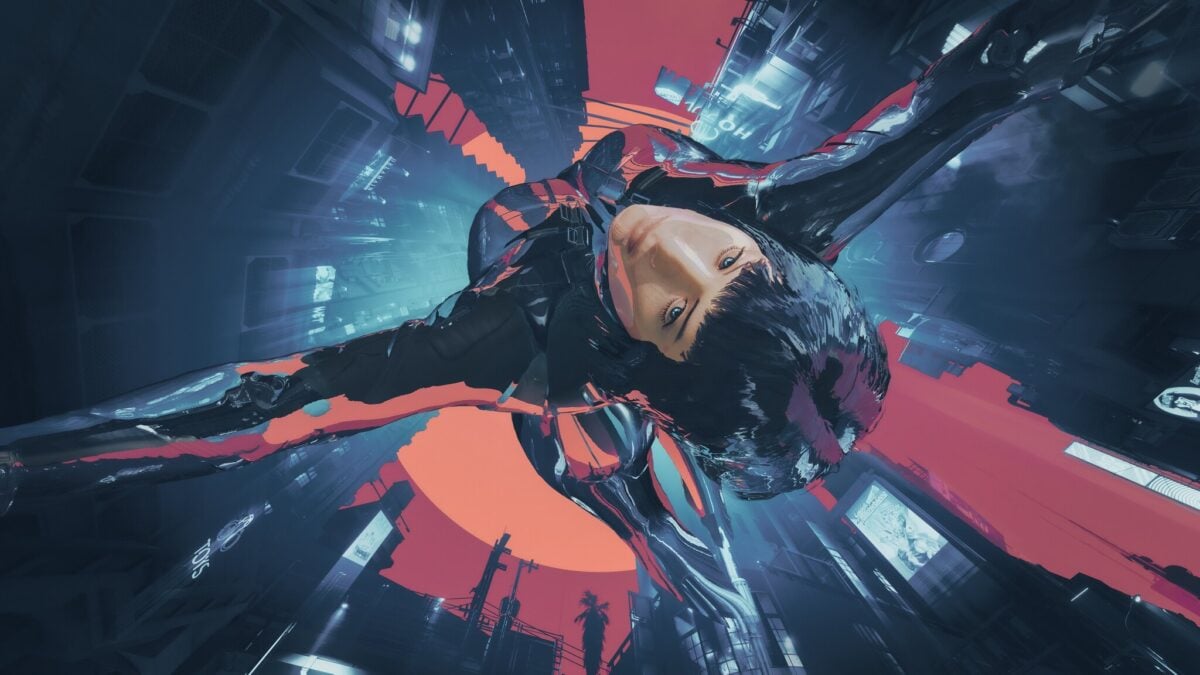
CD Projekt Red announced Cyberpunk 2077 in 2012, though serious development didn’t begin until after The Witcher 3 finished in 2015. The game was released in December 2020 after multiple delays, eight years after its announcement.
But the story doesn’t end there. The launch was catastrophic.
Bugs made the game nearly unplayable on older consoles. PlayStation pulled it from its digital store.
The company’s stock price crashed. CD Projekt Red spent the next two years fixing what they released, releasing patches and updates to address thousands of problems.
The Phantom Liberty expansion in 2023 finally delivered the experience players had expected at launch. The total journey from announcement to a properly functioning game took 11 years.
Some players never forgave the studio for releasing an unfinished product. Others appreciated the commitment to fixing their mistakes.
Either way, Cyberpunk 2077 showed how a long development cycle means nothing if you ship before the game is ready.
When Tomorrow Finally Arrives
Dreams crash into hard ground here. What begins as a big vision often stumbles through years of chaos.
Announcements fire off before anything is ready. Tools evolve while progress stalls.
People walk away when pressure mounts. Funding dries up without warning.
Goals twist in unpredictable ways. A few manage to rise after long silence.
Others land like forgotten echoes. Sometimes it just vanishes, replaced only by pale images saved to a drive and words that crumble over time.
This cycle rolls on – the rush to shout about massive plans drowns out the sense in waiting till something is nearly done. Fans feel the sting again and again, aware each new headline might stretch into years of silence.
Yet they lean forward anyway. The idea that this one moment might finally deliver clings harder than every letdown ever did.
More from Go2Tutors!

- The Romanov Crown Jewels and Their Tragic Fate
- 13 Historical Mysteries That Science Still Can’t Solve
- Famous Hoaxes That Fooled the World for Years
- 15 Child Stars with Tragic Adult Lives
- 16 Famous Jewelry Pieces in History
Like Go2Tutors’s content? Follow us on MSN.