Meanings Of Flower Colors
Flowers speak a language all their own. You pick up a bouquet at the store, and without saying a word, you’ve already sent a message.
The color does most of the talking. Red roses on Valentine’s Day feel obvious, but the symbolism runs deeper than most people realize.
Every shade carries its own weight, its own history, its own unspoken meaning. Understanding what each color represents helps you choose better.
You stop second-guessing yourself at the florist. You know exactly what you want to say, even when words feel clumsy or insufficient.
Red: Passion That Burns Bright
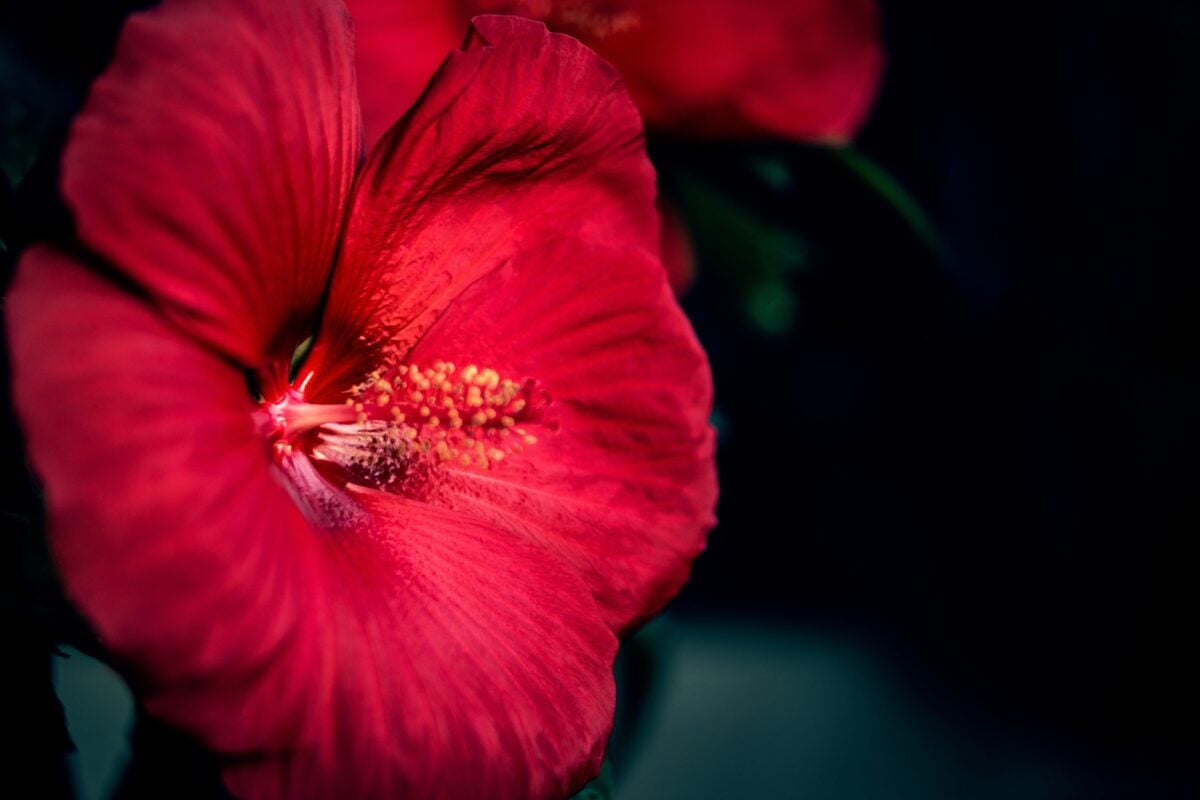
Red flowers don’t whisper. They announce.
This color has always meant desire, romance, and intense emotion. When you give someone red flowers, you’re making a statement that’s hard to misinterpret.
But red also carries other meanings beyond romance. It represents courage and respect. Red poppies honor those who served in war.
Red carnations show admiration. The context shapes the message, but the underlying intensity stays the same.
Pink: Softness with Substance
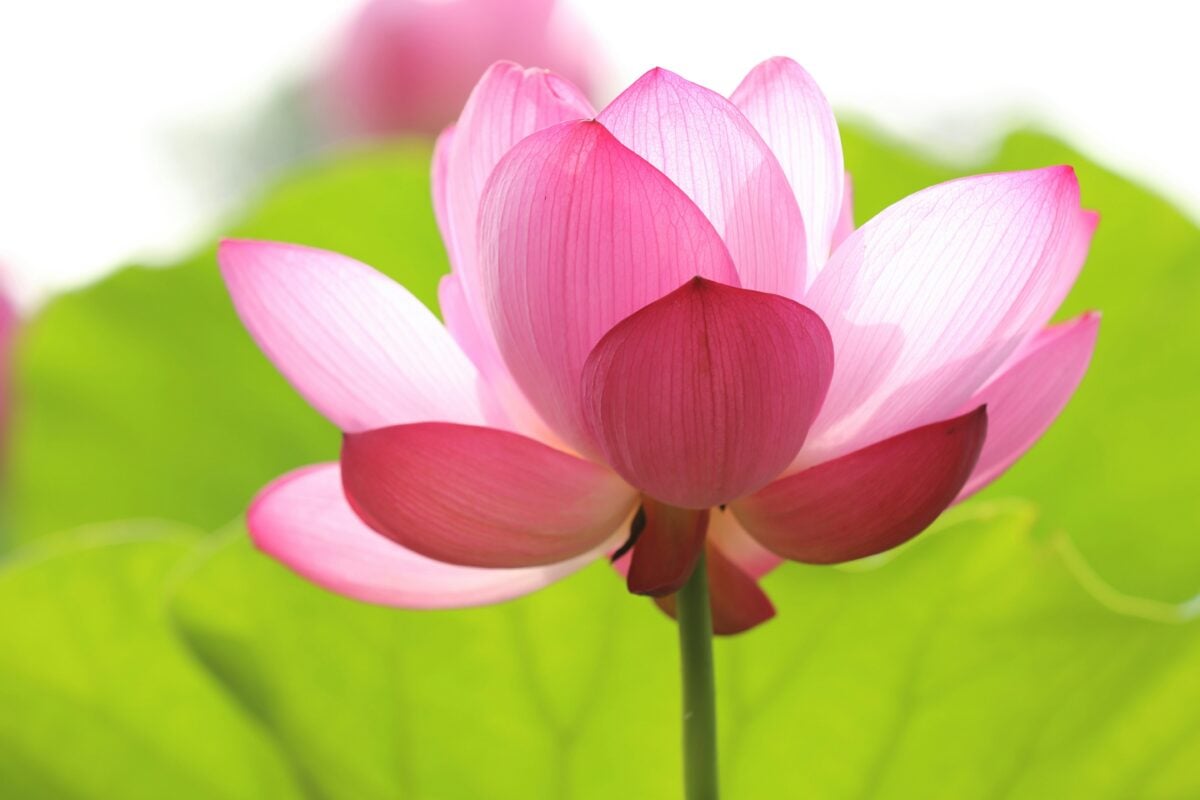
Pink offers romance without the overwhelming force of red. It feels gentler, more playful.
Light pink speaks to innocence and sweetness—the kind you associate with new love or the early stages of getting to know someone. Dark pink shifts the message.
It conveys gratitude and appreciation. You see deep pink flowers at celebrations, thanking someone for their presence or their help.
The color bridges affection and respect in a way that feels warm without being too serious.
White: Purity and New Beginnings

White flowers show up at weddings for good reason. They represent purity, innocence, and fresh starts.
The clean simplicity of white speaks to honesty and truth. But white also carries solemn meanings.
You find white flowers at funerals, where they symbolize reverence and remembrance. The same color that celebrates new life also honors its end.
This duality makes white one of the most versatile choices. It works in moments of joy and moments of grief, always feeling appropriate.
Yellow: Sunshine and Friendship

Yellow brings happiness. It’s that simple. These flowers feel like sunshine in a vase.
They brighten rooms and moods without trying too hard. Yellow represents friendship, joy, and caring.
Historically, yellow had a complicated reputation. Victorian flower language sometimes used it to signal jealousy or infidelity.
But modern interpretations have mostly left that behind. Now yellow just means you care about someone in a warm, friendly way.
It’s the color you choose when you want to lift someone’s spirits without romantic implications.
Orange: Energy That Won’t Quit

Orange flowers grab attention. They’re bold, enthusiastic, and full of life.
This color represents energy, excitement, and warmth. You give orange flowers when you want to celebrate something—a new job, a graduation, any achievement worth marking.
The vibrancy of orange makes it perfect for autumn arrangements. It matches the season’s energy, that feeling of harvest and abundance.
Orange flowers say you’re proud of someone or excited for them. They carry optimism without the subtlety of pastels.
Purple: Royalty and Mystery

Purple has always meant luxury. Kings and queens wore purple robes. The dye was rare and expensive.
That association with royalty stuck. Purple flowers represent elegance, dignity, and refinement.
Light purple or lavender adds a layer of grace and femininity. These shades work well for expressing admiration or enchantment.
Darker purples feel more mysterious, almost spiritual. They show up in arrangements meant to convey respect or honor someone’s achievements.
Blue: Calm and Trust

True blue flowers are rare in nature, which makes them special. Blue represents calmness, peace, and trust.
These flowers work well for professional settings or when you want to convey reliability. The scarcity of natural blue flowers means florists often dye white flowers to achieve the color.
But whether natural or enhanced, blue sends the same message. It’s soothing, stable, and sincere.
You choose blue when you want someone to feel at ease or when you’re expressing loyalty.
Green: Growth and Renewal

Green flowers might seem unusual, but they carry powerful meaning. This color represents growth, health, and renewal.
Green speaks to nature itself, to vitality and resilience. You find green flowers in arrangements celebrating recovery or new ventures.
They symbolize good fortune and fresh starts. Green also adds balance to bouquets, grounding brighter colors with its connection to the natural world.
It’s the color of life continuing, of things getting better.
Coral and Peach: Warmth and Sincerity

Coral and peach sit between pink and orange, creating their own unique message. These colors feel warm and sincere.
They’re friendly without being too casual, romantic without being too intense. Peach flowers work well for expressing gratitude or showing appreciation.
They feel genuine and heartfelt. Coral leans slightly more energetic, adding enthusiasm to the warmth.
Both shades work beautifully in arrangements for friends or family members you want to thank.
Burgundy: Deep Passion and Beauty

Burgundy and deep maroon flowers carry the intensity of red but with added sophistication. These rich, dark shades represent unconscious beauty and deep passion.
They feel more refined than bright red, more mysterious. You see burgundy in fall arrangements, where the color complements the season.
But burgundy flowers also work for romantic occasions when you want something less obvious than traditional red roses. They suggest depth of feeling, the kind that runs deeper than surface attraction.
Cream and Ivory: Elegance and Thoughtfulness
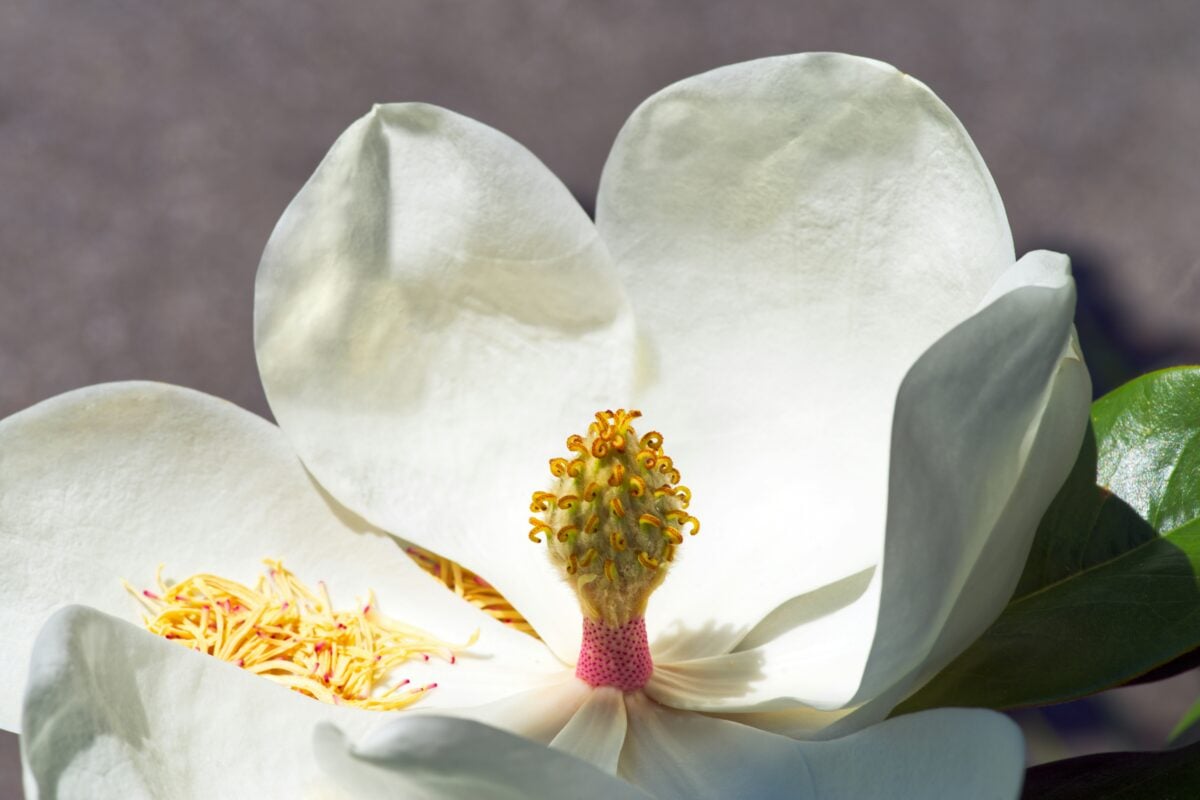
Cream and ivory flowers offer a warmer alternative to pure white. These shades still represent purity and elegance, but with added richness.
They feel more thoughtful, less stark. Wedding bouquets often feature cream or ivory flowers because they photograph beautifully and match formal settings.
These colors work well when you want sophistication without the severity of pure white. They’re gentle, classic, and always appropriate.
Multicolored: Joy and Celebration
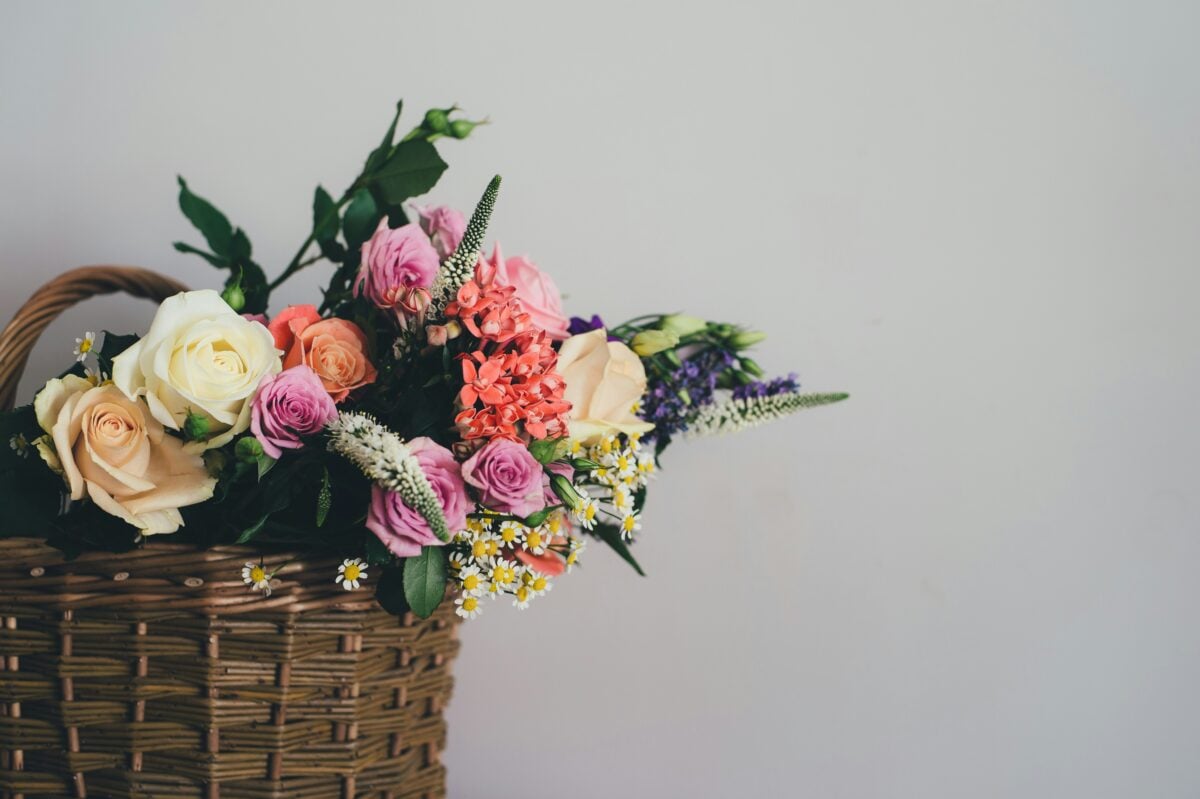
Mixed bouquets with multiple colors send their own message. They represent joy, celebration, and variety.
When you can’t choose just one emotion, you choose them all. Multicolored arrangements work well for birthdays or congratulations.
They feel festive and cheerful. The variety itself becomes the message—life is full of different moments and feelings, and this bouquet captures that range.
When Context Changes Everything
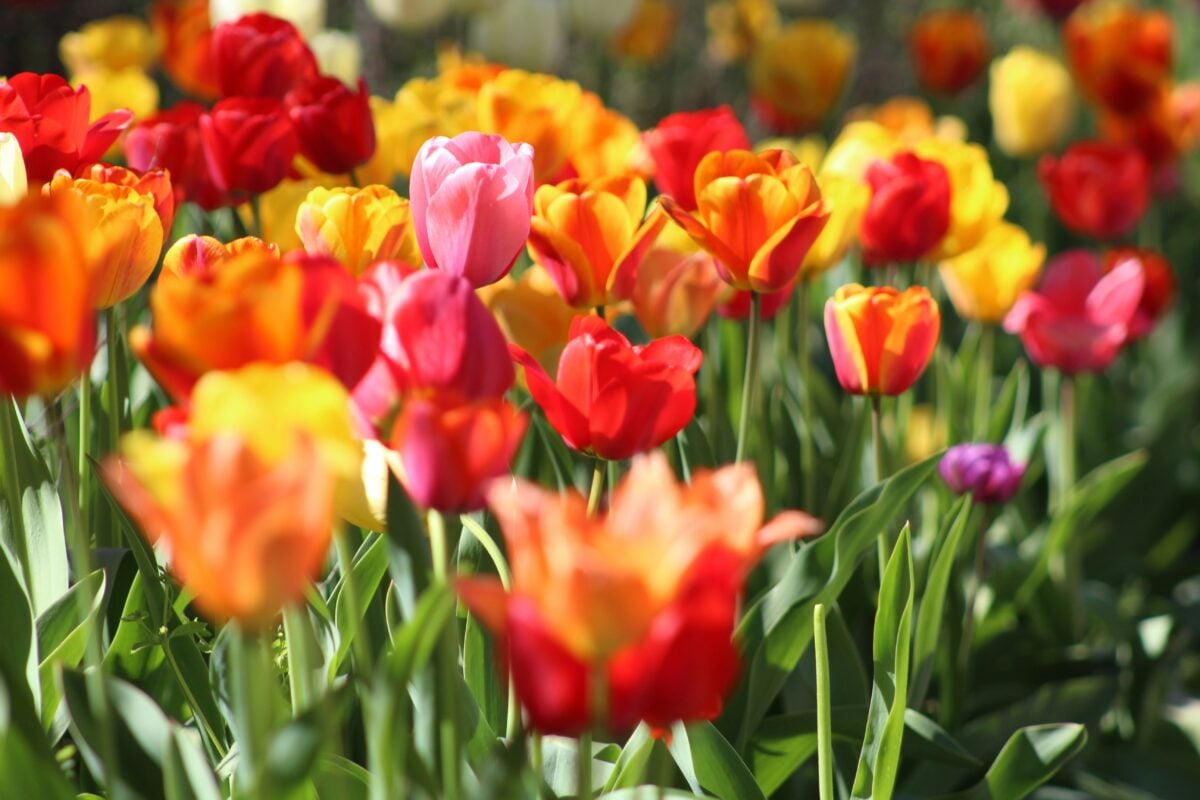
The occasion shapes the message as much as the color. Red roses mean romance on Valentine’s Day but respect at a memorial.
White lilies feel joyful at a wedding but solemn at a funeral. You need to read the room, consider the relationship, and think about what you’re really trying to communicate.
Cultural context matters too. In some countries, white flowers are only for funerals.
In others, yellow flowers carry negative connotations. Before choosing flowers for someone from a different cultural background, it helps to understand what colors mean in their tradition.
How Different Cultures See Color

Western flower language differs from Eastern traditions. In China, white flowers often signify mourning, while red represents celebration and good fortune.
In Japan, white chrysanthemums are funeral flowers, but in other contexts, chrysanthemums represent longevity. Latin American cultures embrace bright, vibrant colors for most occasions.
Yellow flowers don’t carry the same jealousy associations. Instead, they represent joy and celebration.
Understanding these differences prevents accidental offense and shows genuine thoughtfulness.
Choosing the Right Color for the Moment
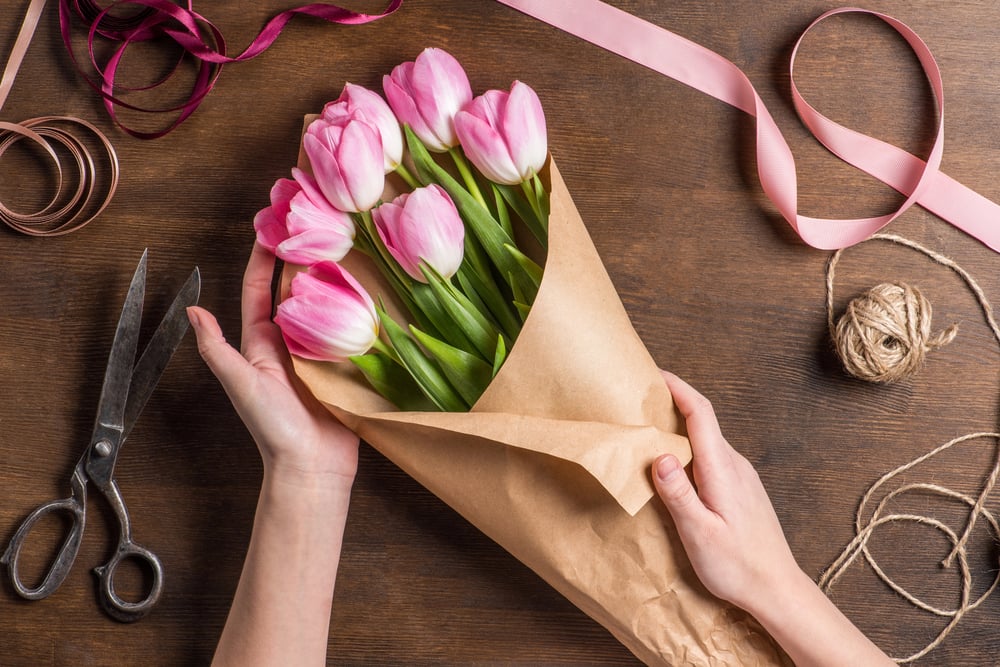
Picture how you feel about the person first. When it comes to love, go for red or soft pink tones.
For a friend, try sunny yellow or warm coral shades. If it’s someone you admire at work, pick clean white, calm blue, or quiet purple.
Bright orange, lively yellow, or mixed hues bring energy when marking a joyful moment. Start by thinking about the event.
White, cream, or soft shades show up often at weddings. For funerals, stick to white or quiet tones.
Bright, lively hues fit well when celebrating good news. A burst of yellow might lift someone’s spirits when they’re unwell.
Blue tones can bring calm instead, depending on how things feel.
The Colors That Stay With You

A single petal falls, yet what it stood for stays. Picture those red roses on your very first date.
Think of the white lilies present when your grandmother was honored. Recall how sunflowers showed up bright and bold during a rough patch.
Hues stick around just like the blooms they belong to. Here’s what happens when you get why flower colors work.
Picking blooms becomes less about random beauty. Choices turn intentional, carrying thoughts worth sharing.
A person getting a bouquet in the perfect hue for a specific reason feels the weight of being considered. It’s not just petals. The attention behind them speaks louder than the gift ever could.
More from Go2Tutors!

- 16 Historical Figures Who Were Nothing Like You Think
- 12 Things Sold in the 80s That Are Now Illegal
- 15 VHS Tapes That Could Be Worth Thousands
- 17 Historical “What Ifs” That Would Have Changed Everything
- 18 TV Shows That Vanished Without a Finale
Like Go2Tutors’s content? Follow us on MSN.



