Most Neglected And Underutilized Fruits And Plants
Walking through any grocery store, you’ll find the same predictable lineup: apples, bananas, carrots, and potatoes dominating the produce section. Meanwhile, thousands of edible plants that sustained entire civilizations for centuries have been pushed to the margins of agricultural memory.
These forgotten foods aren’t just botanical curiosities—they’re nutritional powerhouses, climate-resilient crops, and cultural treasures that could revolutionize how we think about food security and flavor.
The reasons for this neglect are complex, ranging from industrial agriculture’s preference for uniform, shelf-stable crops to changing dietary habits that favor convenience over nutrition. But as climate change threatens traditional farming and consumers seek more diverse, sustainable food options, these overlooked plants are experiencing a quiet renaissance among farmers, chefs, and gardeners who recognize their untapped potential.
Amaranth
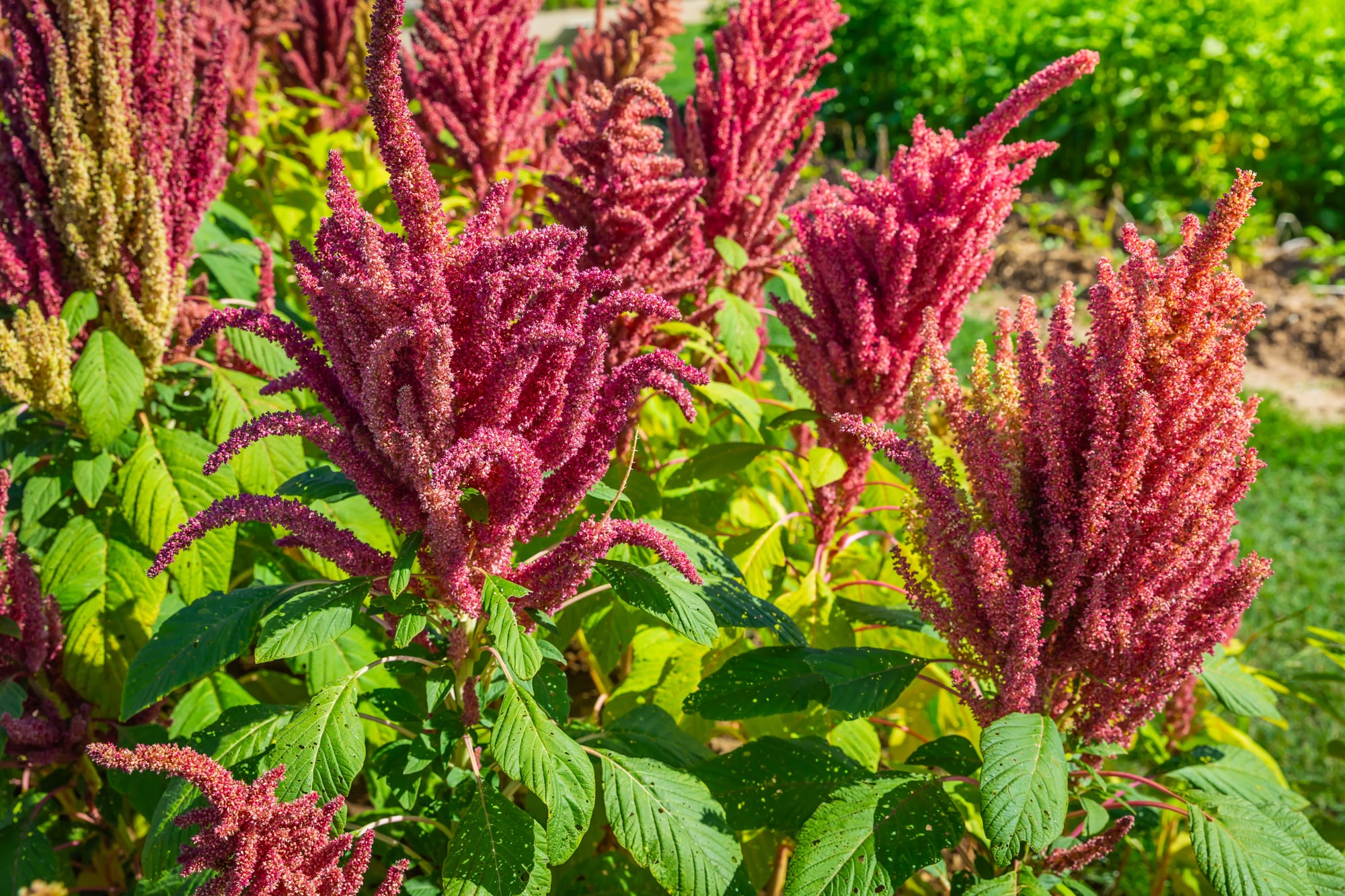
Amaranth was once so revered by the Aztecs they used it in religious ceremonies. The Spanish conquistadors banned its cultivation, nearly wiping it from existence.
Smart move, really—eliminating a crop that produces more protein than most grains and thrives in drought conditions.
The seeds pop like tiny popcorn and taste nutty. The leaves cook up like spinach but with more vitamins.
Amaranth doesn’t care about poor soil or limited water, which makes it practically bulletproof compared to finicky crops that demand perfect conditions.
Breadfruit
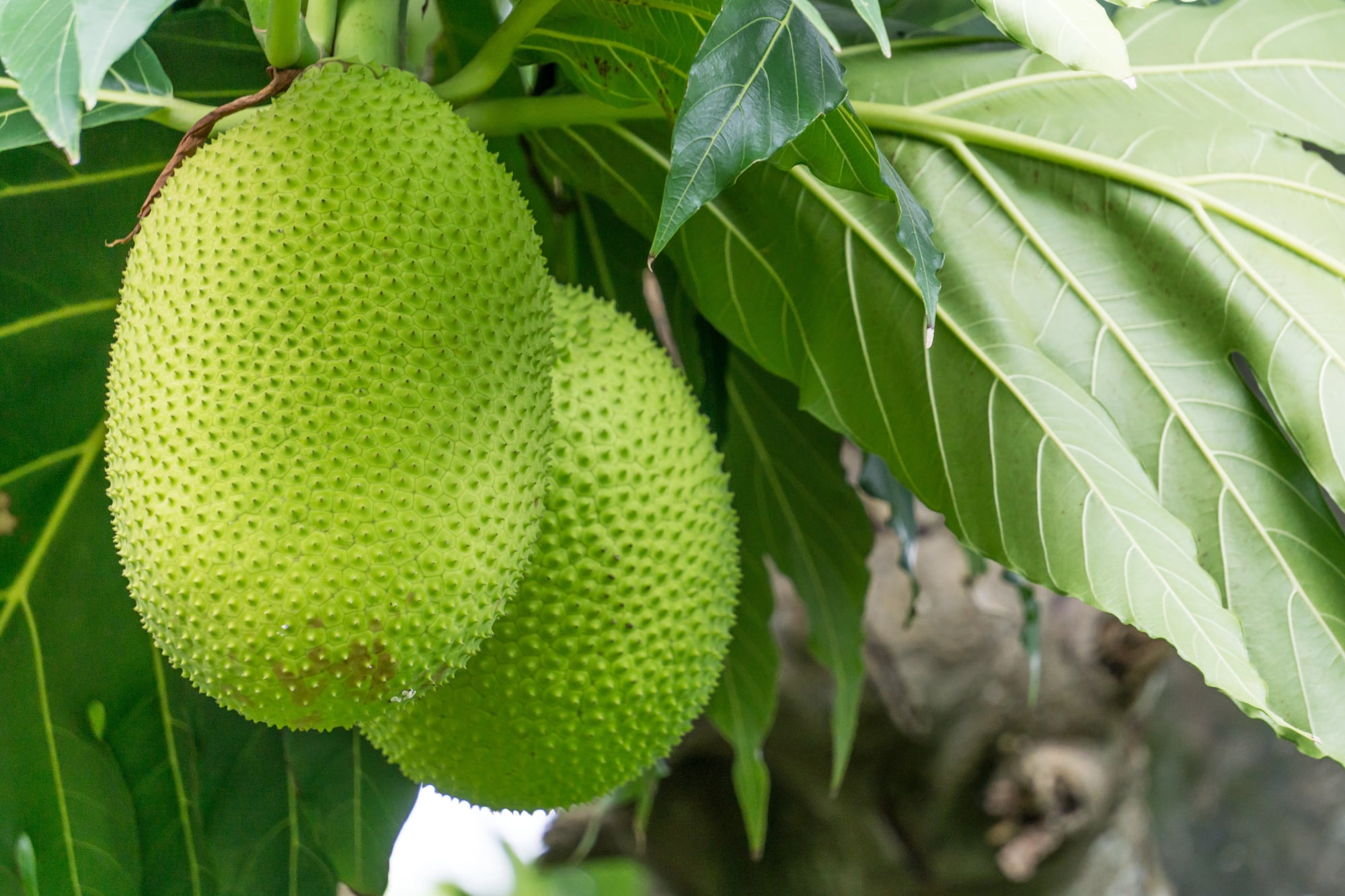
There’s something almost absurd about a tree that produces starchy, filling fruits the size of footballs, yet most people have never heard of it. Breadfruit grows throughout tropical regions, and one mature tree can feed a family for decades—but apparently that level of food security doesn’t translate well to global markets that prefer crops requiring constant replanting and chemical inputs.
The fruit tastes like a cross between potato and bread (hence the name), and when it’s ripe, the texture becomes custard-like and sweet. Captain Bligh’s infamous voyage on the HMS Bounty was actually a breadfruit collecting mission, attempting to bring this miracle crop to feed enslaved people in the Caribbean.
The mutiny derailed that plan, but breadfruit eventually made its way around the world anyway—it just never got the recognition it deserved.
And here’s what makes breadfruit truly remarkable: the trees are incredibly productive, requiring minimal care once established. So naturally, industrial agriculture largely ignored them in favor of annual crops that ensure farmers remain dependent on seed companies year after year.
Moringa
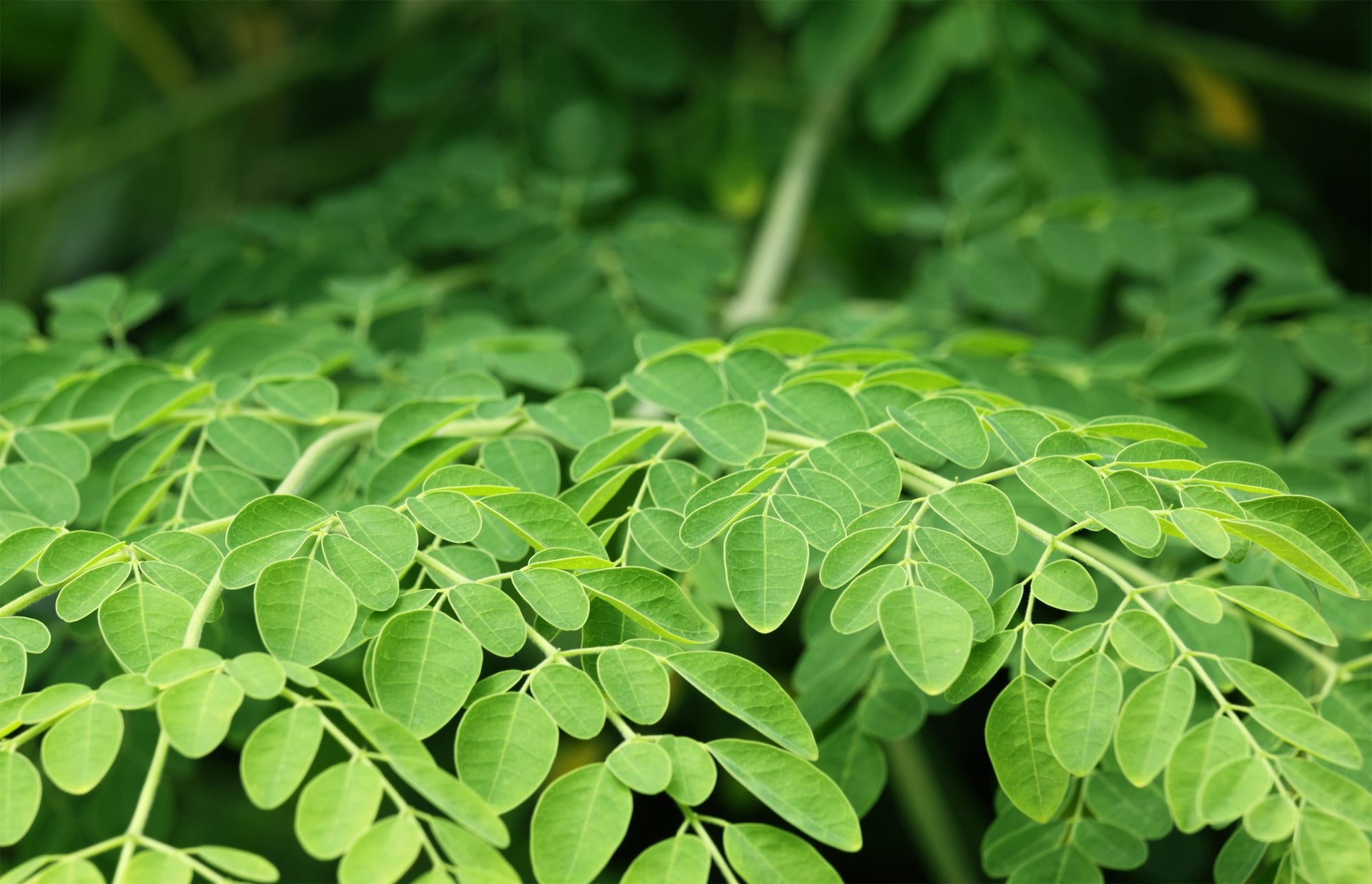
Picture a tree that grows like a weed in harsh climates, produces edible leaves, pods, seeds, and roots, and contains more vitamin C than oranges, more calcium than milk, and more iron than spinach. That tree exists, and it’s called moringa—though you’d be forgiven for never hearing about it, since it primarily grows in places that don’t have million-dollar marketing budgets.
The leaves have a slightly spicy flavor, like arugula with more bite. In many parts of Africa and Asia, moringa leaves are dried and powdered, then stirred into soups and stews as a nutritional boost.
The young pods can be cooked like green beans, while mature seeds taste similar to peanuts. Even the roots are edible, though they’re so spicy they’re used more like horseradish.
What’s particularly striking about moringa is how it seems designed for food insecurity: it grows fast, tolerates poor soil and drought, and every part of the plant offers nutrition. The fact that it remains largely unknown in wealthy countries says more about our food distribution systems than it does about the plant’s value.
Plantain
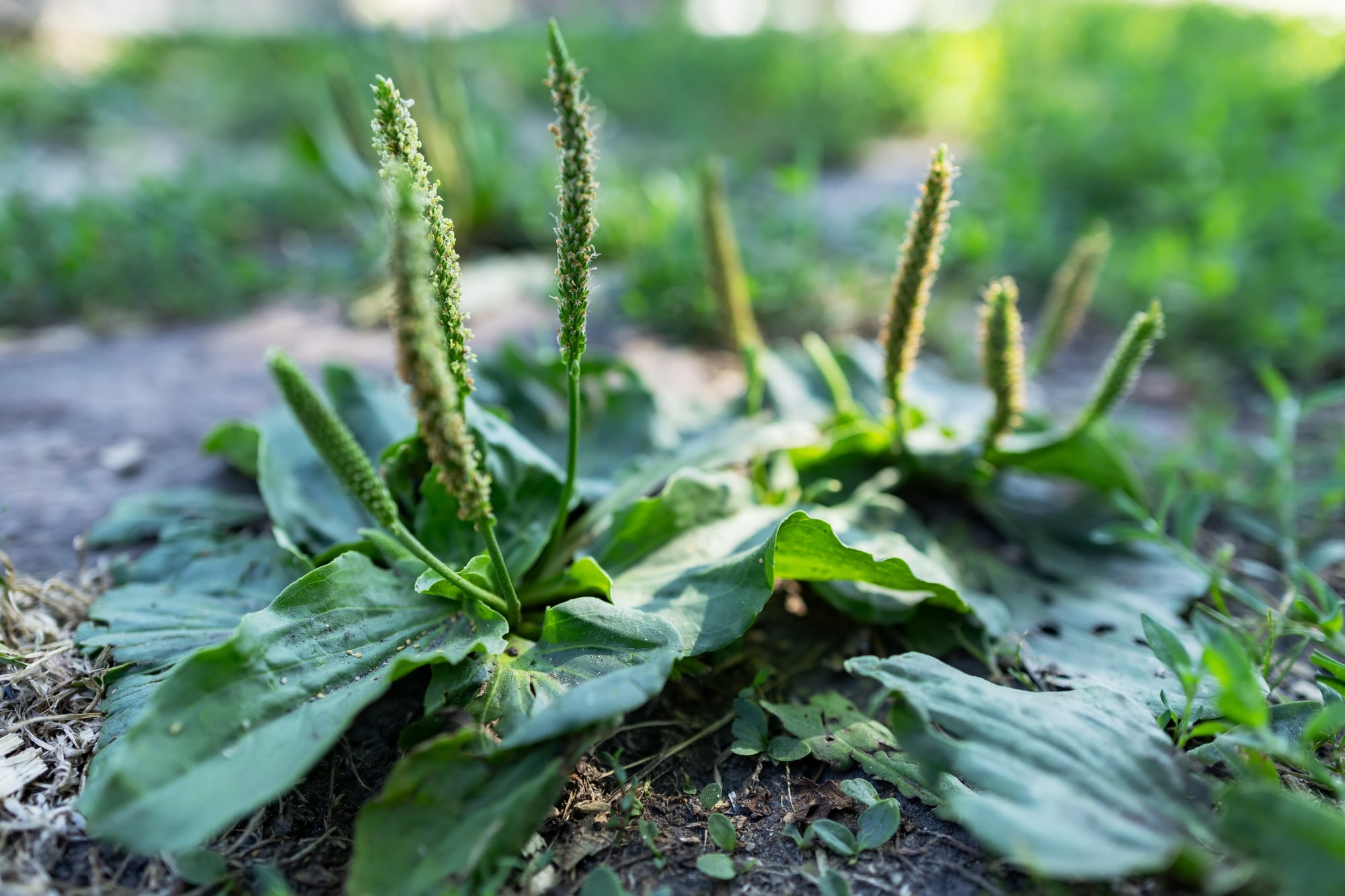
Most people lump plantains in with bananas, but that’s like calling potatoes “weird apples” because they grow on plants. Plantains are their own thing entirely—starchy, substantial, and versatile in ways that make them a dietary staple for millions of people across Latin America, Africa, and the Caribbean.
Unlike bananas, plantains improve with cooking. Green plantains are firm and potato-like, perfect for frying into crispy chips or boiling into savory mashes.
As they ripen and turn yellow, then black, they become sweeter but maintain their structure—ideal for caramelizing or grilling. The progression from starchy to sweet means one plant provides ingredients for both side dishes and desserts.
The real genius of plantains lies in their reliability. The plants produce fruit year-round in tropical climates, don’t require replanting (they grow from shoots), and can be harvested at different stages depending on what you’re cooking.
This kind of flexibility used to be the foundation of food security, before industrial agriculture decided that seasonal scarcity was more profitable than abundance.
Jackfruit
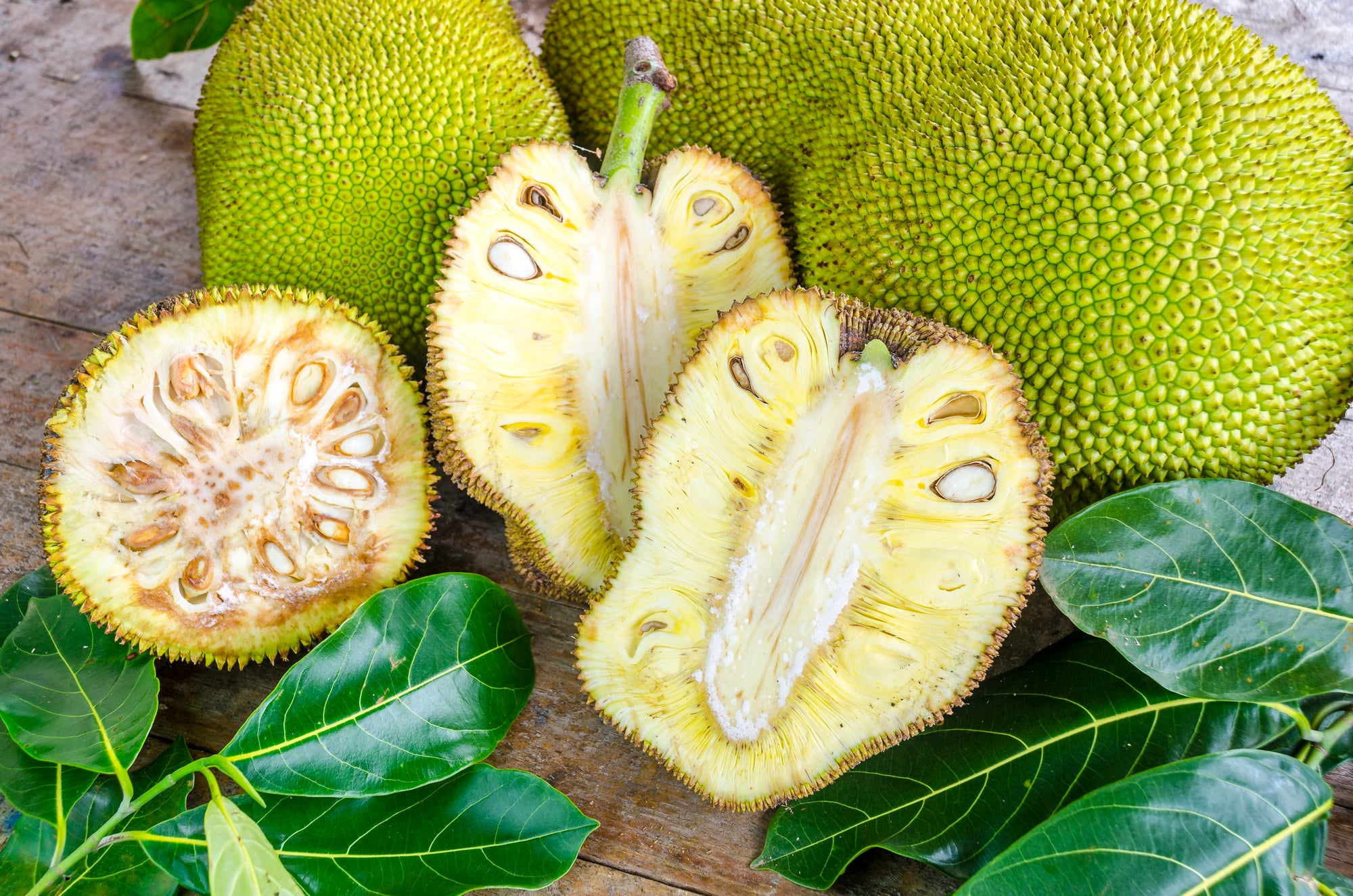
Imagine opening your refrigerator and finding a fruit the size of a watermelon that tastes like a combination of mango, pineapple, and banana, with seeds that roast up like chestnuts. Jackfruit is the largest tree fruit in the world, and one fruit can feed a family for days—which might explain why it hasn’t caught on in cultures obsessed with individual portion sizes and planned obsolescence.
The young, unripe fruit has a texture remarkably similar to pulled pork, making it a favorite among vegetarians who miss the experience of shredding meat. But ripe jackfruit is something else entirely: intensely sweet, almost perfumed, with a custard-like texture that’s unlike any other fruit.
The seeds, often discarded, are actually edible and nutritious when boiled or roasted.
Jackfruit trees are incredibly productive and long-lived, with some specimens producing fruit for over a century. They grow well in tropical climates and require minimal care once established.
The fact that most people in temperate climates have never tasted fresh jackfruit speaks to the limitations of our global food system, which prioritizes shelf life over flavor and nutrition.
Sunchokes
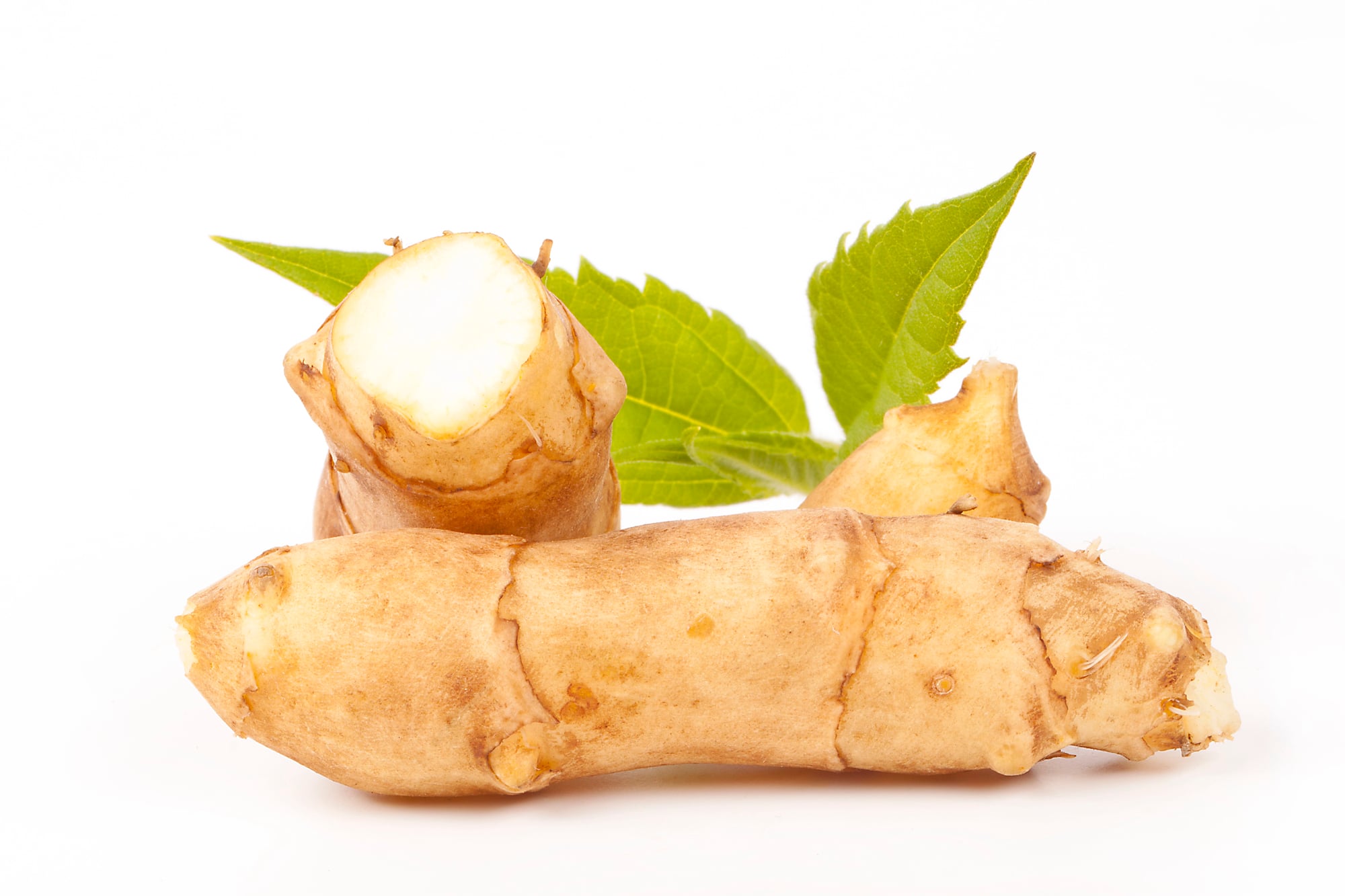
Sunchokes have an identity crisis that perfectly illustrates the confusion surrounding neglected crops. They’re also called Jerusalem artichokes, despite being neither from Jerusalem nor related to artichokes.
They’re actually the tubers of a North American sunflower, and they taste like a cross between a potato and a water chestnut—nutty, sweet, and crisp.
Native Americans cultivated sunchokes long before European colonization, and early settlers adopted them as a reliable food source. But as potatoes gained popularity, sunchokes faded into obscurity, relegated to health food stores and forgotten except by foragers and adventurous gardeners.
The tubers are incredibly hardy, growing in poor soil and surviving harsh winters underground. They’re also rich in inulin, a prebiotic fiber that supports digestive health—though this same compound can cause digestive upset in people unaccustomed to it, earning sunchokes the unfortunate nickname “fartichokes.”
Perhaps that’s why they never achieved mainstream acceptance.
But here’s the thing about sunchokes: they’re practically impossible to kill. Plant them once, and they’ll come back year after year, spreading and multiplying with minimal care.
In an era of food insecurity and climate uncertainty, that kind of resilience seems worth a little digestive adjustment.
Pawpaw
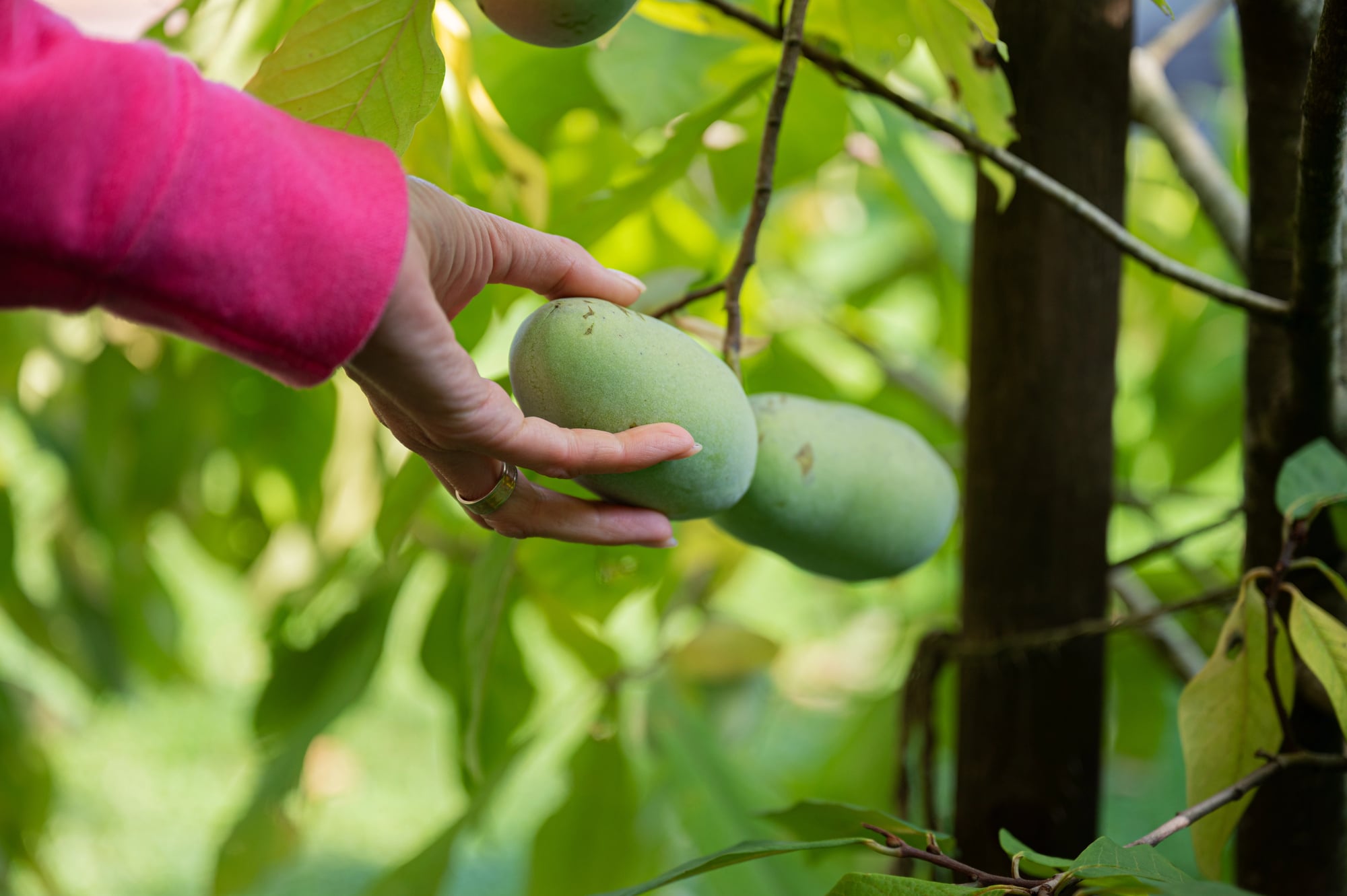
There’s a North American fruit that tastes like a tropical custard, grows wild throughout the eastern United States, and was a favorite food of both Native Americans and early European settlers. Lewis and Clark survived on pawpaws during their expedition, and several US presidents grew them in their gardens.
Yet most Americans have never tasted one, and many have never heard the name.
Pawpaws taste like a combination of banana, mango, and vanilla custard, with a texture so creamy they’re sometimes called “prairie bananas” or “poor man’s banana.” The fruit is rich in vitamins, minerals, and antioxidants, and the trees are naturally pest-resistant, requiring no chemical interventions to thrive.
The problem with pawpaws is their brief season and short shelf life. They ripen for just a few weeks in late summer and early fall, and the fruit begins to deteriorate within days of harvest.
This makes them incompatible with modern food distribution systems that demand crops capable of surviving weeks of storage and transportation. So pawpaws remain a regional delicacy, available primarily to those who grow their own trees or live near wild populations.
What’s particularly ironic is that pawpaw trees are perfectly adapted to temperate North American climates, unlike many of the tropical fruits that now dominate grocery stores. They’re cold-hardy, drought-tolerant once established, and provide food for native wildlife as well as humans.
But convenience culture has little patience for foods that require timing and planning to enjoy at their peak.
Purslane
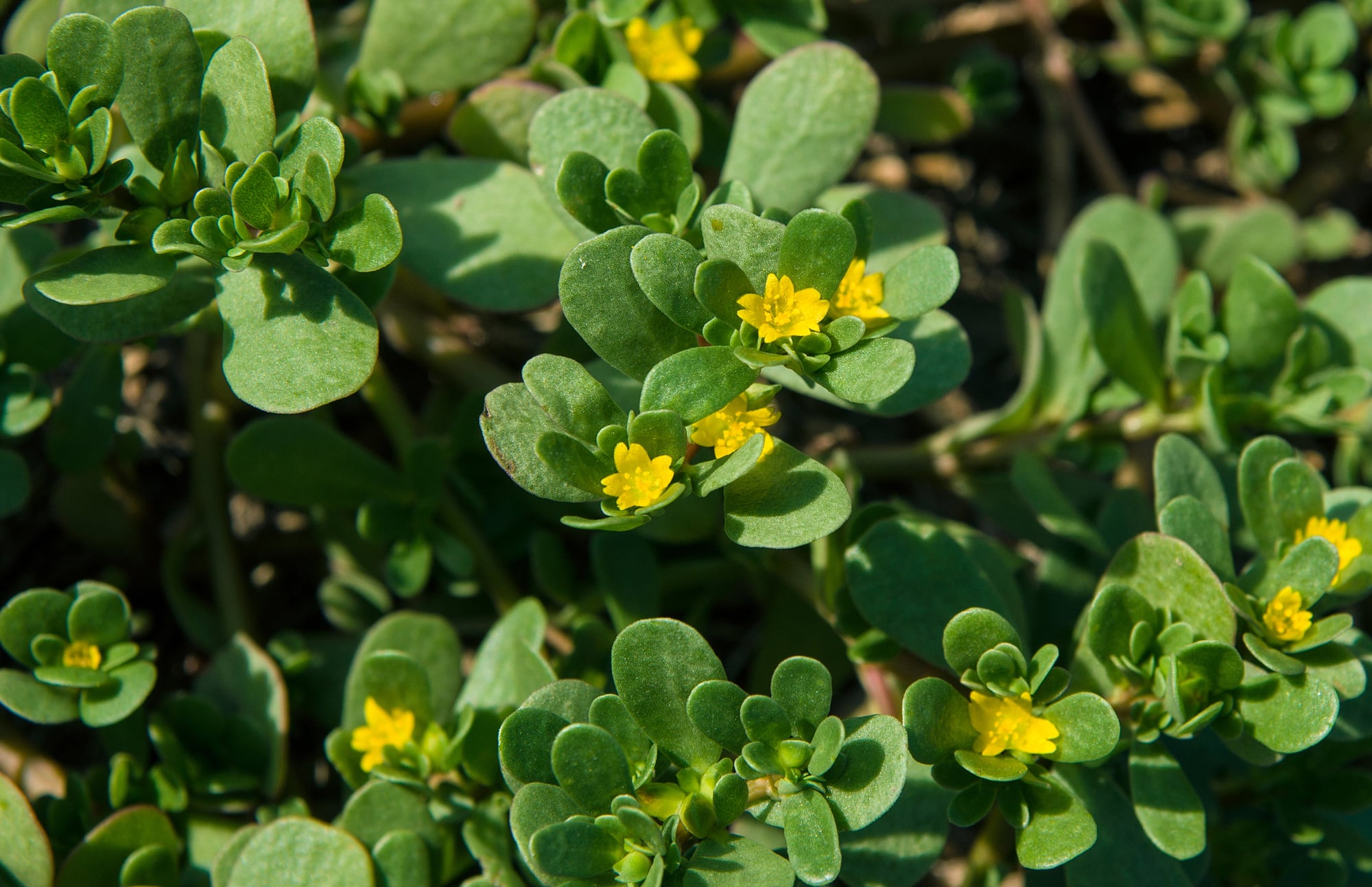
Most gardeners spend considerable effort trying to eliminate purslane from their vegetable plots, not realizing they’re pulling up one of the most nutritious plants on the planet. This succulent “weed” contains more omega-3 fatty acids than most fish, along with high levels of vitamins A, C, and E, plus minerals like magnesium, calcium, and potassium.
Purslane has a mild, slightly sour flavor and a satisfying crunch that makes it perfect for salads, though it can also be cooked like spinach or pickled for preservation. The plant thrives in hot, dry conditions where other greens wilt, making it an ideal crop for challenging climates.
In many parts of the world, purslane is cultivated as a valued food crop. Mediterranean, Middle Eastern, and Mexican cuisines all include traditional purslane dishes.
But in North America and much of Europe, it’s dismissed as a nuisance plant, sprayed with herbicides and yanked from gardens with the kind of determination usually reserved for actual problems.
The irony is profound: people spend money on omega-3 supplements while destroying a plant growing freely in their backyards that contains these same beneficial compounds. Purslane asks for nothing—no fertilizer, no irrigation, no pest control—yet provides exceptional nutrition.
That level of independence apparently makes it suspicious in a culture that equates value with cost and effort.
Quinoa’s Wild Relatives
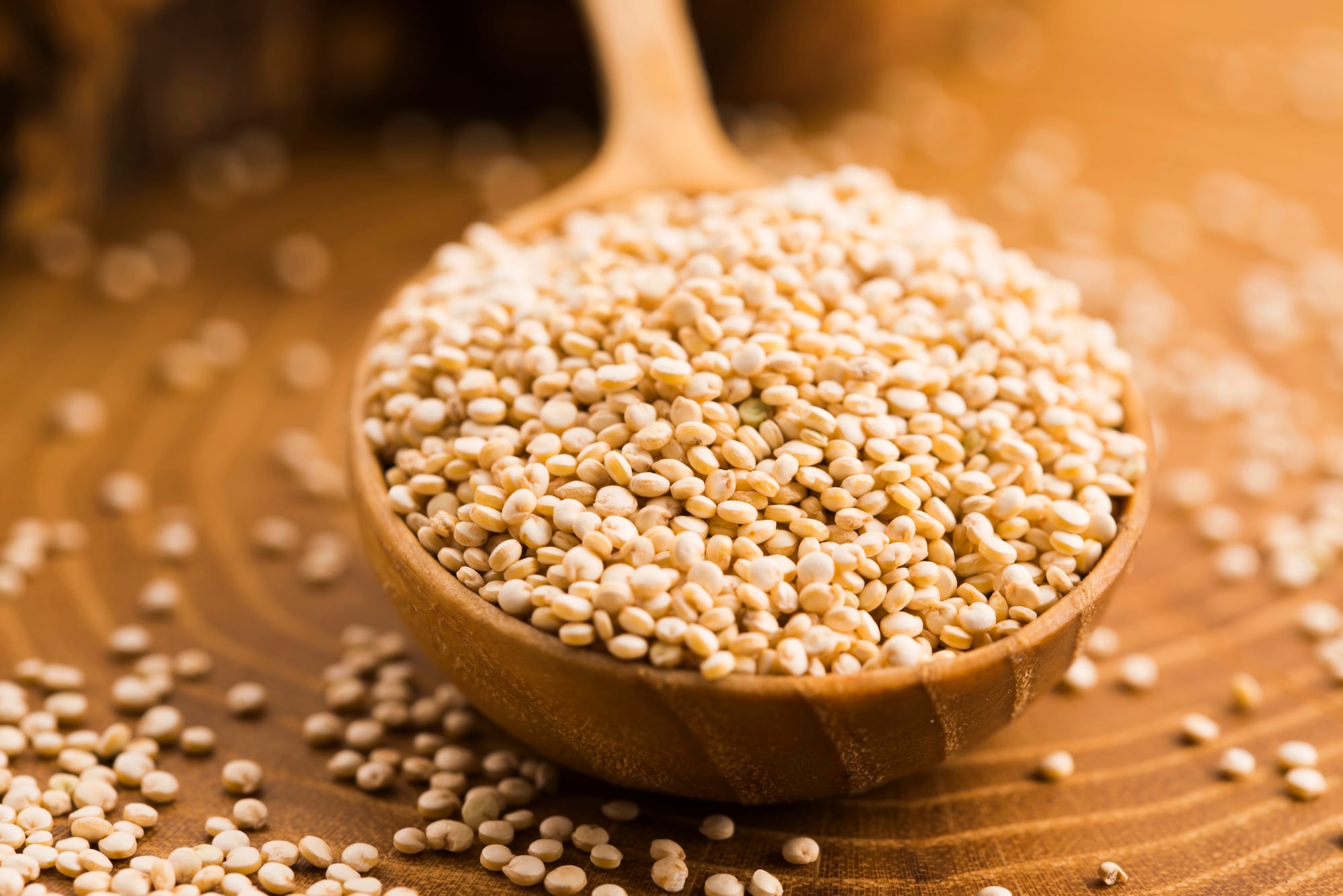
Everyone knows quinoa now—the “superfood” grain that’s gluten-free, protein-complete, and expensive enough to signal virtue. But quinoa has dozens of wild relatives that grow throughout the Americas, many of which are equally nutritious and far more resilient to harsh growing conditions.
Lamb’s quarters, for instance, grows wild across North America and tastes similar to spinach but with more protein and minerals. The seeds can be harvested and cooked like quinoa, though they’re smaller and require more processing.
Goosefoot, another quinoa relative, produces edible leaves and seeds while thriving in poor soil and drought conditions that would kill most cultivated vegetables.
These wild relatives represent thousands of years of natural selection for survival in specific climates and conditions (which, incidentally, often makes them more nutritious than their pampered cultivated cousins). So while quinoa farmers in Bolivia struggle with increased demand and changing growing conditions, North American foragers harvest equally valuable nutrition from plants that grow without any human intervention.
But there’s something about wildness that makes people uncomfortable, particularly when it comes to food; we prefer our nutrition to come with price tags and packaging, certified organic and third-party tested, rather than growing freely in vacant lots and along roadsides where anyone could harvest it without paying for the privilege.
Sea Beans
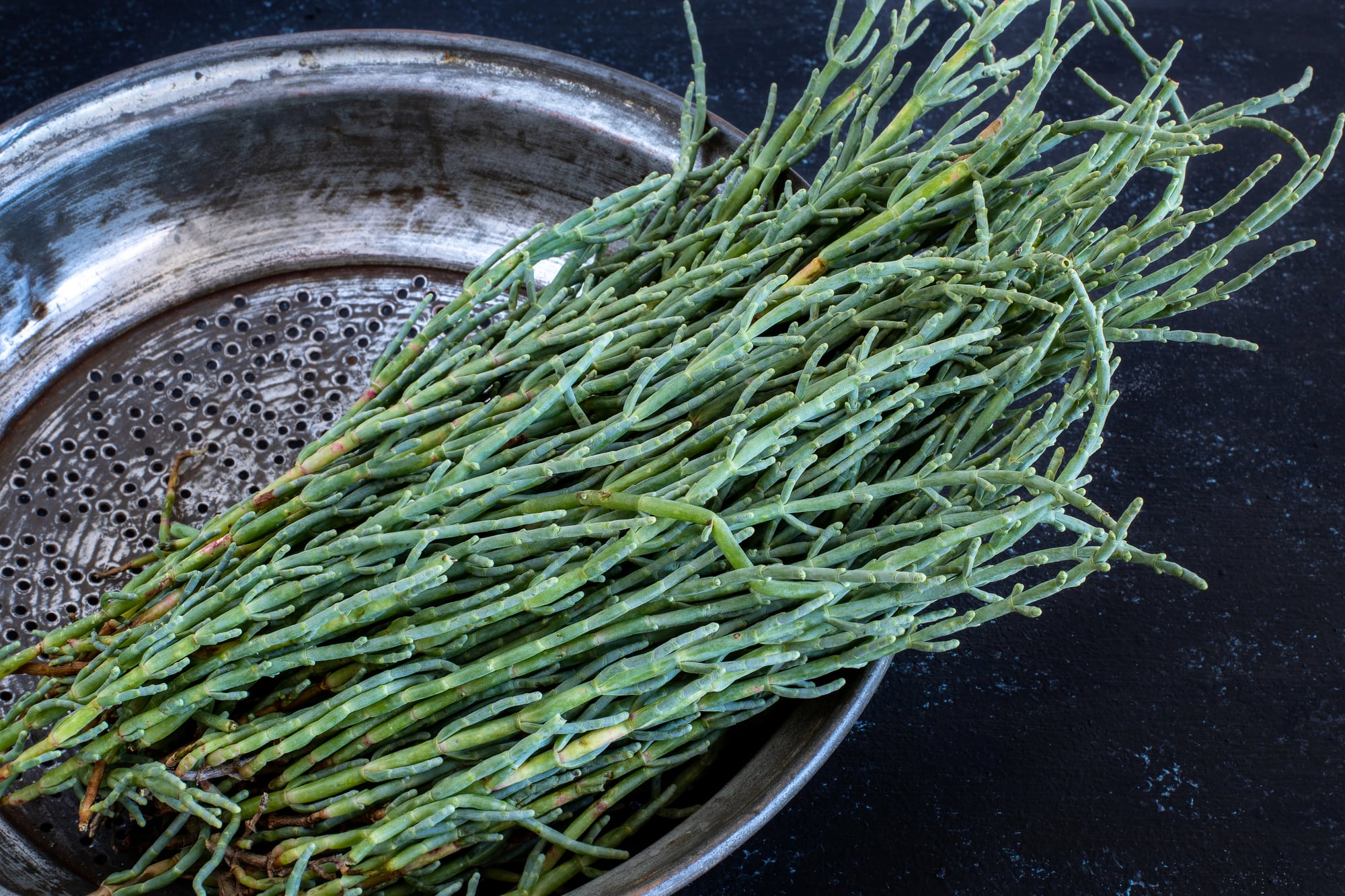
The ocean produces vegetables, though most people never consider seaweed and sea beans as part of their produce shopping. Sea beans—also called samphire or sea asparagus—grow in salt marshes and taste like a cross between green beans and pickles, with a satisfying crunch and natural saltiness that eliminates the need for seasoning.
These succulent plants thrive in conditions that would kill most crops: high salinity, fluctuating water levels, and sandy soil with minimal nutrients. They’re rich in vitamins A and C, plus minerals like sodium and iodine that are often deficient in modern diets.
Sea beans have been harvested for centuries in coastal regions, pickled for preservation or eaten fresh as a delicacy. They’re particularly popular in European coastal cuisines, where they’re served with fish dishes or incorporated into salads.
The plants require no fresh water, no fertile soil, and no protection from salt spray—they actually prefer conditions that would devastate conventional agriculture.
As sea levels rise and saltwater intrusion threatens traditional farmland, crops like sea beans represent a potential adaptation strategy. Instead of fighting the ocean, coastal communities could work with it, harvesting nutritious vegetables from environments that are becoming increasingly common.
But this requires thinking beyond conventional agriculture toward more flexible, ecosystem-based food production.
Tiger Nuts
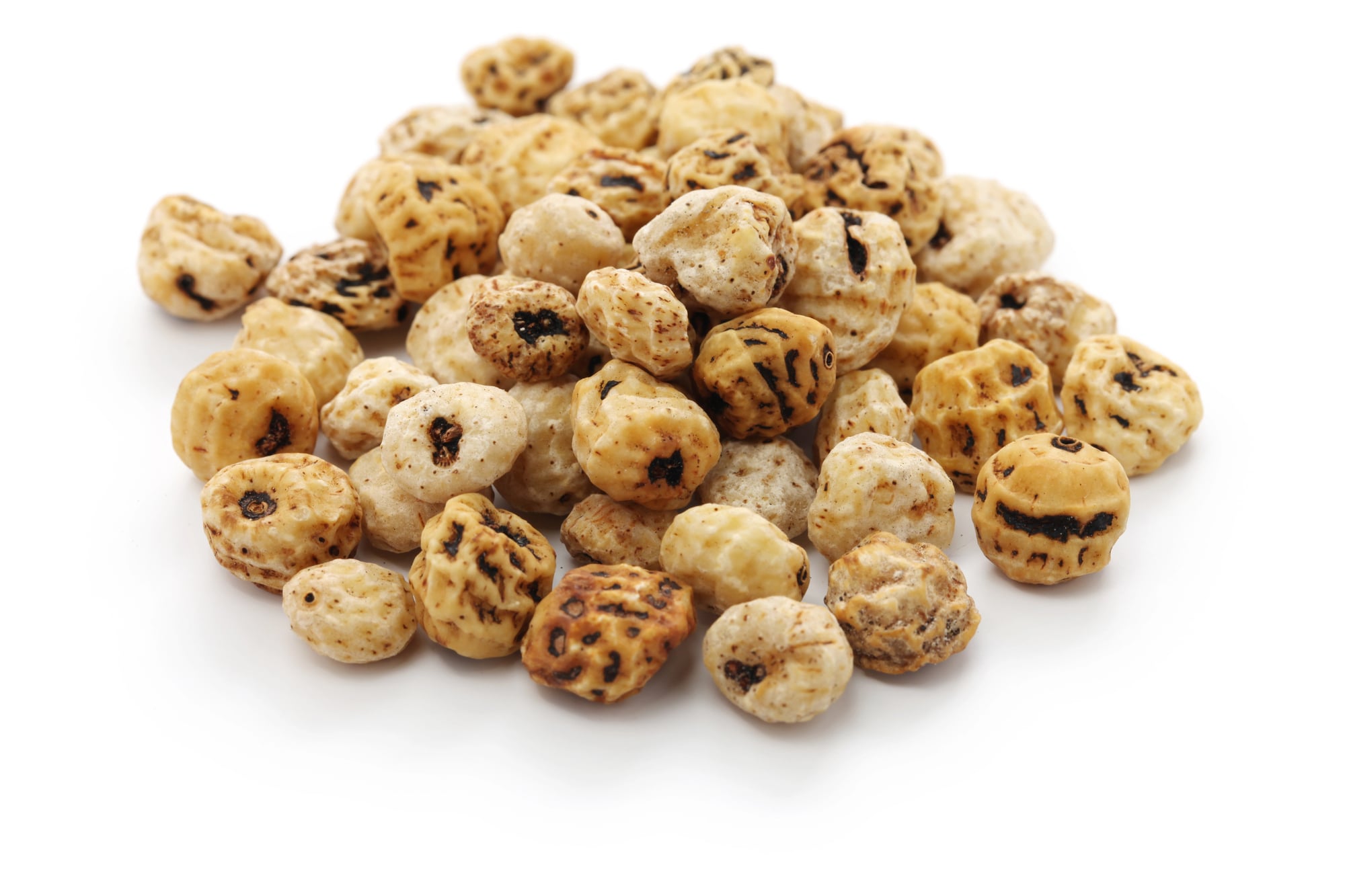
Despite their name, tiger nuts aren’t nuts at all—they’re small tubers that grow on a sedge plant, with a sweet, nutty flavor and a satisfying chew. These thumb-sized tubers were one of the first cultivated crops in ancient Egypt, and they remain popular in parts of Africa and Spain, where they’re used to make horchata, a creamy drink that tastes like liquid cookies.
Tiger nuts are nutritionally dense, rich in fiber, healthy fats, and minerals, plus they’re naturally sweet without the blood sugar spike of most sugary snacks. They can be eaten raw, roasted, or ground into flour that works well in gluten-free baking.
The plants are remarkably drought-tolerant and can grow in sandy, poor soil where other crops struggle.
What makes tiger nuts particularly interesting is their storage capability. The tubers can be dried and stored for months without refrigeration, making them an ideal portable food source.
Ancient travelers and traders relied on tiger nuts for sustenance during long journeys, and they’re still used this way in parts of Africa.
The plant’s ability to improve soil while producing food makes it valuable for regenerative agriculture. Tiger nut sedges fix nitrogen, prevent erosion, and build soil organic matter—benefits that extend beyond their direct food value.
Yet they remain largely unknown in most developed countries, available primarily through specialty health food stores at premium prices.
Nopal Cactus
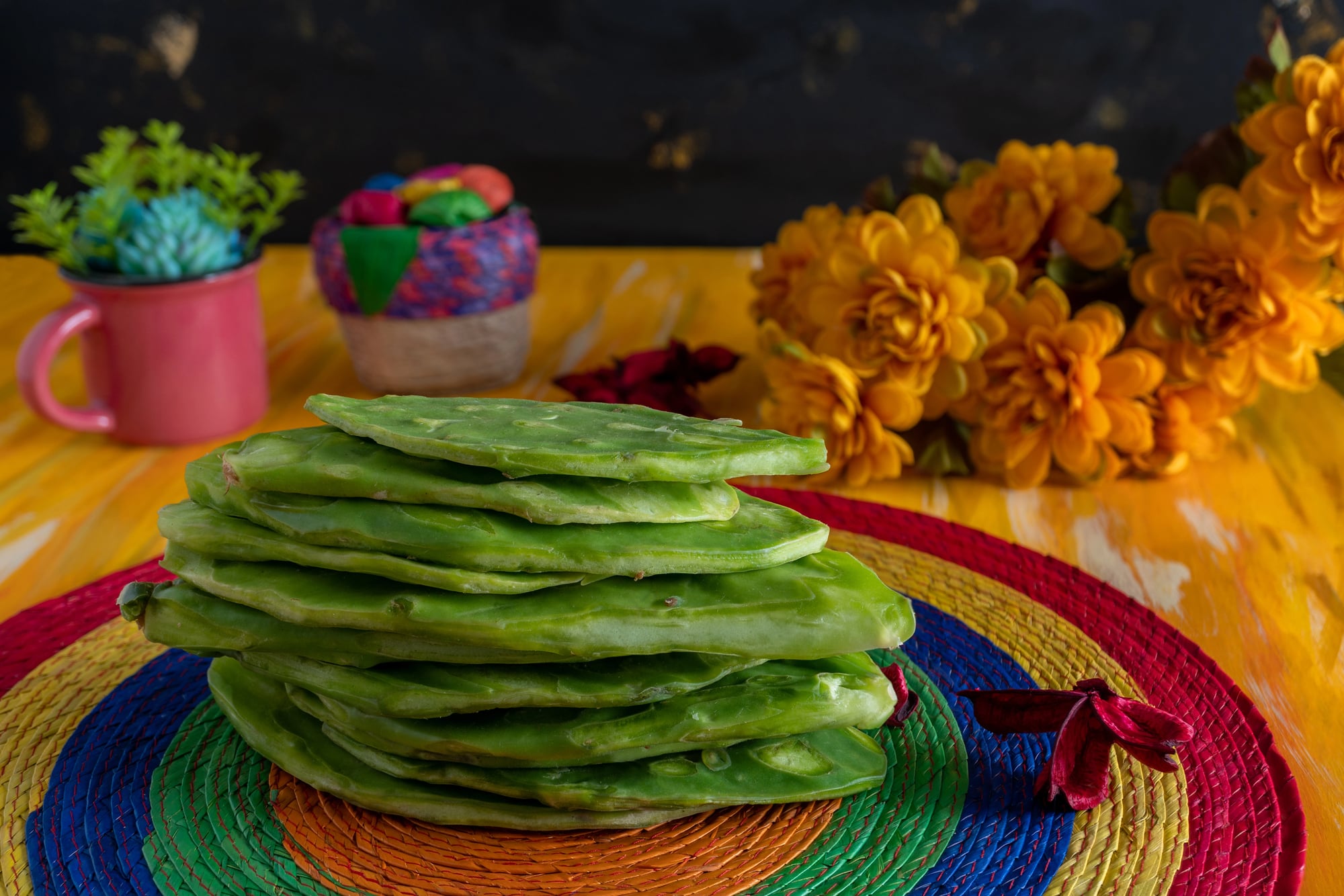
Most people think of cacti as decorative plants or desert curiosities, not as dinner ingredients. But nopal cactus pads—also called prickly pear cactus—are a staple food throughout Mexico and increasingly popular among health-conscious eaters who recognize their exceptional nutritional profile and blood sugar-regulating properties.
The young pads, called nopales, have a texture similar to okra with a slightly sour flavor and natural mucilage that thickens stews and sauces. They’re typically grilled, sautéed, or pickled, and they pair well with eggs, beans, and spicy dishes.
The fruits, called tunas, are sweet and refreshing, with a flavor reminiscent of watermelon mixed with kiwi.
Nopal requires virtually no water once established, thriving in desert conditions that would kill most food crops. The plants are incredibly productive, with new pads developing continuously throughout the growing season.
They also provide food for wildlife and help prevent soil erosion in arid landscapes.
What’s remarkable about nopal is its medicinal properties alongside its nutritional value. The mucilage helps regulate blood sugar and cholesterol, while the high fiber content supports digestive health.
In traditional Mexican medicine, different parts of the plant are used to treat everything from diabetes to wounds. This combination of food and medicine in one plant represents the kind of integrated approach to nutrition that modern culture has largely abandoned in favor of supplements and pharmaceuticals.
Amaranth Greens
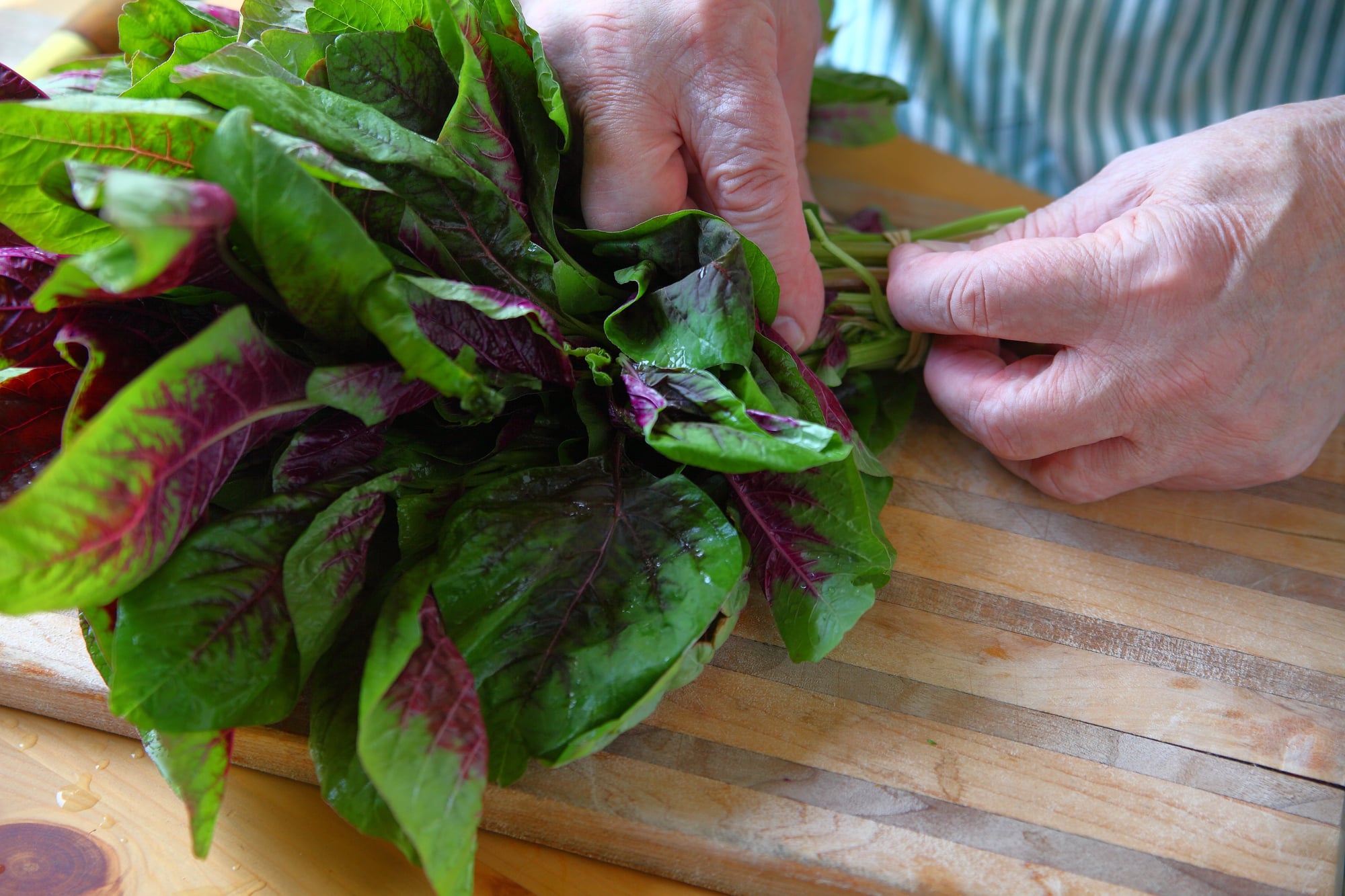
While amaranth seeds get attention as a superfood grain, the leaves of the same plant are equally valuable and even easier to harvest. Amaranth greens taste like spinach with more character—slightly earthy, mildly nutty, and substantial enough to hold up to cooking without turning to mush.
The leaves are exceptionally rich in vitamins A, C, and K, plus minerals like calcium, iron, and magnesium. Unlike many greens that become bitter as they mature, amaranth leaves remain tender and flavorful throughout the growing season.
The plants are incredibly productive, with regular harvesting encouraging new growth.
Amaranth is one of the few plants that provides both high-quality greens and protein-rich seeds from the same plant, making it an efficient use of garden space and agricultural resources. The plants are heat-tolerant and drought-resistant, continuing to produce when other greens bolt or wither.
In many parts of Africa and Asia, amaranth greens are a dietary staple, cooked with onions, tomatoes, and spices into nutritious stews. The leaves can be eaten raw when young, sautéed like spinach, or dried and powdered for use as a nutritional supplement.
Their versatility and nutrition density make them ideal for food security, yet they’re virtually unknown in most Western countries outside of specialty markets and ethnic grocery stores.
Chaya
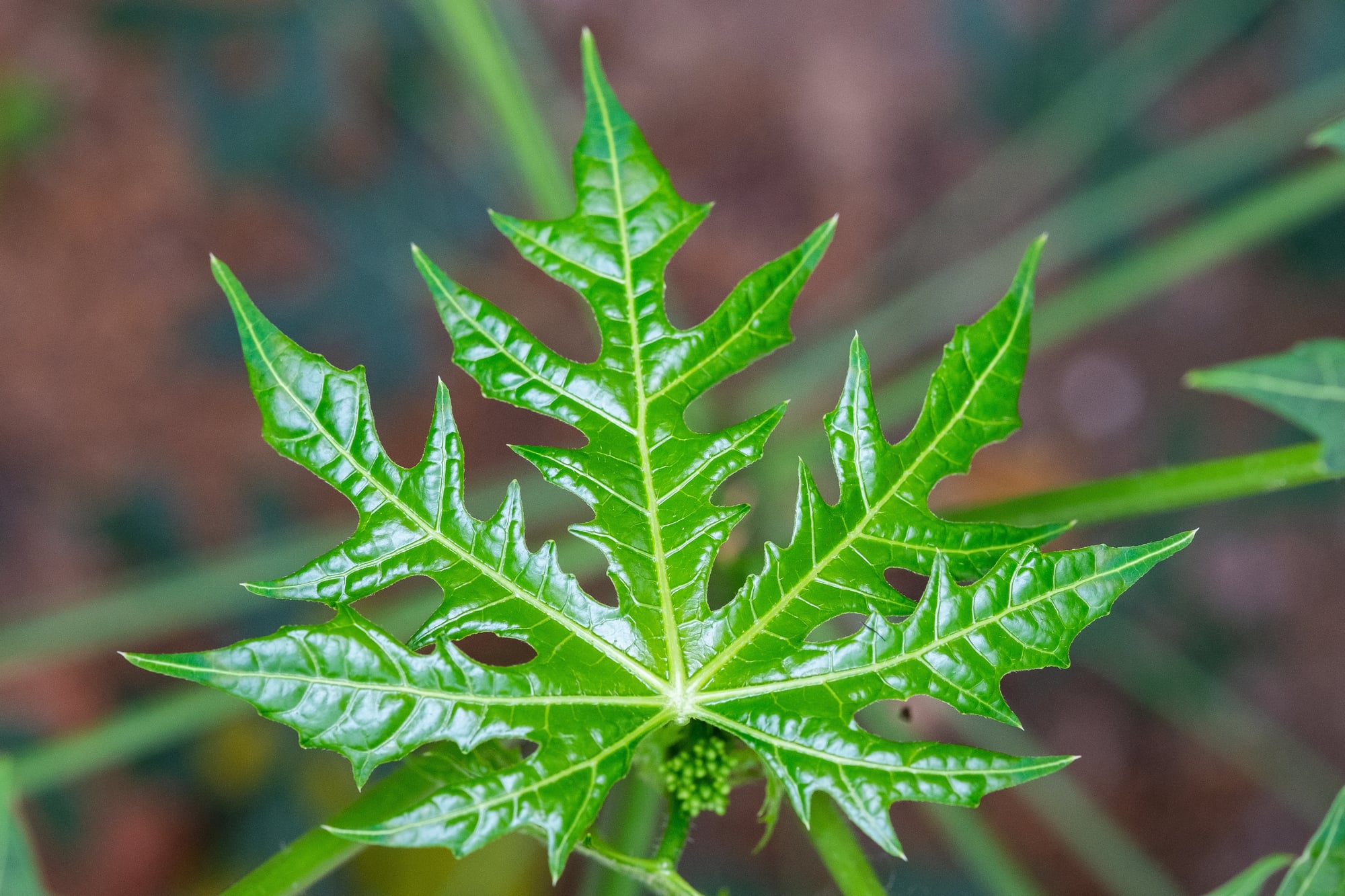
Chaya, also known as Maya spinach, is a large-leafed shrub that grows throughout Central America and produces some of the most nutritious greens on the planet. The leaves contain more protein, calcium, and iron than spinach, kale, or any other commonly eaten green vegetable.
There’s just one catch: they must be cooked for at least 20 minutes to neutralize natural toxins that make them dangerous to eat raw.
This cooking requirement has kept chaya from gaining popularity in cultures that prefer quick-cooking or raw greens. But in Maya communities, where chaya has been cultivated for over a thousand years, the cooking process is simply part of food preparation—no different from cooking beans or preparing cassava.
The cooked leaves have a mild, pleasant flavor and a texture similar to cooked spinach, but with far superior nutrition. Chaya plants are incredibly productive, with individual shrubs providing leaves year-round in tropical climates.
They’re drought-tolerant, pest-resistant, and require minimal care once established.
What’s particularly valuable about chaya is its ability to provide high-quality nutrition in regions where protein sources may be limited. The leaves contain all essential amino acids, making them a complete protein source that can supplement grain-based diets.
In areas struggling with malnutrition, chaya represents a low-cost, high-nutrition solution that grows readily in tropical conditions.
More from Go2Tutors!

- The Romanov Crown Jewels and Their Tragic Fate
- 13 Historical Mysteries That Science Still Can’t Solve
- Famous Hoaxes That Fooled the World for Years
- 15 Child Stars with Tragic Adult Lives
- 16 Famous Jewelry Pieces in History
Like Go2Tutors’s content? Follow us on MSN.