Most-Sober Friendly Cities
Picking a sober path changes the way someone moves through daily life. Around here, gatherings usually mean loud clubs or drinks after work – spaces where skipping alcohol stands out.
It is not meant to push anyone away, yet it sometimes does. Places friendlier to non-drinkers build connections without needing bottles at the center of everything.
It’s not about cutting things out. What matters is what shows up instead.
Culture pulls people together, day after day. Movement shapes how days unfold.
Shared places stand strong even when quiet. Being part of it never means pushing against invisible rules.
Full presence comes naturally here. The usual expectations fade into background noise.
Participation feels effortless because belonging isn’t tied to one way of being. Normal looks different now.
Spaces hold meaning without needing extras. Life moves at its own pace.
Connection grows where comfort already lives. Assumptions dissolve when routines include everyone.
A city breathes easier when inclusion isn’t an afterthought.
What stands out about certain U.S. cities is how they support sober living – not by pushing abstinence, but by offering spaces where people naturally gather without drinks around. Some spots thrive because sidewalks stay lively late, letting connection happen on walks instead of in bars.
Others grow stronger through small book clubs or volunteer meetups that form quietly over time. A few shine thanks to public parks designed for lingering – places with benches close together, encouraging talk between strangers.
What ties them all together isn’t policy or programs, but a rhythm of daily life that leaves room for belonging minus the bottle.
Portland, Oregon
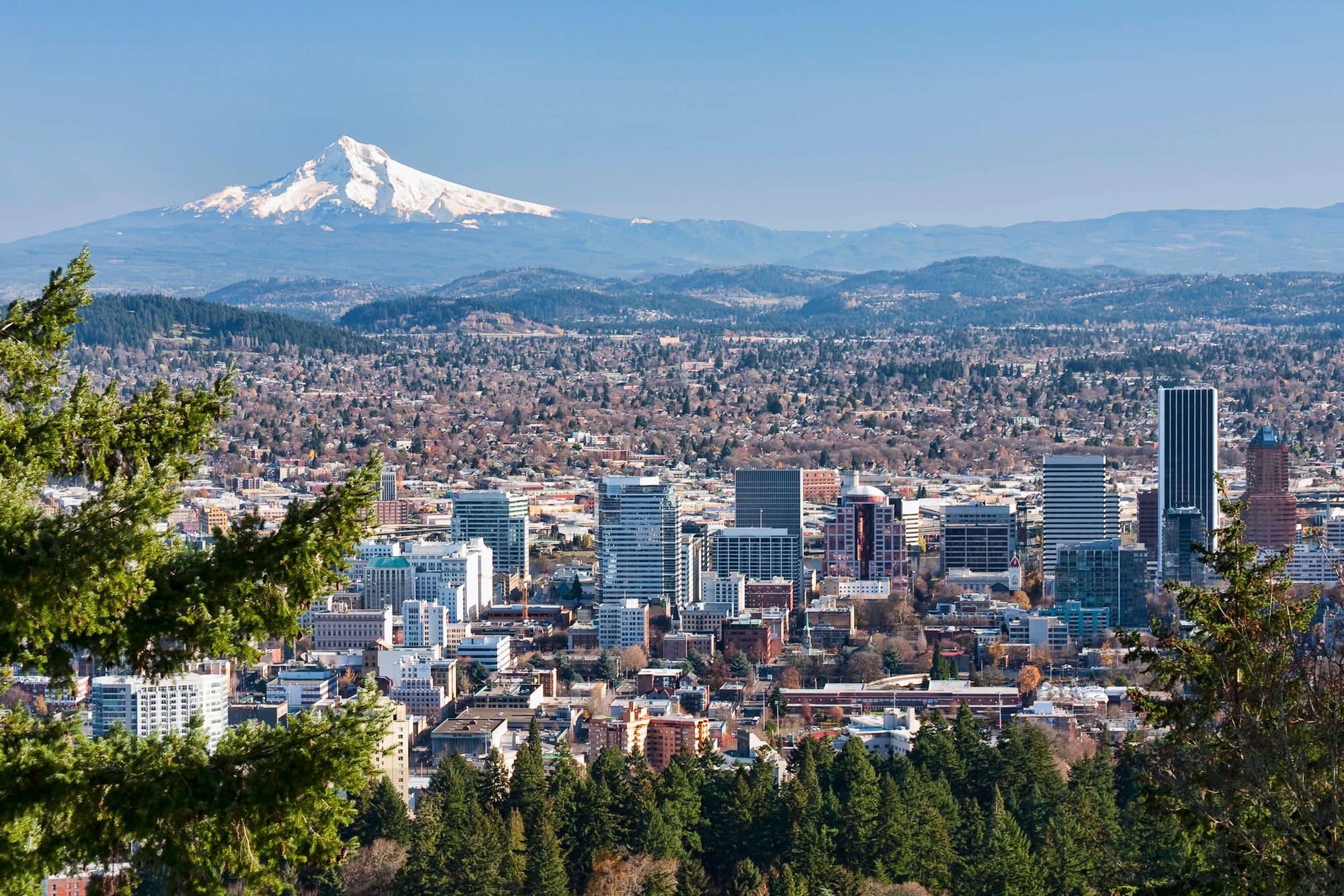
Portland’s sober-friendliness comes from how thoroughly its culture supports intentional living. Social life here begins early and stretches across the day, anchored by one of the most developed coffee cultures in the country.
Cafes function as third spaces where people linger, work, meet friends, and attend small events well into the evening.
The city’s emphasis on local neighborhoods also matters. Many areas are walkable and designed around community spaces rather than nightlife districts.
This makes social plans feel organic and flexible, rather than tied to a specific scene or schedule.
Still, Portland’s most defining trait is acceptance. Sobriety rarely requires explanation here.
It blends naturally into a broader culture that values autonomy, creativity, and choosing what works for you.
Boulder, Colorado
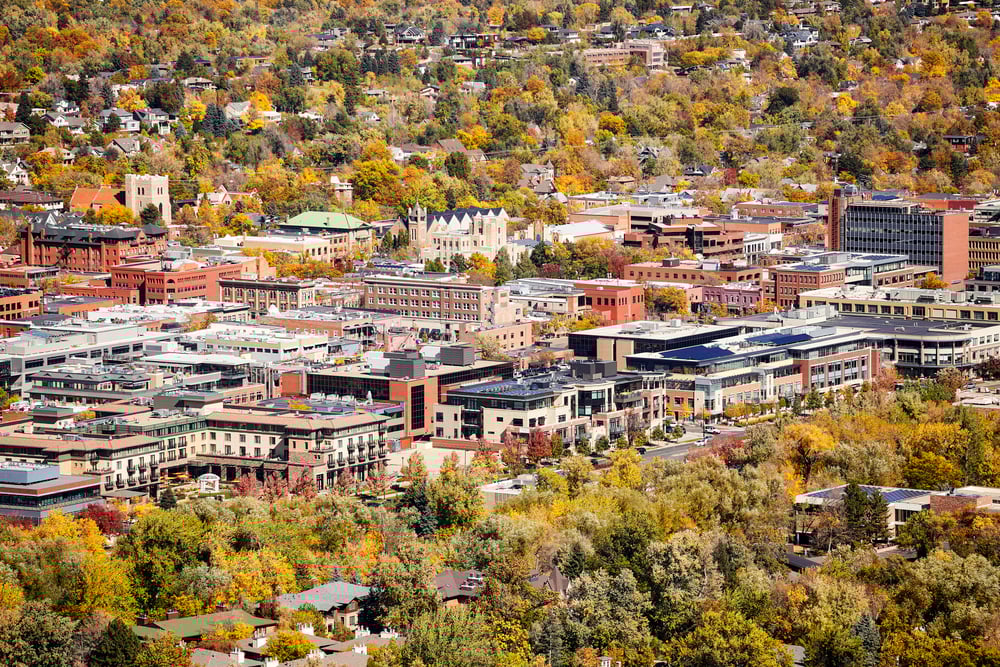
Boulder’s identity is inseparable from the outdoors, and that shapes its sober appeal in practical ways. Early mornings are common, weekends start with movement, and social plans often involve trails, climbing gyms, or open-air spaces rather than late nights.
The city’s wellness infrastructure is deeply embedded. Studios, community centers, and shared spaces are treated as social hubs, not niche destinations.
People meet through activities that reward consistency and clarity, which aligns naturally with sober living.
That said, Boulder’s sober-friendliness is less about performance and more about rhythm. The city moves at a pace that supports routine, making sobriety feel like alignment rather than resistance.
Austin, Texas
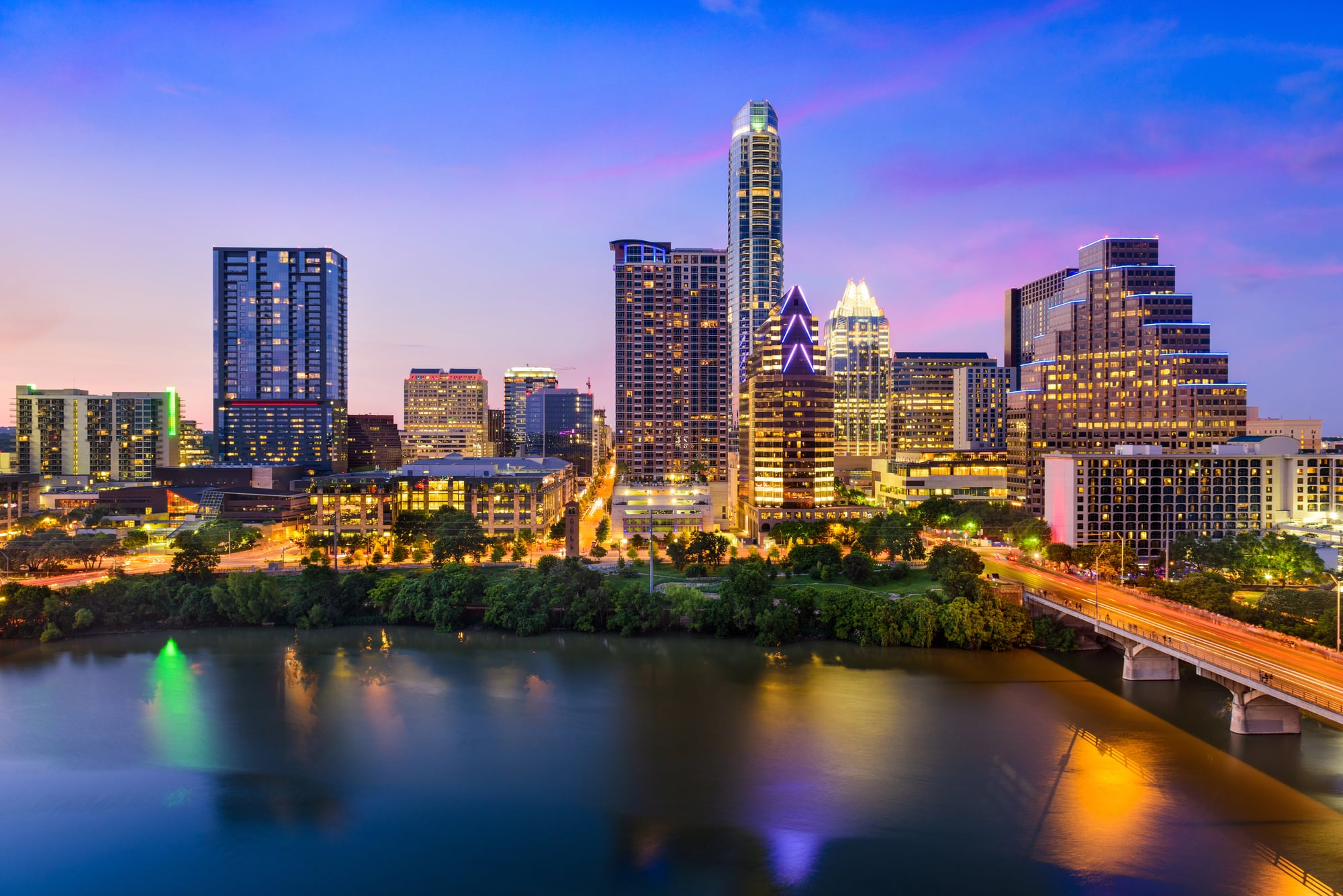
Austin’s reputation as a party city masks a quieter truth. Over time, its social landscape has diversified well beyond nightlife.
Music, food, art, and outdoor events form the backbone of connection, creating multiple entry points into community life.
Public trails and green spaces play a major role in daily social interaction. The city’s looped paths remain busy from sunrise through early evening, serving as informal gathering places where conversation replaces consumption.
What makes Austin stand out is its creative openness. People gather around shared interests rather than shared habits, which gives sobriety room to exist without becoming a defining trait.
San Diego, California
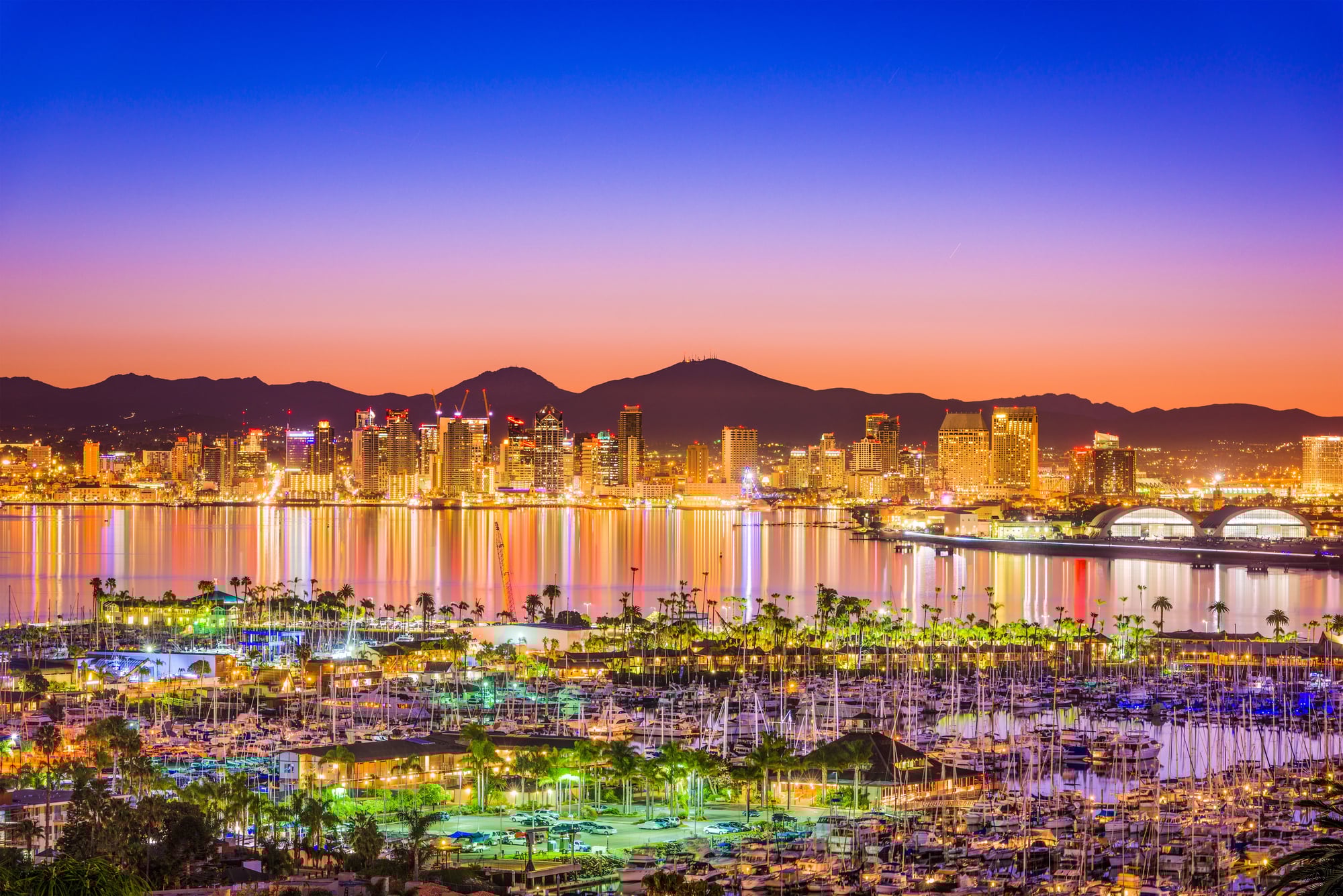
San Diego’s sober-friendliness is shaped by its climate and geography. With mild weather most of the year, social life naturally unfolds outdoors.
Days are long, activities start early, and connection does not wait for nighttime.
Beach paths, coastal parks, and neighborhood walking routes provide constant opportunities for movement and conversation. Many social routines revolve around mornings and afternoons, reducing the pressure to participate in nightlife to stay connected.
On the other hand, San Diego’s appeal lies in its subtlety. The city does not frame itself as sober-forward, yet it consistently supports lifestyles that do not rely on alcohol to feel complete.
Minneapolis, Minnesota
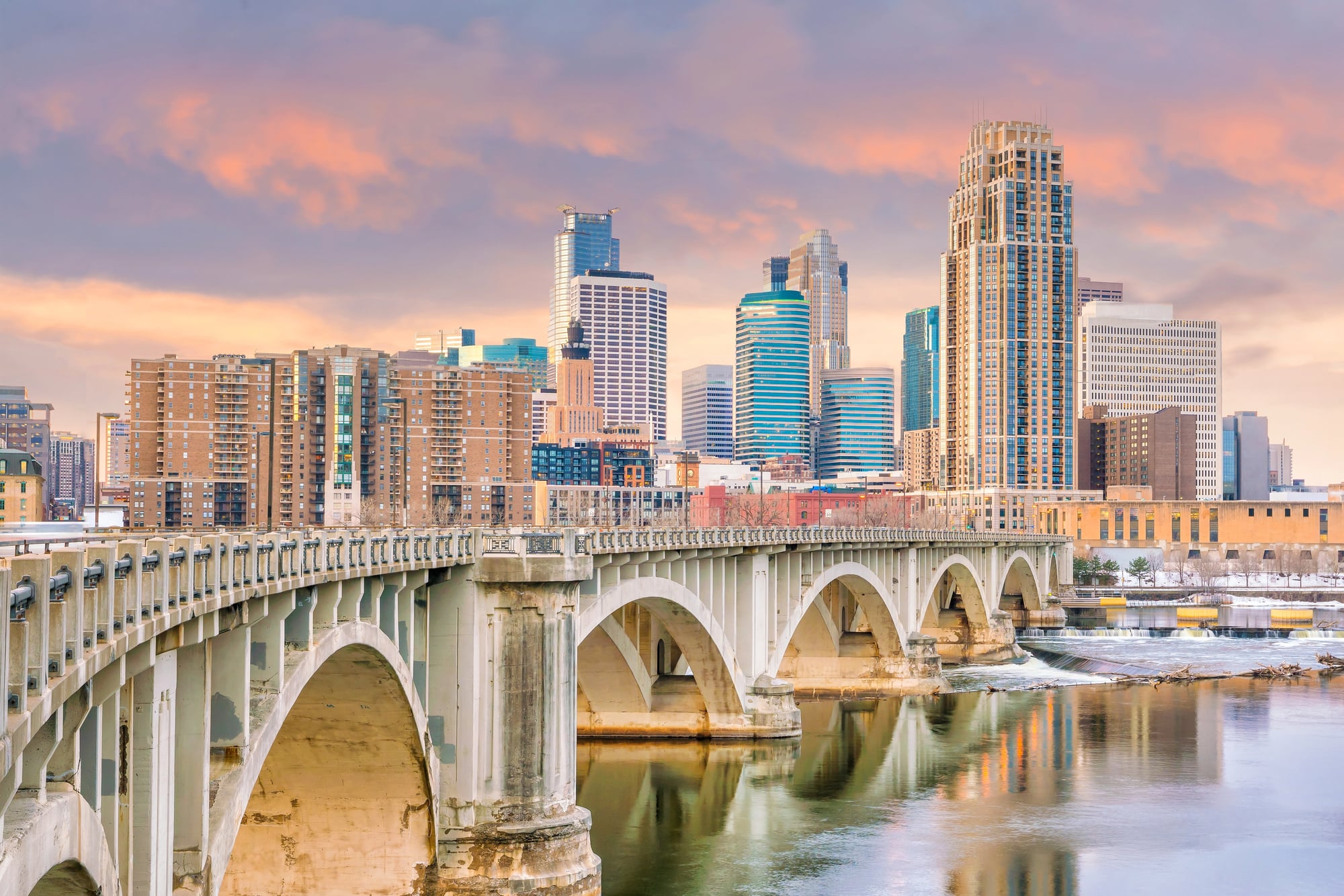
Minneapolis demonstrates how infrastructure can shape social culture. The city’s extensive park system and connected trails function as year-round gathering spaces, supporting activity-based social life even in colder seasons.
Cultural institutions play an outsized role here. Museums, theaters, libraries, and public lecture spaces offer structured yet accessible ways to connect without nightlife pressure.
Coffee shops often remain open later, providing alternatives for evening socializing.
Still, Minneapolis’s sober-friendliness comes from community norms. Relationships tend to form around shared values and interests, making sobriety feel incidental rather than isolating.
Seattle, Washington
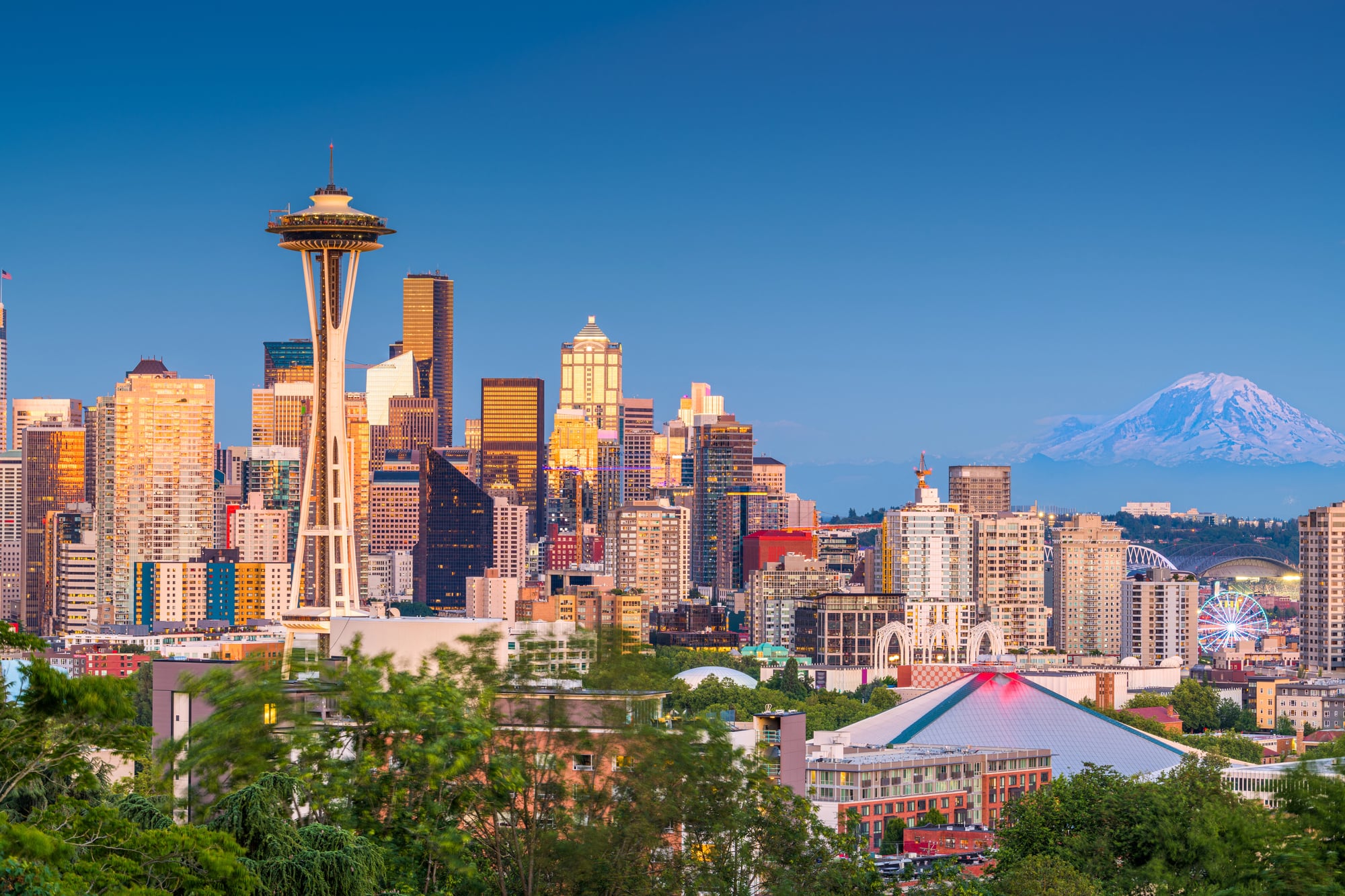
Seattle’s sober appeal is closely tied to its introspective, routine-oriented culture. Social interaction here often centers on conversation, creativity, and shared activities rather than spectacle.
Coffee culture is deeply ingrained, offering countless spaces for quiet connection.
Nature access reinforces this rhythm. Trails, waterfronts, and green spaces are woven into daily life, encouraging social plans that involve walking, exploring, or simply spending time outdoors.
That said, Seattle’s greatest strength is emotional permission. Sobriety rarely feels like opting out because the city does not insist on a single social script.
Santa Fe, New Mexico
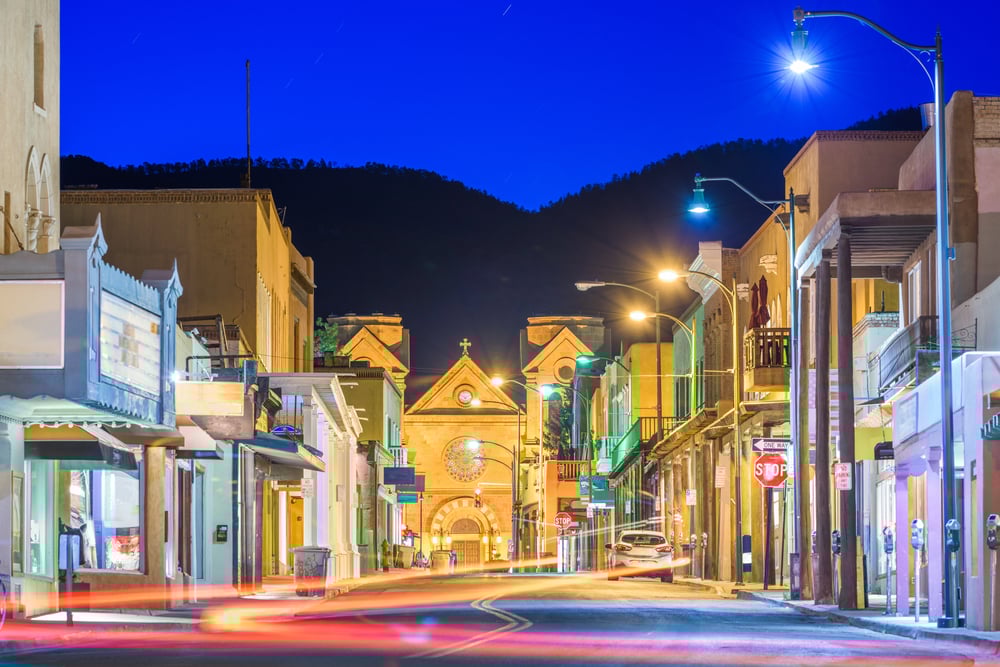
Santa Fe offers a slower, more reflective version of sober-friendly living. The city’s social life is rooted in art, history, and landscape, creating spaces where presence matters more than stimulation.
Galleries, markets, and outdoor gatherings provide natural points of connection. Wellness practices are not trends here but long-standing parts of the city’s identity, shaping how people relate to time and community.
What makes Santa Fe especially welcoming is its respect for boundaries. Personal choices around lifestyle are treated with quiet normalcy, allowing sobriety to exist without commentary.
Madison, Wisconsin

Madison combines a strong public-space culture with an emphasis on education and civic life. The presence of lakes, trails, and pedestrian-friendly areas encourages social interaction throughout the day.
The city’s calendar is filled with community events that prioritize participation over consumption. Talks, performances, and outdoor gatherings provide structure without relying on nightlife to create energy.
Still, Madison’s sober-friendliness comes from balance. Social life here has multiple centers of gravity, making it easier to engage without being pulled toward alcohol-focused environments.
Berkeley, California

Berkeley’s sober-friendly reputation is tied to its long history of alternative culture and intellectual engagement. Conversation, ideas, and activism form the basis of many social interactions, creating depth without dependency on drinking.
Public spaces, bookstores, cafes, and lecture venues serve as gathering points across generations. Social life often unfolds in settings that encourage thoughtfulness and connection rather than distraction.
That said, Berkeley’s defining trait is agency. Choosing sobriety feels aligned with the city’s broader culture of self-definition and intentional living.
Why Sober-Friendly Cities Matter Now

Hush settles where streets unfold. Spaces guide handshakes, laughter, moments between strangers – without shouting a rule.
Quiet corners hum with options that skip the bar stool entirely. Fulfillment slips into parks, cafes, quiet walks instead of glasses raised high.
What matters grows from what’s offered each morning when doors open wide. Alcohol fades not because banned – but simply forgotten.
When folks begin questioning drinking habits – be it a short break or forever – city life shifts too. Where gatherings go beyond bars, staying sober slips into place quietly.
These spots ease the weight of constant interaction. Belonging shows up easier when you’re not asked why you’re not drinking.
Generosity, not holding back, marks the friendliest towns for those staying sober. These spots brim with color, difference, people talking – so booze slips away quietly, unnoticed.
Living without drinking here doesn’t spark questions; it just blends in, like morning light through glass. What stands out?
A rhythm where abstinence isn’t sharp-edged, only ordinary.
More from Go2Tutors!

- The Romanov Crown Jewels and Their Tragic Fate
- 13 Historical Mysteries That Science Still Can’t Solve
- Famous Hoaxes That Fooled the World for Years
- 15 Child Stars with Tragic Adult Lives
- 16 Famous Jewelry Pieces in History
Like Go2Tutors’s content? Follow us on MSN.



