15 Math Facts Every Kid Should Know
Mathematics isn’t just about memorizing multiplication tables or solving homework problems. It’s a fascinating world filled with patterns, shortcuts, and amazing discoveries that can make numbers feel like magic tricks.
When kids understand these fundamental math facts, they build a strong foundation that makes advanced math concepts much easier to grasp later on. Plus, many of these facts are genuinely cool and can impress friends and family with quick mental math skills.
These essential math facts combine practical computational skills with mind-blowing mathematical concepts that spark curiosity and wonder. Here is a list of 15 math facts every kid should know to build confidence and excitement about mathematics.
Zero Makes Everything Disappear in Multiplication

When you multiply any number by zero, the answer is always zero, no matter how big the original number is.
This happens because multiplication means ‘groups of’ something, and zero groups means you have nothing at all. Even a million times zero equals zero, making this one of the most powerful and consistent rules in all of mathematics.
The Magic Number Nine

The number nine has special powers that seem almost supernatural.
When you multiply nine by any single digit, the digits in the answer always add up to nine. Try 9 × 7 = 63, and 6 + 3 = 9, or 9 × 4 = 36, and 3 + 6 = 9.
Even and Odd Numbers Have Simple Rules
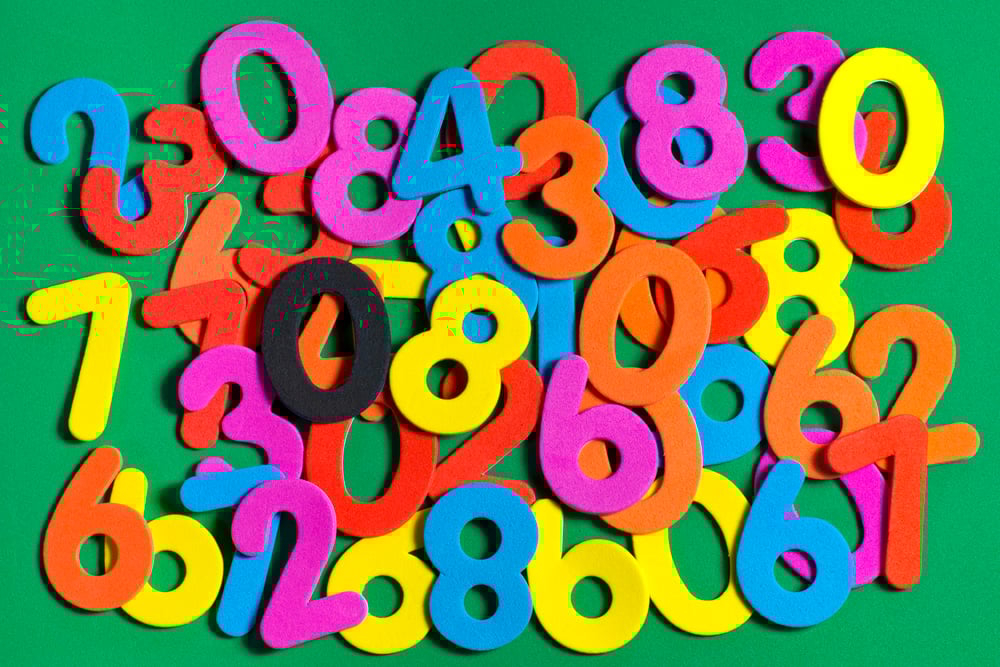
Even numbers always end in 0, 2, 4, 6, or 8, while odd numbers always end in 1, 3, 5, 7, or 9.
When you add two even numbers, you always get an even number, and when you add two odd numbers, you always get an even number too. But adding an even and an odd number always gives you an odd result.
The Commutative Property Makes Math Easier
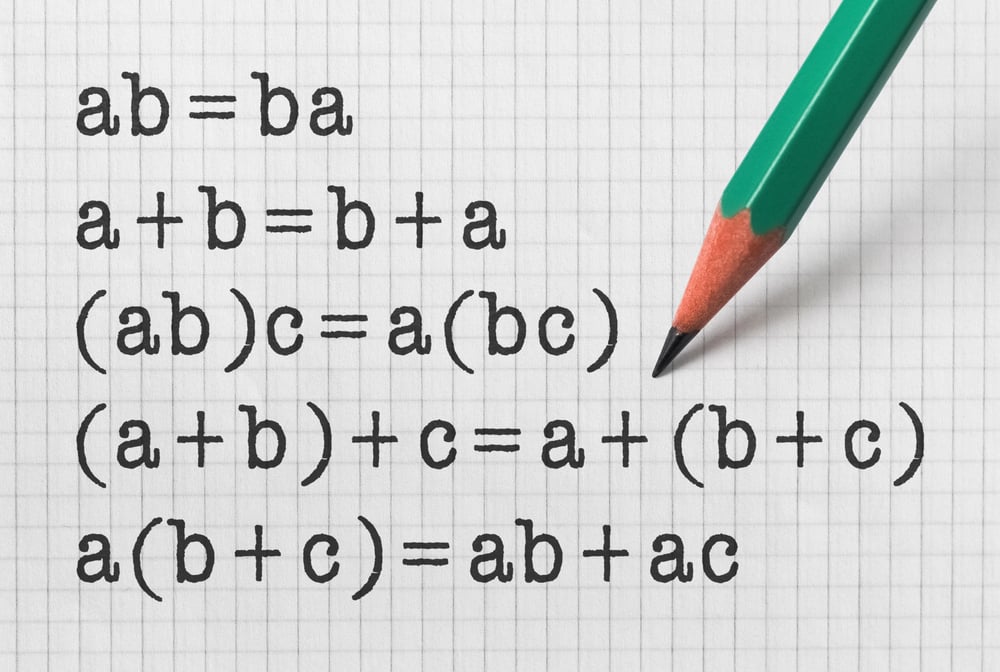
The order doesn’t matter in addition and multiplication, which mathematicians call the commutative property.
This means 3 + 5 equals the same thing as 5 + 3, and 4 × 6 gives the same answer as 6 × 4. Understanding this fact cuts math memorization in half because you only need to learn one version of each fact.
Place Value Determines a Digit’s Worth
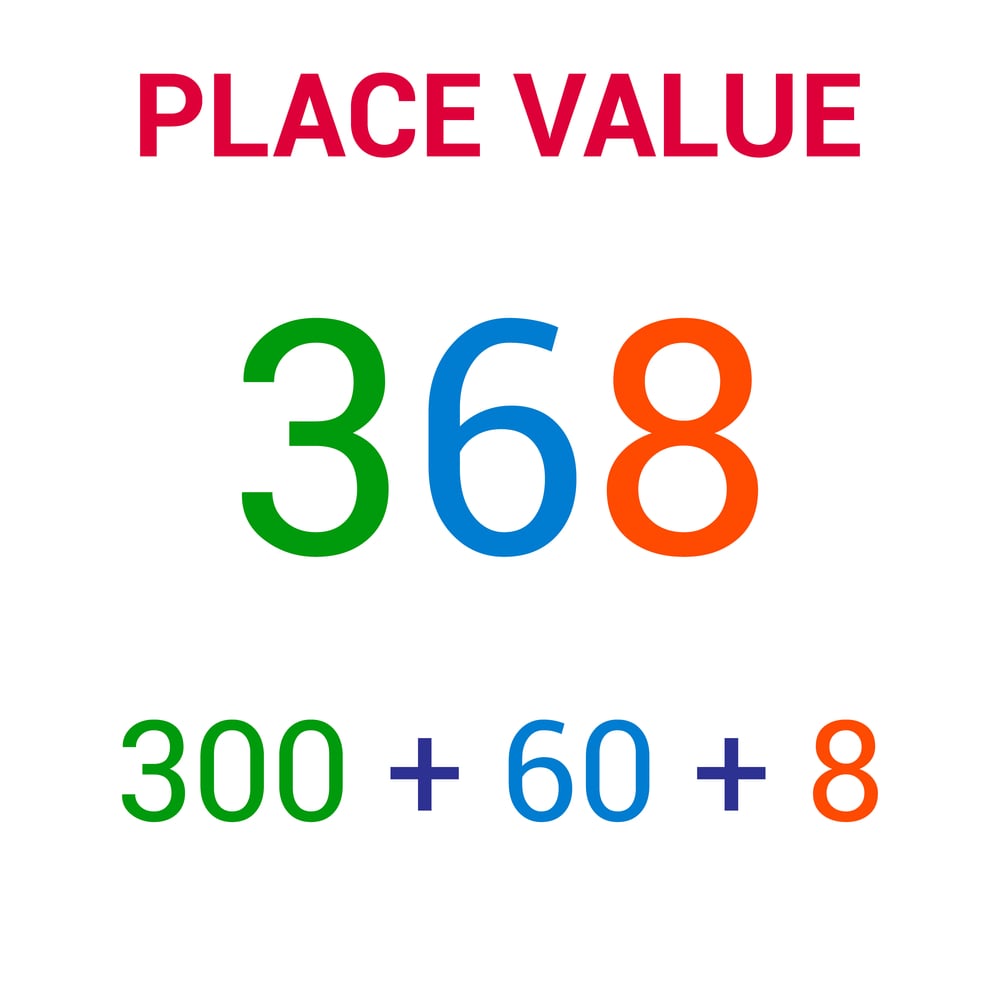
The same digit can be worth completely different amounts depending on where it sits in a number.
The 5 in 500 is worth five hundred, but the 5 in 50 is only worth fifty, and the 5 in 5 is just worth five. Each position to the left makes a digit ten times more valuable than the position before it.
Doubling and Halving Are Opposite Operations
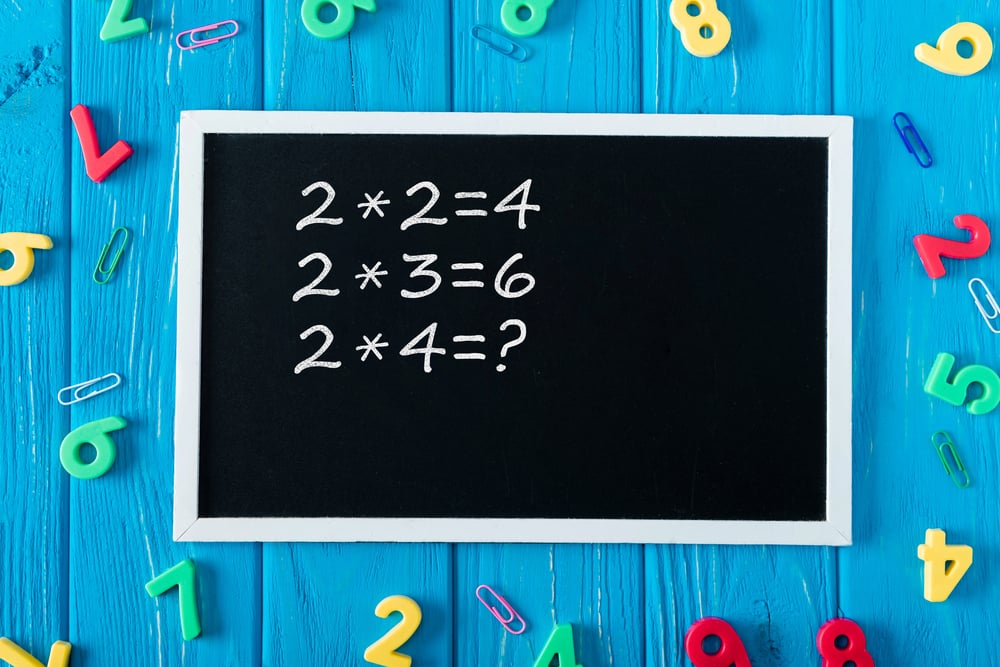
Doubling means multiplying by two, while halving means dividing by two, and they undo each other perfectly.
If you double 8 to get 16, then halve 16 to get back to 8. This relationship helps with mental math and understanding how multiplication and division work as opposite operations.
The Number One is the Multiplication Identity

Multiplying any number by one leaves that number completely unchanged, earning one the title of ‘multiplication identity.’
This might seem obvious, but it’s actually a fundamental property that makes advanced math work correctly. Similarly, adding zero to any number leaves it unchanged, making zero the ‘addition identity.’
Fractions and Decimals Are the Same Thing
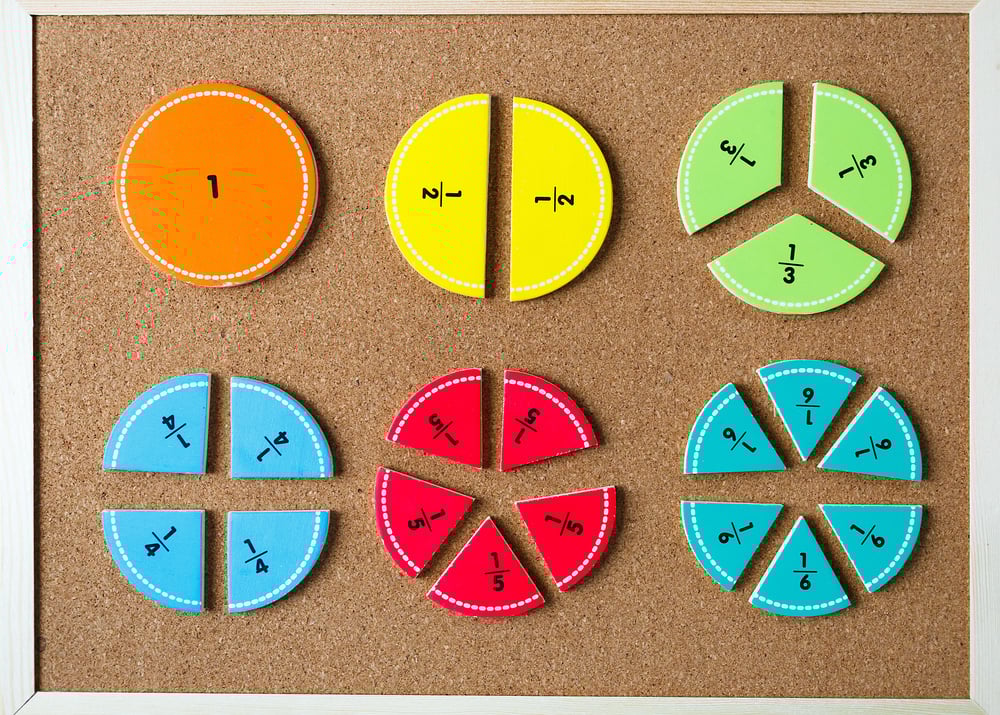
Every fraction can be written as a decimal, and every decimal can be written as a fraction.
The fraction 1/2 equals 0.5, and 3/4 equals 0.75. Understanding this connection helps kids see that fractions aren’t scary or different from regular numbers – they’re just another way of writing the same values.
Patterns Make Numbers Predictable
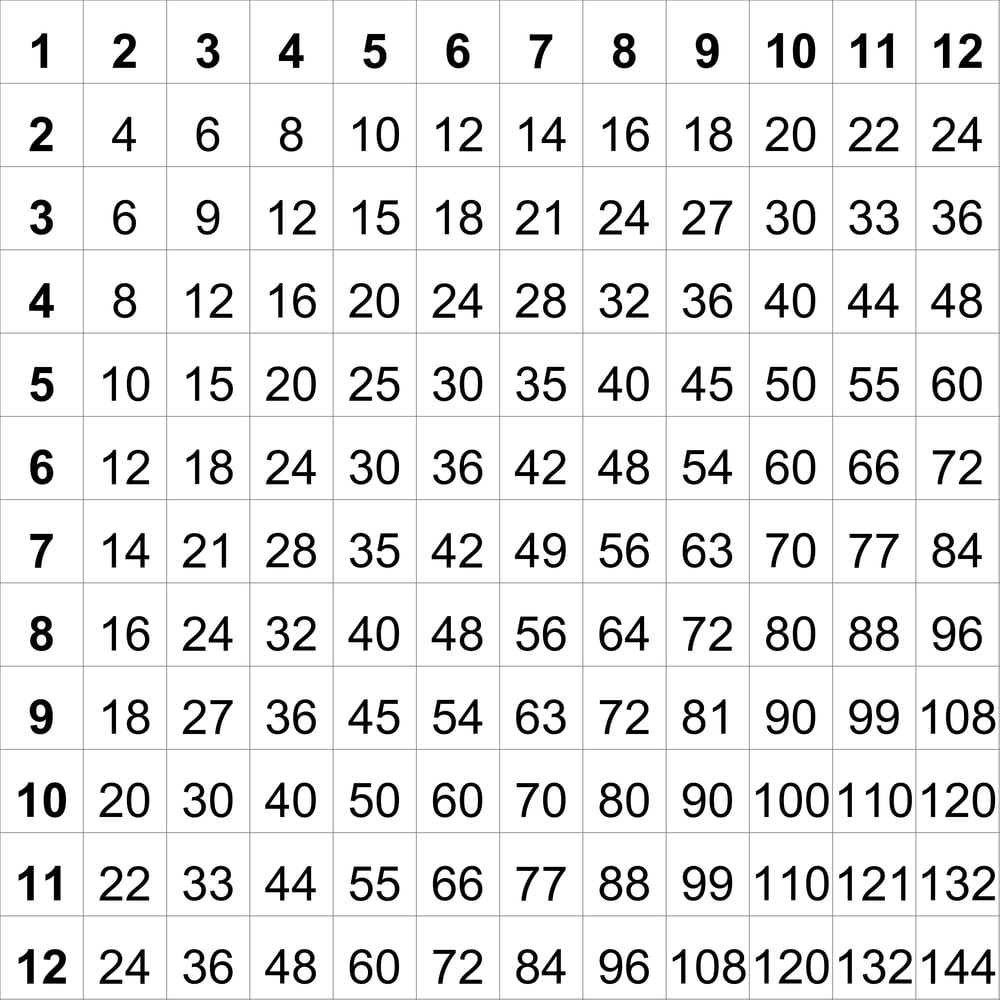
Mathematical patterns are everywhere and make calculations much easier once you spot them.
The pattern 2, 4, 6, 8 shows even numbers increasing by two each time. Skip counting by fives gives you 5, 10, 15, 20, which are all the numbers that end in 0 or 5.
Rounding Makes Estimation Simple
Rounding numbers to the nearest ten or hundred makes mental math much easier and gives you quick estimates.
To round to the nearest ten, look at the ones digit – if it’s 5 or more, round up, and if it’s 4 or less, round down. So 67 rounds to 70, while 63 rounds to 60.
Area Measures How Much Space Something Covers
Area tells you how many square units fit inside a shape, which is different from perimeter, which measures the distance around the outside.
A rectangle that’s 3 units wide and 4 units long has an area of 12 square units because 3 × 4 = 12. Understanding the area helps with everything from buying carpet to planning gardens.
Prime Numbers Have Exactly Two Factors
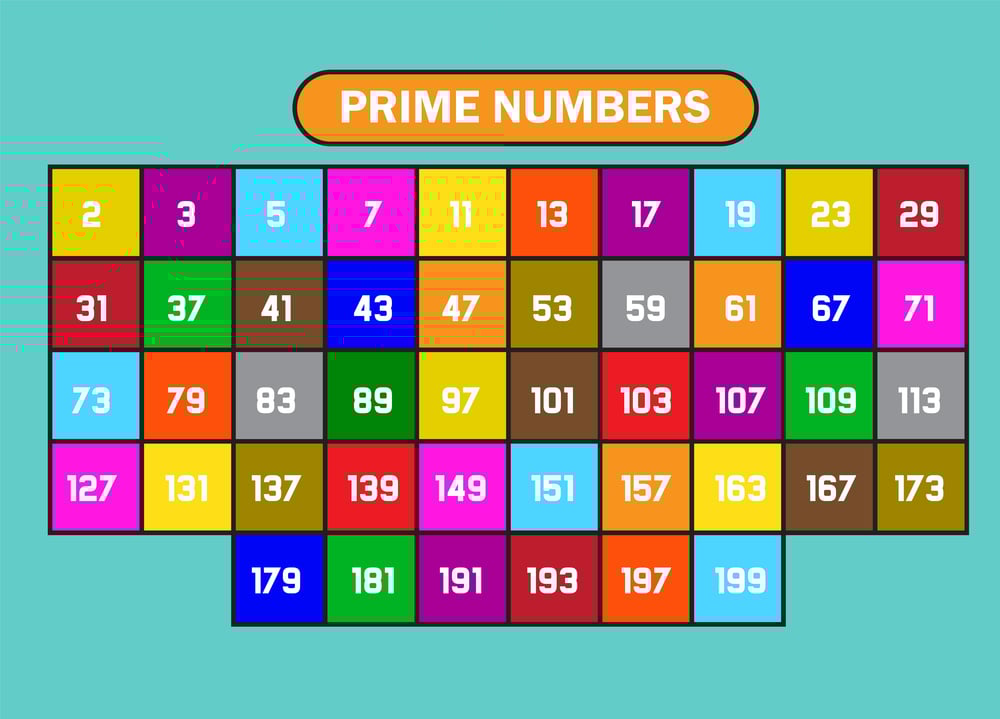
Prime numbers can only be divided evenly by themselves and the number one, making them the building blocks of all other numbers.
The first few prime numbers are 2, 3, 5, 7, 11, and 13. Every other number can be broken down into prime factors, like how 12 = 2 × 2 × 3.
The Distributive Property Breaks Apart Multiplication
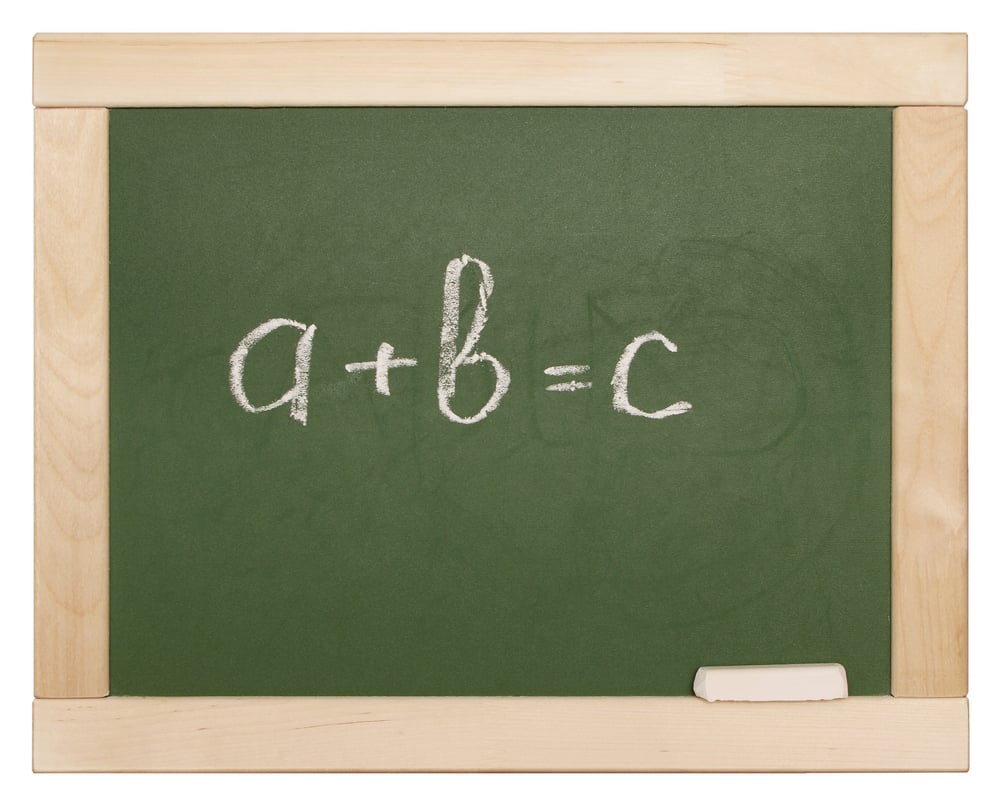
The distributive property lets you break apart hard multiplication problems into easier pieces.
Instead of calculating 8 × 13 directly, you can think of it as 8 × (10 + 3) = (8 × 10) + (8 × 3) = 80 + 24 = 104. This strategy makes mental multiplication much more manageable and builds number sense.
Probability Measures How Likely Things Are
Probability uses fractions or percentages to describe how likely something is to happen.
Flipping a coin gives you a 1/2 or 50% chance of getting heads because there’s one way to get heads out of two possible outcomes. Rolling a six on a standard die gives you a 1/6 chance because there’s one six out of six possible numbers.
Division and Multiplication Are Opposite Operations
Division undoes multiplication just like subtraction undoes addition, making them inverse operations that work perfectly together.
If 6 × 4 = 24, then 24 ÷ 6 = 4 and 24 ÷ 4 = 6. Understanding this relationship helps kids check their work and see how mathematical operations connect to each other in logical ways.
Building Mathematical Confidence One Fact at a Time
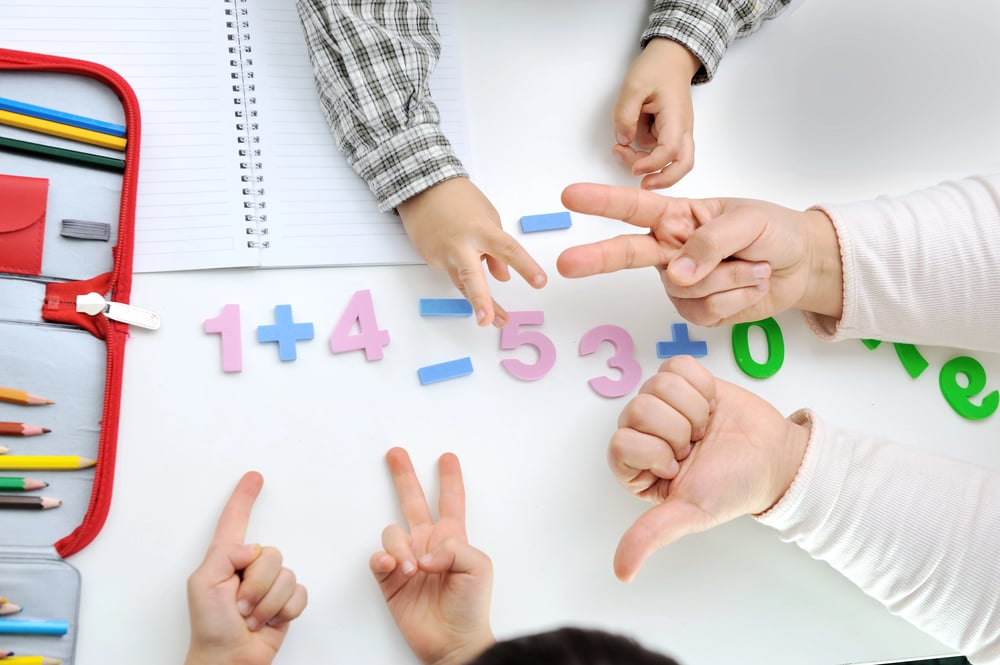
These fifteen math facts form the foundation for virtually every mathematical concept kids will encounter in their educational journey.
When students master these basics, they free up mental energy to tackle more complex problems with confidence rather than getting stuck on computational details.
More from Go2Tutors!

- The Romanov Crown Jewels and Their Tragic Fate
- 13 Historical Mysteries That Science Still Can’t Solve
- Famous Hoaxes That Fooled the World for Years
- 15 Child Stars with Tragic Adult Lives
- 16 Famous Jewelry Pieces in History
Like Go2Tutors’s content? Follow us on MSN.