Nations Guarding the Most Protected Historical Sites
Standing before an ancient temple or walking through a centuries-old palace, there’s that moment when time seems to fold in on itself. The weight of history settles around you, and suddenly you’re connected to everyone who came before.
Some countries have made it their mission to protect these threads to the past, treating historical preservation not just as a cultural duty but as a sacred trust. These nations understand that once a site is lost, it’s gone forever — no amount of money or regret can bring back what carelessness destroyed.
Egypt
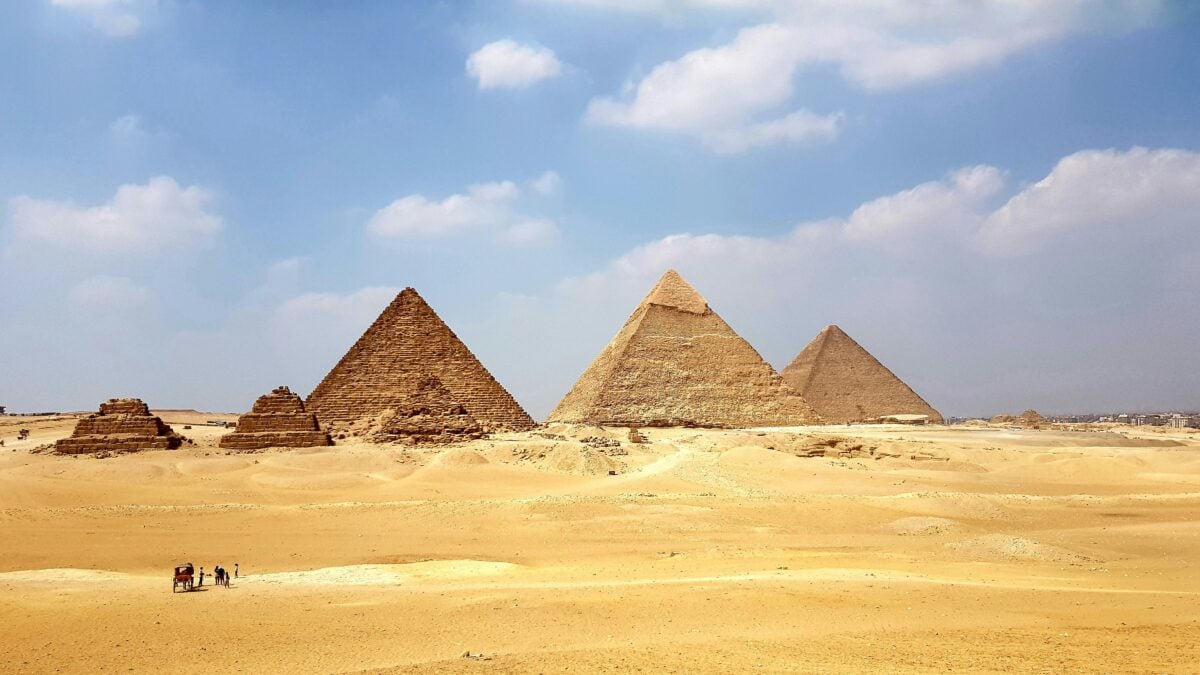
The pyramids don’t need introductions. Neither do the temples at Luxor or the tombs in the Valley of the Kings.
Egypt sits on what amounts to an archaeological goldmine, and the country treats it accordingly. The Ministry of Tourism and Antiquities operates like a fortress around these sites.
Visitor numbers are capped, environmental monitoring is constant, and restoration work follows international standards so strict they border on obsessive. They’ve learned from mistakes — the damage caused by mass tourism in previous decades taught them that access and preservation exist in permanent tension.
Greece
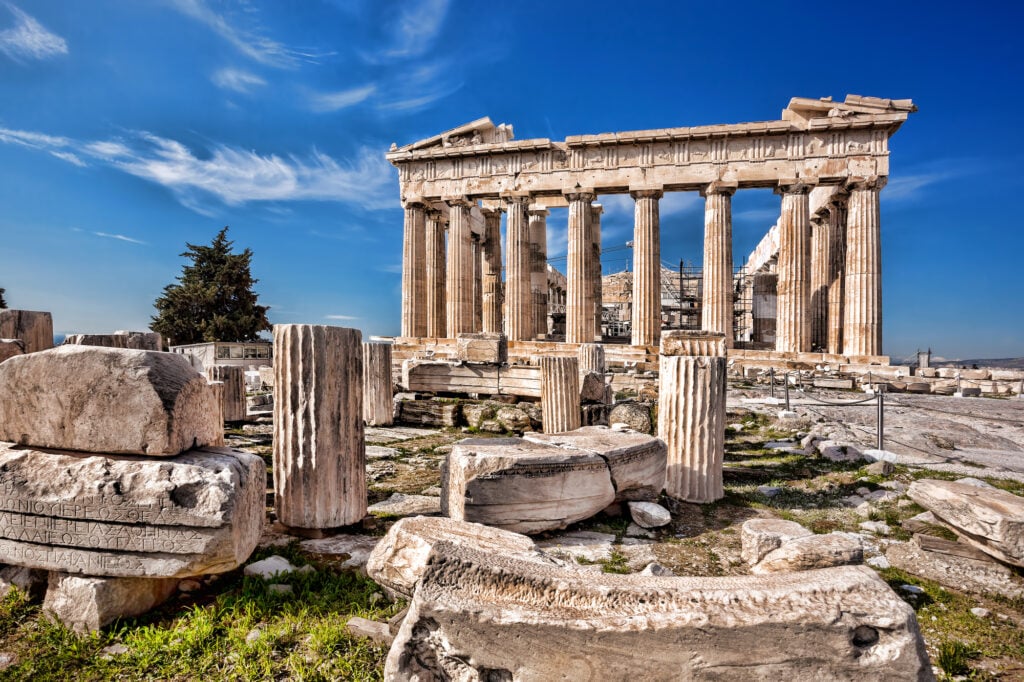
Greek ruins are stubborn things, much like the country that guards them (and the bureaucracy that sometimes slows down their protection, though that’s another conversation entirely). The Acropolis gets most of the attention, but Greece’s approach to historical preservation runs deeper than its most famous hilltop.
What’s impressive isn’t just the number of sites — over 15,000 archaeological locations scattered across the mainland and islands — but how seriously Greece takes the idea that these places belong to humanity as much as they belong to Greece. The Central Archaeological Council doesn’t just approve or deny projects; it operates with the understanding that every decision echoes forward for generations.
And when developers try to cut corners around ancient sites, as they sometimes do, the pushback is swift and uncompromising.
Italy
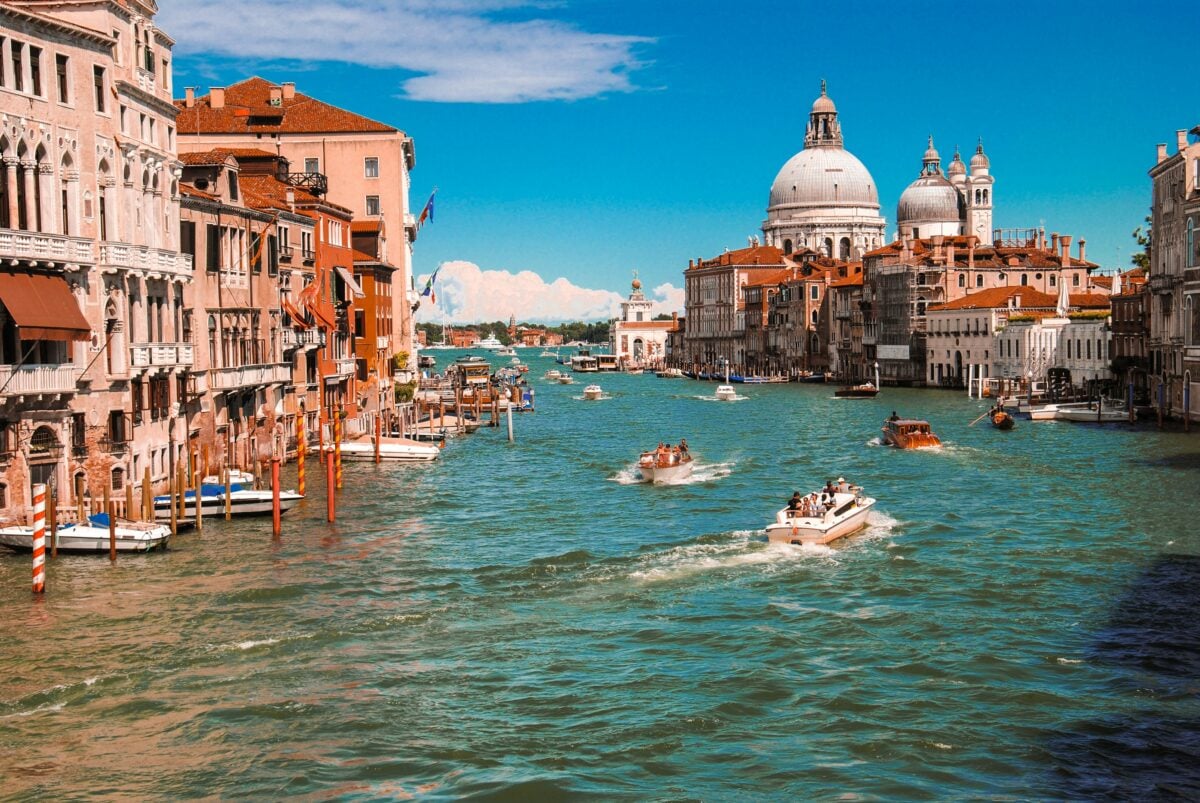
There’s something both beautiful and maddening about how Italy approaches its historical sites — like watching someone juggle priceless artifacts while walking a tightrope. The country contains more UNESCO World Heritage Sites than anywhere else on earth (58 at last count, though who’s keeping track when new discoveries keep surfacing), and the challenge isn’t identifying what deserves protection but managing the sheer volume of irreplaceable history packed into one peninsula.
The Soprintendenza system — regional offices that oversee cultural heritage — operates with a level of authority that can stop construction projects cold if ancient foundations turn up during excavation (which happens more often than you’d think in a country where people have been building cities on top of older cities for millennia). So when a developer in Rome hits marble blocks while digging a foundation, work stops, archaeologists arrive, and sometimes entire projects get redesigned around a 2,000-year-old wall that’s suddenly more important than whatever was supposed to go on top of it. Fair enough.
China
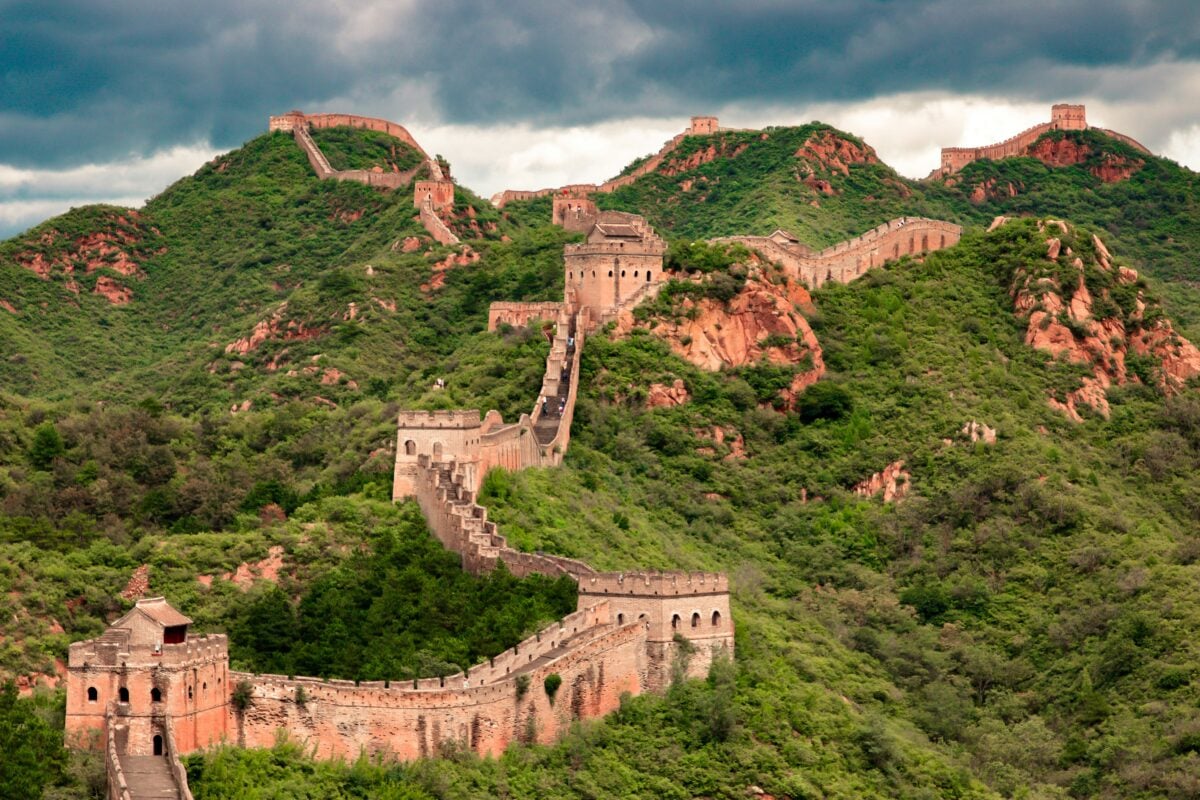
China’s relationship with its historical sites mirrors the country itself: vast, complex, and sometimes contradictory. The Great Wall alone spans over 13,000 miles, but that’s just the beginning of what the State Administration of Cultural Heritage oversees.
The interesting tension here is between preservation and progress. China has invested billions in protecting sites like the Forbidden City and the Terracotta Army, employing cutting-edge technology and international expertise.
At the same time, rapid development has sometimes come at the expense of smaller historical sites that lack the political protection of major tourist destinations. What China does particularly well is scale.
When they commit to protecting a site, the resources deployed are impressive. The Forbidden City’s restoration projects involve hundreds of craftsmen trained in traditional techniques, and the digital documentation efforts create detailed records that serve as both research tools and insurance against future damage.
Peru

Machu Picchu sits in the clouds like it’s been waiting there forever, which in some ways it has — the Inca built it to last, and Peru treats it like the irreplaceable wonder it is. Daily visitor limits, mandatory guided tours, and hiking permits that book months in advance create a system that prioritizes preservation over convenience.
But Peru’s commitment extends beyond its most famous site. The country protects over 300 archaeological zones, many of them requiring serious effort to reach.
The logic is straightforward: if a site survived centuries or millennia, it deserves better than being loved to death by uncontrolled tourism. Peru learned this lesson partly from other countries’ mistakes and partly from its own close calls with sites that nearly succumbed to environmental damage and human impact.
The National Service of Natural Areas Protected by the State doesn’t just manage access; it actively researches and restores sites using techniques that respect both the original construction methods and modern conservation science. When ancient drainage systems are restored using traditional materials and methods, it’s not just about authenticity — it’s about understanding that the original builders knew something about making things last.
France
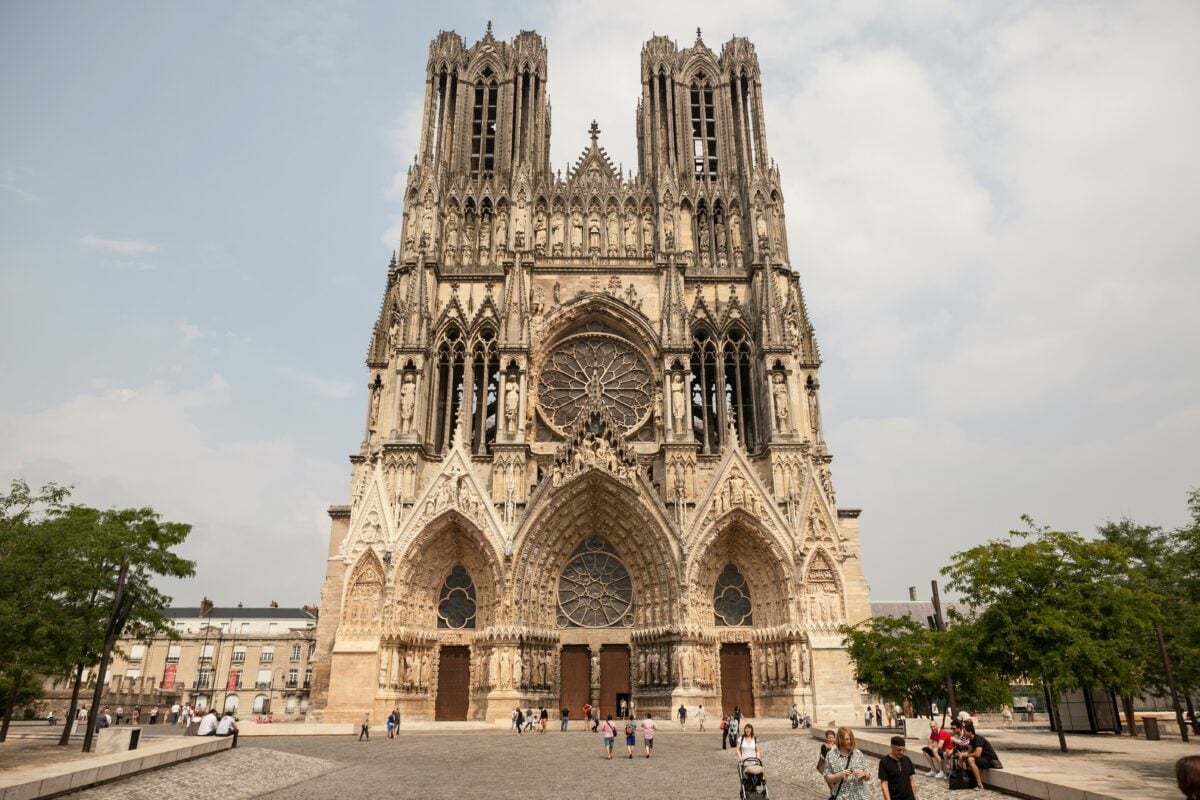
French historical preservation operates like a well-oiled machine with occasional bursts of passionate argument — which is to say, very French indeed. The country’s approach combines rigorous legal frameworks with a cultural understanding that historical sites aren’t just tourist attractions but living parts of French identity.
The Monuments Historiques classification system protects over 45,000 sites and structures, from Gothic cathedrals to medieval villages to 20th-century industrial buildings that younger countries might not yet recognize as historically significant. What makes the French system particularly effective is its integration with urban planning — historical districts aren’t museum pieces but functioning neighborhoods where people live and work within carefully maintained architectural guidelines.
When Notre-Dame caught fire in 2019, the response revealed how deeply this commitment runs. The restoration project became a national obsession, with craftsmen relearning medieval techniques and scientists analyzing centuries-old materials to ensure the rebuilt sections would be indistinguishable from the original.
Cambodia
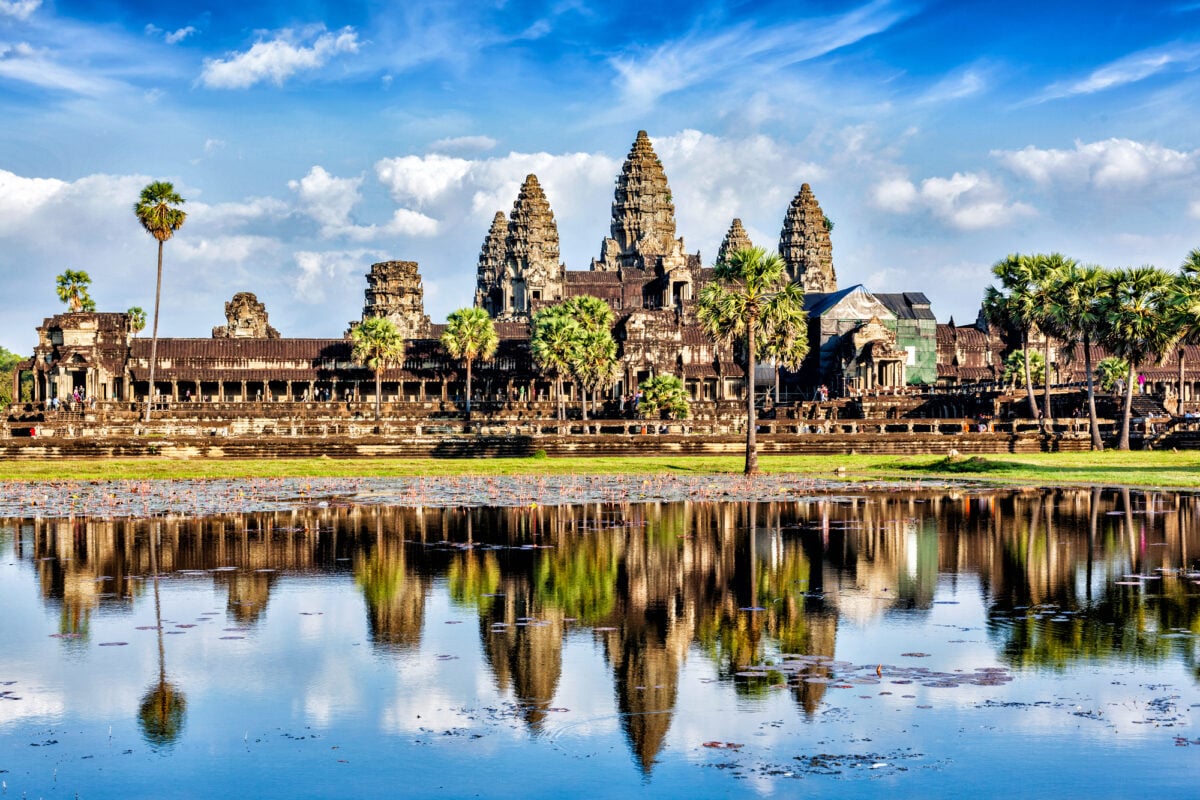
The temples of Angkor represent one of humanity’s great architectural achievements, and Cambodia’s efforts to protect them read like a case study in international cooperation and national determination. After decades of war and political instability, the country has rebuilt its capacity for heritage protection from the ground up.
The APSARA Authority, which manages the Angkor Archaeological Park, operates under constant pressure from multiple directions: tourism revenue that the country needs, environmental threats that include everything from tree roots to flooding, and the ongoing challenge of preventing looting and unauthorized development. The approach has been to embrace international expertise while building local capacity.
What’s remarkable is how Cambodia has managed to balance access with preservation despite limited resources. Visitor pathways route tourists away from the most vulnerable structures, ongoing restoration projects use traditional materials and techniques, and local communities are integrated into both the protection efforts and the economic benefits of heritage tourism.
Mexico
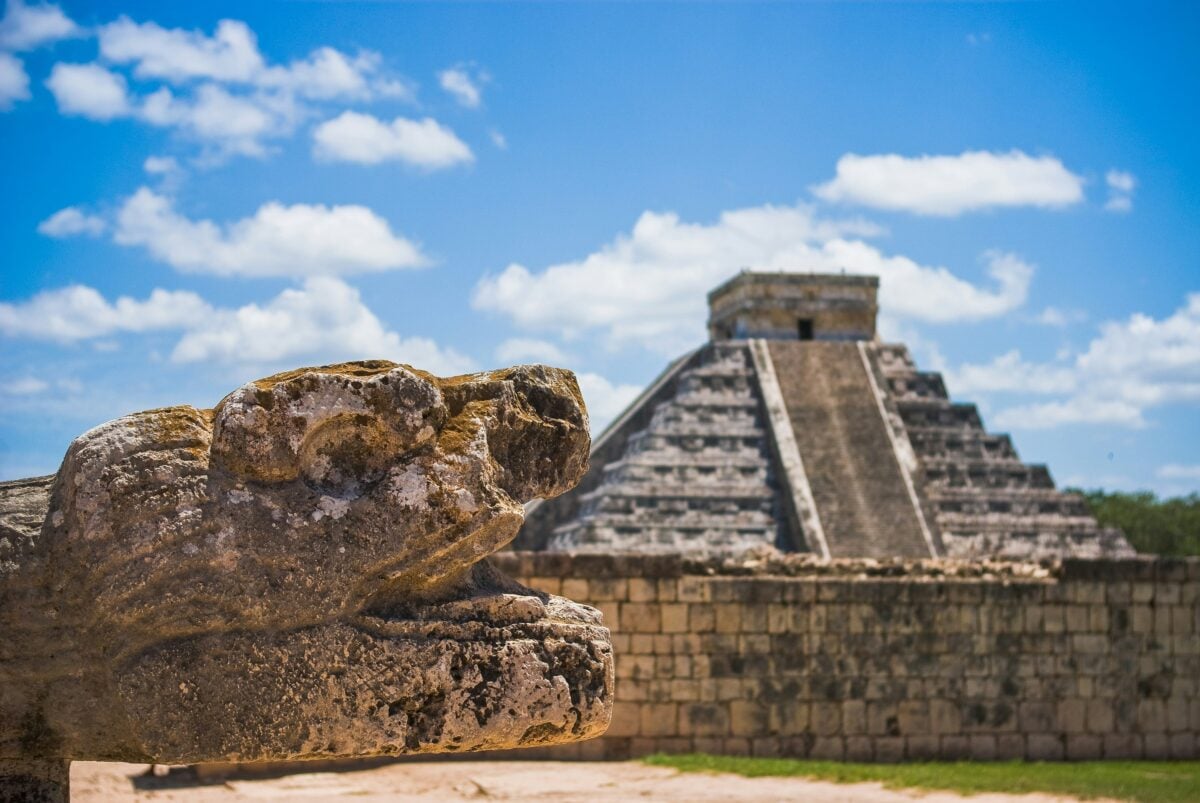
Mexico’s historical sites span millennia of human civilization, from ancient Mayan cities to colonial Spanish architecture to indigenous communities that maintain living traditions alongside preserved ruins. The Instituto Nacional de Antropología e Historia oversees more than 110,000 historical monuments and 29,000 archaeological sites.
The scale is staggering, but what’s impressive is the nuanced approach. At Chichen Itza, visitor access is carefully managed to prevent damage to the pyramid structures, while at smaller sites, the focus shifts to preventing looting and unauthorized excavation.
Colonial cities like San Miguel de Allende operate under strict architectural guidelines that preserve their historical character while allowing for modern life. Mexico has also pioneered community-based conservation programs where local populations become stakeholders in preservation efforts rather than obstacles to them.
When indigenous communities have economic incentives to protect archaeological sites in their territories, conservation becomes a shared responsibility rather than an imposed mandate.
Jordan
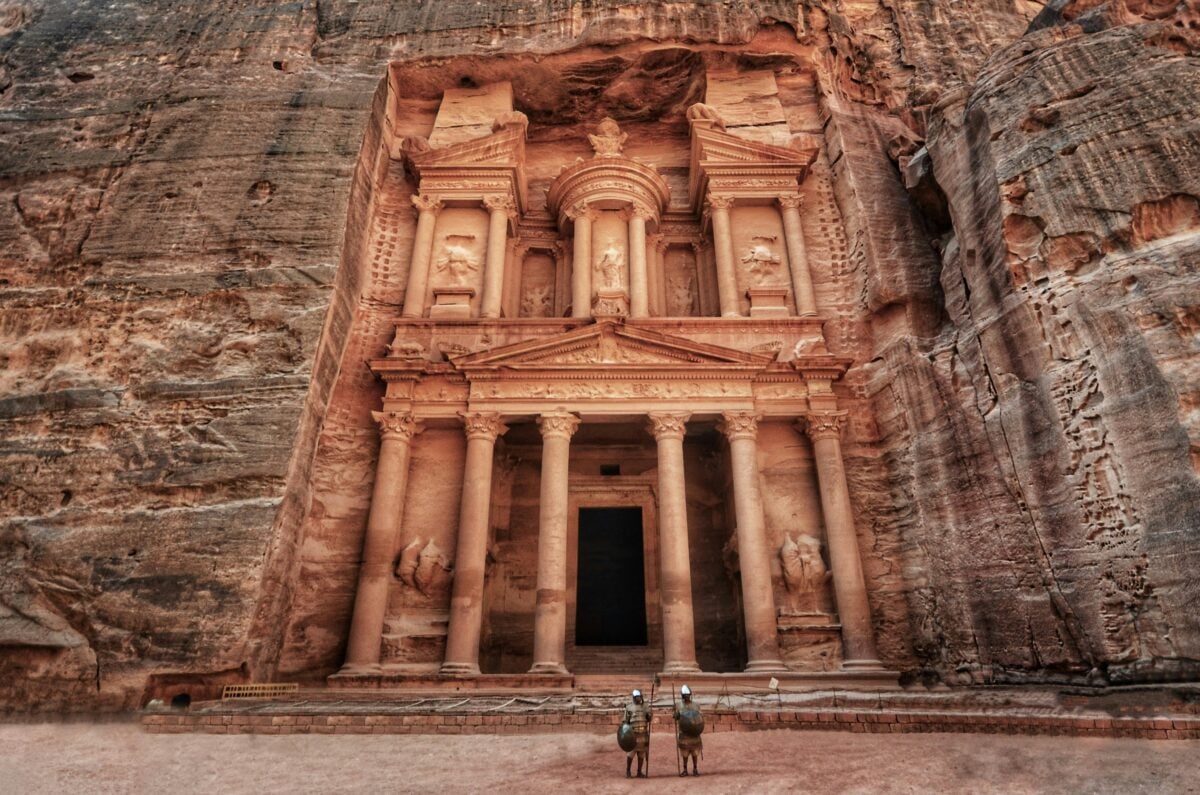
Petra emerges from the desert like a fever dream carved in rose-colored stone, and Jordan protects it with the intensity of a country that understands how rare such wonders are. The Petra Archaeological Park operates under visitor quotas and guided access systems that prioritize the site’s long-term survival over short-term tourism revenue.
But Jordan’s commitment extends to lesser-known sites that require equal protection. The desert castles, Roman ruins at Jerash, and Byzantine mosaics at Madaba receive attention proportional to their historical significance rather than their tourist appeal.
The Department of Antiquities operates with limited resources but clear priorities: documentation, stabilization, and controlled access. Water damage, salt crystallization, and seismic activity pose constant threats to Jordan’s archaeological sites, and the country has invested in monitoring systems and preventive conservation techniques that address problems before they become crises.
The approach emphasizes maintenance over restoration — keeping original materials and structures intact rather than replacing them.
India

India’s approach to historical preservation operates at a scale that matches the country itself: vast, varied, and occasionally overwhelming. The Archaeological Survey of India oversees more than 3,600 centrally protected monuments, from the Taj Mahal to medieval forts to ancient Buddhist stupas scattered across the subcontinent.
The Taj Mahal alone illustrates the complexity of the challenge. Air pollution, acid rain, and millions of annual visitors threaten the marble structure, leading to restrictions on nearby industrial activity, visitor time limits, and ongoing conservation work that employs traditional craftsmanship alongside modern science.
The Supreme Court has intervened multiple times to enforce protection measures, treating the monument as a matter of national importance. What makes India’s preservation efforts particularly interesting is how they navigate the relationship between living religious traditions and historical conservation.
Many protected sites remain active places of worship, requiring approaches that respect both cultural practices and conservation needs. Temple restoration projects often involve religious authorities, archaeological experts, and local communities in decisions that balance spiritual significance with historical authenticity.
Turkey

Turkey sits at the crossroads of Europe and Asia, and its historical sites reflect that unique position — Byzantine churches, Ottoman palaces, ancient Greek ruins, and Hittite archaeological sites create a preservation challenge that spans multiple civilizations and millennia.
The Ministry of Culture and Tourism operates a system that categorizes sites based on historical significance and vulnerability, but the country’s approach has evolved significantly in recent years. Major sites like Hagia Sophia generate international attention and scrutiny, while smaller archaeological sites receive protection through regional museums and academic partnerships.
Turkey has invested heavily in underwater archaeology, protecting shipwrecks and submerged cities along its extensive coastline. The approach combines tourism development with conservation science — underwater sites are mapped and monitored, but access is limited to trained divers and researchers.
This recognition that some historical sites are too fragile for general tourism represents a mature approach to heritage protection.
United Kingdom

The UK treats its historical sites with the kind of methodical attention you’d expect from a country that has been continuously inhabited for millennia and has the paperwork to prove it. English Heritage, Historic Scotland, and Cadw (in Wales) operate comprehensive protection systems that cover everything from Neolithic stone circles to World War II bunkers.
What distinguishes the British approach is its integration with daily life. Historical buildings aren’t cordoned off as museum pieces but continue to function as homes, offices, and community centers under strict conservation guidelines. The listed building system creates legal protections that can prevent alterations to historically significant structures, even when those structures are privately owned.
The National Trust manages hundreds of sites across England, Wales, and Northern Ireland, operating under the principle that historical landscapes and buildings should be preserved for future generations while remaining accessible to current ones. The organization’s approach to conservation emphasizes traditional materials and techniques, often employing craftsmen trained in skills that might otherwise be lost.
Spain
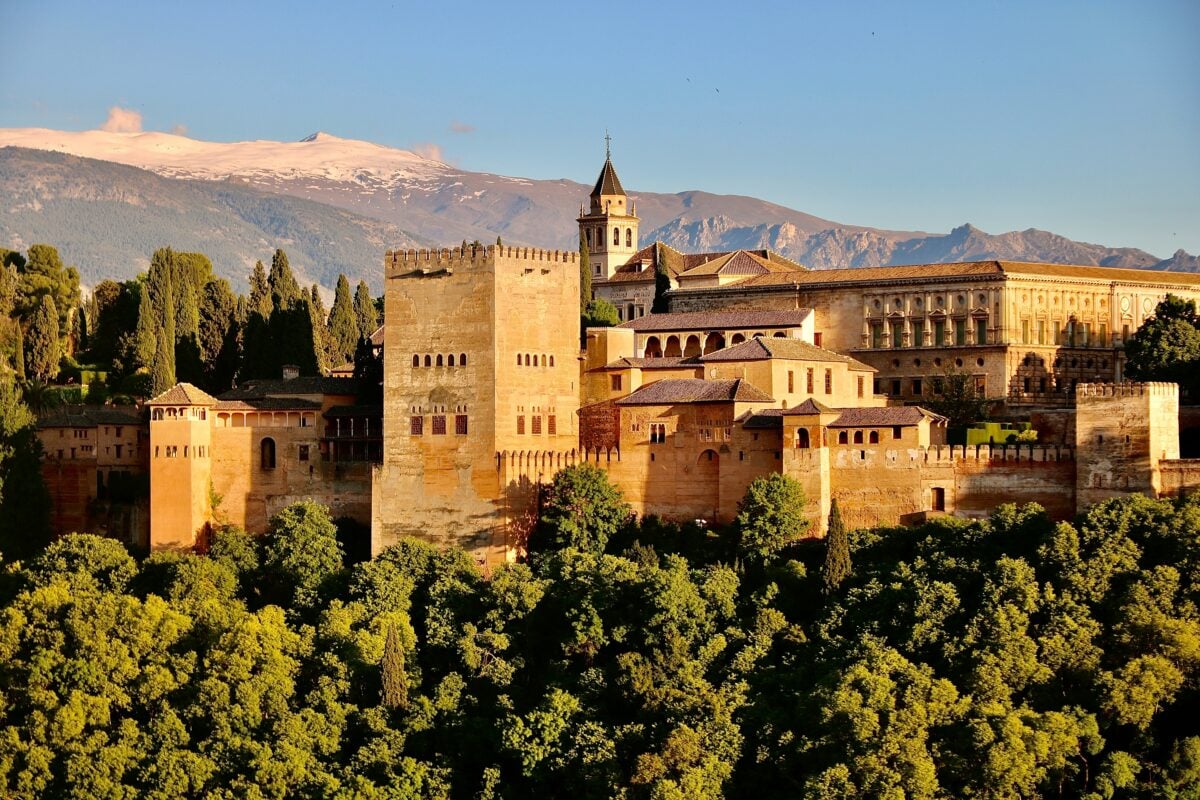
Spain’s historical sites tell the story of a country shaped by multiple cultures — Roman aqueducts, Islamic palaces, Gothic cathedrals, and prehistoric cave paintings create a preservation challenge that spans nearly every period of human history.
The Alhambra in Granada operates under strict visitor limits and seasonal access restrictions that prioritize conservation over tourism revenue. The palace complex requires constant maintenance using traditional materials and techniques, and the surrounding gardens are maintained according to historical plans that recreate medieval Islamic landscape design.
Cave art sites like Altamira present particular challenges — the original caves are closed to the public to prevent damage from human breath and body heat, while exact replicas allow visitors to experience the art without endangering the originals. This willingness to restrict access to preserve authenticity represents a sophisticated approach to heritage protection that other countries have begun to adopt.
Guardians of Forever

The countries that excel at protecting historical sites share certain characteristics that have nothing to do with wealth or resources and everything to do with understanding what’s at stake. They recognize that historical preservation isn’t about stopping time but about ensuring that the threads connecting past and present remain strong enough for future generations to follow.
When these nations look at an ancient temple or medieval castle, they see not just stone and mortar but the accumulated wisdom, artistry, and human experience of everyone who came before. That perspective transforms conservation from a bureaucratic obligation into something closer to a sacred trust — and the results speak for themselves in every carefully preserved stone.
More from Go2Tutors!

- The Romanov Crown Jewels and Their Tragic Fate
- 13 Historical Mysteries That Science Still Can’t Solve
- Famous Hoaxes That Fooled the World for Years
- 15 Child Stars with Tragic Adult Lives
- 16 Famous Jewelry Pieces in History
Like Go2Tutors’s content? Follow us on MSN.



