Countries Boasting the Highest Number of Island Chains
Standing on a beach, looking out at scattered dots of land breaking the horizon, you start to grasp something about geography that maps never quite capture. Islands don’t just exist—they cluster, chain together, and create entire worlds unto themselves.
Some countries got lucky in this cosmic lottery, ending up with thousands of pieces of land scattered across their waters like breadcrumbs left by ancient giants. The numbers tell a story that’s both mathematical and poetic.
While most nations make do with their solid, predictable borders, others govern archipelagos so vast that counting every rock and reef becomes an exercise in maritime patience.
Finland
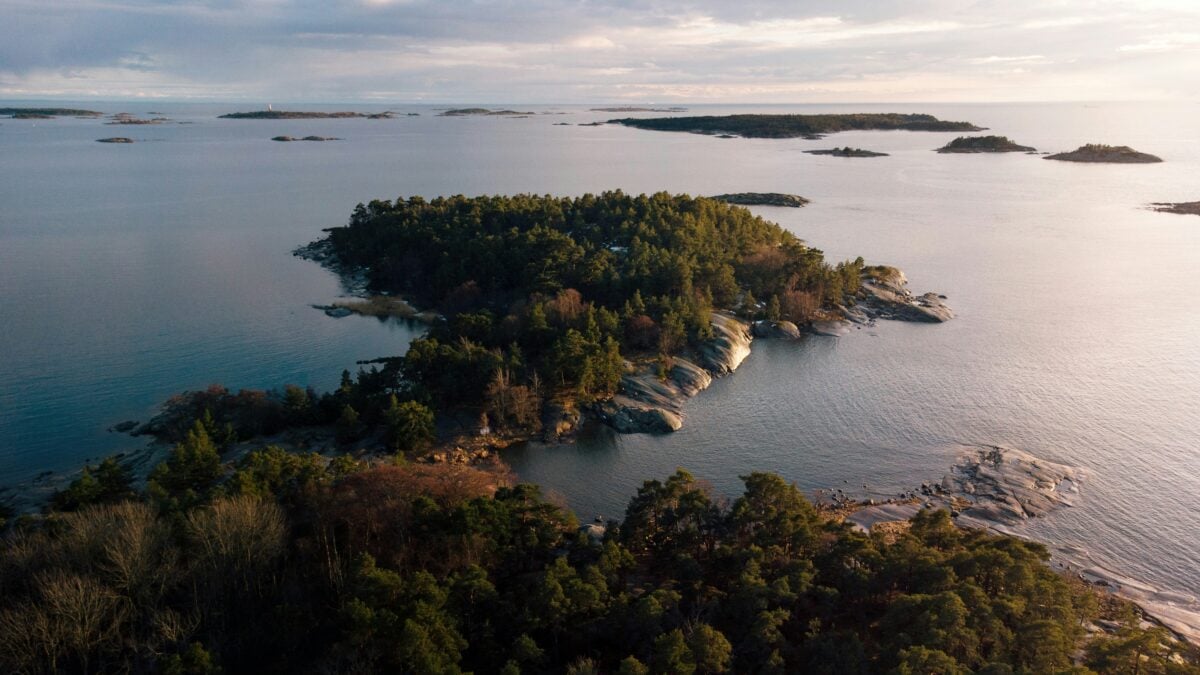
Finland doesn’t mess around with its island count. The country claims roughly 188,000 islands, each at least 5 meters across.
That’s not a misprint. Most of these islands cluster along the southern coast and throughout the labyrinthine archipelago that stretches toward Sweden.
The Archipelago Sea alone contains about 50,000 of them. Some host summer cottages where families disappear for weeks at a time, emerging only when the brief Nordic summer ends.
Sweden
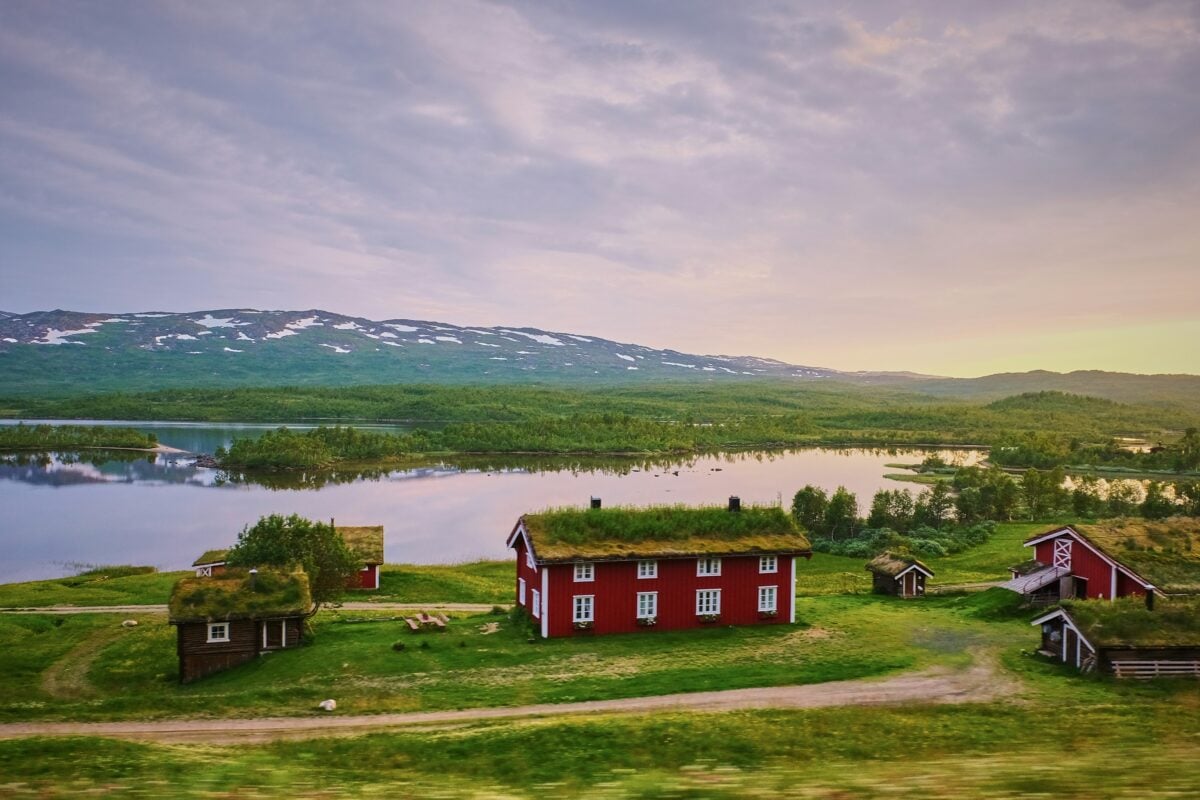
Sweden counters Finland’s impressive tally with approximately 267,570 islands scattered across its coastline and inland waters. The country’s definition is slightly more generous—they count anything over 25 square meters, which explains the staggering number but doesn’t diminish the reality of navigating this maritime maze.
The west coast archipelago (where families spend summers hopping between islands on small boats, each journey revealing another hidden cove or granite outcrop that catches the light just so) represents something distinctly Scandinavian: the notion that land and water shouldn’t be separate categories but rather different expressions of the same restless geography. And the Stockholm archipelago alone contains around 50,000 islands, skerries, and rocks—a number that sounds invented until you’re actually threading between them on a ferry, watching the landscape fracture and multiply in every direction.
Even so, these aren’t just numbers on a maritime survey. Each island exists as a small world with its own weather patterns, its own stubborn trees clinging to rocky soil, its own particular way of catching morning light.
Norway
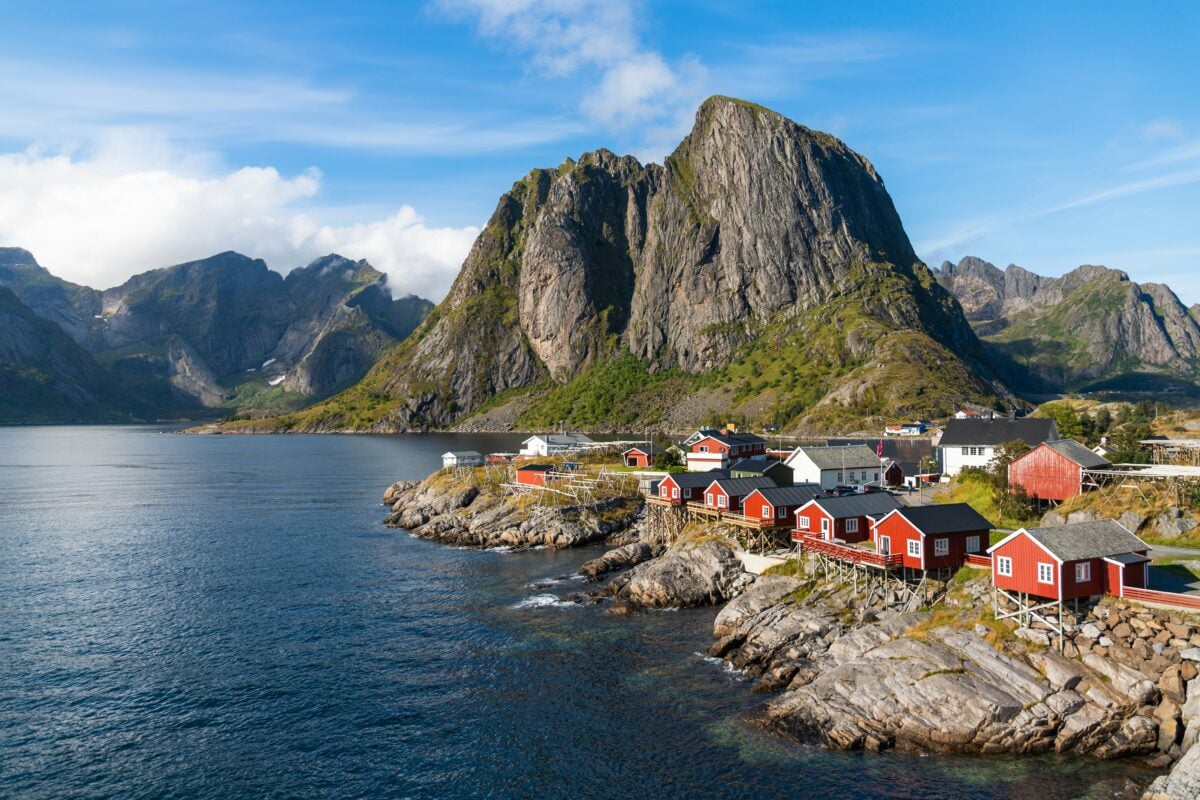
Norway’s relationship with islands runs deeper than simple geography. The country contains approximately 239,057 islands, and that figure represents something more fundamental than administrative convenience.
Consider the Lofoten Islands, where fishing villages perch on narrow strips of land between towering peaks and the Norwegian Sea. The landscape doesn’t compromise.
Neither do the people who choose to live there, generation after generation, adapting to weather that changes without warning and isolation that would break most urban dwellers within a month. The country’s coastline stretches over 25,000 kilometers when you account for all the fjords, inlets, and island shores.
To be fair, most nations would call that excessive. Norway calls it home.
Canada
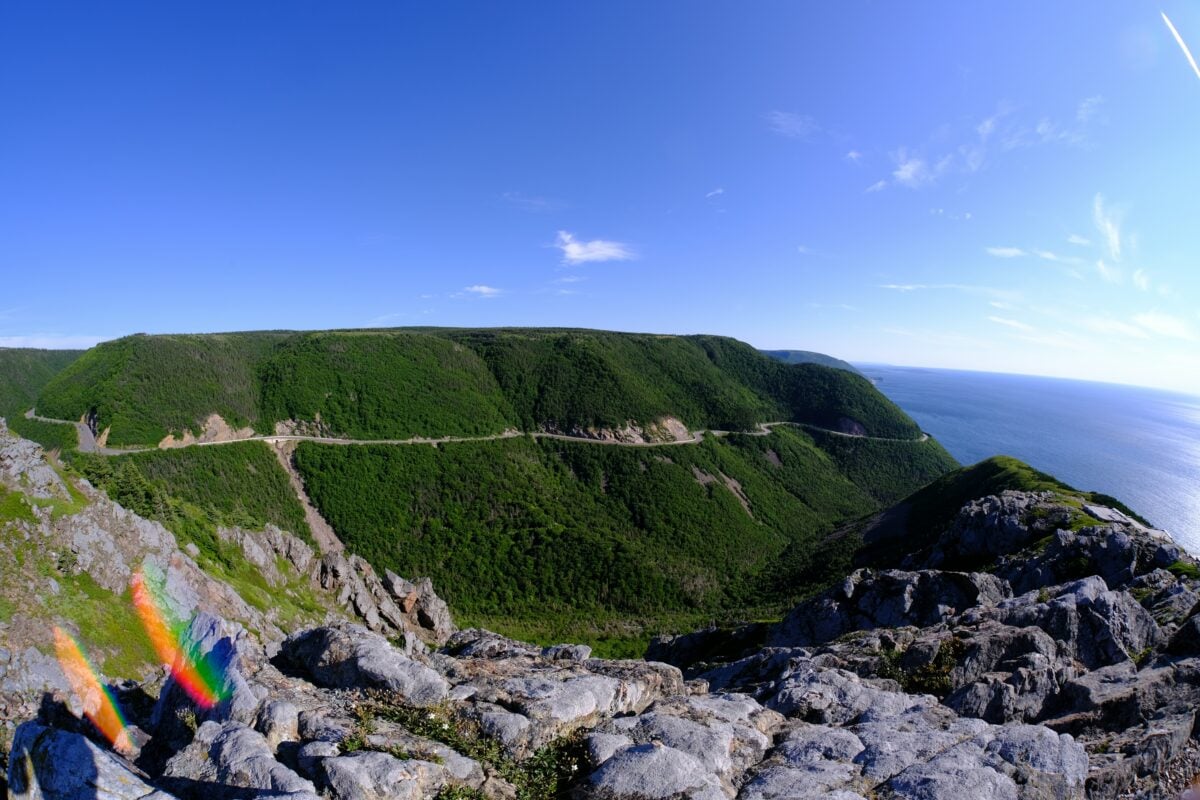
Canada’s island inventory tells the story of a country that sprawls across so much territory that even the government isn’t entirely sure what it owns. Current estimates put the number somewhere around 36,000 islands, though that figure comes with the distinctly Canadian caveat that many remain unsurveyed and unnamed.
The Arctic Archipelago alone contains thousands of islands, some larger than European countries, others barely substantial enough to support a single weather station (and yet there they sit, enduring winters that would humble most landscapes, accumulating snow and ice and stories that no human will ever fully catalog). So you have Baffin Island, larger than Spain, sitting in the same national inventory as countless unnamed rocks that emerge from Hudson Bay at low tide.
And then there’s the fact that climate change keeps revealing new islands as glaciers retreat and sea levels shift—Canada keeps discovering pieces of itself that were previously hidden under ice. The country grows more complex even as scientists study it.
United States
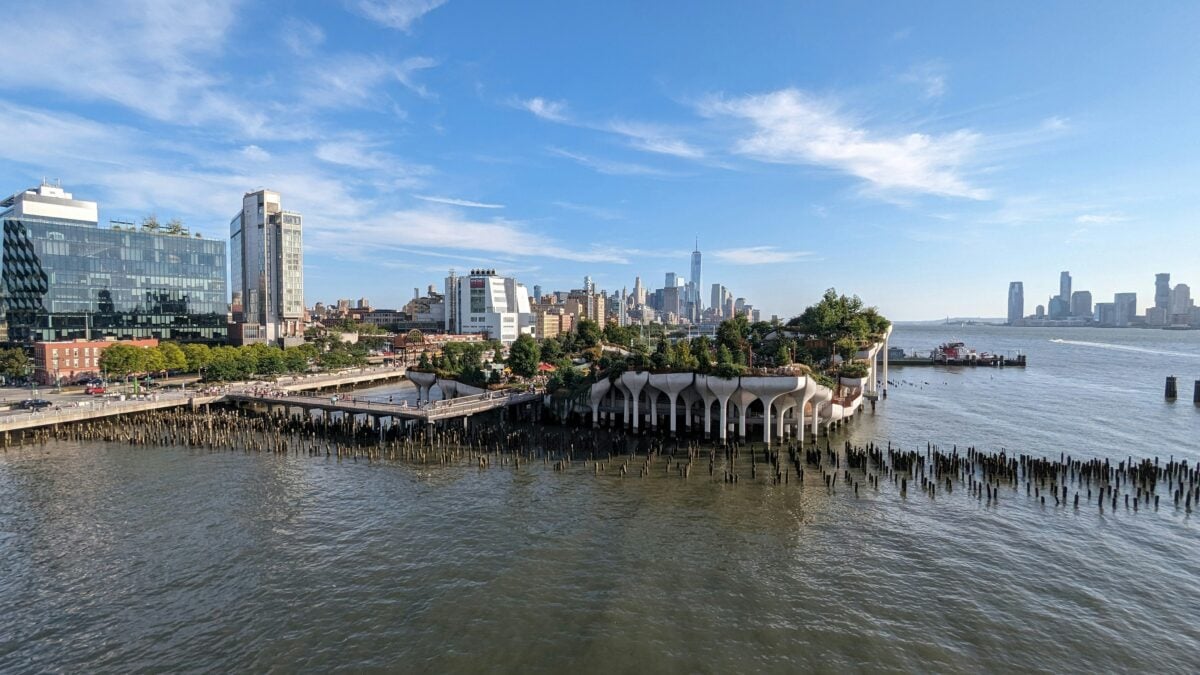
The United States manages approximately 18,617 islands, distributed across both its continental coastlines and far-flung territories. Alaska accounts for roughly half of these, which makes perfect sense once you consider the state’s 6,640-mile coastline and the reality that most of Alaska remains as wild and complicated as it was when Russia sold it in 1867.
The Hawaiian Islands represent the country’s most famous archipelago, but they’re hardly the most numerous. Florida’s Ten Thousand Islands region (which actually contains fewer than 10,000 islands, because naming things accurately would be too straightforward) creates a mangrove labyrinth that challenges even experienced boaters.
Maine contributes its own substantial collection of granite islands, each one a small monument to the stubbornness of New England character. The U.S. manages to spread its islands across every conceivable climate and ecosystem, from tropical atolls to Arctic outposts.
Greece
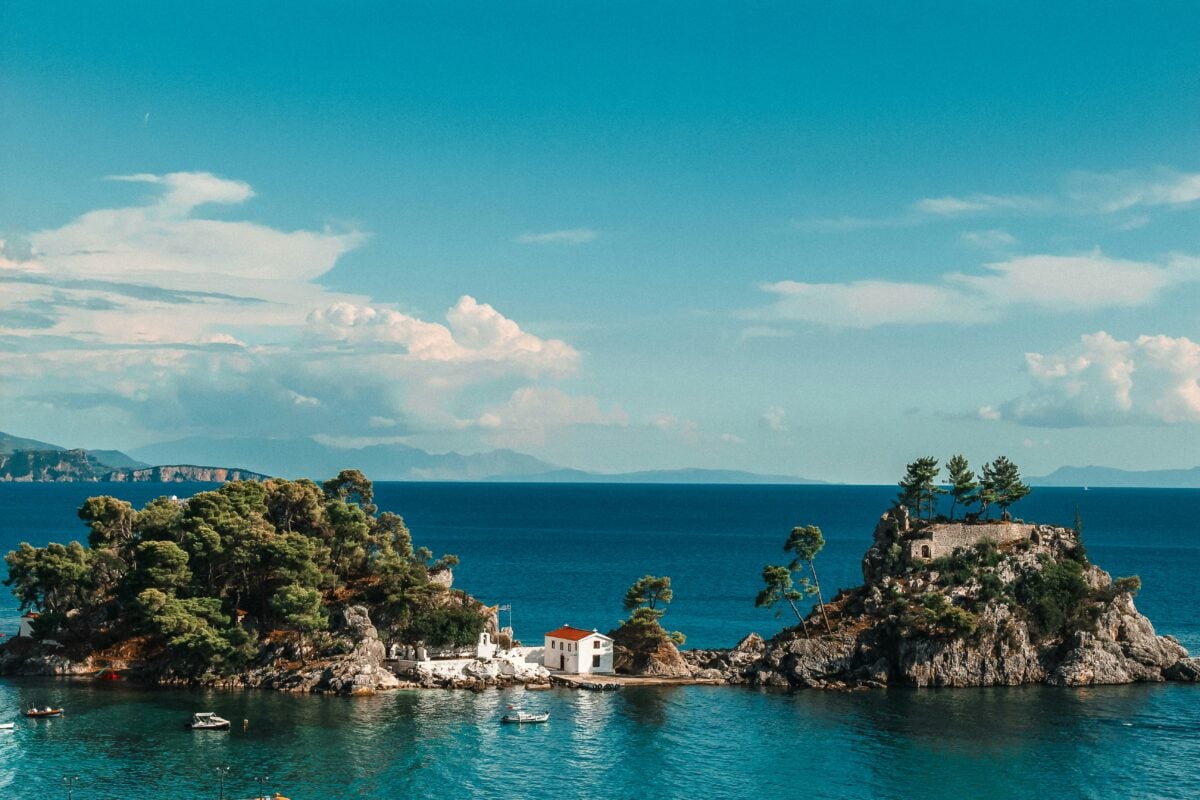
Greece approaches islands the way other countries approach poetry—with an understanding that the whole becomes greater than the sum of its parts. The country contains approximately 6,000 islands and islets, though only 227 support permanent populations.
Each island carries its own mythology, both ancient and modern (locals will tell you stories about their particular saint, their specific miracle, their unique way of preparing octopus that differs from the technique used on the island visible just across the channel). The Aegean Sea becomes a constellation of possibilities, each island offering its own version of the Greek experience while maintaining the essential elements: olive trees that have survived centuries, harbors that provide shelter from winds that haven’t changed their patterns since Odysseus, and a quality of light that makes even the most ordinary moment feel charged with significance.
But the islands also represent practical challenges. Supplying 227 populated islands with electricity, medical care, and internet connectivity requires the kind of logistical coordination that would challenge most governments.
Greece has been managing this complexity for millennia.
Japan
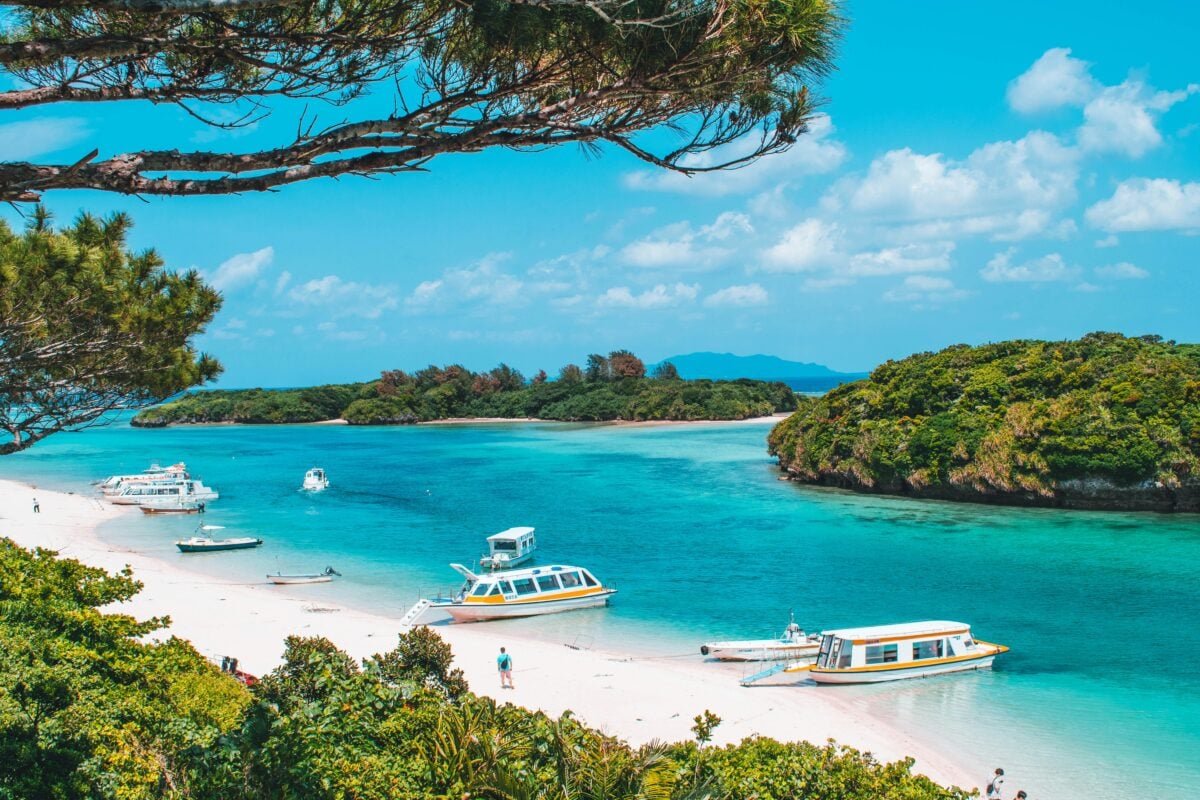
Japan’s 6,852 islands create a nation that exists entirely within the ocean’s embrace. The country stretches across 3,000 kilometers of Pacific waters, from subtropical Okinawa to the contested northern territories that remain a diplomatic puzzle with Russia.
Four main islands contain most of the population and industry, but the smaller islands maintain their own distinct identities. Some support traditional fishing communities that have barely changed in centuries.
Others host military installations or scientific research stations. A few remain completely uninhabited, existing as waypoints for migratory birds or emergency shelters for fishermen caught in sudden storms.
The island’s geography shapes everything about Japanese culture, from the emphasis on fresh fish to the acceptance of natural disasters as inevitable facts of life. When your entire country consists of islands sitting on active fault lines, you develop a particular relationship with impermanence.
Indonesia
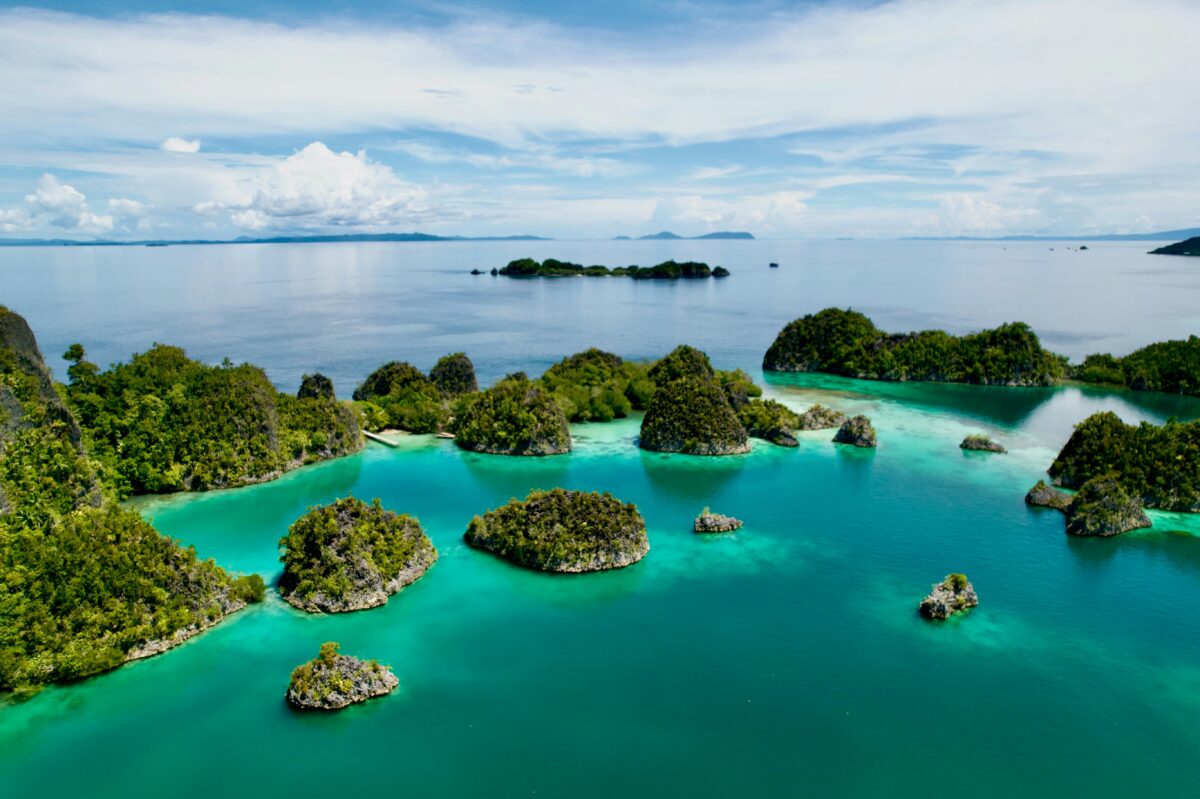
Indonesia claims the title of world’s largest archipelago with approximately 17,508 islands scattered across 1.9 million square kilometers of ocean. About 6,000 of these islands support human populations, creating a nation that spans three time zones and contains hundreds of distinct ethnic groups and languages.
The logistical challenge of governing this maritime nation defies comprehension. Imagine coordinating elections across thousands of islands, or maintaining transportation networks that depend entirely on boats and planes, or preserving cultural traditions that developed in isolation over centuries but now must coexist within a single national framework.
Yet Indonesia has managed this complexity for decades, creating a unified identity from the most geographically dispersed population on earth. The national motto “Bhinneka Tunggal Ika” translates roughly as “Unity in Diversity,” which sounds like political rhetoric until you consider the reality of governing 17,508 islands.
Philippines
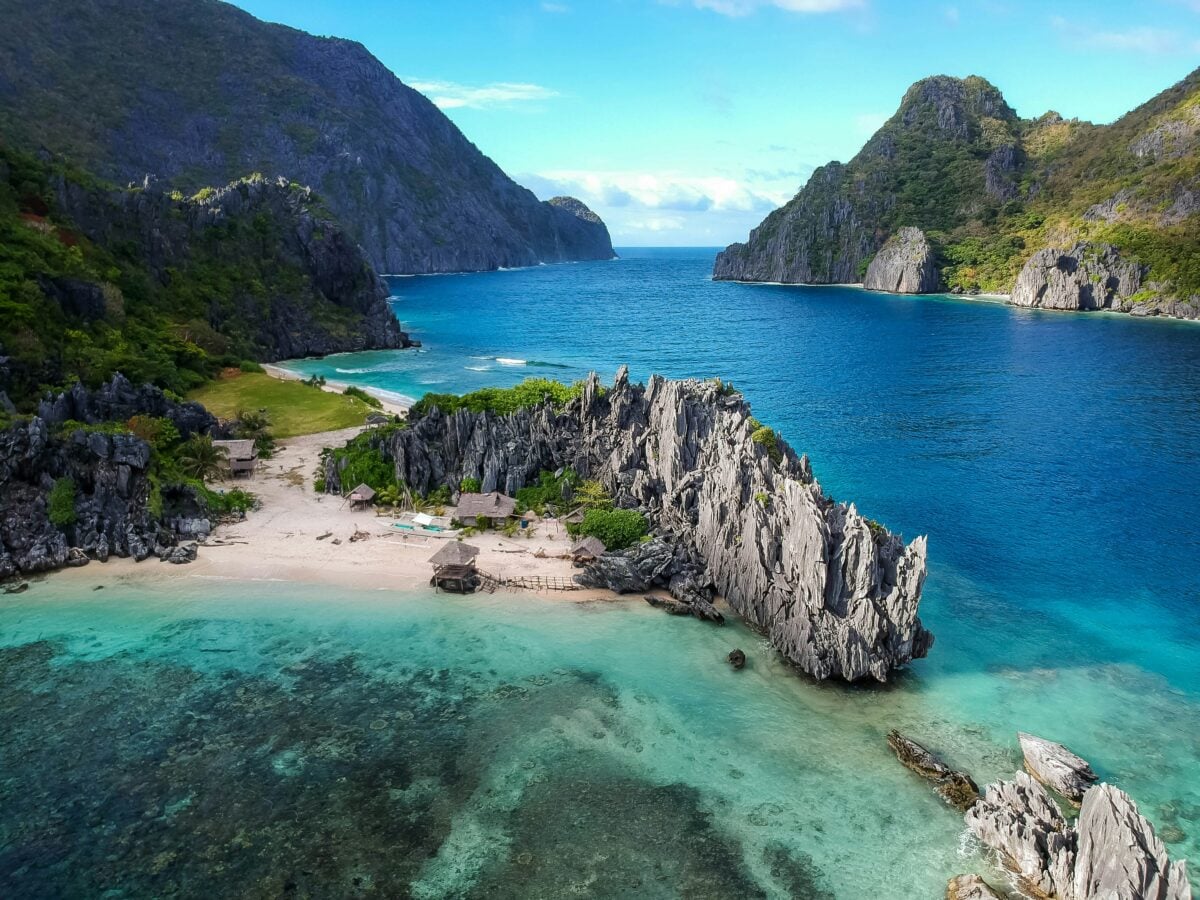
The Philippines contains approximately 7,641 islands, though the exact count varies depending on tidal conditions and how aggressively you define “island.” This archipelago nation spreads across the western Pacific like a broken necklace, each island maintaining its own character while contributing to a national identity that somehow holds together despite the geographic fragmentation.
Luzon and Mindanao contain most of the population, but the smaller islands often preserve the most distinctive cultural traditions. Some islands speak languages found nowhere else on earth.
Others maintain traditional crafts or cooking techniques that disappeared from the main population centers decades ago. The country’s geography creates both beauty and vulnerability.
Typhoons regularly batter the islands, and earthquakes remind residents that they live on some of the most geologically active territory in the world. The people adapt with a resilience that impresses even experienced disaster relief workers.
Denmark
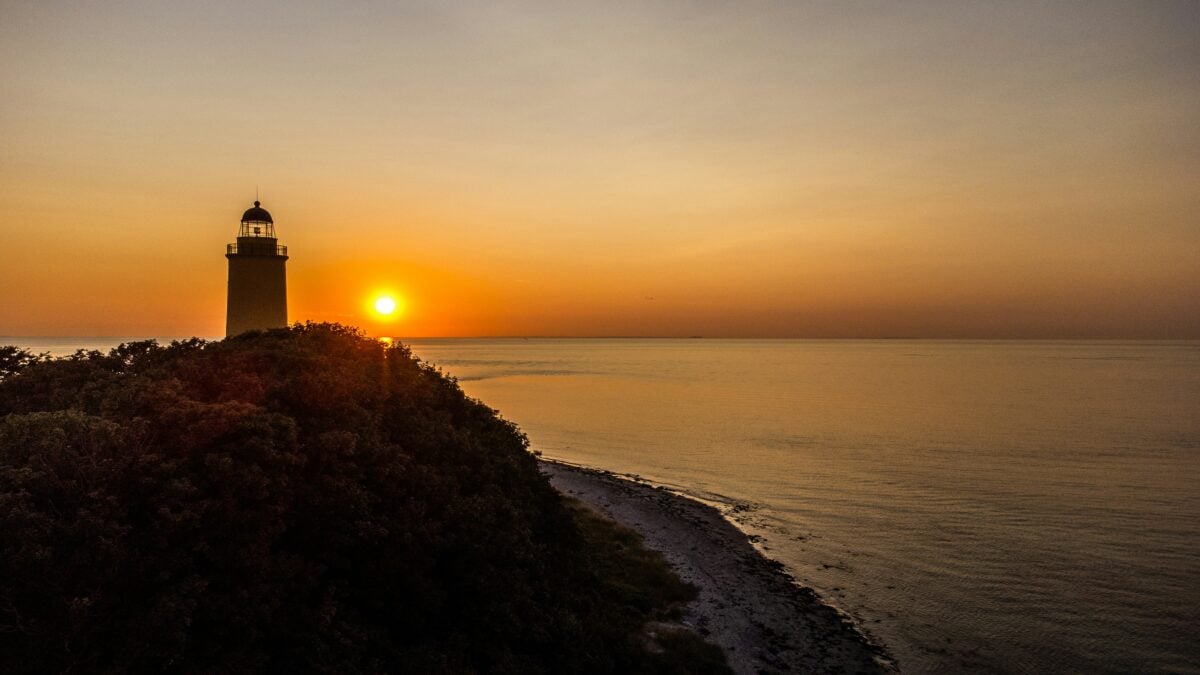
Denmark’s 7,314 islands represent a more manageable version of Scandinavian maritime complexity. The country consists mainly of the Jutland Peninsula and the large islands of Zealand and Funen, but hundreds of smaller islands dot the surrounding waters like punctuation marks in a very long sentence.
Many of these islands connect to the mainland through an impressive network of bridges and ferries that make inter-island travel feel routine rather than adventurous. The Øresund Bridge linking Denmark to Sweden represents the kind of engineering confidence that comes from centuries of dealing with water as a fact of life rather than an obstacle.
Danish islands maintain a practical character. They support farming, fishing, and small communities that function with the quiet efficiency that characterizes much of Scandinavian life.
No drama, just competent adaptation to geography that could easily become complicated.
Chile
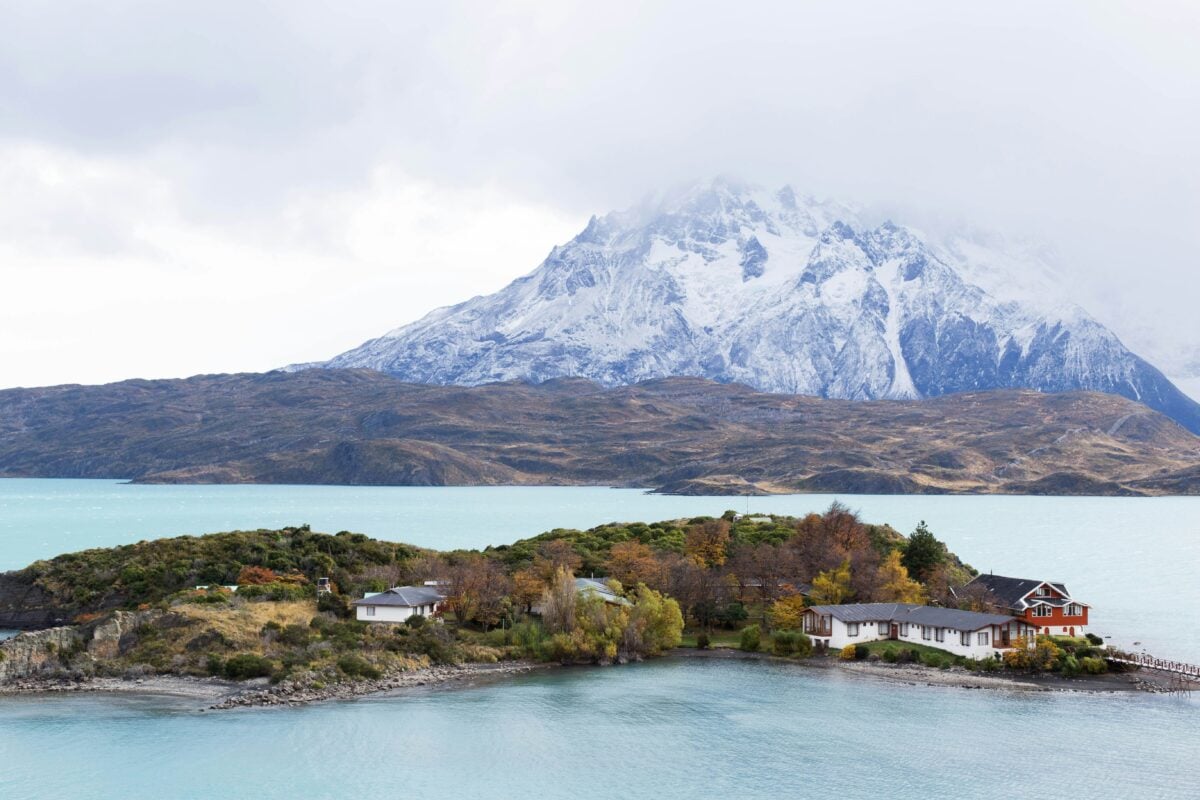
Chile’s approximately 5,000 islands stretch along one of the world’s most dramatic coastlines, from the Atacama Desert in the north to the fjords and glaciers of Patagonia. The country’s narrow width and enormous length create island chains that vary wildly in character and climate.
The Chiloé Archipelago supports a distinct culture with its own mythology, architecture, and cuisine. These islands developed in relative isolation, creating traditions that feel uniquely Chilean while remaining clearly influenced by indigenous, Spanish, and German settlement patterns.
Further south, the channels and fjords of Patagonia contain thousands of islands that few humans have ever visited. Some support small fishing communities or scientific stations.
Most exist in a state of pristine wildness that becomes rarer each year on a planet increasingly dominated by human activity.
Croatia
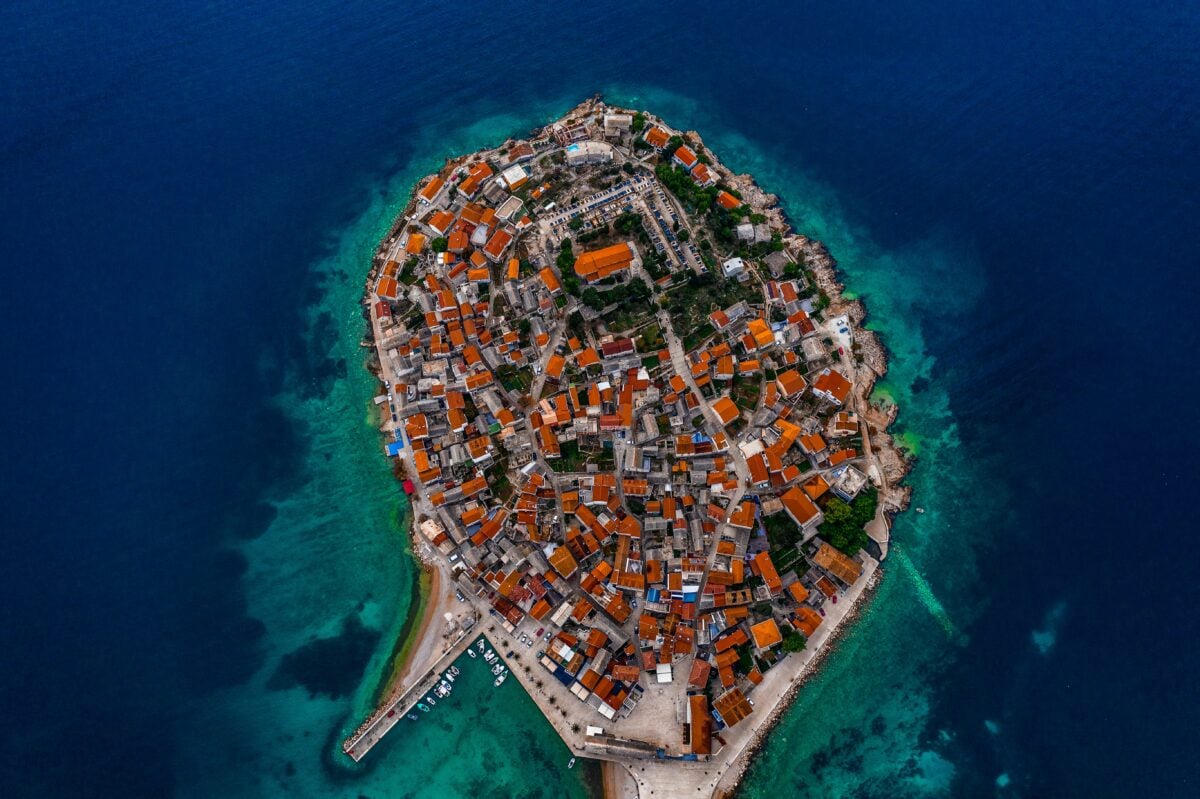
Croatia’s 1,246 islands create the kind of Mediterranean coastline that launches a thousand tourism campaigns and somehow still manages to exceed expectations. The Dalmatian coast fragments into an intricate pattern of islands, each offering its own interpretation of the Croatian experience.
Some islands, like Hvar and Korčula, have become international destinations known for their wines, olive oils, and medieval architecture. Others remain largely undiscovered, supporting small communities that have adapted to the rhythms of Mediterranean island life over many centuries.
The country’s recent independence and EU membership have brought new attention to these islands, but the fundamental character remains unchanged. Stone houses weathered by centuries of salt air, harbors that provide shelter from the occasional storm, and a quality of life that prioritizes human-scale pleasures over urban ambitions.
Estonia
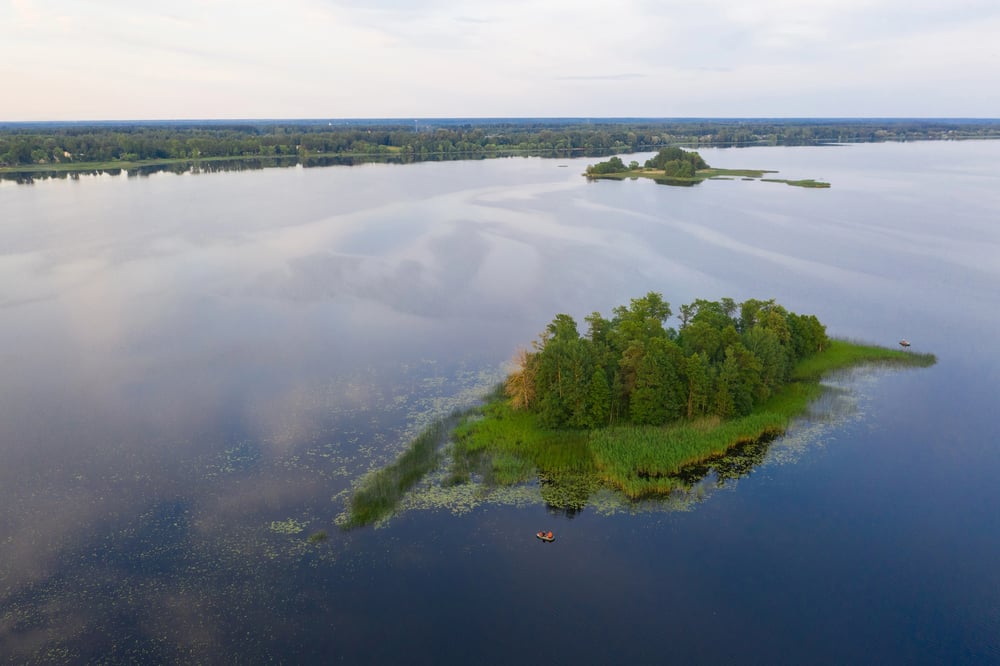
Estonia’s 2,355 islands tell the story of a small nation that has survived centuries of foreign occupation by maintaining deep connections to its maritime landscape. The largest islands, Saaremaa and Hiiumaa, support substantial populations and preserve Estonian cultural traditions that might have disappeared under Soviet rule.
Smaller islands often contain medieval churches, ancient burial grounds, or traditional farms that operate much as they did before the modern world arrived. These islands represent continuity in a region that has experienced dramatic political changes within living memory.
The Estonian relationship with islands feels both practical and mystical. Families maintain summer houses on islands that have belonged to the same lineage for generations.
Traditional sailing competitions bring together islanders who navigate by instinct and weather patterns their grandparents taught them.
A Maritime Perspective
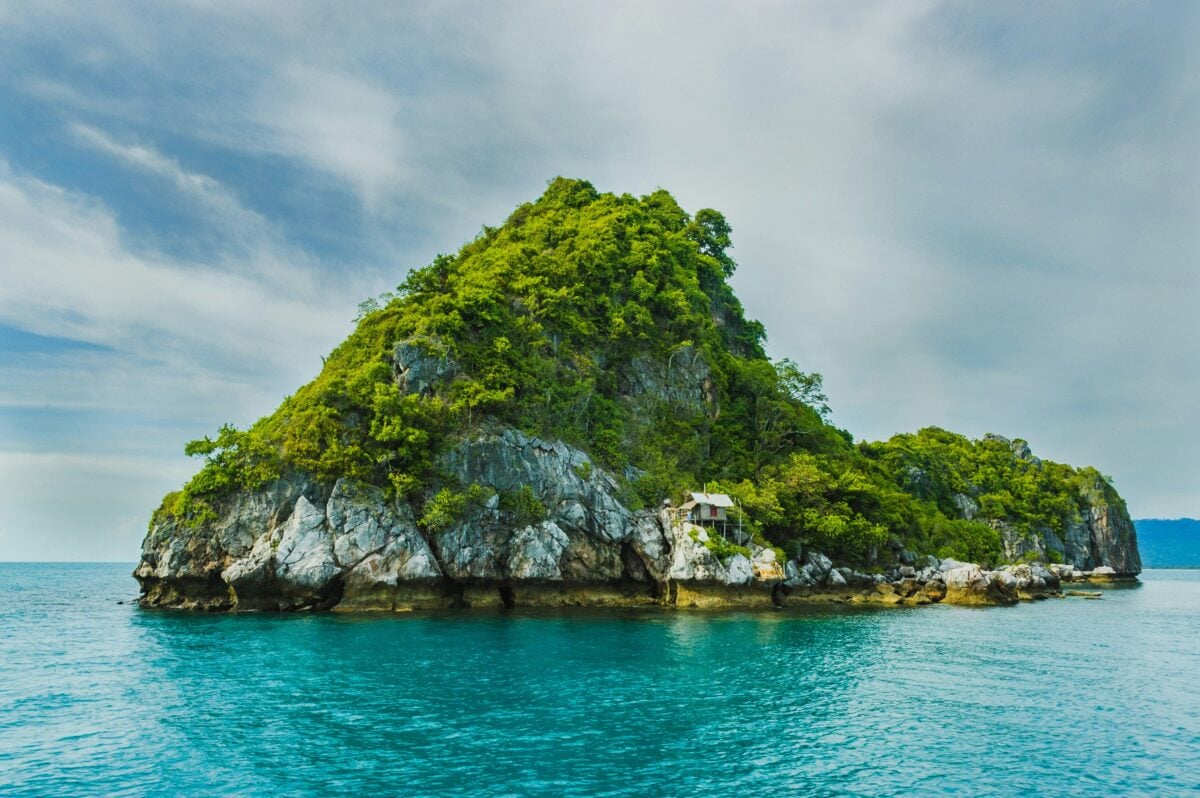
The countries with the most island chains share something beyond impressive statistics. They’ve learned to think of water not as a barrier but as a highway, not as emptiness but as the space between destinations.
Their cultures adapt to geography that fragments and connects simultaneously, creating national identities that embrace complexity rather than demanding uniformity. These scattered lands remind us that the most interesting places often resist simple definitions.
You can count islands, but you can’t quantify the experience of watching sunrise from a different shore each morning, or the satisfaction of knowing your way through channels that would confuse most navigators. The countries that govern the most islands have inherited both a blessing and a responsibility that landlocked nations can barely imagine.
More from Go2Tutors!

- The Romanov Crown Jewels and Their Tragic Fate
- 13 Historical Mysteries That Science Still Can’t Solve
- Famous Hoaxes That Fooled the World for Years
- 15 Child Stars with Tragic Adult Lives
- 16 Famous Jewelry Pieces in History
Like Go2Tutors’s content? Follow us on MSN.