Natural Disasters That Changed Global Geography
The Earth has always been a restless place. From violent eruptions to massive floods, natural disasters don’t just destroy lives and communities—they actually reshape the land itself.
Some events have been so powerful that they’ve redrawn coastlines, created new islands, split continents, and even altered the course of rivers. These aren’t just footnotes in history books; they’re moments when nature proved it had the final say in how our planet looks.
Let’s dive into some of the most dramatic examples of disasters that literally changed the map.
Krakatoa eruption
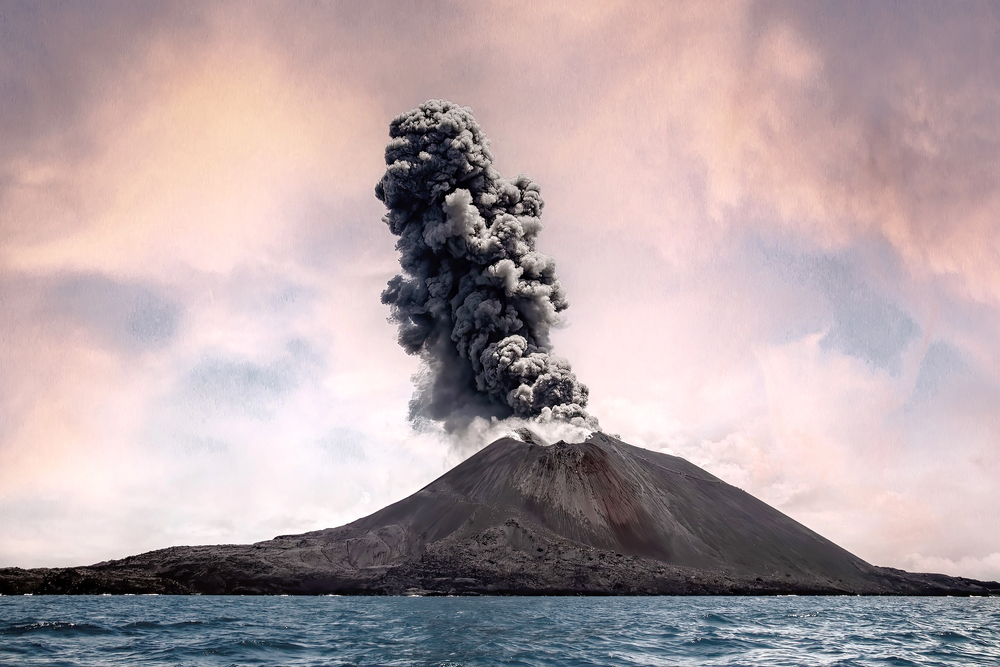
The 1883 explosion of Krakatoa in Indonesia was so loud that people heard it nearly 3,000 miles away. The volcano didn’t just erupt—it completely destroyed itself, collapsing into the ocean and creating a massive underwater crater.
The blast triggered tsunamis over 100 feet high that killed more than 36,000 people across nearby coastlines. What once was a large volcanic island became several smaller islands, and the ocean floor in that area dropped by hundreds of feet.
The eruption also threw so much ash into the atmosphere that it affected global temperatures for years and created spectacular red sunsets around the world.
The Great Flood of 1862
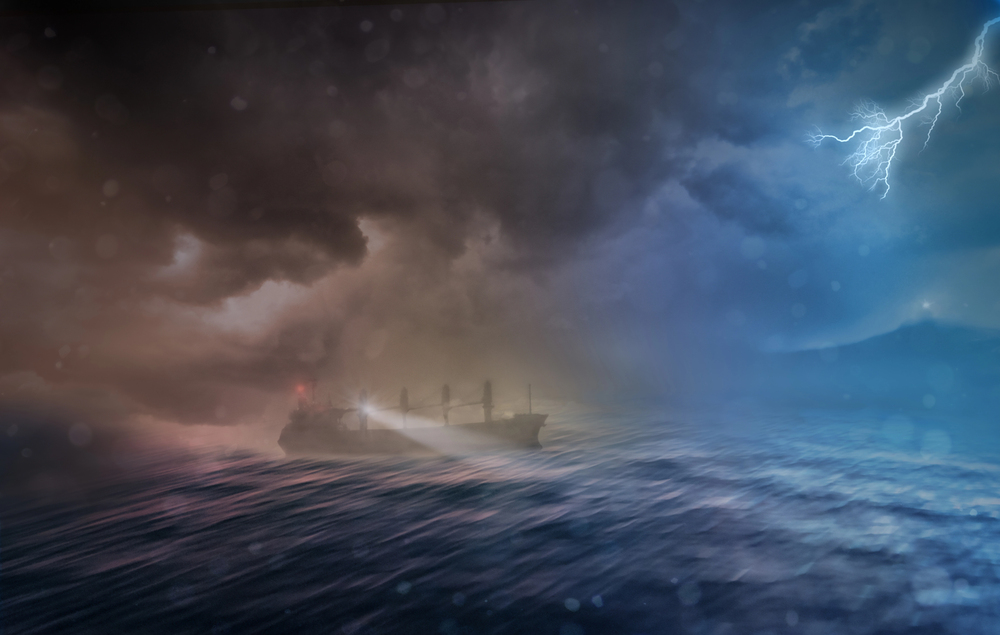
California experienced rainfall so extreme during the winter of 1861-1862 that it turned the Central Valley into an inland sea stretching 300 miles long and 60 miles wide. The Sacramento and San Joaquin rivers merged into one giant lake that took months to drain.
Entire towns vanished underwater, and the state capital had to be temporarily moved because Sacramento was submerged. The flood permanently altered river channels and created new wetlands that still exist today.
This disaster actually changed California’s landscape so much that scientists study it as an example of what could happen again during future atmospheric river events.
Mount Tambora’s explosion
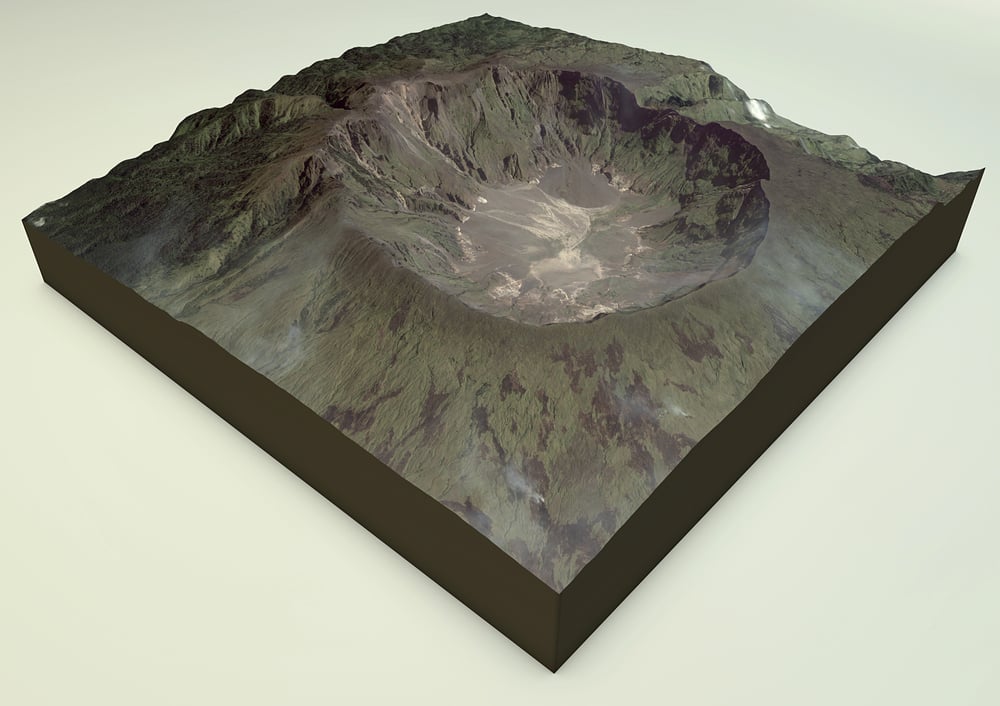
When Mount Tambora erupted in Indonesia in 1815, it became the most powerful volcanic eruption in recorded history. The mountain lost about 4,000 feet of its height in a single blast, leaving behind a caldera six miles wide.
The explosion was so massive that it ejected enough material to create new islands from the debris in the surrounding ocean. The volcano’s ash and gas spread globally, causing the ‘Year Without a Summer’ in 1816, which led to crop failures and famines across Europe and North America.
The eruption killed an estimated 71,000 people directly and indirectly through starvation and disease.
The 1906 San Francisco earthquake
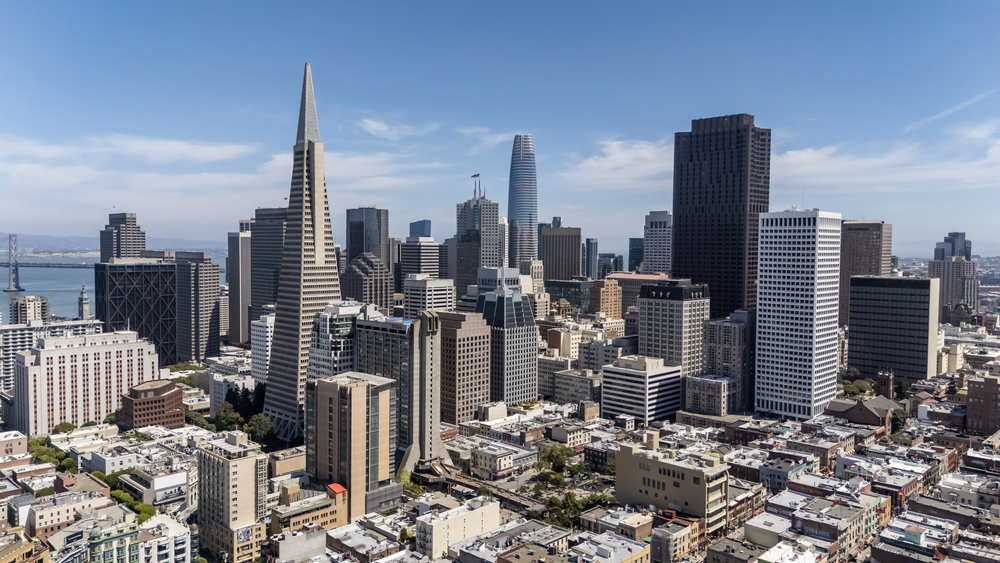
This earthquake didn’t just shake San Francisco—it tore the ground apart along the San Andreas Fault for nearly 300 miles. The rupture was so severe that fences, roads, and rows of trees were suddenly offset by up to 20 feet in some places.
The quake lifted some areas of the coastline while dropping others, permanently changing the elevation of parts of the Bay Area. Point Reyes moved northward by about 20 feet in just a few seconds.
Scientists still study the physical scars left on the landscape because they’re visible reminders of how quickly Earth can rearrange itself.
The Bhola cyclone
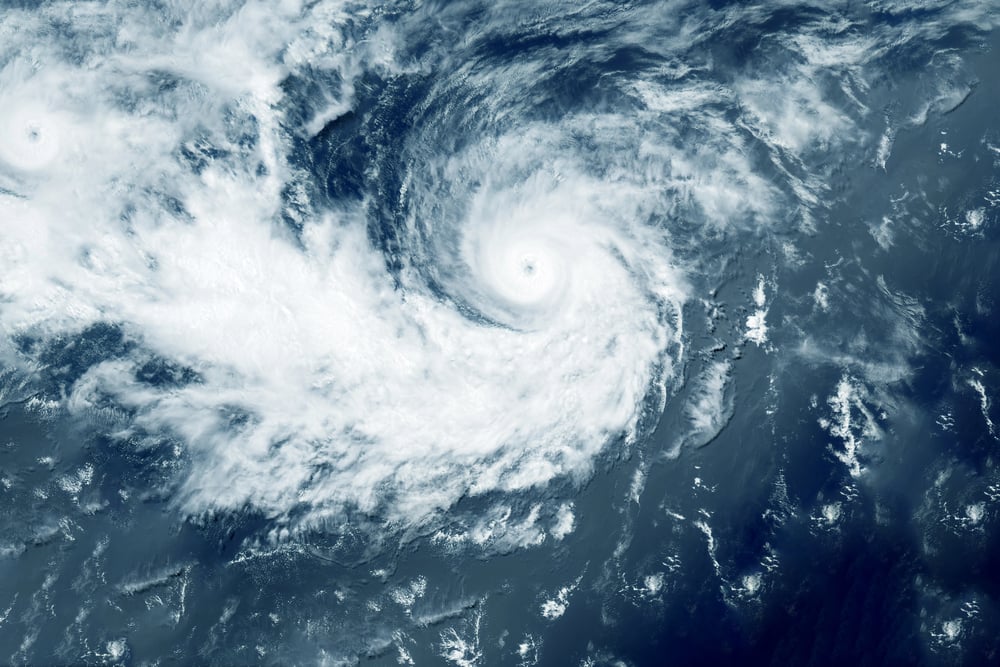
In 1970, a cyclone slammed into what was then East Pakistan (now Bangladesh) and literally reshaped the coastline. Storm surges over 30 feet high swept across the low-lying delta region, killing an estimated 300,000 to 500,000 people.
The powerful waves eroded entire islands and deposited massive amounts of sediment in new locations, creating fresh landmasses while erasing others. The Ganges Delta has always been a changing landscape, but this cyclone accelerated decades of natural processes into a single night.
Channels that ships used before the storm were filled with sediment, while new waterways appeared where land had been.
The eruption of Thera
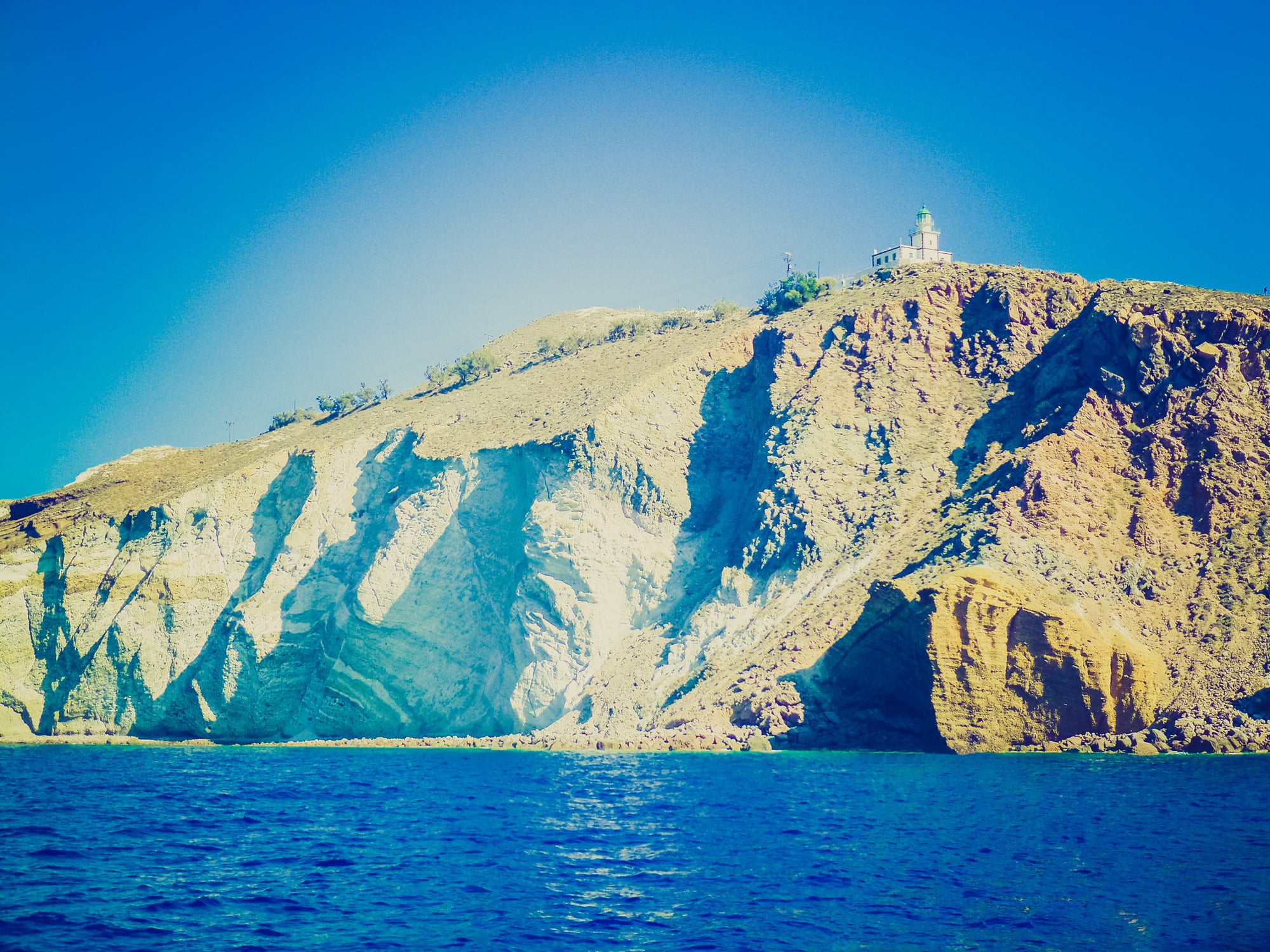
Around 1600 BCE, the volcanic island of Thera (modern-day Santorini) experienced one of the largest eruptions in human history. The explosion was so violent that the center of the island collapsed into the sea, creating the distinctive crescent shape and massive caldera that exists today.
The eruption generated tsunamis that devastated coastlines across the Mediterranean Sea. Some historians believe this disaster contributed to the decline of the Minoan civilization on nearby Crete.
The caldera filled with water and became one of the deepest natural harbors in the world, completely transforming what was once a round volcanic island.
The Shaanxi earthquake
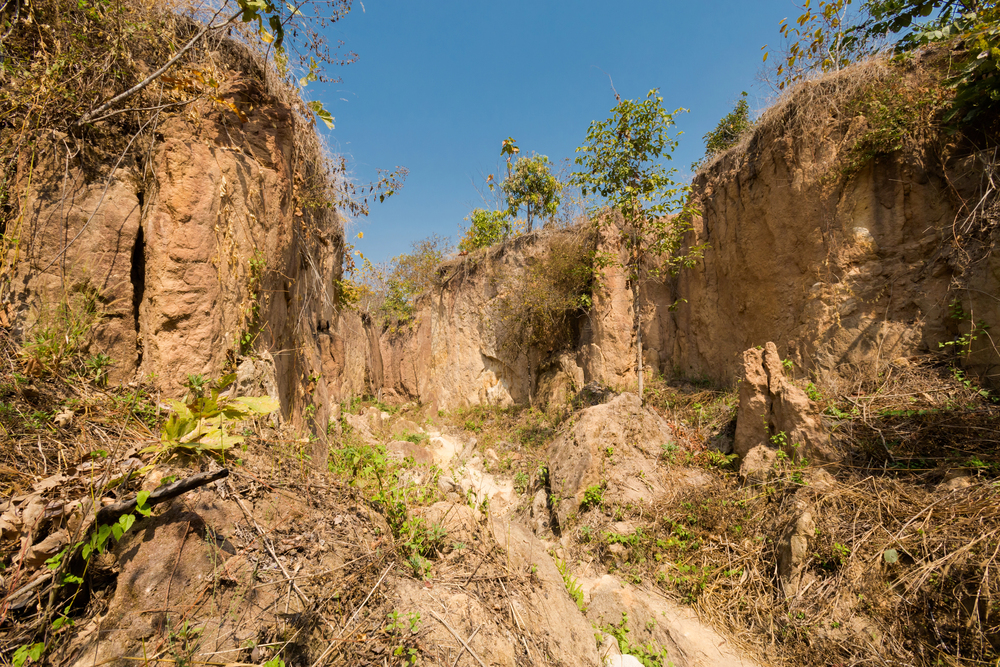
China’s deadliest earthquake struck in 1556 and killed an estimated 830,000 people, but it also dramatically changed the landscape of the Yellow River region. The quake caused massive landslides that dammed rivers and created temporary lakes.
When these natural dams eventually broke, catastrophic floods reshaped valleys and plains downstream. The loess plateau, made of soft sediment, collapsed in many areas and formed new ravines and cliffs.
Some mountains lost their peaks, while valleys filled with debris, altering the topography so much that old maps became useless.
The Chicxulub impact
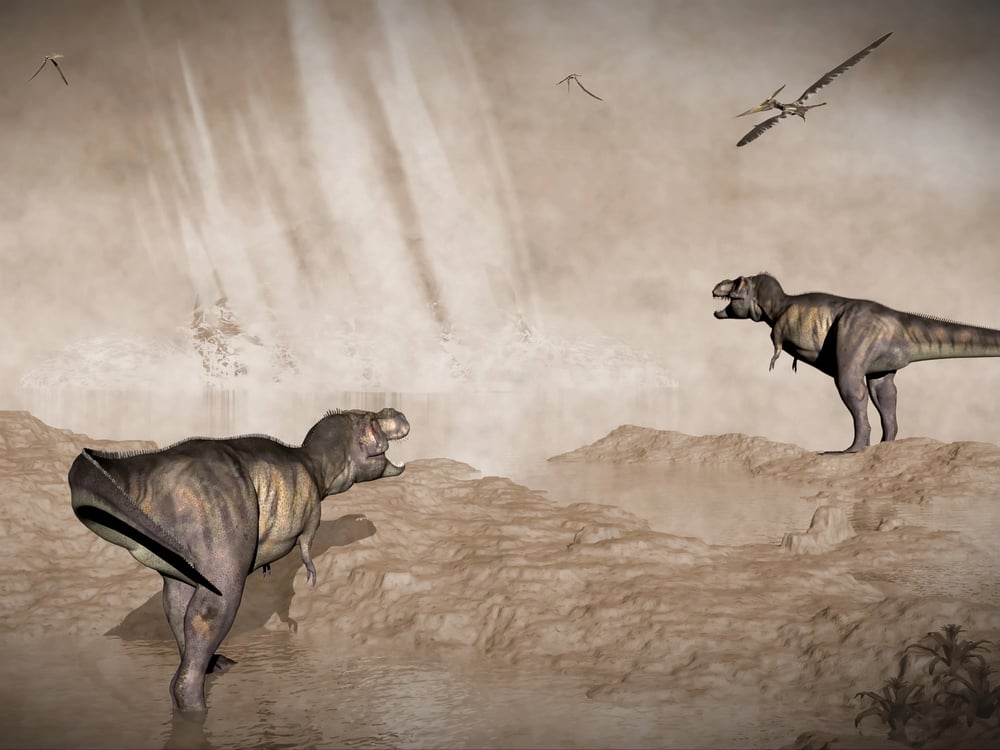
About 66 million years ago, an asteroid roughly six miles wide crashed into what is now Mexico’s Yucatan Peninsula. The impact created a crater over 110 miles wide and fundamentally changed Earth’s geography and climate.
The collision vaporized rock, creating a layer of debris that spread across the entire planet. The impact also triggered massive tsunamis, earthquakes, and volcanic eruptions that reshaped coastlines and landscapes worldwide.
The crater itself, though now buried under sediment, represents one of the most dramatic single-event geographic changes in Earth’s history.
The Lituya Bay mega-tsunami
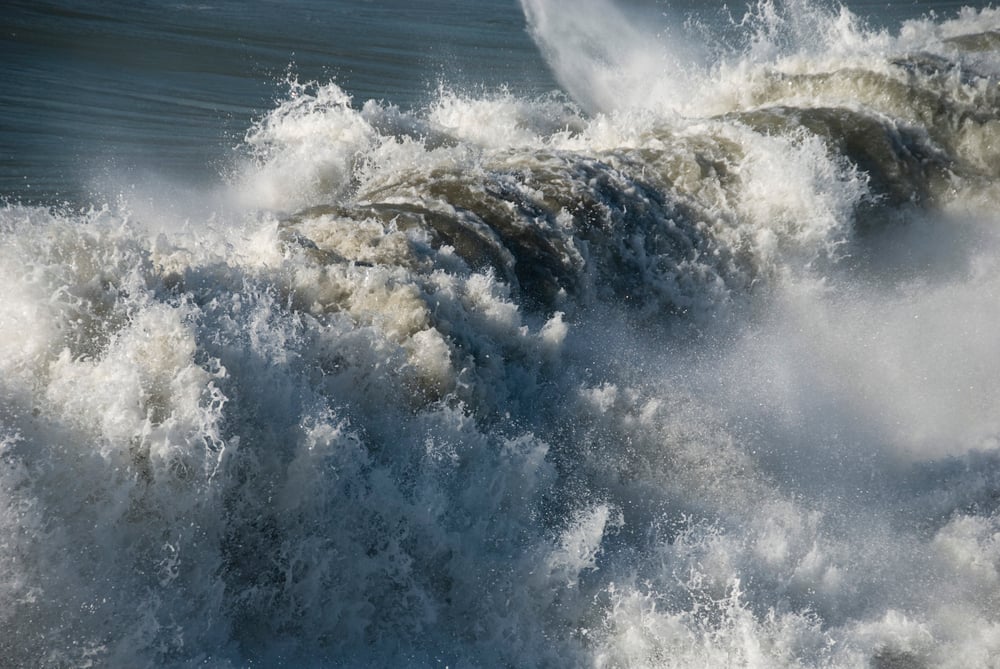
In 1958, an earthquake in Alaska triggered a rockslide that sent 90 million tons of rock crashing into Lituya Bay. The impact created a wave that reached an astonishing 1,720 feet up the opposite slope—the tallest tsunami wave ever recorded.
The wave stripped entire forests off the hillsides and scoured the bay down to bedrock in many places. Trees, soil, and rock were completely removed from areas that had been vegetated for thousands of years.
The bay’s shoreline and underwater topography were permanently altered, and the scars on the hillsides are still visible today.
The Year Without a Summer floods
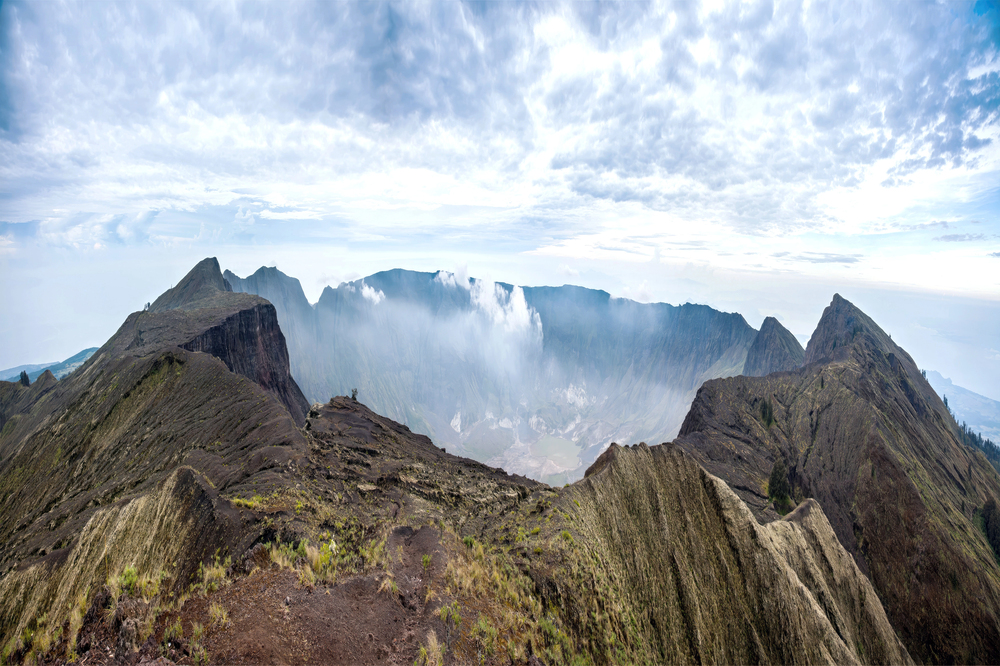
The climate chaos following Mount Tambora’s 1815 eruption caused unprecedented rainfall across many parts of the world in 1816. Rivers in Europe and North America swelled beyond anything in recorded history, permanently changing their courses.
The Rhine River flooded so severely that it created new channels and abandoned old ones. In India, the disrupted monsoon patterns altered river systems and created new wetlands.
These flooding events didn’t just cause temporary damage—they actually redrew the river maps in multiple countries.
The Vajont Dam disaster
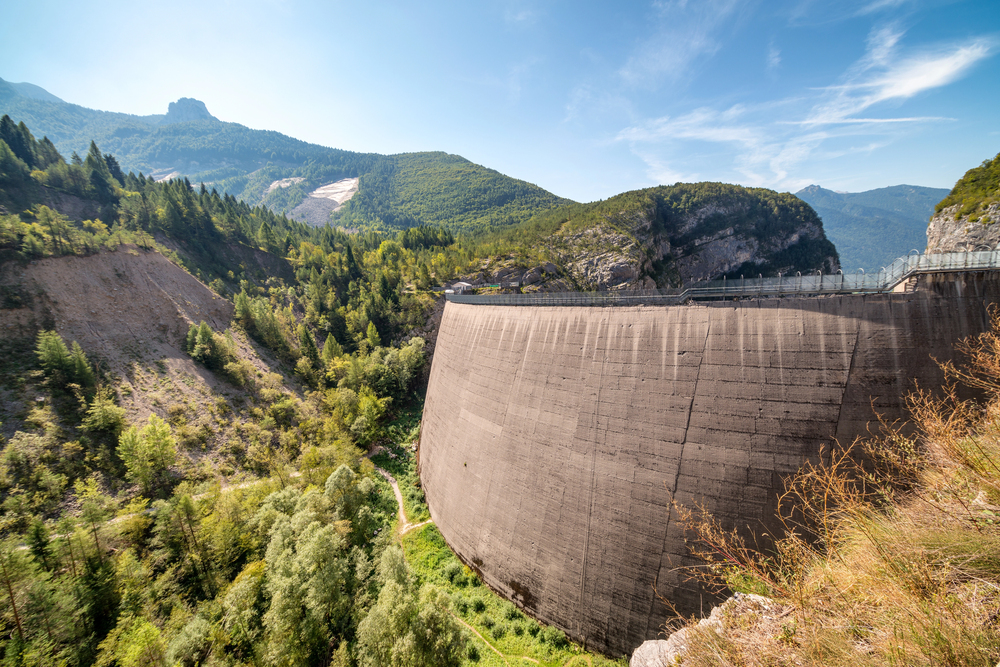
In 1963, a massive landslide plunged into the reservoir behind Italy’s Vajont Dam, creating a wave 820 feet tall that overtopped the dam. The wave completely erased several towns downstream and killed nearly 2,000 people.
The landslide itself moved so much earth that it permanently filled a large portion of the reservoir with debris. The slide created a new mountain where the reservoir used to be, and the area’s topography was so altered that the dam became essentially useless.
The event proved that human-made disasters can reshape landscapes just as dramatically as natural ones.
The Indian Ocean earthquake and tsunami
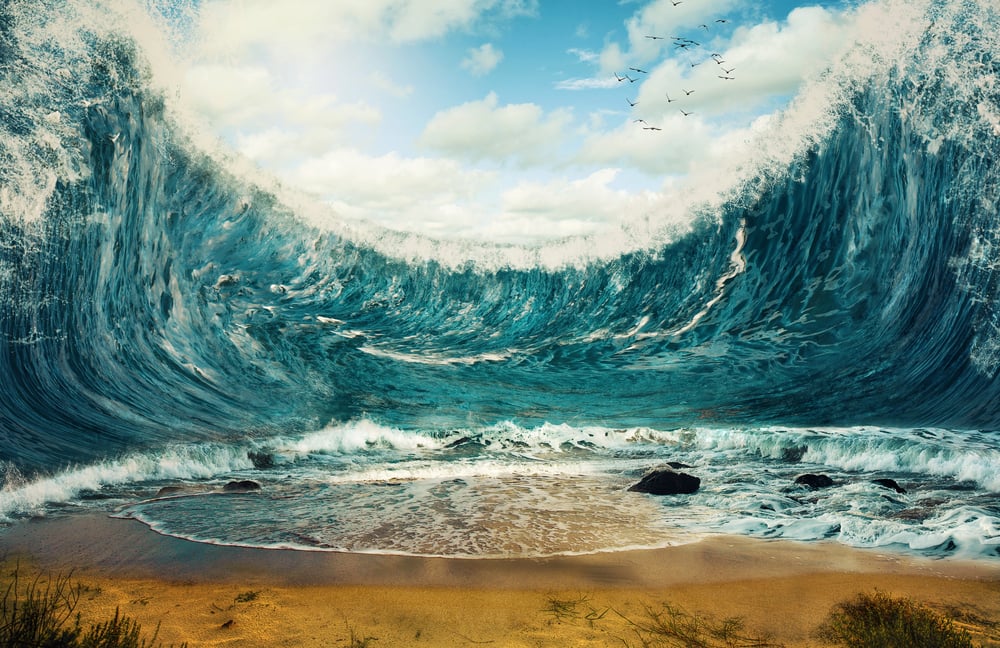
The 2004 earthquake off Sumatra was so powerful that it actually changed Earth’s rotation slightly and shifted the North Pole by about an inch. The quake also permanently altered the seafloor, lifting some areas by several feet while dropping others.
Islands near the epicenter shifted horizontally by up to 65 feet. The coastlines of affected countries were dramatically reshaped by the tsunami, with some beaches disappearing entirely while new ones formed from deposited sediment.
Coral reefs were lifted above sea level in some locations, creating new land where the ocean had been.
The eruption of Mount Pinatubo
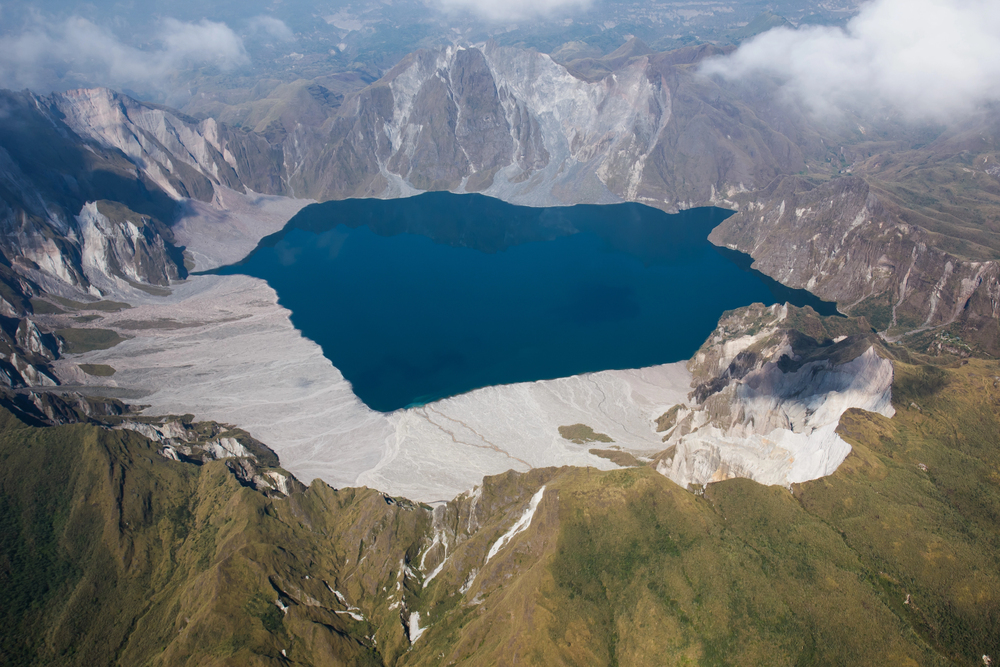
When Mount Pinatubo erupted in the Philippines in 1991, it ejected so much material that the mountain’s height decreased by about 850 feet. The eruption created a caldera nearly 1.5 miles wide that quickly filled with water to form a stunning crater lake.
Massive mudflows called lahars continued for years after the eruption, burying entire towns and filling valleys with volcanic debris up to 600 feet deep. Rivers were forced into new channels, and the surrounding landscape was buried under layers of ash and mud.
The eruption altered drainage patterns across a huge area, creating new lakes and swamps where valleys had been.
The Great Chilean earthquake
The 1960 earthquake in Chile, the most powerful ever recorded at magnitude 9.5, lifted and dropped huge sections of coastline. Some areas rose by nearly seven feet, while others sank by more than six feet, permanently altering harbors and beaches.
The quake triggered landslides that dammed rivers, creating new lakes in the Andes mountains. When some of these natural dams failed, the resulting floods carved new valleys and changed river courses.
The earthquake’s effects were so widespread that it even caused tsunamis that altered coastlines in Hawaii and Japan thousands of miles away.
The New Madrid earthquakes
Between 1811 and 1812, a series of massive earthquakes struck the central United States near New Madrid, Missouri. These quakes were so powerful that they rang church bells in Boston over 1,000 miles away and made the Mississippi River appear to run backward temporarily.
The earthquakes created new lakes, including Reelfoot Lake in Tennessee, which formed when the land suddenly dropped and water filled the depression. They also permanently altered the course of the Mississippi River in several locations and created waterfalls that took years to erode away.
Eyewitnesses reported that entire islands disappeared while new ones emerged from the riverbed.
Mount St. Helens eruption
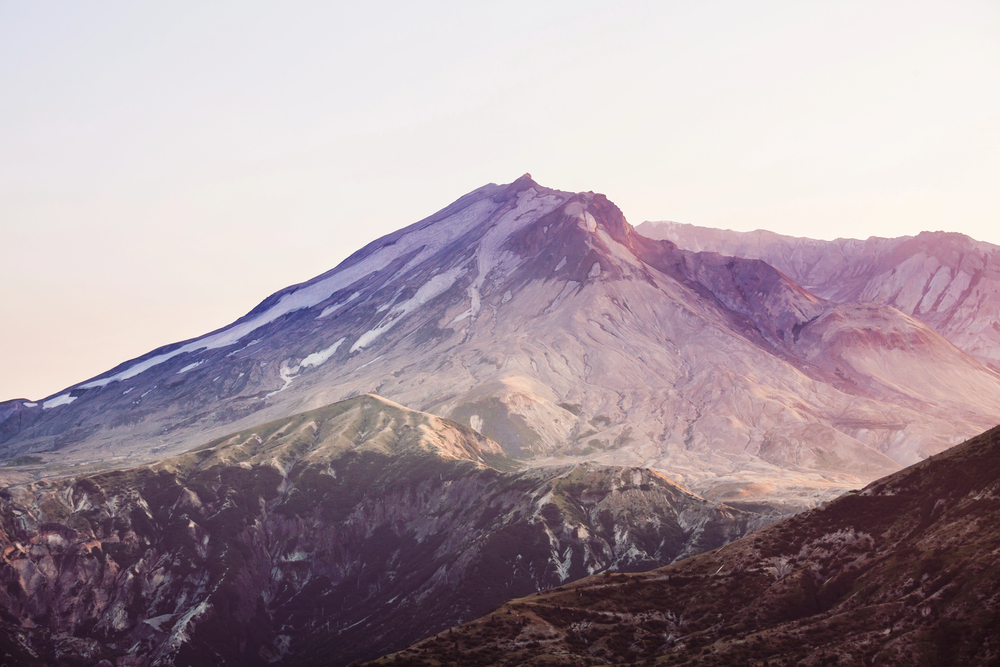
A sudden blast in 1980 changed Mount St. Helens forever. Minutes later, the peak was gone – shorter by more than a thousand feet.
From its northern edge, rock and ash tore through ancient woods. Forests across hundreds of square miles were flattened overnight.
Valleys buried under heaps of rubble rose into unfamiliar shapes. Where towering trees once grew, nothing remained but dust and stone.
Beneath the surface, Spirit Lake shifted after tons of earth slid into it, lifting the floor nearly 300 feet higher. Water spilled upward past 200 feet because of the shift.
Heat from below carved out a fresh crater where rock once stood firm. Slowly, molten rock has been building inside ever since, reshaping what remains above.
The Boxing Day Earthquake
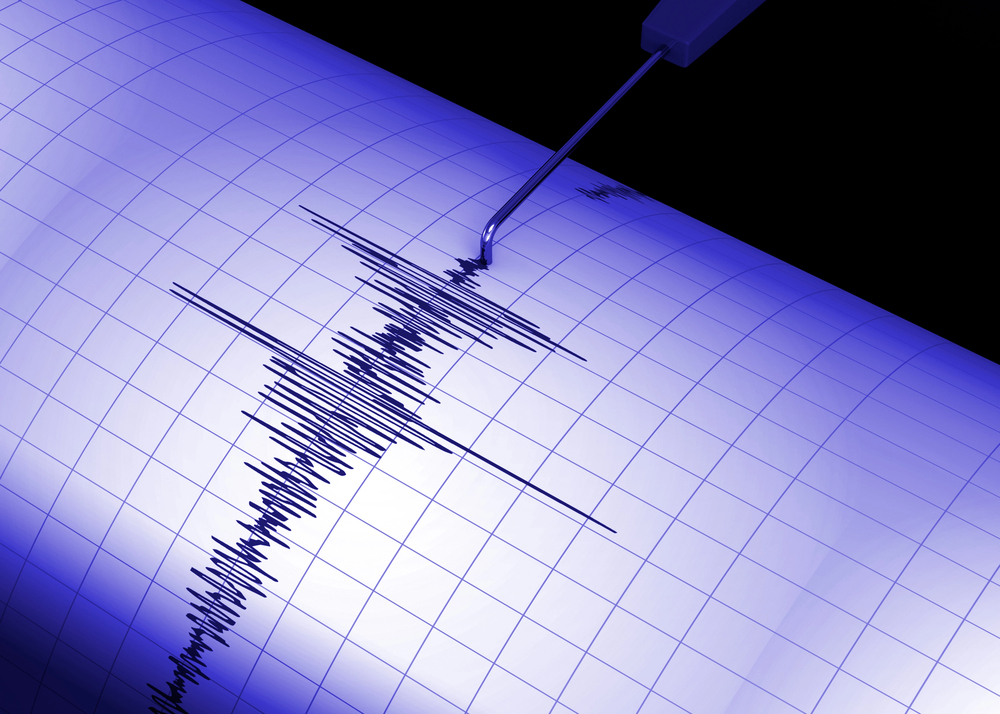
Out past the edge of deep water, land shifted when the sea floor cracked during the 2004 quake. Instead of staying level, certain islands tipped like unbalanced plates.
One flank lifted high, yet the opposite dipped below waves. Ancient coral beds, once hidden under saltwater, gasped in the open sky – life faded where oceans used to be.
Because of this shift, dry ground formed where swells once rolled. Among these altered spots, the Andaman and Nicobar chains saw wild transformations: shorelines bent, sand reappeared elsewhere.
From space, scientists noticed entire masses had slid nearly sixty-five feet toward the distant southwest – all within heartbeats.
Where nature holds the pen
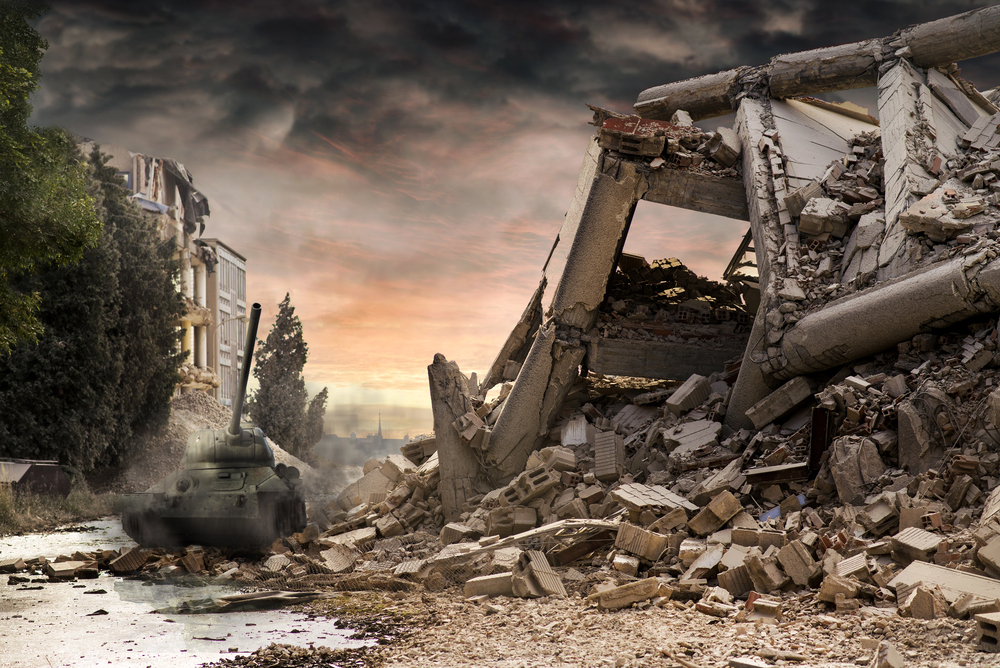
Out here, where mountains push up then crumble back down, lines on a map mean very little. Coastlines pull away just as fast as they grow, especially when rivers shift without warning.
A quake, a blast, heavy winds – each one leaves behind terrain nobody knew before. Generations pass, but the ground keeps moving like it did long ago.
Somewhere out there, another change looms, slow and quiet, ready to redraw everything in time.
More from Go2Tutors!

- The Romanov Crown Jewels and Their Tragic Fate
- 13 Historical Mysteries That Science Still Can’t Solve
- Famous Hoaxes That Fooled the World for Years
- 15 Child Stars with Tragic Adult Lives
- 16 Famous Jewelry Pieces in History
Like Go2Tutors’s content? Follow us on MSN.