15 Food Items That Look Completely Different In Europe
If you’ve ever traveled to Europe and stood in a grocery store aisle feeling quietly confused, you’re not alone. Foods you’ve eaten your entire life show up looking nothing like what you expected.
The shape is off. The color is different. The packaging throws you. And sometimes, what you assumed was universal turns out to be very much not.
Here are 15 foods that will look different once you cross the Atlantic.
1. Eggs

American grocery store eggs are white and squeaky clean — washed, sanitized, and refrigerated. European eggs are a different story.
They come in shades of brown, sometimes speckled, and they sit right out on a shelf at room temperature without any refrigeration at all.
This isn’t an oversight. In Europe, eggs retain their natural protective coating called the cuticle, which keeps bacteria out without needing refrigeration.
The U.S. washing process removes that coating, which is why American eggs have to stay cold. So when you see a basket of room-temperature eggs at a French market, that’s intentional.
2. Bread

American bread is soft, pre-sliced, and sealed in a plastic bag that keeps it fresh for two weeks. European bread — particularly in France, Germany, and Italy — comes as a hard-crusted loaf that goes stale by tomorrow.
That’s not a flaw. European bread uses fewer preservatives and a slower fermentation process, so the crust shatters when you bite it and the inside is dense and chewy.
The baguette you pick up in Paris at 8am is a completely different object from the loaf of sandwich bread in your kitchen at home.
3. Chocolate

European chocolate, especially from Belgium and Switzerland, tends to be richer and denser. It melts differently in your mouth, and it tastes less sweet.
American milk chocolate often contains more sugar and less cocoa butter, which gives it a lighter, sweeter profile.
Side by side, the same “milk chocolate” label in Europe and the U.S. produces two noticeably different products.
4. Pizza
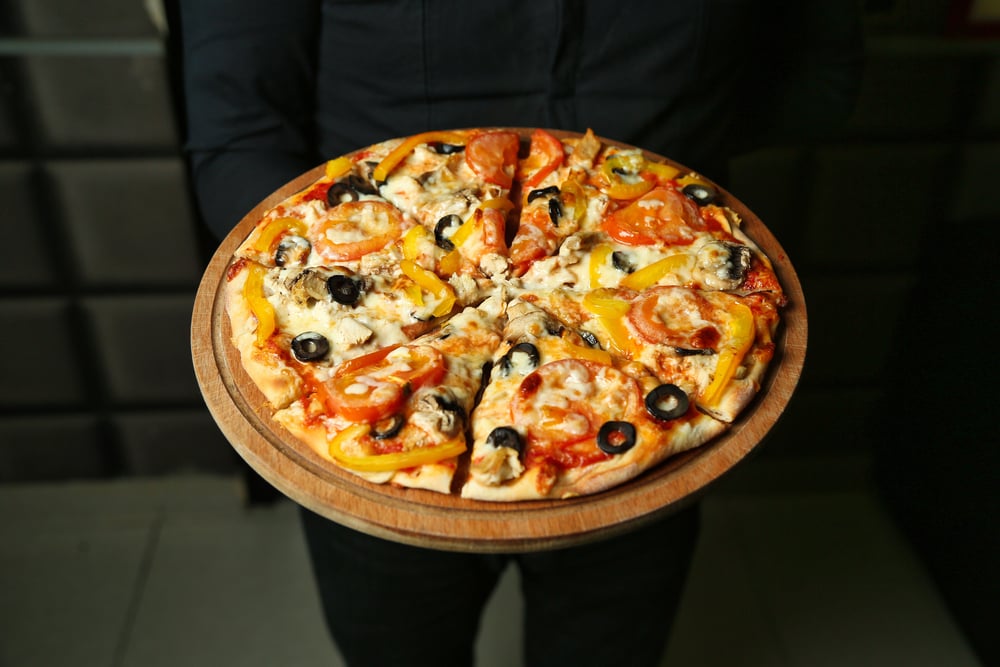
Walk into a pizzeria in Naples and the pizza arriving at your table will look nothing like the one you order back home. It’s thin, slightly charred at the edges, floppy in the middle, and barely covered in toppings.
The cheese doesn’t stretch in long dramatic pulls. There’s no deep dish. No stuffed crust.
Italian pizza is restrained by design. The tomato sauce is bright and simple, the mozzarella is fresh and sparse, and the whole thing is built to be eaten quickly after it comes out of a wood-fired oven.
5. Ketchup
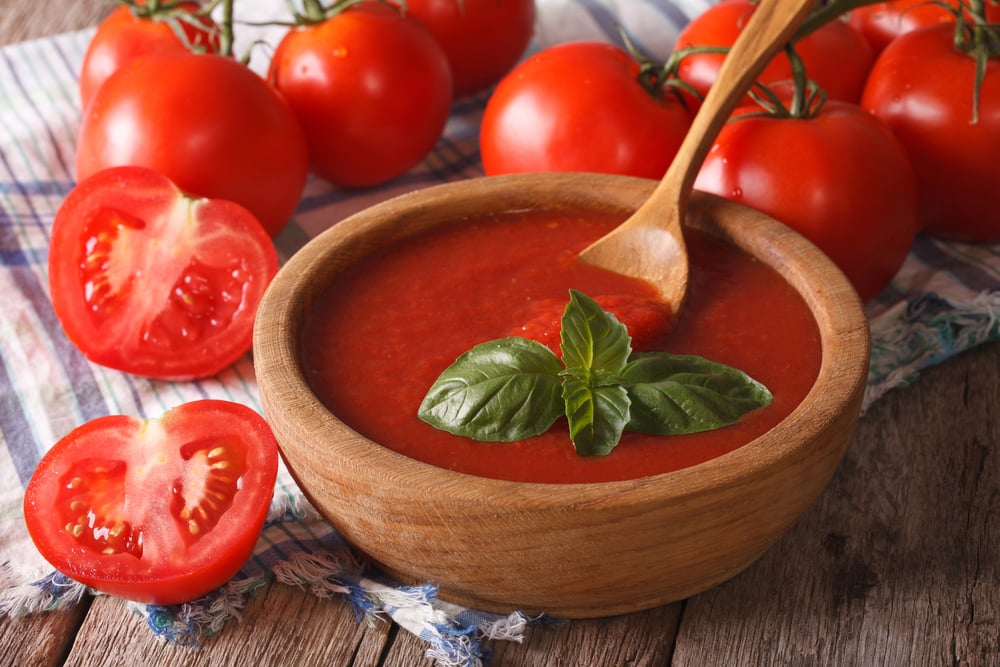
Ketchup in Europe is noticeably less sweet. American ketchup contains high-fructose corn syrup, which gives it a sugary punch that many Europeans find overwhelming.
European versions use regular sugar in smaller amounts, and the tomato flavor comes through more clearly.
The color can also be slightly different — a deeper, more natural red compared to the bright, almost orange-red of the American version.
6. Butter

European butter is yellower. That warm golden color comes from the higher fat content — typically around 82 to 84 percent butterfat compared to the 80 percent standard in the U.S.
The extra fat makes it taste richer and gives it a creamier texture.
The shade of yellow also varies by season, since it’s influenced by what the cows eat. Grass-fed cows produce butter with more beta-carotene, which deepens the color naturally.
7. Chicken

In American grocery stores, raw chicken is pale, almost white. European chicken tends to have a slightly yellowish skin, and the overall appearance is less uniform.
American chicken is typically raised in enclosed spaces and processed with a chlorine wash, which the EU banned in 1997.
European chickens, on average, have more room to move, which affects muscle development and the color of the meat. The difference isn’t dramatic, but once you notice it, you won’t unsee it.
8. Milk
In most European countries, milk sits on an unrefrigerated shelf in a cardboard box. It’s UHT milk — ultra-high temperature treated — which means it’s been heated to a point that kills all bacteria and lets it stay shelf-stable for months.
Once you open it, then you refrigerate it.
American milk is pasteurized but not ultra-heat treated, so it needs refrigeration from the start. The UHT process also gives the milk a slightly different taste, which can take some getting used to if you’ve grown up on the fresh variety.
9. Strawberries
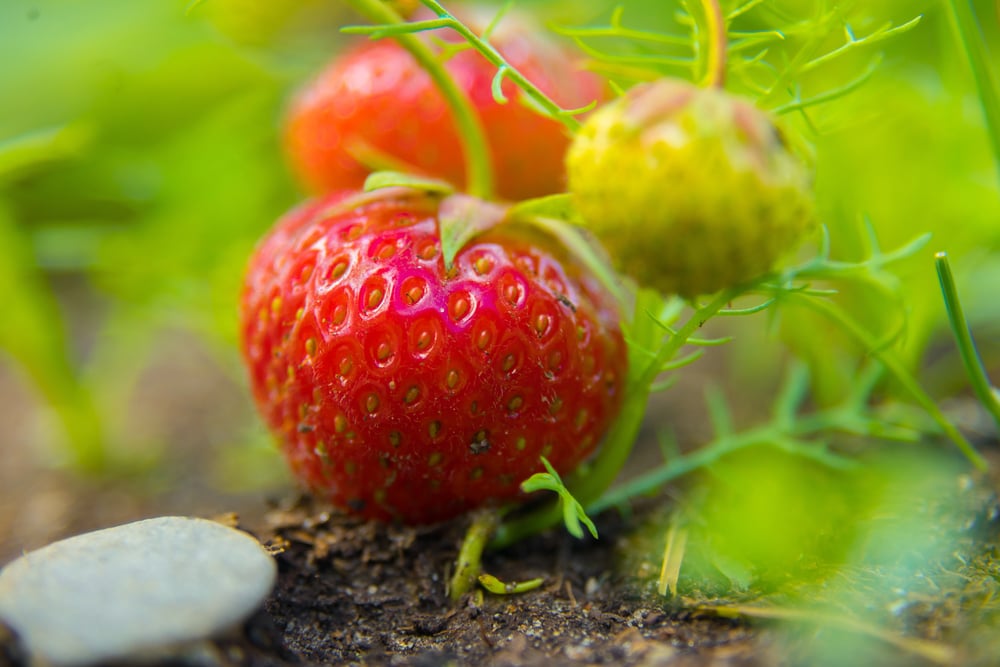
European strawberries are often smaller and less visually perfect. They’re irregular in shape, sometimes unevenly colored, and they can be soft to the touch.
But they’re also significantly more flavorful.
American strawberries are bred to be large, red all the way through, and able to survive long transport without bruising. That durability comes at the cost of taste.
The European versions don’t photograph as well, but a small strawberry from a market in Spain will often taste sweeter and more intense than a massive one from a U.S. supermarket.
10. Yogurt

European yogurt is thicker, less sweet, and often tangier. French yogurt in particular comes in ceramic pots and has a firm, custard-like texture.
It doesn’t have the fruity sweetness that American yogurt brands lean into heavily.
Greek yogurt in Greece is a completely different product from what gets labeled “Greek-style” in American stores. It’s denser, creamier, and much more sour.
11. Sausages

The word “sausage” covers enormously different things on either side of the Atlantic. In Germany alone, there are hundreds of regional varieties — weisswurst, bratwurst, currywurst, blutwurst — each with a distinct color, texture, and casing.
The pink, rubbery links that show up at American breakfast buffets would be unrecognizable as sausage in most of Europe.
German sausages are typically coarser in texture, deeper in color, and spiced very differently.
12. Chips And Crisps
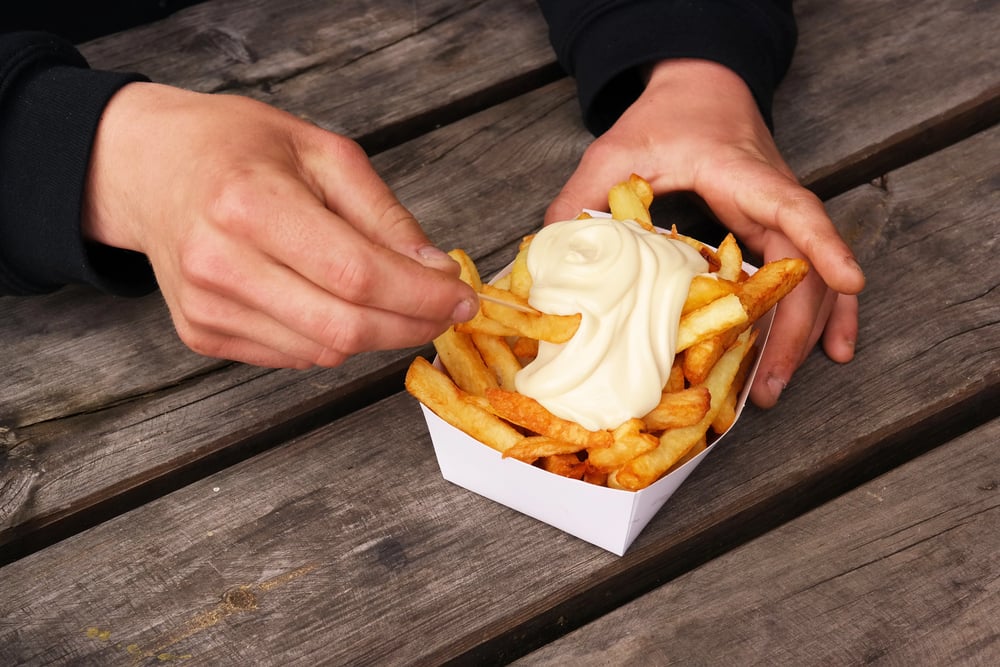
The flavors available in European chip aisles are genuinely strange to American visitors. Prawn cocktail, mature cheddar and onion, paprika, pickled onion — these are mainstream flavors in the UK and across the continent.
Meanwhile, many classic American flavors like ranch or nacho cheese are rare or nonexistent in European stores.
The texture of European crisps is also often thinner and crunchier, and the seasoning tends to be applied more lightly.
13. Tomatoes
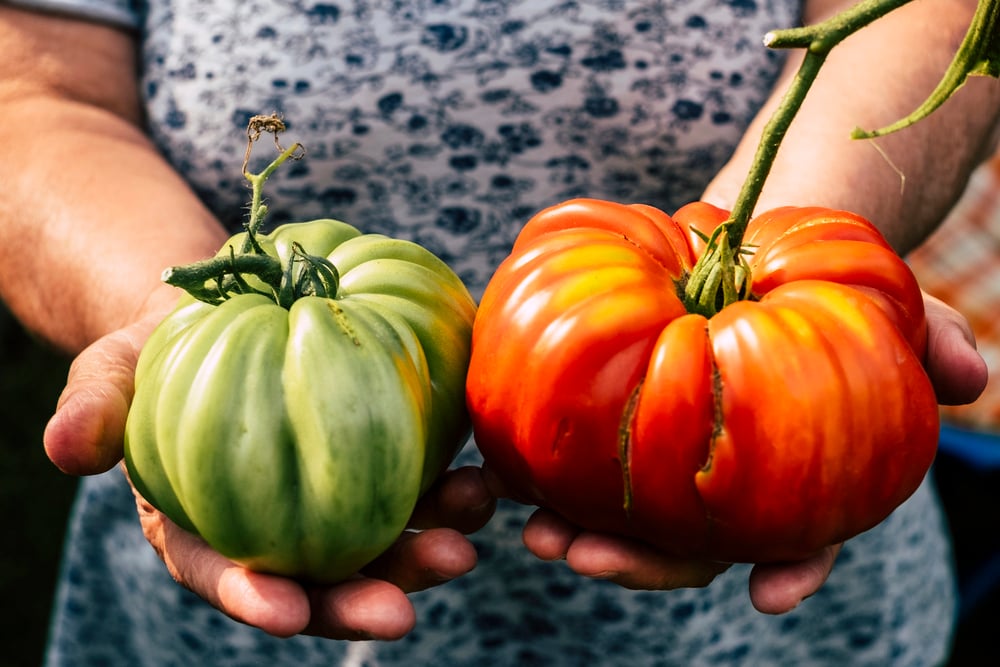
European tomatoes, especially heirloom varieties sold at outdoor markets, come in shapes and colors that look nothing like the perfectly round, uniform red tomatoes in American supermarkets.
You’ll find ribbed, lumpy, green-streaked, deep purple, and orange tomatoes sold casually as standard produce.
Flavor-wise, the gap is significant. Market tomatoes in Italy or Spain are often ripened on the vine and sold the same day, which makes them taste nothing like tomatoes that were picked early and transported across a country for a week.
14. Fast Food

Even identical chain restaurant menus look different in Europe. McDonald’s in France serves croque-monsieur-style sandwiches alongside the standard menu.
The buns are slightly different. The sauces vary. In Germany, beer is sometimes on the menu.
In some countries, the fries are salted differently or served without ketchup as a default. The branding is the same, but the food inside is adapted to local preferences and ingredient regulations in ways that make each country’s version subtly its own thing.
15. Supermarket Produce In General

Beyond individual items, the overall appearance of produce in European grocery stores and markets is just different. Vegetables are often sold with dirt still on them.
Carrots come with their greens still attached. Peppers are misshapen. Cucumbers aren’t always wrapped in plastic.
The EU has relaxed many of its old rules about cosmetic standards for produce, but the general attitude toward imperfect-looking food remains more tolerant than in the U.S. What gets thrown out at an American distribution center for looking “wrong” often ends up on a European table without anyone blinking.
When The Familiar Becomes Foreign

Food is one of the clearest reminders that most of what feels “normal” is just what you grew up with. The eggs aren’t worse for sitting on a shelf. The tomatoes aren’t failed produce because they’re lumpy.
The chocolate isn’t inferior because it melts a little differently.
Traveling, or even just paying attention to where your food comes from and how it’s made, has a way of making the ordinary suddenly strange — and strange things suddenly worth trying.
More from Go2Tutors!

- The Romanov Crown Jewels and Their Tragic Fate
- 13 Historical Mysteries That Science Still Can’t Solve
- Famous Hoaxes That Fooled the World for Years
- 15 Child Stars with Tragic Adult Lives
- 16 Famous Jewelry Pieces in History
Like Go2Tutors’s content? Follow us on MSN.