Natural Patterns Inspiring Iconic Inventions
Engineers plus tinkerers might slave for decades trying to crack problems nature handled ages back. Clues are right there – how dew clings to petals, the way hawks ride wind loops, or how silk strands form a net.
No blueprint guided this. It came from endless tries – die if it fails, live if it works.
Once people start seeing these fixes, everything shifts across fields.
Velcro from Burrs

Back in 1941, George de Mestral got back from a walk – burs clinging to his clothes, also tangled in his dog’s coat. Rather than brushing them away like most would’ve done, he took a closer look through a microscope.
What he saw? Tiny hooks on the burs grabbing onto loose fibers in cloth or hair.
That idea sparked something – he worked more than ten years crafting a pair of strips that copied nature’s trick, securing the design with a patent by ’55. Over time, this grip-like closure showed up everywhere: sneakers, jackets, even gear used in outer space.
The plant only wanted to scatter its seeds. Yet it ended up making a grip method that functions without gravity.
Bullet Trains Shaped Like Kingfisher Beaks

Japanese bullet trains had a problem. When they exited tunnels at high speed, they created loud micro-pressure waves that disturbed neighborhoods.
Engineers studied kingfishers, which dive into water at high speed without making a splash. The bird’s beak shape allows it to slice through the air-water boundary smoothly.
The train designers reshaped the front of the train to match that profile. The redesign reduced the pressure wave, decreased air resistance, and let the trains run faster while using less energy.
Lotus Leaves and Self-Cleaning Surfaces

Lotus flowers grow in muddy water but their leaves stay clean. Water beads up and rolls off, carrying dirt with it.
Scientists discovered the leaf surface has microscopic bumps covered in a waxy coating. This creates a super-hydrophobic surface where water can’t spread out.
The technology now appears in paints, fabrics, and building materials, though commercial versions achieve less extreme water repellency than the natural lotus leaf itself. The effect still helps surfaces resist dirt and moisture better than conventional coatings.
The lotus was just trying not to suffocate under a layer of pond scum.
Shark Skin Reducing Drag

Sharks move through water with remarkable efficiency. Their skin isn’t smooth—it’s covered in tiny tooth-like scales called denticles arranged in a specific pattern.
This texture disrupts the formation of drag-causing vortices. Swimsuit manufacturers created fabrics inspired by this pattern, though they didn’t perfectly replicate the denticle structure.
The suits’ performance advantages were controversial, and this contributed to their eventual ban from competition. The same principles now inform surface designs for ships, planes, and wind turbines.
The shark just wanted to catch seals with less effort.
Termite Mounds and Building Climate Control
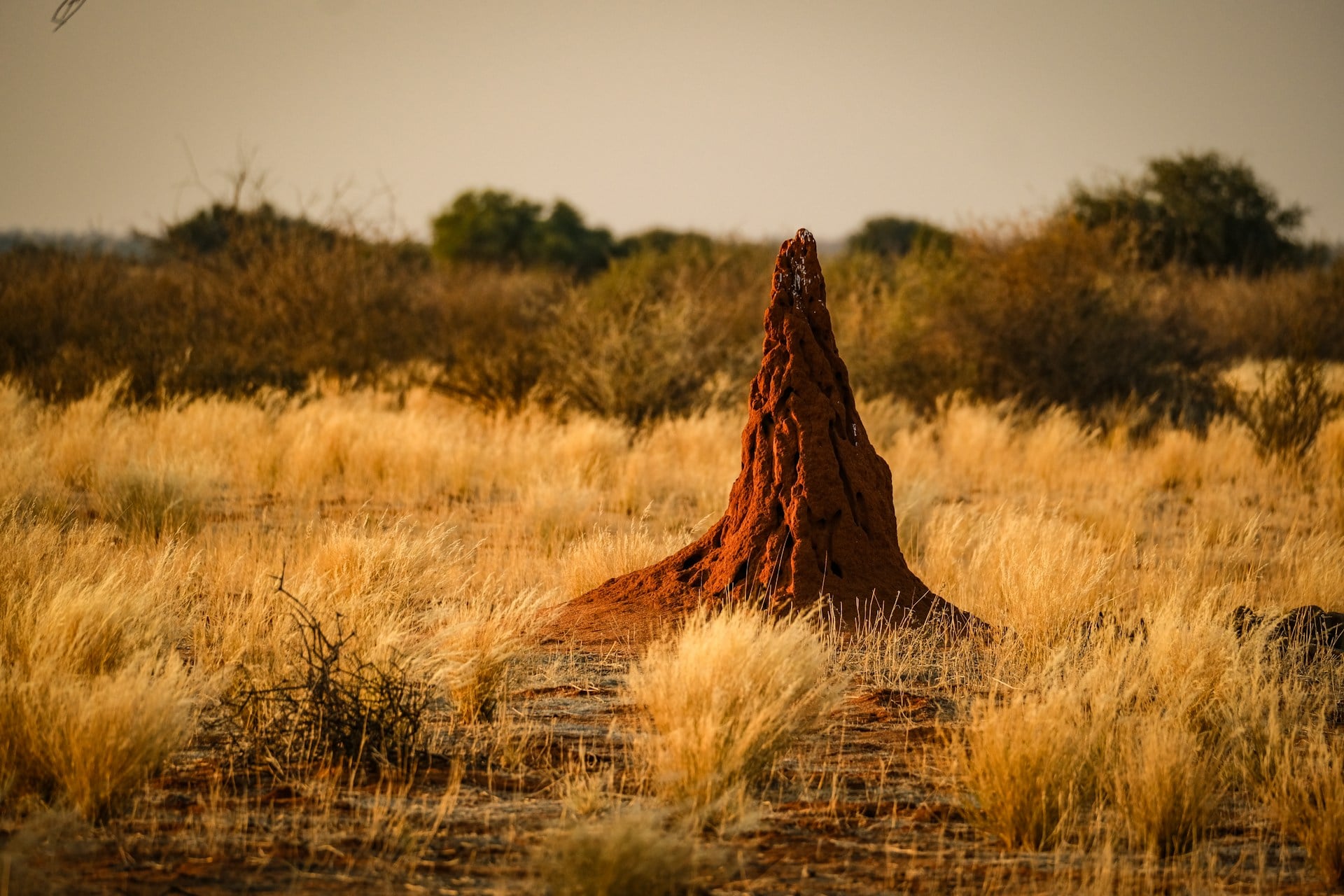
Some termite species in Africa build mounds that maintain relatively steady internal temperatures despite outside temperatures swinging dramatically. These mounds have systems of vents and chambers that create airflow without mechanical systems.
Hot air rises and escapes through the top while cooler air enters from the bottom. Ventilation strategies vary widely by species.
Architects studying certain termite mounds designed the Eastgate Centre in Zimbabwe, which uses significantly less energy for climate control than conventional buildings. The termites were just trying not to cook their fungus farms.
Spider Silk Stronger Than Steel

Spider silk weighs almost nothing but has higher tensile strength per weight than steel, along with remarkable elasticity. The silk proteins align in a specific crystalline and amorphous structure during spinning.
Scientists are working to replicate this for everything from bulletproof vests to artificial tendons. The spider was just trying to catch dinner without building something so heavy it couldn’t hang it between trees.
Honeycomb Structures in Aircraft

Bees build with hexagons because that shape uses the least wax while creating the strongest structure. The pattern distributes weight evenly and resists crushing.
Humans recognized the efficiency of hexagonal patterns long before aviation—Renaissance architects and early mechanical designers used honeycomb geometry. Engineers eventually adopted this structure for aircraft panels, creating components that are incredibly strong but lightweight.
The honeycomb core now appears in everything from airplane wings to Formula 1 racing cars. Bees were just maximizing storage space while minimizing construction material costs.
Gecko Feet and Adhesive Technology

Geckos walk up walls and across ceilings without falling. Their feet have millions of tiny hairs that interact with surfaces at the molecular level through van der Waals forces.
Each hair splits into hundreds of smaller tips. The gecko can stick and unstick instantly.
Researchers developed adhesives based on this principle that work in space, underwater, and on dusty surfaces. Current versions cannot yet perfectly replicate the gecko’s ability to support full body weight repeatedly, but they stick without glue and maintain effectiveness over many uses.
The gecko was just trying to catch insects on vertical surfaces.
Whale Fins Improving Wind Turbines
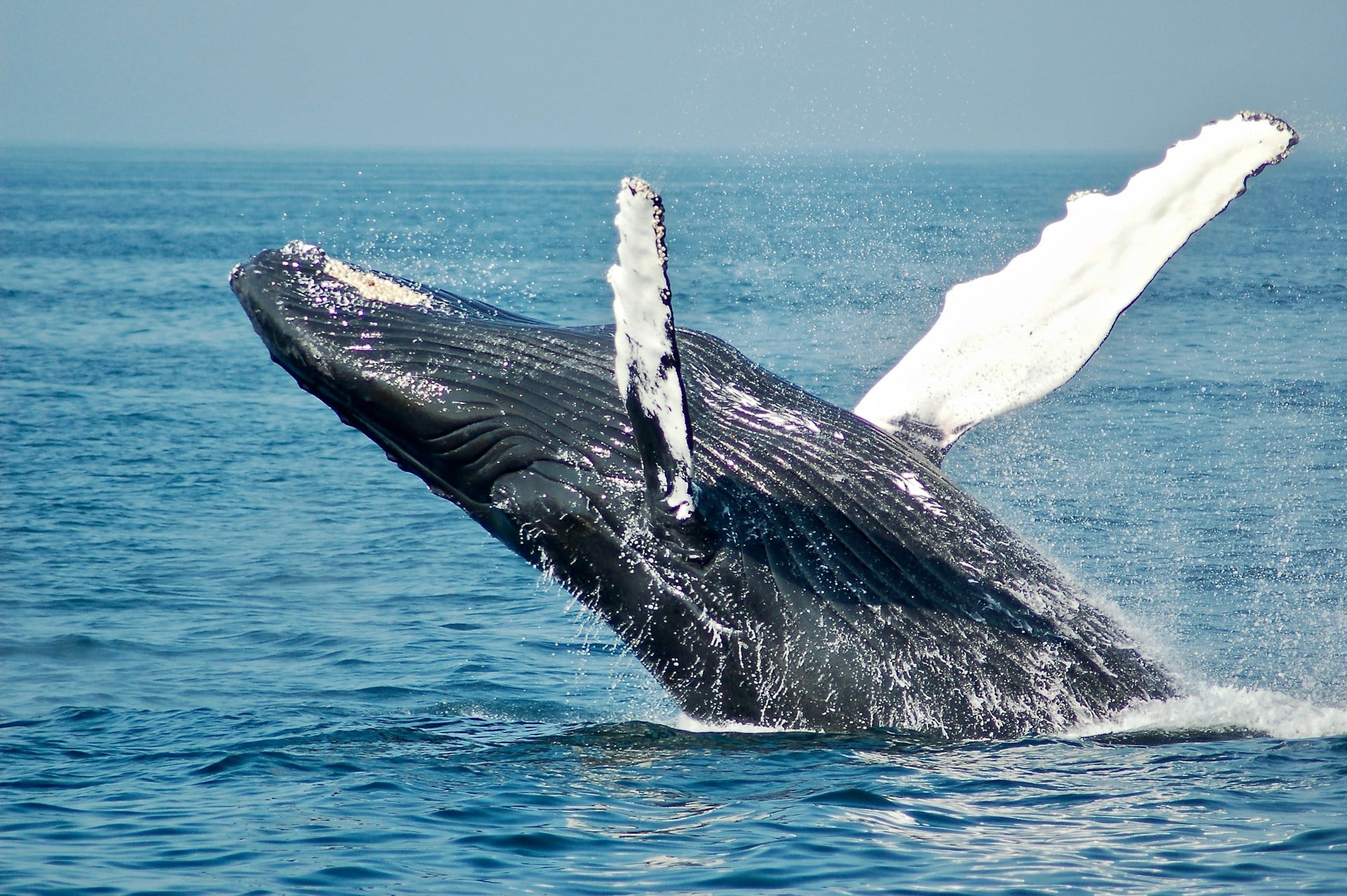
Humpback whales are surprisingly agile for their size. They make tight turns that seem impossible for a 40-ton animal.
Their flippers have bumps along the leading edge called tubercles. These bumps create vortices that can increase lift and reduce drag under certain conditions.
Engineers added similar bumps to wind turbine blades. The improvements vary—not all turbines benefit equally, but in some applications the design allows turbines to work in more variable wind conditions.
The whale was just trying to catch schools of fish in tight spaces.
Butterfly Wings and Display Technology

Butterfly wings get their color not from pigment but from microscopic structures that manipulate light. The scales on the wings have patterns that reflect specific wavelengths.
This structural color doesn’t fade, though in many species the effect changes with viewing angle. Companies developed displays and security features based on this principle.
The colors stay vivid without power and can remain visible in bright sunlight. The butterfly was just trying to attract mates or warn predators.
Bird Flocking and Algorithm Design

Birds fly in flocks without a leader giving commands. Each bird appears to follow simple rules: stay close to neighbors, match their speed, avoid collisions.
These individual decisions create complex group behaviors. Programmers developed algorithms that simulate these patterns, though the models don’t replicate actual bird cognition.
The resulting flocking algorithms inform everything from traffic management to data routing. Self-organizing systems now control robot swarms and optimize supply chains.
The birds were just trying to confuse predators and find food more efficiently.
Pinecone Scales and Responsive Materials

Pinecones open when dry and close when wet. The scales have two layers of tissue that respond differently to moisture.
This mechanism works in dead cones—it’s not an active living response but a passive reaction to environmental conditions. Architects and textile designers developed materials that respond to humidity the same way.
Building facades open and close vents automatically. Athletic clothing adjusts to body moisture.
The pinecone was just trying to release seeds at the right time.
Mosquito Needles and Painless Injection
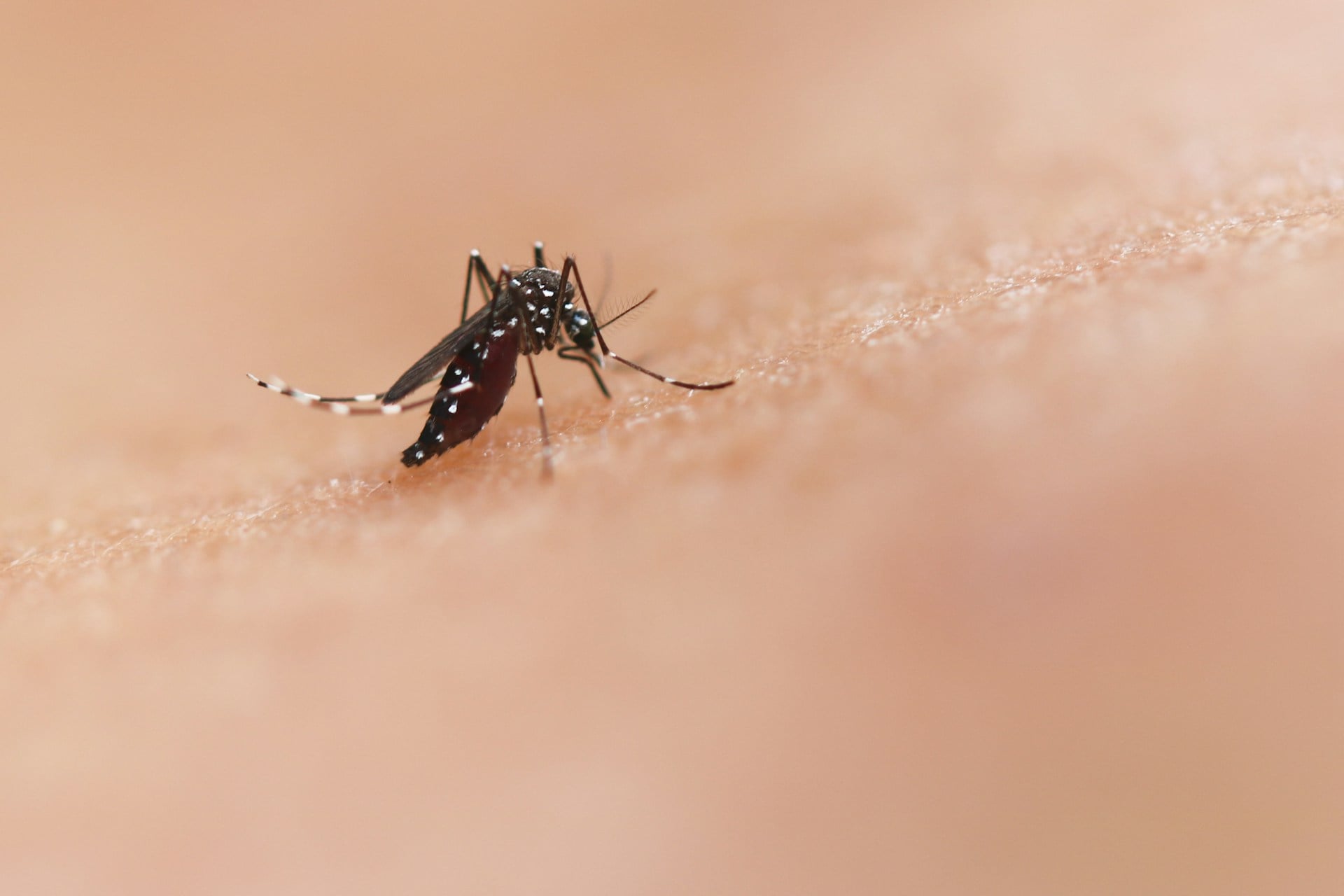
Mosquito mouthparts penetrate skin so smoothly that many people don’t feel the bite. The needle has a serrated edge that minimizes tissue damage and pain receptor activation.
Medical device companies developed needles based on this geometry. Lab versions add vibration to imitate the reduced friction, something the mosquito proboscis doesn’t do by itself.
The injections hurt less and cause less bruising. The mosquito was just trying to steal blood without getting swatted.
Mantis Shrimp Eyes and Camera Sensors

Mantis shrimp have extraordinarily complex eyes. They detect polarized light and perceive depth with each eye independently.
Their eyes have 16 types of color receptors compared to our three, though they process color differently rather than necessarily seeing more colors than humans. Researchers developed camera sensors based on these principles that can detect cancerous tissue, identify minerals, and see through camouflage.
The mantis shrimp was just trying to spot prey hiding in coral reefs.
Humpback Whale Songs and Sonar Technology
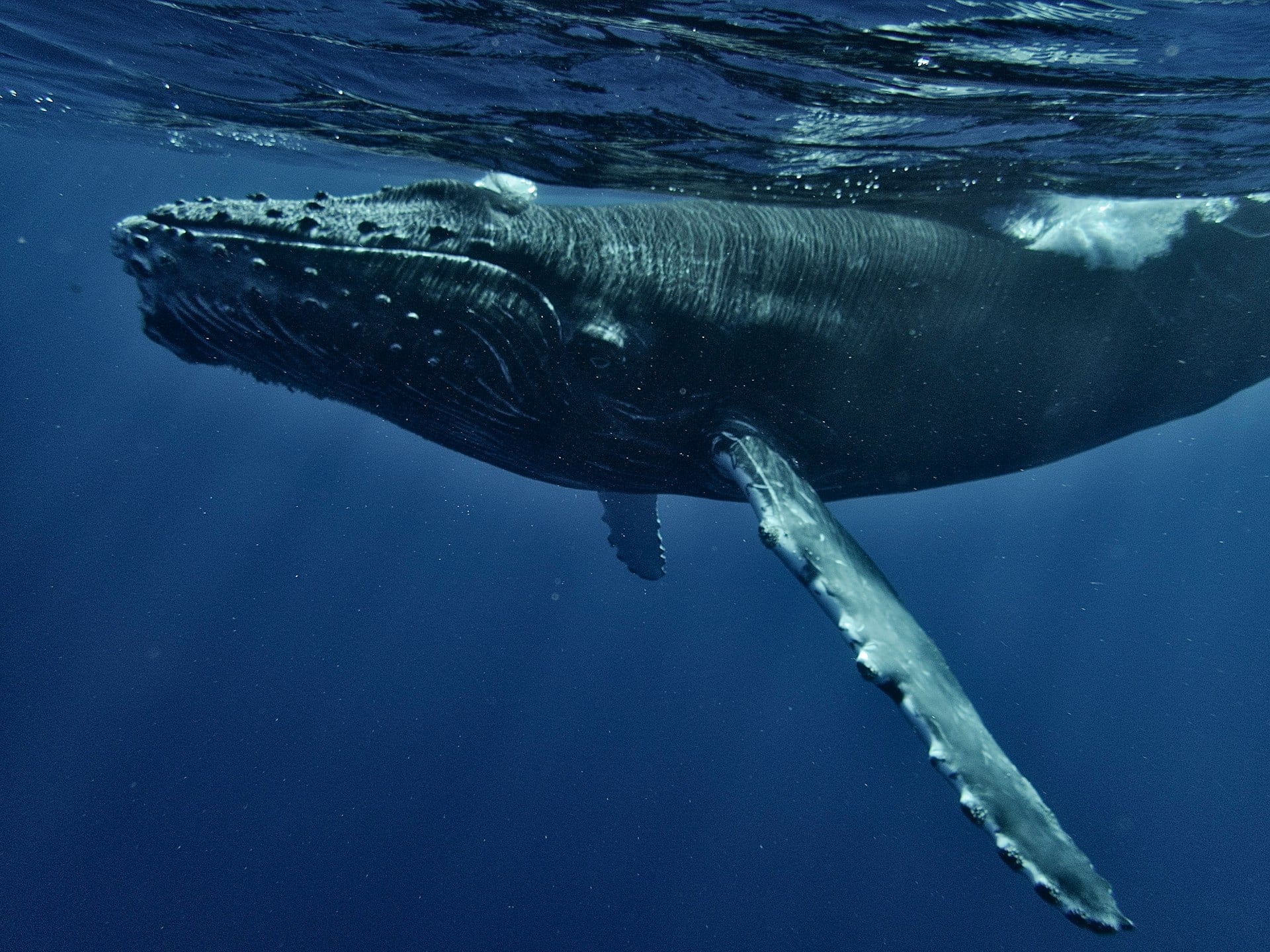
Humpback whales sing intricate tunes that move through water for hundreds of miles. Their sounds dive far down into the sea, spreading signals over huge stretches – yet these whales don’t rely on echoes like toothed species.
Navy tech experts examined how those calls work to upgrade sonar tools. That know-how helps scan seafloors better, also spotting subs with sharper precision.
All the whales wanted was to talk back and forth across open waters.
Finding Solutions Already Written

Nature’s always trying stuff. Most attempts flop.
A few work well enough to last. Engineers who use those ideas aren’t creating from scratch.
They’re following clues shaped by struggle and evolution. Top solutions stay solid – no upgrades needed, proven over countless lifetimes.
The real issue isn’t coming up with fresh fixes – instead, it’s noticing what’s already doing the job. What matters is looking at proven methods rather than chasing novelty.
More from Go2Tutors!

- The Romanov Crown Jewels and Their Tragic Fate
- 13 Historical Mysteries That Science Still Can’t Solve
- Famous Hoaxes That Fooled the World for Years
- 15 Child Stars with Tragic Adult Lives
- 16 Famous Jewelry Pieces in History
Like Go2Tutors’s content? Follow us on MSN.



