Photos of the Cleanup After Woodstock
1969 Woodstock wasn’t just three days of peace and music. It was also three days of half a million people leaving behind mountains of trash, abandoned tents, and enough mud to fill a small lake.
When the final guitar riff faded and the last van rolled away, the real work began. What happened next tells a different story than the one most people remember.
The cleanup crew faced a task that seemed impossible. The morning after looked like a war zone
The morning after looked like a war zone
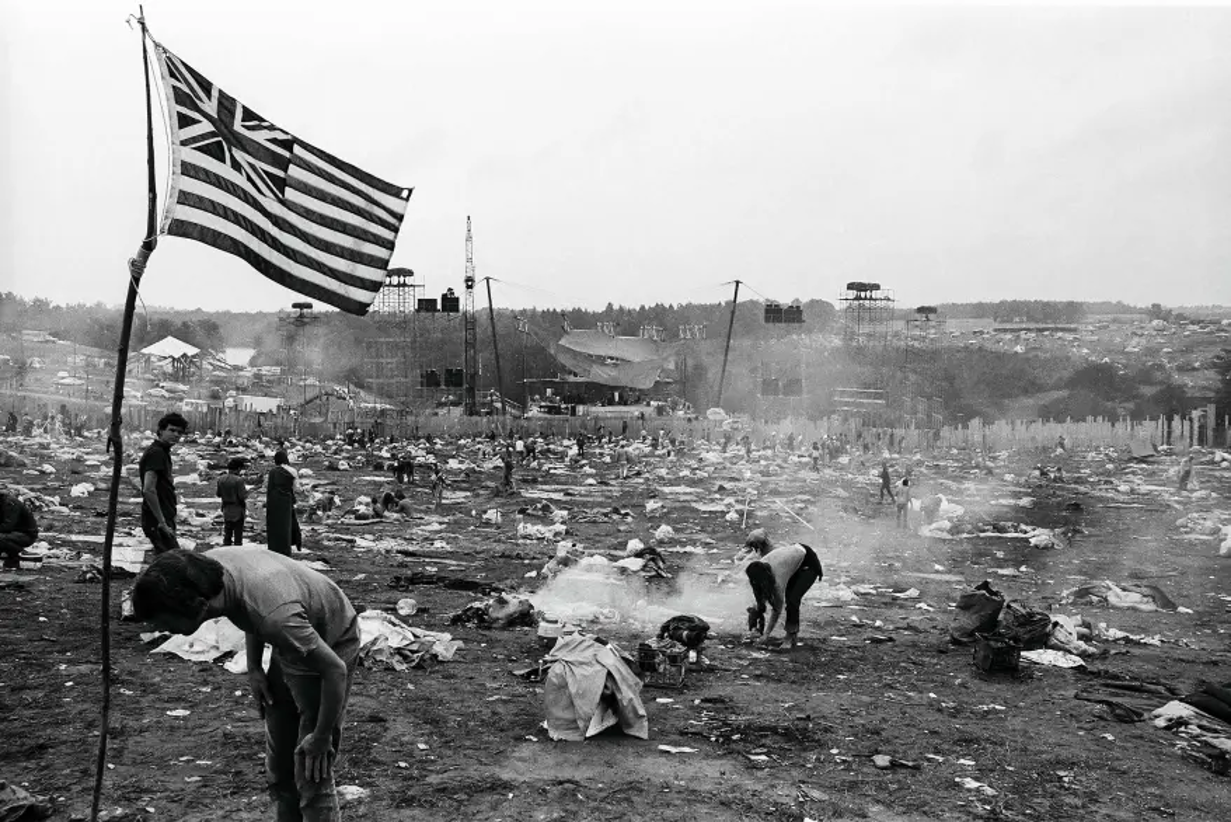
Yasgur’s farm resembled a disaster area when the sun came up on August 18th. Sleeping bags, clothes, and food wrappers covered every inch of the 600-acre property.
The crowd had trampled the grass into oblivion, leaving behind a sea of brown mud mixed with debris. Workers stood at the edge of the property and couldn’t even see where the concert stage had been through all the abandoned belongings.
Mountains of garbage stretched across the hillside
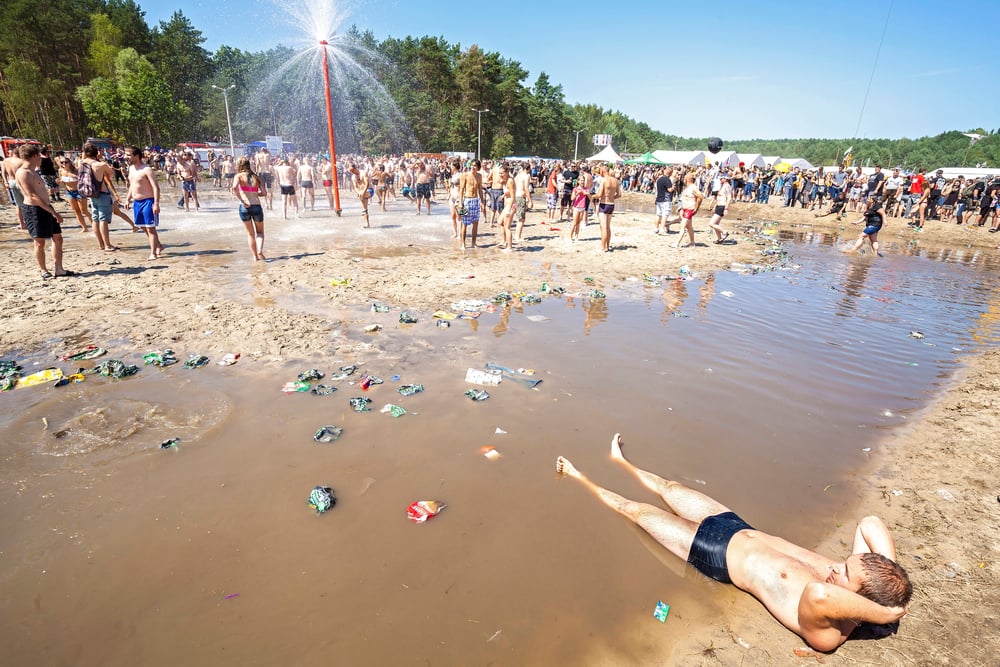
Trash piled up in heaps that reached over six feet tall in some spots. The festival organizers had placed garbage cans throughout the venue, but they quickly overflowed and became useless.
People simply dropped their trash wherever they stood or sat. Beer cans, paper plates, and food containers created a landscape that looked nothing like the peaceful farmland it had been just days before.
Abandoned tents dotted the entire property
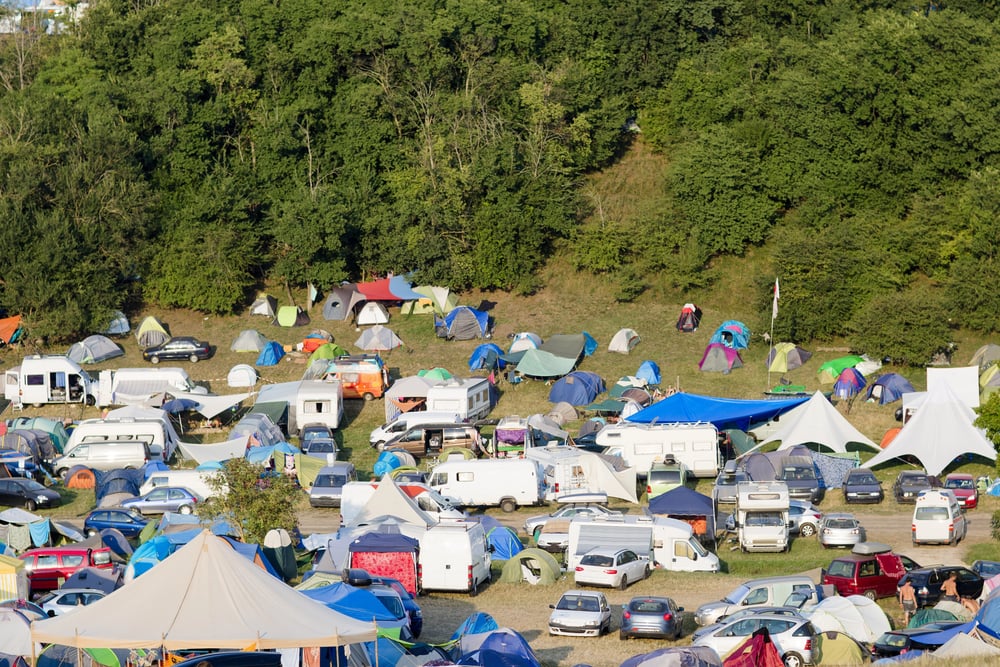
Hundreds of tents remained standing long after their owners left. Many festival-goers had hitchhiked to the event and couldn’t carry their camping gear home.
Others simply wanted to escape the muddy mess as quickly as possible. The cleanup crew had to check each tent before removing it, sometimes finding personal belongings that people clearly valued but left behind in their rush to leave.
Medical supplies and first aid stations required special handling

The on-site medical tents had treated thousands of people for everything from cut feet to bad reactions. Bandages, medicine bottles, and medical equipment needed careful disposal.
Workers had to separate hazardous materials from regular trash. The sheer volume of medical waste showed just how unprepared many attendees had been for the conditions they faced.
Portable toilets created their own nightmare
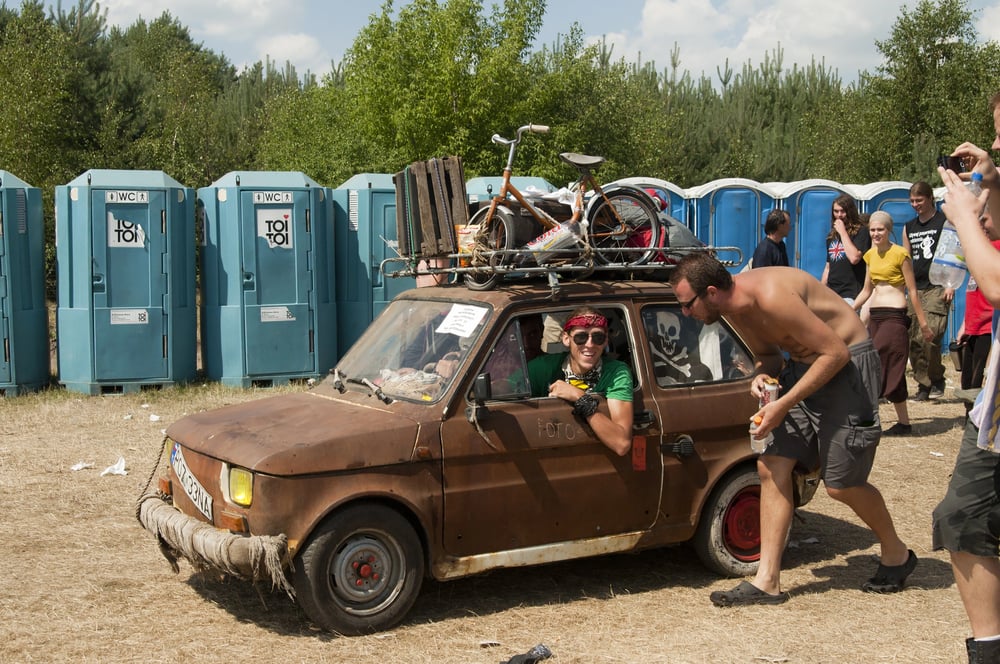
The sanitation situation at Woodstock became legendary for all the wrong reasons. The portable toilets overflowed within the first day, and by the end, they were unusable.
Cleanup crews had to pump out and remove over 600 portable units. The smell alone made this one of the worst jobs on the entire property.
Workers wore masks and took frequent breaks just to get through it. The stage and sound equipment took weeks to dismantle
The stage and sound equipment took weeks to dismantle
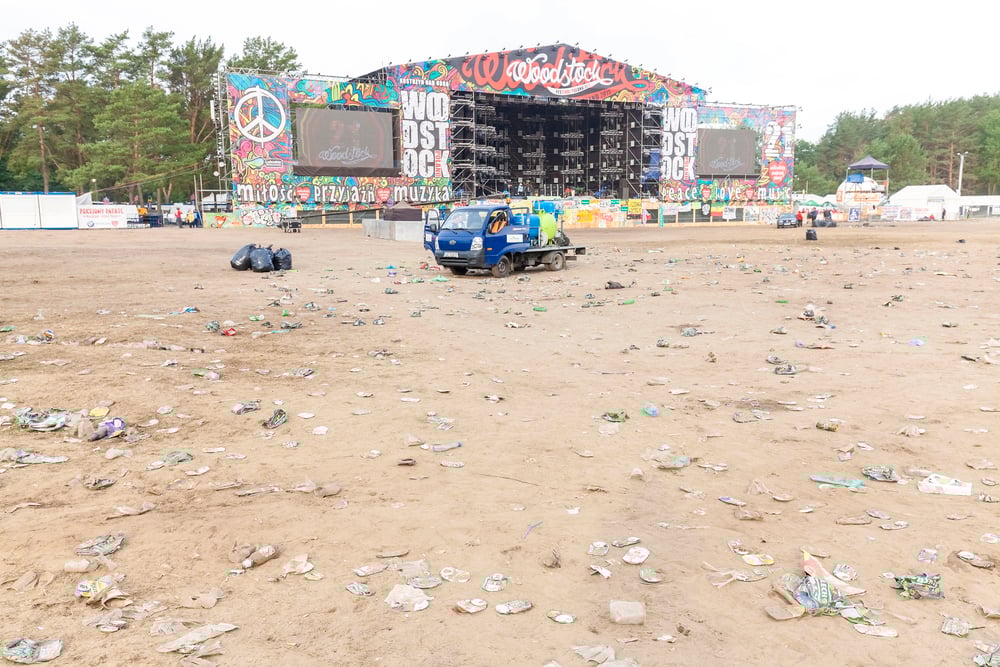
The massive stage structure couldn’t just disappear overnight. Crews carefully took apart the scaffolding, speakers, and lighting rigs.
Some equipment had been damaged by the weather, while other pieces had simply sunk into the mud. Getting heavy trucks across the waterlogged field to haul everything away proved nearly impossible for the first few days.
Personal items told stories of the people who left them
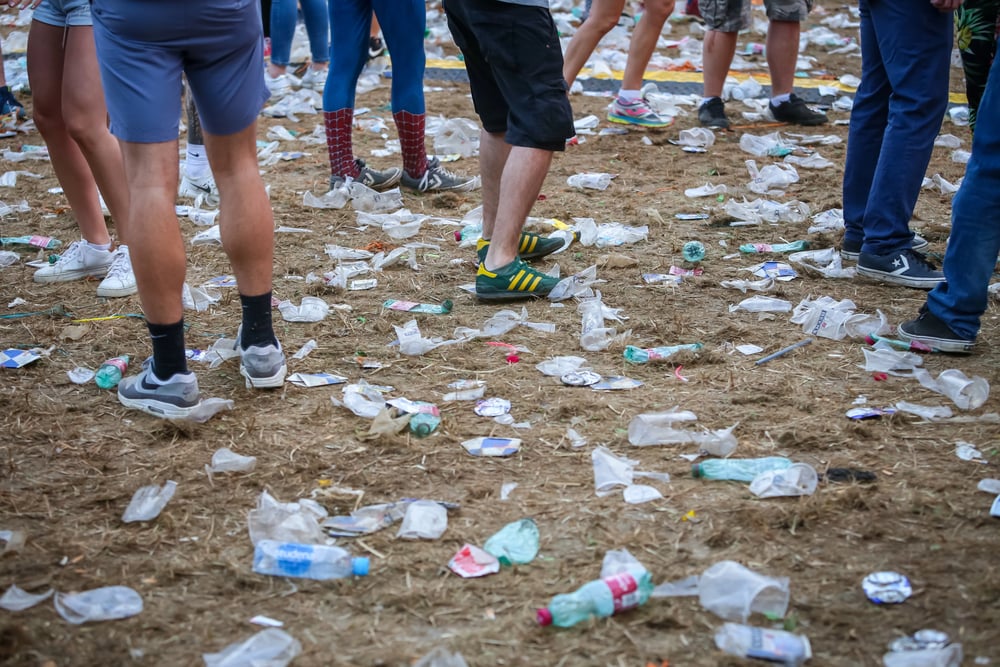
Workers found wallets, cameras, journals, and even wedding rings in the mud. Someone had lost a brand new pair of boots.
Another person left behind a guitar that probably cost a month’s wages. The cleanup team collected these items and tried to return what they could, but most belongings never made it back to their owners.
The mud was several feet deep in places
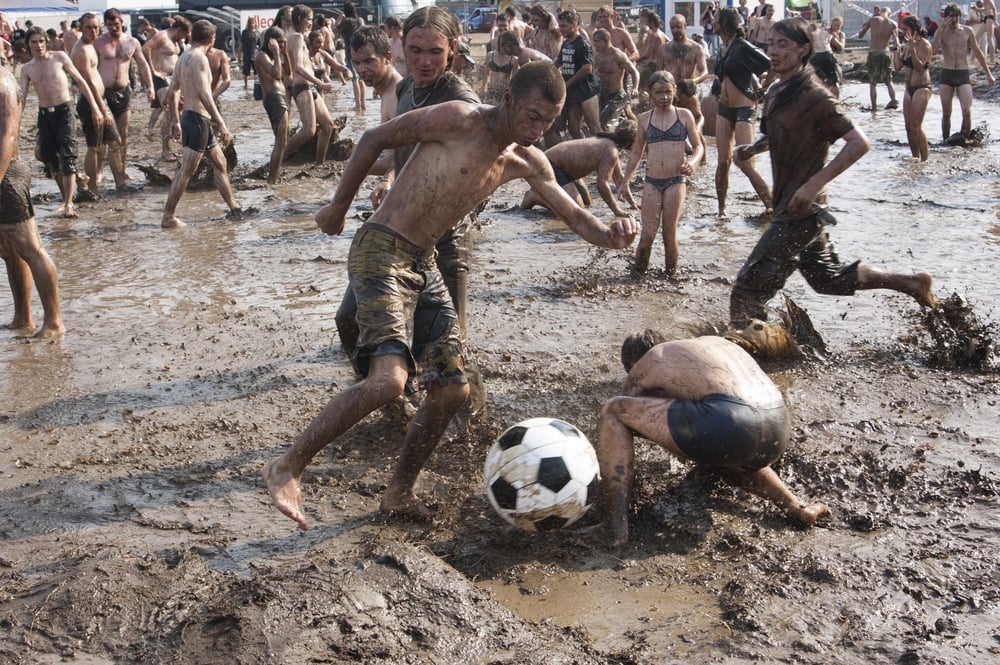
Rain had turned Yasgur’s farm into a giant mud pit. The cleanup couldn’t even begin properly until the ground dried out enough for vehicles to cross.
Workers sank up to their knees in some areas. Tractors got stuck and had to be pulled out by other machines.
The mud preserved trash like a time capsule, making the cleanup take far longer than anyone expected. Local residents pitched in to help
Local residents pitched in to help
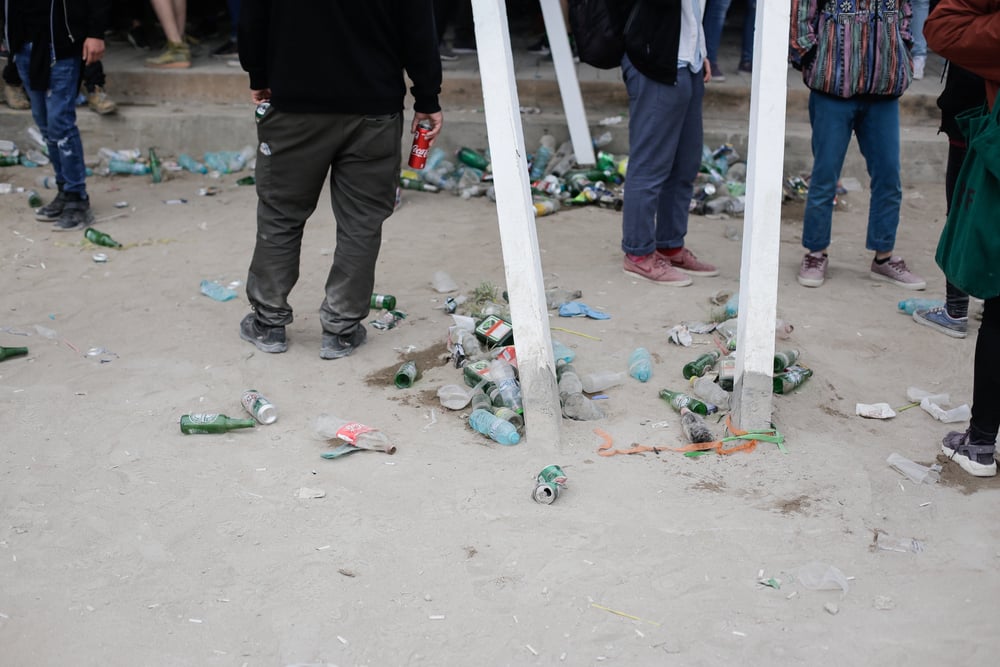
Max Yasgur hired dozens of local people to assist with the cleanup. Neighbors who had opposed the festival ended up working alongside hippies who had stayed behind to help.
The community came together despite their differences. Some locals brought food and drinks for the workers.
The cleanup became an unexpected bridge between two very different groups of people. The process took over a month to complete
The process took over a month to complete
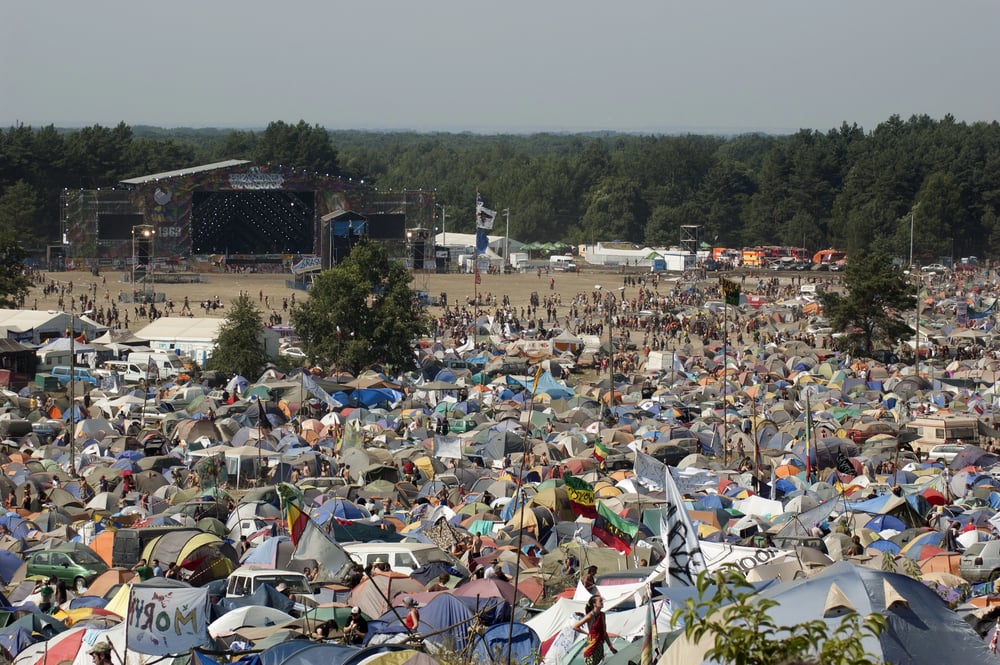
Initial estimates suggested a week or two would be enough time. Reality proved much harsher.
Workers returned day after day, finding more trash hidden under tarps or buried in the mud. The cleanup extended into September.
Some areas required multiple passes just to get back to something resembling normal farmland. Recycling wasn’t a concept that existed yet
Recycling wasn’t a concept that existed yet
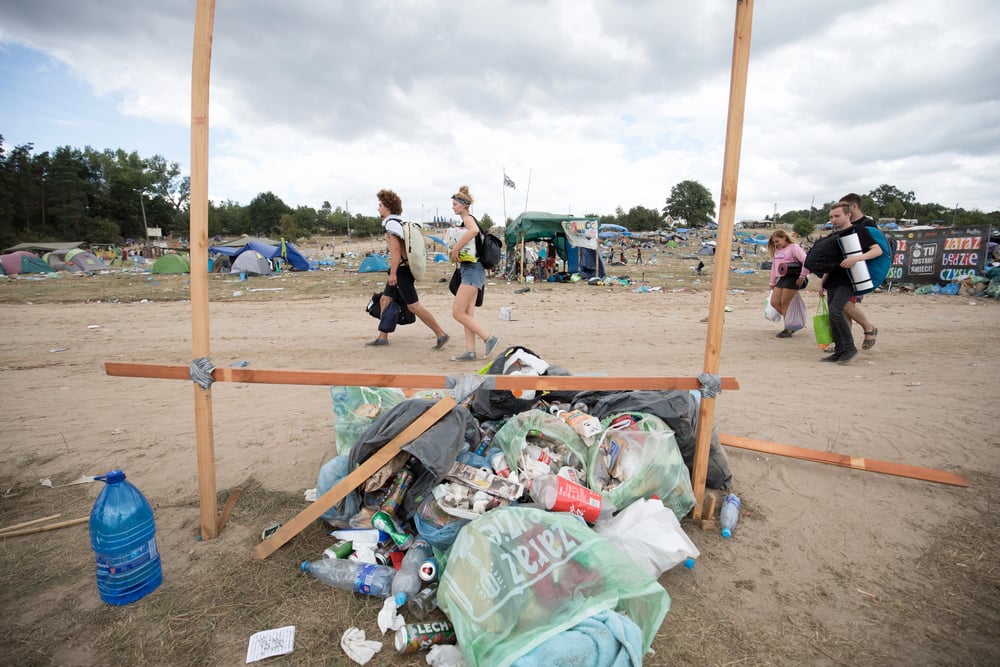
Everything went into the same pile. Glass bottles, aluminum cans, paper, and food waste all mixed together.
The crew hauled truckload after truckload to local dumps. Today’s environmental standards would have required sorting and recycling much of that material.
In 1969, people just wanted it gone, and dumps accepted whatever arrived. The farm never fully recovered
The farm never fully recovered
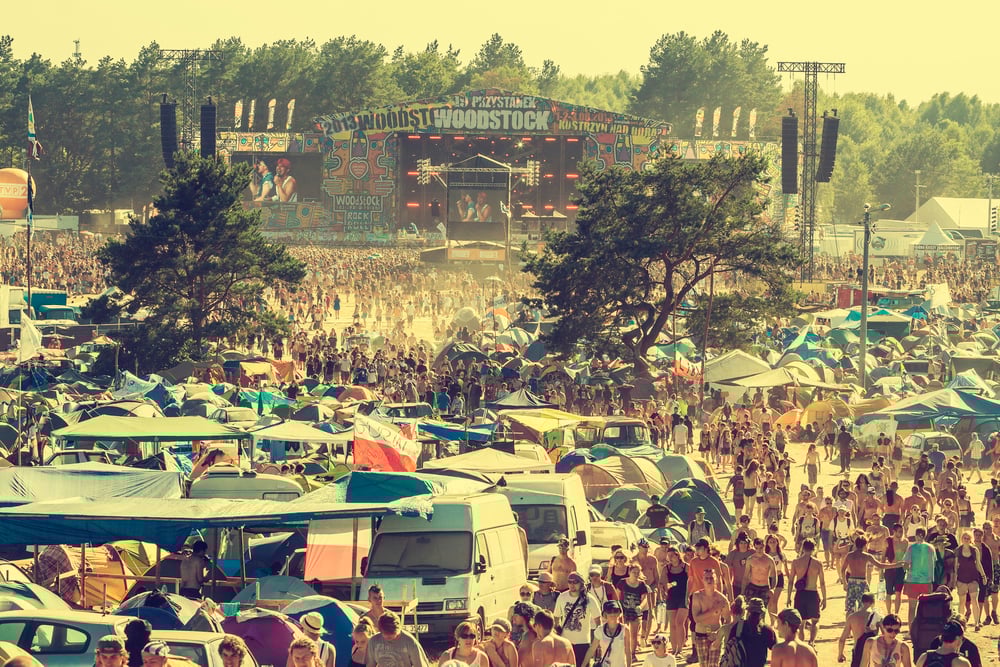
Yasgur’s dairy farm had been productive land before Woodstock arrived. The combination of trampling, vehicles, and stage construction damaged the soil.
Grass didn’t grow the same way for years afterward. Some areas remained barren patches long after the cleanup ended.
The farm’s productivity dropped, costing Yasgur more money than the festival rental fee ever covered. Aerial photos showed the true scale of destruction
Aerial photos showed the true scale of destruction
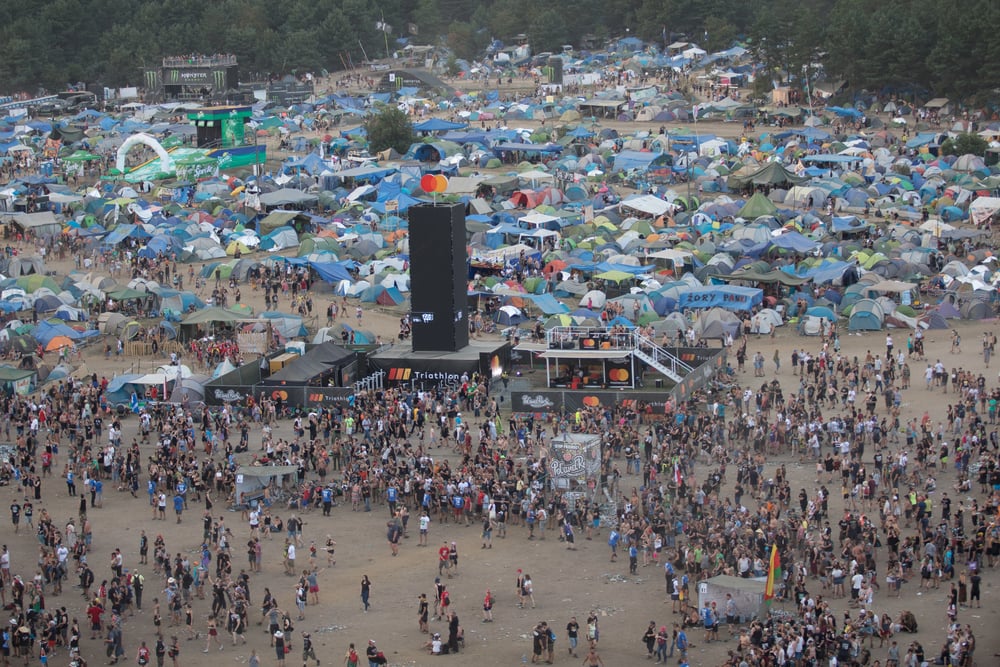
Helicopter shots revealed patterns invisible from the ground. The land looked striped where crowds had worn paths between stages and facilities.
Darker patches showed where people had concentrated in certain areas. These images documented environmental impact in a way that ground-level photos couldn’t capture.
They served as evidence in later disputes about damage to the property. Workers found cash scattered everywhere
Workers found cash scattered everywhere

Muddy dollar bills turned up constantly during the cleanup. People had dropped money in the chaos and couldn’t find it again in the trampled mess.
Workers collected bills from the ground, sometimes finding whole wallets full of cash. The total amount recovered probably added up to thousands of dollars.
Most of it went unclaimed since nobody could prove ownership. The fence posts became souvenirs
The fence posts became souvenirs
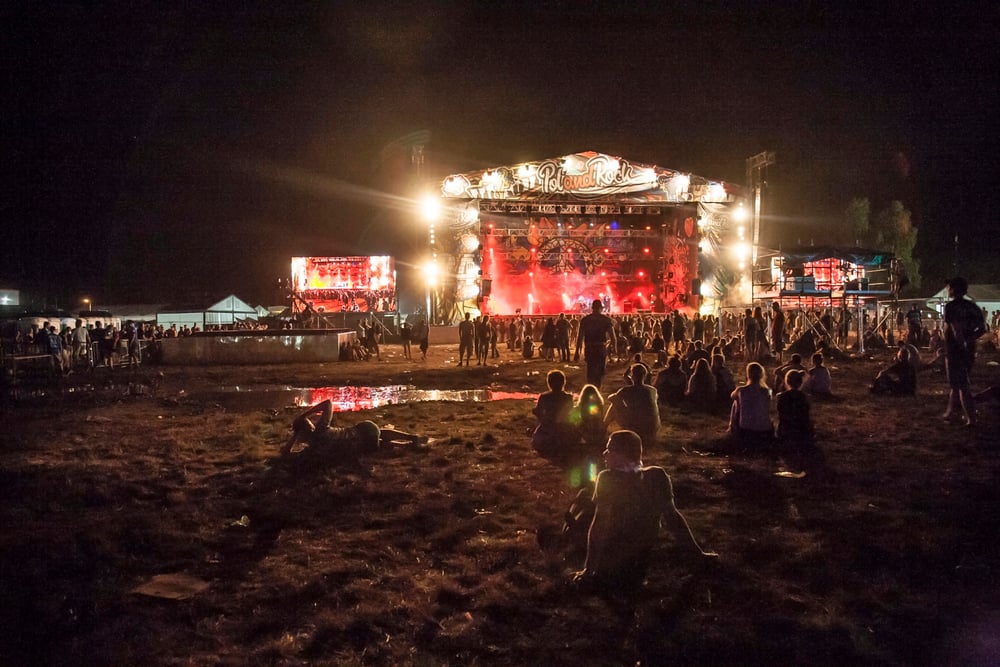
The festival organizers had built fences that quickly came down when crowds overwhelmed security. Workers pulled up countless wooden posts during cleanup.
Many local residents kept fence posts as mementos of the historic event. Some people carved the date into them or painted designs.
Those fence posts still show up at garage sales and antique shops around Bethel. Animals returned slowly to the property
Animals returned slowly to the property
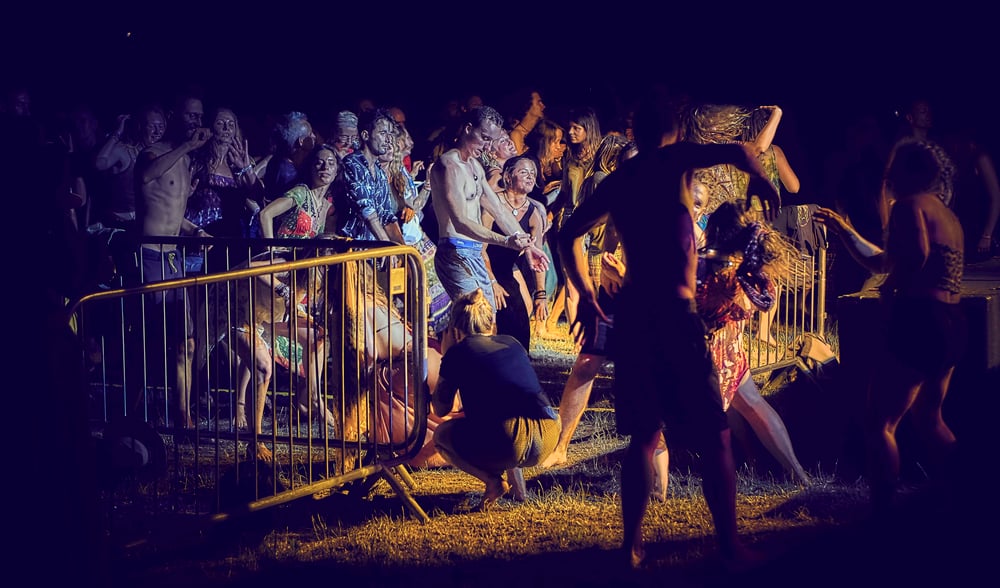
Half a million footsteps scared off birds and tiny creatures in minutes. Where deer once chewed grass at dawn, silence rolled through the fields for weeks.
Workers picking up litter noticed how empty it felt – no rustle, no call, nothing breathing nearby. Long after plastic vanished, the ground still carried too much skin-smell, too many footprints soaked into soil.
Only by late autumn did fur and feather return without pause. Equipment rental companies lost a fortune
Equipment rental companies lost a fortune
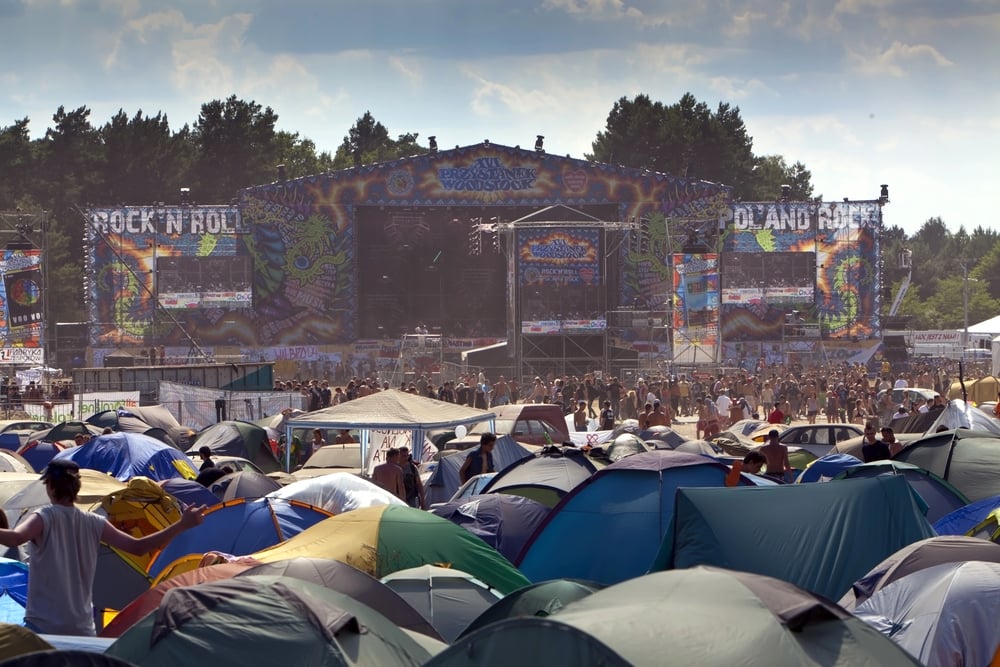
Tents, sleeping bags, and camping equipment vanished after being rented out by numerous sellers. Through piles of leftover belongings, company agents hunted for lost property – yet linking items to renters didn’t work.
Entire stock inventories were scrapped by some firms following that single weekend. Hit hard by losses at Woodstock, a few modest rental stores shut down completely.
A new chapter for the land
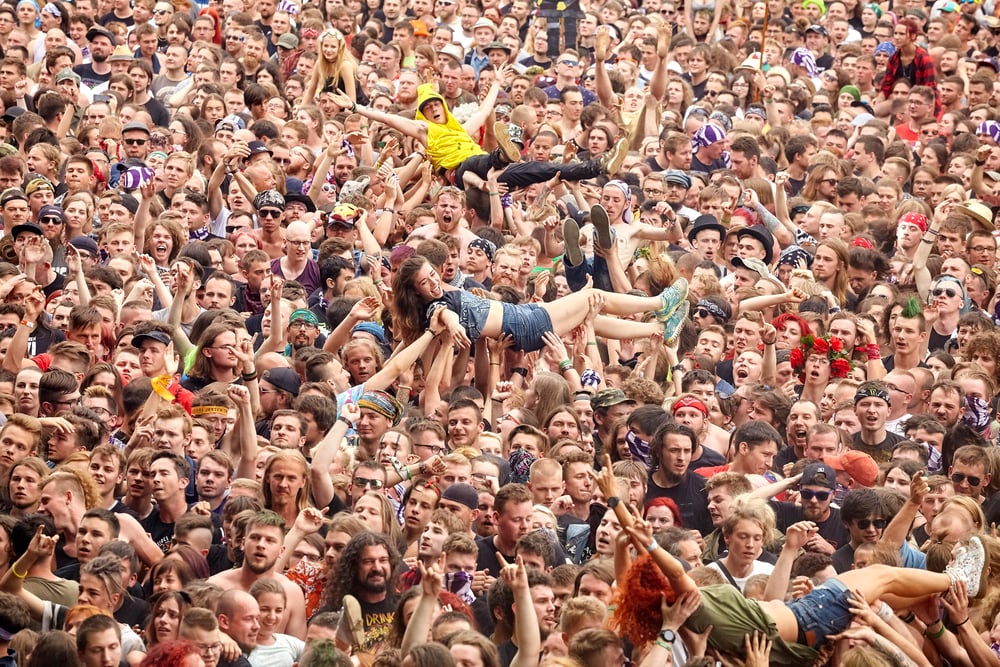
Farm life ended for Max Yasgur when he let go of the property in 1971, neighbor friction playing a role after the festival stirred hard feelings. Ownership shifted many times through the years, one buyer after another stepping in.
On pieces of that old stage location now sits the Bethel Woods Center for the Arts. Where trash once piled high under rain and foot traffic, orderly gatherings happen with dumpsters placed just right.
A patch of earth trampled by hundreds of thousands is now spoken of like a shrine, yet those grim shots of cleanup crews hauling sludge say something quieter about fame’s aftermath.
More from Go2Tutors!

- The Romanov Crown Jewels and Their Tragic Fate
- 13 Historical Mysteries That Science Still Can’t Solve
- Famous Hoaxes That Fooled the World for Years
- 15 Child Stars with Tragic Adult Lives
- 16 Famous Jewelry Pieces in History
Like Go2Tutors’s content? Follow us on MSN.