Nuts That Need Fire to Open
Some seeds have a strange survival trick. They stay locked inside their shells until heat breaks them free.
Fires that seem to destroy everything actually help certain plants reproduce. These seeds wait patiently for flames before they release the next generation.
Let’s look at the nuts and cones that depend on nature’s most dangerous element to continue their family lines.
Lodgepole pine cones
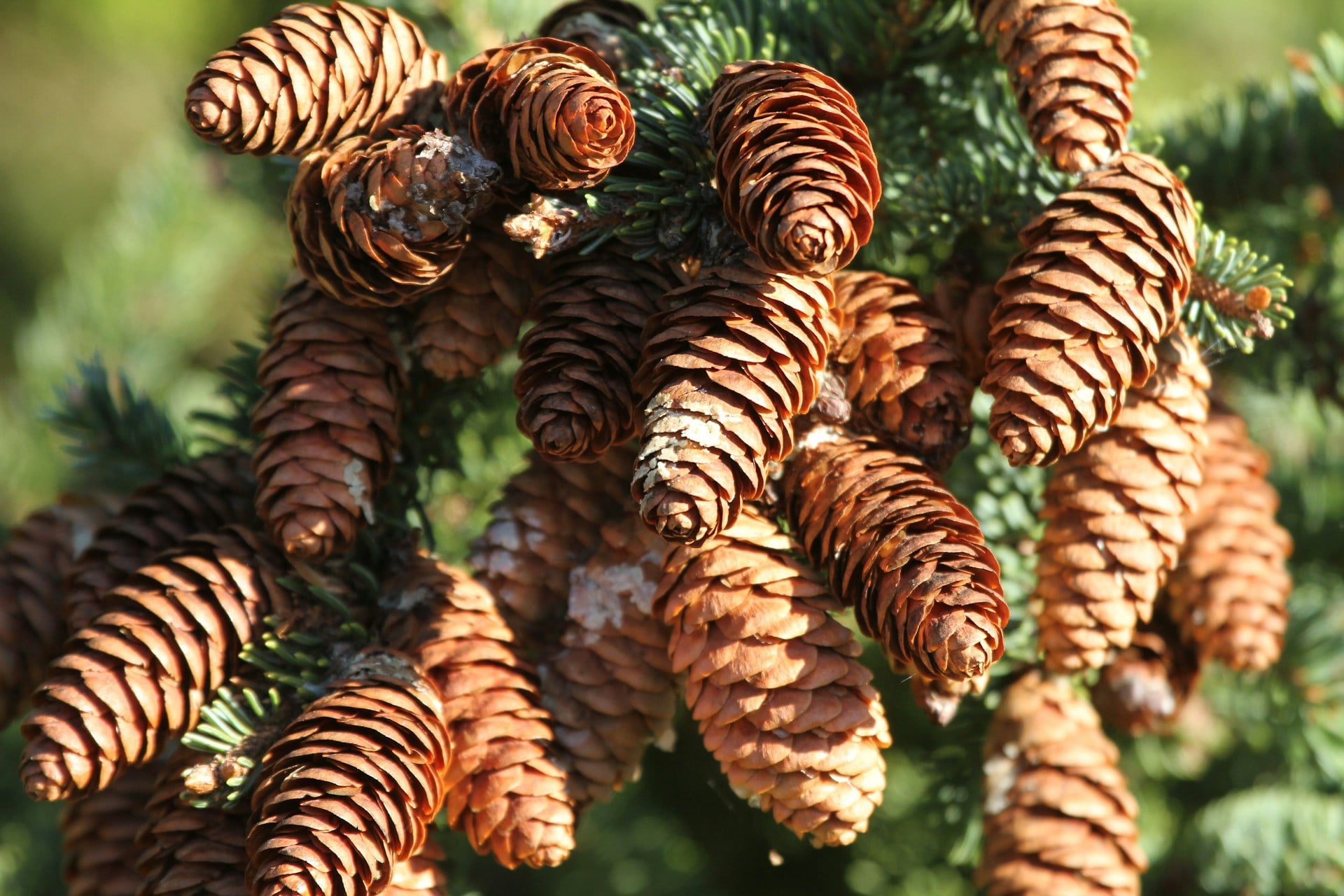
The lodgepole pine grows across western North America, and many of its cones stay sealed with resin for years. This sticky substance acts like natural glue that keeps the scales shut tight.
Forest fires melt the resin, and the cones pop open within minutes of exposure to heat. Seeds scatter across the burned ground where competition from other plants has been cleared away.
Jack pine cones

Jack pines thrive in the northern forests of Canada and parts of the Great Lakes region. Their cones can remain closed on the branches for over a decade, just waiting.
When fire sweeps through, temperatures around 120 degrees Fahrenheit cause the cones to open and drop their seeds. The burned soil provides perfect conditions for seedlings to take root without being crowded out by older trees.
Banksia seed pods
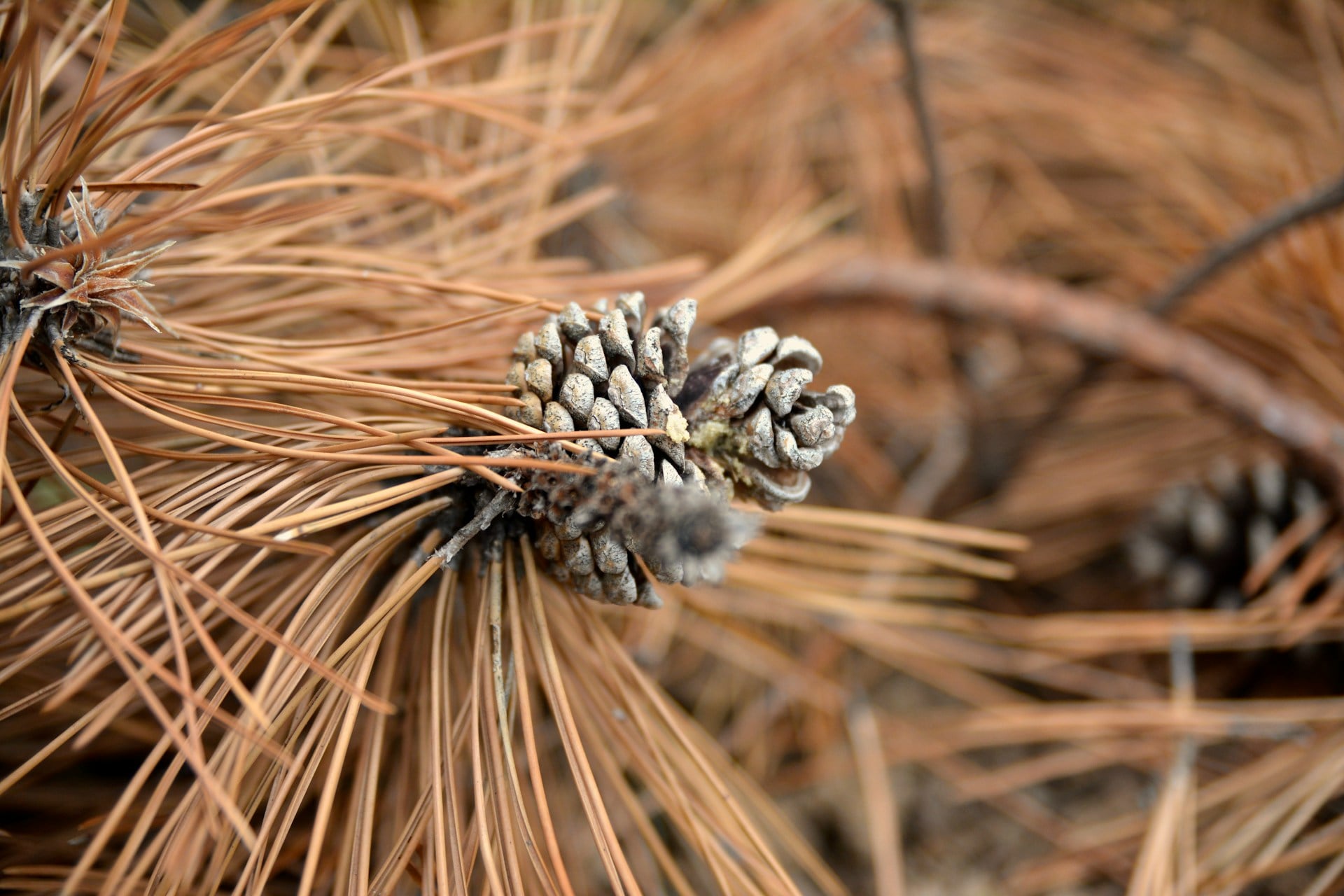
Australian banksias produce woody seed pods that look almost alien with their geometric patterns. These pods can stay shut for months or even years until fire arrives.
Heat causes the pod to split open and release winged seeds that catch the breeze. The timing works perfectly since fire clears the thick undergrowth that would otherwise smother young plants.
Black spruce cones

Black spruce trees dominate the boreal forests of Alaska and Canada where wildfires happen regularly. Their small cones develop a waxy coating that keeps them sealed until temperatures spike.
Fire triggers mass seed release across entire groves at once. This strategy helps the species bounce back quickly after burns that would kill trees without this adaptation.
Table mountain pine cones
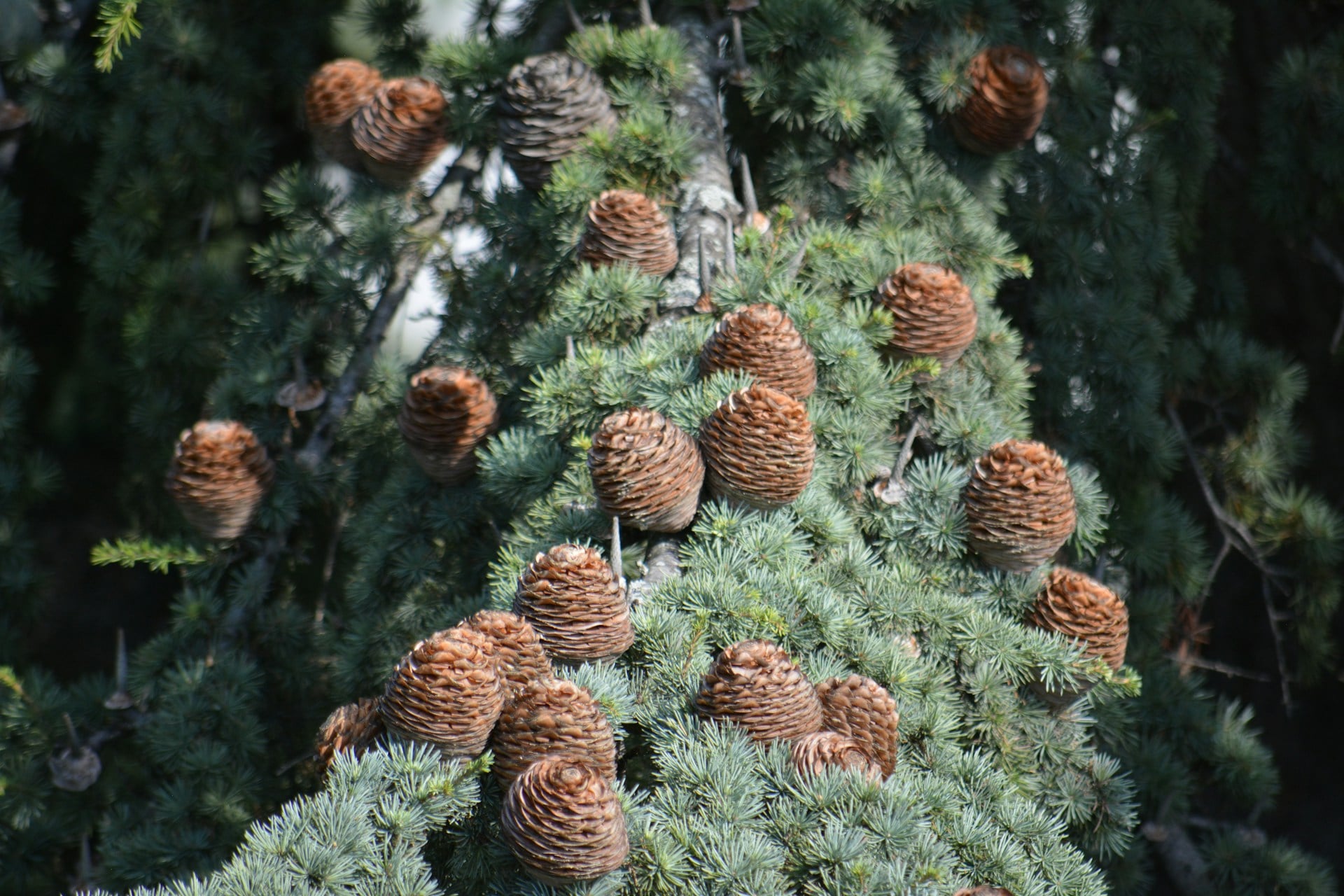
This pine species lives only in the Appalachian Mountains where it clings to rocky ridges and poor soil. The cones stay glued shut with thick resin that can hold for twenty years or more.
Lightning strikes often start fires in these dry, exposed areas. Seeds fall onto ash-enriched soil where few other plants can compete in such harsh conditions.
Knobcone pine cones
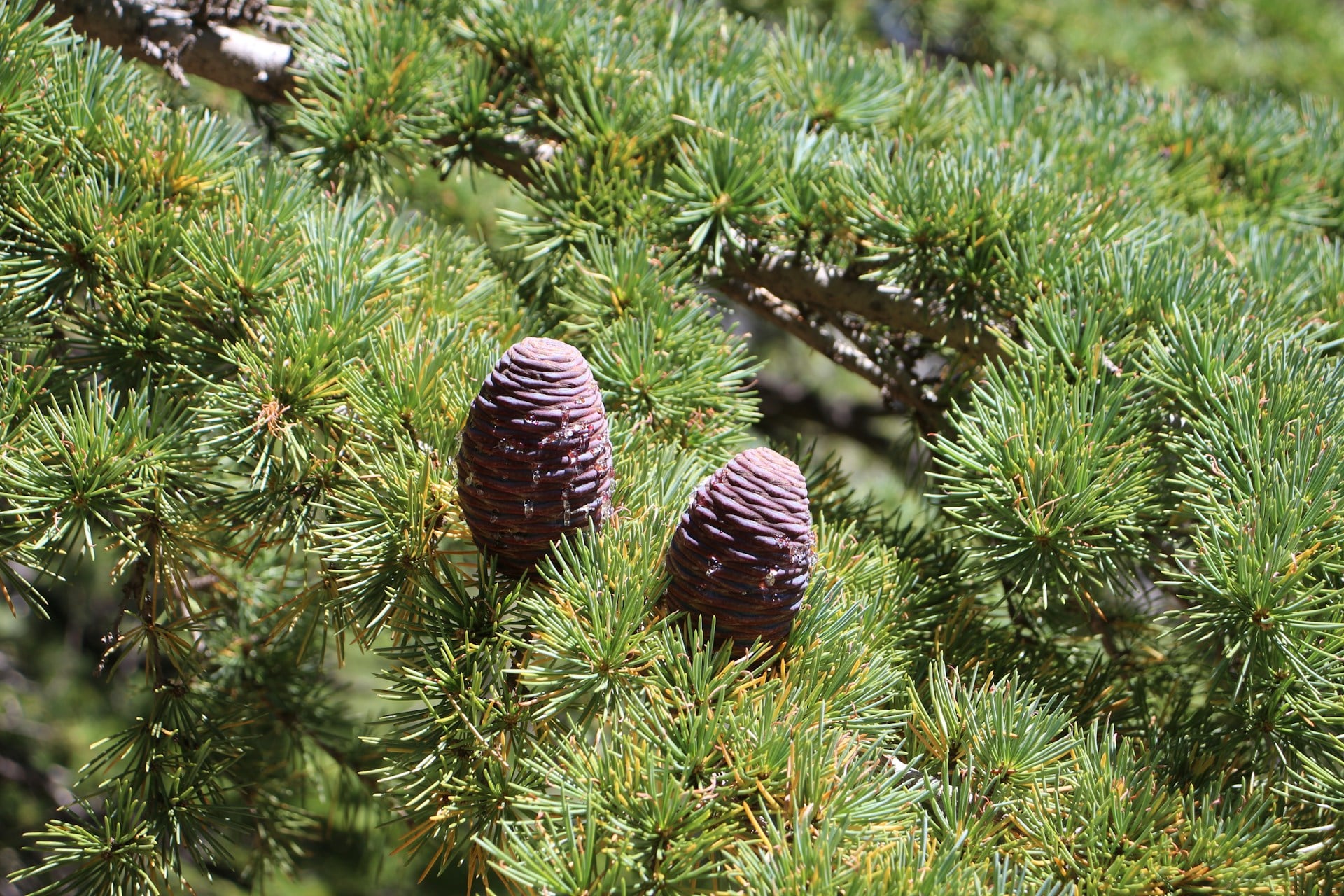
California’s knobcone pine earned its name from the bumpy, asymmetrical cones that cluster around its branches. These cones actually fuse to the wood as the tree grows, becoming part of the trunk.
Fire kills the parent tree but opens decades worth of cones all at once. Thousands of seeds blanket the ground after a single blaze passes through.
Sequoia cones
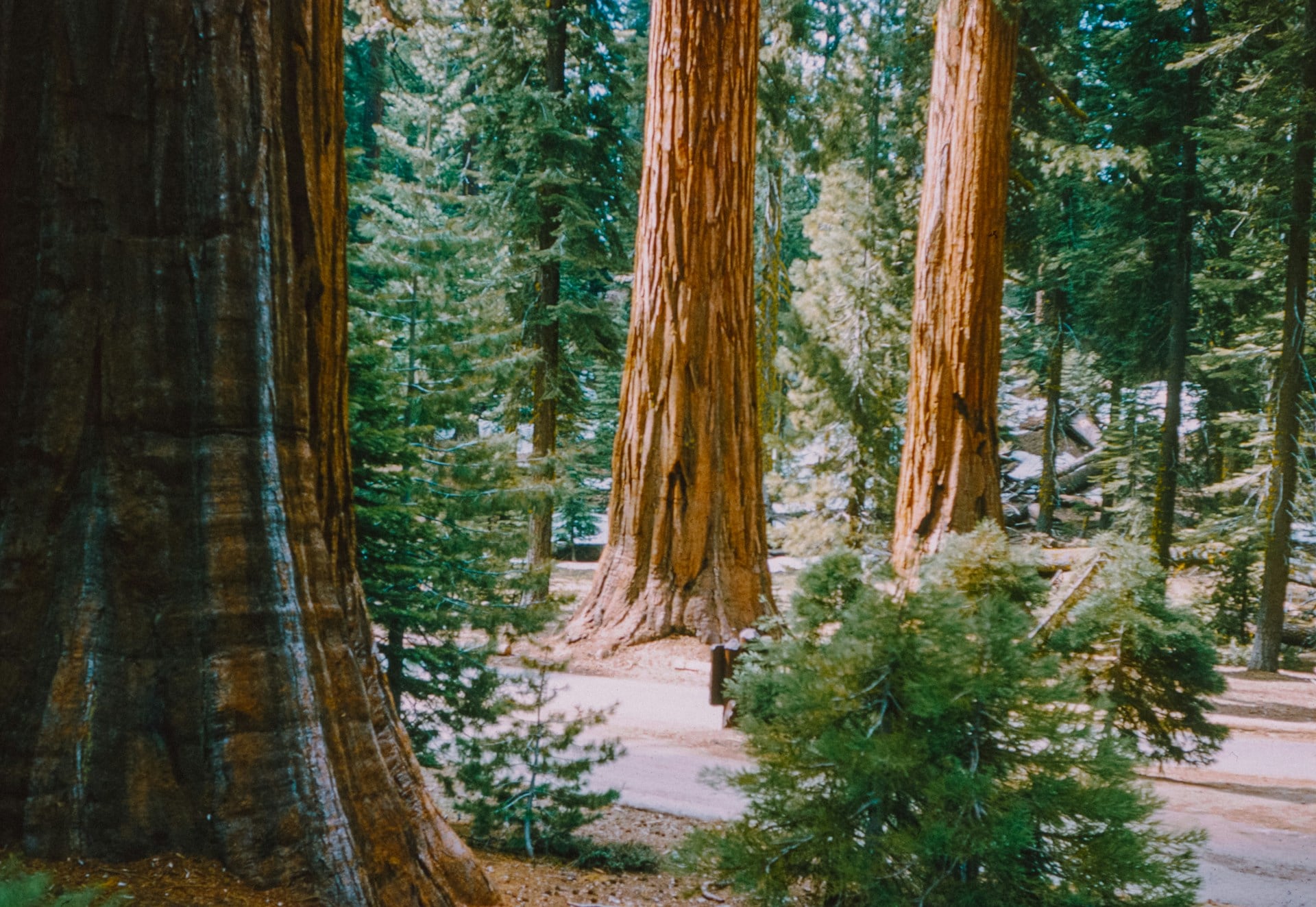
Giant sequoias can live over 3,000 years, but their small green cones need intense heat to function properly. Each cone contains around 200 tiny seeds that stay trapped inside.
Fire dries out the cone scales and makes them curl back. The seeds drift down to mineral soil exposed by the flames, giving these massive trees a fresh start.
Sand pine cones
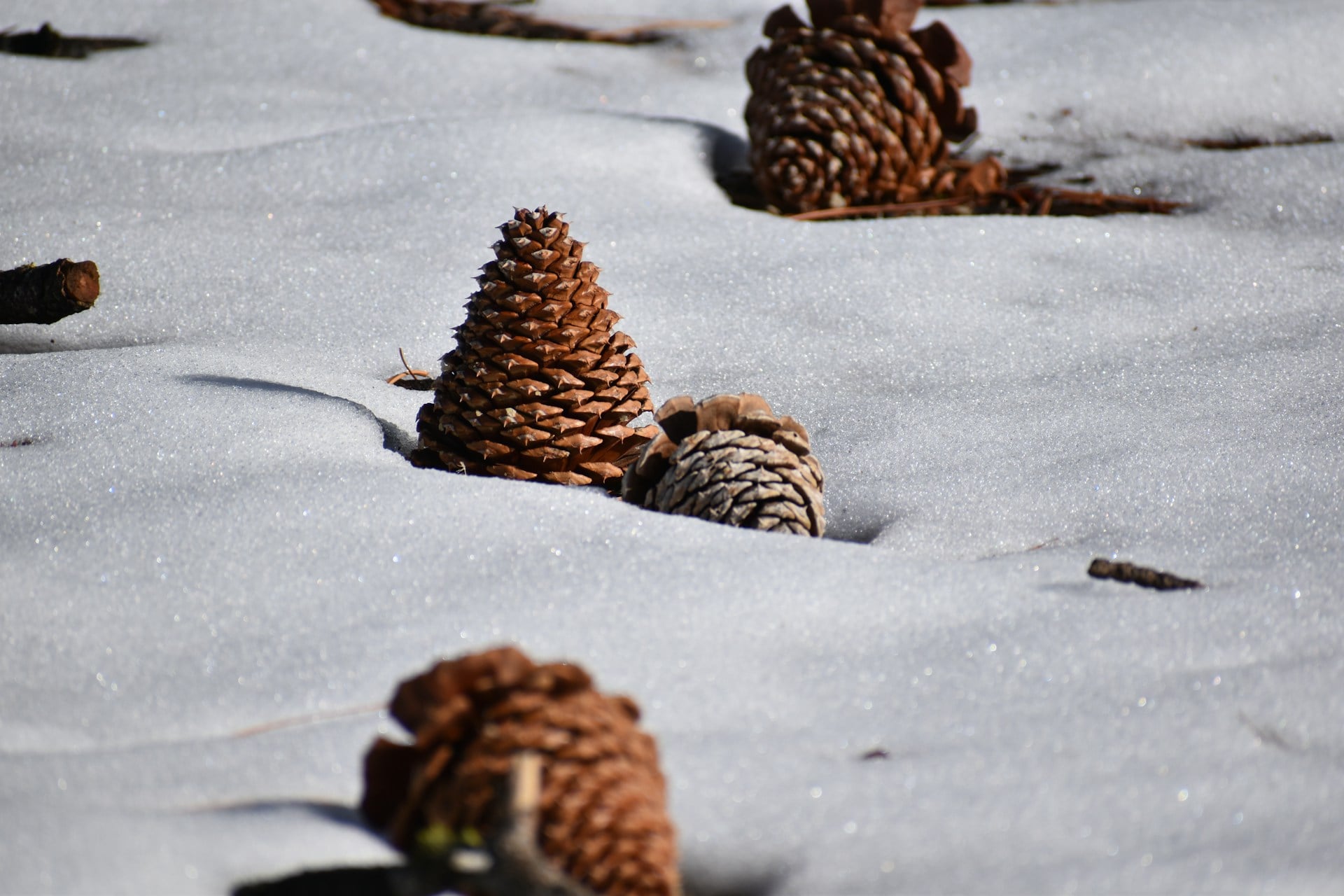
Florida’s sand pine grows in nutrient-poor soil where few trees can survive. The cones remain closed on the tree for several years, accumulating a seed bank on the branches.
When fire comes through the scrubland, the heat pops open multiple generations of cones at once. This creates a baby boom of seedlings that quickly reclaim the burned area.
Monterey pine cones

Along California’s central coast, Monterey pines produce heavy cones that can weigh over a pound when fresh. These cones often stay on the tree for five to ten years before opening.
Fire provides the trigger, though strong winds and dry conditions can sometimes work too. The species has become popular in plantations worldwide, but wild populations remain small.
Pond pine cones

Pond pines grow in the wet, swampy areas of the southeastern United States where other pines struggle. Their cones develop a tight seal that resists moisture and decay.
Periodic fires that sweep through these wetlands during dry seasons cause the cones to open. The seeds germinate quickly in the wet ash, taking advantage of the brief window before water returns.
Bishop pine cones
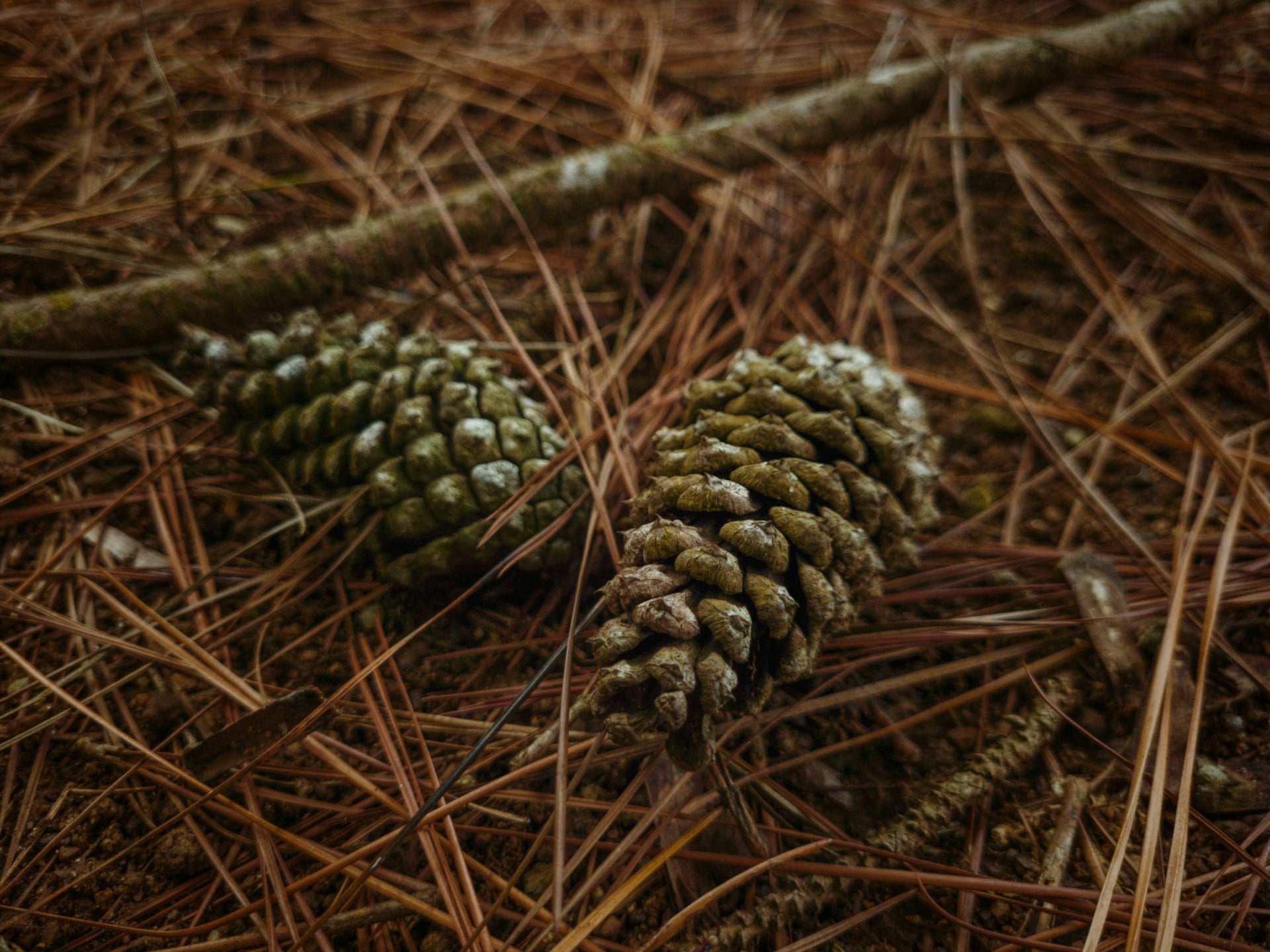
Bishop pines hug the foggy coastline of California and Baja California in scattered groves. The cones stay closed for years, building up reserves while attached to the tree.
Coastal fires happen less frequently than inland, but when they do occur, the response is dramatic. Every cone on affected trees releases seeds within hours of exposure to heat.
Closed-cone cypress species

Several cypress species in California have evolved cones that refuse to open without fire. The Sargent cypress and Mendocino cypress both use this strategy in their limited ranges.
These trees grow in areas with poor soil and irregular rainfall. Fire provides a reset button that clears competition and delivers nutrients to the soil.
Protea seed heads
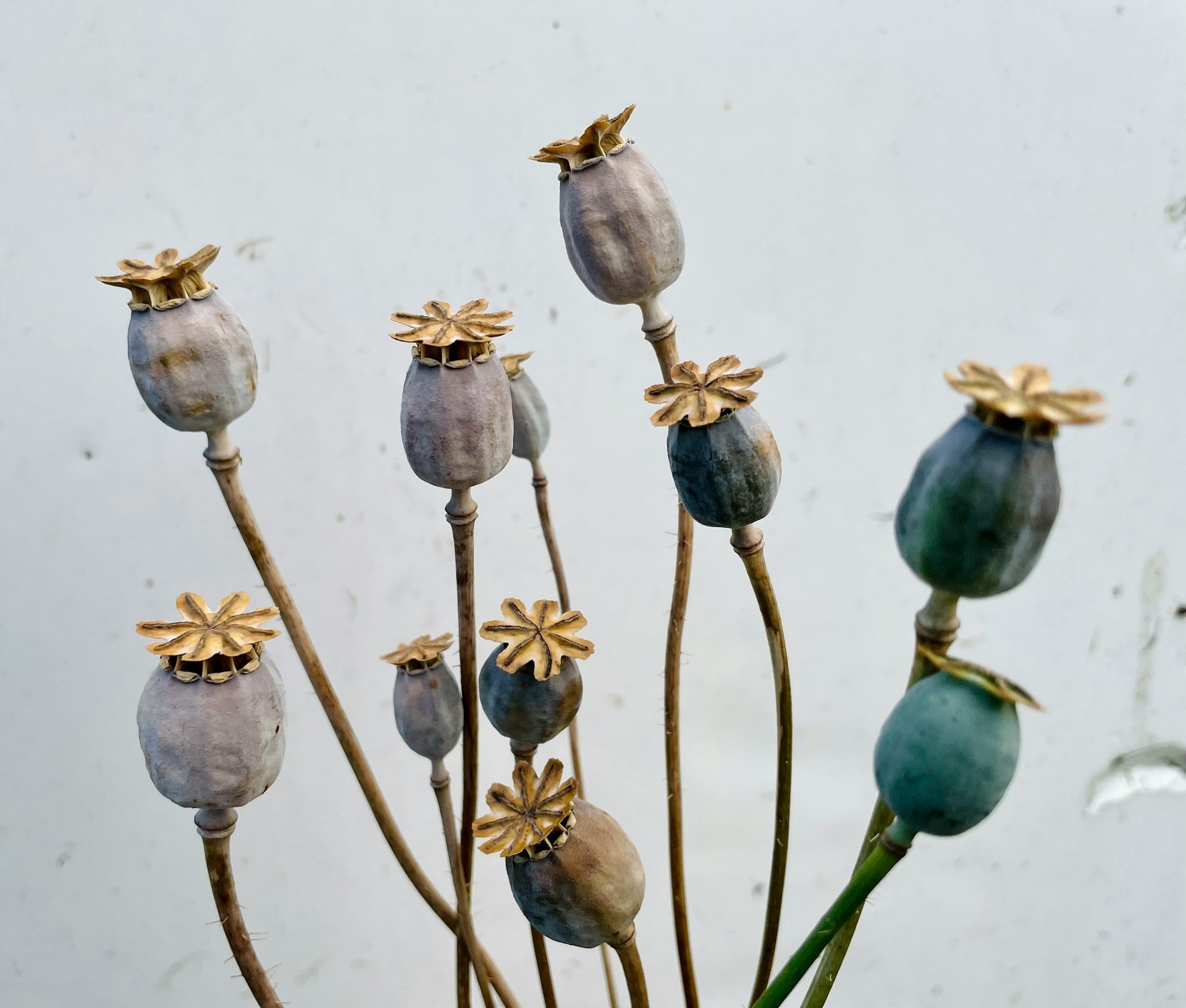
South African proteas grow big, eye-catching blooms which later turn into hard pods holding seeds. Those pods often stay put on the plant through several years.
In fynbos areas where these plants rule the terrain, wildfires happen regularly. When flames pass, heat forces the pods to split, dropping seeds onto bare soil left after the burn.
Hakea seed pods

Australian hakeas grow tough seed pods resembling carved wood pieces. Certain types keep their pods shut for more than a decade.
When fire hits, it loosens the shell, setting off a snap-open system. These seeds frequently carry fins or traits aiding movement from the scorched original shrub.
Allocasuarina cones

Some Aussie trees grow little hard cones like mini pinecones. Yet these hold seeds that remain alive for ages.
Once a blaze hits, heat splits open the cone parts. Then seeds drop out, sprouting fast after flames clear the canopy above.
Leucadendron cones
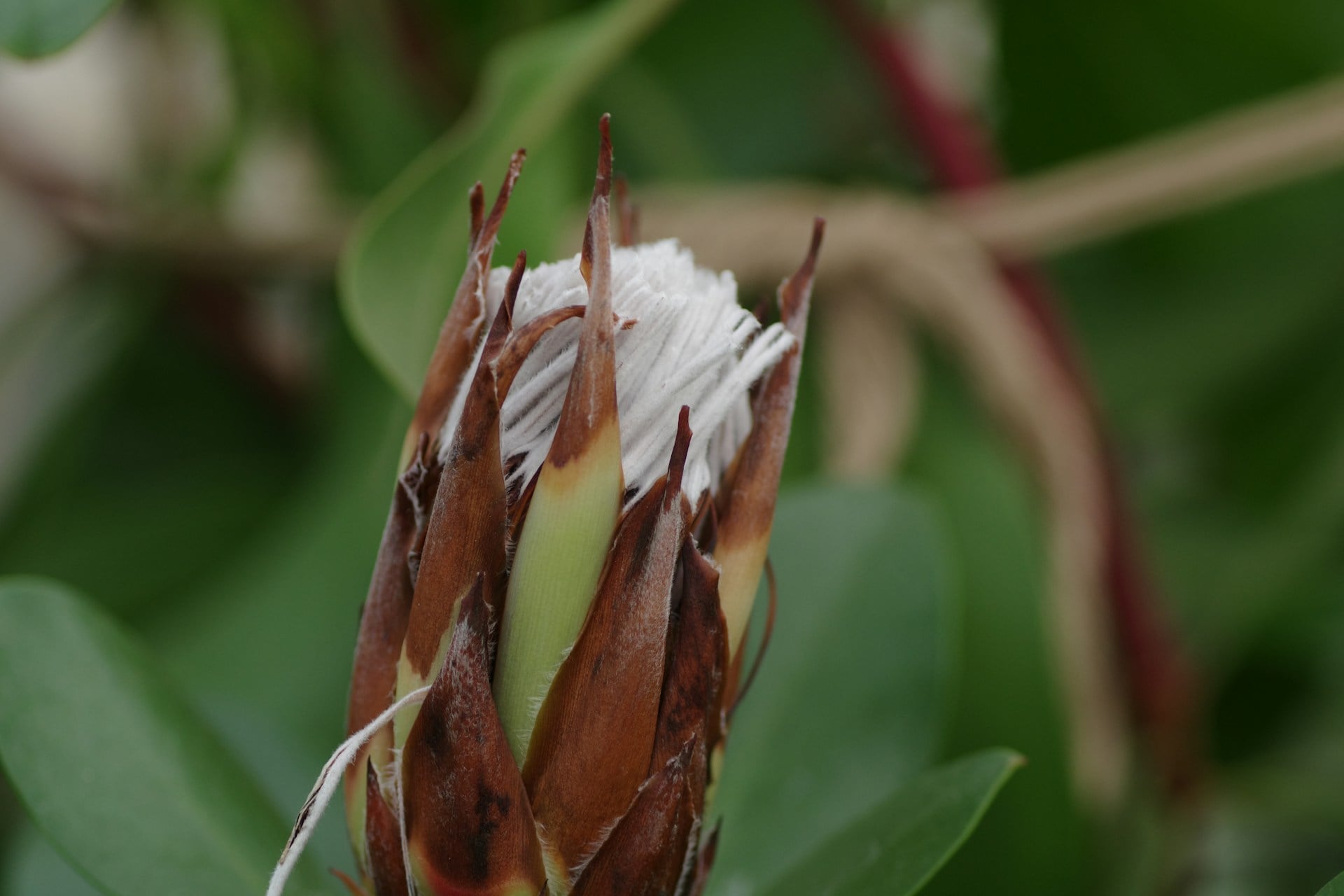
South African leucadendrons grow pretty cones that folks who love gardens can’t get enough of. Out in the wild, though, those cones do more than just look nice.
When flames hit, they crack open old cones, setting loose seeds with soft, hair-like bits stuck to them. These lightweight seeds then drift on air currents over scorched ground until they land in sooty dirt.
Grevillea seed pods

Grevilleas grow unique pods that crack open on one edge when mature. Some types need flames to kick off this process.
These pods often stick to stems for ages, storing seeds across several years. When fire hits, all seeds scatter together – giving every young plant a fair shot because they begin life in unison.
Fire feels like a buddy
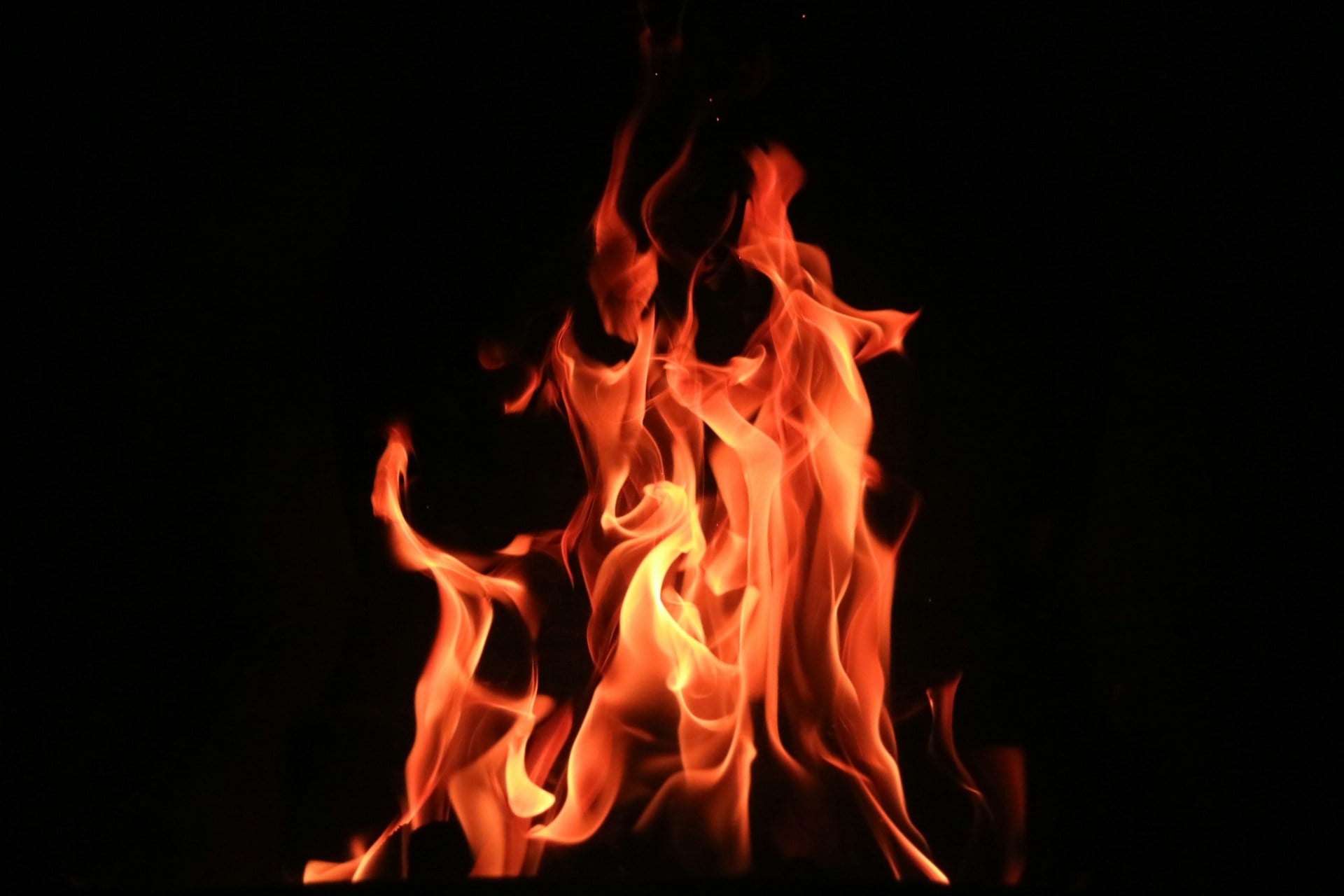
Fires have changed these plants over millions of years, again and again. Heat triggering growth might sound dangerous – yet it fits places where fires come back often.
Stopping blazes today can hurt such species because they rely on those burns happening. Knowing this link lets forest workers and nature protectors balance human needs with plant survival.
More from Go2Tutors!

- The Romanov Crown Jewels and Their Tragic Fate
- 13 Historical Mysteries That Science Still Can’t Solve
- Famous Hoaxes That Fooled the World for Years
- 15 Child Stars with Tragic Adult Lives
- 16 Famous Jewelry Pieces in History
Like Go2Tutors’s content? Follow us on MSN.