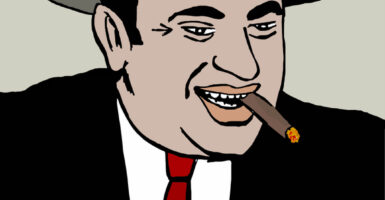
19 Al Capone Stories from the 1920s
The 1920s belonged to Al Capone. While America danced through the Jazz Age and Prohibition turned drinking into a rebellious act, Alphonse Gabriel Capone built an empire that would make him the most infamous gangster in history. From his early days muscling into Chicago’s underworld to becoming the undisputed king of organized crime, Capone’s decade was filled with violence, cunning, and enough drama to fuel countless movies and books. Here’s a list of 19 Al Capone stories from the 1920s that show just how this Brooklyn-born tough guy became America’s most notorious criminal.
Taking Over Chicago’s South Side
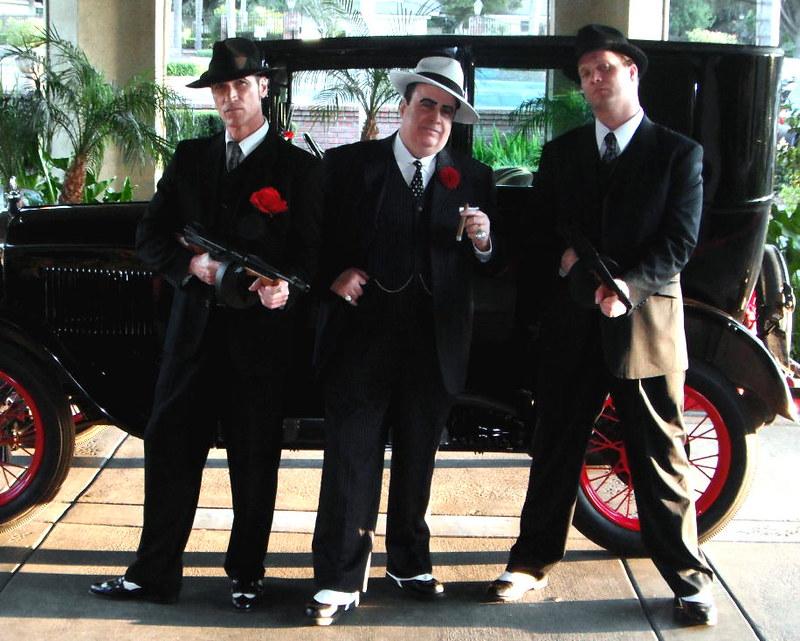
When Capone arrived in Chicago in 1921, he wasn’t the boss—he was working for Johnny Torrio, who controlled much of the city’s illegal alcohol trade. But Capone had bigger plans than being someone’s muscle. He quickly proved himself by expanding Torrio’s territory and bringing a level of organization that transformed their operation from a simple gang into a sophisticated criminal enterprise. By 1925, after Torrio retired following an assassination attempt, Capone had taken control of the entire South Side operation, commanding over 700 men and generating millions in revenue.
The Four Deuces Headquarters
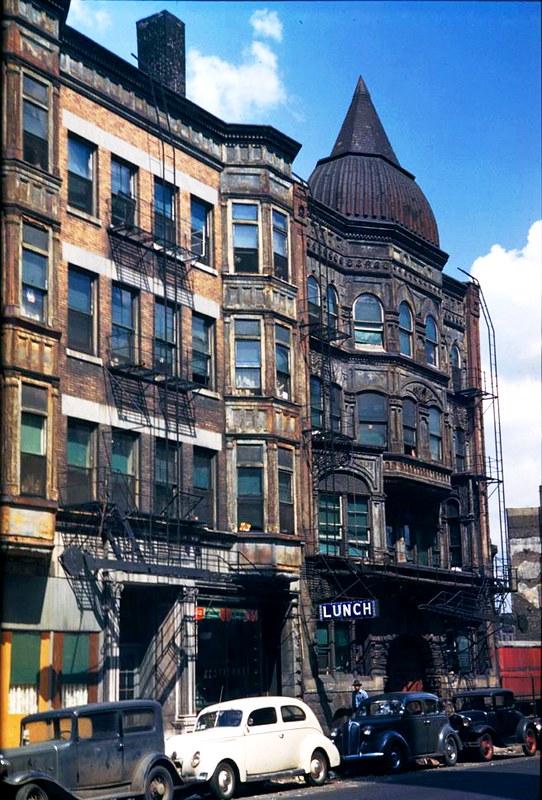
The building at 2222 South Wabash Avenue became Capone’s first major power base. Locals called it ‘The Four Deuces’ because of its address—and probably because Capone loved the nickname. The four-story building served multiple purposes: the first floor operated as an innocent-looking saloon, the second floor housed Capone’s office and meeting rooms, the third floor was a brothel, and the fourth floor contained torture chambers and holding cells. Neighbors learned not to ask questions about the screams that occasionally echoed from the upper floors.
Buying Protection from City Hall

Capone understood that bullets alone wouldn’t keep his empire safe. He needed politicians and police on his payroll. He famously bragged about having half of Chicago’s police force in his pocket, paying out over $30 million annually in bribes during his peak years. Mayor William ‘Big Bill’ Thompson received substantial contributions from Capone’s organization, and in return, the gangster operated with near-impunity throughout much of the decade. This protection racket was so effective that Capone once walked into a police station to personally bail out some of his men, chatting casually with officers as if he were a respected businessman.
The Pineapple Primary of 1928
The 1928 Republican primary in Chicago became known as the ‘Pineapple Primary.’ Why? Because of all the bombs—nicknamed pineapples—that exploded throughout the campaign season. Capone threw his considerable weight behind Thompson’s mayoral campaign, using intimidation and violence to influence voters. His men bombed the homes of rival candidates and their supporters, turning election day into something resembling a war zone. Despite the violence—or perhaps because of it—Thompson won the primary, giving Capone even more political protection for his criminal activities.
The Outfit’s Business Structure
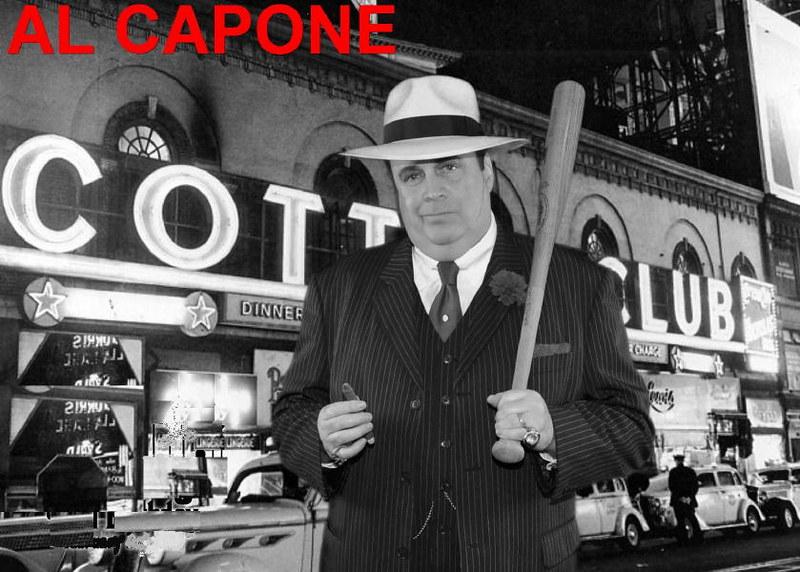
Capone transformed organized crime by running it like a legitimate corporation, complete with departments and specialized roles. He established separate divisions for bootlegging, gambling, prostitution, and labor racketeering, each with its own managers and territories. His organization employed accountants, lawyers, and public relations specialists alongside the traditional muscle and enforcers. This business-like approach generated an estimated $100 million annually at its peak. Making Capone’s outfit one of the most profitable criminal enterprises in American history.
The Hawthorne Hotel Fortress
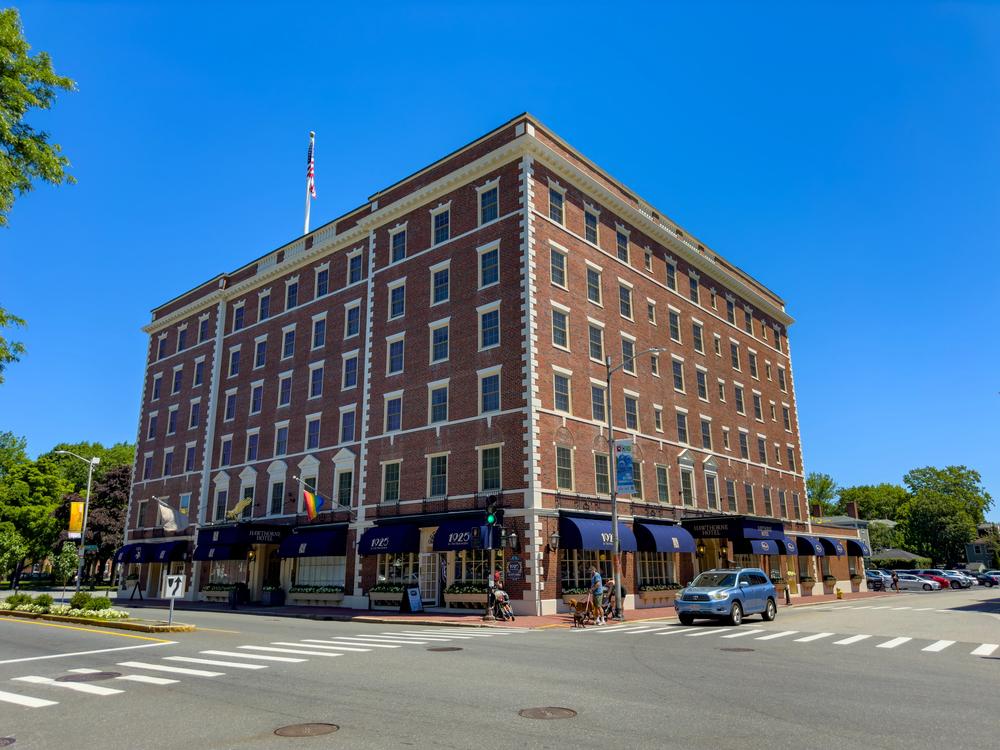
In 1924, Capone moved his headquarters to the Hawthorne Hotel in Cicero, Illinois. He turned the entire building into his personal fortress, occupying a suite of rooms on the fourth floor, surrounded by bodyguards and armored with steel shutters on all windows. The hotel became the nerve center of his empire, where he held court like a medieval king, settling disputes and planning operations. Visitors had to pass through multiple security checkpoints, and Capone rarely left the building without a convoy of armored cars and heavily armed bodyguards.
The Adonis Club Massacre

In 1926, Capone’s men walked into the Adonis Club—a rival gang’s headquarters—and opened fire during a card game. The attack was revenge for the earlier murder of one of Capone’s top lieutenants, and it demonstrated his willingness to strike directly at his enemies’ strongholds. Four men died in the shooting. The message was clear: challenging Capone’s authority came with deadly consequences, and the massacre helped solidify his reputation as someone who would go to any lengths to protect his territory and maintain control.
Fighting the O’Banion Gang
The North Side Gang represented Capone’s most persistent and dangerous rivals throughout the decade. Led by Dion O’Banion until his murder in 1924, they controlled the wealthy North Side of Chicago and refused to acknowledge Capone’s growing power, leading to a bloody war that claimed dozens of lives. After O’Banion’s death, his successors Bugs Moran and Hymie Weiss continued the fight, launching multiple assassination attempts against Capone. The conflict reached its peak with drive-by shootings, bombings, and coordinated attacks that terrorized Chicago’s streets—though most civilians learned to duck and keep walking when the gunfire started.
The Attempted Hit at the Hawthorne Hotel
September 1926 brought a daring daylight assault on Capone’s Hawthorne Hotel headquarters. Eight cars filled with gunmen drove slowly past the hotel, spraying it with over 1,000 rounds of machine gun fire and shotgun blasts. Capone, who had been having lunch in the hotel restaurant, dove under a table as windows shattered and bullets tore through the walls. Miraculously, no one was killed in the attack, but the message was clear: even in his fortress, Capone wasn’t safe from his enemies.
The Cicero Election Violence of 1924
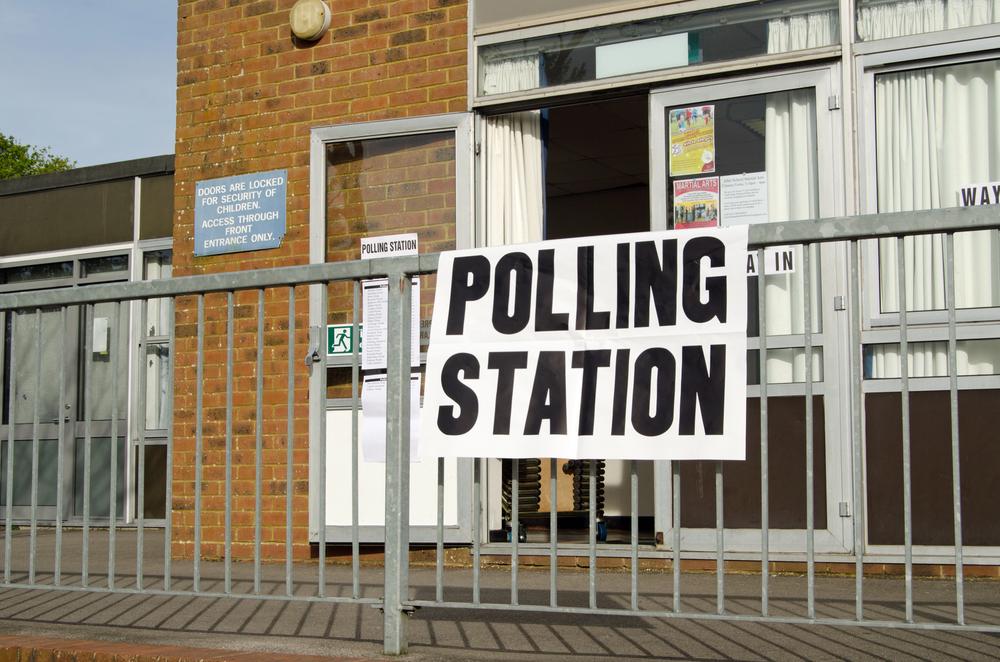
When Capone decided to take control of Cicero, Illinois, he turned the 1924 municipal election into a battlefield. His men patrolled polling stations with guns, intimidating voters and election officials to ensure his preferred candidates won. The violence became so extreme that Chicago police and even federal agents were called in to restore order. Frank Capone, Al’s brother, was killed in a shootout with police during the election day chaos. Despite the tragedy, Capone’s candidates swept the election, giving him control over an entire city.
The Bootlegging Empire
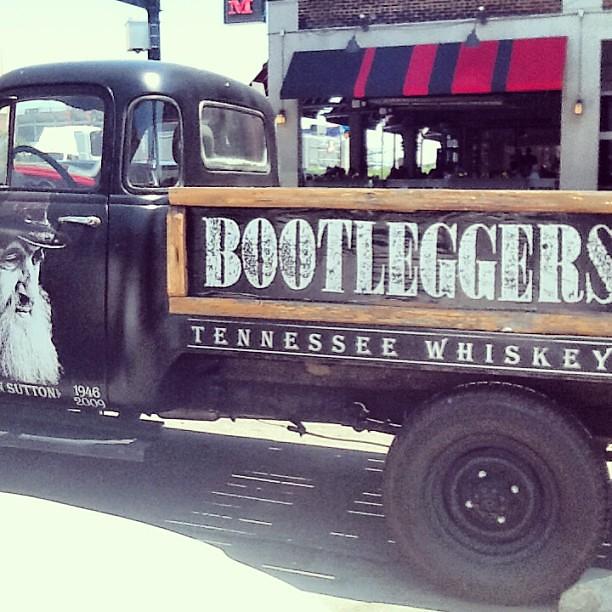
Capone’s alcohol operation was a marvel of logistics and corruption. It supplied thirsty Chicago with everything from beer to premium whiskey through a network that controlled breweries, distilleries, and transportation routes moving thousands of gallons of illegal alcohol daily. His trucks traveled regular routes like milk deliveries, protected by bribes and armed escorts. The operation was so sophisticated that Capone could guarantee delivery schedules and maintain consistent quality, treating bootlegging like any other business—except this one generated profits that would make modern corporations envious.
The Green Mill Cocktail Lounge
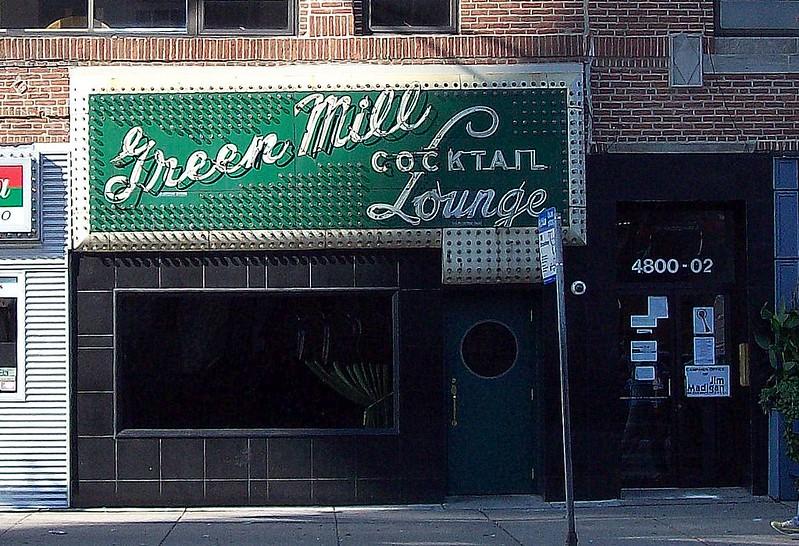
Capone’s involvement with Chicago’s entertainment scene extended to ownership stakes in numerous nightclubs and speakeasies, including the famous Green Mill Cocktail Lounge. The club became a showcase for his power, where celebrities, politicians, and gangsters mingled freely under his protection. Capone would hold court at his regular table, entertaining guests while conducting business and keeping an eye on his territory. The Green Mill represented the glamorous side of his empire, where the illegal alcohol flowed freely and jazz music masked the sounds of criminal planning. Pretty clever, really.
The Torrio Retirement
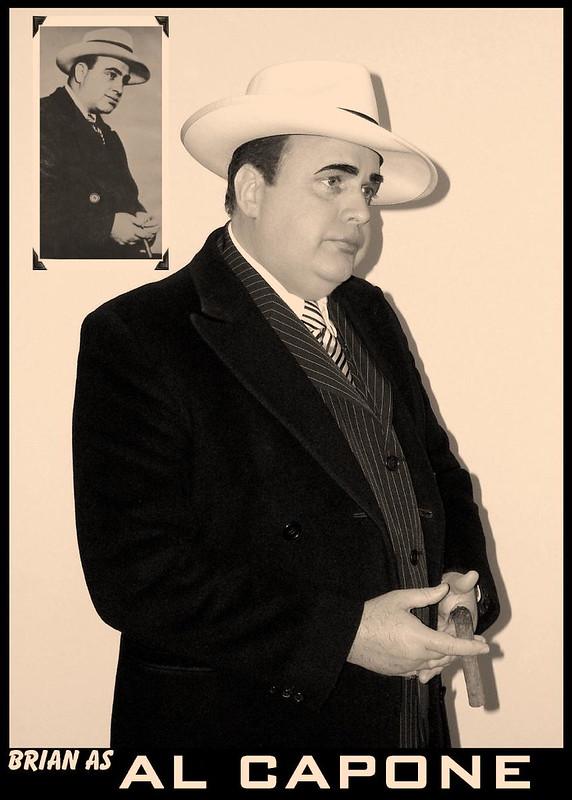
In 1925, Johnny Torrio barely survived an assassination attempt by the North Side Gang, taking five bullets but managing to live. The attack convinced Torrio that the gangster life had become too dangerous, so he decided to retire, handing over control of the entire operation to his protégé, Al Capone. The transition was surprisingly smooth, with Capone inheriting not just the criminal enterprise but also Torrio’s network of contacts, bribes, and business relationships. At just 26 years old, Capone suddenly controlled the largest criminal organization in Chicago.
The Scalise and Anselmi Betrayal
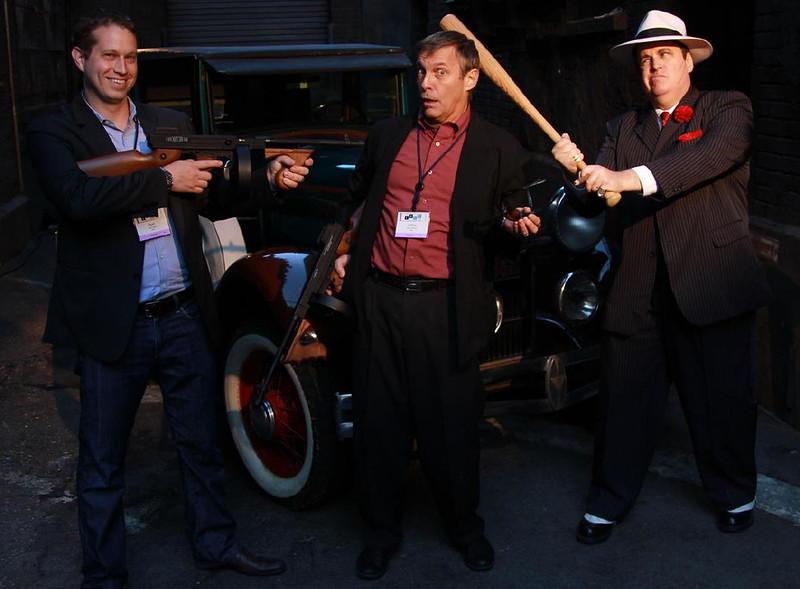
Albert Scalise and John Anselmi were two of Capone’s most trusted gunmen until they decided to betray their boss in 1929. The pair had been secretly negotiating with rival gangs to eliminate Capone and take control of his territory. When Capone discovered their treachery, he invited them to what they thought was a celebratory dinner. Instead, Capone personally beat both men to death with a baseball bat in front of other gang members. The brutal execution served as a warning to anyone else considering betrayal: loyalty to Al Capone was a matter of life and death.
The Saint Valentine’s Day Massacre

February 14, 1929, marked the climax of Capone’s war with the North Side Gang. His men disguised as police officers gunned down seven rivals in a North Clark Street garage. The massacre was carefully planned to eliminate Bugs Moran and his top lieutenants, though Moran himself arrived late and escaped the slaughter. The brutal efficiency of the killings shocked even hardened criminals and marked the beginning of the end for Capone’s reign. While he was in Florida at the time and had an alibi, everyone knew who was responsible for Chicago’s most infamous gangland murder.
The Luxury Lifestyle
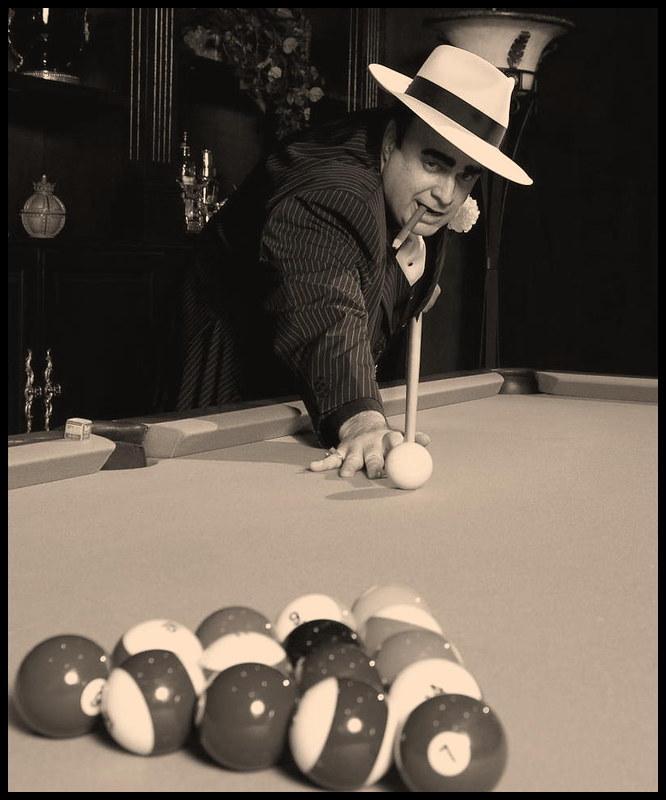
By the mid-1920s, Capone was living like royalty. He spent lavishly on custom suits, armored cars, and luxury homes, including a massive estate in Miami Beach worth $40,000 (equivalent to over $500,000 today). He traveled in a bulletproof Cadillac that cost more than most people’s houses and threw legendary parties where champagne flowed freely and celebrities mingled with criminals. Despite his violent profession, Capone enjoyed playing the role of successful businessman, tipping generously and treating service workers with surprising kindness.
The Soup Kitchen Publicity Stunt
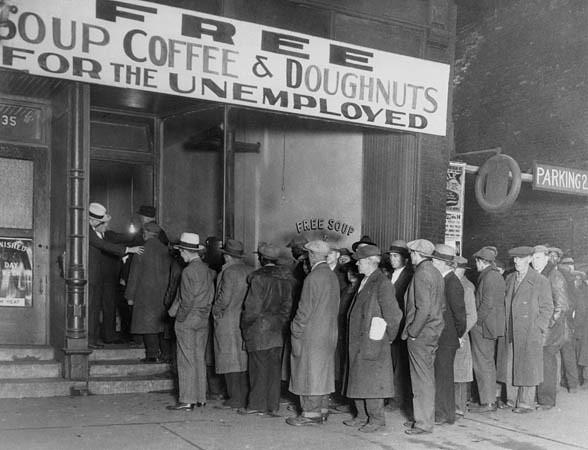
During the early days of the Great Depression in 1929, Capone opened a soup kitchen that served free meals to unemployed Chicagoans. The operation served three meals a day to anyone who needed food, no questions asked, and was entirely funded by Capone’s criminal profits. While cynics called it a publicity stunt designed to improve his public image, the soup kitchen genuinely helped thousands of people during desperate times. The irony wasn’t lost on anyone: the city’s most notorious criminal was providing better social services than the government.
The Tax Evasion Investigation

By 1929, federal investigators had given up trying to prove Capone’s involvement in bootlegging and murder. They focused instead on something they could definitively prove: tax evasion. Treasury agent Frank Wilson spent months analyzing Capone’s financial records, discovering that despite earning millions annually, the gangster had never filed a tax return. The investigation revealed the scale of Capone’s empire while building an ironclad case that would eventually bring down America’s most powerful criminal. The strategy was brilliant in its simplicity: if they couldn’t get him for his crimes, they’d get him for not paying taxes on the profits.
The End of an Era
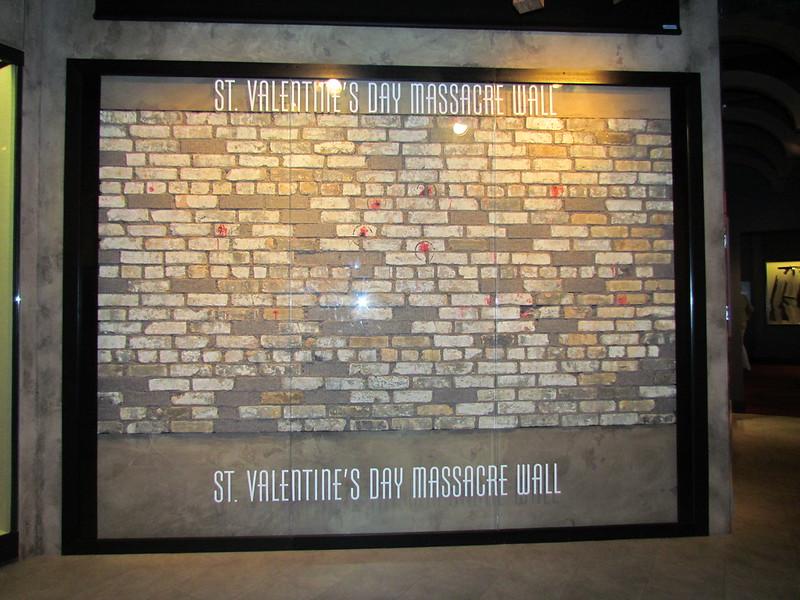
As the 1920s closed, Capone’s empire had reached its peak and begun its decline almost simultaneously. The Saint Valentine’s Day Massacre had brought unwanted federal attention, the stock market crash was changing America’s priorities, and public opinion was slowly turning against the glamorous gangster lifestyle. Capone had built the most sophisticated criminal organization in American history, but he’d also made too many enemies and attracted too much attention to survive much longer. The decade that made him a legend was also setting the stage for his eventual downfall, proving that even the most powerful criminals can’t escape the law forever.
When the Music Stopped
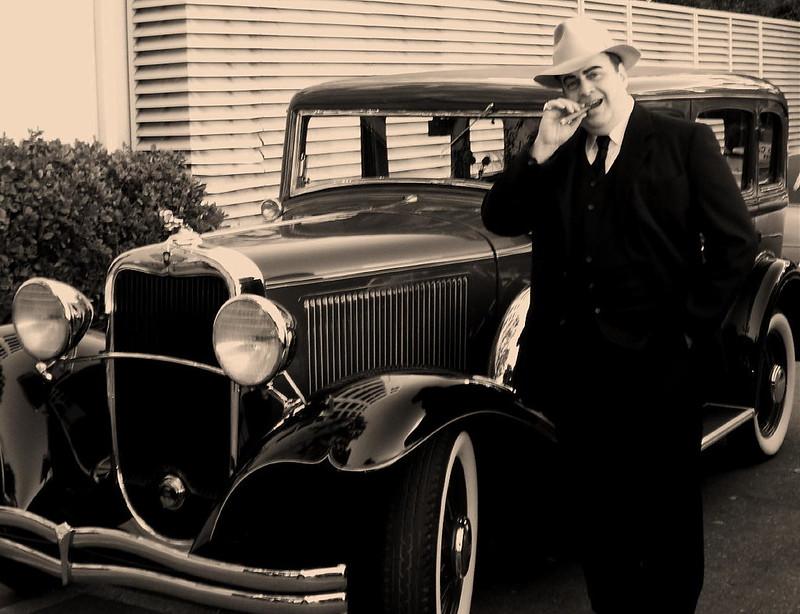
Al Capone’s 1920s story reads like a uniquely American tale of ambition, violence, and excess that could only have happened during Prohibition’s lawless years. His rise from Brooklyn street tough to Chicago crime lord demonstrated both the opportunities and dangers of America’s experiment with banning alcohol. While Capone’s methods were brutal and his impact on Chicago devastating, his organizational skills and business acumen transformed organized crime into a sophisticated enterprise that law enforcement struggled to understand, let alone combat. The lessons learned from Capone’s decade of dominance would reshape how America approaches both crime fighting and the unintended consequences of well-intentioned laws.
More from Go2Tutors!

- The Romanov Crown Jewels and Their Tragic Fate
- 13 Historical Mysteries That Science Still Can’t Solve
- Famous Hoaxes That Fooled the World for Years
- 15 Child Stars with Tragic Adult Lives
- 16 Famous Jewelry Pieces in History
Like Go2Tutors’s content? Follow us on MSN.