Obscure Hobbies People Are Still Obsessed With Today
Most people stick to the usual pastimes like reading, gardening, or binge-watching their favorite shows. But dig a little deeper, and you’ll find communities of passionate enthusiasts dedicated to hobbies so unusual that most folks have never even heard of them.
These aren’t just fleeting trends either. People have been pouring their hearts into these activities for years, sometimes decades, building entire lifestyles around interests that might seem downright bizarre to outsiders.
What makes these hobbies so compelling is the dedication they require. Once someone gets hooked, there’s no turning back.
Competitive Duck Herding

Forget sheepdog trials. Some people train their border collies and other herding breeds to round up ducks instead.
The sport originated in Australia and has spread to pockets of enthusiasts across rural America and Europe. Ducks waddle unpredictably and scatter in ways sheep never would, making the challenge ten times harder.
Handlers stand at the edge of a field, whistling commands while their dogs zigzag through chaos, trying to funnel a dozen quacking ducks through gates and into pens. Competitions get surprisingly intense, with prizes for speed and precision.
Extreme Ironing

This hobby combines the mundane task of pressing clothes with death-defying stunts in outrageous locations. Participants have ironed shirts while rock climbing, scuba diving, parachuting, and even balancing on moving vehicles.
The whole point is to take an iron and ironing board somewhere completely ridiculous and photograph yourself smoothing out wrinkles. It started as a joke in England back in 1997, but now there are international competitions and dedicated clubs.
Some enthusiasts plan entire vacations around finding the most absurd spot to set up their board.
Ant Keeping
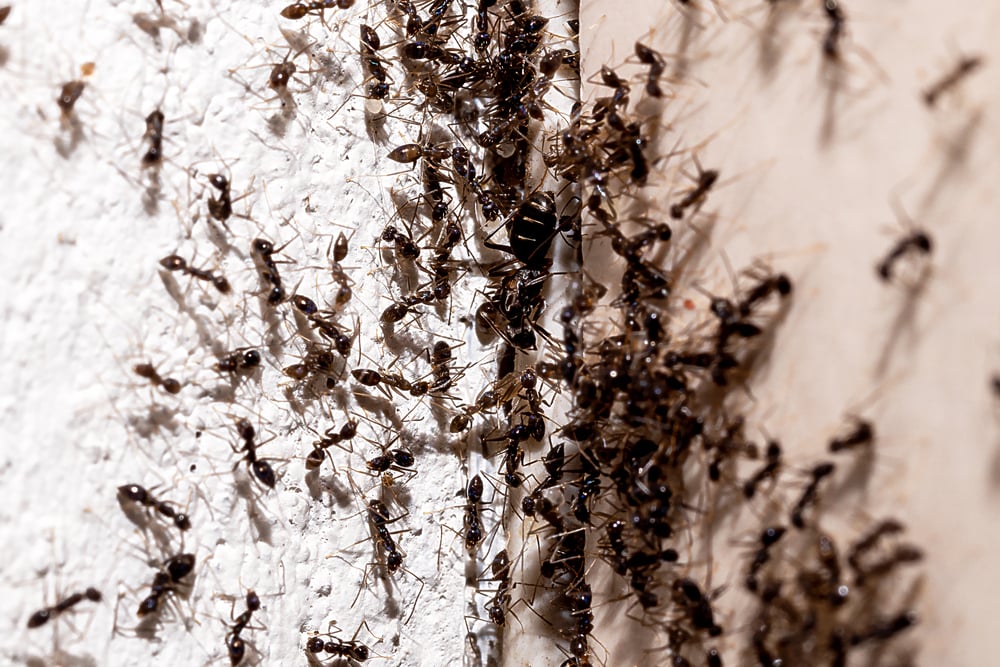
Ant farms aren’t just for kids anymore. Serious ant keepers, called formicarium hobbyists, build elaborate glass habitats to house entire colonies.
They study the ants’ behavior, breed rare species, and create custom setups with tunnels, chambers, and feeding stations. Some colonies grow to tens of thousands of ants, each with their own role in a tiny, thriving society.
Watching a queen ant lay eggs or worker ants construct new tunnels becomes genuinely addictive. Online forums are packed with people sharing tips on humidity levels, diet plans, and how to prevent escapes.
Geocaching in Extreme Locations
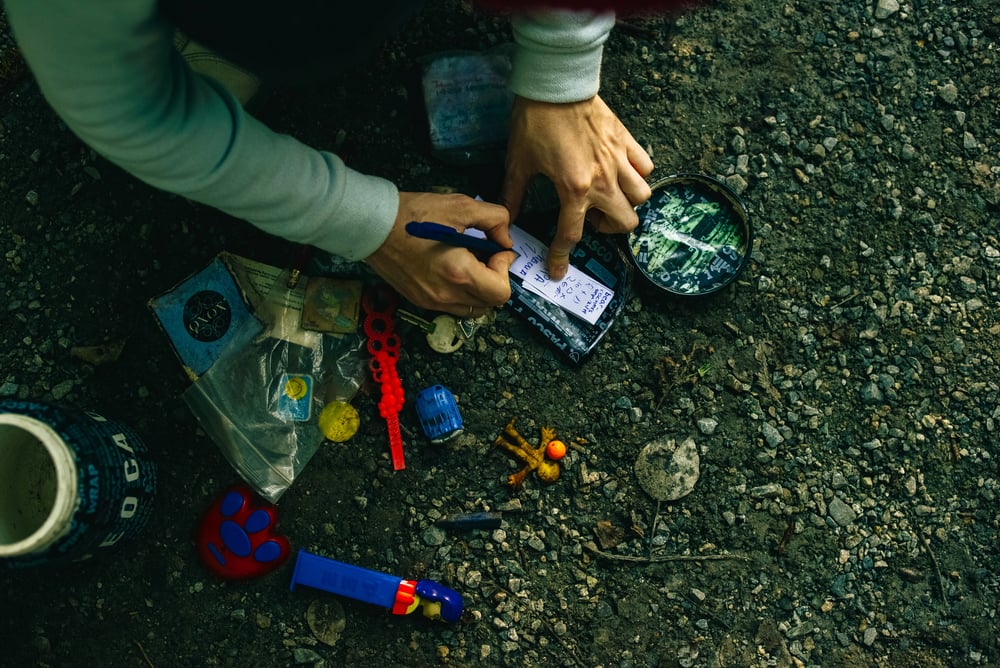
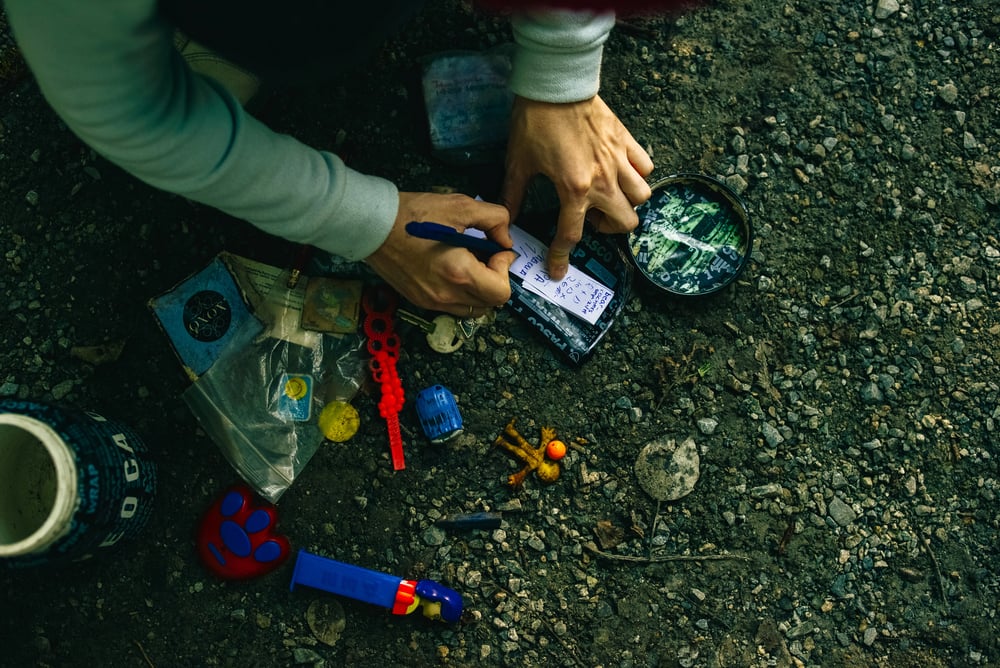
Geocaching started as a simple treasure hunt using GPS coordinates, but hardcore enthusiasts have taken it to wild extremes. Some caches are hidden underwater in caves, buried in remote mountain peaks, or tucked inside abandoned buildings.
Finding these requires rock climbing skills, scuba certification, or the willingness to hike for days through wilderness. The thrill isn’t just discovering the cache itself but conquering the journey to get there.
Many extreme geocachers keep logs of their most dangerous finds and compete to be the first to locate newly posted caches in treacherous spots.
Toy Voyaging

People who love this hobby send their stuffed animals, action figures, or dolls on trips around the world. They connect with other enthusiasts online and mail their beloved toys to strangers who photograph them at famous landmarks, restaurants, or local hangouts.
The toy then gets mailed to the next person, racking up passport stamps and building a travel album. Some toys have visited more countries than most humans ever will.
Owners create blogs and social media accounts documenting their toy’s adventures, complete with captions written from the toy’s perspective.
Competitive Soap Carving
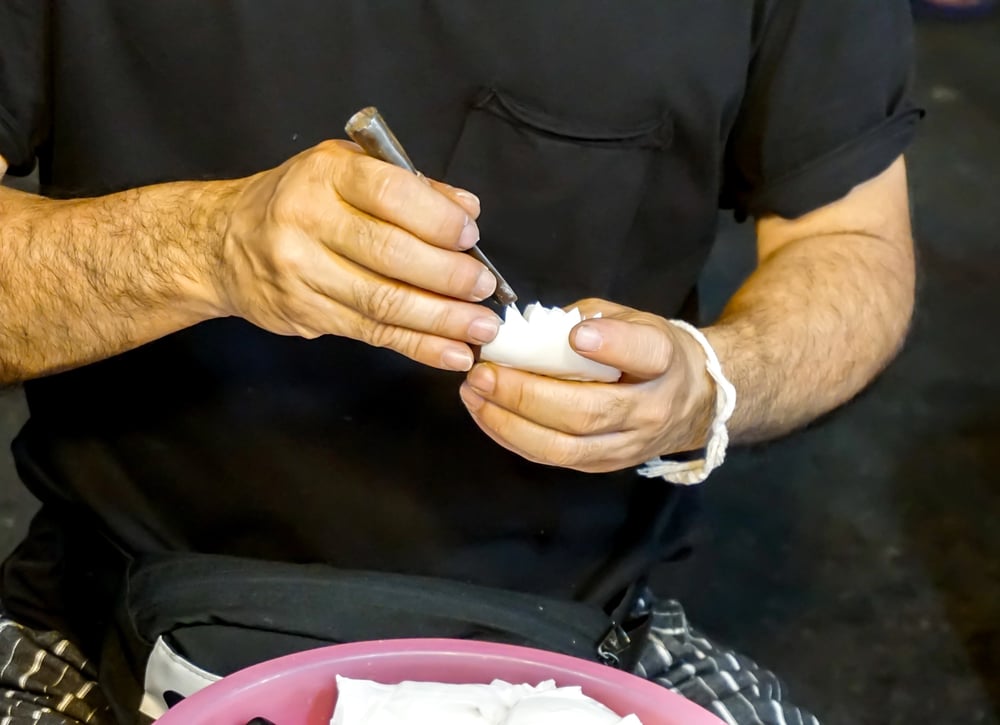
Armed with nothing but a bar of soap and a small knife, carvers transform ordinary bath products into intricate sculptures. Competitions judge participants on detail, creativity, and speed.
Some carvers create tiny replicas of famous buildings, animals, or portraits in under an hour. The medium is tricky because soap is soft and crumbles easily, so one wrong move ruins hours of work.
Despite the fragility, the results can be stunning. Many carvers coat their finished pieces in clear sealant to preserve them, building entire collections displayed in glass cases at home.
Urban Exploration of Drains
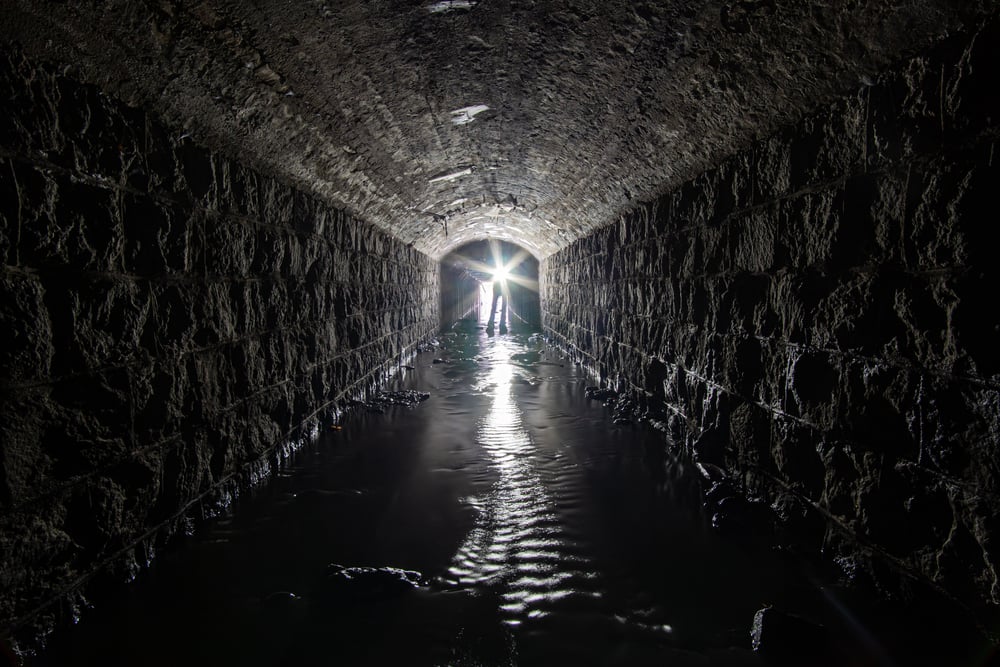
Storm drain exploration, or draining, attracts people fascinated by the hidden infrastructure beneath cities. Explorers crawl through massive concrete tunnels, sometimes stretching for miles underground.
They map out systems, photograph unique architectural features, and document graffiti left by previous explorers. The hobby is dangerous because sudden rainstorms can flood drains without warning, and some tunnels contain toxic gases or unstable structures.
Despite the risks, draining communities thrive online, sharing maps, safety tips, and stories of discovering forgotten chambers or old construction relics.
Hikaru Dorodango
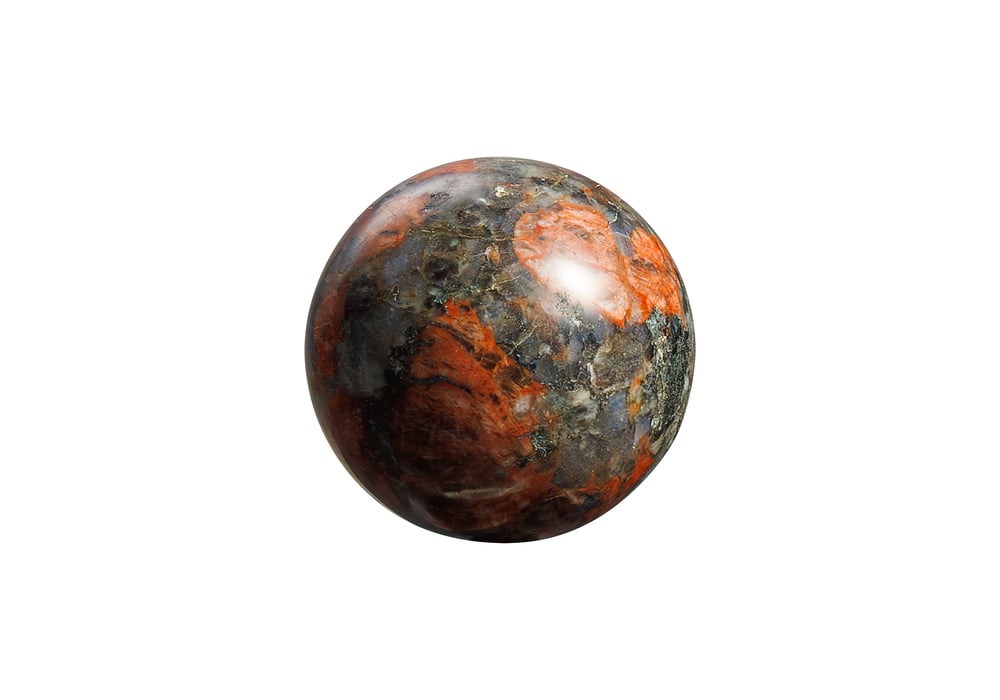
This traditional Japanese art involves turning mud into perfectly polished spheres that gleam like billiard spheres. The process takes days of careful work, layering fine dirt, compressing it by hand, and polishing with cloth until the surface shines.
No glazes or chemicals are involved, just dirt, water, and patience. The finished orbs look almost too perfect to be made from something as humble as mud.
Enthusiasts say the repetitive motions are meditative, and the satisfaction of seeing a dull clump transform into something beautiful keeps them coming back. Some collectors have shelves lined with dozens of spheres in different colors and sizes.
Beekeeping in Urban Areas
City-dwelling beekeepers maintain hives on rooftops, balconies, and community gardens, producing honey right in the middle of bustling neighborhoods. Urban bees often make better honey than rural bees because cities have diverse flowering plants year-round.
Beekeepers suit up in protective gear, check their hives weekly, and harvest honey by the jar. Many donate their honey to local markets or use it in homemade products like candles and skincare.
The hobby requires learning about bee behavior, seasonal patterns, and local regulations, but the reward is fresh honey and the knowledge that you’re helping pollinator populations survive.
Competitive Whistling

Professional whistlers compete in international tournaments, performing complex classical pieces, pop songs, and original compositions using only their lips. Judges score based on tone quality, range, and technical difficulty.
Some whistlers can hit notes higher than trained sopranos or hold a tune for minutes without taking a breath. The skill takes years to develop, and top competitors practice for hours daily.
Whistling conventions attract hundreds of fans who appreciate the artistry involved. Many champions tour, performing at concerts and teaching workshops on breath control and embouchure technique.
Rail Photography

Train enthusiasts spend weekends trackside with professional cameras, waiting for the perfect shot of a locomotive. Some specialize in vintage steam engines, others focus on modern freight trains or commuter rails.
The hobby involves research to predict train schedules, scouting locations with ideal lighting, and sometimes traveling hundreds of miles for a single photograph. Rail photographers trade tips on the best vantage points and share their images in online galleries and print magazines.
The obsession runs deep, with some photographers maintaining databases of every train model they’ve captured.
Lock Sport

Lock picking as a hobby attracts puzzle lovers who enjoy the mechanical challenge of opening locks without keys. Enthusiasts buy practice locks, pick sets, and progressively harder mechanisms to master.
Competitions test speed and skill, with participants racing to open a series of locks in record time. The community is surprisingly ethical, with strict rules against using skills for illegal purposes.
Most lock pickers focus purely on the intellectual satisfaction of understanding how security mechanisms work. Online forums offer tutorials, and annual conventions feature workshops where beginners learn from masters.
Beetle Fighting

Popular in parts of Asia, beetle fighting involves collecting and training large stag beetles to battle in controlled arenas. Owners feed their beetles special diets to increase size and strength, then pit them against rivals in tournaments.
The beetles lock horns and try to flip each other over. Matches last only a few minutes, but the preparation is year-round.
Breeders carefully select genetics to produce champion fighters, and rare beetles with impressive mandibles can sell for thousands of dollars. The hobby has a long cultural history and remains intensely competitive today.
Stone Balancing

Artists who practice stone balancing stack rocks in seemingly impossible configurations without glue, supports, or tricks. Finding the exact point of balance requires intense focus and a steady hand.
Some creations tower several feet high with stones balanced on tiny contact points. The sculptures are temporary, often photographed and then carefully dismantled to leave no trace.
Stone balancers seek out beaches, riverbeds, and mountain trails to source their materials. The process is meditative, requiring patience and acceptance that a single gust of wind can topple hours of work.
Noodling
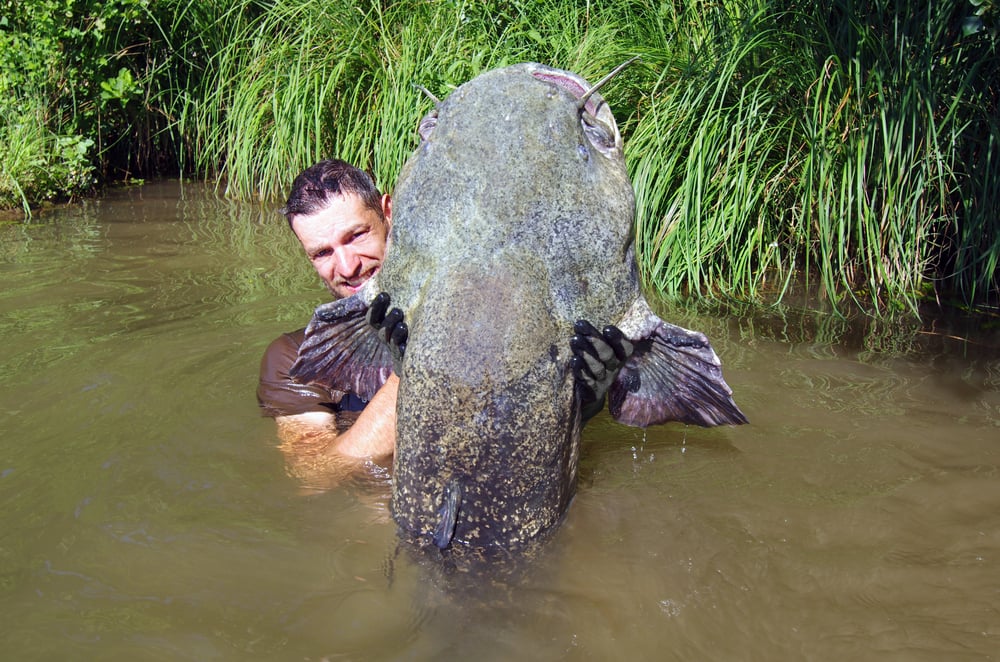
This fishing method involves wading into murky rivers and creeks, reaching bare-handed into underwater pits, and grabbing catfish by the mouth. The fish can weigh over 50 pounds and fight hard, sometimes dragging noodlers underwater.
The practice is legal in only a handful of states and requires serious guts because you never know what else might be hiding in those pits. Snapping turtles, snakes, and sharp debris are constant risks.
Despite the danger, dedicated noodlers swear there’s no better adrenaline rush than feeling a massive catfish clamp down and knowing you have to wrestle it to the surface.
Miniature Building Construction
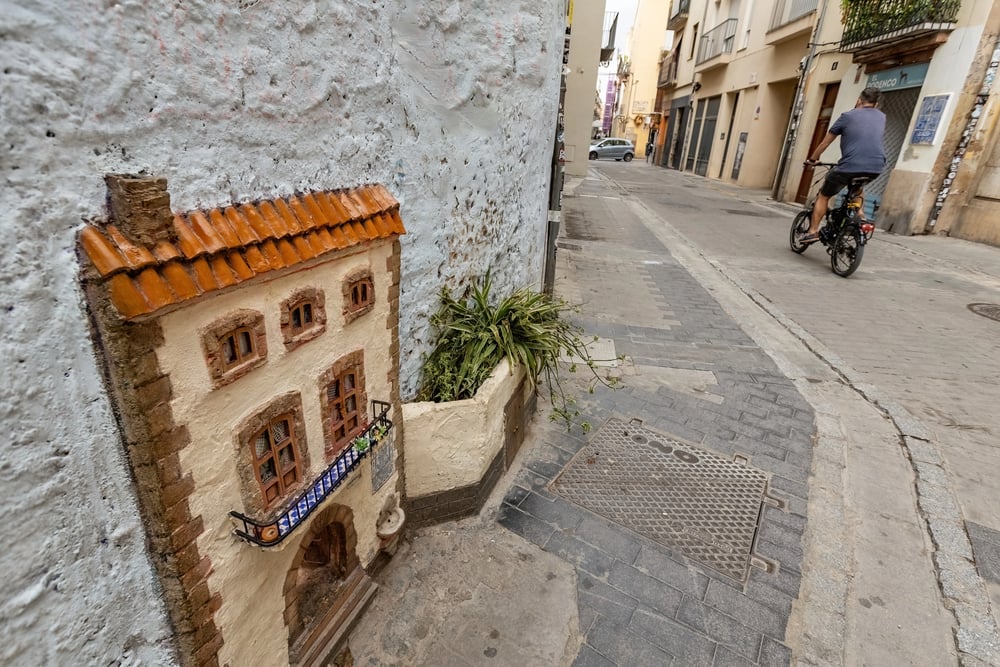
Tiny universes come alive through patient hands shaping homes, villages, or wild terrain in small versions. History drives some makers, who dig into old designs and authentic textures for exact 1:12 reproductions of Victorian dwellings.
Fanciful scenes spring up too – crafted rooms hold tiny lamps that glow, plus figures brushed by hand. Each piece demands slowness, steady fingers, tools made just for the task, sometimes a lens to see fine parts.
Months might pass before one room feels finished. Inside glass cases, collectors show off their work – sometimes linking structures into wide scenes of tiny towns.
Extreme Couponing

One person’s way to save cash turned into a kind of game for others. Hours go by while they cut paper slips, line them up neatly, yet plan each shopping run like a mission.
Store rules get memorized carefully; discounts from brands mix with shop offers at just the right moment. Timing matters most when walking through doors on specific days.
Whole closets vanish under piles of soap bars, breakfast boxes, plus liquid cleaners stacked high without pause. That sudden thrill hits when the price falls from hundreds down to only a few bucks.
Sharing tips in online groups helps spread the savings, while certain deal hunters now advise others for pay.
Fire Lights the Path Where Meaning Walks Beside It

Curiosity keeps stretching, showing how wide human interest can go. One person shrugs at an idea while someone else dives deep, building circles around uncommon fixations.
Online spaces give odd pastimes room to grow, shifting solitary acts into worldwide waves. Stacking rocks, racing bugs, catching fish without tools – each unusual habit hints that learning never really ends.
More from Go2Tutors!

- The Romanov Crown Jewels and Their Tragic Fate
- 13 Historical Mysteries That Science Still Can’t Solve
- Famous Hoaxes That Fooled the World for Years
- 15 Child Stars with Tragic Adult Lives
- 16 Famous Jewelry Pieces in History
Like Go2Tutors’s content? Follow us on MSN.



