Cosmic Trivia for Stargazing Fans
Out there, beyond the roofline, even loud thoughts grow quiet. Look up when the air is sharp and dark, suddenly your problems feel lighter, somehow less heavy.
Those tiny dots? Not just sparkles – they’re suns burning far away, whole spinning worlds you can’t touch. Some glimmers left their homes before humans walked upright.
Distance changes how things matter. Gazing up still stirs something old and wordless.
High above, instruments circle the planet, while machines inch along Martian soil, their cameras open wide. Farther out, silent stations catch light from places we cannot reach.
Yet what sticks isn’t the scale – it’s the hush between known points. A few small truths slip past common stories.
These are whispers beneath the flash of constellations.
The Solar System Is Far Bigger Than It Looks
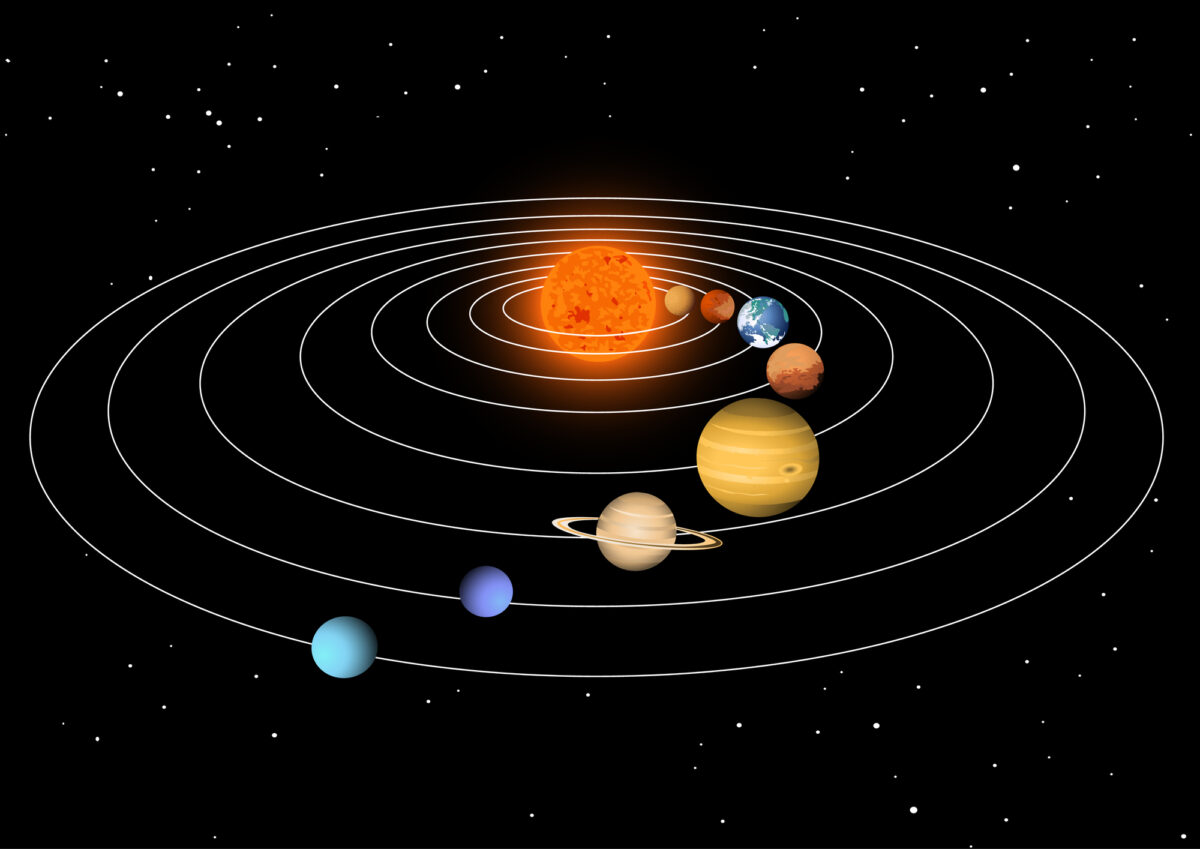
Most textbook diagrams give the impression that the planets sit comfortably spaced, like beads on a necklace. In reality, the solar system is staggeringly spread out.
Neptune, the farthest recognized planet, orbits roughly 2.8 billion miles from the Sun. Beyond that lies the Kuiper Belt and even more distant icy objects extending billions of miles farther.
Light from the Sun takes about eight minutes to reach Earth, but it needs more than four hours to reach Neptune. That difference alone hints at the enormous scale involved.
The solar system is less like a tidy classroom model and more like a vast, mostly empty stretch of cosmic real estate with islands of activity scattered across it.
A Neutron Star Packs A Sun Into A City
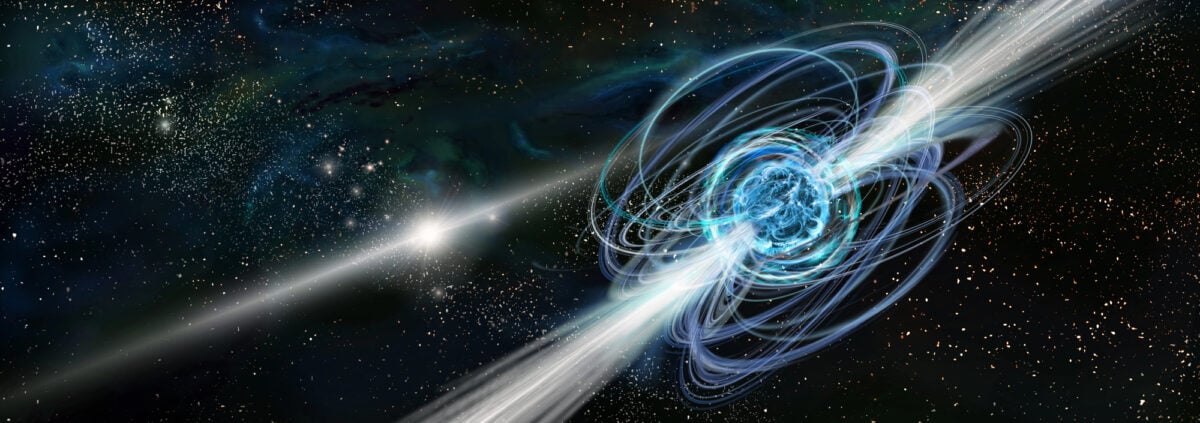
When certain massive stars exhaust their fuel, they collapse in on themselves. The result can be a neutron star, an object so dense that a single teaspoon of its material would weigh billions of tons on Earth.
Despite containing more mass than the Sun, many neutron stars measure only about 12 miles across. That density produces some astonishing effects.
Neutron stars can spin hundreds of times per second, emitting beams of radiation like celestial lighthouses. These spinning remnants, known as pulsars, were first detected in 1967 and initially puzzled astronomers with their precise signals.
Today, they serve as some of the most reliable cosmic timekeepers known.
The Milky Way Is On The Move
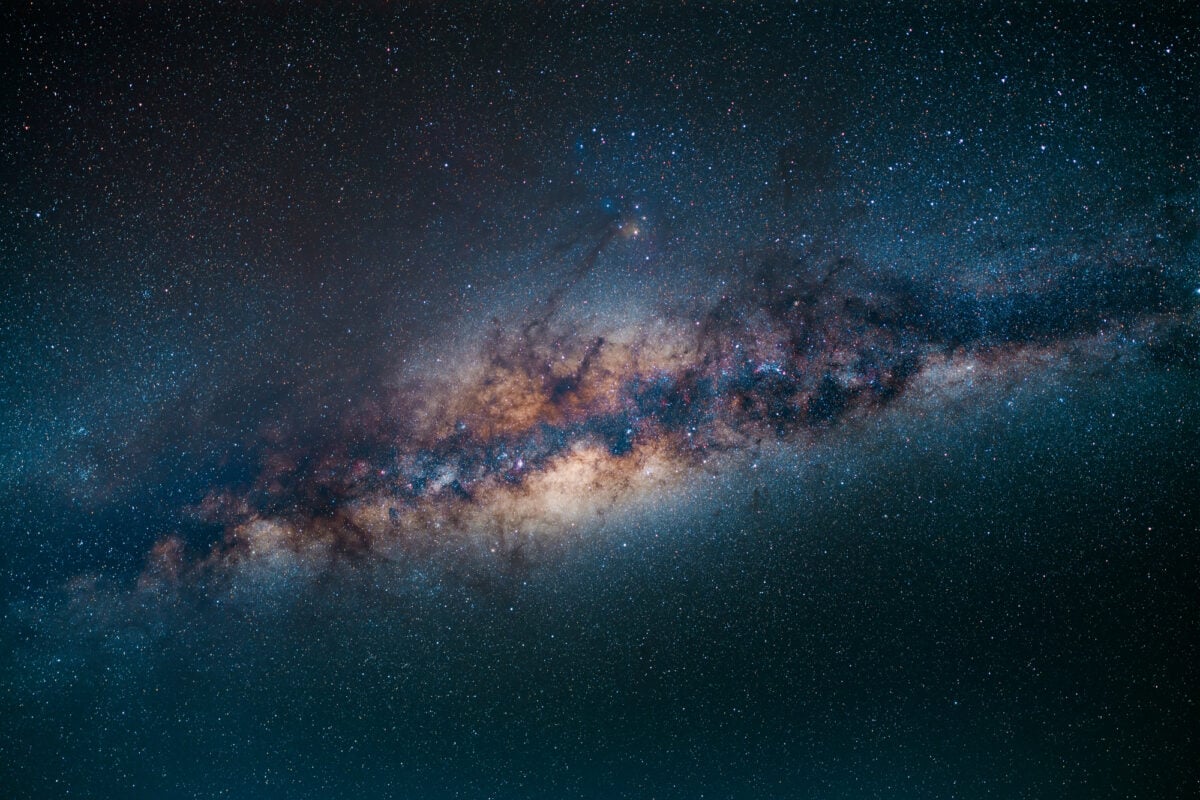
The Milky Way galaxy feels steady and permanent from Earth’s surface. In reality, it is racing through space at about 1.3 million miles per hour.
That motion is part of a larger gravitational dance involving neighboring galaxies, including Andromeda. The two galaxies are expected to merge in roughly 4 billion years.
That timescale is vast compared to human history, yet relatively short in cosmic terms. Stars are spaced so far apart that even during a galactic merger, direct collisions between them are unlikely.
Instead, the galaxies will gradually reshape into a new structure over millions of years.
Light From Distant Stars Is Ancient
Looking at the night sky is an exercise in time travel. The light from the nearest star system beyond the Sun, Alpha Centauri, takes more than four years to reach Earth.
When that starlight enters a telescope, it carries a message that began its journey years ago. For more distant stars and galaxies, the delay stretches into thousands, millions, or even billions of years.
Some galaxies visible through powerful observatories appear as they were when the universe was only a fraction of its current age. Stargazing is not just about distance; it is about peering backward through time.
Venus Has A Longer Day Than Year
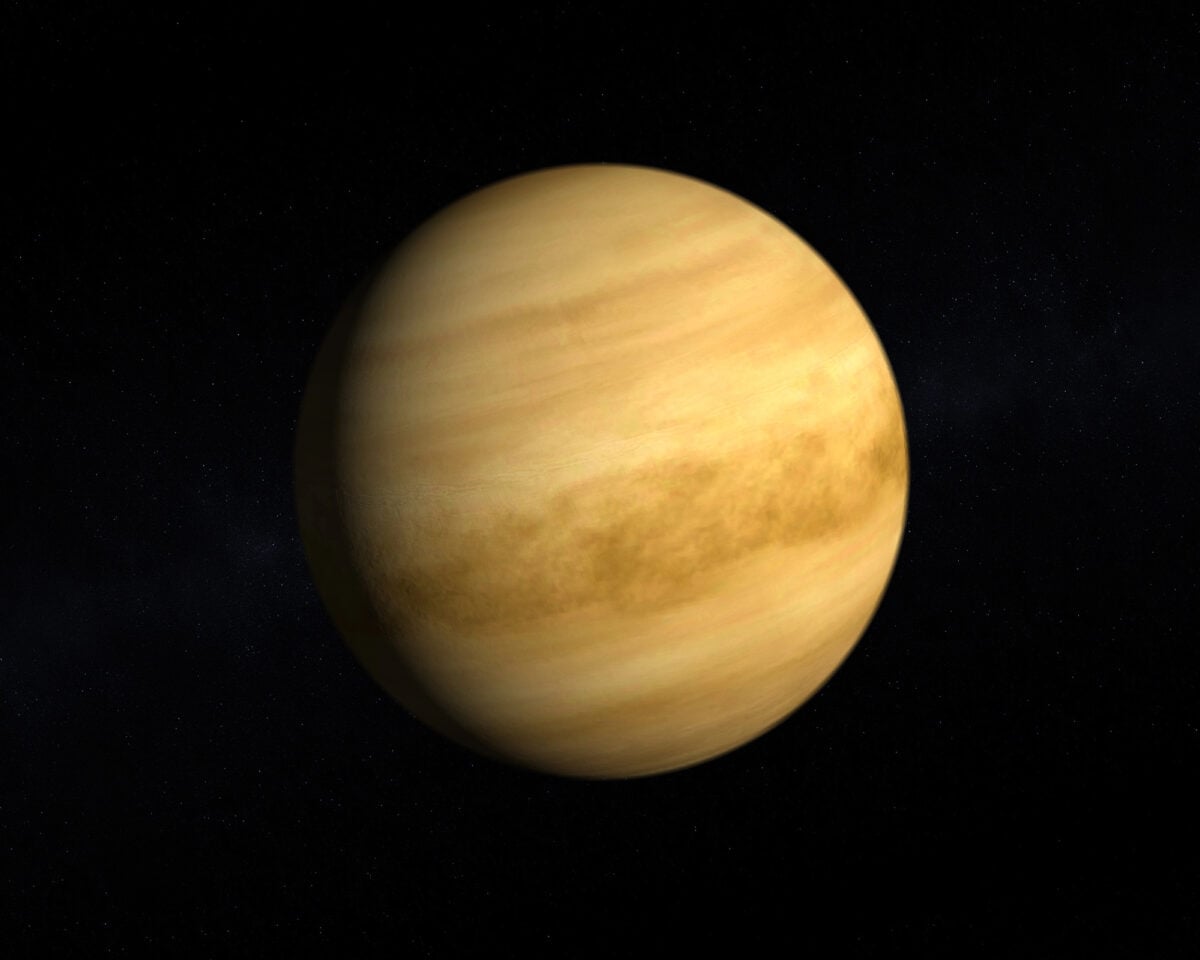
Venus is often described as Earth’s twin because of its similar size and composition. Yet its rotation tells a very different story.
Venus takes about 243 Earth days to complete one full rotation on its axis, while it orbits the Sun in roughly 225 Earth days. In practical terms, a single day on Venus lasts longer than its year.
Adding to the strangeness, Venus rotates in the opposite direction of most planets. If someone could stand on its surface and see the Sun through the thick atmosphere, it would appear to rise in the west and set in the east.
Saturn Could Float In Water
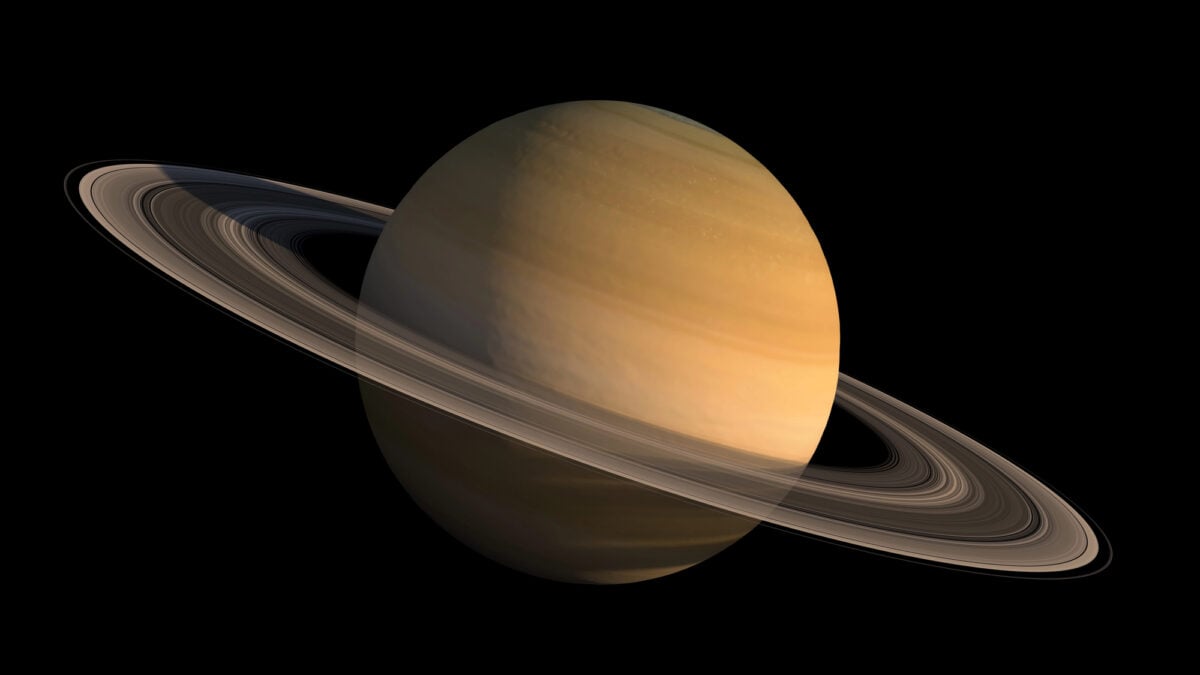
Saturn’s rings are the obvious headline feature, but the planet’s density is just as surprising. Saturn is composed largely of hydrogen and helium, making it less dense than water.
If a bathtub large enough existed, Saturn would float. Of course, such a scenario is purely theoretical.
Saturn spans about 72,000 miles across at its equator, and no container could possibly hold it. Still, the comparison highlights how varied planetary compositions can be.
Not all giants are heavy in the way intuition suggests.
Meteor Showers Are Predictable And Reliable
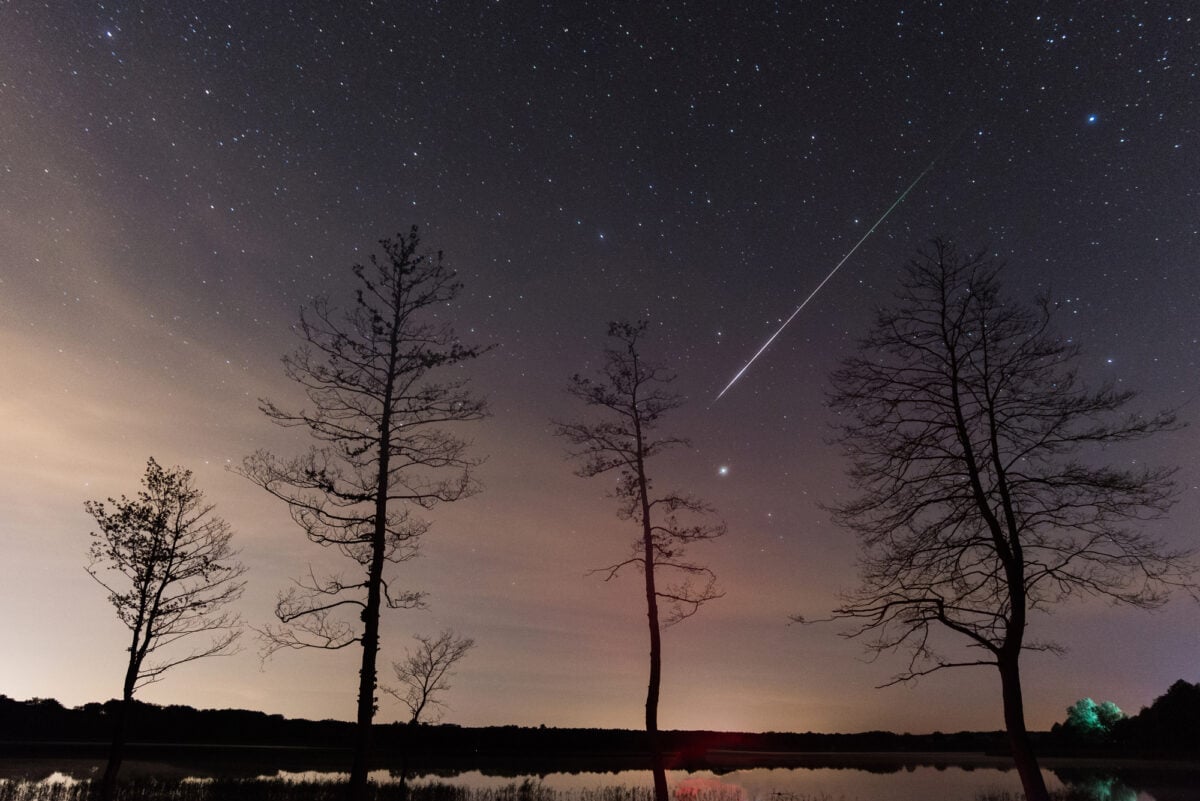
Meteor showers feel spontaneous, but they follow predictable paths. Most occur when Earth passes through streams of debris left behind by comets.
Tiny fragments enter the atmosphere at high speeds, heating up and creating streaks of light. The Perseids, visible every August, are among the most reliable annual displays.
Under dark skies, observers can see dozens of meteors per hour. These events connect Earth directly to ancient comet trails, offering a reminder that the solar system is an active, dynamic environment rather than a static backdrop.
Exoplanets Come In Wild Variety
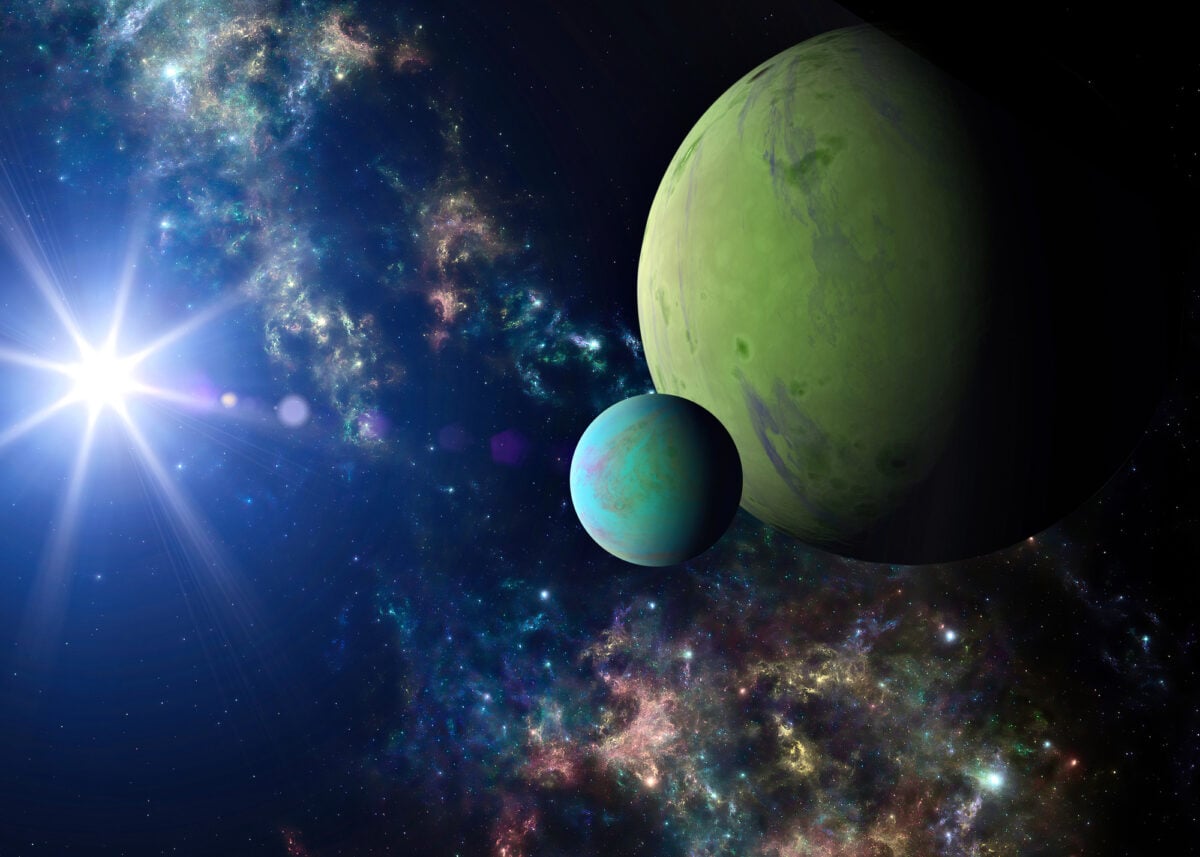
For centuries, planets were thought to exist only within our own solar system. That assumption changed in the 1990s with the confirmed discovery of planets orbiting other stars.
Today, thousands of exoplanets have been identified, revealing a staggering range of possibilities. Some are massive gas giants orbiting extremely close to their stars, completing a full year in just a few days.
Others are rocky worlds located in so-called habitable zones, where temperatures might allow liquid water to exist. The diversity has reshaped the understanding of how planetary systems form and evolve.
The James Webb Space Telescope Sees Farther Than Ever
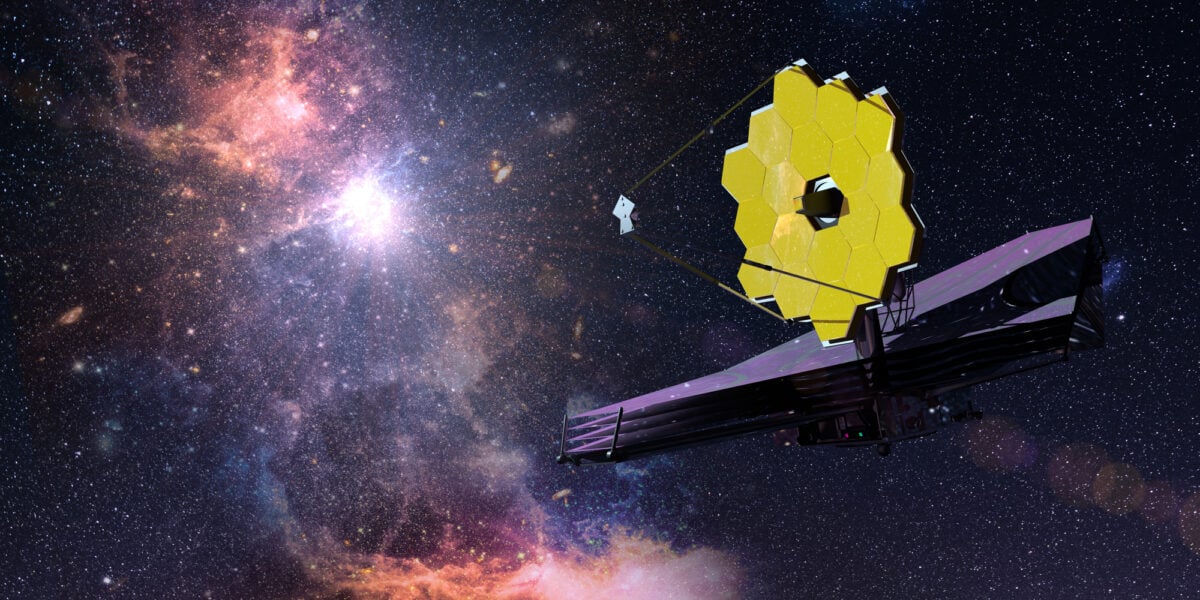
Launched in 2021, the James Webb Space Telescope represents a major leap in observational power. Positioned nearly 1 million miles from Earth, it observes the universe in infrared wavelengths.
This allows it to peer through cosmic dust and capture light from some of the earliest galaxies. Its images have already revealed detailed structures in distant star-forming regions and ancient galaxies.
By studying faint infrared signals, Webb effectively extends humanity’s cosmic vision deeper into the past. Each image feels less like a photograph and more like a time capsule from the early universe.
The Universe Is Expanding Faster Than Expected
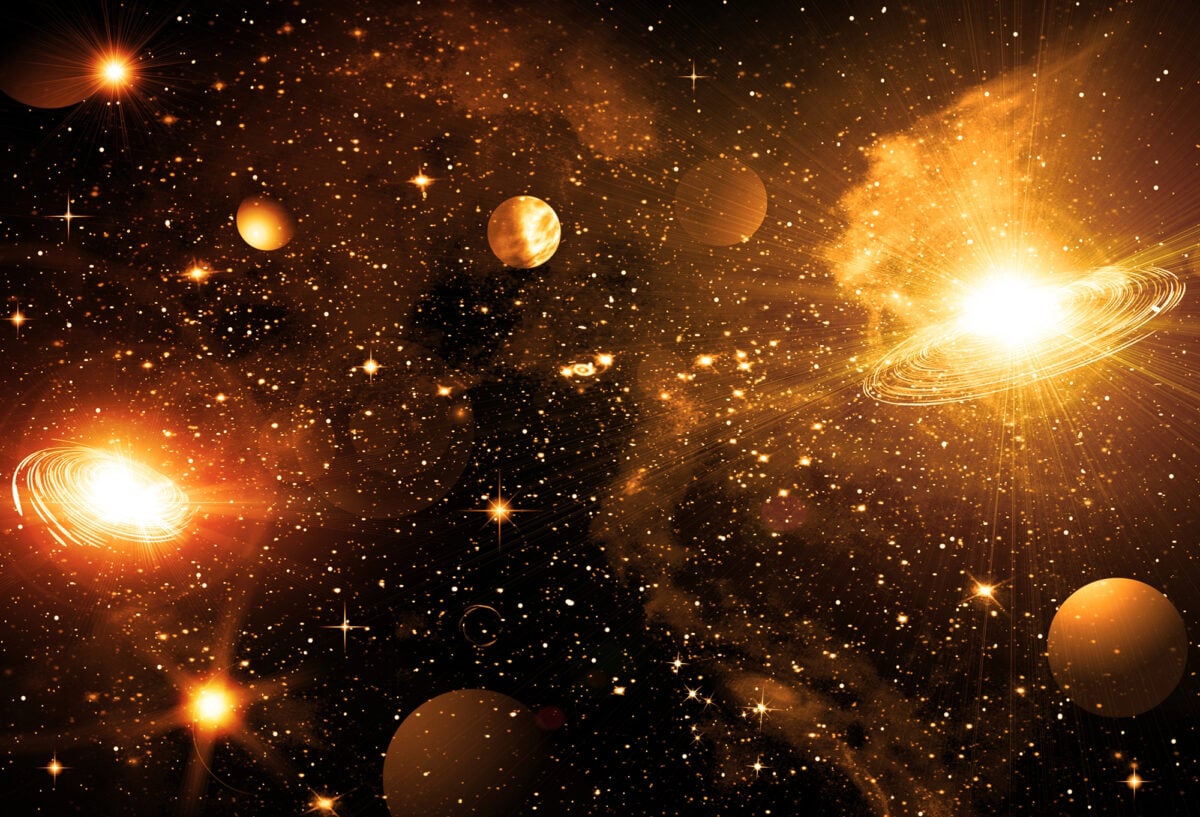
In the late 1990s, astronomers discovered that the expansion of the universe is accelerating. This finding was unexpected and pointed to a mysterious force now known as dark energy.
Observations of distant supernovae helped confirm that galaxies are drifting apart at an increasing rate. The implications are profound.
The cosmos is not just expanding; it is doing so more rapidly over time. While dark energy remains poorly understood, its effects dominate the large-scale structure of the universe.
The night sky, in a sense, is gradually stretching away.
Mars Once Had Flowing Water
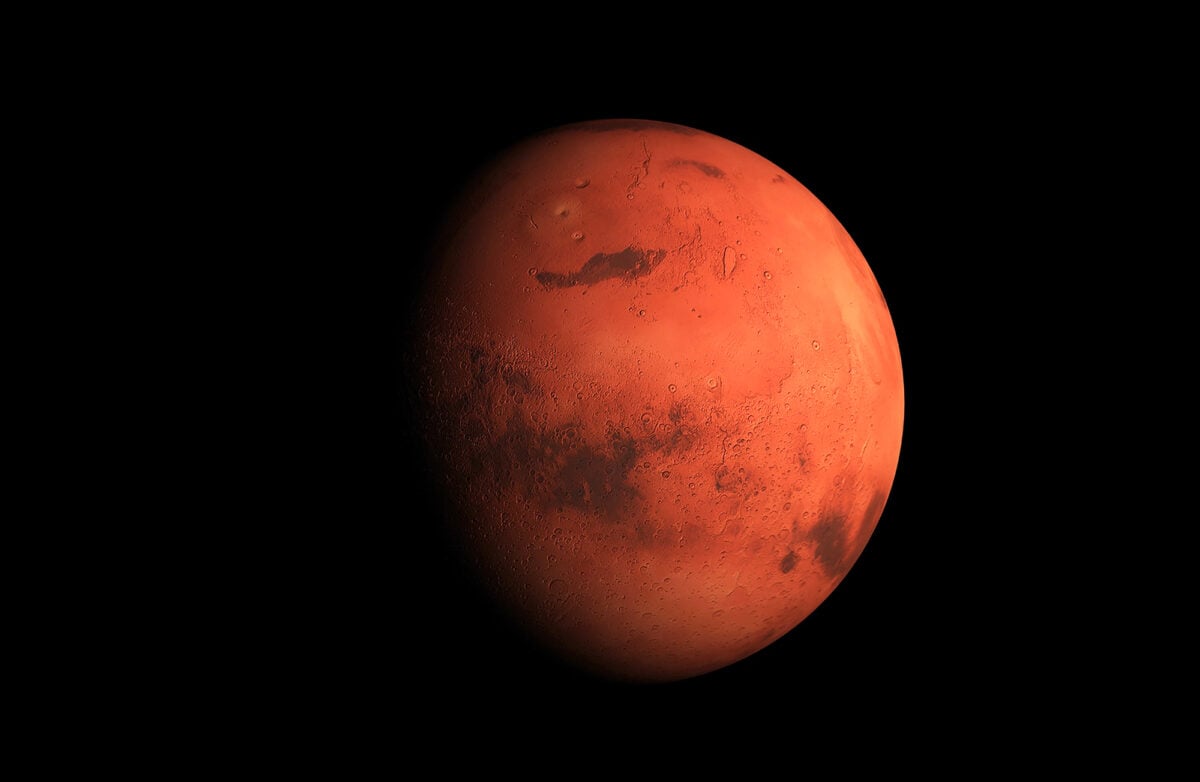
Mars today appears dry and dusty, yet evidence suggests it once hosted rivers and lakes. Orbital imagery has revealed ancient channels and delta formations that resemble dried riverbeds on Earth.
Rovers have also identified minerals that typically form in the presence of water. Billions of years ago, Mars likely had a thicker atmosphere capable of supporting liquid water on its surface.
That environment may have been more hospitable than the frozen landscape seen today. The search for past life on Mars continues to focus on these ancient watery regions.
Stars Are Born In Stellar Nurseries
Stars do not appear fully formed. They begin as dense regions within vast clouds of gas and dust known as nebulae.
Gravity gradually pulls material together until temperatures and pressures rise high enough to ignite nuclear fusion. These stellar nurseries can span hundreds of light-years across.
Within them, clusters of new stars emerge, illuminating their surroundings in brilliant colors. Observing these regions provides insight into the processes that shaped the Sun and, by extension, the conditions that made life on Earth possible.
Why The Night Sky Still Matters
Looking up still hits the same way, even after a hundred years of change. Orbiting telescopes now do what ground watches once did.
Machines crawl across alien terrain instead of just imagining it. Instruments floating in space track how fast everything stretches apart.
Precision replaced guesswork, but wonder stays untouched. A single glimpse at far-off galaxies, along with those fast-spinning dead stars, fills the moment with more meaning.
Far from killing the awe, knowing details actually fuels it. When you realize that tiny speck of light raced across space for ages – hundreds, thousands, even millions of years – before hitting your eye, darkness feels different.
Always moving, never still, the cosmos keeps expanding, stretching beyond reach. Up there, night after night, the heavens quietly show us what’s real.
More from Go2Tutors!

- The Romanov Crown Jewels and Their Tragic Fate
- 13 Historical Mysteries That Science Still Can’t Solve
- Famous Hoaxes That Fooled the World for Years
- 15 Child Stars with Tragic Adult Lives
- 16 Famous Jewelry Pieces in History
Like Go2Tutors’s content? Follow us on MSN.



