Old TV Gadgets People Actually Wanted
Late-night television used to be a wild frontier of commerce where insomniacs with credit cards became the target audience for some of the most ambitious product pitches ever conceived. Before Amazon recommendations and TikTok shop, there were infomercials—those hypnotic half-hour commercials that promised to solve problems you didn’t even know you had.
The hosts were always way too enthusiastic, the demonstrations seemed almost magical, and the price was always broken down into three easy payments that somehow felt more reasonable than just saying the total amount. These weren’t just random products being hawked by desperate salespeople.
Many of these gadgets became genuine cultural phenomena that defined entire decades. Here is a list of 14 TV gadgets that people genuinely wanted, begged their parents for, or impulse-bought at three in the morning.
The George Foreman Grill

The Lean Mean Fat-Reducing Grilling Machine was released in 1994 and became one of the bestselling infomercial products of all time, moving over 100 million units worldwide. Michael Boehm of Batavia, Illinois created the original design with a slanted grilling surface that cooked both sides at once while draining fat into a separate tray.
When former heavyweight boxing champion George Foreman was licensed as spokesperson in 1995, his affable personality transformed the grill into a pop culture icon. His famous tagline from the late 1990s ads, “It’s so good, I put my name on it!” became part of popular culture.
The Clapper
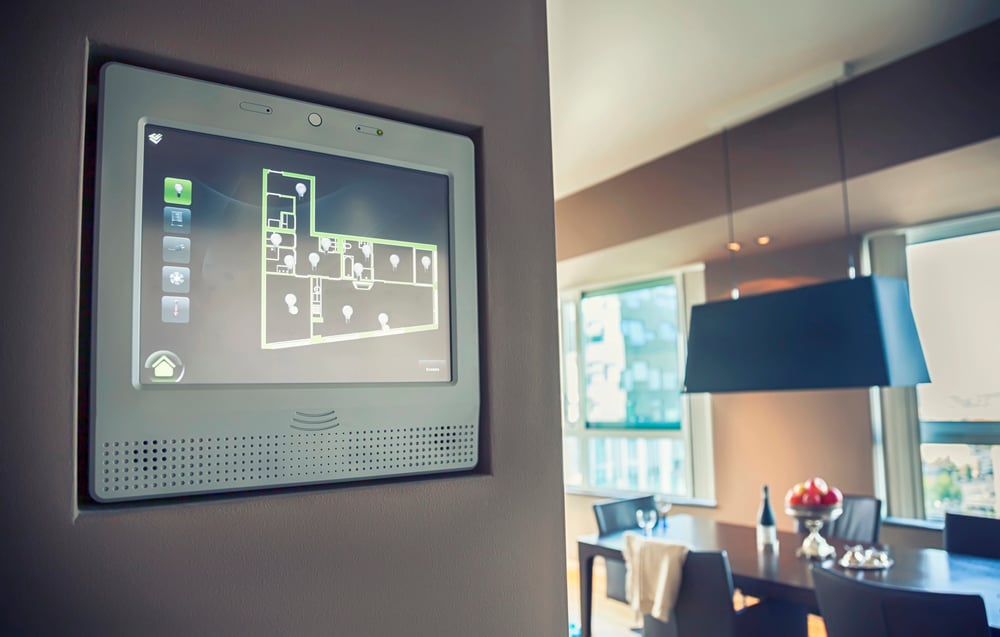
Before voice-activated smart homes existed, there was a simple box that let you control your lights and appliances by clapping your hands. First sold in 1984, the Clapper was invented by Carlile R. Adams and Dale Reinemann, then marketed by Joseph Pedott’s firm, which also brought us the Chia Pet.
The device featured one of the catchiest slogans in advertising history: “Clap on! Clap off! The Clapper!” It plugged into the wall and used sound-activated technology to turn things on and off, though it wasn’t always reliable.
Like Go2Tutors’s content? Follow us on MSN.
Big-Screen Rear Projection TVs
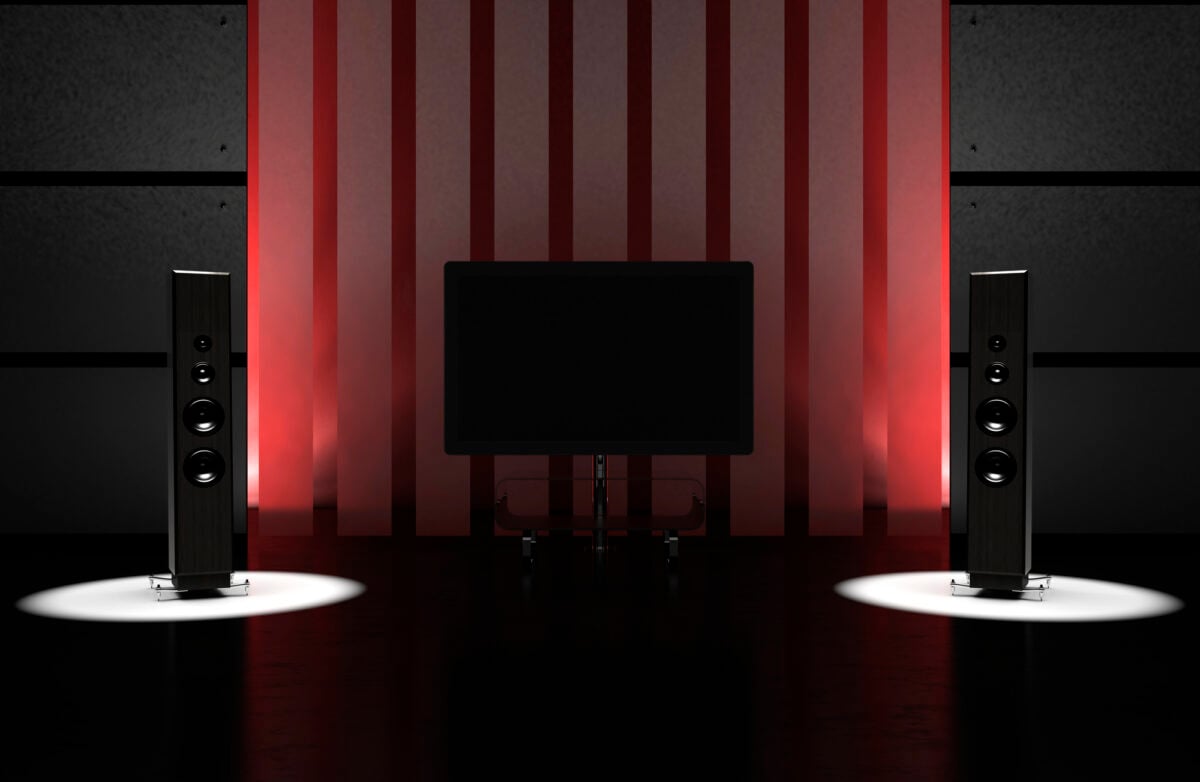
These massive beasts dominated living rooms throughout the 1980s and 1990s as the ultimate status symbol for anyone who wanted a movie-theater experience at home. RCA introduced the first home model in 1977, and the format peaked in the mid-1990s before LCD and plasma screens took over.
Unlike regular cathode ray tube sets, rear-projection TVs used CRT-based light engines with mirrors and lenses to create enormous screens, sometimes reaching 45 inches or larger. They were insanely heavy, taking up significant floor space and requiring multiple people to move.
Ginsu Knives

These knives became legendary through infomercials that showed them slicing through everything from tomatoes to tin cans without losing their edge. The brand was created in 1978 by Ed Valenti and Barry Beck, originally called Quikut before the rebrand to the more exotic-sounding Ginsu.
The knives were originally manufactured in Fremont, Ohio before production moved to Walnut Ridge, Arkansas. The demonstrations were theatrical and memorable, with hosts cutting through rope, leather shoes, and frozen food while the audience gasped.
Chia Pet

The terracotta figurines that sprouted green “fur” when you watered them became a holiday gift staple. First sold in 1977 and mass-marketed in 1982 by Joseph Pedott, the clay sculptures came in various shapes—from animals to cartoon characters—and used chia seeds that would sprout within days of application.
The commercials featured the impossibly catchy jingle “Ch-ch-ch-Chia!” introduced in the 1982 ad campaign that’s still stuck in people’s heads decades later. While they were essentially just decorative planters, Chia Pets captured imaginations and became beloved novelty items that bridged the gap between gardening and entertainment.
Like Go2Tutors’s content? Follow us on MSN.
The Flowbee

This vacuum-powered haircutting system promised professional-looking haircuts in the comfort of your own home. Invented in 1986 by Rick Hunt, the Flowbee launched its first infomercial in 1989.
The device attached to any household vacuum and used suction to pull hair into cutting blades that trimmed it to a preset length. It seemed like pure late-night TV absurdity, yet the device actually worked for people who wanted simple, uniform cuts.
Pagers

These small wireless communication devices clipped onto belts and purses throughout the 1980s and into the 1990s, signifying that you were important enough to need immediate contact. First consumer models appeared in the 1970s, building on key launches like Motorola’s Pageboy in 1964 and Bravo in 1974.
Also called beepers, pagers displayed numeric messages that users had to decode or required finding a payphone to call back. One-way pagers could only receive messages, while fancier two-way devices could send replies.
OxiClean

Billy Mays became a household name by enthusiastically demonstrating this versatile stain remover in infomercials starting in 1998. Launched in 1997 by Orange Glo International, co-founded by Max Appel, the powder-based cleaner promised to tackle everything from carpet stains to clothing mishaps using oxygen-based cleaning power.
Mays’ energetic presentations showed dramatic before-and-after shots that convinced countless viewers to give it a try. Unlike many infomercial products that disappointed, OxiClean actually delivered on its promises and remains a popular cleaning product today, now owned by Church & Dwight Co. Inc.
Like Go2Tutors’s content? Follow us on MSN.
ShamWow
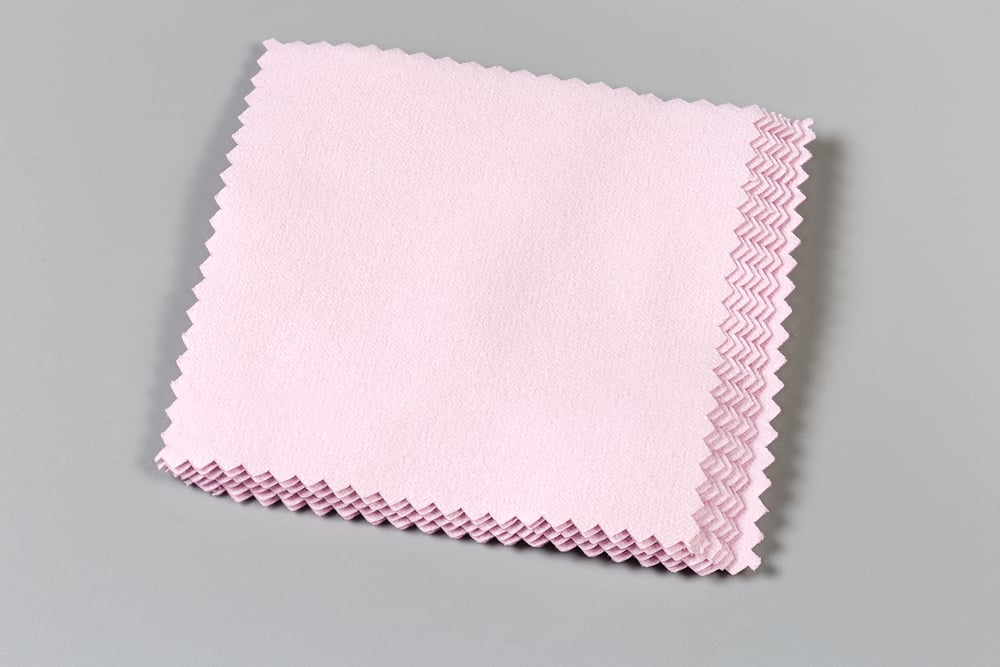
Released in 2007, these super-absorbent cleaning cloths made of viscose rayon material became famous through infomercials featuring pitchman Vince Offer, who wrote and directed the ads himself. The commercials showed the towels soaking up massive amounts of liquid—supposedly holding up to 20 times their weight in fluid—while Offer delivered his catchphrases with manic energy.
The demonstrations were so memorable that ShamWow became a cultural touchstone, spawning countless parodies and memes while actually selling millions of units to people who needed better cleaning clothes.
Game Boy

Nintendo’s portable gaming system launched in April 1989 in Japan and July 1989 in North America, becoming an absolute must-have item for kids and teens throughout the early 1990s. The handheld device brought gaming into the mainstream with its compact design and legendary game library including Tetris, Pokemon, and Super Mario Land.
The monochrome screen and chunky design seem primitive now, but at the time, being able to play real video games anywhere felt revolutionary. The Game Boy sold 118 million combined units worldwide with the Game Boy Color, establishing portable gaming as a legitimate market.
The BeDazzler
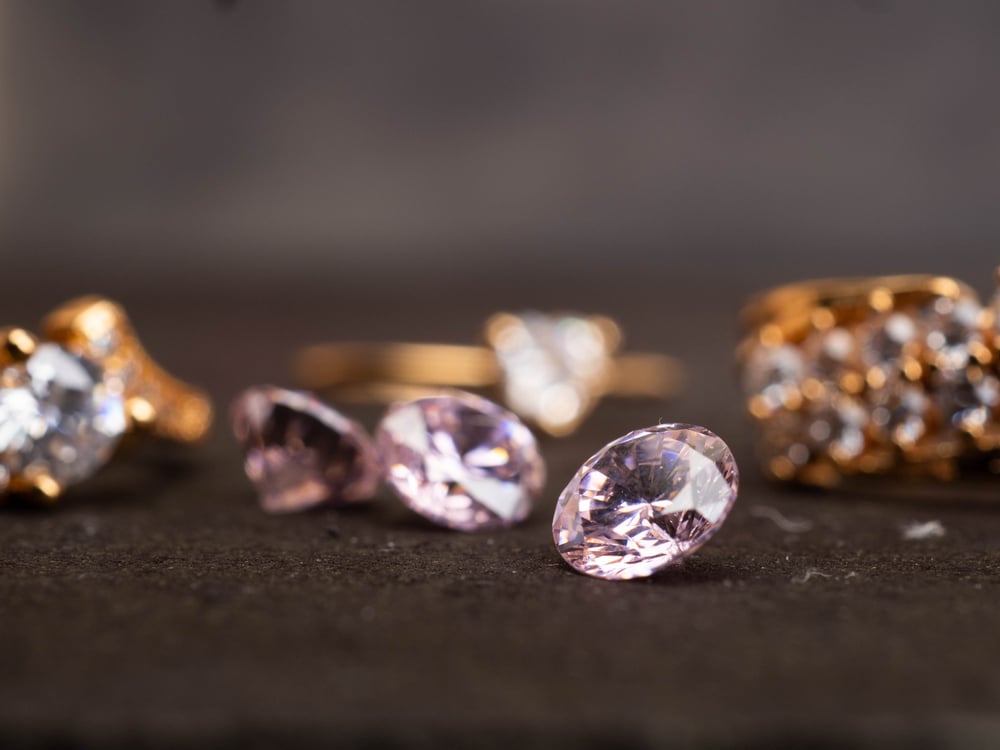
Originally sold through Ronco infomercials created by Ron Popeil in the 1970s as the Rhinestone and Stud Setter, this gadget found massive success when rebranded as the BeDazzler in the mid-1980s and peaked in the early 1990s. The device let users attach rhinestones and studs to clothing, transforming plain items into sparkly fashion statements.
It was marketed as both a craft tool and a toy, appealing to kids interested in fashion exploration before they were old enough to use sewing machines. Celebrities from Britney Spears to Justin Timberlake embraced bedazzled fashion in the late 1990s and early 2000s.
Like Go2Tutors’s content? Follow us on MSN.
Pocket Fisherman

This collapsible fishing rod was small enough to keep in your glove compartment or briefcase, invented by S.J. (Ron) Popeil and launched in 1961 under Ronco. The Pocket Fisherman became one of the first major TV gadget successes, continuing to sell millions of units annually even decades later.
Veteran anglers debated whether the flimsy rod was actually useful for catching anything, but Popeil had the perfect response with his authentic quote: “It’s not for using, it’s for giving.” The product succeeded because it made a perfect novelty gift.
Magic Bullet

This compact blender launched in 2003, produced by Homeland Housewares (Altra Group), and quickly became a household name through infomercials that emphasized its speed and versatility. The infomercial was filmed in a mock kitchen with recurring characters Mick and Berman, showing them making everything from smoothies and juices to salsa and soups in seconds.
The Magic Bullet’s appeal was its promise to simplify meal preparation without taking up counter space like traditional blenders. The infomercials were so effective that the product became a kitchen staple for busy families and health enthusiasts.
The Infomercial Legacy

These gadgets represent more than just clever marketing—they’re artifacts of a unique era in consumer culture when late-night television sold dreams of easier living. Some products like the George Foreman Grill and OxiClean proved genuinely useful and remain popular decades later.
Others like the Flowbee and Pocket Fisherman were gloriously impractical yet somehow irresistible. The best infomercials understood something fundamental about human nature: we all want to believe that for three easy payments, our lives could be dramatically better.
More from Go2Tutors!

- 16 Historical Figures Who Were Nothing Like You Think
- 12 Things Sold in the 80s That Are Now Illegal
- 15 VHS Tapes That Could Be Worth Thousands
- 17 Historical “What Ifs” That Would Have Changed Everything
- 18 TV Shows That Vanished Without a Finale
Like Go2Tutors’s content? Follow us on MSN.