16 Secret Underground Bases Built During the Cold War
The Cold War wasn’t just fought with words and diplomacy. While politicians debated on the surface, engineers were busy carving entire cities beneath the earth.
These weren’t modest bunkers or simple fallout shelters — they were sprawling underground complexes designed to house governments, military operations, and classified programs that most people never knew existed. Some held entire communication centers. Others stored weapons that could end civilization. Many remain classified to this day, their true purposes hidden behind layers of official denial and bureaucratic secrecy.
Mount Weather Emergency Operations Center
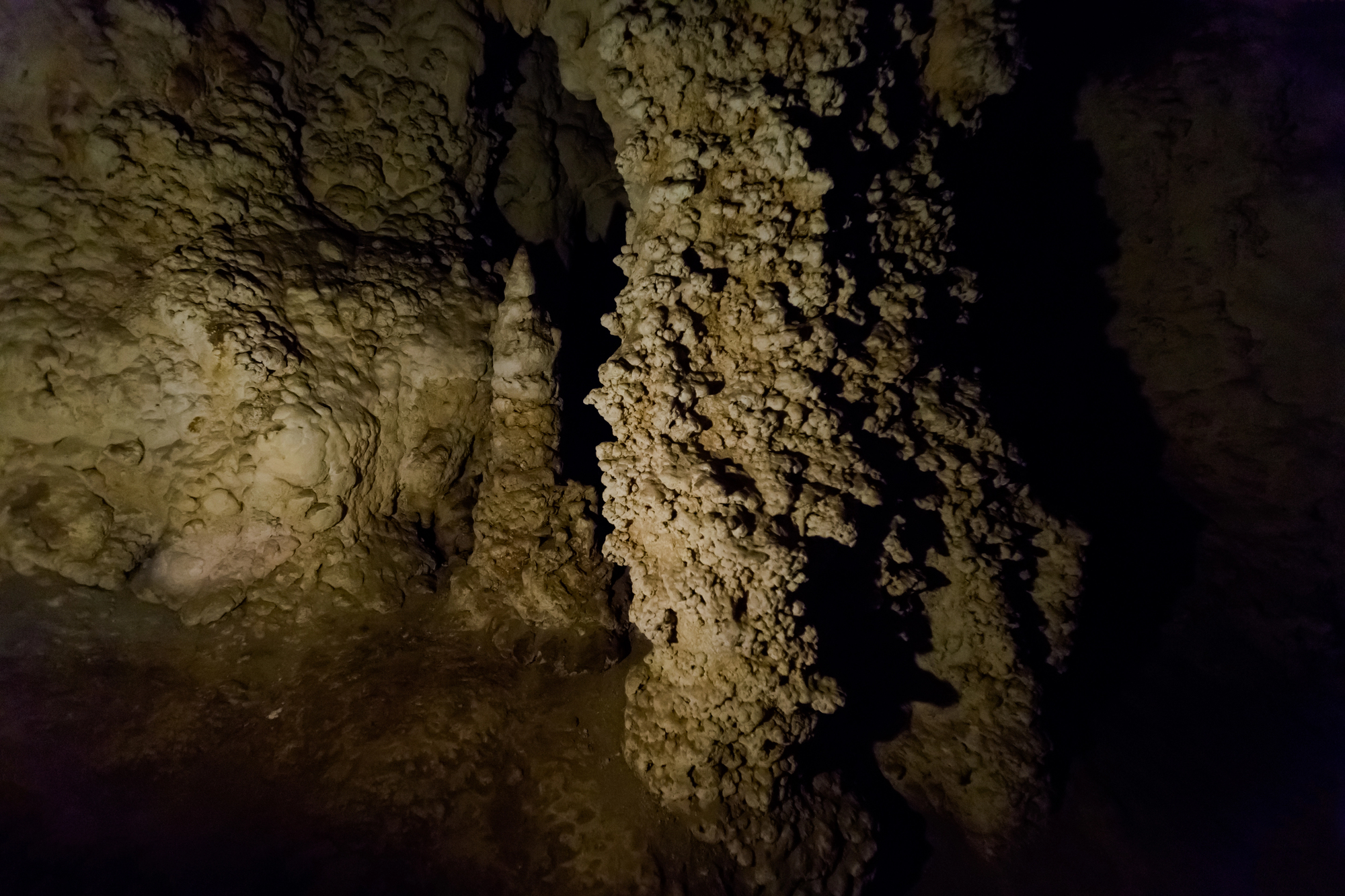
Mount Weather sits in Virginia’s Blue Ridge Mountains like any other wooded peak. Nothing about it suggests the massive complex buried beneath.
The facility spans several square miles underground. It has its own power plant, water system, and communication networks. During a crisis, it could house the entire federal government for months.
Cheyenne Mountain Complex
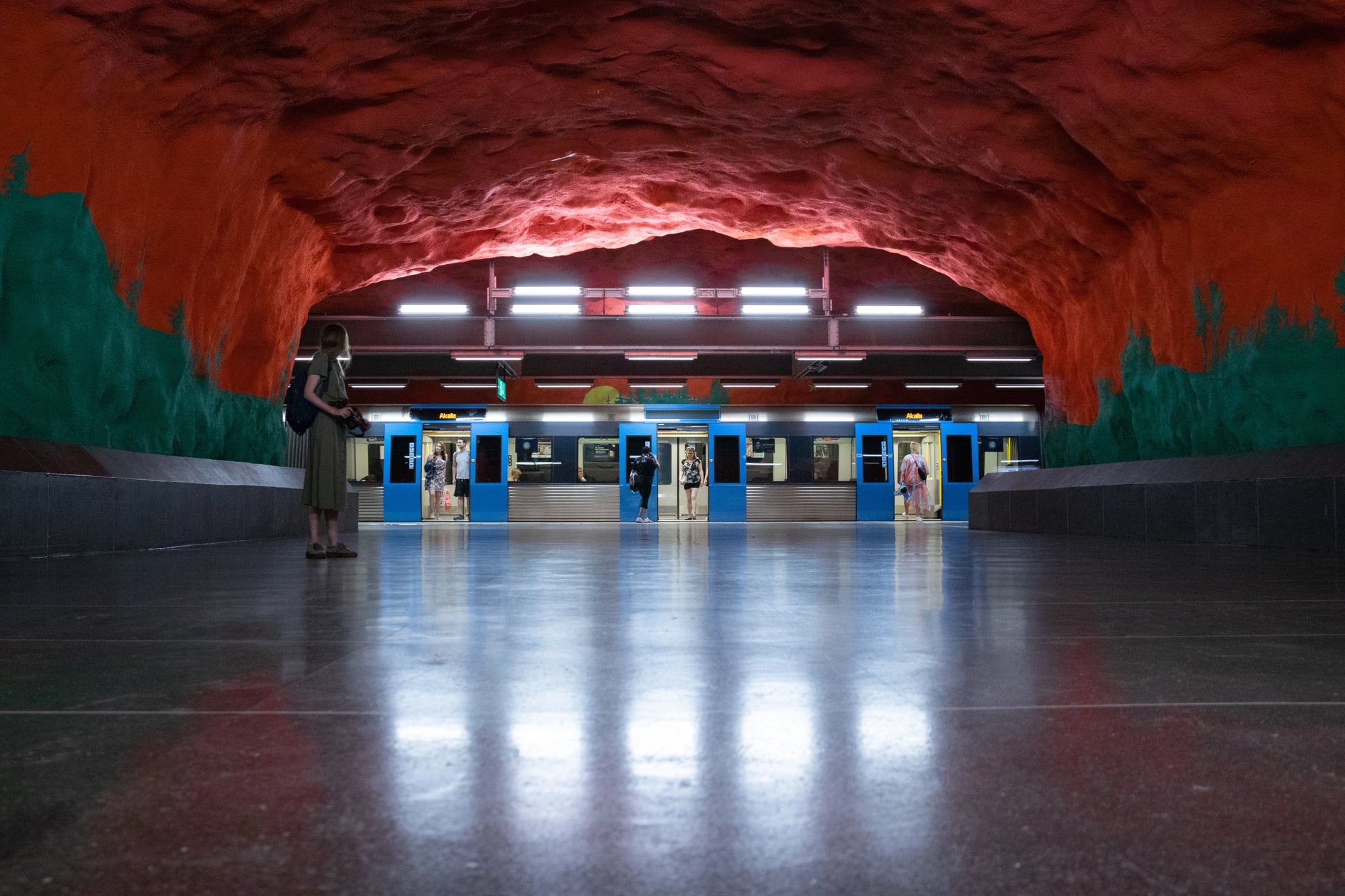
Cheyenne Mountain proved that the military understood one thing clearly: if nuclear war came, traditional bases would be useless within minutes. So they carved out a fortress inside a mountain, complete with blast doors that weigh 25 tons each and springs that suspend the entire facility to absorb shock waves.
The place runs on filtered air, recycled water, and enough stored supplies to outlast whatever hell might be unleashed above ground. And yet, for all its engineering marvel, the most striking thing about Cheyenne Mountain might be how ordinary it looks from the outside — just another unremarkable entrance cut into Colorado granite, as if someone decided the end of the world should arrive through the most boring door possible.
Raven Rock Mountain Complex
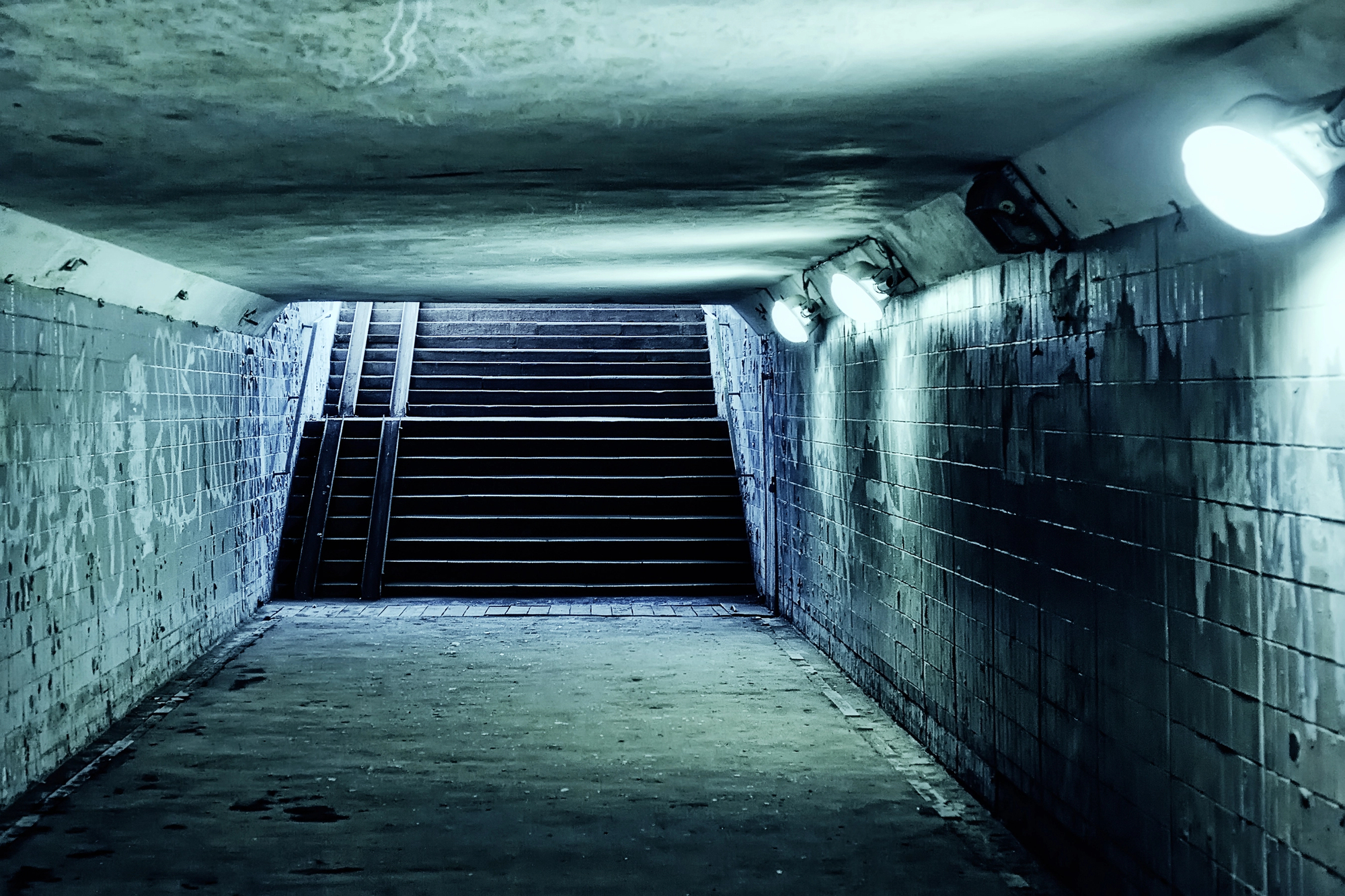
The Pentagon’s underground twin never gets the attention it deserves. Built into a Pennsylvania mountainside, Raven Rock operates as the military’s backup brain — ready to take over if Washington gets vaporized.
The complex tunnels through solid rock for acres. Multiple levels house command centers, communication hubs, and living quarters. Train tracks run directly into the mountain, allowing supplies and personnel to arrive without surface detection.
Most people drive past the mountain without knowing thousands of personnel work inside it daily.
Bunker 42
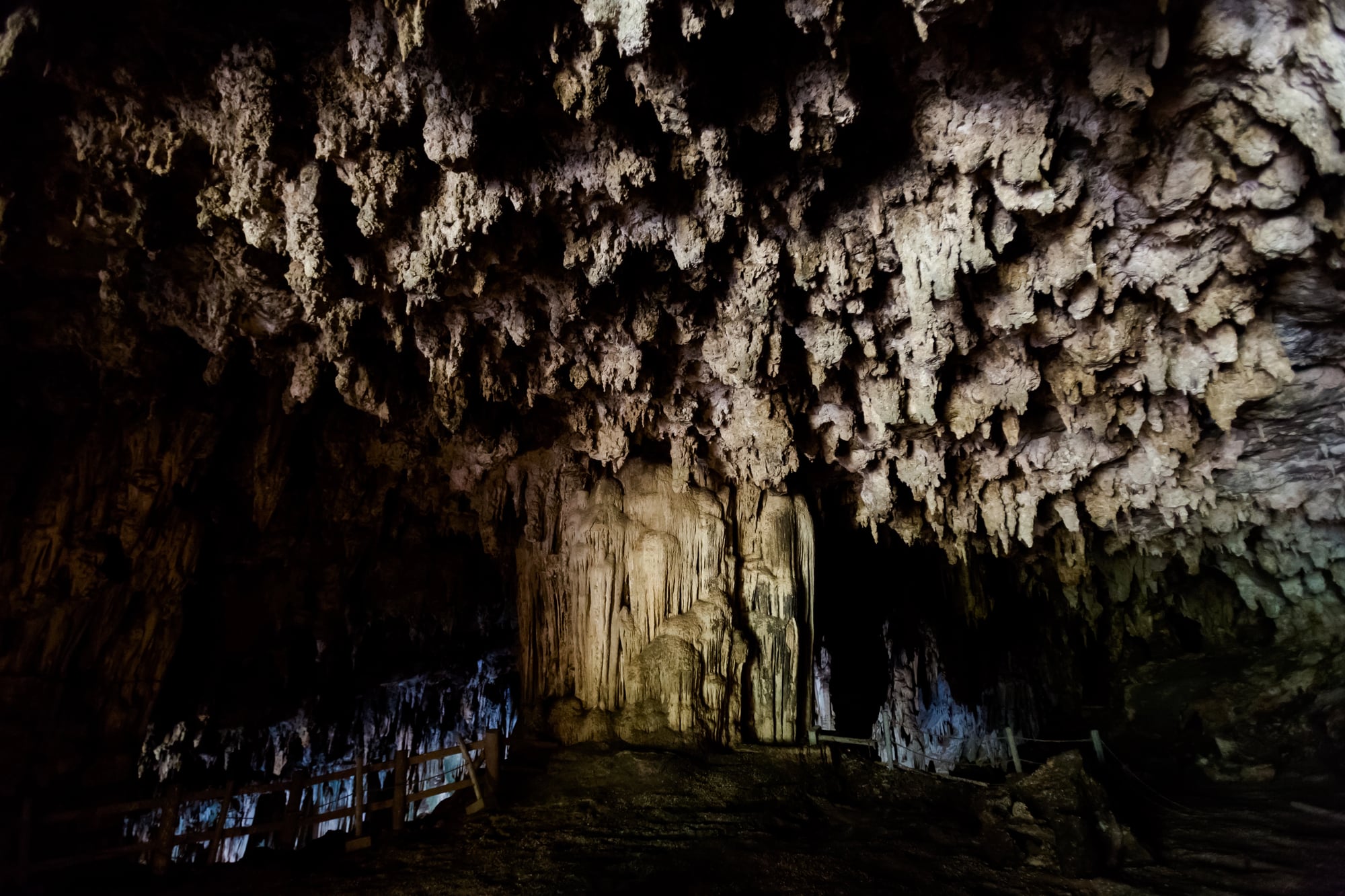
Moscow’s answer to American underground complexes sits 200 feet below the city center, deeper than most subway systems dare to go. Built during Stalin’s final years, when paranoia had crystallized into architectural form, Bunker 42 was designed to withstand a direct nuclear hit while maintaining command and control over the Soviet military machine.
The facility stretches through a maze of reinforced corridors and blast-proof chambers, each room serving a specific function in the choreography of potential nuclear war (and each one feeling like the inside of a particularly luxurious tomb, if former visitors are to be believed). But what makes Bunker 42 truly remarkable isn’t its depth or its defenses: it’s how thoroughly it was forgotten after the Cold War ended, left to gather dust until someone realized it might make an interesting museum.
Alternate Joint Communications Center
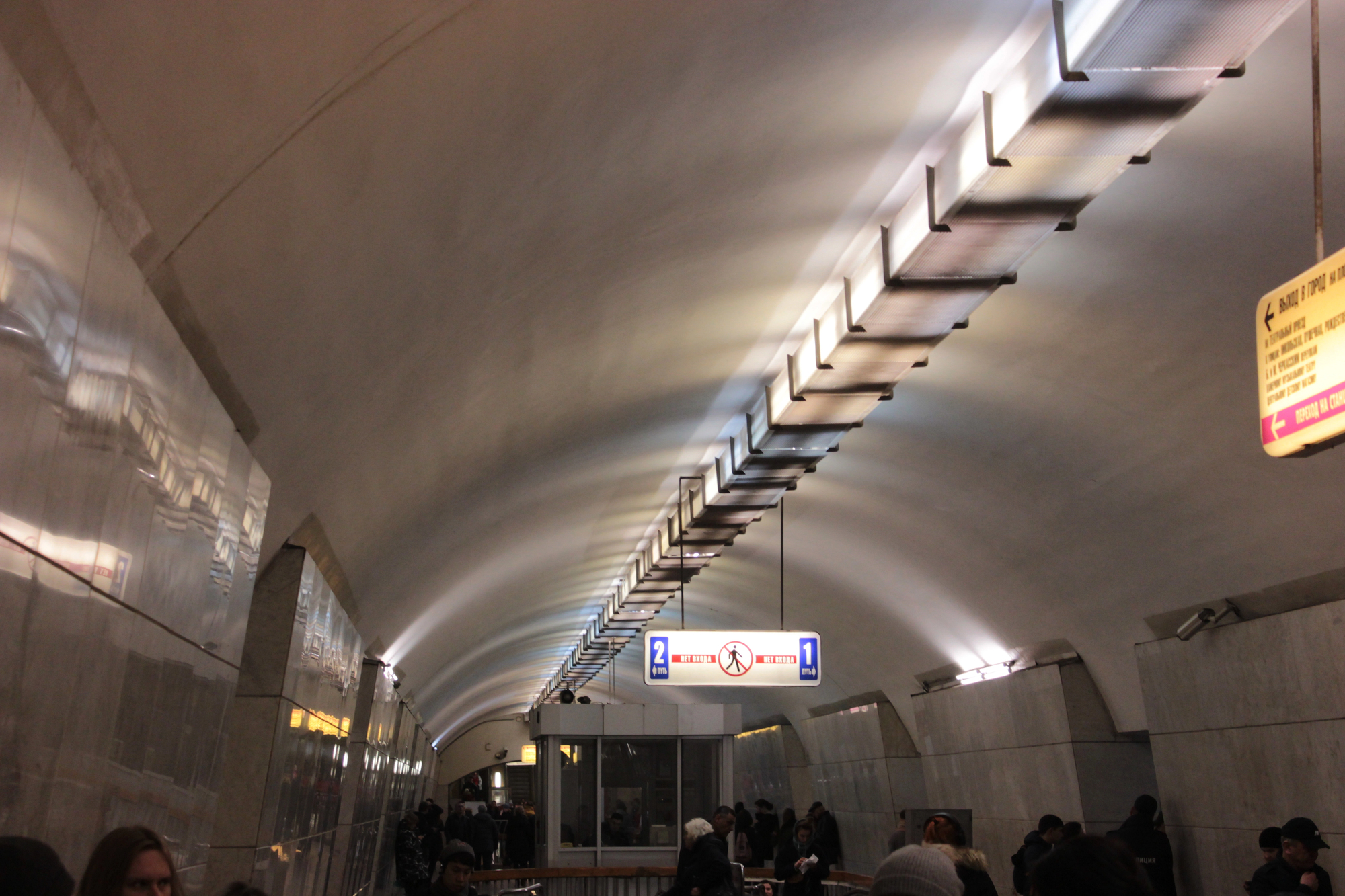
The military builds redundancy into everything important. Communications matter more than weapons when coordination determines survival.
Site R handles backup communications for the Pentagon and other critical facilities. Located in Pennsylvania, the facility maintains contact with global military assets when primary systems fail.
The center processes classified communications through hardened networks. Multiple backup systems ensure messages reach their destinations regardless of surface conditions.
Deep Underground Command Center
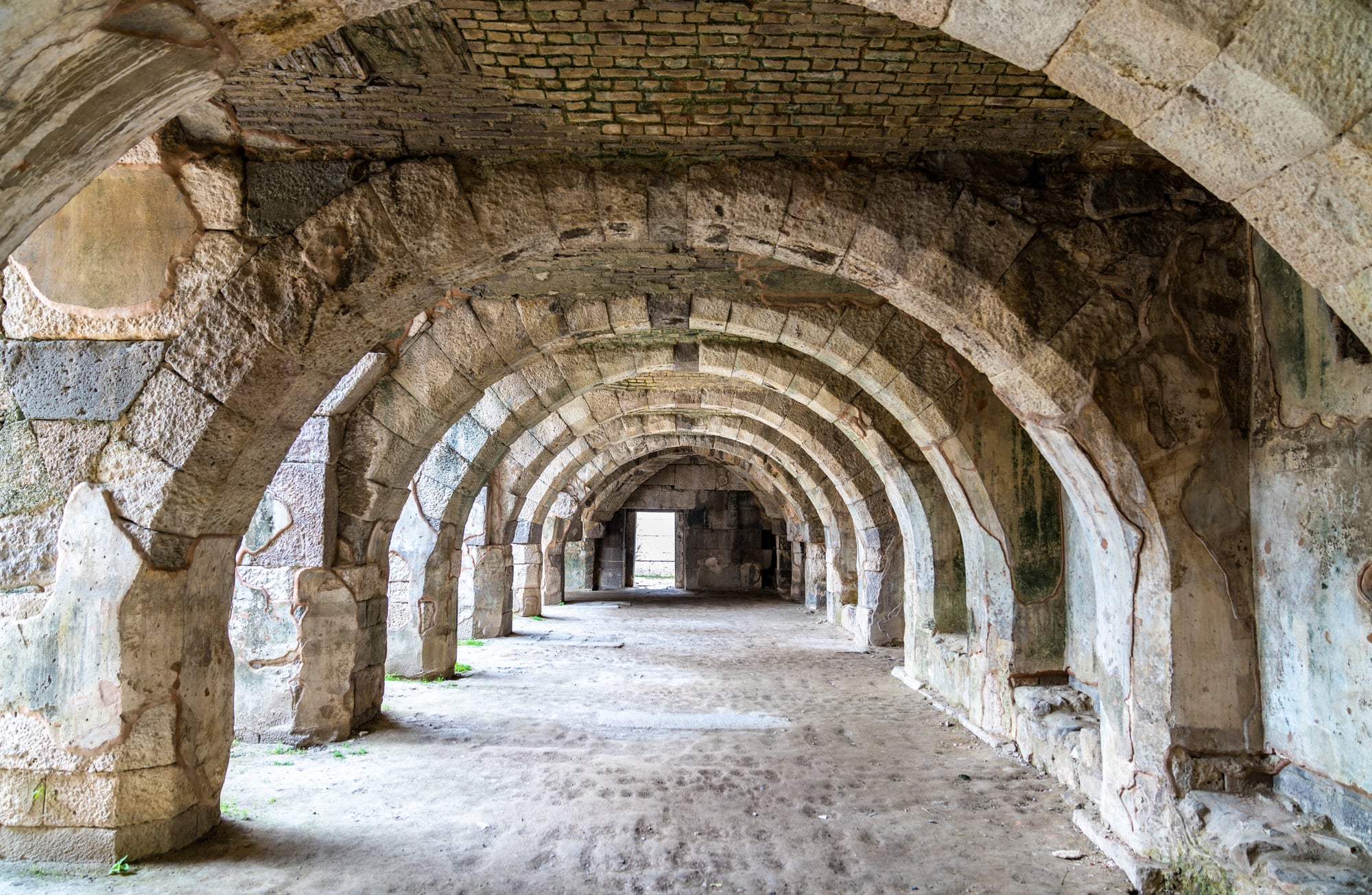
Like a recursive nightmare of bureaucratic planning, the Deep Underground Command Center exists as a backup to the backups — the place where military leadership retreats when even their hardened mountain fortresses seem inadequate. Buried beneath layers of Colorado stone and administrative secrecy, this facility represents the final tier of American command authority, complete with its own underground city capable of sustaining hundreds of people indefinitely.
The center maintains connections to nuclear forces, intelligence networks, and allied commands through communication systems that function independently of anything happening on the surface, creating a strange technological cocoon where the business of global destruction can continue undisturbed by global destruction itself.
Burlington Bunker
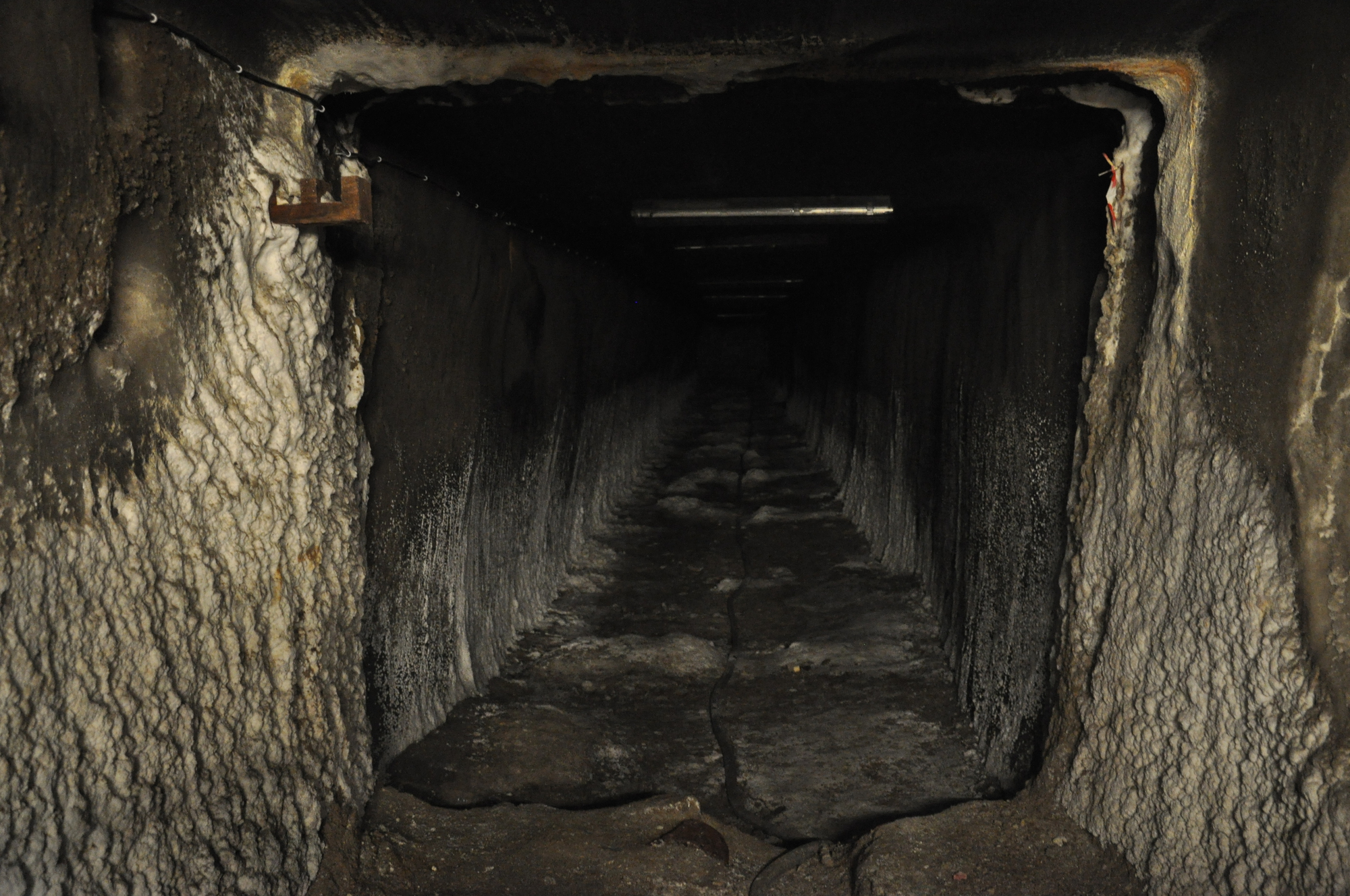
Britain’s government had a Cold War contingency plan that nobody talks about. If Soviet missiles started falling, essential personnel would disappear into a former stone quarry in Wiltshire.
The Burlington bunker could house 4,000 people underground for months. It contained government offices, communication centers, medical facilities, and even a pub. Everything needed to run a country from beneath the earth.
The facility remained operational until 1991. Most government officials never knew it existed.
Diefenbunker
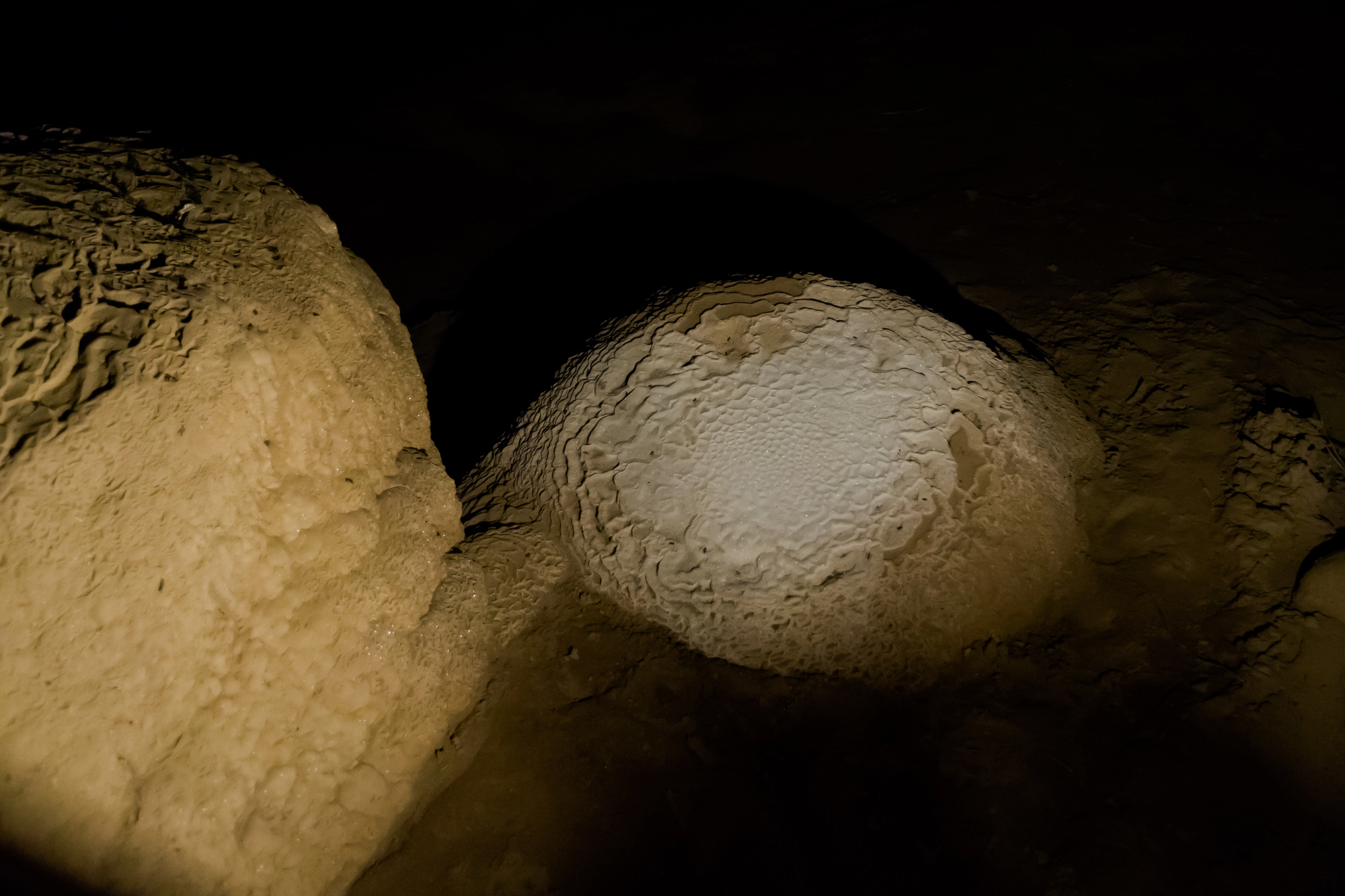
Canada took a characteristically practical approach to nuclear survival: they built a bunker that looks exactly like what you’d expect Canadians to build if they were preparing for the apocalypse. The Diefenbunker, buried beneath Ontario farmland, was designed to house the Prime Minister and essential government personnel during nuclear war, complete with a Bank of Canada vault, government offices, and living quarters that feel more like a moderately uncomfortable university dormitory than a facility designed to outlast civilization’s collapse.
The four-story underground complex even included a cafeteria that served standard government food (which, according to former personnel, was exactly as terrible as you’d expect government food to be when prepared in a nuclear bunker). And yet there’s something oddly reassuring about the whole place, as if Canada’s version of preparing for nuclear war involved making sure everyone would at least be polite and well-organized while society ended.
Soviet-Era Metro-2
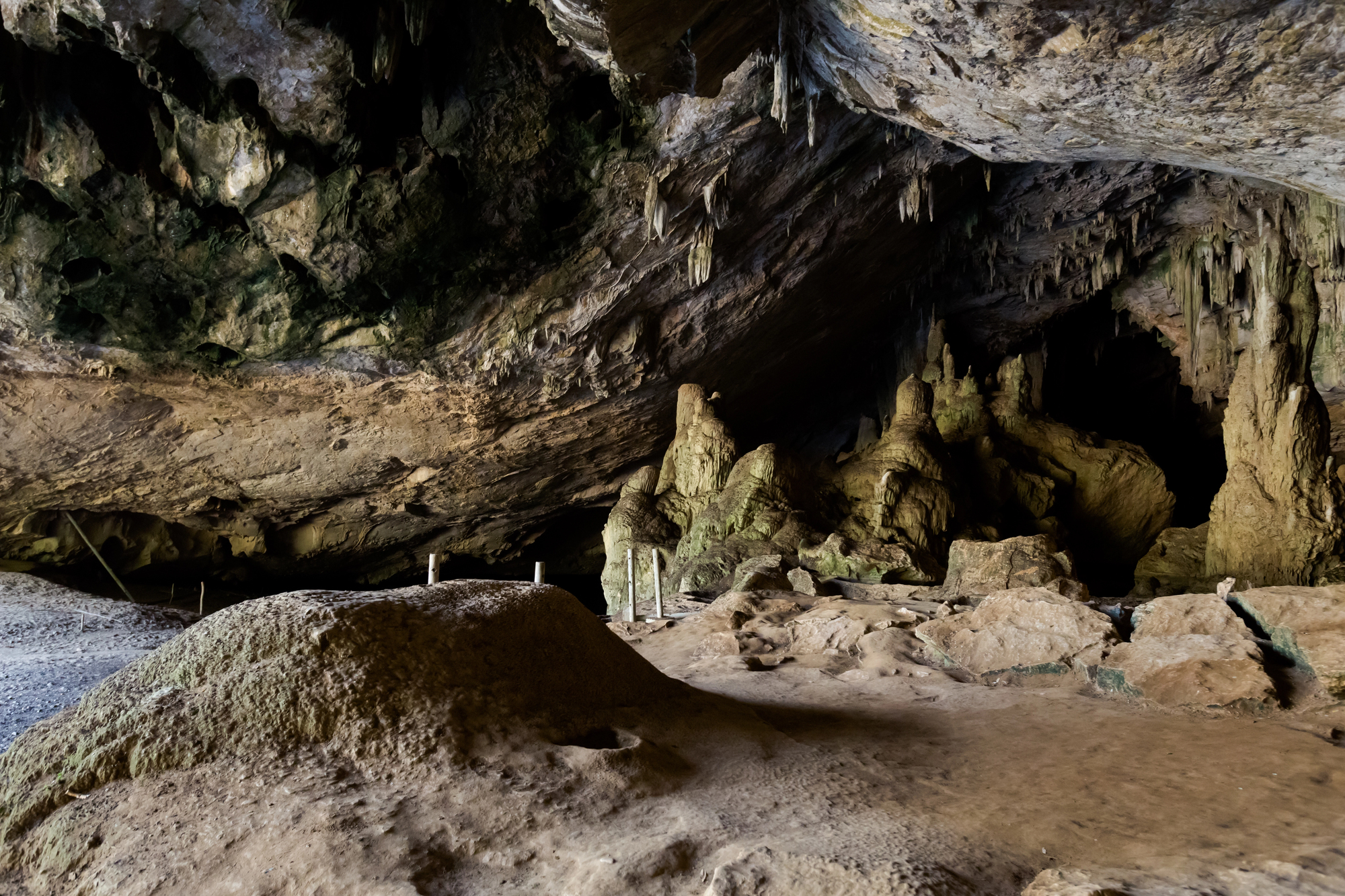
Moscow’s secret subway system makes the regular Metro look like amateur hour. Metro-2 runs deeper than civilian lines, connecting government facilities, military installations, and underground bunkers across the city.
The system supposedly includes four lines totaling over 100 miles of track. Stations serve as command centers and safe houses. Some connect directly to the Kremlin and other sensitive locations.
Russia has never officially acknowledged Metro-2 exists. Construction workers and former officials occasionally confirm details, but the full scope remains classified.
Sonnenberg Tunnel System
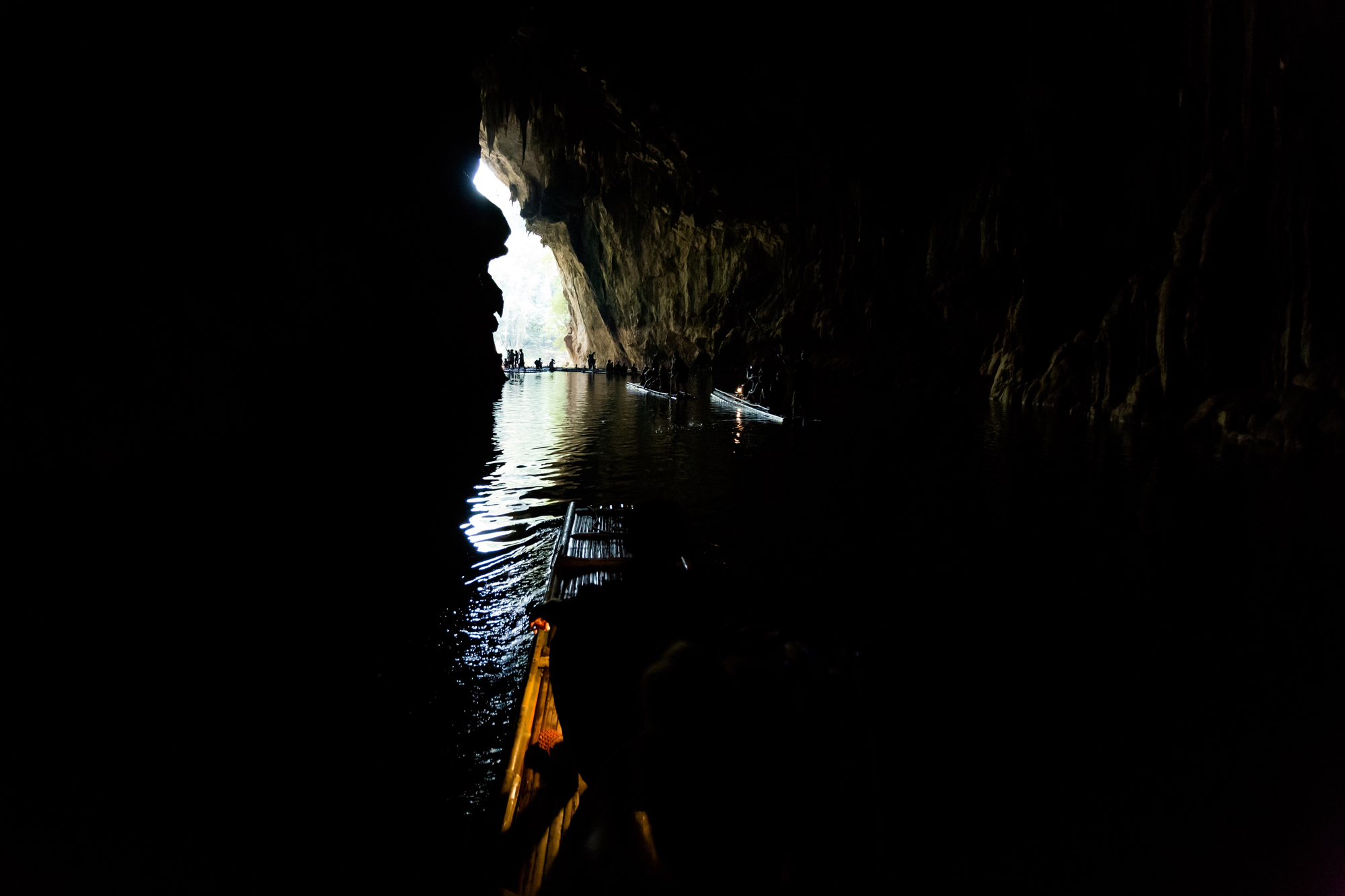
Switzerland perfected the art of hiding in plain sight, and nowhere is this more evident than in the network of tunnels and bunkers they carved beneath the Alps during the Cold War — facilities so thoroughly concealed that you could drive past them daily without suspecting that entire military installations lay hidden behind what appeared to be ordinary mountainside barns and vacation chalets. The Sonnenberg tunnel complex, built beneath a highway near Lucerne, was designed to shelter 20,000 people during nuclear war while maintaining the appearance of a perfectly normal traffic tunnel (which it also happened to be, in one of those typically Swiss feats of dual-purpose engineering that somehow manages to be both practical and slightly absurd).
But the most Swiss thing about Sonnenberg might be that it included not just sleeping quarters and command centers, but also designated areas for maintaining proper ventilation and waste management, because even during nuclear war, certain standards must be maintained.
Tirana Bunker
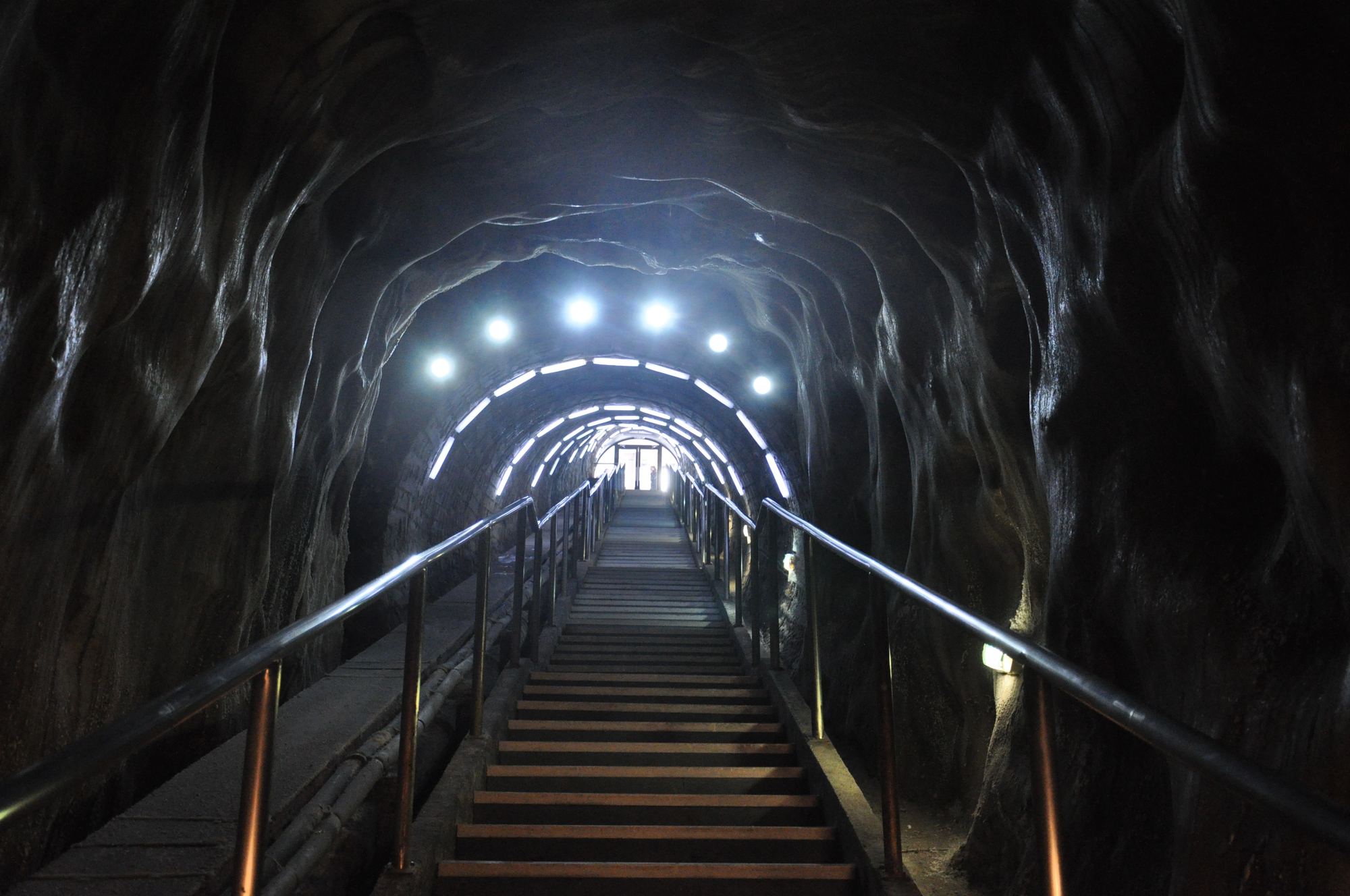
Albania’s dictator Enver Hoxha took underground construction to obsessive extremes. His personal bunker beneath Tirana represents peak Cold War paranoia converted to concrete and steel.
The facility descends multiple levels into bedrock. It includes living quarters, command centers, and communication systems designed to survive extended siege conditions.
Hoxha reportedly spent enormous portions of Albania’s budget on bunkers — over 700,000 of them scattered across the small nation. Most were tiny concrete domes. This one was built for actual survival.
Moscow’s Underground City
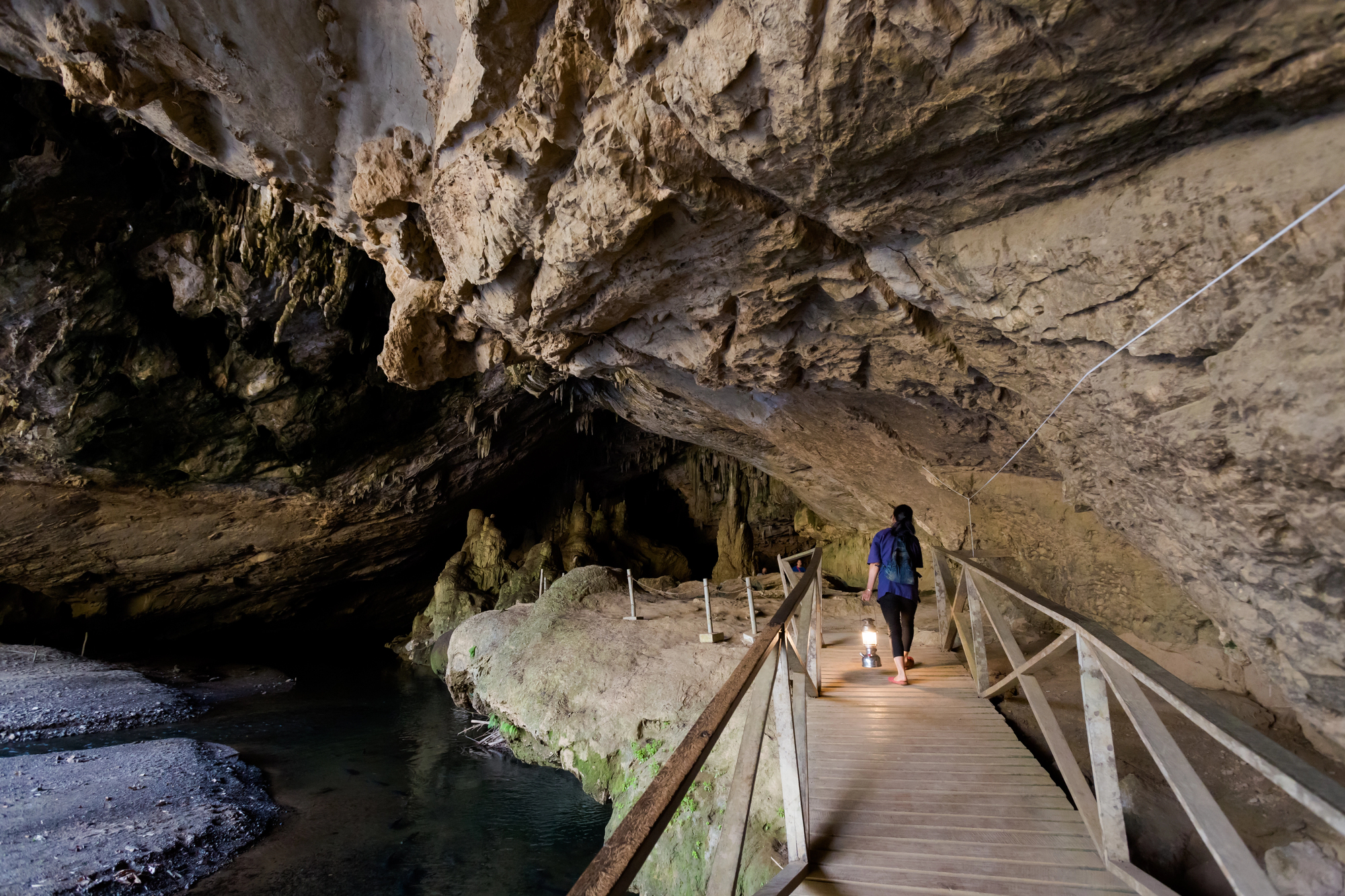
Beneath Moscow lies what amounts to a second city, built during the darkest years of the Cold War when Soviet planners decided that preparing for nuclear war meant creating an entire parallel civilization underground. The complex reportedly extends for miles beneath the capital, connecting government buildings, military facilities, and residential areas through a network of tunnels that could house thousands of essential personnel for extended periods.
These aren’t the cramped emergency shelters most nations built, but rather expansive facilities designed to maintain normal government operations while the surface world burned — complete with offices, meeting rooms, and living quarters that allegedly rival the accommodations available above ground (though admittedly, this being Soviet construction, “rivaling above-ground accommodations” might not represent the highest possible standard). And yet the most remarkable thing about Moscow’s underground city isn’t its scale or sophistication, but how completely it vanished from official acknowledgment after 1991, as if the entire project had been nothing more than an expensive collective dream.
Site 911
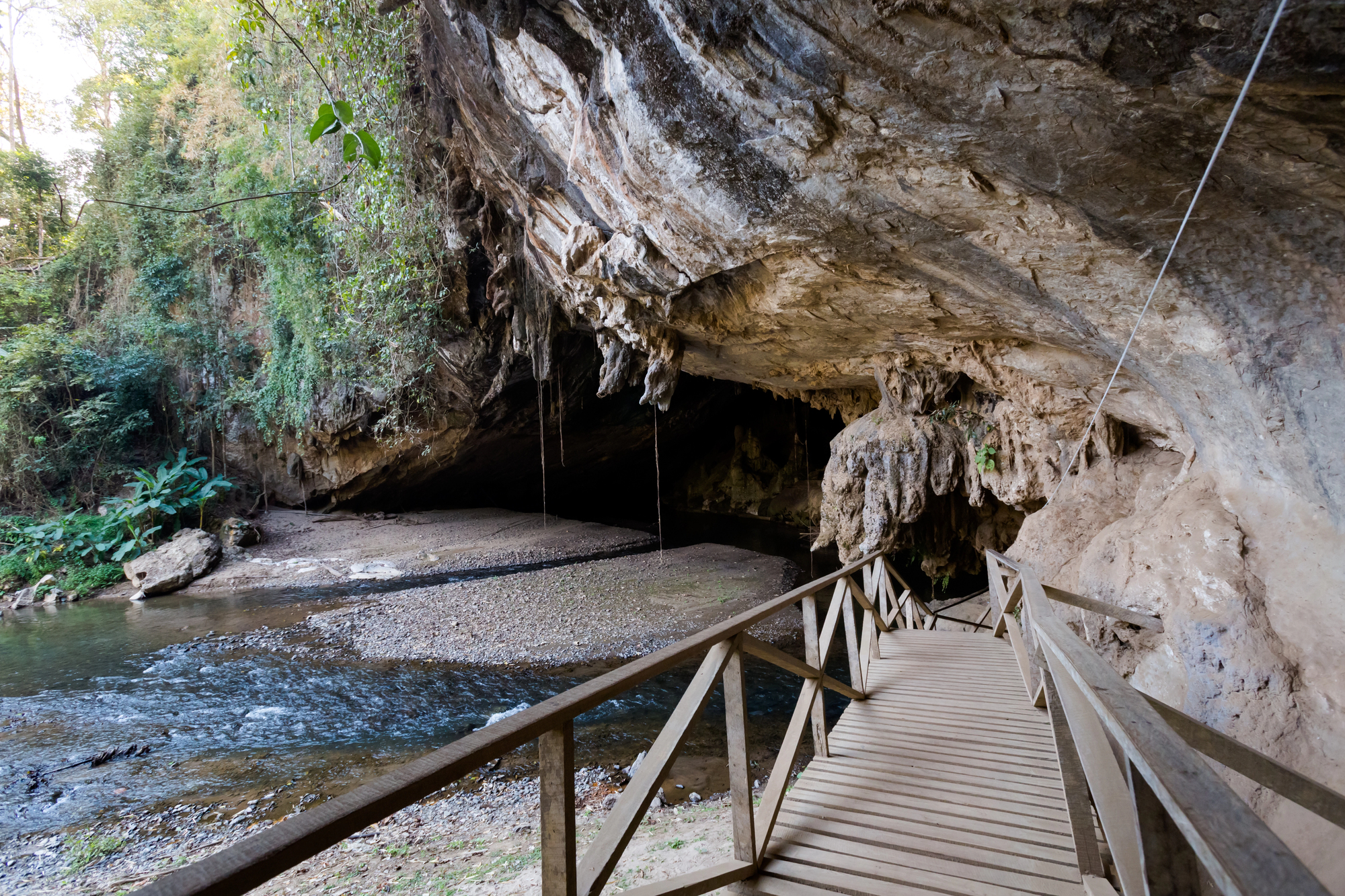
The code name tells you everything about how seriously planners took this facility. Site 911 serves as the Pentagon’s primary backup location, hidden beneath Raven Rock Mountain in Pennsylvania.
The complex handles continuity of government operations when Washington becomes unavailable. Multiple communication systems connect to military commands worldwide.
Personnel rotate in and out regularly, maintaining operational readiness. Most work there for months without seeing sunlight during duty hours.
Facility 9592
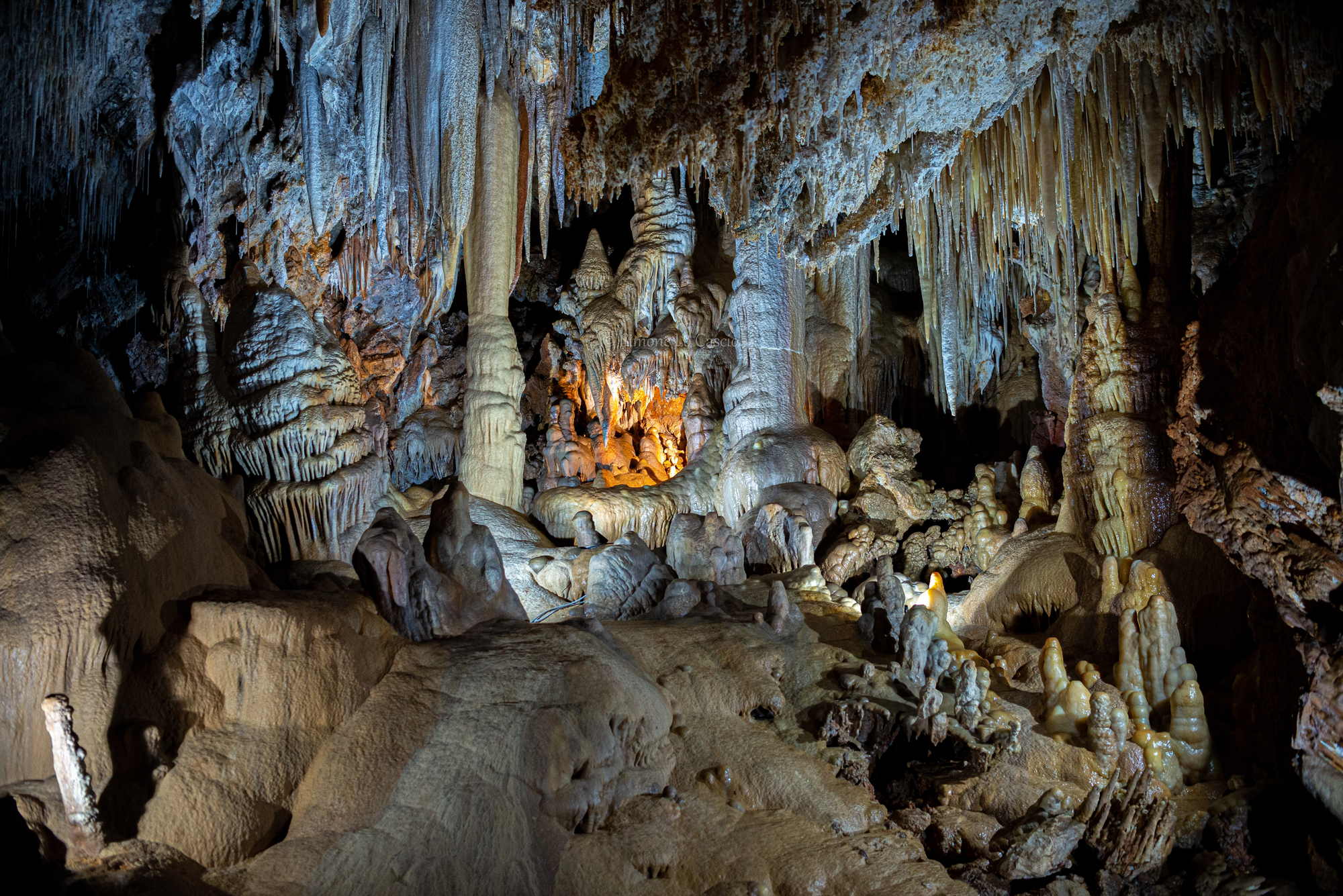
Deep beneath Kosvinsky Mountain, Russia built what Western intelligence agencies consider one of the most hardened military facilities ever constructed — a command center designed to survive direct nuclear attack and maintain control over the nation’s nuclear arsenal while everything else burned. Facility 9592 represents the ultimate expression of Cold War bunker mentality: the place where nuclear war would be managed rather than merely survived, buried so deep in Ural Mountain granite that conventional weapons couldn’t touch it and equipped with communication systems capable of reaching every nuclear submarine and missile silo in the Russian arsenal.
The facility reportedly includes living quarters for hundreds of personnel, command centers with direct links to nuclear forces, and backup systems for the backup systems, creating layers of redundancy that ensure Russia’s nuclear capabilities would remain functional regardless of what happened to Moscow or any other target (which is either reassuring or terrifying, depending on your perspective). But what makes Facility 9592 truly remarkable isn’t its defensive capabilities — it’s how little Western intelligence knows about its actual operations, despite decades of trying to penetrate its secrets.
Hack Green Secret Nuclear Bunker
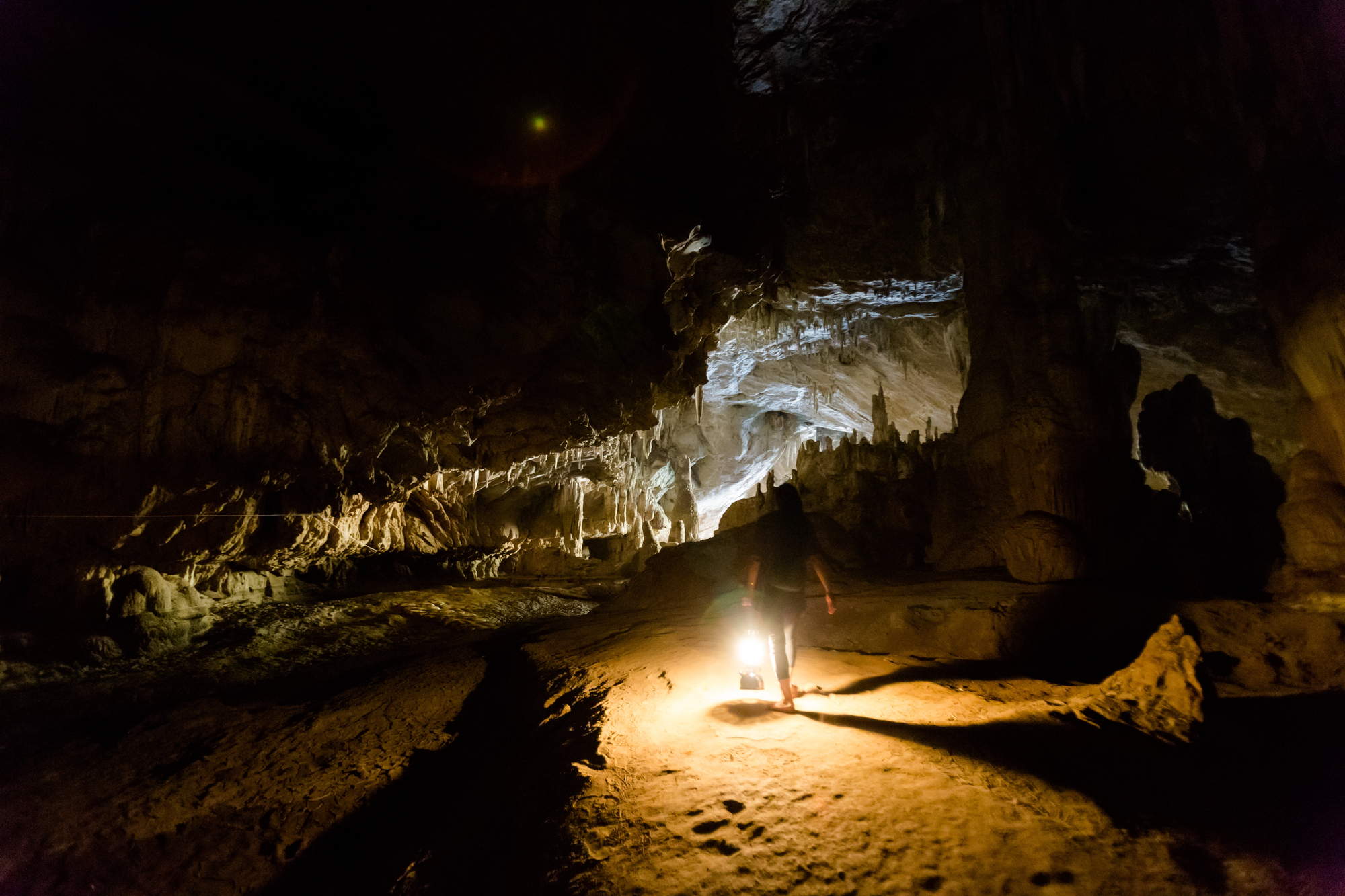
Britain’s regional government bunkers never achieved the fame of their American counterparts, but they were just as serious about survival. Hack Green was designed to coordinate recovery operations after nuclear attack.
The facility could house over 100 personnel for extended periods. It contained communication equipment, government offices, and everything needed to maintain civil authority during reconstruction.
Maps throughout the bunker showed projected radiation patterns and casualty estimates. The clinical approach to mass death planning feels particularly British — thorough, organized, and quietly horrifying.
Iron Mountain
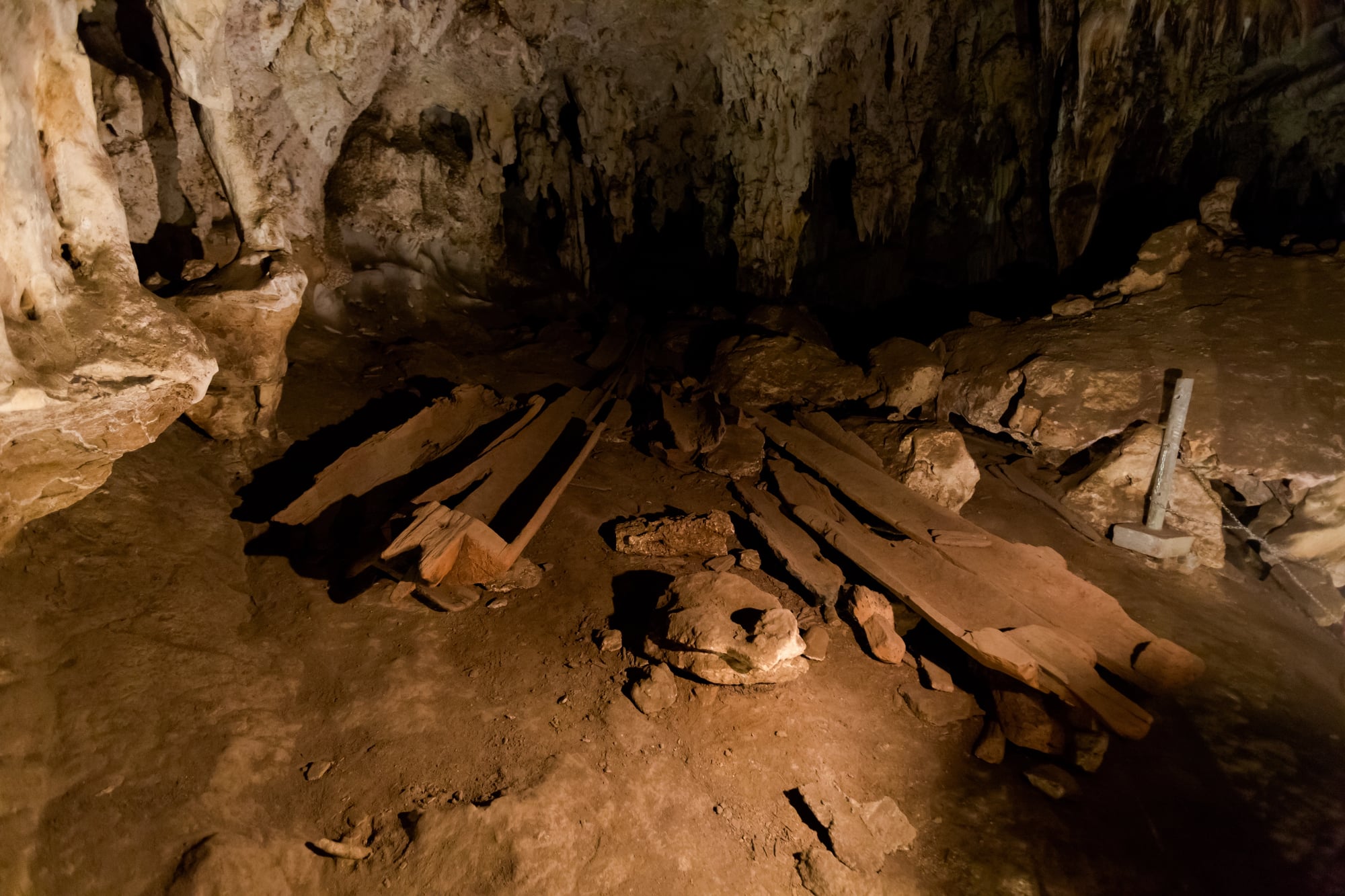
Sometimes the most important secrets hide behind the most mundane names. Iron Mountain, carved into a former limestone mine in Pennsylvania, serves as America’s backup memory — the place where government documents, corporate records, and cultural artifacts wait out whatever disasters the surface world might endure.
The facility maintains perfect climate control and security systems that would impress any military installation, protecting everything from patent records to backup copies of films and television shows that represent decades of American culture. And yet Iron Mountain’s most remarkable feature might be its ordinariness: there’s something both comforting and unsettling about the fact that civilization’s most important documents are stored in what amounts to a very sophisticated cave, watched over by security guards who probably never think about how they’re essentially the librarians of the apocalypse.
Where Secrets Sleep
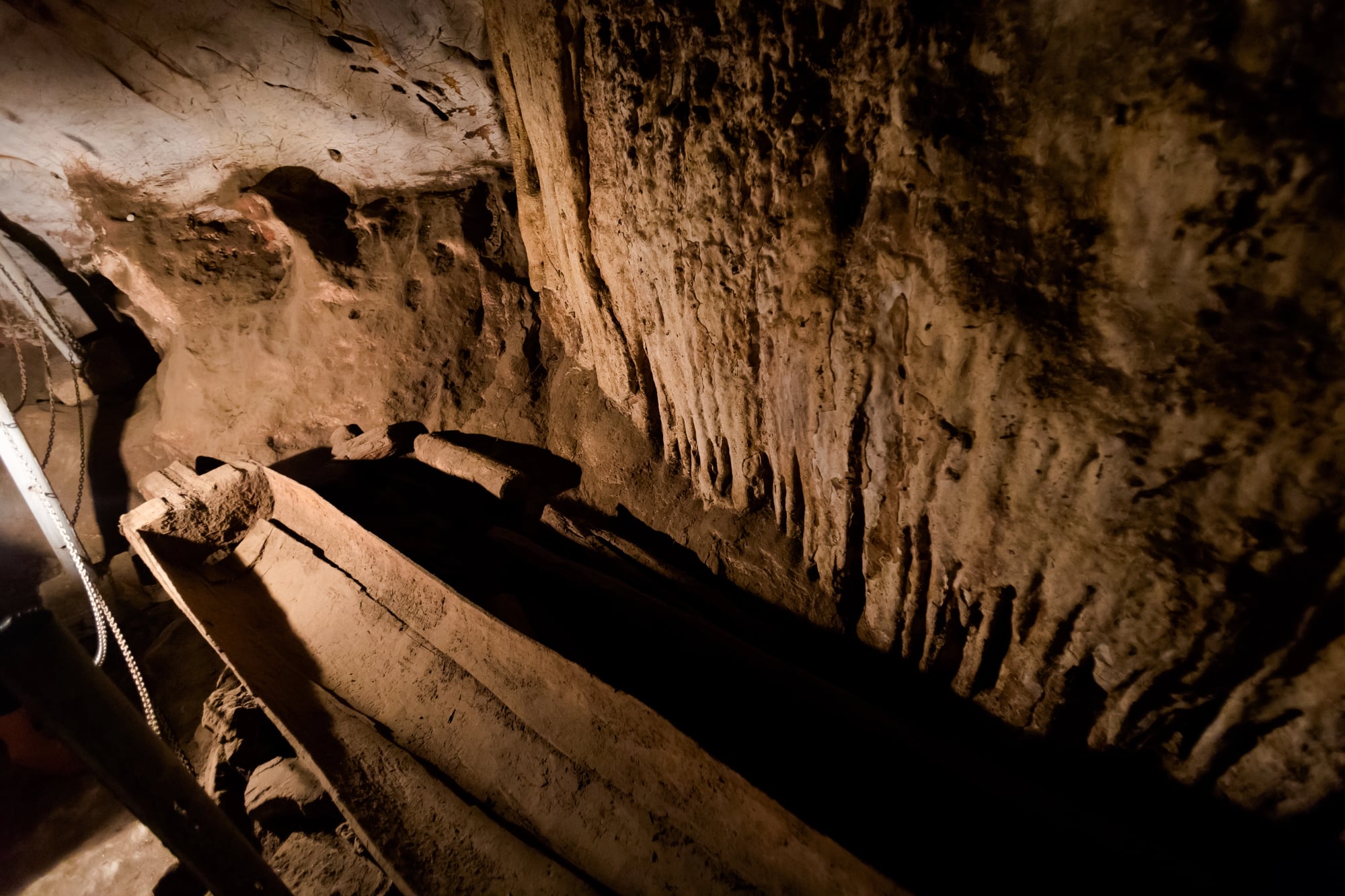
These underground cities remind us that the Cold War was fought in dimensions most people never considered. While diplomats negotiated above ground, engineers were preparing for the possibility that negotiation might fail completely.
Some of these facilities remain operational today, their purposes shifted but their capabilities intact. Others gather dust, monuments to a particular kind of fear that defined an entire era. And a few continue their original missions, waiting beneath our feet for crises we hope will never come.
More from Go2Tutors!

- The Romanov Crown Jewels and Their Tragic Fate
- 13 Historical Mysteries That Science Still Can’t Solve
- Famous Hoaxes That Fooled the World for Years
- 15 Child Stars with Tragic Adult Lives
- 16 Famous Jewelry Pieces in History
Like Go2Tutors’s content? Follow us on MSN.