Photos Of Forgotten Apple Products Worth A Lot
Apple’s history runs deeper than most people realize. Beyond the iPhone success story and sleek MacBook designs lies a graveyard of discontinued products that seemed insignificant at the time but now command serious money from collectors.
Some of these forgotten devices failed spectacularly in the market, while others simply got overshadowed by shinier releases. What they share now is scarcity — and the kind of value that makes you wonder if there’s an old Apple product gathering dust in your closet.
Apple Lisa
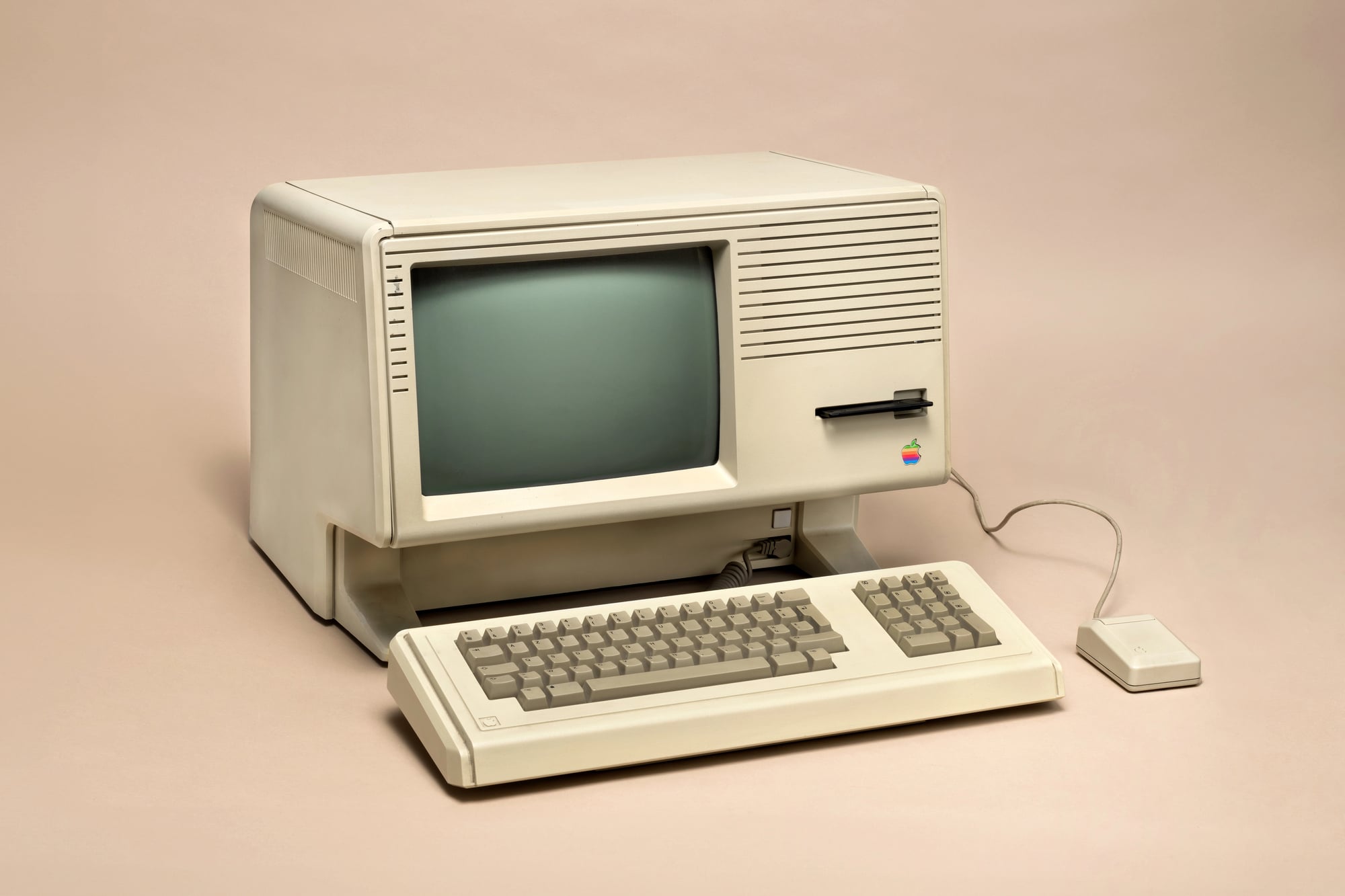
The Lisa launched in 1983 with a $10,000 price tag that killed its commercial prospects immediately. Apple’s first computer with a graphical user interface never found its audience, selling fewer than 100,000 units before getting discontinued.
But that commercial failure created today’s goldmine. Original Lisa computers in working condition sell for $20,000 to $50,000 at auction.
The irony cuts deep: a computer that failed because it cost too much now costs five times more.
Apple Newton MessagePad
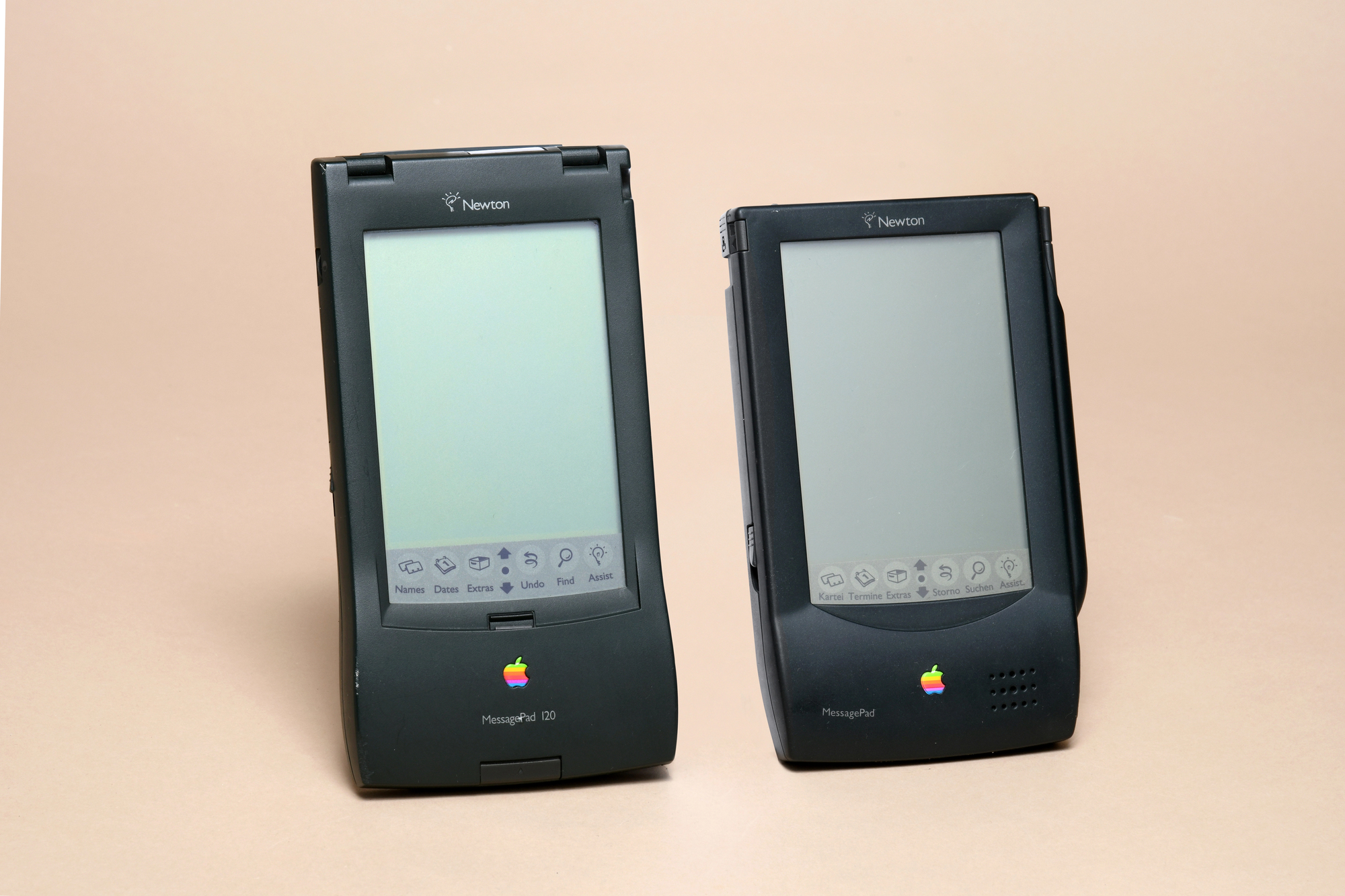
Here’s the thing about the Newton (and this might sound contradictory given how ruthlessly Steve Jobs killed it when he returned to Apple in 1997, but stay with this): it was genuinely ahead of its time, predicting the tablet revolution by more than a decade, though the handwriting recognition was so notoriously bad that it became a punchline on The Simpsons.
The device that everyone mocked for not understanding what you wrote — particularly if you had messy handwriting, which was most people — has become a collector’s obsession.
And yet the prices keep climbing.
So the Newton that couldn’t read your grocery list now commands $1,000 to $3,000 depending on the model.
But the 2100 model, the final and most refined version?
That one hits $5,000 regularly.
Twentieth Anniversary Macintosh
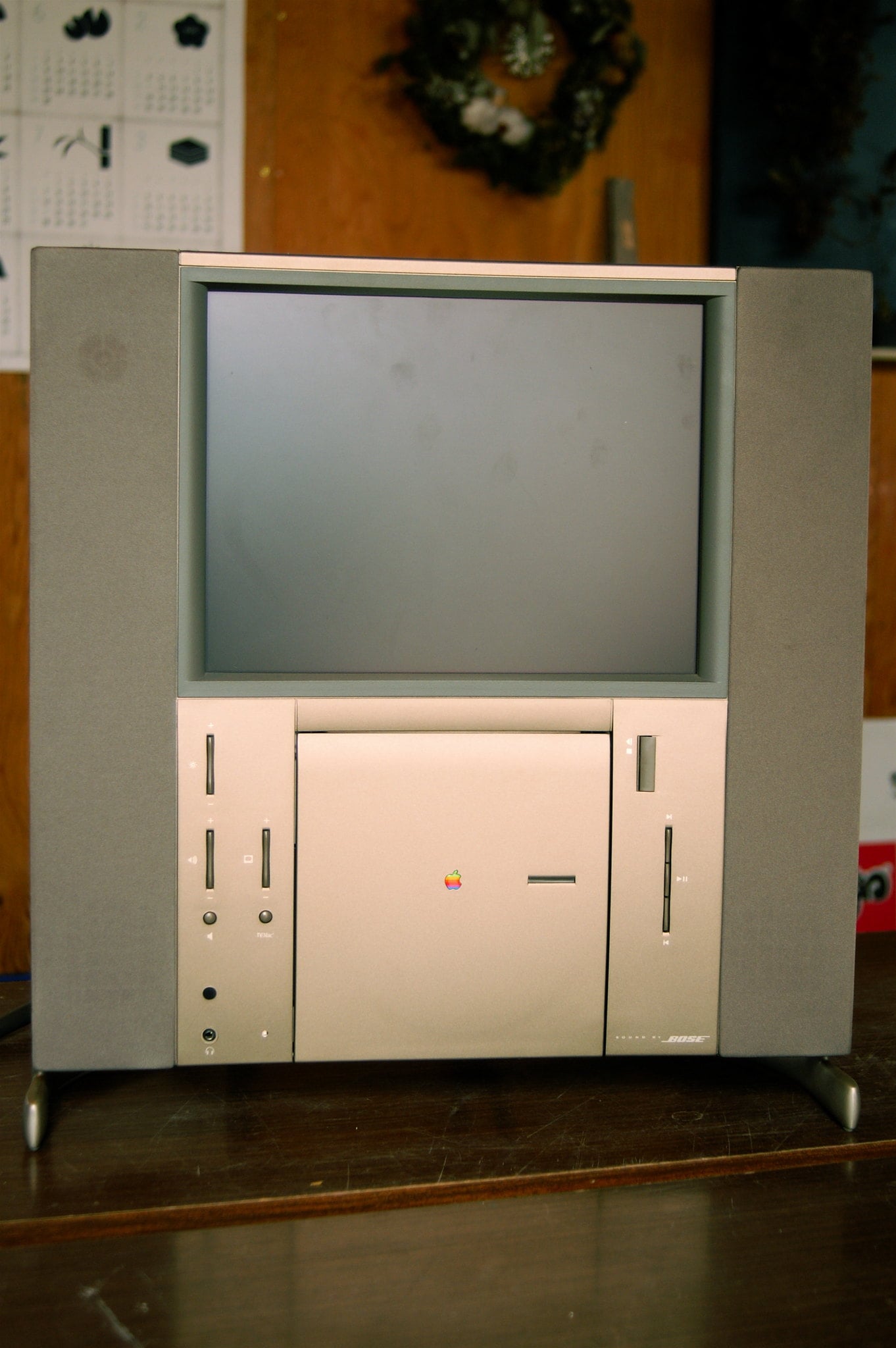
Some products feel like love letters written in expensive materials, and the TAM was Apple’s attempt to write one to itself in 1997. Limited to 12,000 units worldwide, this all-in-one computer arrived with a $7,499 price tag and its own white-glove delivery service — a Bose sound system built in, a custom carrying case, and the kind of attention to detail that made it feel less like a computer and more like a sculpture that happened to run software.
The timing was brutal. Apple was nearly bankrupt, and spending almost eight thousand dollars on a computer seemed absurd.
Most people who wanted one couldn’t afford it, and most people who could afford it didn’t understand why they’d want it.
Apple Pippin
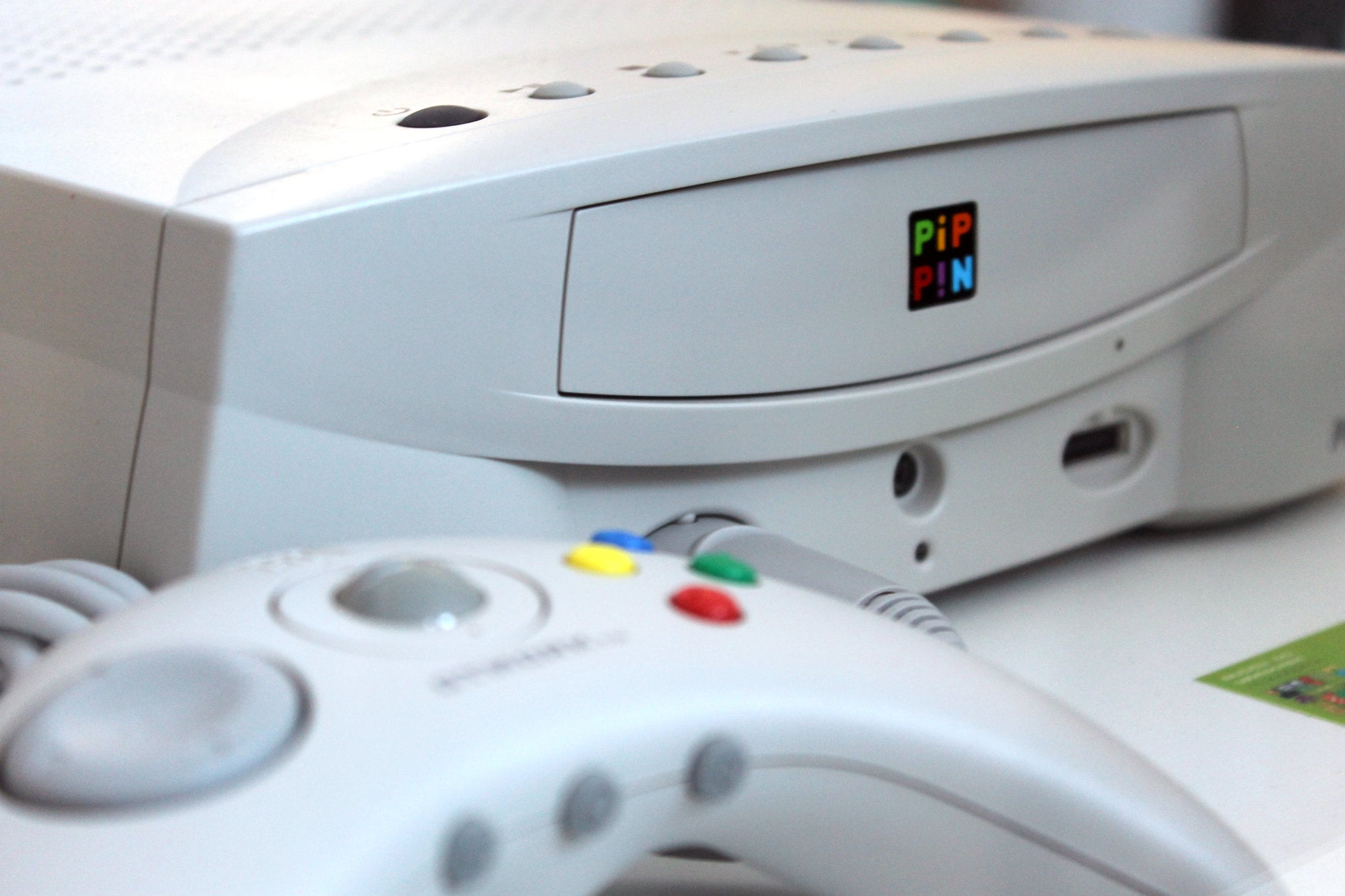
Pippin represents Apple’s forgotten attempt to crack the gaming console market in 1996. Built in partnership with Bandai, it was supposed to compete with PlayStation and Nintendo 64.
Instead, it sold around 42,000 units worldwide and disappeared within two years.
The gaming market rejected Pippin completely. Too expensive for casual gamers, too limited for serious ones.
Apple learned its lesson and stayed out of the console business permanently.
Working Pippin consoles now sell for $2,000 to $4,000.
The console that couldn’t find 50,000 buyers in its lifetime now has collectors fighting over the few that remain.
Apple IIc Plus
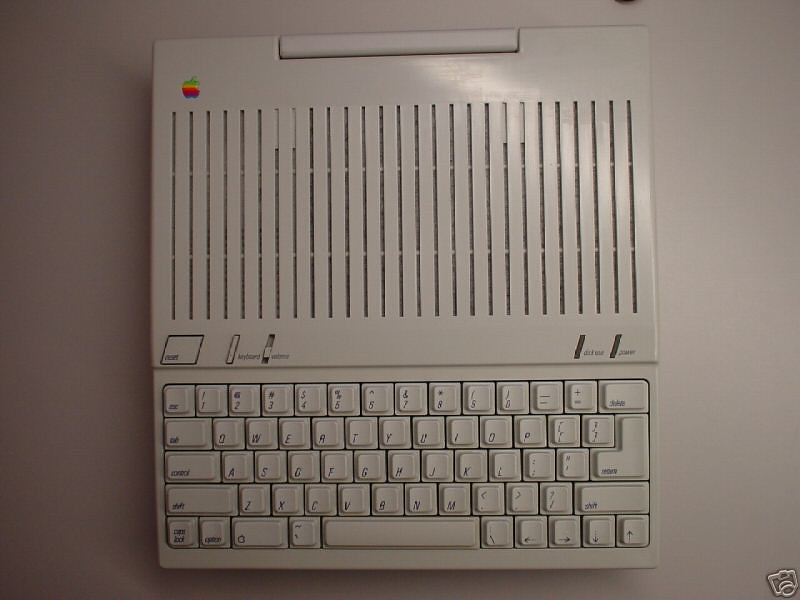
There’s something stubborn about the IIc Plus that feels almost endearing now — it arrived in 1988 when the Macintosh had already been around for four years, when everyone knew the future belonged to graphical interfaces and mouse-driven computing, yet here was Apple releasing what was essentially a faster version of a computer design from 1977.
It was the last gasp of the Apple II line, the final bow for a platform that had built the company but was clearly running out of road.
The market barely noticed its arrival. By 1988, if you wanted an Apple computer, you bought a Mac.
The IIc Plus felt like Apple clearing out old inventory rather than pushing forward.
Power Mac G4 Cube
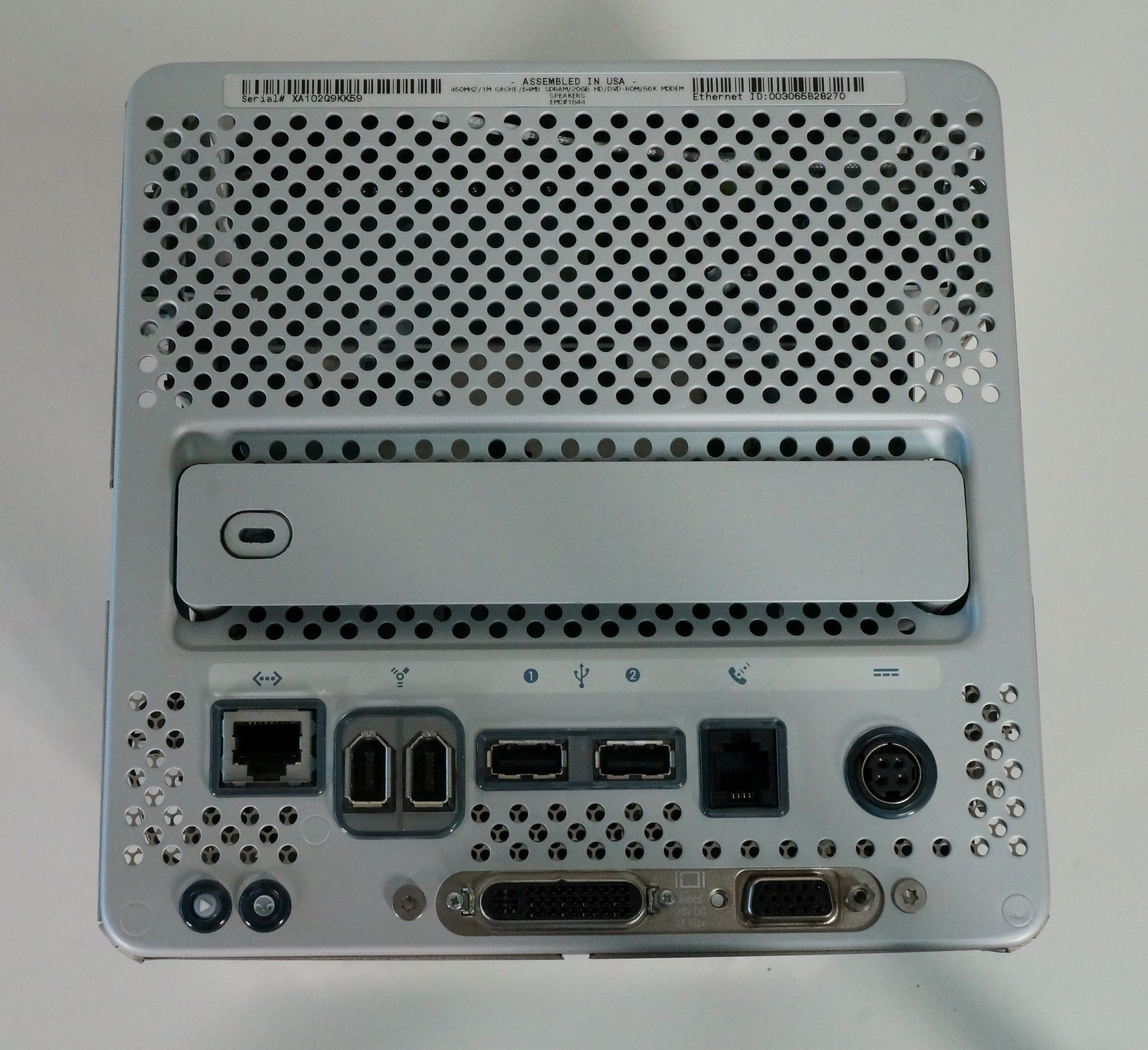
The G4 Cube looked like it had been designed by aliens who understood both aesthetics and computing but had never actually used a computer themselves.
No fan, no noise, just a perfect eight-inch cube of computing power suspended in clear acrylic.
It was either the most beautiful computer ever made or the most impractical, depending on your tolerance for form over function.
Apple positioned it as a premium desktop for creative professionals who wanted power without the tower.
The problem was the price — $1,799 for the base model in 2000, which put it in an awkward middle ground between the cheaper iMac and the more powerful Power Mac G4 tower.
The Cube lasted exactly one year before Apple quietly discontinued it.
Steve Jobs called it “ahead of its time,” which was his polite way of saying it didn’t sell.
eMate 300
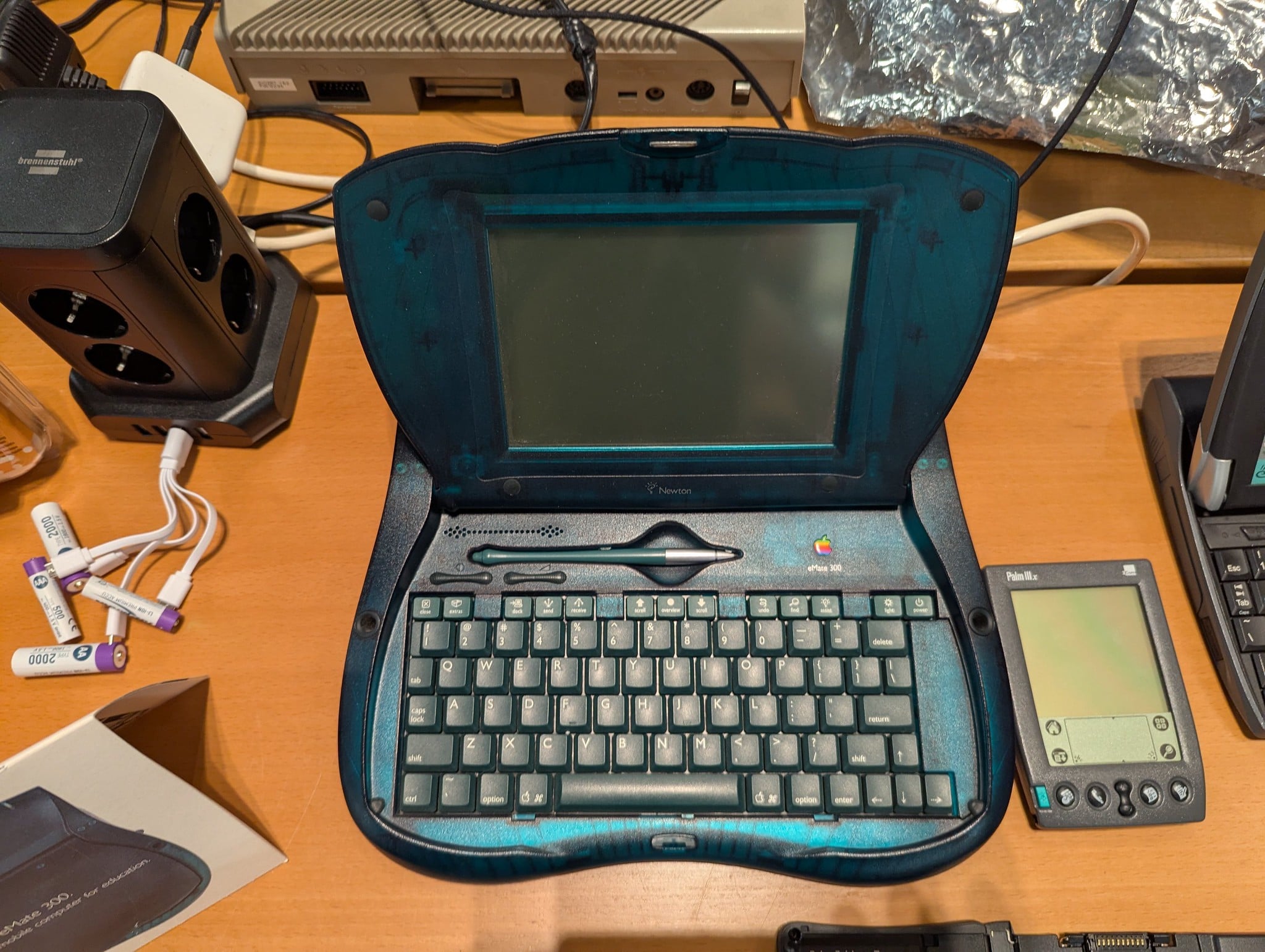
Picture a laptop designed specifically for elementary school students in 1997, built like a Fisher-Price toy but running the same Newton OS that powered Apple’s high-end PDAs.
The eMate 300 was translucent green plastic with a handle on the back, a keyboard sized for small hands, and a durability that suggested Apple expected it to be dropped, thrown, and generally abused by its young users.
The concept made perfect sense — an affordable, kid-friendly laptop for schools.
But the execution lived in that awkward space between toy and tool, too expensive for parents to buy casually but too limited for serious educational use.
Schools that did buy them often found the Newton-based software frustrating, and the handwriting recognition that plagued all Newton devices didn’t get any better just because kids were using it.
Apple QuickTake Camera
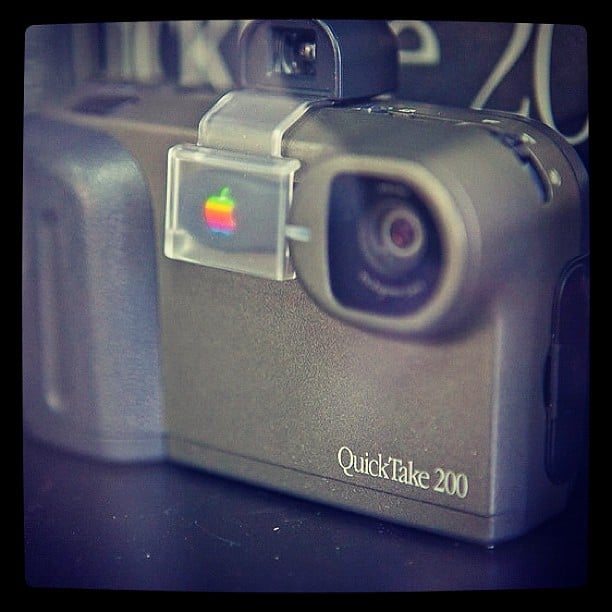
QuickTake cameras arrived in 1994 when digital photography meant terrible image quality and complicated computer connections.
Apple’s entry took grainy photos, stored maybe 30 shots, and required special software to transfer images to your Mac.
Professional photographers ignored it, and casual users couldn’t justify the cost for such limited functionality.
The camera market moved fast, and Apple couldn’t keep up.
Canon and other established camera companies offered better features for less money.
Apple discontinued the QuickTake line after just three models.
Collectors now pay $500 to $1,500 for working QuickTake cameras.
The irony stings — a camera that failed because it couldn’t compete on image quality now sells purely on nostalgia and rarity.
Apple Bandai Pippin Atmark
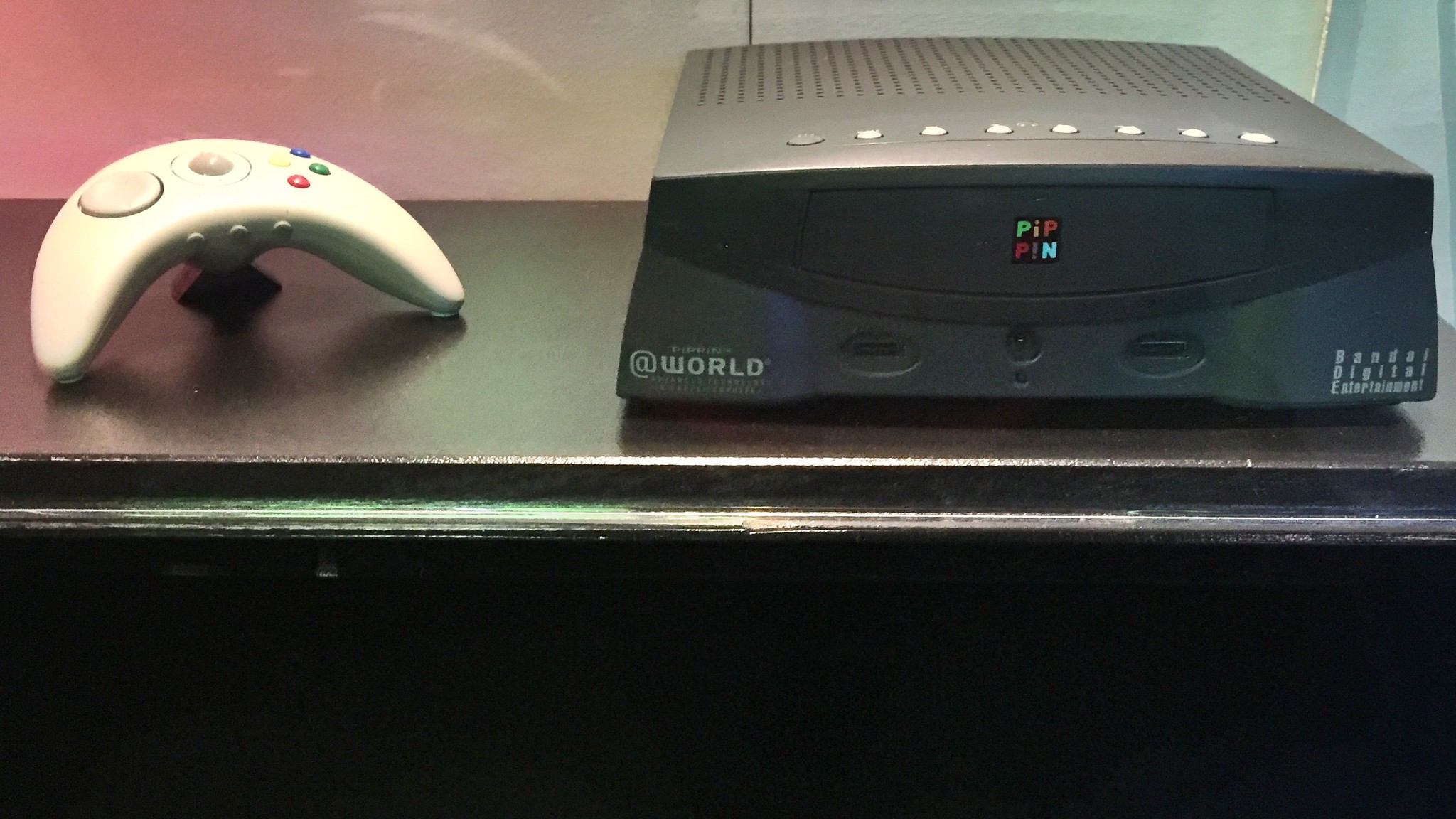
The Atmark was the Japanese version of the Pippin console, and somehow it performed even worse than its American counterpart.
Bandai marketed it as a “multimedia player” rather than a gaming console, which confused potential buyers even more.
The game library was tiny, the internet features were primitive, and the price was astronomical.
Japan’s gaming market was brutal in 1996.
Nintendo and Sega dominated, PlayStation was gaining ground, and consumers had no patience for underpowered newcomers with unclear purposes.
The Atmark sold roughly 12,000 units before Bandai gave up.
Those 12,000 units created today’s scarcity.
Japanese Atmark consoles sell for $3,000 to $5,000, reflecting their rarity among collectors despite being significantly less valuable than most automobiles from 1996.
Macintosh Portable
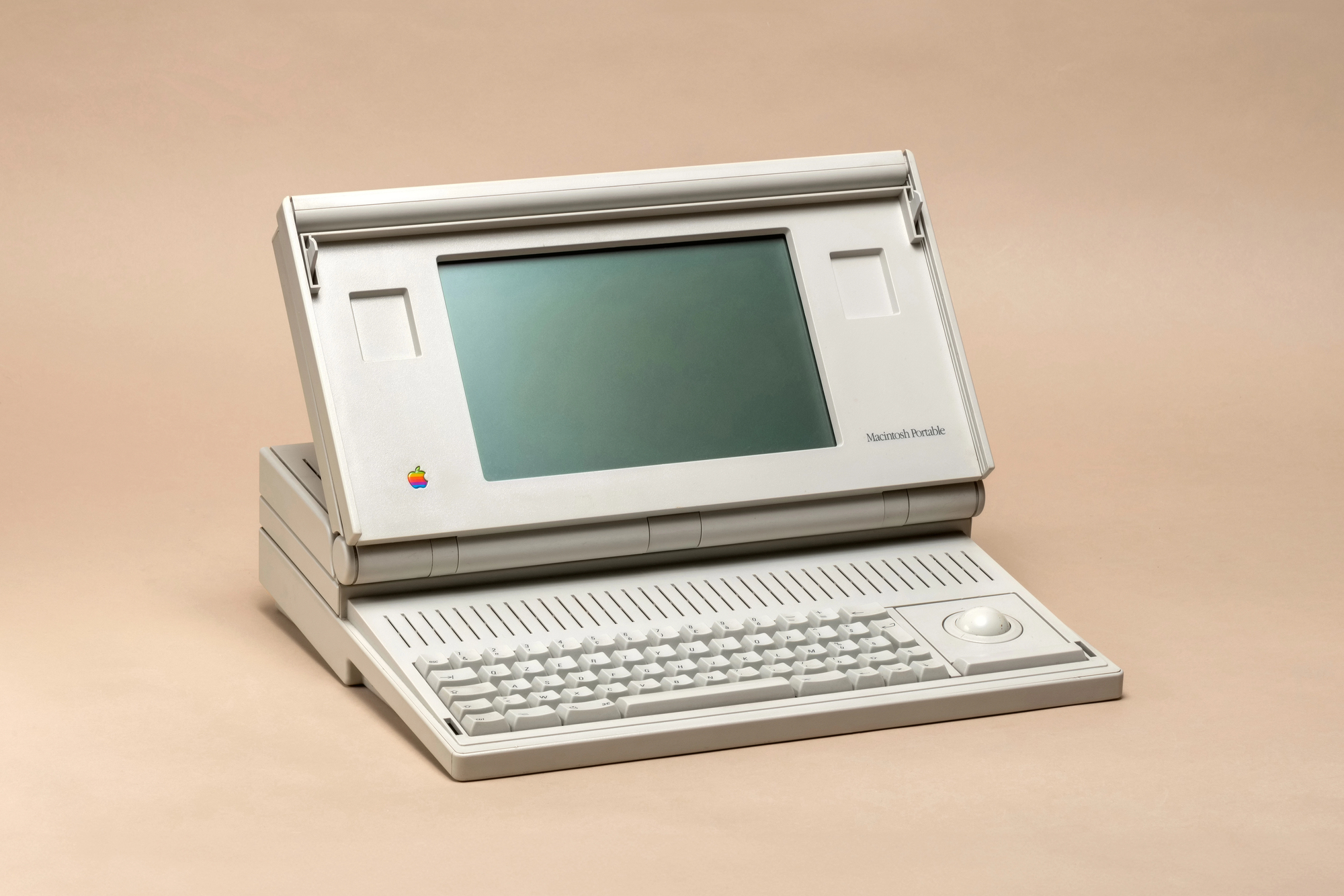
There’s something almost comically optimistic about calling a 16-pound laptop “portable” in 1989, as if the definition of portability was simply “has a handle and technically fits in a large bag.”
The Macintosh Portable was Apple’s first battery-powered computer, a genuine engineering achievement wrapped in enough lead-acid battery weight to give you a hernia.
It offered a full-sized keyboard, a crisp black-and-white screen, and enough processing power to run actual Macintosh software — all for the modest price of $6,500, or about $15,000 in today’s money.
The laptop market wasn’t ready for Apple’s interpretation of mobility.
Businesspeople who needed portable computing bought much lighter DOS laptops for half the price.
Creative professionals who loved the Mac interface decided they could wait for desktop machines to get cheaper rather than pay premium prices for the privilege of carrying around what felt like a car battery attached to a computer.
Apple Interactive Television Box
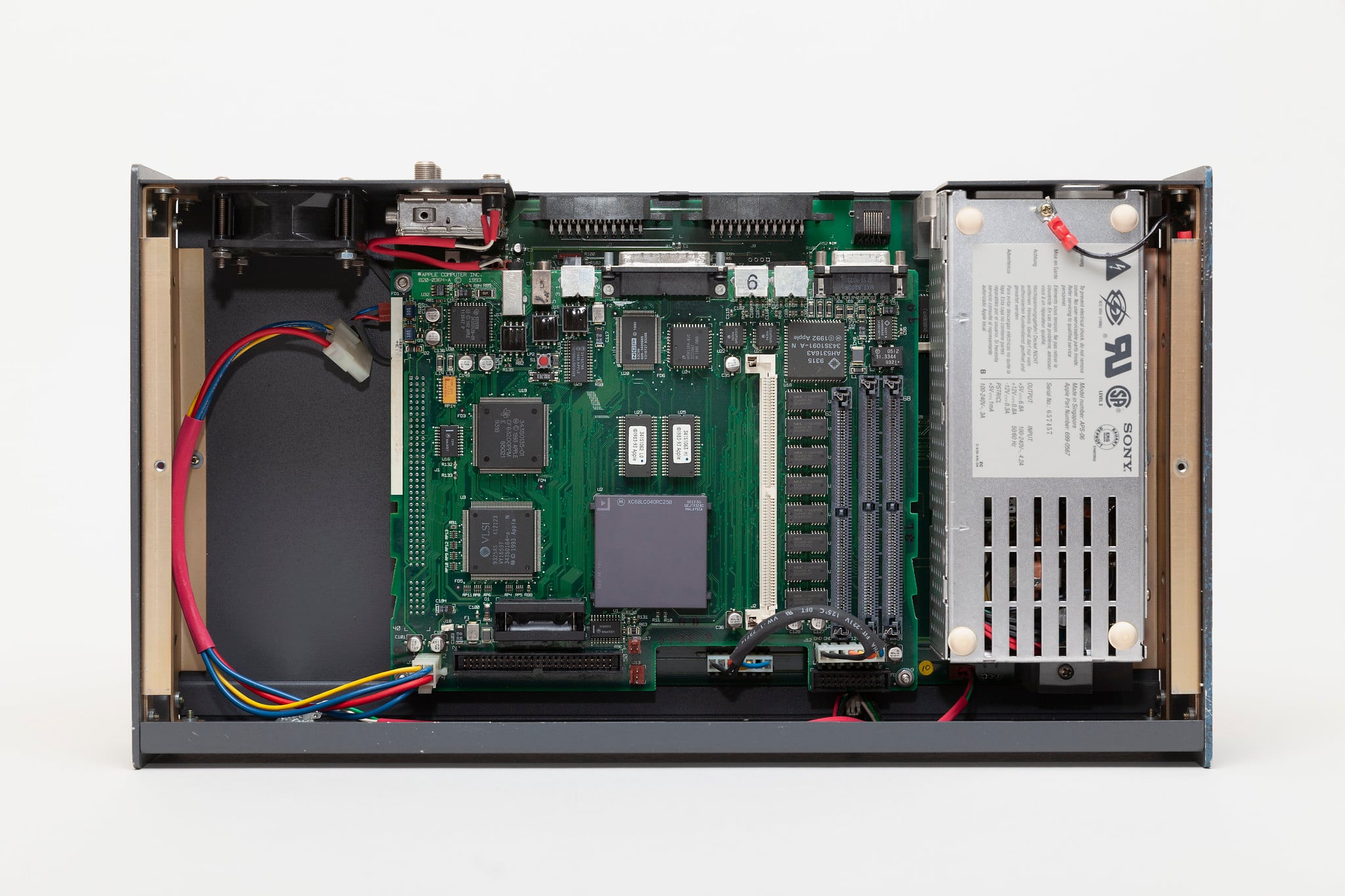
This set-top box prototype never reached consumers, but it represents one of Apple’s most prescient failed experiments.
Developed in the mid-1990s, it was designed to bring interactive television, video-on-demand, and internet access to living rooms years before anyone else thought consumers wanted those features.
The cable industry wasn’t interested in Apple’s vision of interactive television.
Technical limitations made the user experience clunky, and the cost of deployment seemed enormous for uncertain benefits.
Apple shelved the project and wouldn’t return to television until Apple TV launched over a decade later.
Prototype Interactive Television Boxes occasionally surface at auctions and sell for $10,000 to $25,000.
Tech historians recognize them as early glimpses of the streaming future Apple eventually helped create.
PowerBook 2400c
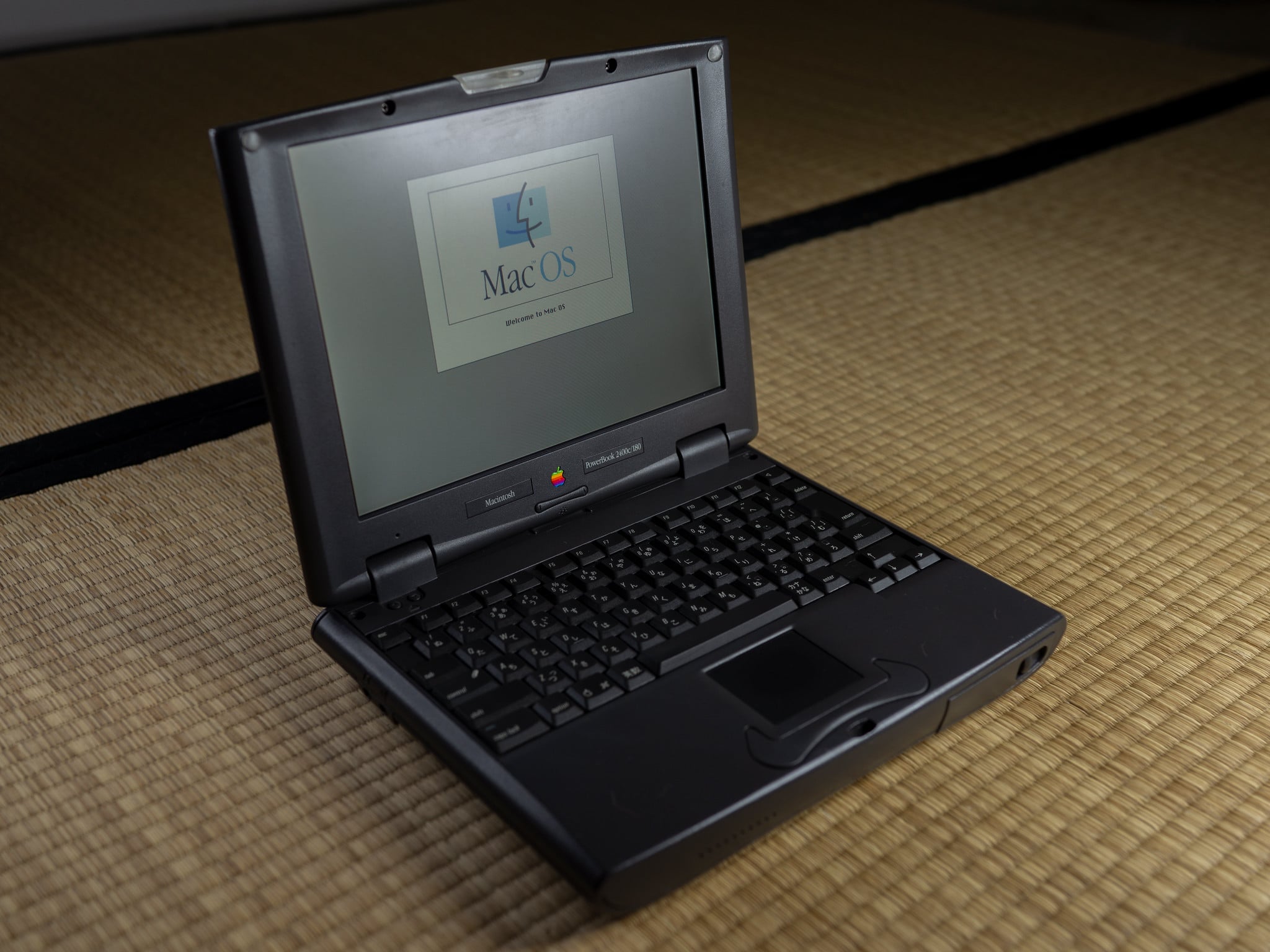
The 2400c was Apple’s attempt to build the thinnest, lightest laptop possible in 1997.
At 4.4 pounds, it achieved that goal but made compromises that frustrated users.
No built-in floppy drive, limited ports, and a price tag that seemed disconnected from its capabilities.
Apple marketed it as the ultimate portable computer for executives who valued mobility above everything else.
The target audience was narrow, and most potential buyers chose more practical PowerBook models with better connectivity and expansion options.
Working PowerBook 2400c laptops now sell for $1,000 to $2,500.
The laptop that was too expensive and too limited when new has become a collector’s item precisely because so few people bought it originally.
Apple Design Powered Speakers
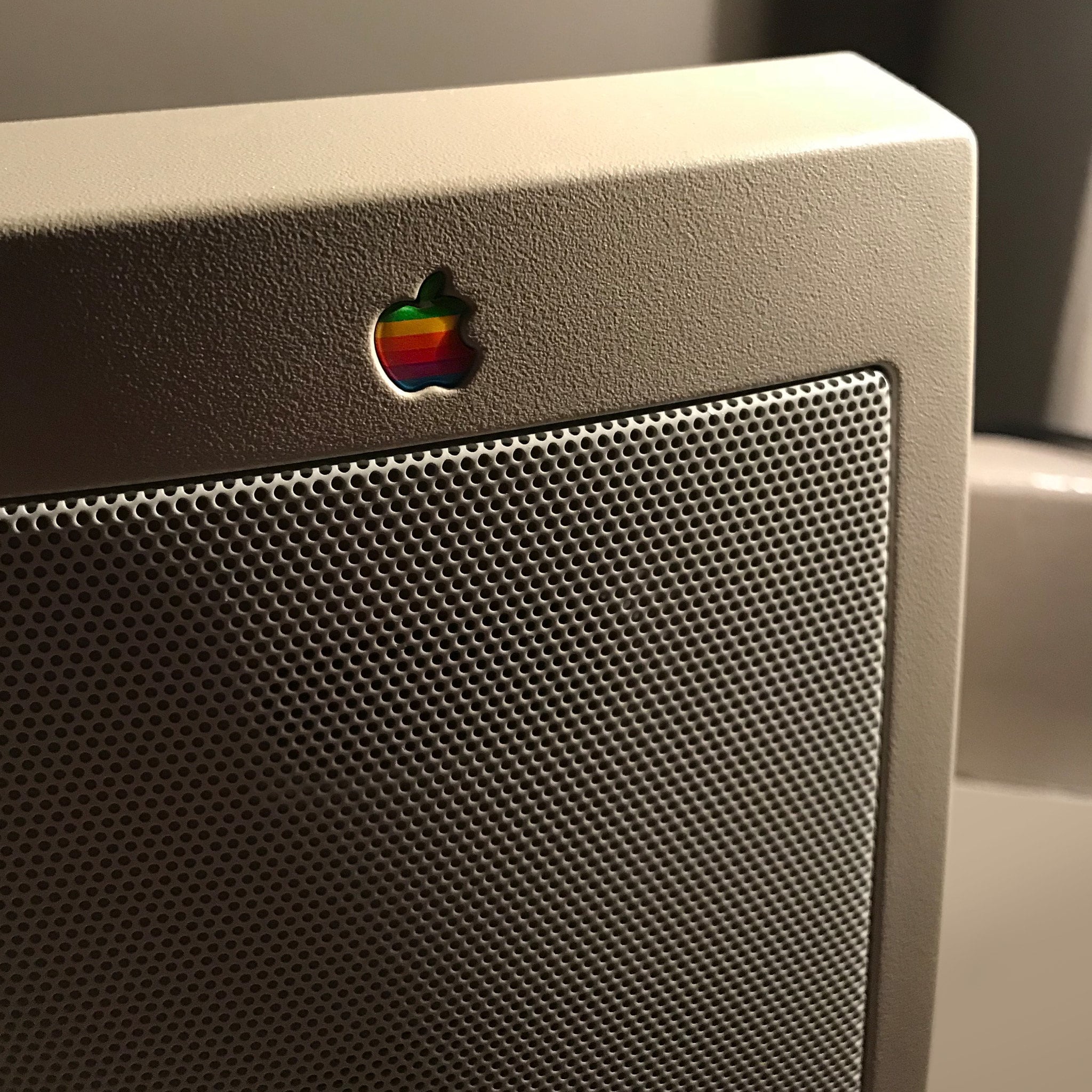
These translucent speakers launched alongside the original iMac in 1998, designed to match the computer’s Bondi Blue aesthetic.
They delivered decent sound quality and integrated seamlessly with iMac setups, but the $79 price seemed steep for computer speakers that only worked with one product line.
Most iMac buyers used the computer’s built-in speakers or bought cheaper third-party options.
Apple discontinued the Design Powered Speakers within two years as the iMac lineup expanded to multiple colors and the matching speaker concept became impractical.
Original Bondi Blue speakers in mint condition sell for $300 to $600 now.
Speakers that couldn’t compete with $20 alternatives when new have become valuable purely through scarcity and nostalgia.
Power Computing Clones
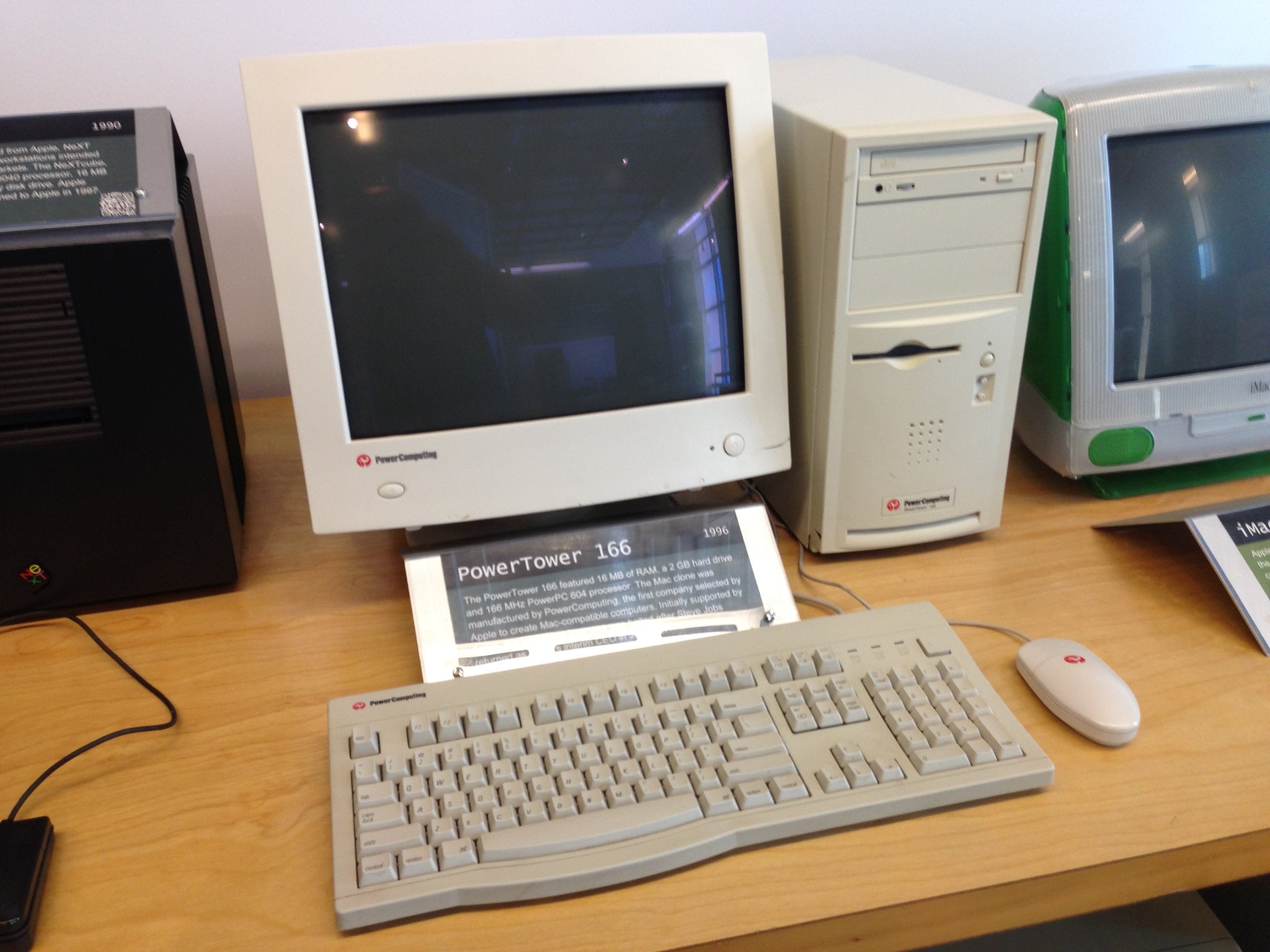
During the brief period when Apple licensed Mac OS to third-party manufacturers, companies like Power Computing built faster, cheaper Mac-compatible computers that often outperformed Apple’s own machines.
Power Computing’s PowerTower and PowerWave systems offered better value and superior performance, which created an embarrassing situation for Apple.
Steve Jobs killed the clone program immediately upon his return in 1997, arguing that it was undermining Apple’s hardware business.
Power Computing and other clone manufacturers were forced out of the Mac-compatible market practically overnight.
Those clone machines now sell for $2,000 to $4,000 depending on configuration.
Computers that were supposed to make Mac ownership more affordable have become expensive collector’s items, proving that scarcity trumps original value in vintage computing markets.
The Real Value Lies In The Stories
Hunting through old Apple products isn’t just about finding valuable hardware gathering dust.
These forgotten devices represent the path not taken, the experiments that failed, the bold ideas that arrived too early or cost too much.
Each discontinued product tells a story about Apple’s willingness to risk failure in pursuit of something different, even when different meant commercial disaster.
So the next time someone mentions finding old computer equipment, it might be worth asking what brand it is — because sometimes failure ages better than success.
More from Go2Tutors!

- The Romanov Crown Jewels and Their Tragic Fate
- 13 Historical Mysteries That Science Still Can’t Solve
- Famous Hoaxes That Fooled the World for Years
- 15 Child Stars with Tragic Adult Lives
- 16 Famous Jewelry Pieces in History
Like Go2Tutors’s content? Follow us on MSN.



