Opal Jewelry Pieces Collectors Hunt Down
Few gemstones change their mind as often as opal. Tilt a good one a few degrees and red flashes become green, then blue, then gone.
Collectors chase that behavior across deserts, auction catalogs, and estate sale trays.
The pieces below span rough Outback fields, royal gifts, and workshop benches in Paris and New York. Value across all of them rides on four things: the strength of the play of color, the darkness of the body tone, the absence of cracking, and the condition of the setting.
Lightning Ridge Black Opal With a Harlequin Pattern
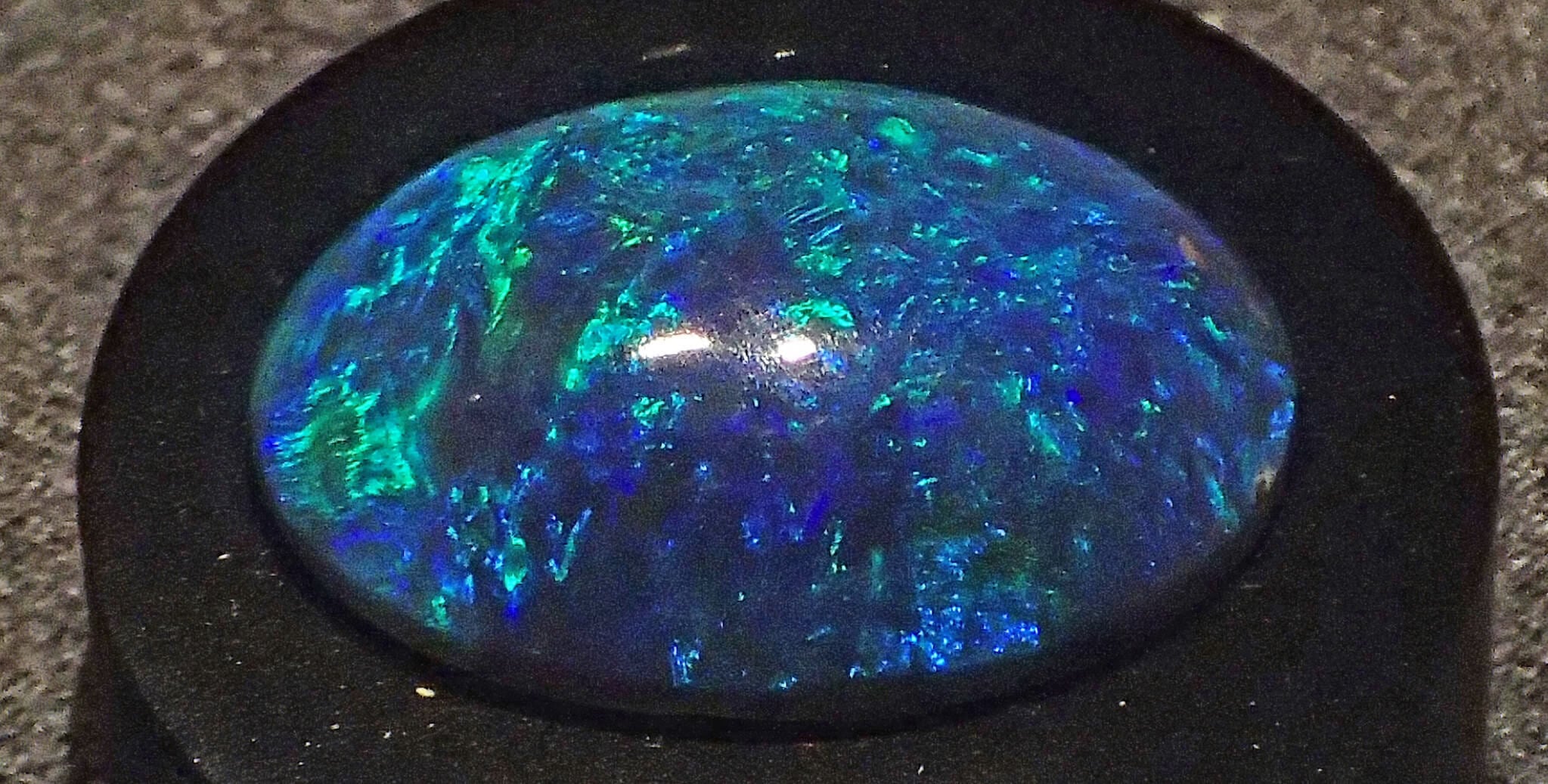
Lightning Ridge in New South Wales, near the Queensland border, is the classic source of black opal, where a dark body tone makes spectral color look electric. The pattern collectors prize most is Harlequin, a mosaic of diamond-shaped color patches that resembles a jester’s costume.
Reds on black command a premium over blues and greens, and a stone with clean, flat patches and no crazing can outsell larger but flatter specimens. Pieces set in plain gold often showcase the stone best.
The Halley’s Comet Opal and Its Record Weight
Found at Lightning Ridge in 1986, the year Halley’s Comet returned, this stone weighs 1,982 carats and is recognized as the largest uncut black opal ever recorded. Its color bar runs through a rough shape that never made it into a ring or pendant, which is exactly why it matters to collectors of documented stones.
The lesson for buyers of ordinary jewelry is that provenance and size draw attention, but the cut piece in the display case still has to be judged on color and soundness.
Queensland Boulder Opal Cut With Its Ironstone Backing
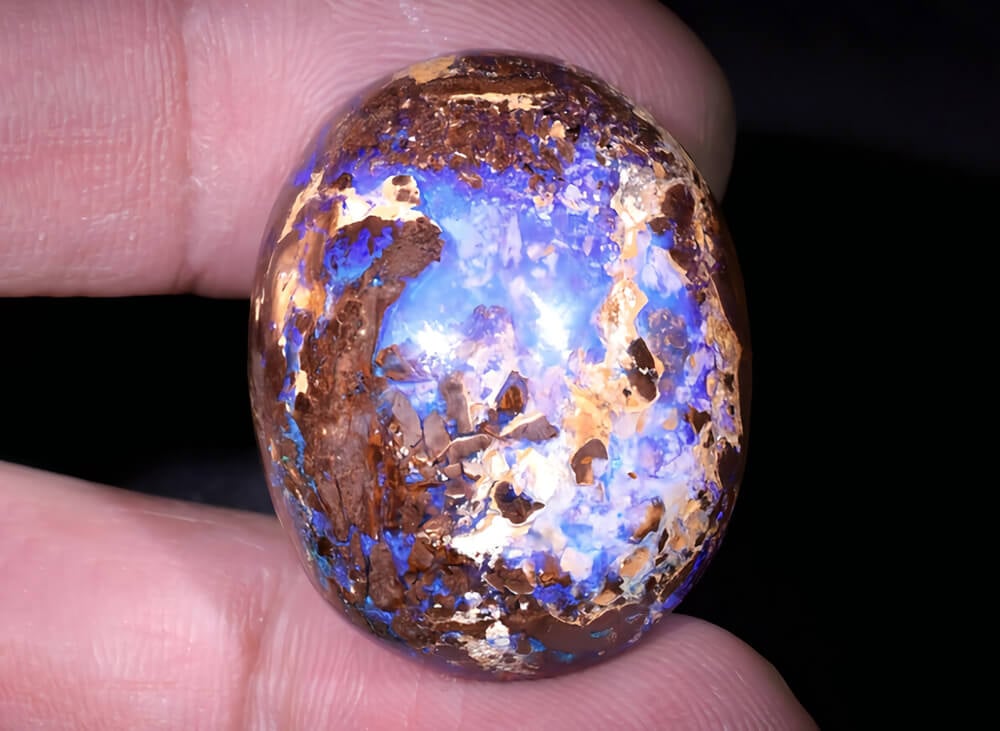
Boulder opal forms as thin veins and films inside brown ironstone in western Queensland, around Winton and Quilpie. Instead of slicing the opal off, cutters leave the dark rock attached, which produces a natural backing and often a freeform shape that follows the vein.
Collectors look for bright color that runs the full surface rather than a thin skin, and for pendants where the ironstone has not fractured away from the opal. A freeform stone with strong color across its face can outsell a symmetrical but dull one.
Yowah Nuts With Opal Cores
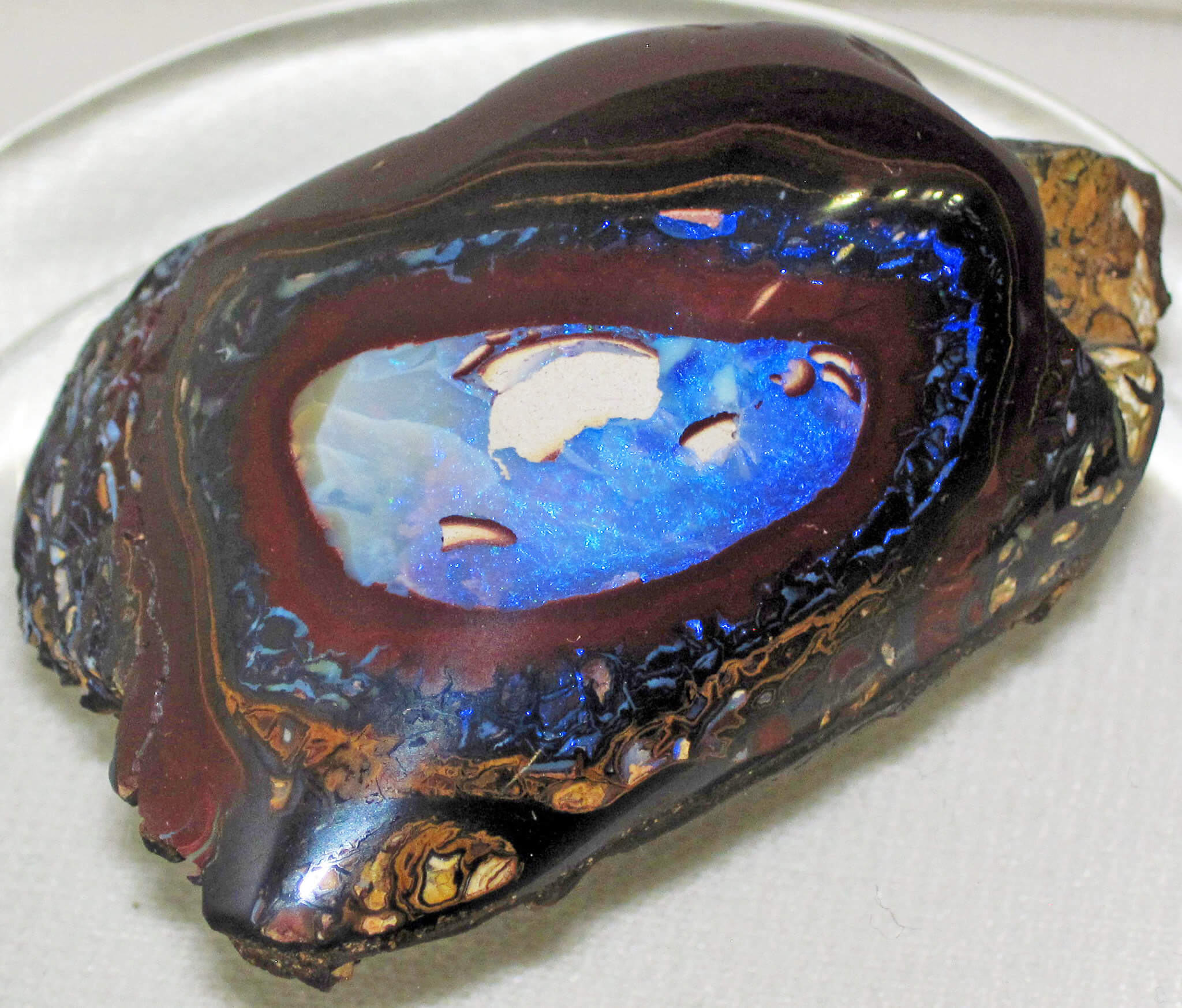
Yowah, in southwest Queensland, produces ironstone nodules known as Yowah nuts, which can hold opal in a pattern resembling a kernel inside a shell. Cutters split or polish the nodule to expose the interior, and jewelers often set the entire nut as a pendant with its rough brown rind intact.
Unlike most opal, the value here comes partly from the pattern inside the nodule, so a nut with a clear, well-centered figure usually beats one with scattered color. Cracks through the ironstone can cut the appeal sharply.
Coober Pedy Opal and the Boy Who Found It
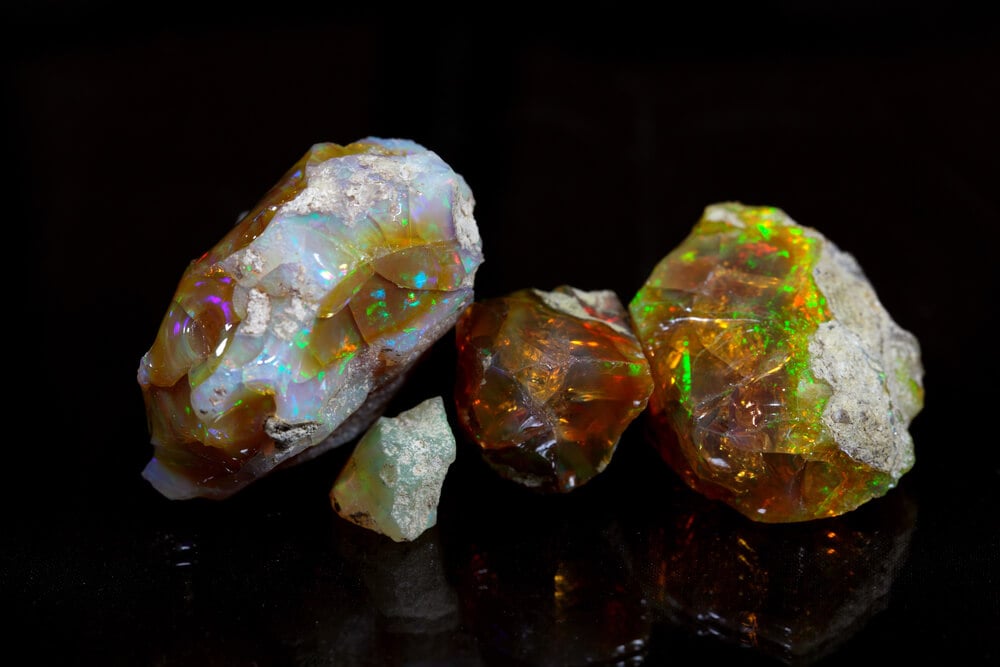
Opal at Coober Pedy in South Australia was first found in 1915 by Willie Hutchison, a teenager traveling with a gold prospecting party. The town is now famous for underground dugout homes built to escape desert heat, and its fields supply both light and crystal opal with strong blue and green play of color.
Collectors hunt for vintage Coober Pedy pendants set in mid-century gold, where the stone was cut for its fire rather than for uniform shape. Whether a stone is crazed or stable largely sets the price.
The Olympic Australis and Other Giants
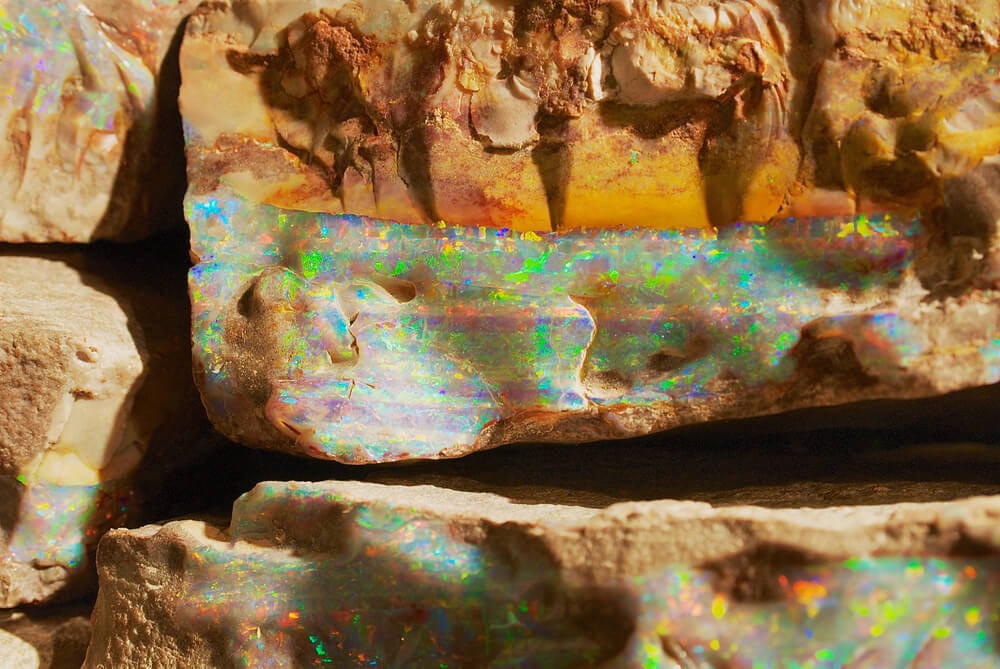
The Olympic Australis was found at Coober Pedy in 1956, the year Melbourne hosted the Olympic Games, and it weighed about 17,000 carats, or roughly 3.4 kilograms. Often described as the largest and most valuable gem opal ever found, it is a reminder that opal can grow into museum-scale material.
Few jewelers will ever cut anything so large, but the stone shapes how collectors think about scale, which is why a large, bright, stable opal in a finished piece is treated as a rarity.
The Andamooka Queen’s Opal
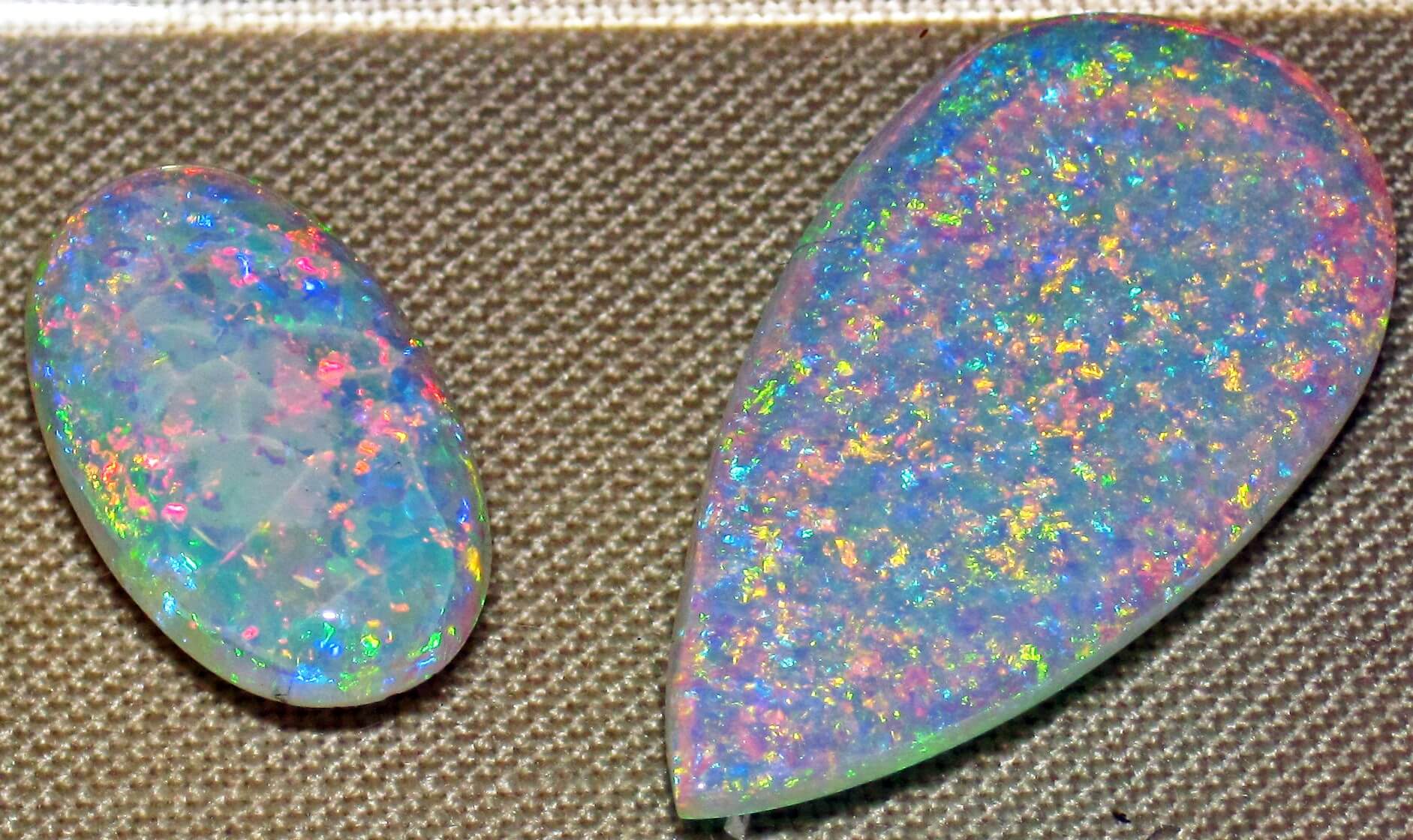
In 1954, during her Australian tour, Queen Elizabeth II was presented with an opal from Andamooka, South Australia, weighing 203 carats and mounted in a necklace. Andamooka is known for matrix opal, where color is spread through the host rock, and it also yields stones that crack if mishandled.
The Queen’s piece turned a remote desert field into a royal talking point. Collectors who chase Andamooka work today look for documented provenance, intact color, and settings that protect the stone from knocks.
White Cliffs Pineapple Opal
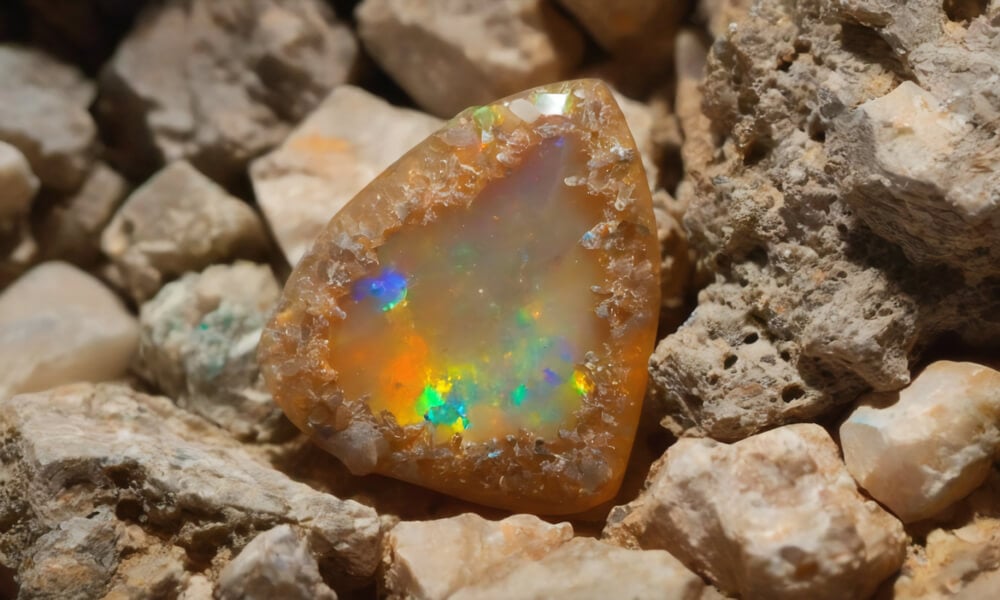
White Cliffs in western New South Wales produced opal beginning in the 1880s, and its most unusual product is the pineapple, an opal that has replaced a spiky cluster of glendonite crystals. The cluster, originally a mineral that formed in cold seabed mud, left a shape resembling the fruit’s skin, now filled with glittering color.
Jewelers set small pineapples as pendants or brooches, and the best examples show color across the entire crown. Pieces with chipped points or dull patches trade at a discount to pristine examples.
Ethiopian Welo Opal From Wollo Province
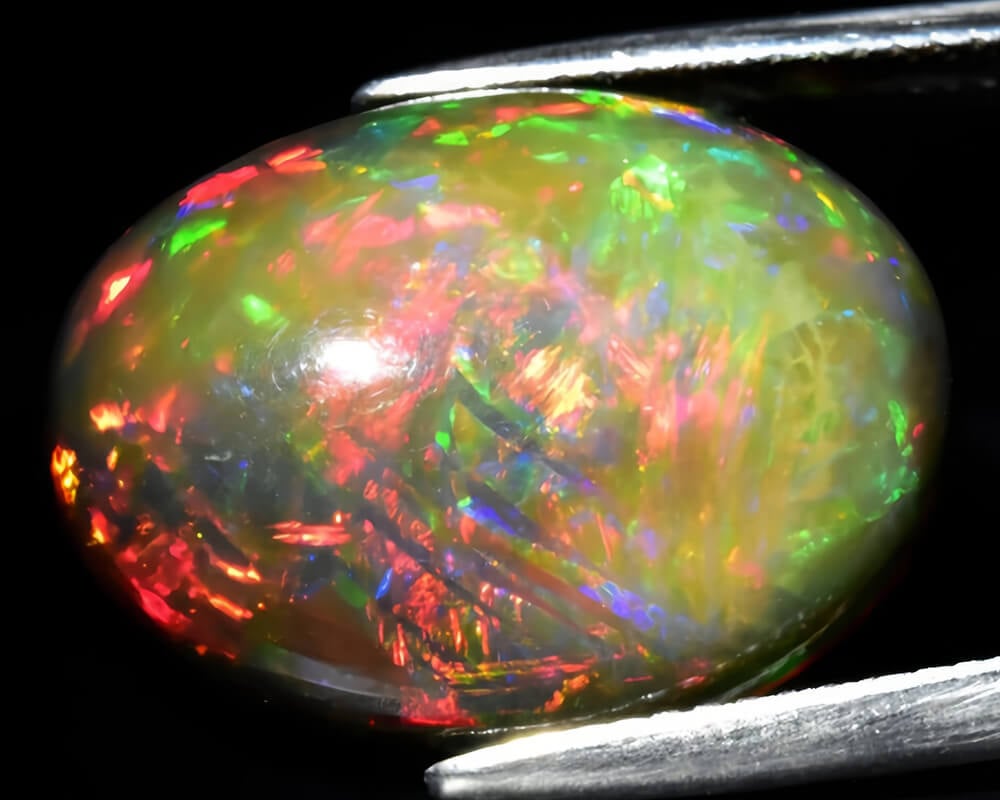
Opal discovered in Wollo Province, Ethiopia, in 2008 changed the market with bright, large pieces at friendlier prices than Australian black stones. Welo opal is a hydrophane, meaning it soaks up water, which can turn it transparent while wet and bring back its color as it dries.
Collectors seek well-matched stones in necklaces and rings, but cracking is a known risk, so the stability of each stone, and how the setting protects it, influences the price as much as the color does.
Mexican Fire Opal and the Backlit Jelly Stone
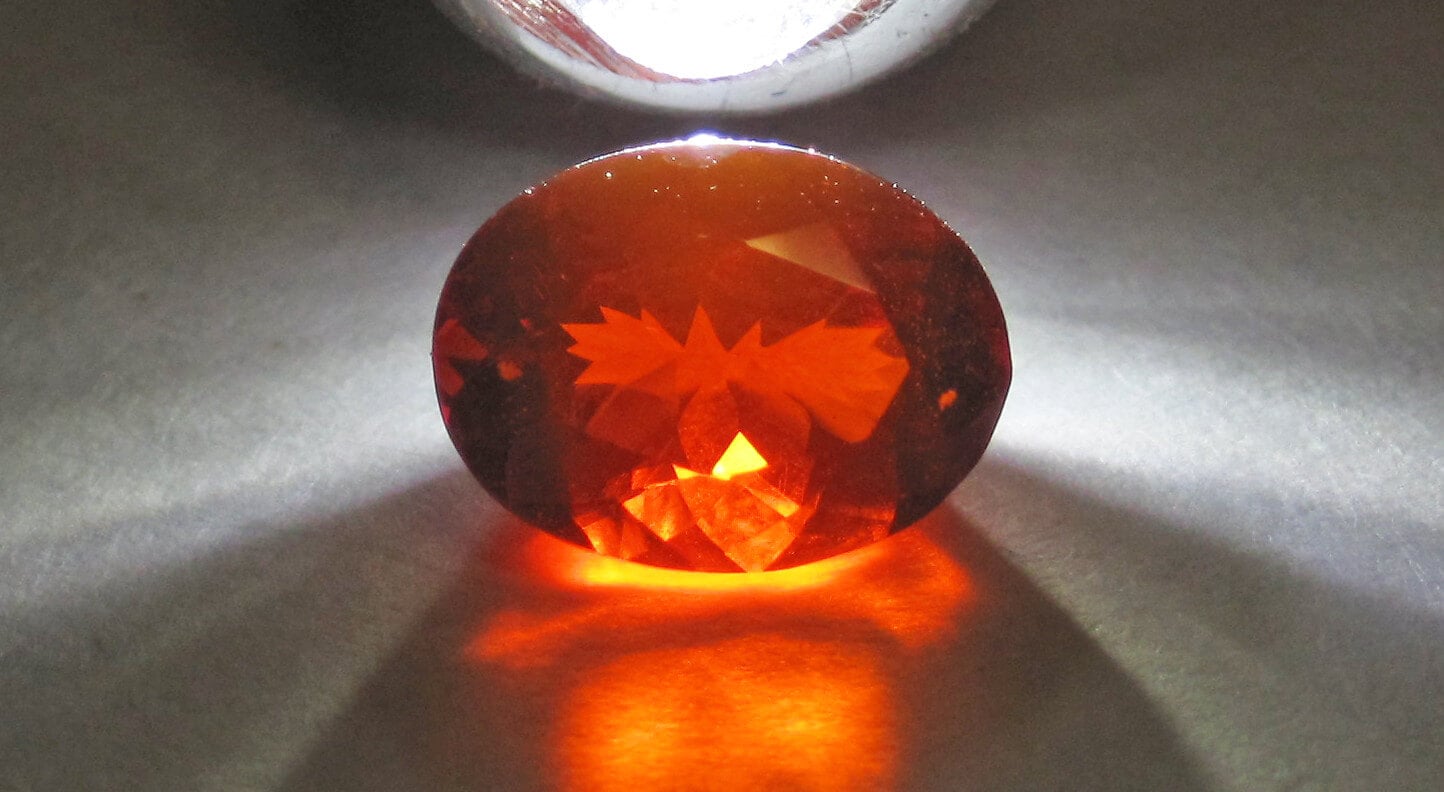
Mexico’s opal fields, notably in Querétaro, yield fire opal with an orange, red, or yellow body that can look glowing even without play of color. Transparent jelly opals, faceted like gems, sometimes show color only when light passes through them, a behavior called contra luz.
Collectors hunt for ring and pendant stones that combine clean body color with real flashes, since faceted fire opal that also has play of color is scarcer than plain fire opal. Cracks and cloudy patches lower the value quickly.
Virgin Valley Black Fire Opal From Nevada
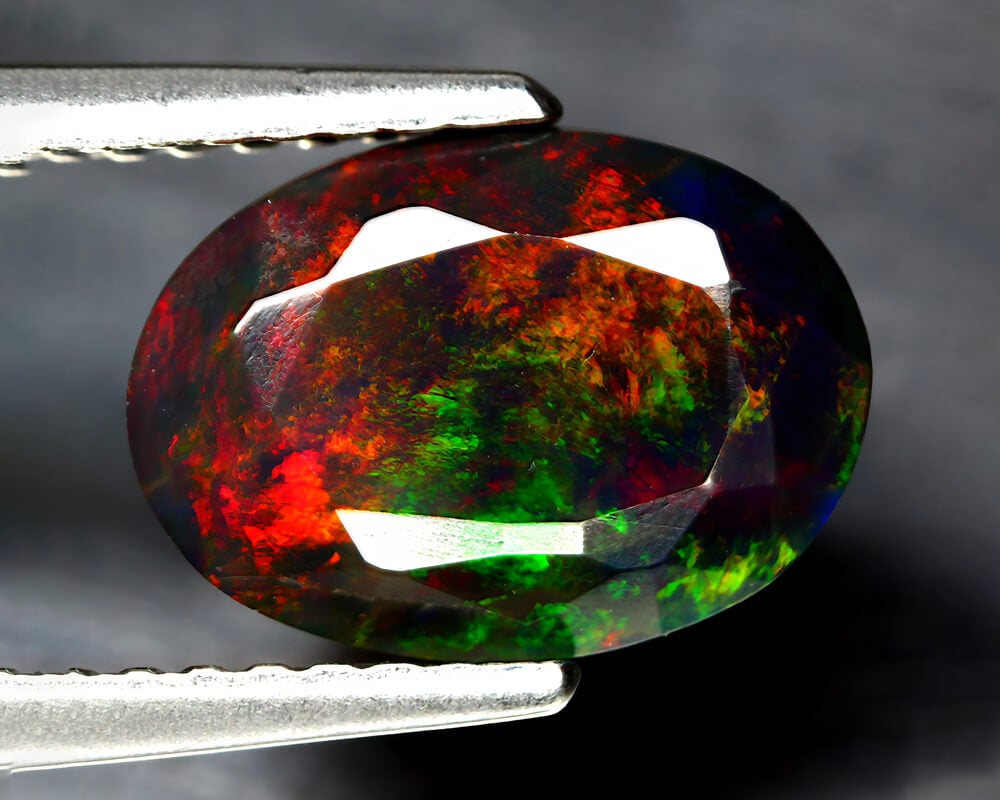
Virgin Valley in Humboldt County, Nevada, is known for opal that fills voids in volcanic ash and replaces buried wood, producing black fire opal and wood opal. The Royal Peacock Mine there is one of the best-known producers, and the state has designated Virgin Valley black fire opal as its precious gemstone.
Collectors prize pieces cut from stable material because Nevada opal is notorious for crazing when it dries out. A sound Virgin Valley cabochon with strong color in a modern gold setting stands out.
Hungarian Opal From the Old Imperial Mines
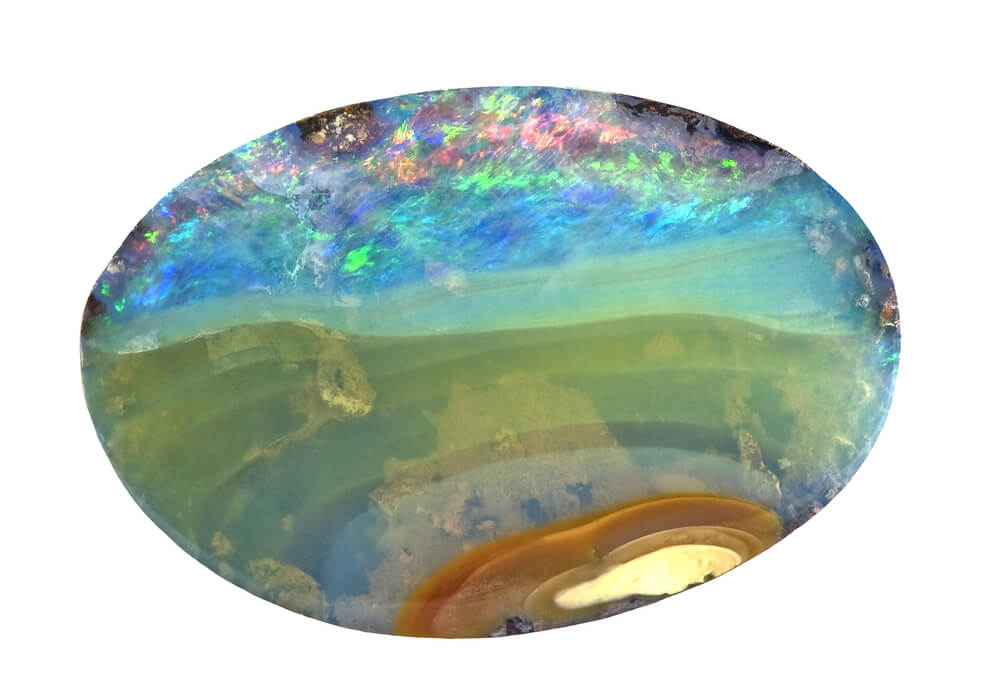
Before Australia dominated supply, the opal mines around Červenica, in what is today Slovakia, supplied Europe with milky white stones that flash warm color. These Hungarian opals appear in antique rings, brooches, and Habsburg-era collections, and they are often set with old mine-cut diamonds.
Because that source faded long ago, collectors treat these stones as a closed chapter. Authentic examples with stable color and a sound original mount are more valuable than stones that have been re-cut or replaced.
Victorian Opal Cluster Rings and the Walter Scott Superstition
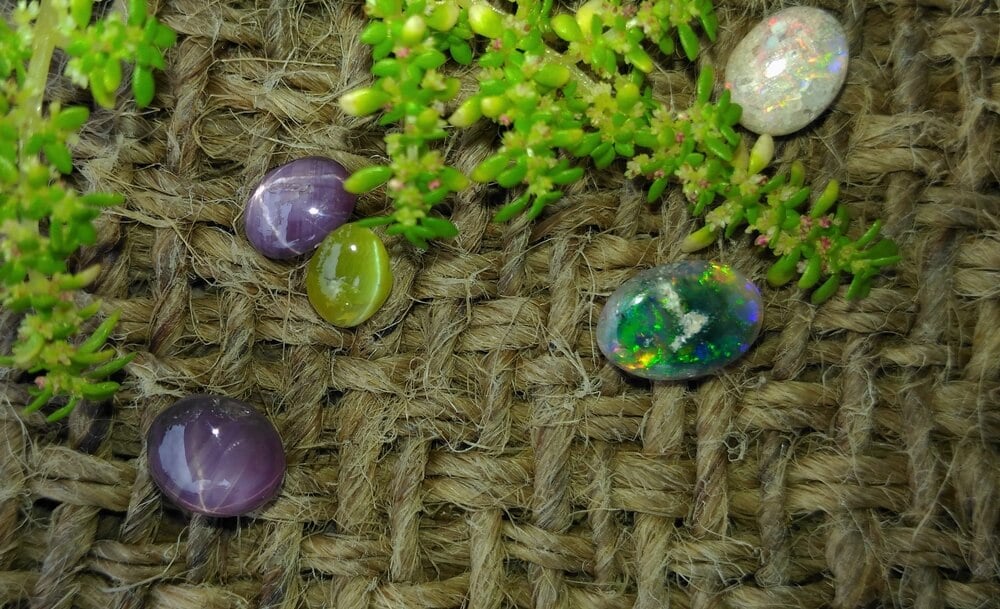
Opal’s bad-luck reputation is often traced to Walter Scott’s 1829 novel Anne of Geierstein, in which an enchanted opal loses its color after water touches it. Victorian jewelers kept making opal jewelry anyway, favoring cluster rings, crescent brooches, and bangles with rose-cut diamonds and pearls.
Collectors look for closed-back gold settings that are intact and for opals that have survived 150 years without cracking. Replaced stones, damaged claws, or later repairs weigh heavily against value.
René Lalique Opal and Plique-à-Jour Enamel
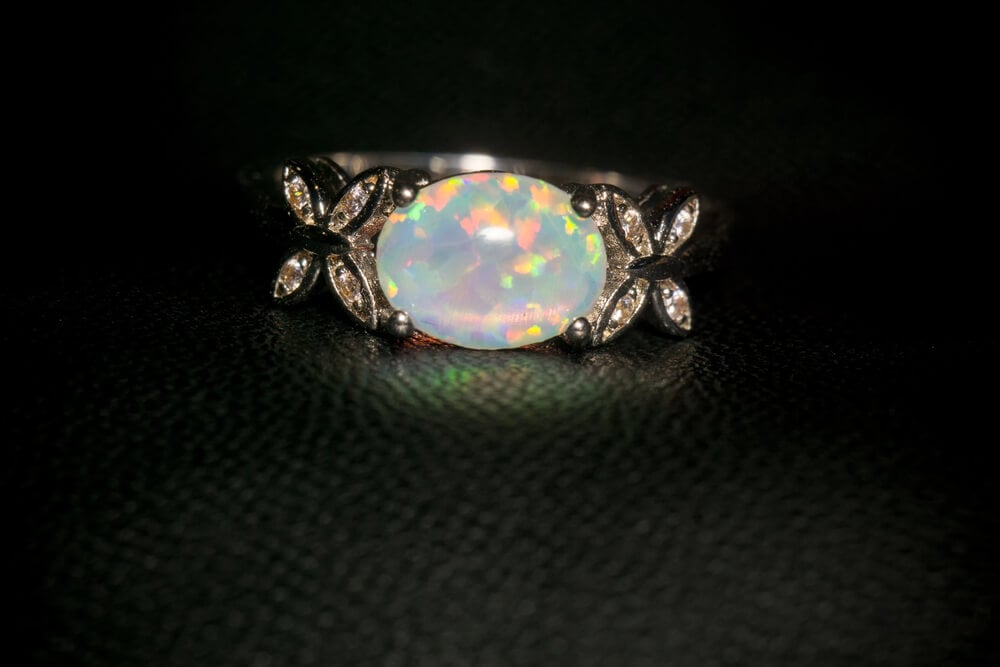
René Lalique became a sensation around the 1900 Paris Exposition by combining opal, translucent enamel, horn, and glass in pieces that treated gems as one material among many. His plique-à-jour enamel work, where light passes through the enamel like a tiny stained glass window, often surrounded fire opals and pearls in pendants and bracelets.
Museums around the world hold his work, so collectors expect signed examples with intact enamel. A chip in the enamel or a crazed opal can erase much of the premium.
Art Deco Opal Rings in Platinum and Diamonds
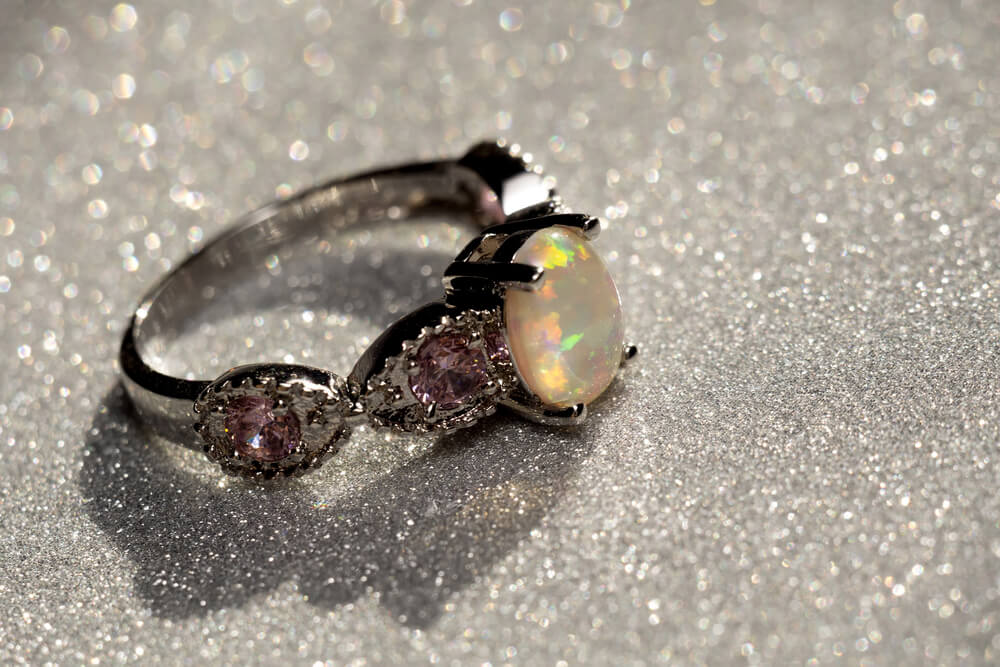
In the 1920s and 1930s, jewelers moved opal away from curvy Victorian forms and into geometric Art Deco rings with platinum, diamonds, black enamel, and onyx. A black opal framed by straight lines and sharp stepped shoulders looks modern even a century later.
Collectors check hallmarks, the condition of the milgrain edges, and whether the opal is original, because a replaced stone changes the story. A genuinely colorful opal in an unaltered mount often wins over a larger but duller one.
Louis Comfort Tiffany Black Opal Jewelry
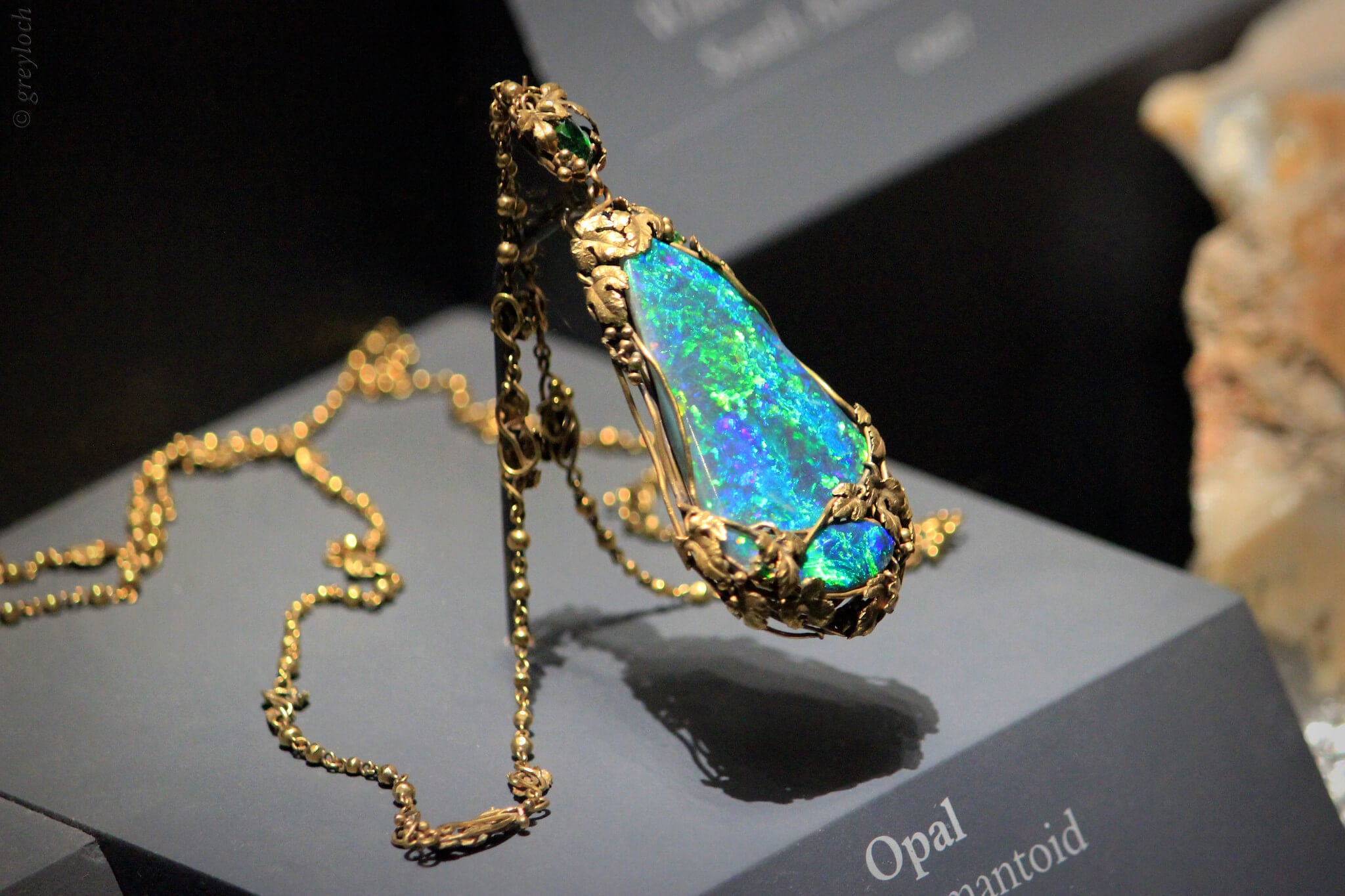
Louis Comfort Tiffany, who led design at Tiffany & Co. in the early twentieth century, used black opals in rings, stickpins, and other jewelry. His pieces tend to feature the stone as an artwork, surrounded by enamel or subtle gold work rather than overwhelming diamond halos.
Collectors hunt for examples with documented Tiffany marks and untouched mounts. Because black opal is sensitive to heat and sudden knocks, a ring that has been resized or repaired carelessly may be worth considerably less.
Paula Crevoshay and the Modern Art Opal Piece
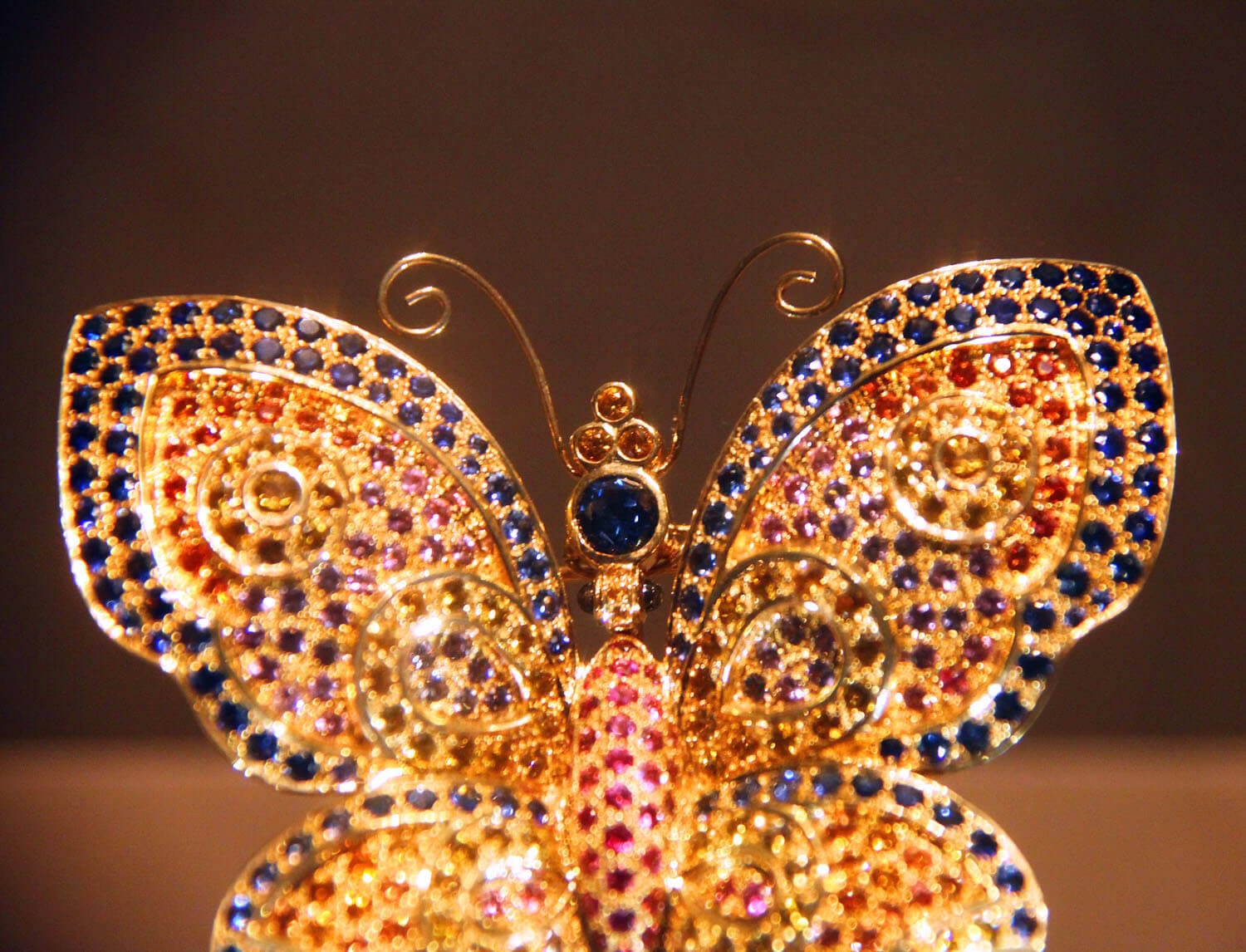
American jeweler Paula Crevoshay built a career around colored gemstones, and opal appears often in her work. Her pieces are built as wearable sculpture, with the stone as the focal point.
Collectors of contemporary studio jewelry look for signed pieces with the original box and paperwork, and they judge the opal as closely as they judge the gold, since a dull or damaged stone undercuts the artistry.
Honduran Opal From Erandique
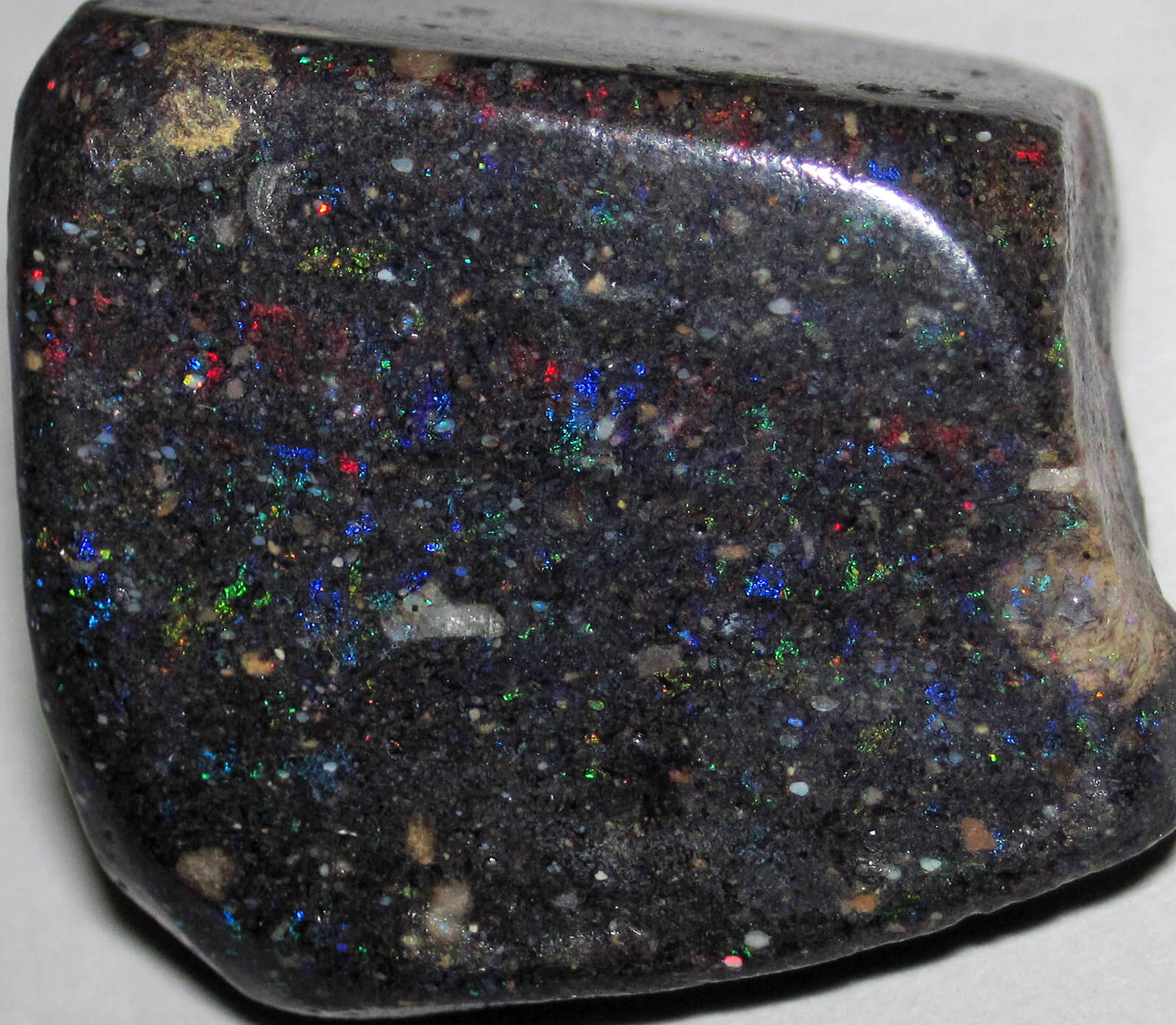
Western Honduras, around Erandique, produces opal in dark basalt, with a black or dark brown base that makes its color pop. Honduran stones can show intense flashes, and some of the most vivid examples are cut with part of the host rock left in place.
Many collectors have learned that this material can be prone to cracking, which is why they favor stones that have been stable for years in a protective setting. A piece that has spent a decade without a single hairline is usually worth the extra money.
Opalized Fossils From Lightning Ridge
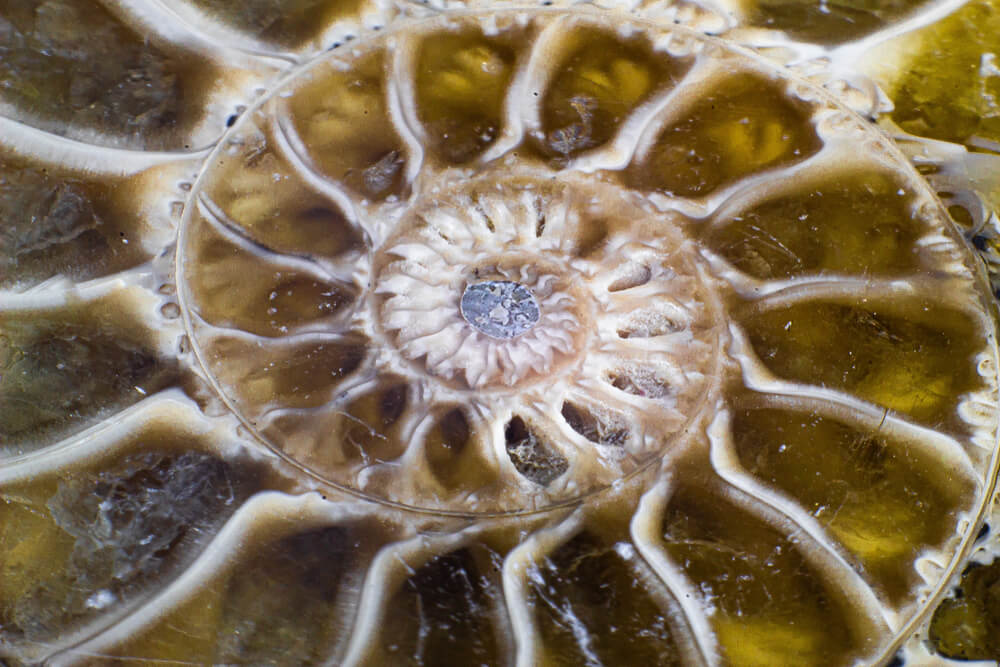
Lightning Ridge is known for opalized fossils, where seashells, bones, and teeth were replaced by precious opal over millions of years. The most famous find is the jaw of Steropodon galmani, a monotreme that lived about 100 million years ago and was discovered there in 1984.
Jewelers set opalized shells and bone fragments as pendants and brooches, and collectors treat them as natural history objects that happen to be wearable. Completeness of the fossil, strength of color, and stability all push value upward.
Opal Doublets That Hide a Glue Line
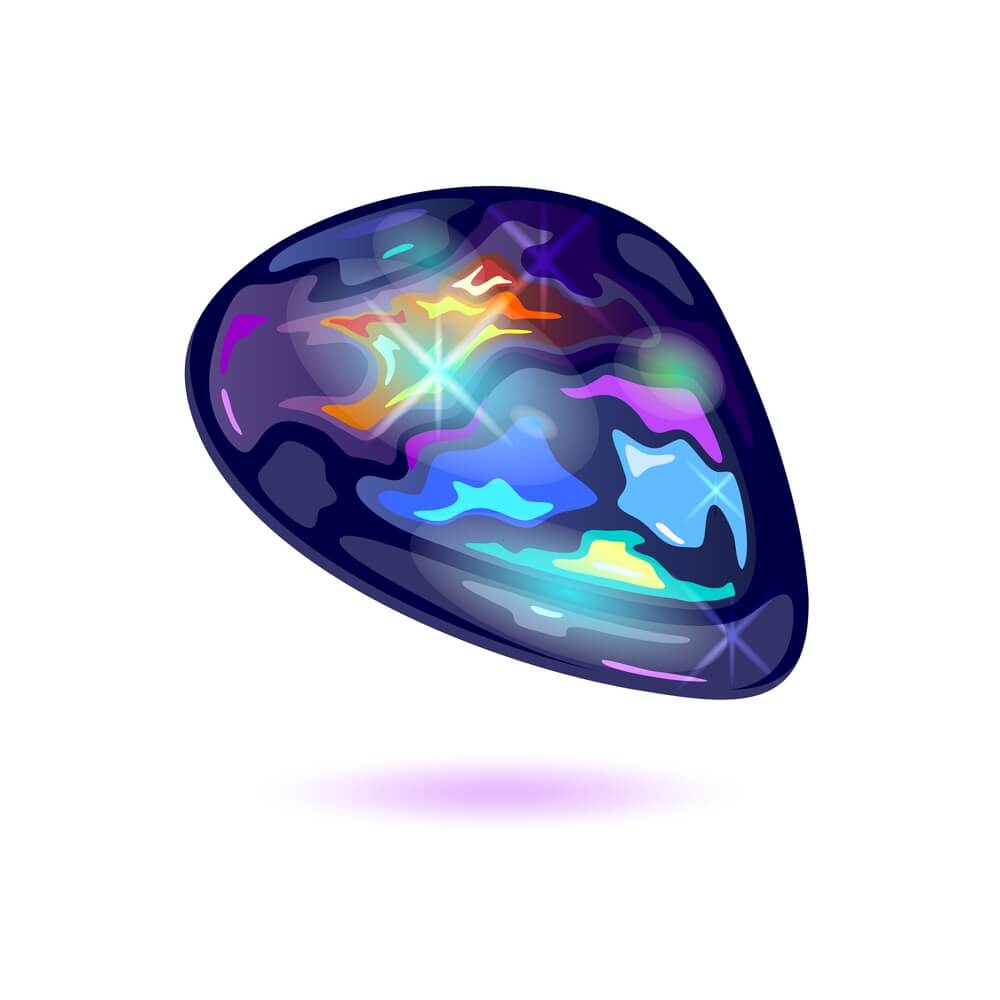
A doublet pairs a thin slice of precious opal with a dark backing, such as black potch, ironstone, or black glass, producing a deeper tone than the thin opal alone would show. Under magnification, the glue line between the layers gives it away, and sellers should label it as a doublet.
Collectors who buy them on purpose enjoy the lower cost and the bright color, though the value depends on the thickness of the opal layer and whether water has crept into the join. A cloudy bond is a sign of trouble.
Opal Triplets With a Quartz Cap
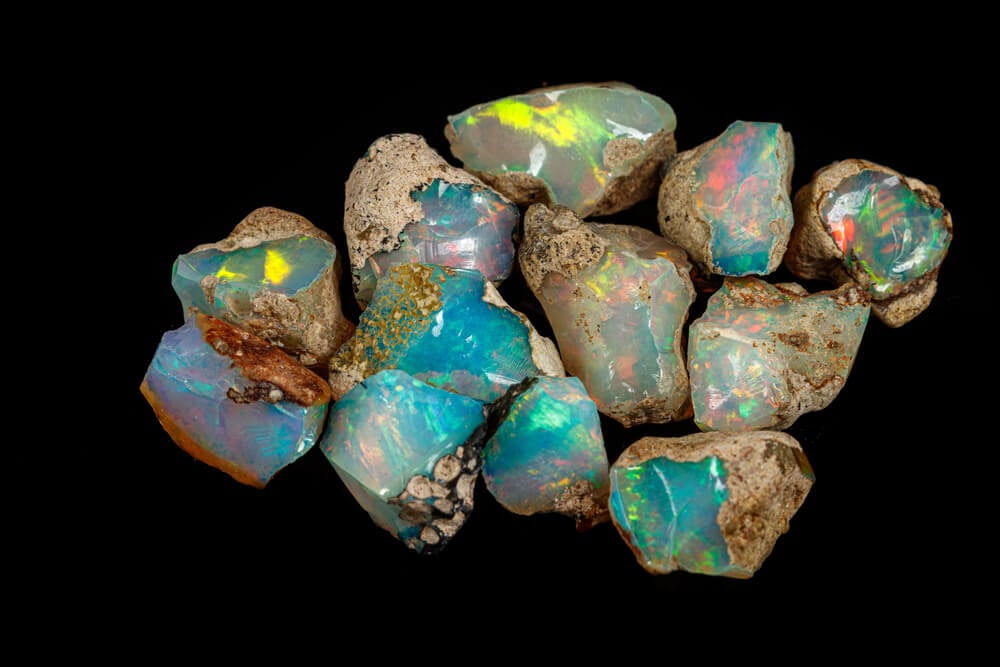
A triplet adds a clear dome of quartz or glass on top of an opal doublet, so the slice of opal sits between a dark base and a protective cap. The cap magnifies the color and shields the opal from scratches, which makes triplets popular for everyday rings.
Collectors usually value them below solid opals, but fine vintage triplets in good mounts still turn up in sales. Moisture trapped between the layers can fog the stone, so a clear, sealed triplet is the one to find.
Gilson Created Opal From the 1970s
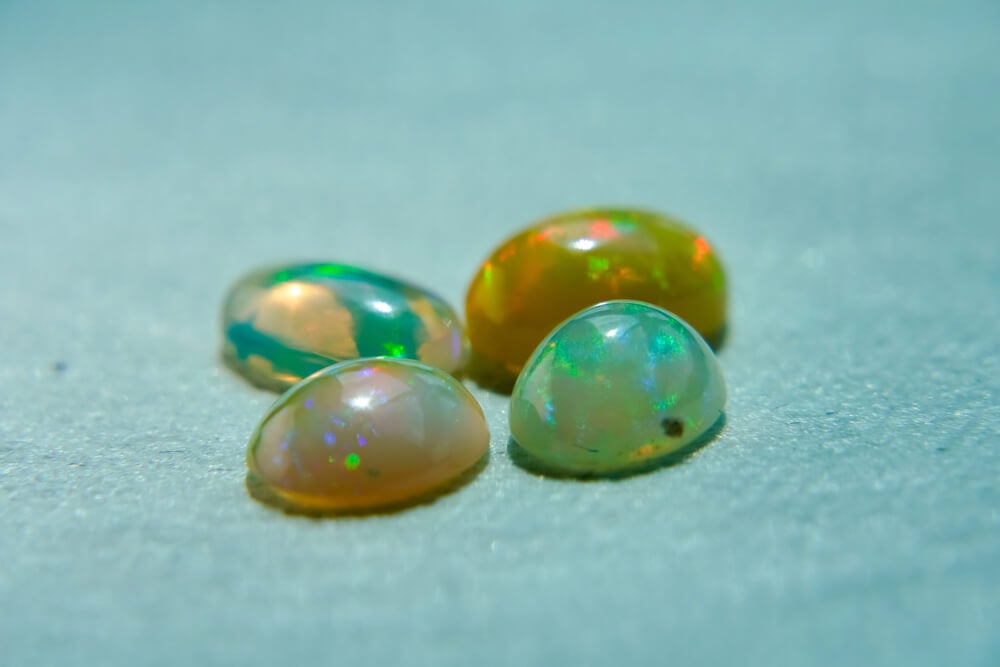
Pierre Gilson in France developed lab-created opal in the 1970s, producing material with play of color and a distinctive columnar pattern that looks a bit like a mosaic under magnification. The stones were set in rings, pendants, and earrings and sold as created opal, not natural.
Vintage Gilson pieces appeal to collectors who enjoy the history of gem synthesis, and the best ones are those with bright, even color and stable mounts. Lab-grown material rarely cracks the way natural stones can, which affects its value.
The Stone That Refuses to Hold Still
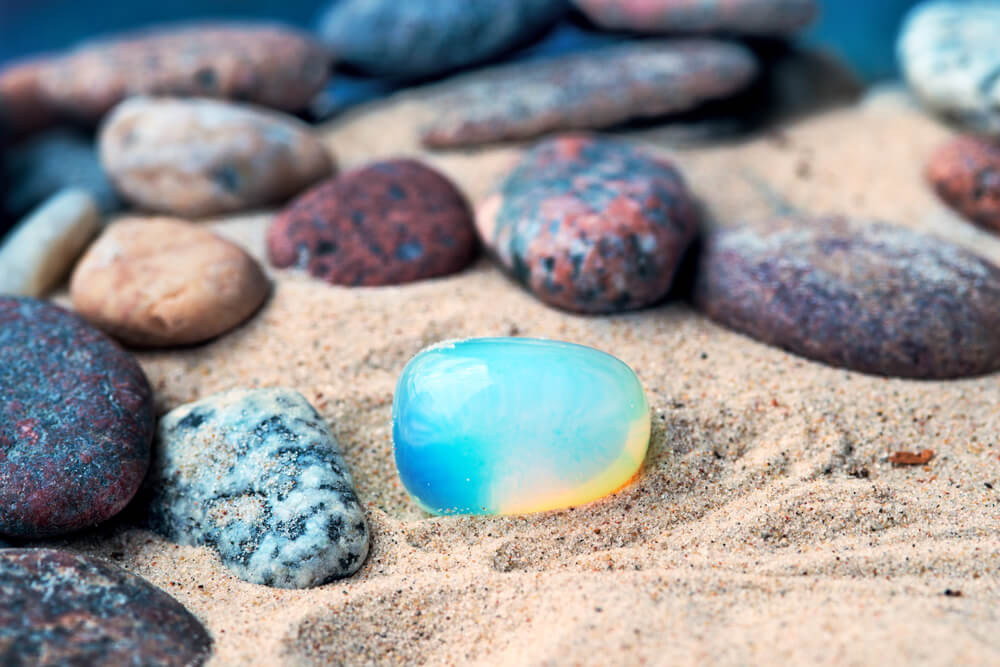
Every entry on this list comes back to the same trait, a stone whose beauty depends on a viewing angle, a light source, and the way water sits inside its silica spheres. That makes opal harder to judge than a diamond and more rewarding to study.
A collector learns to turn a piece slowly, read the pattern, and look at the setting as carefully as the gem. Condition remains the quiet decider.
A bright Lightning Ridge stone, a Victorian ring, or a Welo necklace can be worth far less if cracks, repairs, or moisture have intruded. The best opal pieces are the ones that stayed stable, stayed original, and kept their color for the next owner.
More from Go2Tutors!

- 27 Silver Dollars and Half Dollars Worth Keeping
- 28 Restaurant Menu Items Nobody Orders Anymore
- 17 Places Built in Seemingly Impossible Spots
- 27 Vintage Rings Worth More Than They Look
- 25 Restricted Sites Tourists Can’t Enter
Like Go2Tutors’s content? Follow us on MSN.