10 Vintage Brand Mascots That Disappeared Without a Trace
In the ever-evolving world of marketing, brand mascots have played a crucial role in creating memorable consumer connections. These colorful characters once graced television screens, magazine pages, and product packaging, becoming household names in their heyday.
Yet many of these iconic figures have vanished from the public eye, often without fanfare or explanation. Here is a list of 10 vintage brand mascots that mysteriously disappeared from the advertising landscape, leaving behind only nostalgic memories and vintage collectibles.
Charlie the Tuna
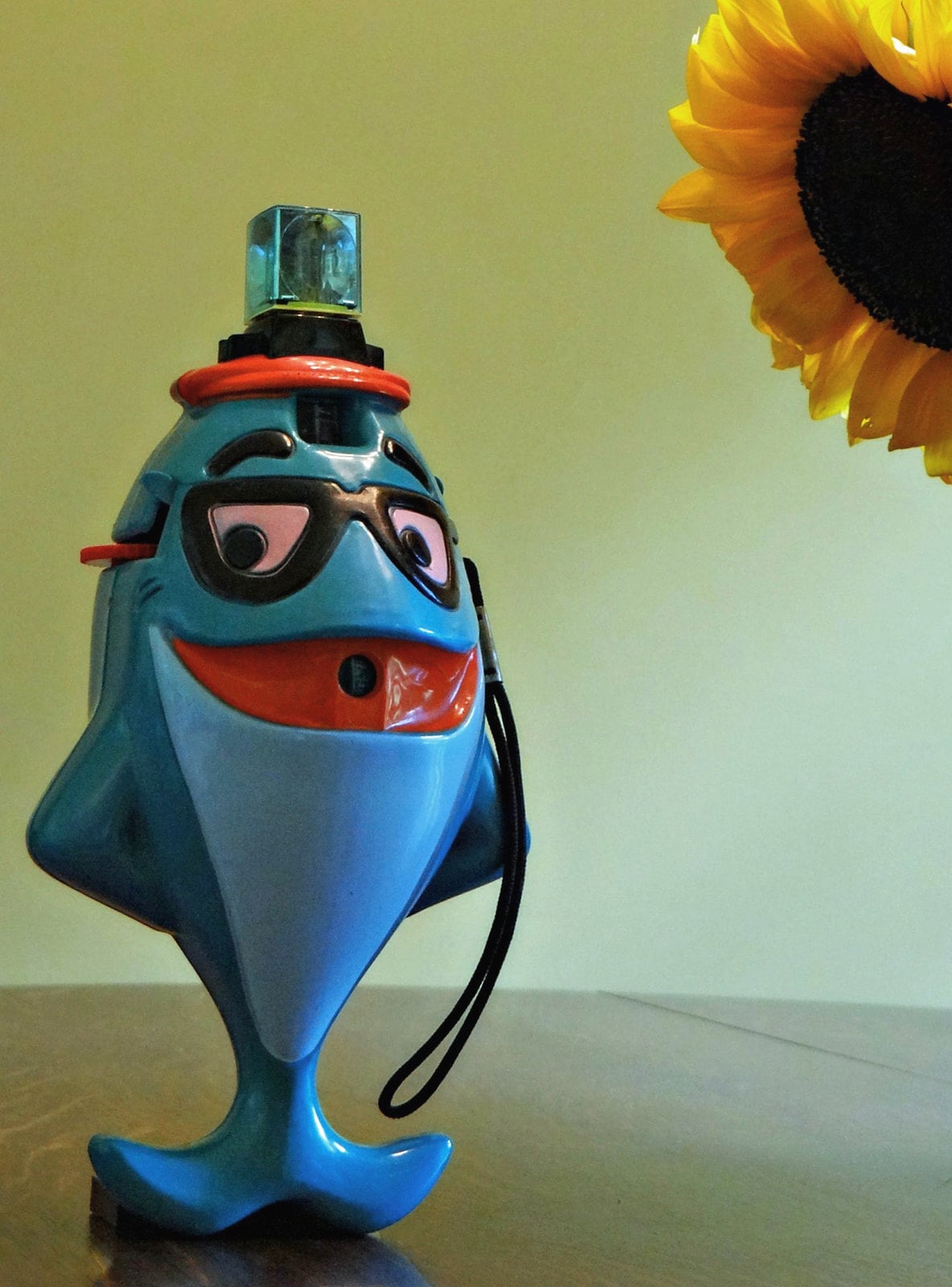
StarKist’s bespectacled tuna debuted in 1961, constantly attempting to prove he had “good taste” while the brand repeatedly rejected him for not tasting good enough.
Charlie’s popularity peaked in the 1970s and 1980s before his appearances became increasingly rare. The character made a brief comeback in the early 2000s but never regained his former prominence in the brand’s marketing strategy.
The Hamm’s Bear
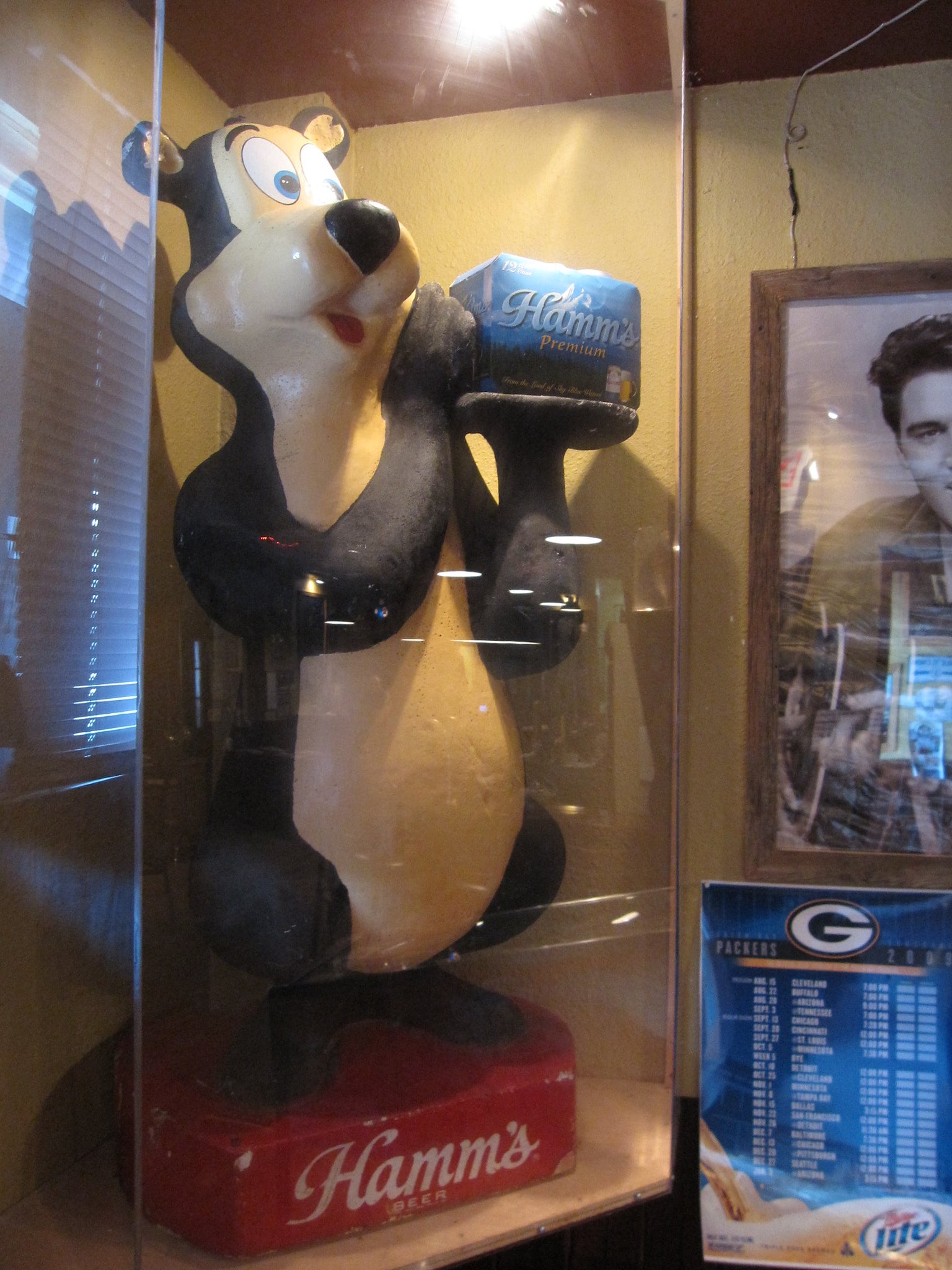
The playful cartoon bear for Hamm’s Beer first appeared in 1953, accompanied by the memorable tom-tom drum soundtrack and tagline “From the Land of Sky Blue Waters.”
Despite appearing in over 500 commercials and helping triple the brewery’s sales, the lovable bear disappeared in the 1970s when advertising regulations for alcohol tightened and the brand changed ownership multiple times.
The Burger King King

Before the creepy modern version, the original Burger King mascot was a friendly cartoon king who appeared in commercials and on packaging throughout the 1960s and 1970s.
This gentler monarch sat on a burger throne and wore a proper crown, looking more like a benevolent ruler than his unsettling successor. The character was phased out in the late 1970s as the chain moved toward more product-focused advertising.
Punchy
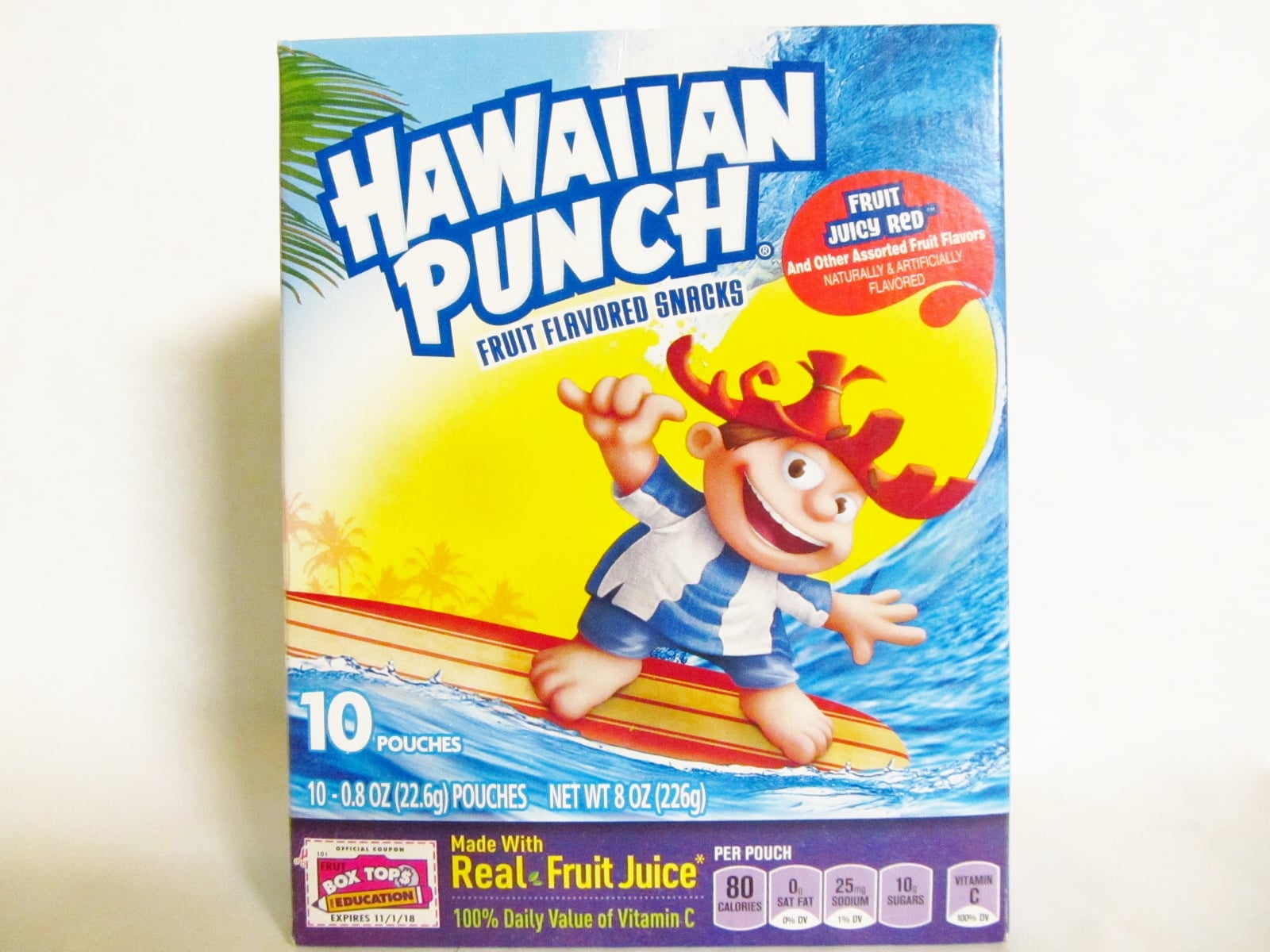
The Hawaiian Punch mascot, known for his catchphrase “How about a nice Hawaiian Punch?” before socking his friend in the face, debuted in 1962.
Punchy’s slapstick antics were considered harmless fun in that era, helping to boost the fruit drink’s sales dramatically. The violence-themed mascot gradually disappeared in the 1990s as concerns about promoting aggression in ads for children grew.
The Sinclair Dinosaur
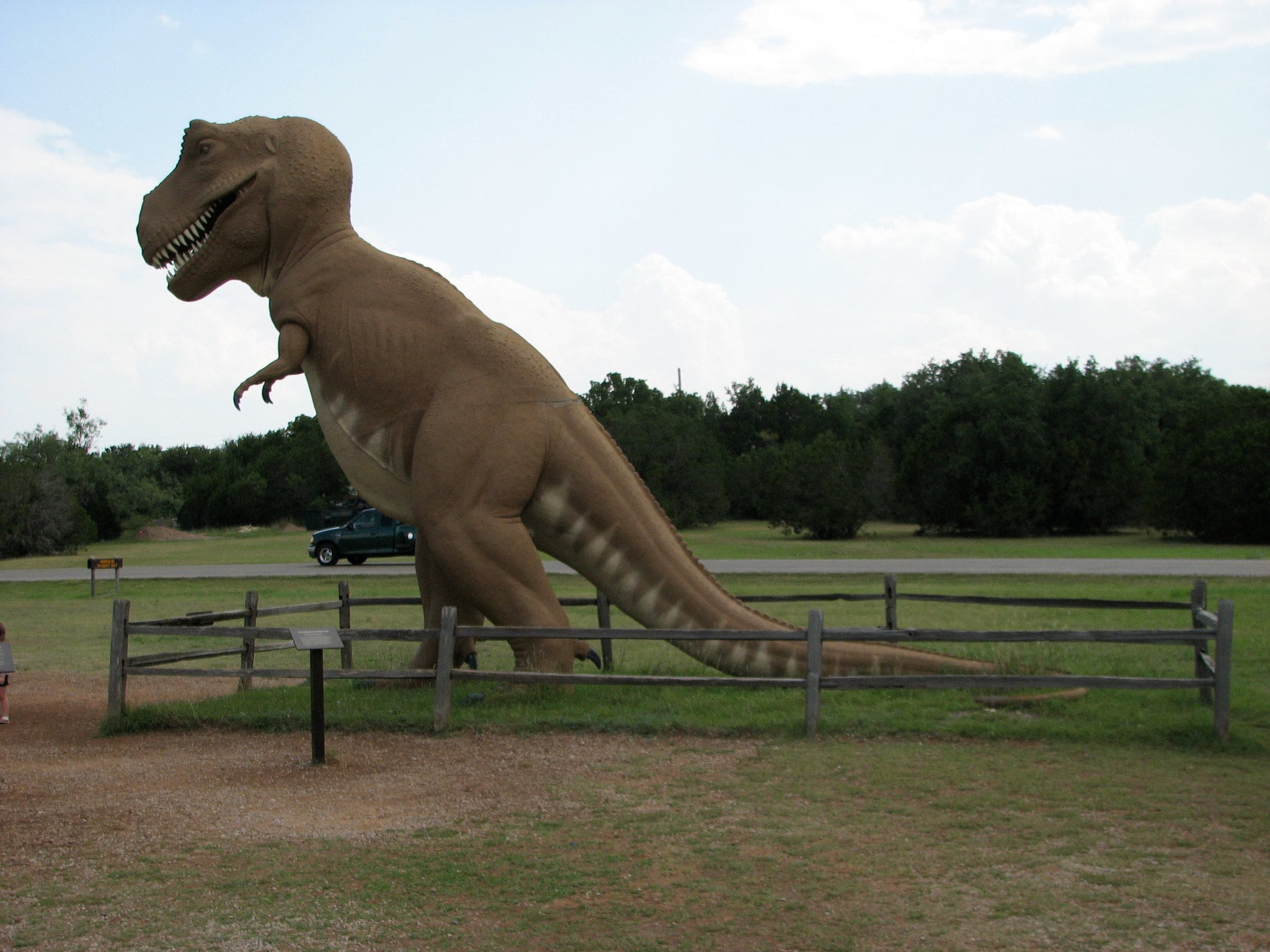
The friendly green brontosaurus (now known as Apatosaurus) named Dino represented Sinclair Oil from the 1930s through the 1970s.
The prehistoric mascot connected perfectly with the petroleum industry’s fossil fuel origins and became especially popular during World’s Fair exhibitions. Dino’s appearances decreased significantly after Sinclair was acquired by ARCO in 1969.
Bert the Turtle

This civil defense mascot taught American children to “Duck and Cover” during the Cold War era of the 1950s.
Bert demonstrated nuclear survival techniques in educational films and comic books distributed in schools. The turtle disappeared from public consciousness as civil defense strategies evolved, though he remains an iconic Cold War symbol.
The Taco Bell Chihuahua
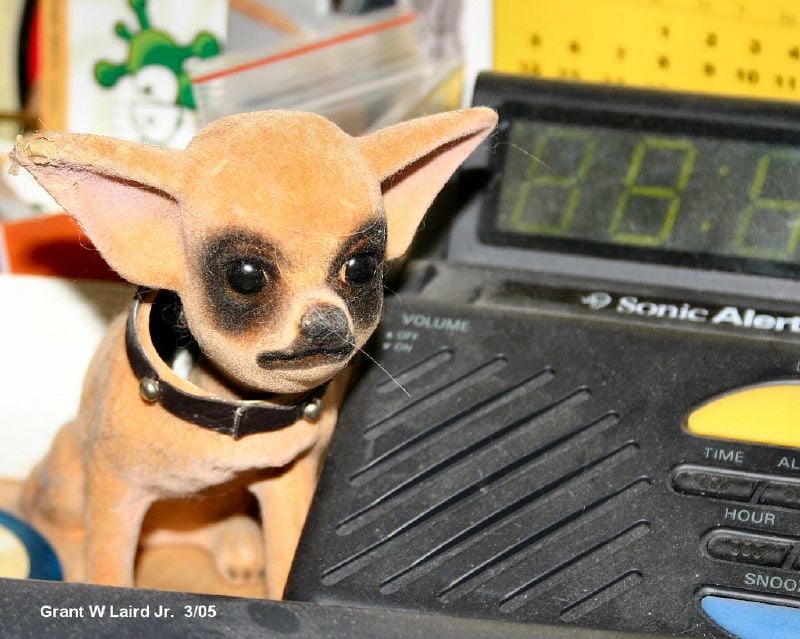
This Spanish-speaking dog known for the catchphrase “¡Yo quiero Taco Bell!” became a pop culture phenomenon in the late 1990s.
The tiny canine spokesperson, named Gidget, appeared in numerous commercials between 1997 and 2000. Despite massive popularity, the campaign ended amid controversy over ethnic stereotyping and a lawsuit involving character rights.
The Esso Tiger
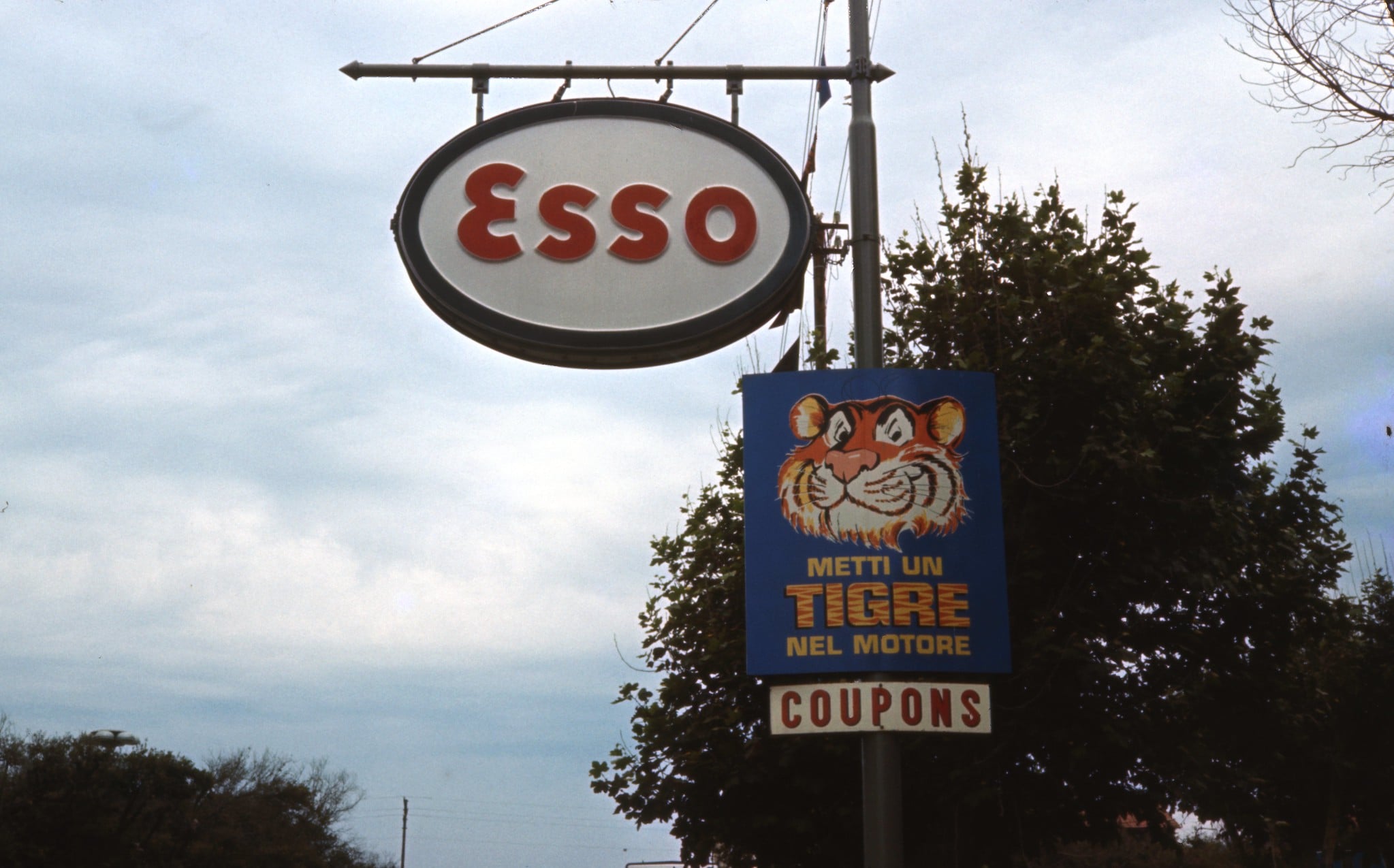
With the slogan “Put a tiger in your tank,” this powerful feline represented Esso gasoline from 1964 to 1972.
The mascot promised cars would run with the strength of a tiger. The tiger disappeared when Esso rebranded to Exxon in the U.S., though it remained in use internationally.
Geoffrey the Giraffe

While technically not gone, the original Geoffrey the Giraffe for Toys “R” Us looked very different from his later cartoon form.
The 1960s Geoffrey wore a suit and bow tie and had a more realistic appearance. This version faded after a 1970s redesign and again in 2018 when U.S. stores closed.
The Qantas Koala
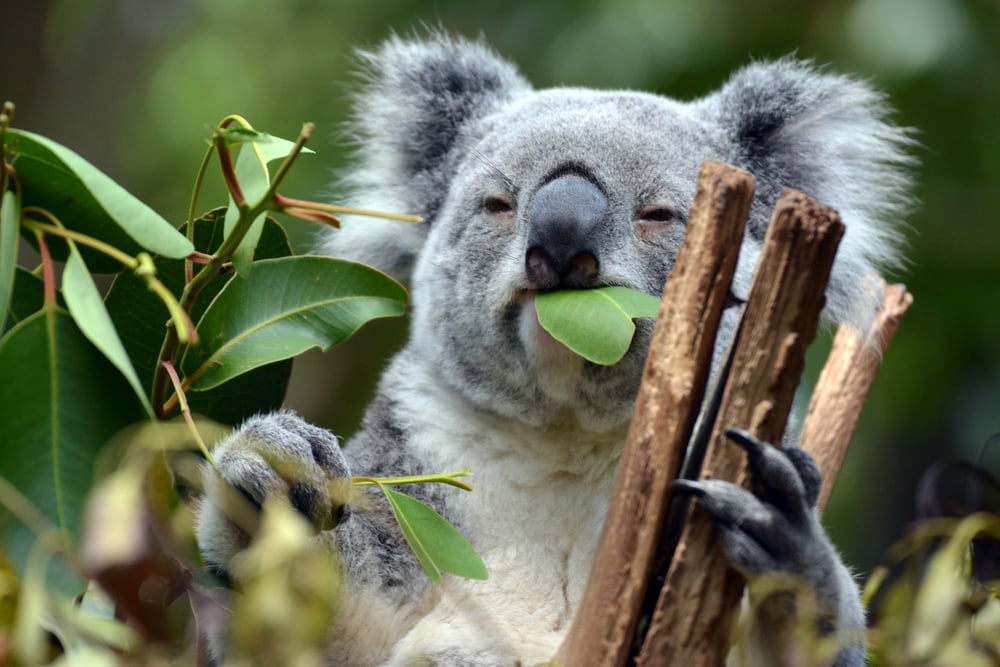
This grumpy koala appeared in commercials for the Australian airline throughout the 1980s and early 1990s.
The annoyed marsupial helped Qantas stand out in the U.S. despite limited service. The character disappeared as the brand began focusing more on showcasing Australia’s natural beauty.
Marketing Memories

These forgotten brand ambassadors represent more than just abandoned advertising campaigns.
They capture specific moments in American consumer culture, reflecting the changing tastes, sensibilities, and social awareness of their respective eras. While some disappeared due to controversy, others simply faded as companies modernized their branding.
Many of these mascots live on through vintage collectors and pop culture nostalgia. Their disappearance reminds us that even the most iconic characters can vanish when times – and values – change.
More from Go2Tutors!

- The Romanov Crown Jewels and Their Tragic Fate
- 13 Historical Mysteries That Science Still Can’t Solve
- Famous Hoaxes That Fooled the World for Years
- 15 Child Stars with Tragic Adult Lives
- 16 Famous Jewelry Pieces in History
Like Go2Tutors’s content? Follow us on MSN.