Pendant Necklaces Hiding in Grandma’s Dresser
The top drawer rarely looks like much. A tangle of chains, a few tarnished clasps, and a velvet pouch that has not been opened in decades.
Inside that mess, though, sit the pieces that tell you exactly when and where a family lived, loved, and grieved. Some of these pendants are worth real money, and some are worth only the story attached.
Telling them apart takes a magnifying glass, a little patience, and knowing which markings to look for.
Victorian Photo Lockets With a Lock of Hair Inside
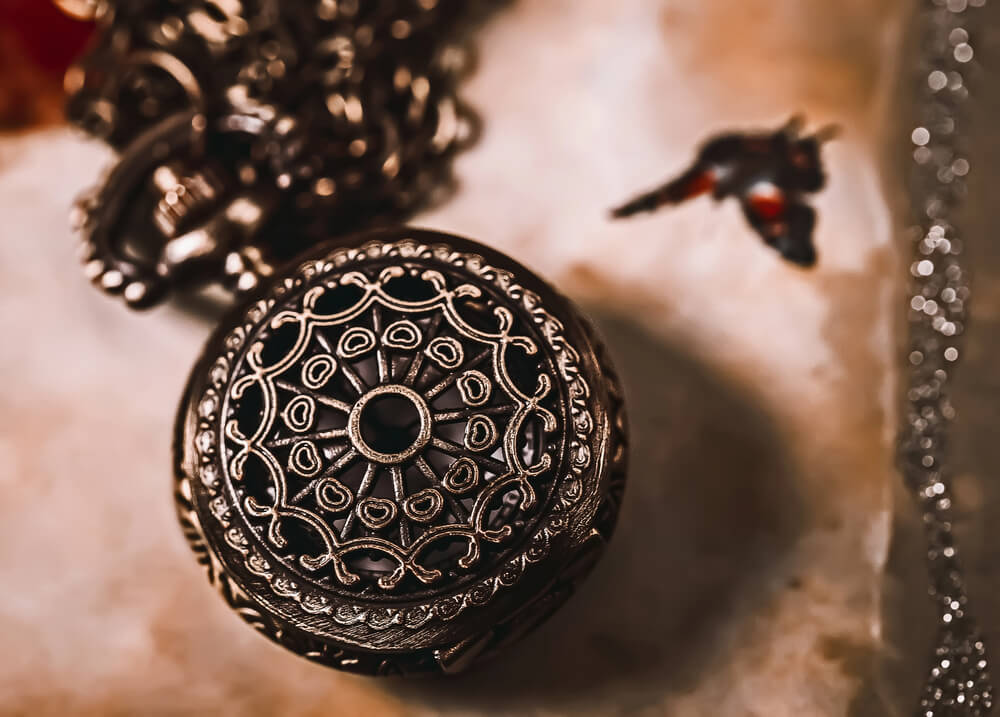
Lockets are the workhorse of the jewelry drawer, and the Victorian era (1837 to 1901) made them wildly popular for holding a tiny portrait on one side and a curl of hair on the other. Open one gently and look for a small paper or glass-covered compartment, since the original contents are part of the appeal.
Solid gold examples carry karat stamps near the bail, while gold-filled versions are often marked with a fraction and the letters GF. A locket whose hinge still snaps shut tightly and whose engraving remains crisp is worth far more than one with a loose, wobbly back.
Shell Cameos Carved Near Naples
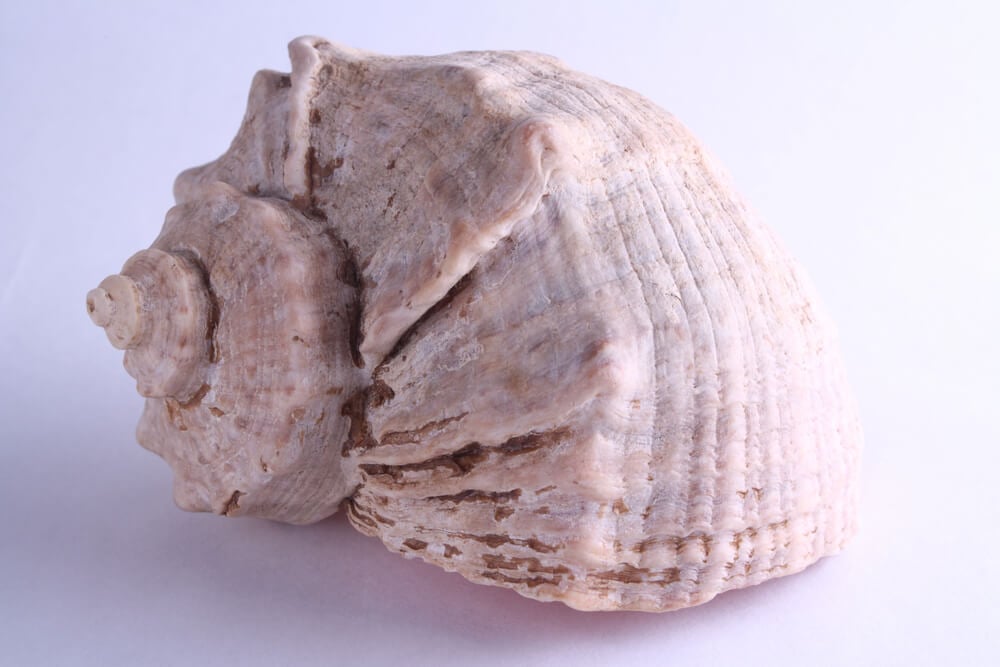
Pale figures floating on a peach or salmon background usually mean a carved shell cameo, and many of the finest came from Torre del Greco, a town on the Bay of Naples with a long cameo-carving tradition. Carvers cut through the layered colors of a conch or helmet shell to reveal a profile in relief.
The weak spot is the thin edge of the profile, where hairline cracks and chips tend to appear. Pins were often later fitted with a pendant loop, so check whether the mount shows signs of conversion and whether the pin stem has been removed or soldered awkwardly.
Whitby Jet Worn in Mourning After 1861
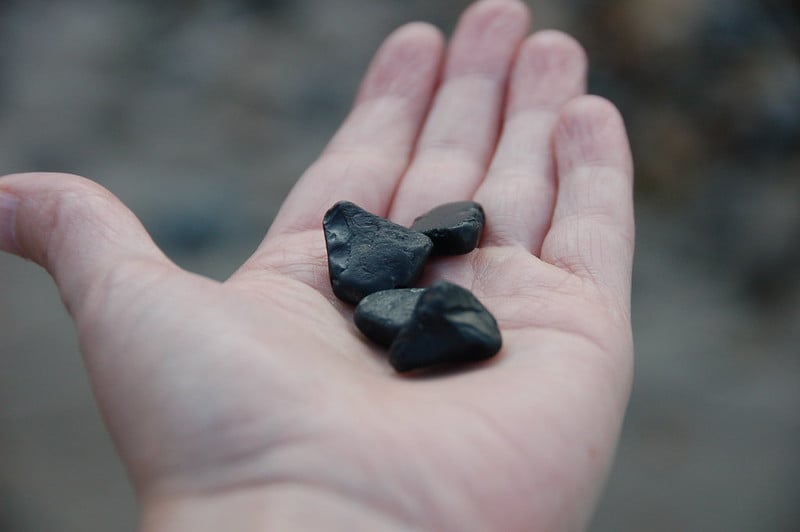
When Prince Albert died in December 1861, Queen Victoria stayed in mourning for the rest of her life, and fashionable England followed with black jewelry. The favored material was jet from the coast near Whitby in North Yorkshire, which is fossilized wood that is light, warm to the touch, and takes a deep polish.
Fakes are common, including black glass sold as French jet and molded vulcanite or plastic. Real jet leaves a brown streak when rubbed on unglazed porcelain, and cracks or flaking along the grain can sharply reduce what a pendant is worth.
Mizpah Pendants Promising to Watch Over the Absent
The word Mizpah comes from Genesis 31:49, where the verse asks that the Lord keep watch between two people while they are apart from one another. Victorian sweethearts, and later soldiers and the families they left behind, exchanged pendants engraved with the word, often shaped as split hearts or a coin sawn into two halves.
A matching pair is more desirable than a single half, so a surviving partner can change the value considerably. Check the engraving for wear, since a deeply worn inscription means the piece was loved, but it can also cost it points with collectors.
Micromosaic Scenes Made of Glass Slivers
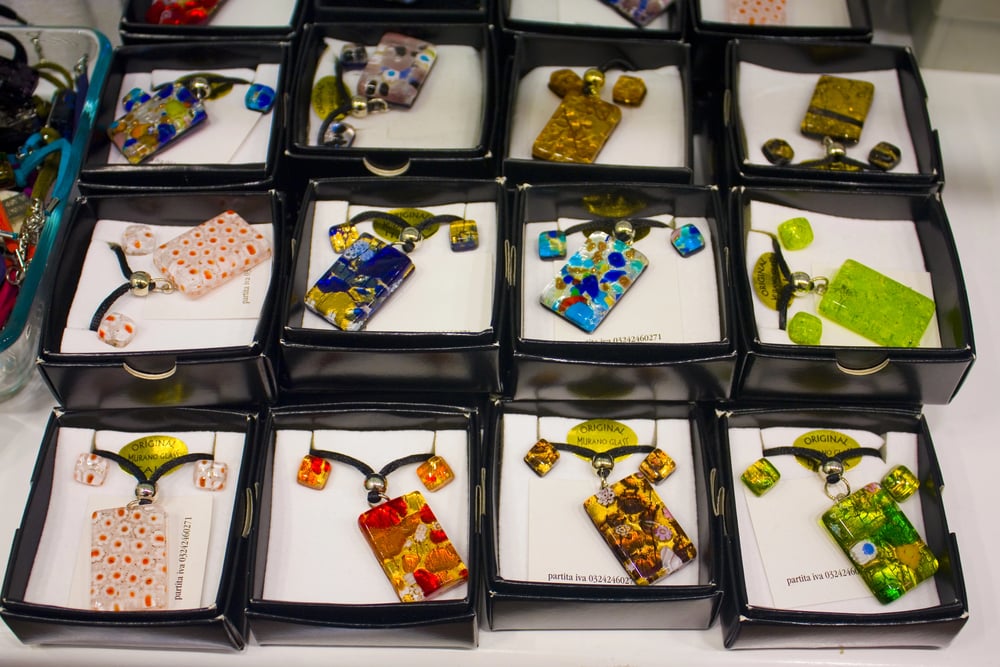
Held under a loupe, a micromosaic pendant reveals a picture built from countless slivers of colored glass, set into a base and polished flat. The craft grew out of Roman workshops and flourished as a souvenir for travelers on the Grand Tour, with doves, ruins, and flowers as popular subjects.
A scene small enough to sit inside a fingernail-sized frame can contain dozens of separate pieces. Missing tesserae, which show up as dark gaps in the picture, are the main condition issue, and a complete image in an original gold mount is the combination to hope for.
Wedgwood Jasperware in Blue and White
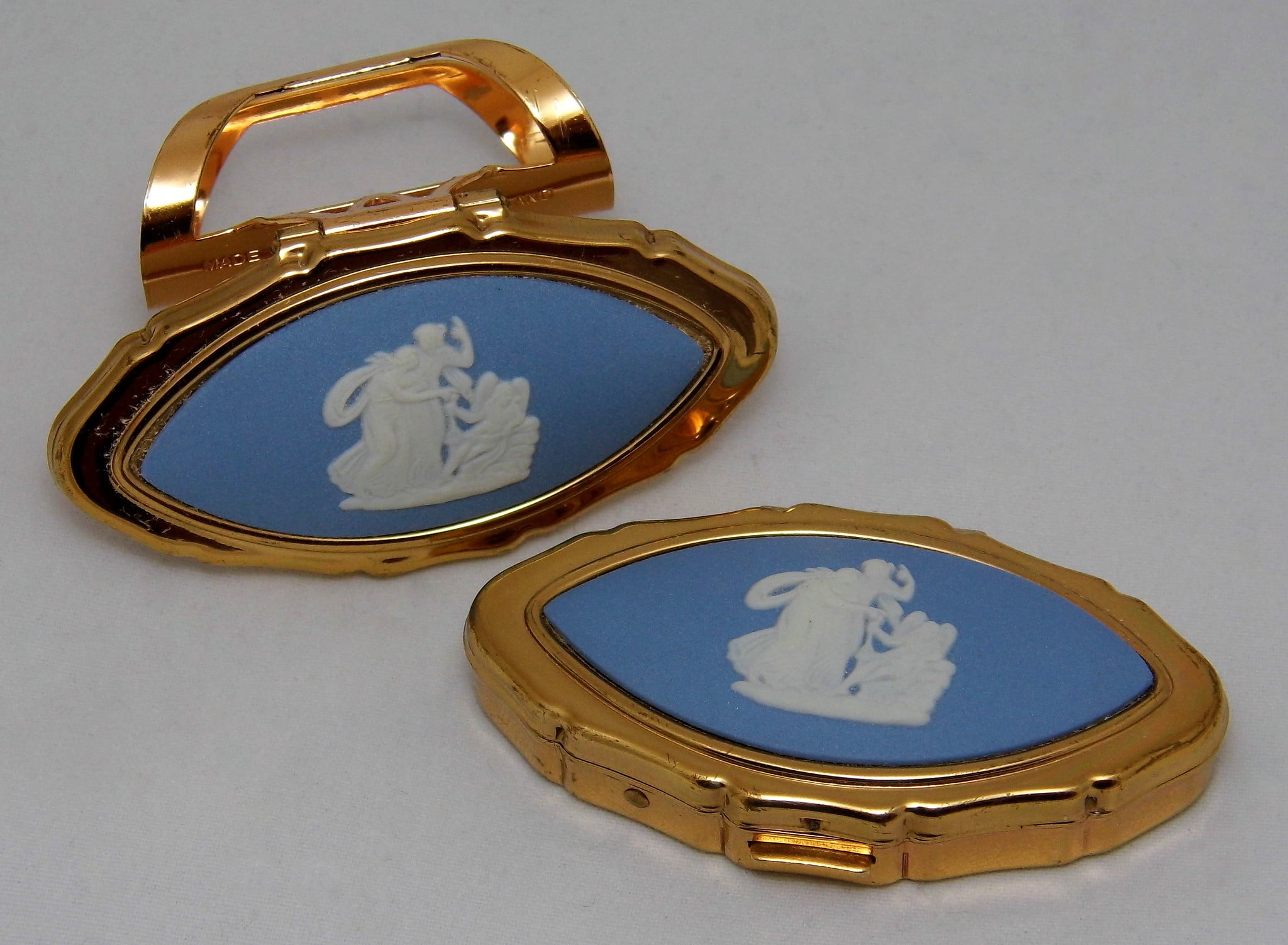
Josiah Wedgwood perfected his unglazed jasper stoneware in the 1770s in Staffordshire, and the familiar pale blue ground with white relief figures has been copied ever since. Flip the pendant over and look for the impressed name Wedgwood, and for the word England or the phrase Made in England, which indicate later production.
Some pieces are solid color throughout, while others only have a thin colored dip on the surface, so deep scratches or chips can reveal the difference. A gold mount that matches the quality of the cameo adds to the appeal, while a modern glued bezel does not.
Miraculous Medals Struck After a Paris Vision
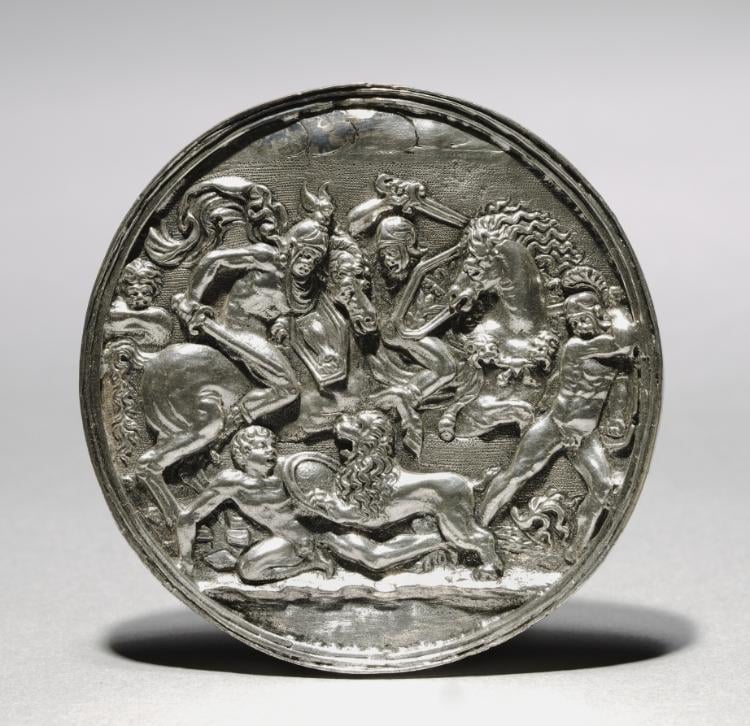
The Miraculous Medal traces back to 1830, when Catherine Labouré, a young novice at the convent on the Rue du Bac in Paris, reported a vision of the Virgin Mary. The first medals were struck in 1832, and the design with the oval frame and the inscription asking Mary to pray for those who turn to her has been reproduced in huge numbers.
That abundance means most are modest, but a sterling or gold example with a maker’s stamp, crisp relief, and an original chain deserves a closer look. Rubbed-smooth faces suggest decades of daily wear, which is lovely for sentiment and less so for resale.
St. Christopher Medals for Safe Travel
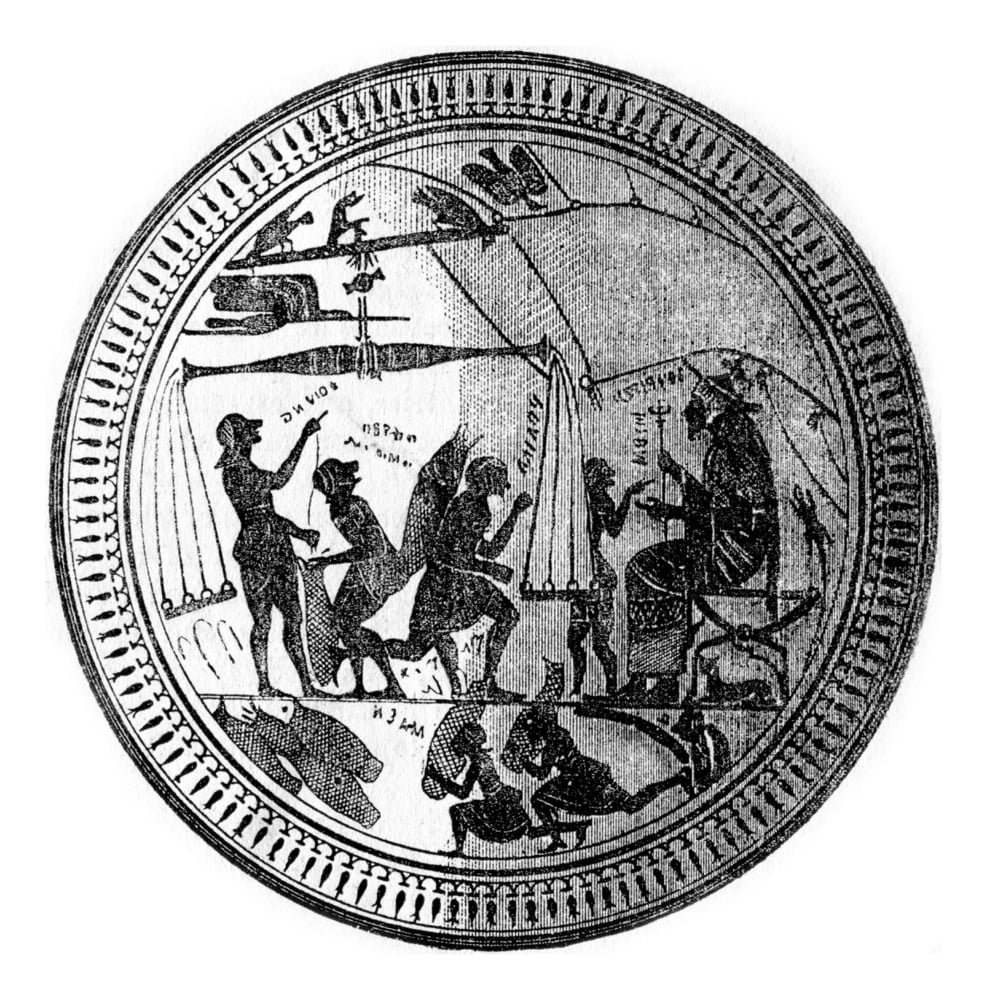
Travelers have carried images of St. Christopher, the patron saint of those on the road, for centuries, and a medal dangling from a grandfather’s keychain or a grandmother’s chain is a common drawer find. In 1969, the Vatican removed him from the general calendar of saints, though devotion to him never really stopped.
Sterling and gold medals will carry a purity stamp such as 925 or a karat number, while pewter or plated ones will not. Check that the loop has not worn thin from the chain, since a cracked bail is a frequent and inexpensive-to-fix but value-lowering problem.
Art Deco Filigree Pendants From the 1920s
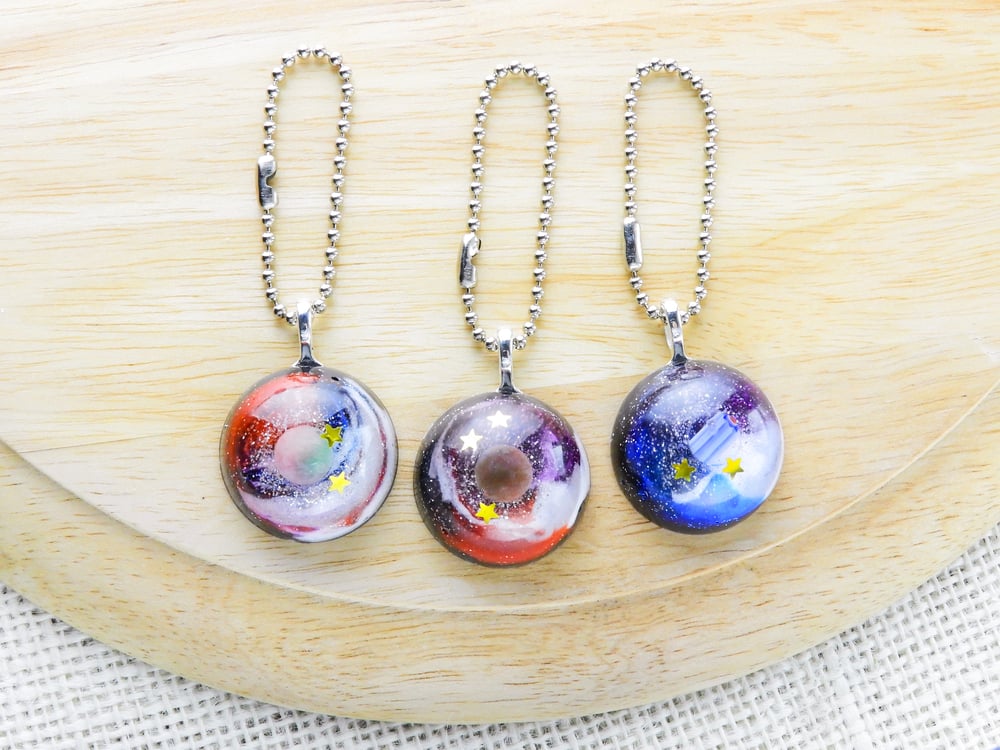
Named for the 1925 Exposition Internationale des Arts Décoratifs et Industriels Modernes in Paris, the Art Deco style produced pendants that look like lace made from metal. Jewelers pierced and shaped thin platinum or white gold into geometric patterns, often edging them with tiny beaded borders called milgrain.
Many of the sparkling stones are actually synthetic sapphires or spinels, which were routinely used in the era. A pendant with sound solder joints and original stones is a prize, while a replaced center stone or a bent frame can cut sharply into its appeal.
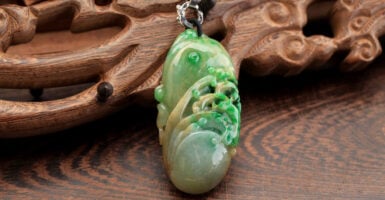
Jadeite Pendants With Imperial Green Color
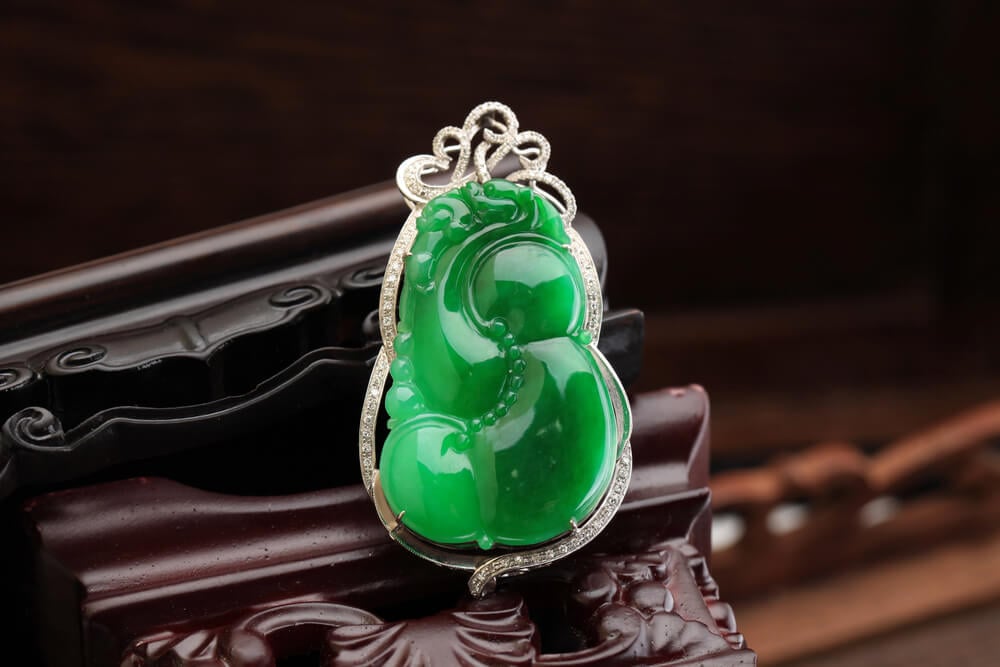
Jadeite and nephrite are both sold as jade, but jadeite, mined chiefly in Myanmar (the former Burma), is the more valuable of the two, and rich translucent green is the most desired color. Gem labs sort it into Type A, which is natural, Type B, which has been bleached and filled with polymer, and Type C, which is dyed.
Treated stones can turn cloudy or yellowish with age, so a certificate from a recognized lab for an untreated stone is worth far more than any guess. Cracks, a mottled color, or an opaque, flat look all push the value in the wrong direction.
Cloisonné Enamel Pendants From East Asia
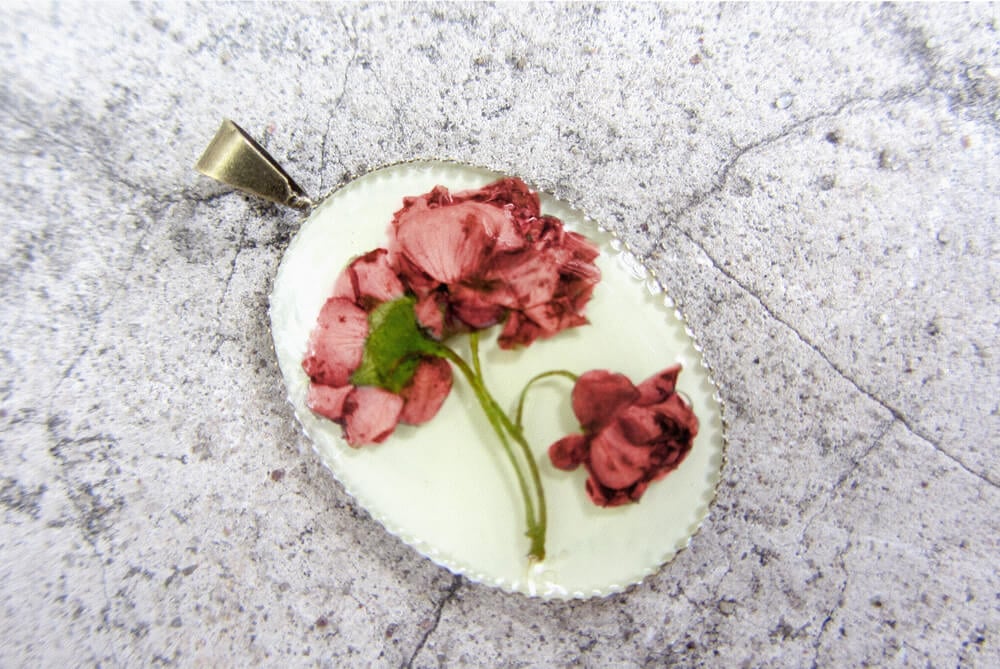
Cloisonné builds a picture by soldering thin metal wires onto a base to form tiny walls and then filling the cells with colored enamel. Chinese and Japanese workshops produced pendants in this style, and the Japanese Meiji era, which ran from 1868 to 1912, brought some of the most delicate work.
Look for enamel that is smooth and evenly fired, with the wires standing out as neat outlines. Chips in the enamel, which expose bare metal, and cracks across the surface are the main problems, and a piece with a flawless face and a sturdy mount tends to be the one collectors want.
Bakelite Pendants Carved Into Bold Shapes
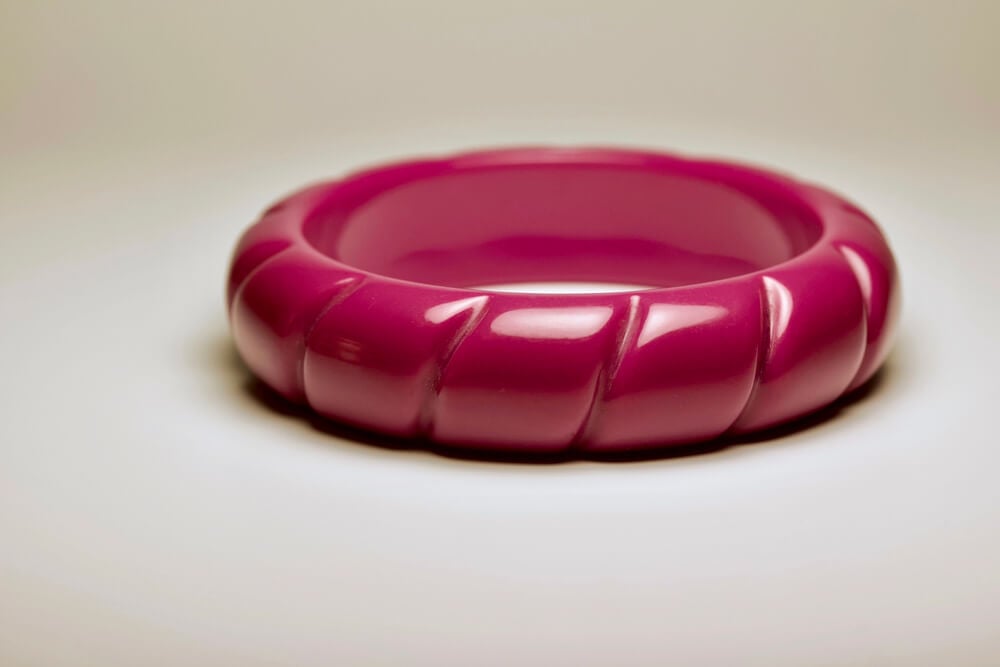
Leo Baekeland developed his phenolic resin in 1907, and by the 1930s the plastic carrying his company’s name was being carved and polished into chunky pendants in butterscotch, cherry red, and green. A widely used home test is to rub a spot with a cleaner such as Formula 409 or a metal polish on a cotton swab, because genuine Bakelite will leave a yellowish tint on the swab.
Fakes made of modern resin are plentiful, so the test matters. Intricate carving, layered colors, and no cracks or surface crazing are the features that raise the price.
Marcasite Pendants That Are Really Pyrite
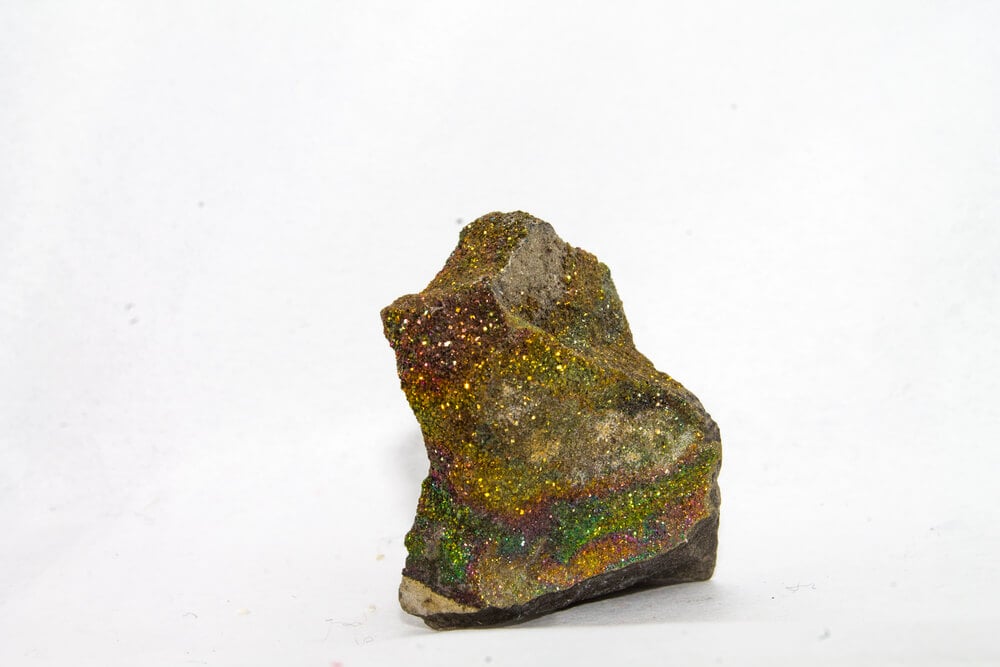
The glittering gray stones in marcasite jewelry are typically pyrite, cut into small facets and fastened to silver in tight rows. The look reached a peak in the Art Deco years, and German makers around Pforzheim, such as Theodor Fahrner, turned out pendants with marcasite alongside colorful stones.
Silver stamps like 925 or 935, along with a maker’s mark, help establish quality. The tiny stones fall out over the years, and a pendant that is missing many of them or that has been repaired with glue loses much of its glitter and its worth.
Monet Gold-Tone Pendants From Providence
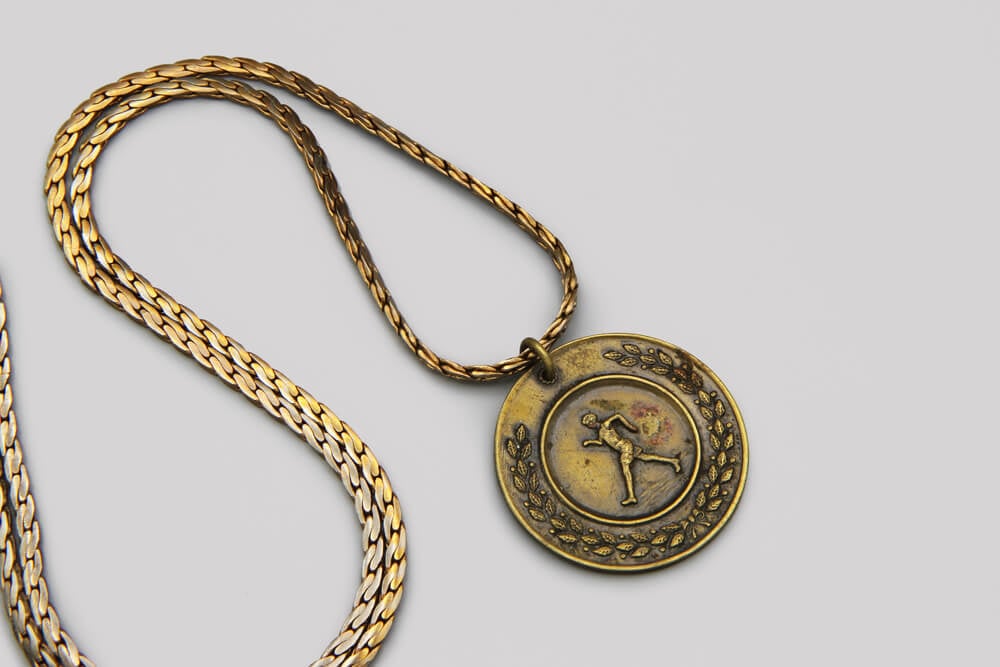
Brothers Michael and Jay Chernow founded their jewelry company in Providence, Rhode Island, in 1929, and the business adopted the name Monet in the 1930s. By the middle of the 20th century, its chunky chains, textured gold finishes, and enamel pendants had become a standard in department store jewelry cases.
The name usually appears stamped in block letters on the back of a pendant or on a small tag near the clasp. Plating that has worn through to the base metal, or a damaged clasp, brings the price down, though clean examples remain a bargain.
Trifari Pendants With the Crown Mark
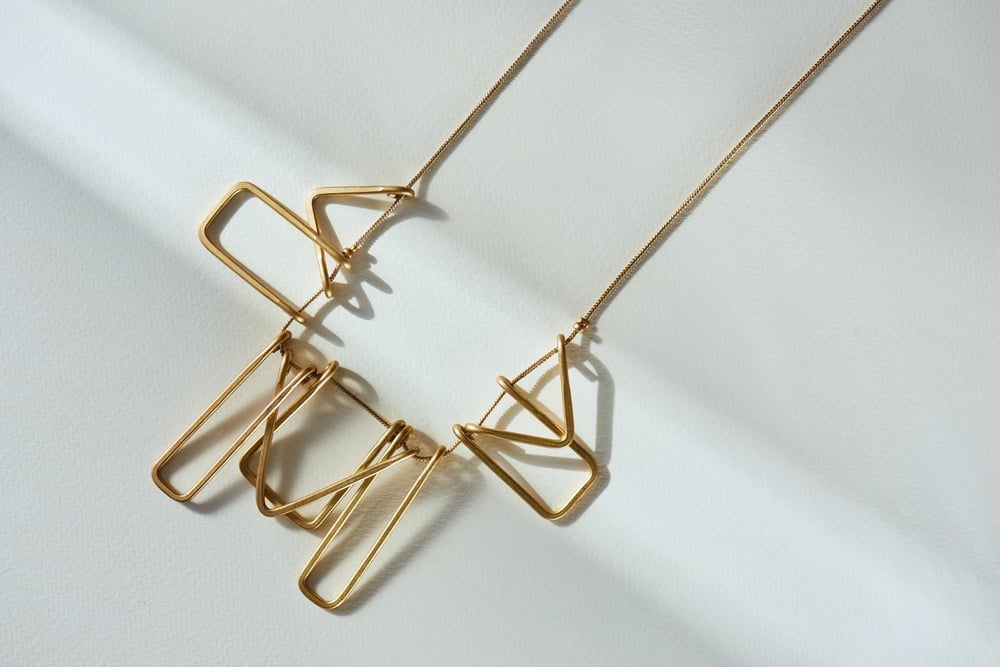
Trifari’s pieces often carry the word Trifari with a small crown, and the company’s design reputation soared after Alfred Philippe, who had worked for Cartier and Van Cleef and Arpels, joined as head designer in the 1930s. Philippe’s fanciful animal brooches known as Jelly Bellies, with clear Lucite bodies, became the brand’s most famous creations, while pendants from the same era share that playful spirit.
The earlier KTF stamp points to the company’s original partners, Krussman, Trifari, and Fishel. Rhinestones that are missing and plating that is chipped matter a great deal in a pendant of this sort.
Napier Pendants From Connecticut’s Silver City
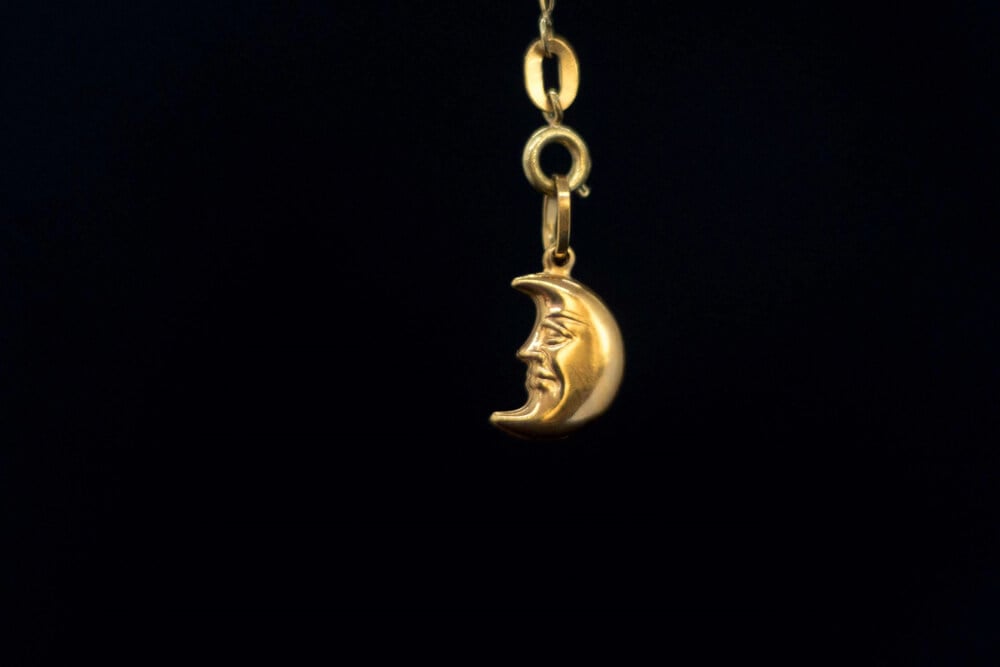
The Napier Company grew out of the silver industry in Meriden, Connecticut, a town nicknamed the Silver City, and the company traces its roots to the E.A. Bliss firm. Napier became a household name for bold, brassy costume pieces and for charm bracelets in particular, but the brand also made pendants in sterling and in gold-tone metal.
A signature in block letters, sometimes with the word Sterling, helps date a piece and tell its metal. Plating wear and a loose or missing clasp can reduce what a collector will pay.
Weiss Pendants Set With Black Diamond Rhinestones
Albert Weiss founded his New York costume jewelry company in 1942, and the firm became known for high-quality Austrian crystal rhinestones, including a smoky gray stone called black diamond. Weiss pieces are usually signed on the back, which makes them easy to spot even without a lot of experience.
The brand earned a following for the sheer glitter of its stones. Cloudy, scratched, or missing rhinestones lower the value, so look closely under bright light.
Miriam Haskell Pendants Wired by Hand
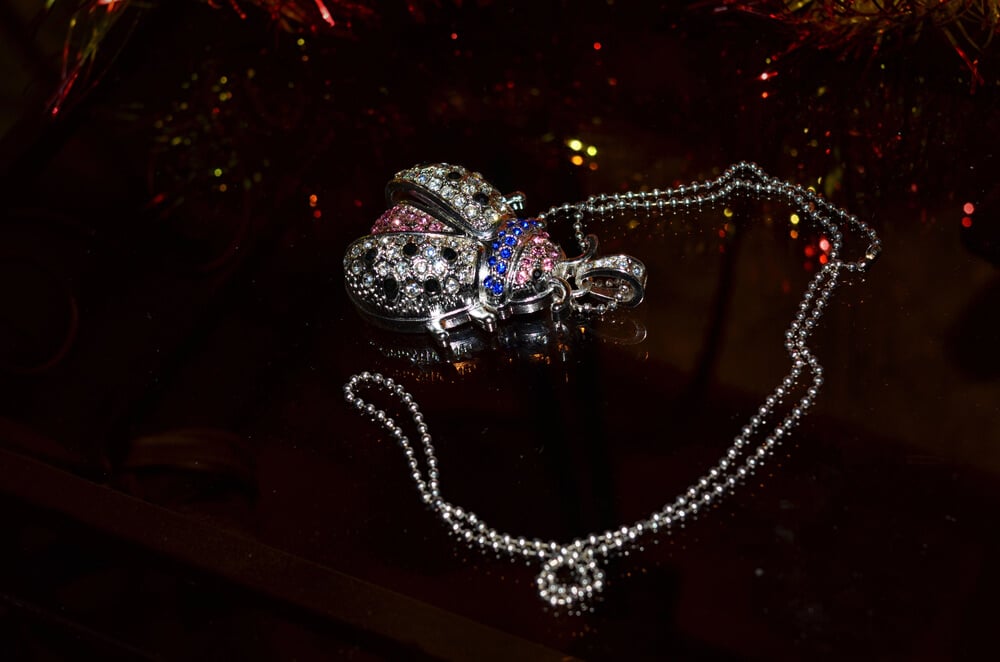
Miriam Haskell opened her New York business in 1926, and her pieces are known for hand-wired glass beads, baroque pearls, and elaborate floral designs. Frank Hess, her chief designer for many years, shaped much of the look the company is famous for.
Signed pieces typically carry an oval plaque stamped with the name Miriam Haskell on the back, which helps to separate genuine items from imitations. Flaking pearl coating, loose wiring, and replaced beads all reduce the value of what is otherwise a collectible treasure.
Elsa Peretti Beans and Open Hearts at Tiffany
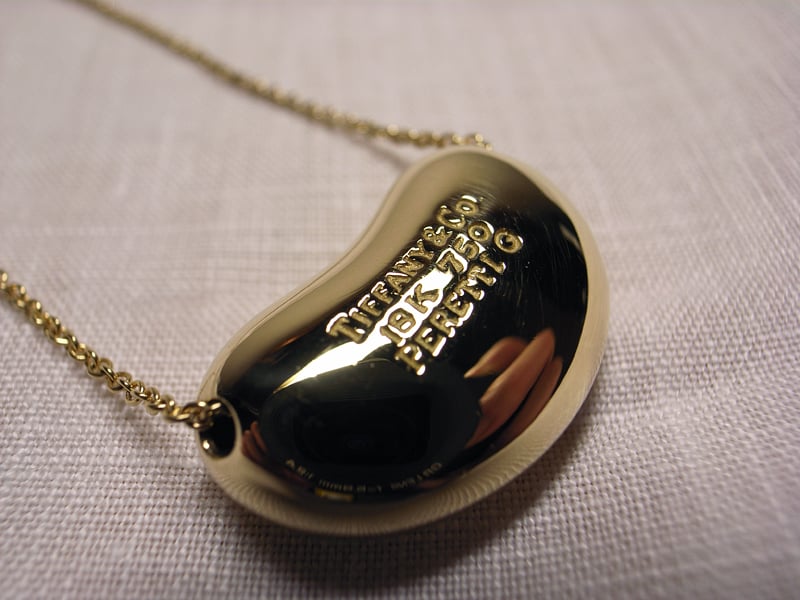
Elsa Peretti, born in Florence in 1940, began selling her designs at Tiffany and Co. in New York in 1974. Her smooth Bean shape and her Open Heart pendant, usually in sterling silver, became signature pieces, and her collections made modern, sculptural jewelry something an ordinary customer could afford.
Authentic examples are stamped with Tiffany and Co., the metal purity, and the name Peretti. A pendant with light surface scratches and some tarnish is fully normal, but deep dents, a bent bail, or a replacement chain will matter to buyers.
Georg Jensen Silver From Copenhagen
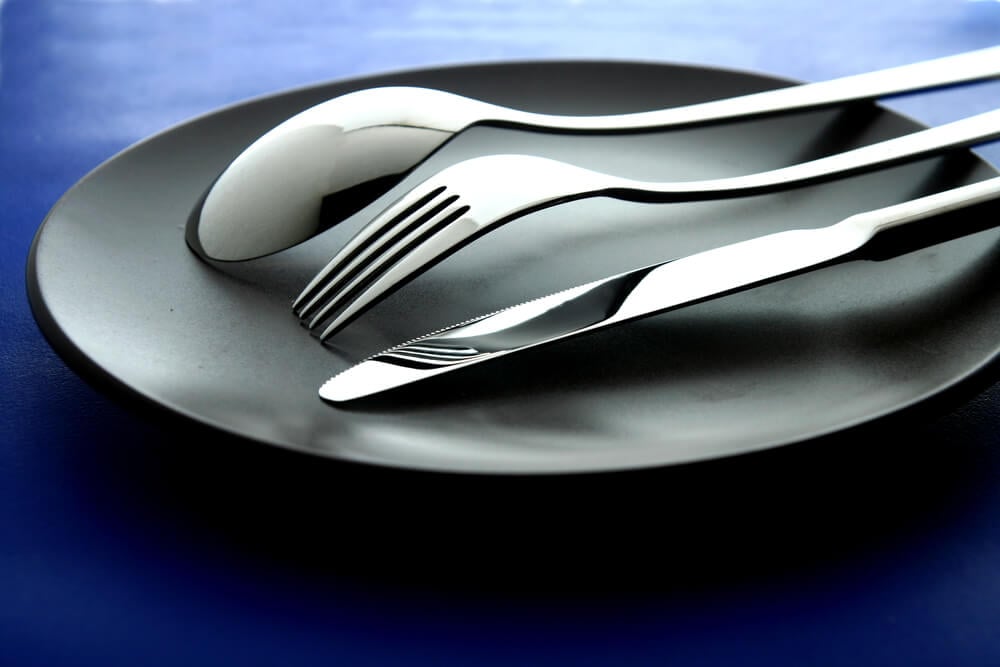
Georg Jensen opened his silversmithing workshop in Copenhagen in 1904, and the company’s flowing, organic silver pieces made Danish design famous worldwide. Pendants by designers such as Henning Koppel and Torun Bülow-Hübe are among the most sought after.
Authentic pieces are stamped with the Georg Jensen name, the word Denmark, the word Sterling, and often a design number, which a collector can look up to identify the designer and the date. Heavy tarnish can be cleaned, but cleaning too harshly or any scratching can lower the price.
What the Drawer Was Really Keeping
Each of these pendants was chosen by someone, for a reason, and that reason is often the most valuable part of the piece. A locket held a face, a Mizpah medal held a promise, and a medal of St. Christopher held a hope for a safe return.
Even the plated costume pieces from Monet or Trifari mark a day when a person decided to dress up and feel a little glamorous. Before anything gets sold or polished, it is worth turning each one over, reading the markings, and checking the clasp.
Condition and original parts will decide the price, but the story will decide whether it belongs in a pawn case or around a granddaughter’s neck.
More from Go2Tutors!

- 27 Silver Dollars and Half Dollars Worth Keeping
- 28 Restaurant Menu Items Nobody Orders Anymore
- 17 Places Built in Seemingly Impossible Spots
- 27 Vintage Rings Worth More Than They Look
- 25 Restricted Sites Tourists Can’t Enter
Like Go2Tutors’s content? Follow us on MSN.