Photos Of 15 Most Influential Fictional Objects In Cinema History
Movies have always been about more than just stories and characters. Sometimes, it’s the objects that steal the show — the props that become so iconic they transcend the films themselves.
These aren’t just pieces of set decoration gathering dust in some studio warehouse. They’re cultural touchstones that have shaped how audiences think about power, desire, fear, and wonder.
From ancient artifacts that promise eternal life to simple everyday items transformed into symbols of hope or terror, certain fictional objects have achieved a rare kind of immortality.
They’ve inspired countless imitations, launched merchandising empires, and become shorthand for entire genres.
These are the props that made audiences believe in magic, even when they knew it was just a movie.
The One Ring
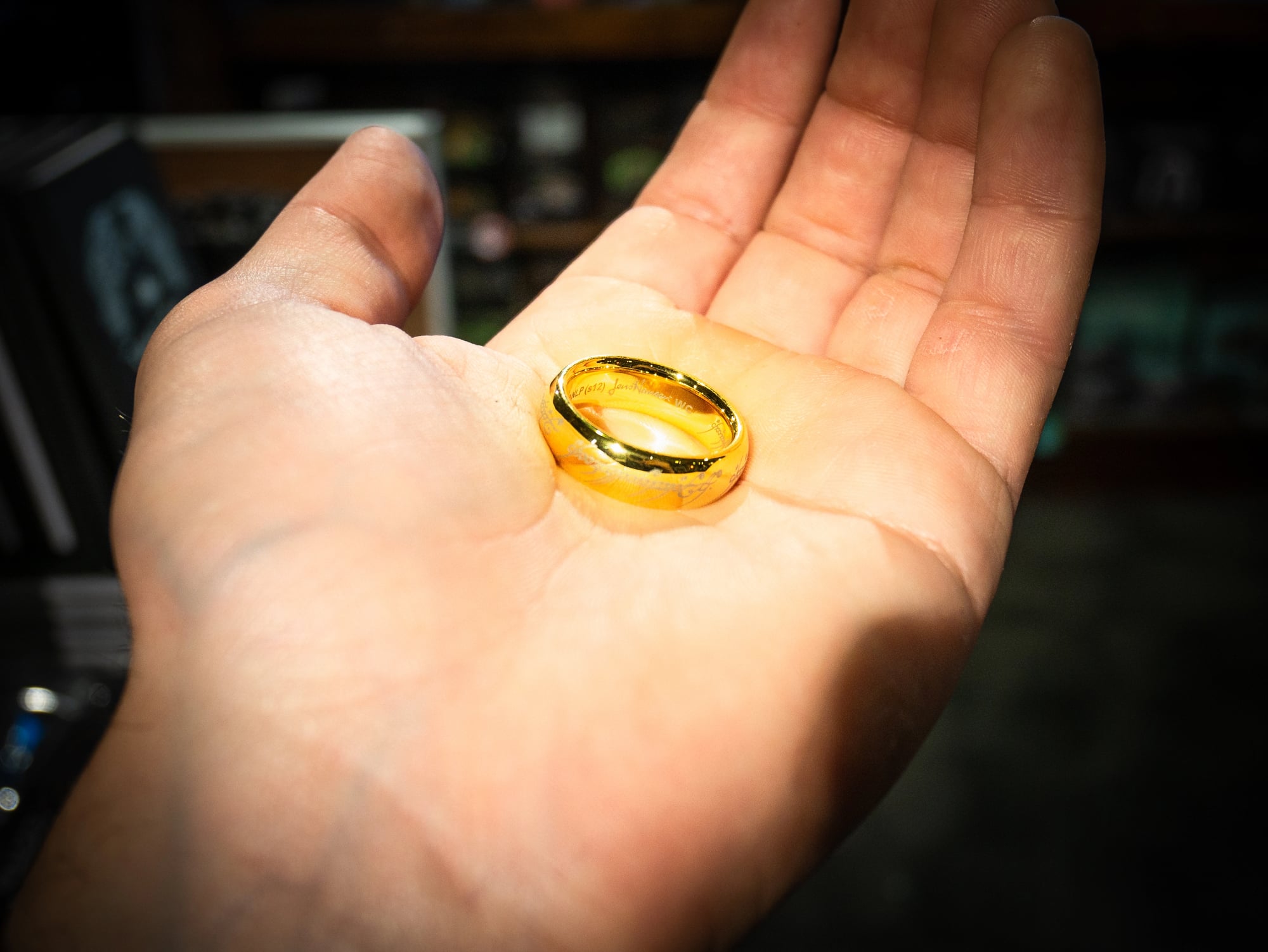
The power of Tolkien’s ring translates perfectly to screen because it embodies something universally understood: the terrible weight of absolute power. Peter Jackson’s films made the ring feel genuinely cursed.
The way it whispers to its bearers, the way it seems to pulse with malevolent life, the way even good people become obsessed with possessing it.
What makes the ring brilliant as a cinematic object is its simplicity. Plain gold band.
No elaborate design, no flashy jewels.
The ordinariness makes it more unsettling, not less.
Rosebud

Welles knew exactly what he was doing when he built an entire film around a childhood sled. The genius wasn’t in the object itself — it was in making audiences wait two hours to understand what it meant.
And then realizing the meaning was both everything and nothing at all, which is probably the most human thing about memory and loss that’s ever been captured on film.
So simple, and yet it carries the full weight of a man’s entire existence.
The sled works because everyone has their own version: some small, seemingly insignificant thing from childhood that, in retrospect, represents a moment before everything became complicated.
Lightsaber
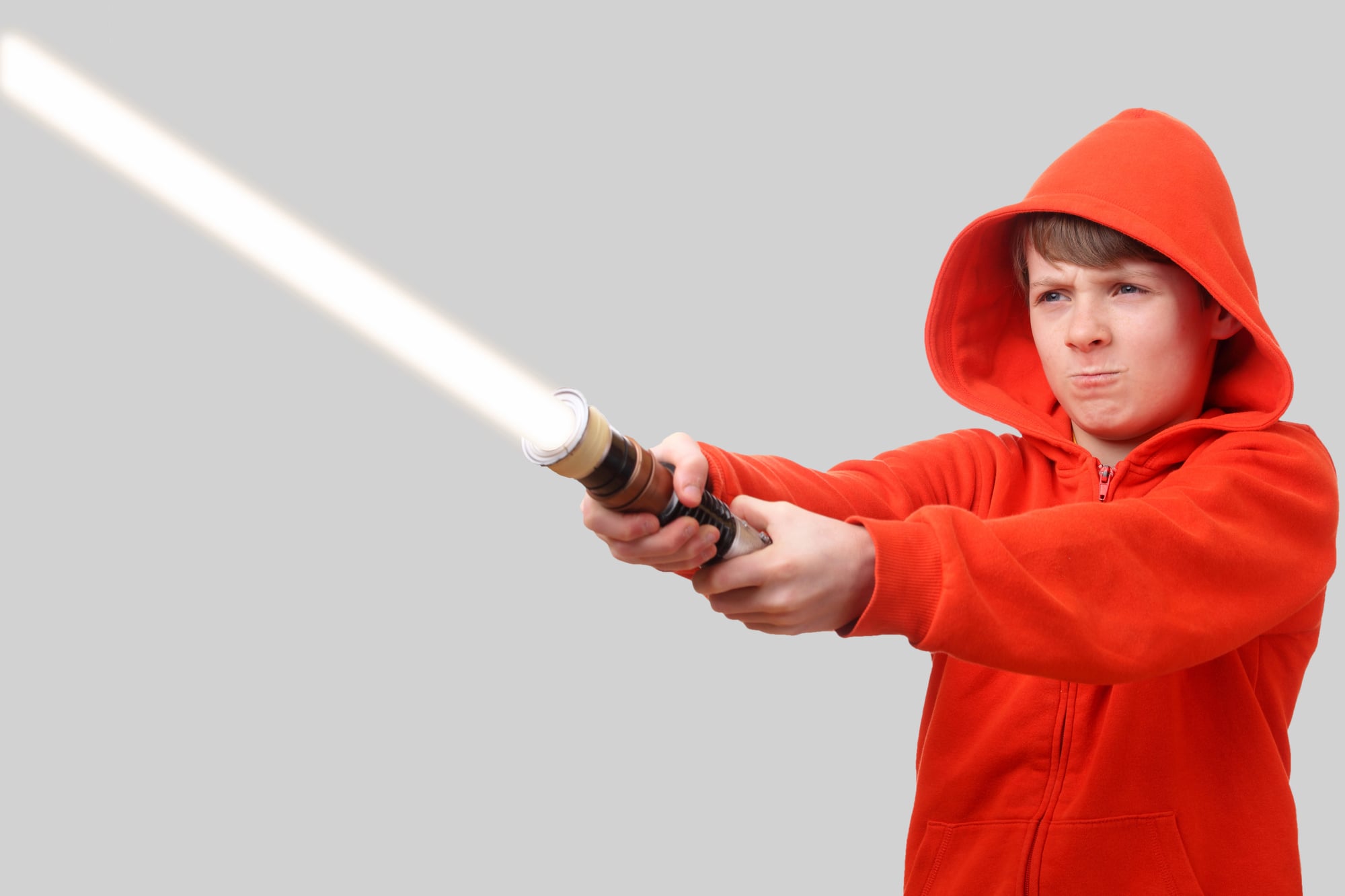
Lucas created the perfect weapon for the movies. Lightsabers look dangerous, sound dangerous, and somehow manage to make every fight scene feel both ancient and futuristic.
The hum, the clash when two blades meet, the way they illuminate faces in the dark — pure cinema.
More than that, though, lightsabers became a moral compass. Color matters.
Fighting style matters.
The weapon reflects the wielder, which is exactly how mythic objects should work.
Every kid who ever picked up a cardboard tube and made swooshing sounds understood this instinctively.
The Maltese Falcon

There’s something almost laughably perfect about how the Maltese Falcon works as a plot device — this supposedly priceless artifact that drives everyone to murder and betrayal turns out to be a fake.
Though that hardly matters to the people dying for it, which says something about how desire works that feels uncomfortably accurate.
But what makes it cinematic gold is how Huston uses it.
The bird becomes this dark, heavy presence that seems to corrupt everyone who touches it.
It’s greed made tangible.
And there’s the way Bogart handles it in that final scene — hefting its weight, almost surprised by how substantial it feels for something so worthless.
The metaphor does all the work without announcing itself.
The Ruby Slippers
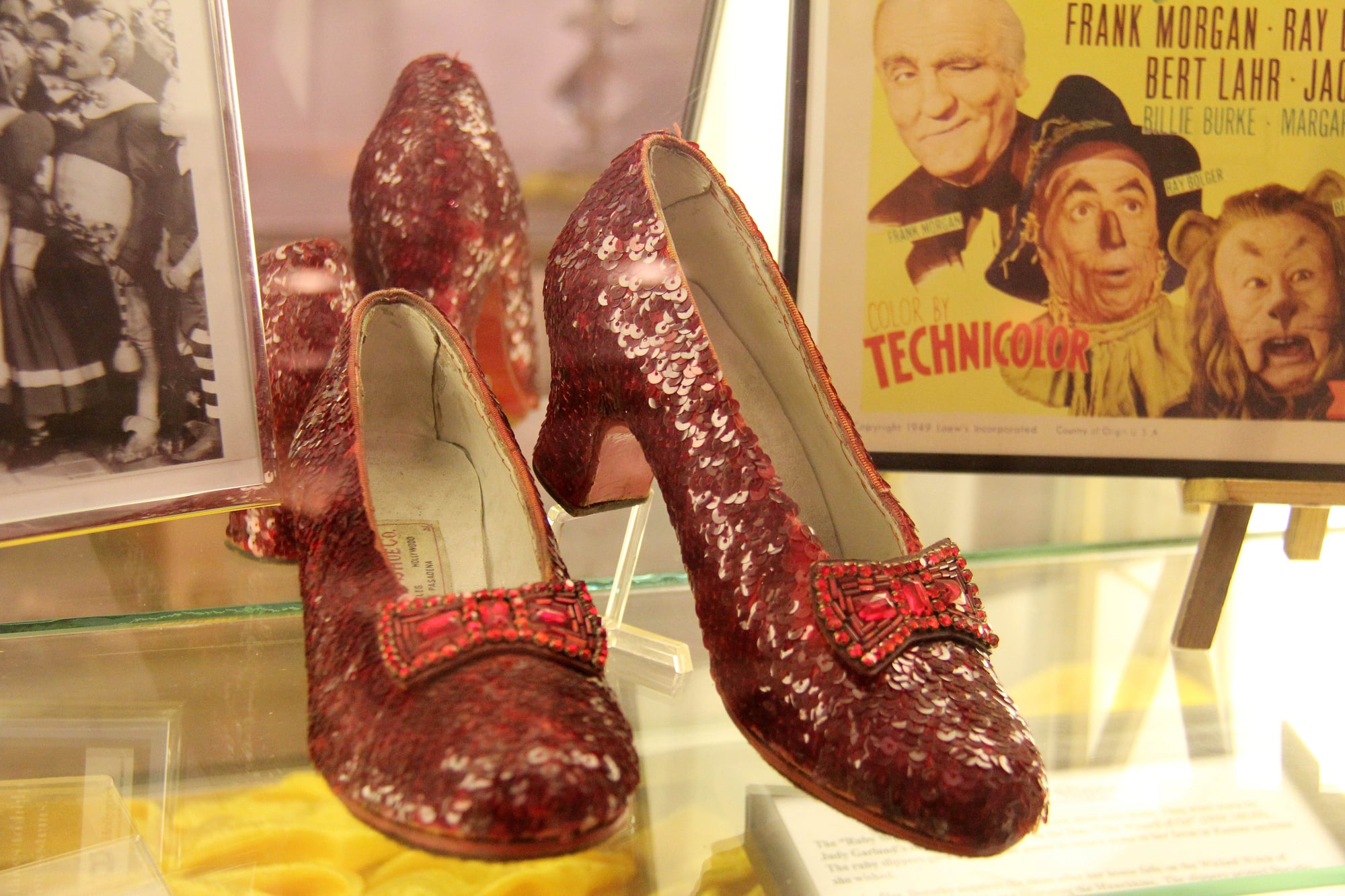
The shoes work because they’re hiding in plain sight. Dorothy walks around most of the movie in possession of exactly what she needs to get home, but nobody tells her how they work.
She has to figure out what she really wants first.
That’s smart storytelling.
The slippers aren’t just magical — they’re a test.
They only work when the wearer understands something true about themselves.
No shortcuts, no cheating, no using them to get something you don’t actually need.
Plus, they’re red.
In a movie that transitions from sepia Kansas to Technicolor Oz, those ruby slippers practically burn off the screen.
E.T.’s Glowing Finger

The finger does something that most alien contact stories miss entirely: it makes the otherworldly feel gentle.
When E.T. extends that glowing digit, there’s no sense of threat or invasion — just connection.
Spielberg understood that the scariest thing about meeting aliens might not be their technology or their intentions, but the simple fact of recognizing something familiar in something so foreign.
The healing power is almost secondary to what the finger represents about communication across impossible differences.
It’s a universal translator that works on the level of compassion rather than language.
When E.T. touches Elliott’s finger at the end, the glow isn’t just special effects — it’s the movie’s entire emotional payoff made visible.
The Briefcase

Tarantino never tells you what’s in the briefcase.
Smart move.
The moment he shows you, the mystery dies, and mysteries are always more powerful than explanations.
What matters isn’t the contents — it’s the way people react to seeing whatever’s inside.
The golden glow could be anything.
Money, gold, something supernatural, something personal to Marsellus Wallace.
Doesn’t matter.
The briefcase becomes a perfect MacGuffin precisely because it stays unknowable.
Your imagination fills in the blank, and your imagination is always more interesting than whatever props department could have come up with.
The Ark Of The Covenant
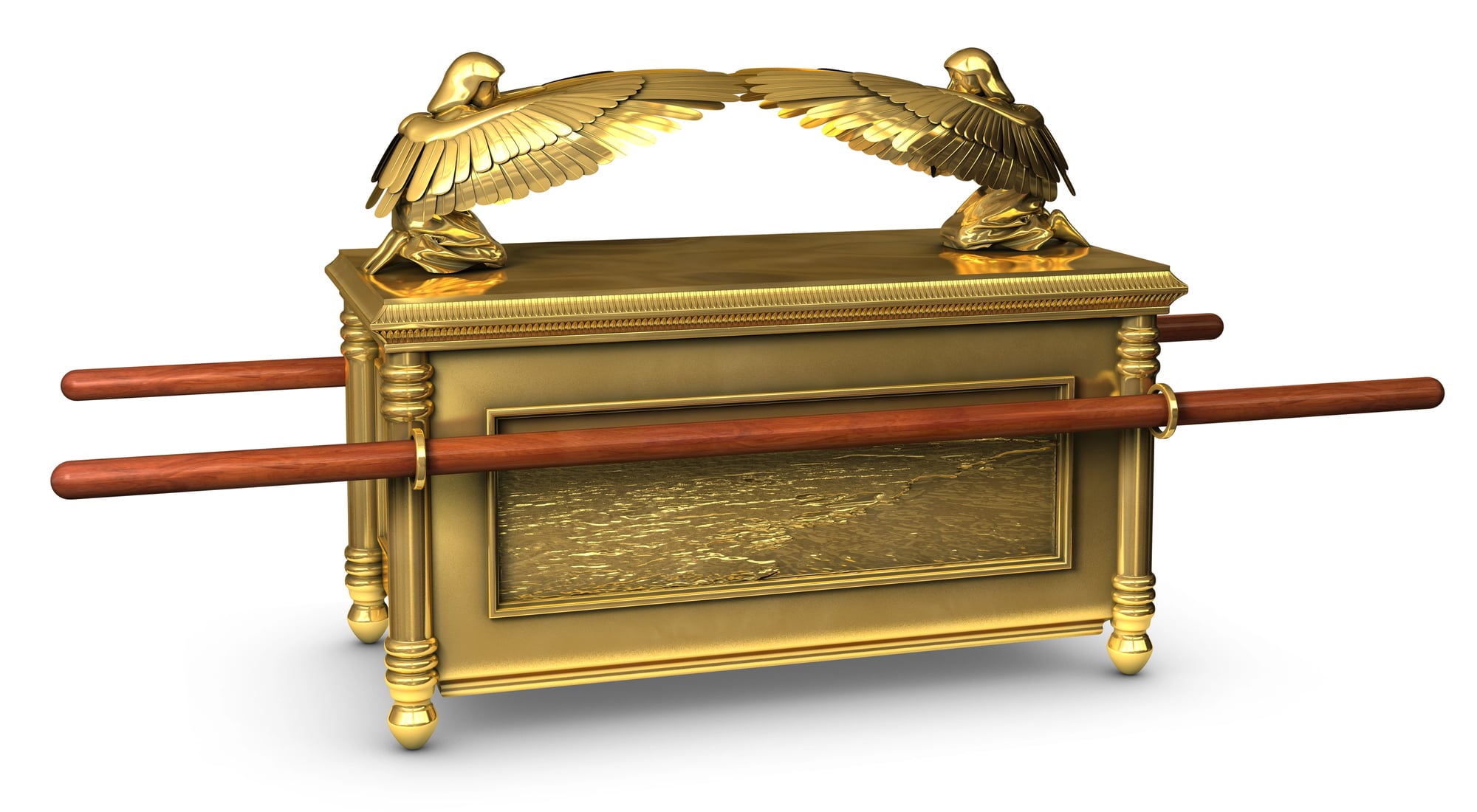
Spielberg took a religious artifact and turned it into the ultimate supernatural weapon.
The Ark works because it combines historical weight with pure, terrifying power.
When the Ark finally opens, face-melting divine wrath pours out like something from a nightmare.
The brilliance is in the buildup.
Raiders spends most of its runtime treating the Ark like an archaeological prize — something to be studied, transported, fought over.
Then the ending reveals it was never meant for human hands at all.
The Nazis get exactly what they deserve, but even the heroes know enough to keep their eyes shut.
The Death Star Plans

The Death Star plans prove that sometimes the most important object in a movie is just information.
These aren’t magical or supernatural — they’re blueprints.
Technical specifications.
The kind of thing that would normally be the most boring possible MacGuffin.
But Lucas makes them feel like the most valuable thing in the galaxy.
Entire fleets die protecting them.
Brave people sacrifice everything to steal them.
The plans become hope made tangible — proof that even something as massive and seemingly invincible as the Death Star has a weakness.
Wilson
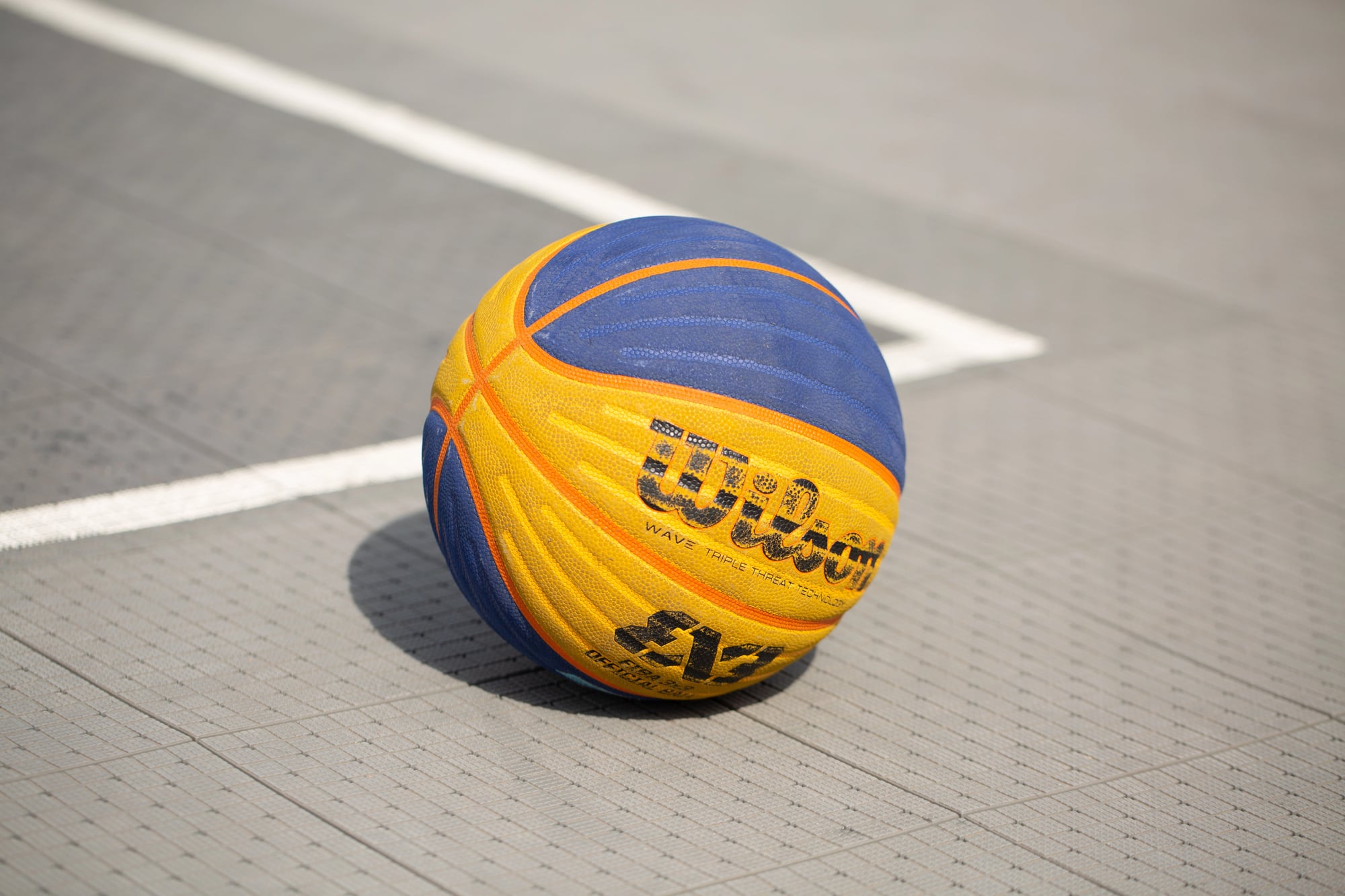
A volleyball shouldn’t make you cry, and yet there’s something about the way Hanks invests Wilson with personality that transforms a piece of sporting equipment into one of cinema’s most affecting characters.
The genius is in how gradual it happens — Wilson starts as just something to talk to, then becomes a friend, then becomes the thing that keeps Chuck sane.
When Wilson floats away, it feels like watching someone lose their best friend.
Which, of course, is exactly what’s happening, even though Wilson was never alive to begin with.
The movie earns that emotion by treating Wilson like he matters, so the audience does too.
Turns out loneliness can make anything feel human.
The Necronomicon
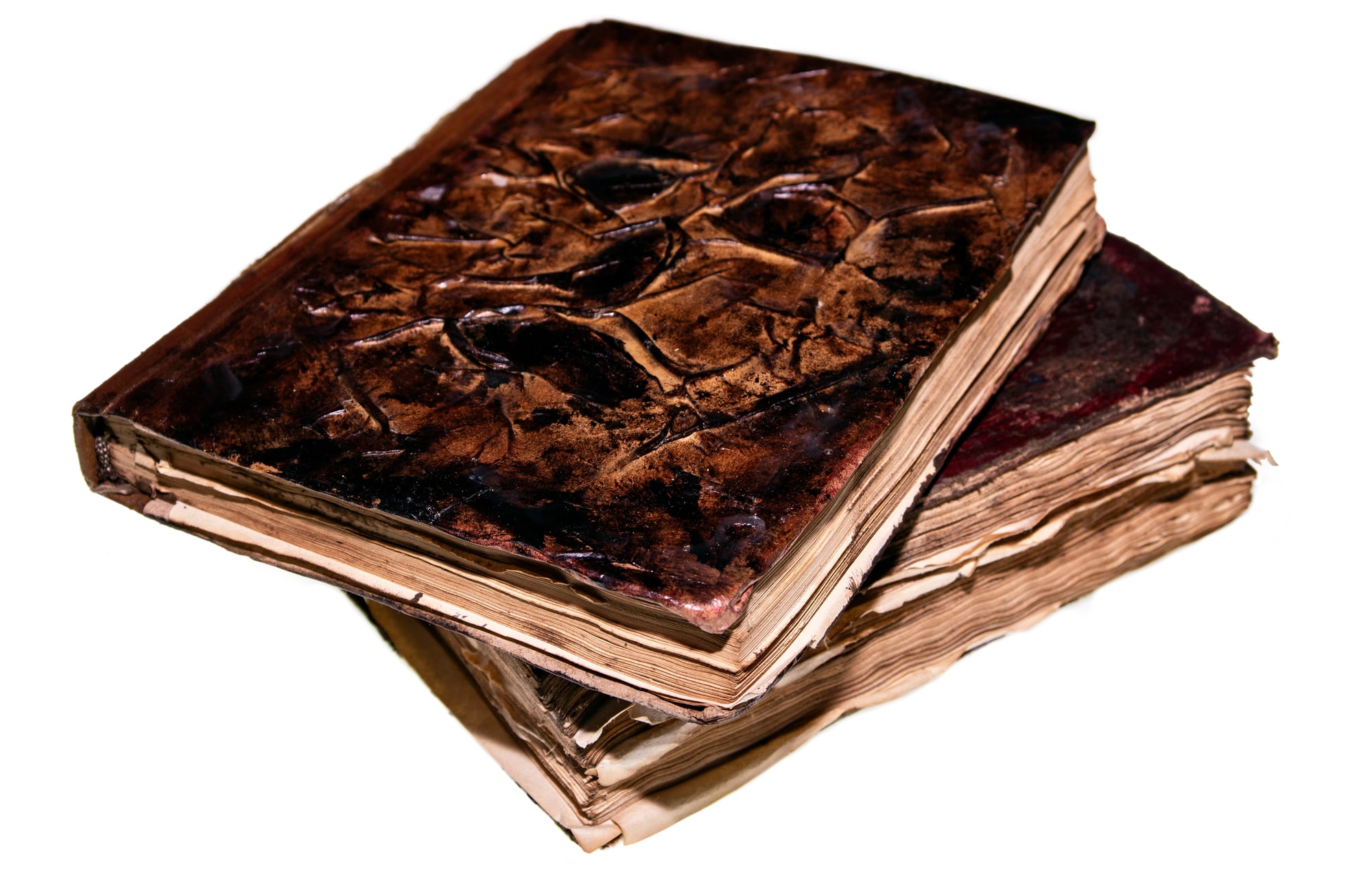
Raimi understood that the most effective horror props are the ones that feel dangerous even when they’re not doing anything.
The Necronomicon, bound in human flesh and inked in blood, manages to feel malevolent just sitting there on a table like some cursed coffee table book that absolutely nobody should ever open.
The book doesn’t just contain evil — it radiates it.
The thing looks like it wants to be read, which makes it exponentially more unsettling.
But what makes the Necronomicon work in the Evil Dead films is how Raimi treats it like a character rather than just a prop.
The book has motivations.
It sets traps.
It seems to enjoy corrupting people.
It’s not just a source of supernatural power — it’s actively malicious.
The Tesseract
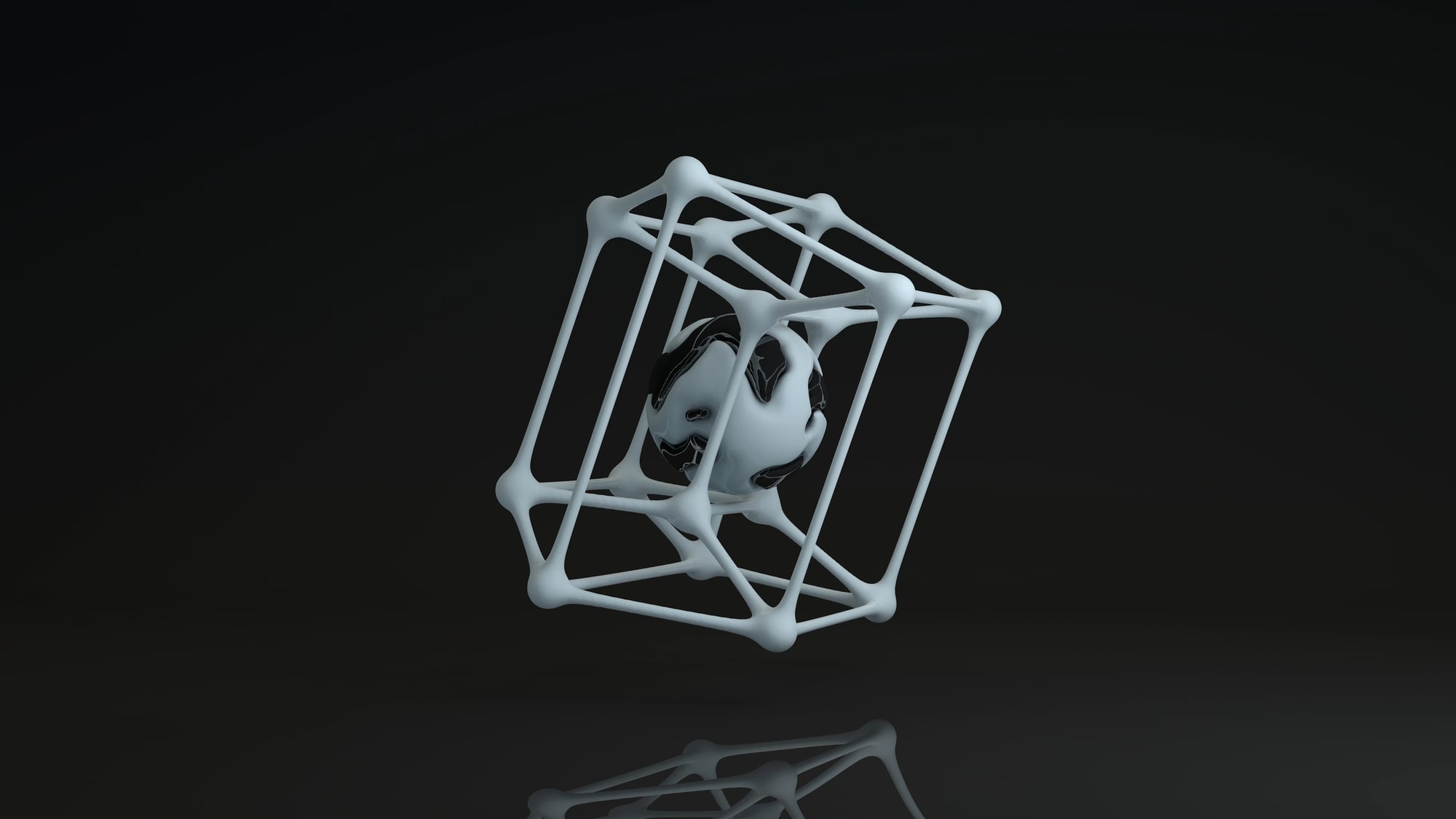
The Tesseract succeeds where many cosmic MacGuffins fail because it actually feels cosmic.
This isn’t just a powerful object — it’s a piece of the universe’s fundamental structure, something that existed before planets or stars or life itself.
The blue energy doesn’t just look impressive — it looks ancient and incomprehensible.
What makes it work across multiple Marvel films is consistency.
The Tesseract always feels like more than anyone handling it can fully understand.
Even characters who think they’re controlling it are clearly just borrowing its power temporarily.
It belongs to something larger than human ambition.
The Holy Grail
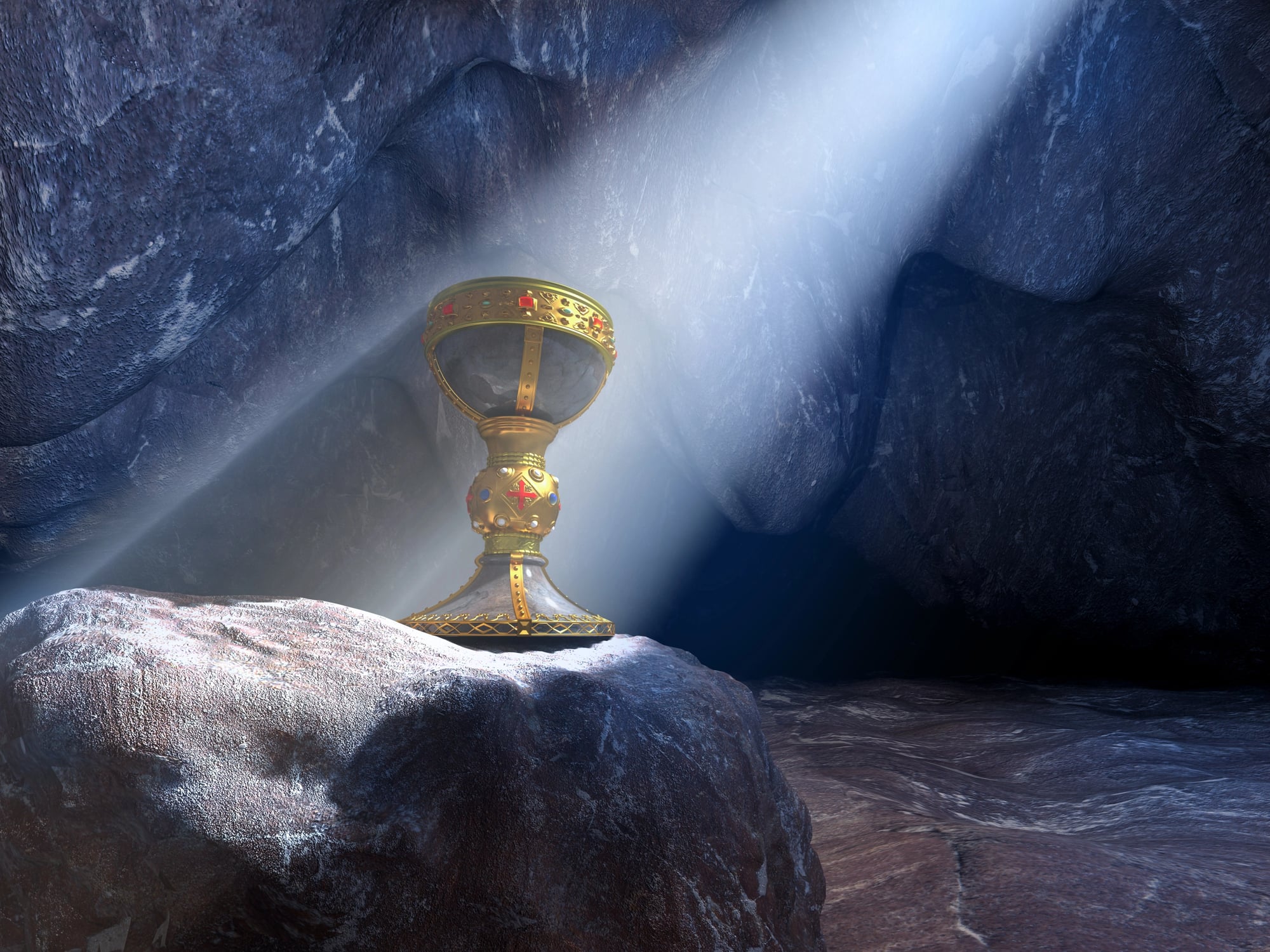
The Grail works in Last Crusade because Lucas and Spielberg resist making it flashy.
After watching Indy navigate elaborate death traps and fight off Nazis, the actual Grail turns out to be a simple wooden cup.
Exactly the kind of thing a carpenter from Nazareth might have used.
The choice scene is perfect.
Dozens of elaborate golden chalices, and the Grail is the most humble one there.
The knight’s warning about choosing wisely isn’t just about avoiding death — it’s about understanding what holiness actually looks like.
Humility over ostentation.
Service over power.
The Mask

The Mask transforms its wearer completely.
But what makes it compelling is how it reveals rather than conceals.
When Stanley puts on the Mask, he doesn’t become someone else — he becomes a heightened version of his suppressed desires and impulses.
The Mask doesn’t change personality.
It unleashes it.
Carrey’s performance sells the idea that the Mask isn’t granting powers so much as removing inhibitions.
The cartoon physics and supernatural abilities are just the external expression of internal transformation.
The real magic is psychological.
The Flux Capacitor

The flux capacitor is what makes time travel possible.But it’s also what makes time travel feel plausible within the movie’s universe.
Doc Brown’s explanation is complete nonsense, but it’s delivered with such conviction that audiences buy it completely.
The Y-shaped device flickering with electricity looks exactly like what a mad scientist would build in his garage.
More importantly, the flux capacitor gives time travel rules and limitations.
It needs 1.21 gigawatts of power.It requires precise speed and timing.
These constraints make the time travel feel earned rather than convenient.Which is why Back to the Future’s temporal mechanics work where so many other time travel movies fall apart.
When Objects Become Legend
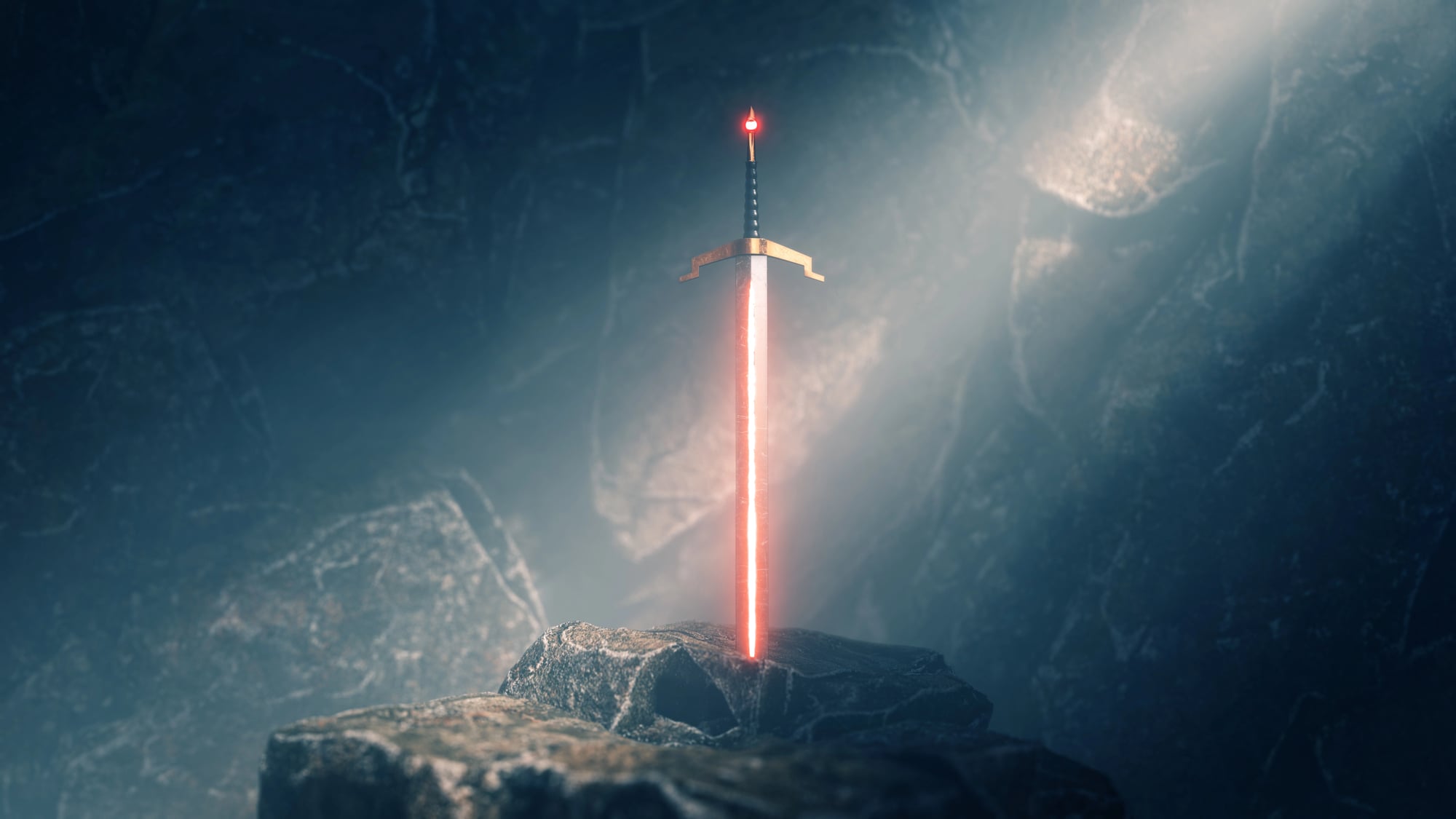
The greatest fictional objects in cinema history share a common trait: they feel larger than the movies that contain them.They spark imagination beyond the screen, inspiring countless imitations, parodies, and homages.
These props become cultural shorthand, instantly recognizable symbols that carry meaning far beyond their original context.What transforms a simple prop into an icon isn’t elaborate design or expensive special effects.
It’s the story’s commitment to treating the object as if it truly matters.When filmmakers believe in their fictional artifacts, audiences believe too.
And sometimes, that belief outlasts everything else.
More from Go2Tutors!

- The Romanov Crown Jewels and Their Tragic Fate
- 13 Historical Mysteries That Science Still Can’t Solve
- Famous Hoaxes That Fooled the World for Years
- 15 Child Stars with Tragic Adult Lives
- 16 Famous Jewelry Pieces in History
Like Go2Tutors’s content? Follow us on MSN.



