People Who Became Icons in Surprising Fields
Some paths to fame follow predictable routes. Athletes dominate sports, musicians conquer charts, actors claim screens.
But the most fascinating icons are those who stumbled into greatness in fields they never planned to enter. Their stories remind us that expertise can emerge from the most unexpected places, and sometimes the greatest contributions come from outsiders who see what insiders miss.
Julia Child
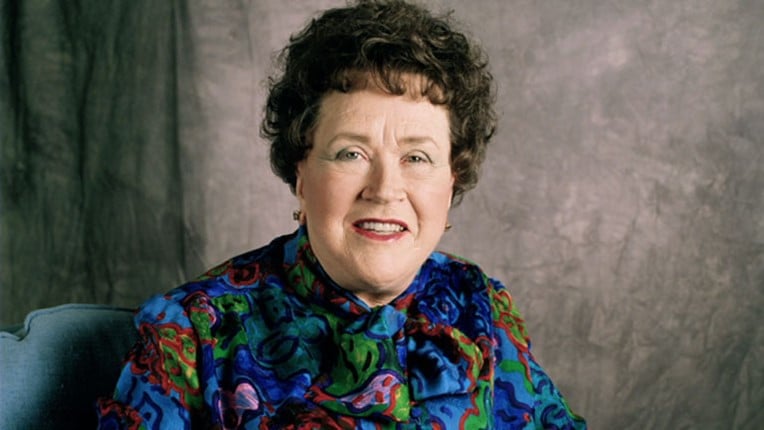
Child was a government worker who didn’t learn to cook until her thirties. She moved to Paris with her husband and enrolled in Le Cordon Bleu out of boredom.
That decision changed American home cooking forever. Her cookbook “Mastering the Art of French Cooking” made complex techniques accessible to regular people, and her television appearances turned her into the country’s most trusted culinary authority.
Bob Ross
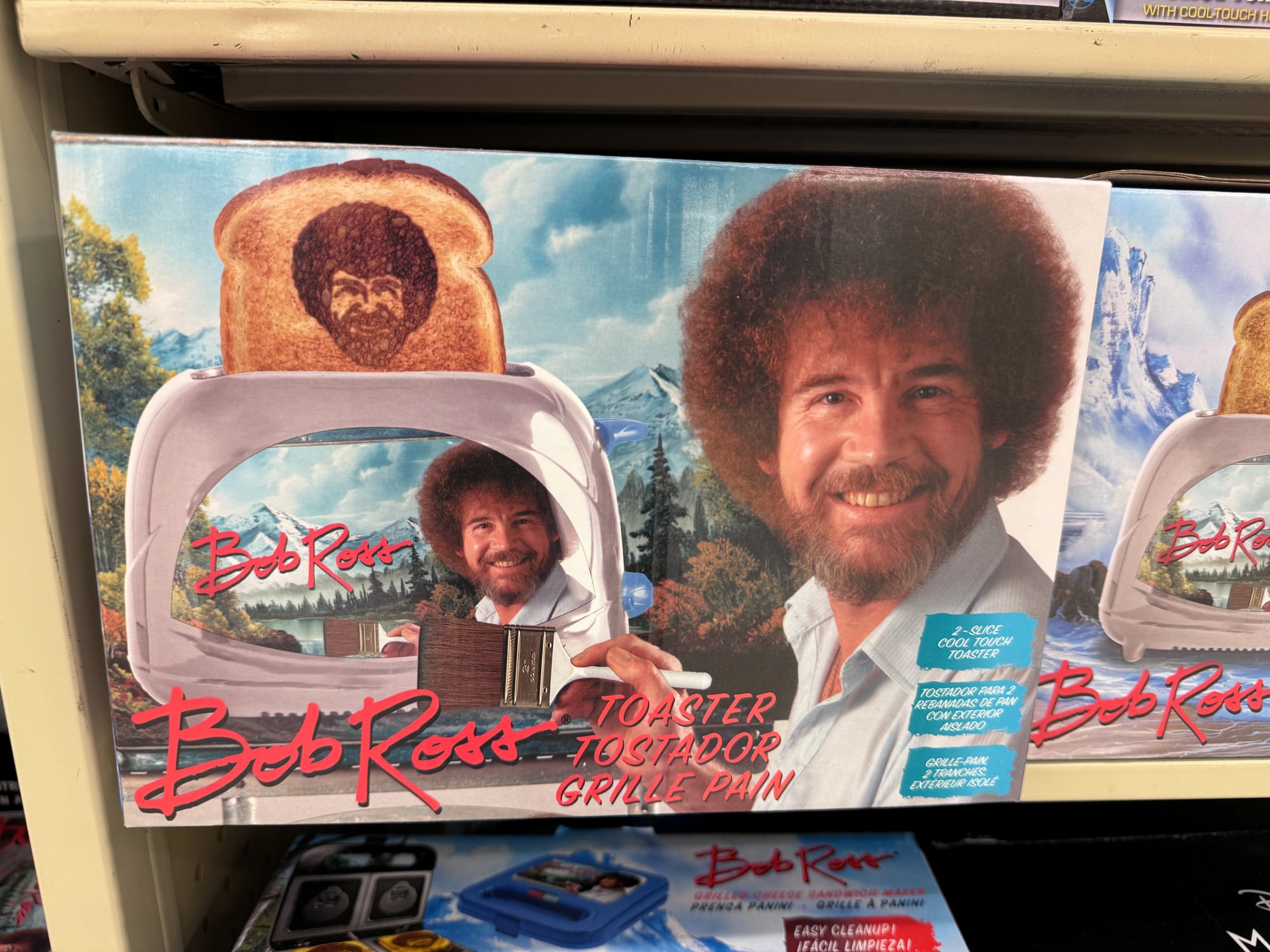
Ross spent twenty years in the Air Force before picking up a paintbrush professionally (and even then, it started as a side hustle to supplement his military income — painting gold pans and other random objects for tourists in Alaska). But something about his gentle demeanor and wet-on-wet technique clicked when PBS gave him a show.
He never intended to become a cultural phenomenon, yet “The Joy of Painting” turned him into an icon of calm creativity that endures decades after his death.
Colonel Sanders
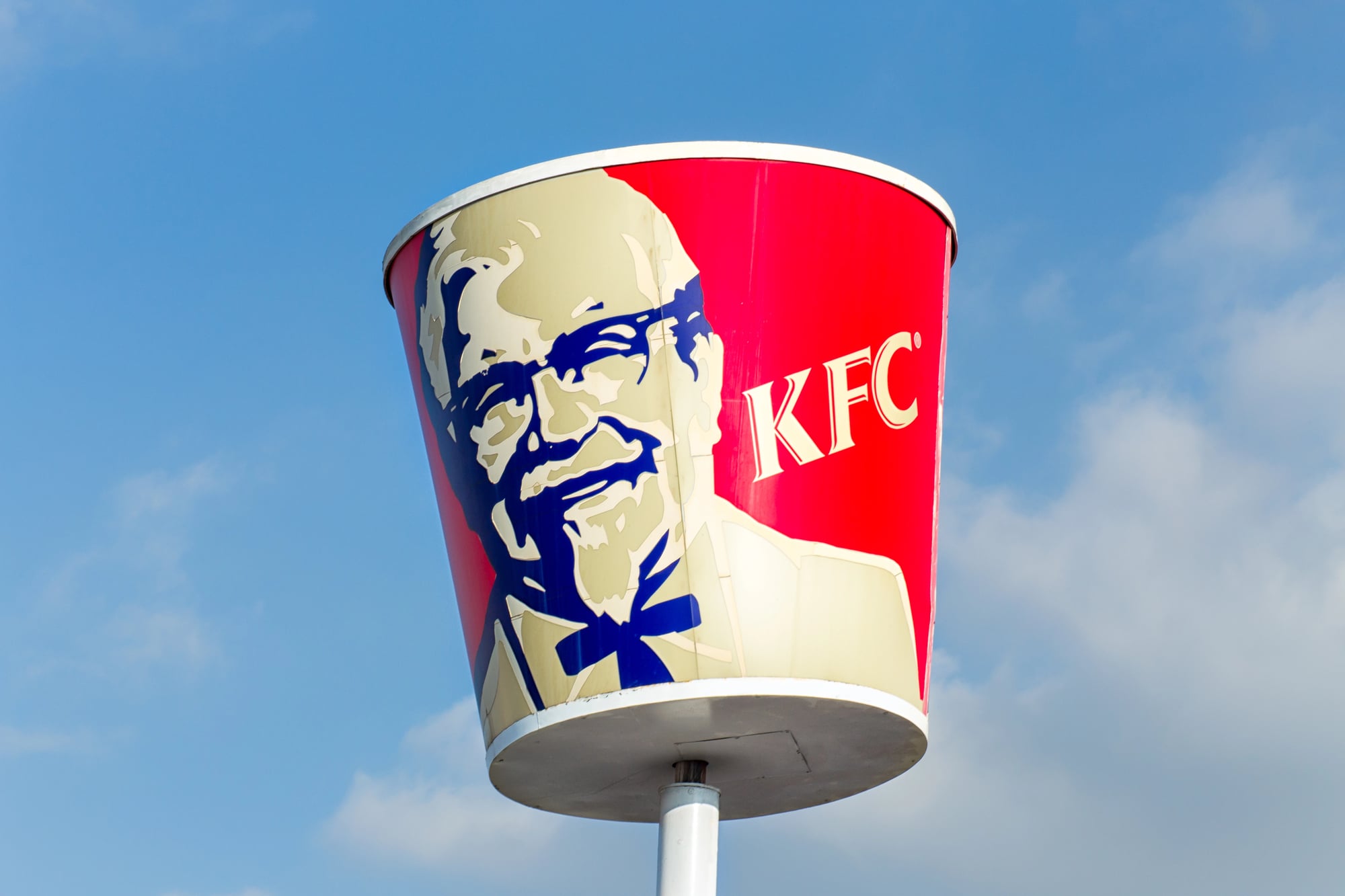
There’s something almost absurd about a sixty-something failed entrepreneur becoming the face of a global empire, but that’s exactly what happened to Harland Sanders. He wasn’t a trained chef — he was a service station owner who started serving meals to travelers (because hungry customers were good for business, and his station happened to have enough space for tables).
The pressure cooker method he developed wasn’t even his own invention; he just figured out how to use it for chicken.
And yet here’s where the story gets interesting: when his business failed and he was living on Social Security, he didn’t retreat into retirement. Instead, he drove around the country in a beat-up car, sleeping in the back seat, trying to convince restaurant owners to use his chicken recipe.
The first thousand or so said no. But Sanders kept going, because (and this is the part that separates real persistence from mere stubbornness) he genuinely believed his chicken was better than what people were getting elsewhere.
Which, as it turns out, it was.
Steve Irwin

Wildlife conservation isn’t typically a field that produces global celebrities, but Irwin’s approach made him impossible to ignore. His parents ran a small reptile park, and he grew up handling dangerous animals like they were house pets.
What turned him into the “Crocodile Hunter” wasn’t formal training in zoology or media studies — it was pure, unfiltered enthusiasm for creatures that most people feared. His fearless interactions with crocodiles and venomous snakes captivated audiences worldwide.
Martha Stewart

Stewart’s empire seems inevitable in hindsight, but her path there was anything but direct. She started as a stockbroker on Wall Street, working her way up in finance during the 1960s and early 1970s.
The domestic arts weren’t even on her radar as a career possibility. When she left Wall Street to restore an old farmhouse, the catering business she started was just a way to make ends meet while raising her daughter.
The attention to detail that had served her in finance — the precision, the systematic approach to complex problems — turned out to be exactly what elevated her catering above the competition. Food wasn’t just sustenance in Stewart’s hands; it became an extension of a carefully curated aesthetic vision that nobody had quite articulated before.
Anthony Bourdain
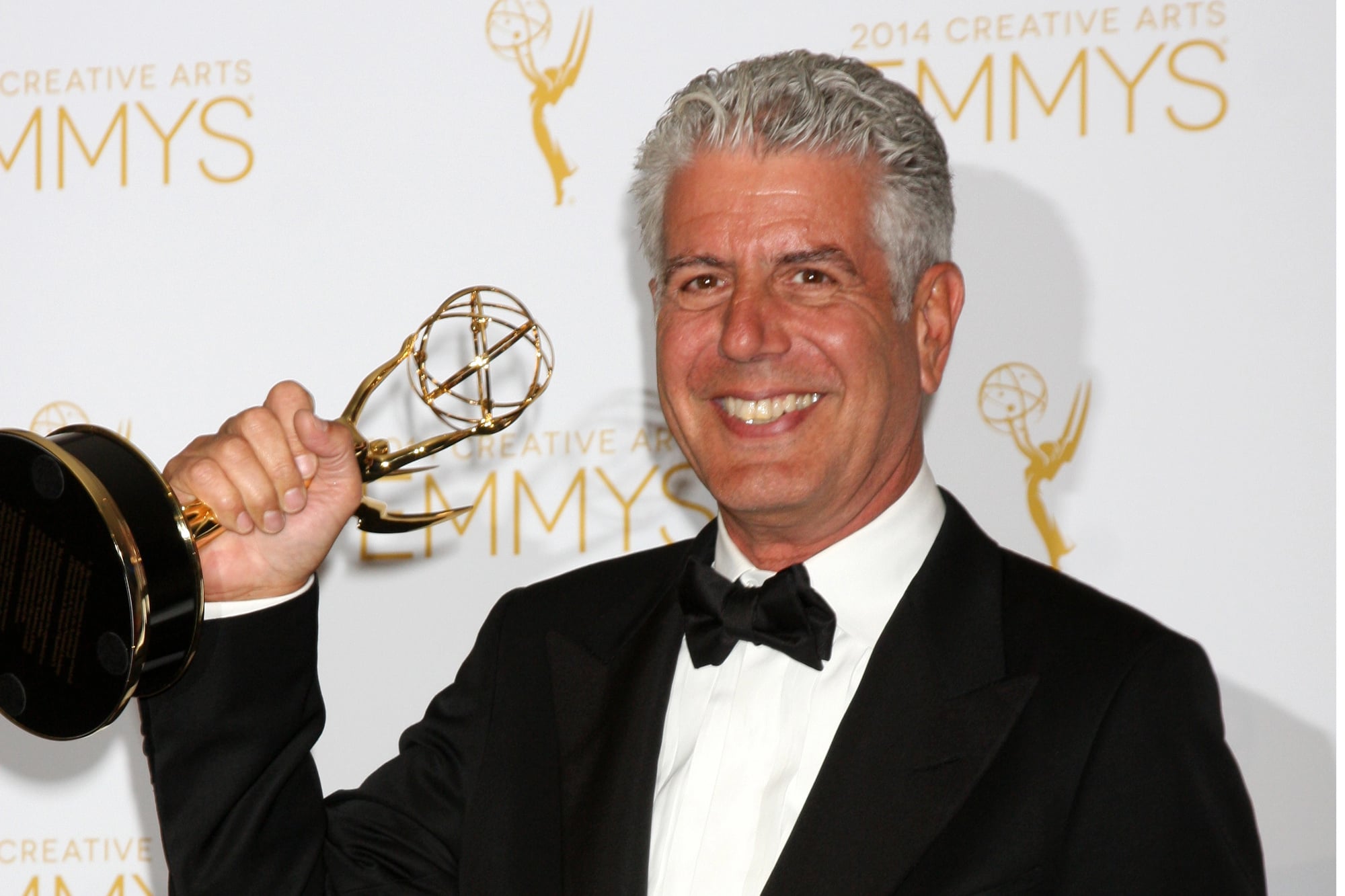
Bourdain spent decades as a working chef in New York kitchens before anyone knew his name. His book “Kitchen Confidential” was supposed to be a behind-the-scenes look at restaurant culture, not a launching pad for television stardom.
But his honest, irreverent voice struck a chord with readers hungry for authenticity in food writing. That book led to travel shows that redefined how Americans thought about food and culture around the world.
Dave Thomas
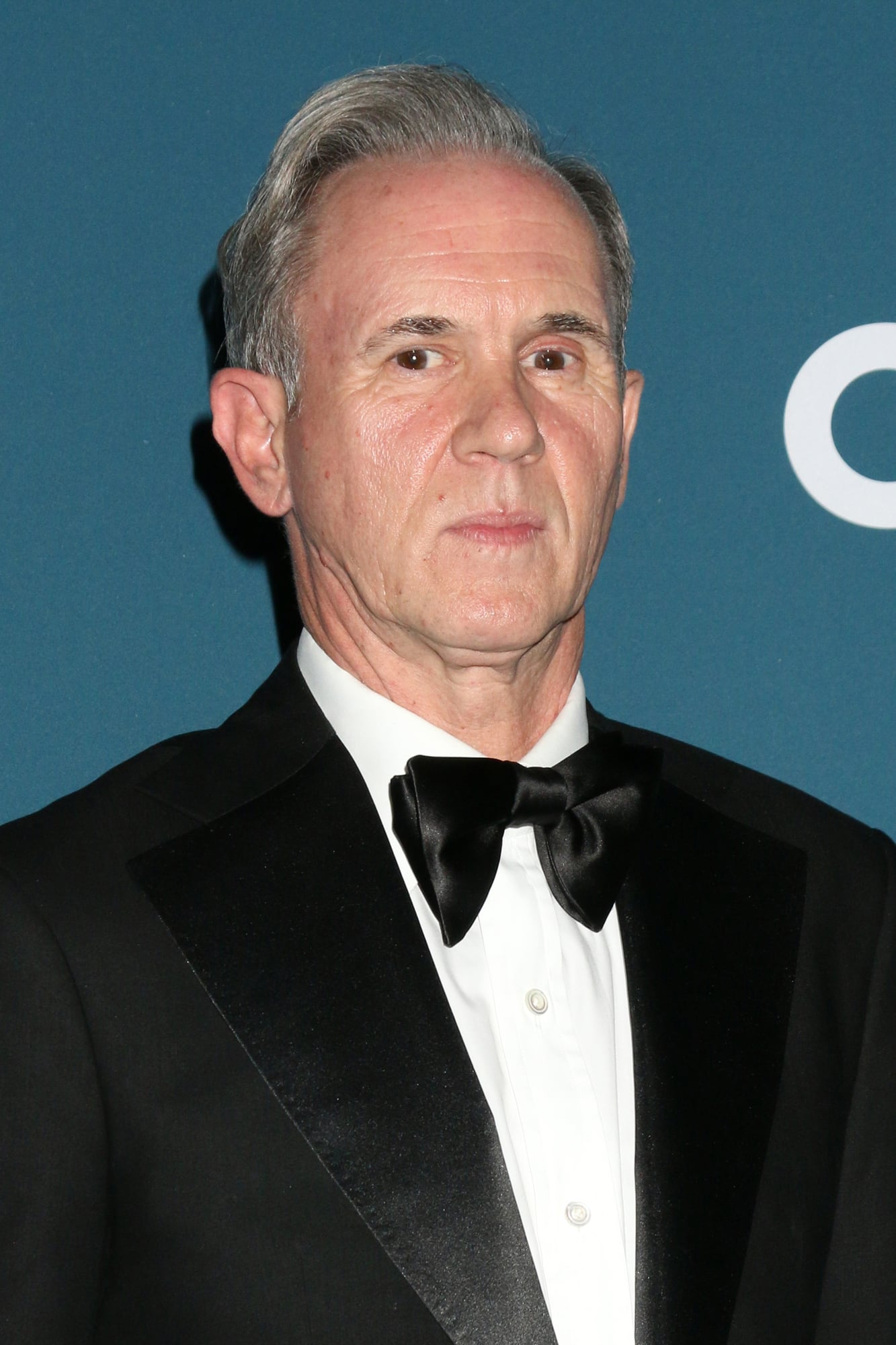
The Wendy’s founder dropped out of high school and bounced between restaurant jobs for years. He wasn’t trying to revolutionize fast food — he was just trying to make a living.
His breakthrough came when he took over some failing Kentucky Fried Chicken franchises and turned them profitable. The skills he learned there convinced him he could do better with his own concept.
Wendy’s success made him wealthy, but it was his decision to star in his own commercials that made him famous.
Gordon Ramsay

Before becoming television’s most famous angry chef, Ramsay was a promising soccer player whose career ended with a knee injury at nineteen. Cooking wasn’t his backup plan — it wasn’t even on his radar.
He enrolled in hotel management almost by accident, looking for any path forward after his athletic dreams collapsed.
But here’s the thing about Ramsay that gets lost in all the shouting: he approached cooking with the same obsessive intensity he’d brought to sports. The discipline that had made him a competitive athlete translated perfectly to professional kitchens.
He worked under Marco Pierre White and other demanding chefs, absorbing punishment that would break most people. So when he finally opened his own restaurants, he wasn’t just another celebrity chef — he was someone who understood excellence at a cellular level.
Mr. Rogers

Fred Rogers studied music composition and planned to work in television production, not children’s programming. He was horrified by what he saw on children’s TV in the 1950s — the pie-throwing, the chaos, the lack of respect for young viewers.
His show wasn’t born from a lifelong dream of working with kids; it was a reaction against programming he found genuinely harmful. That moral clarity, combined with his background in child development and theology, created something unprecedented in children’s media.
Rachael Ray

Ray never attended culinary school and doesn’t consider herself a chef. She was working at a gourmet food store in upstate New York when she started teaching “30 Minute Meals” classes to help busy customers.
The classes were popular enough that a local TV station asked her to do a segment. That segment led to a cookbook, which led to Food Network shows, which led to a daytime talk show and a media empire.
Her appeal comes precisely from her lack of formal training — she cooks like a regular person with limited time.
Oprah Winfrey

Winfrey’s media dominance overshadows her original career trajectory, which was straightforward broadcast journalism. She worked her way up through local news stations, following the traditional path toward network news.
The talk show that made her famous was supposed to be a temporary assignment — a morning show in Chicago that needed a host. But Winfrey’s empathetic interviewing style and willingness to discuss personal topics transformed what talk television could be.
She turned confession into connection, creating a new template for public conversation.
Wolfgang Puck
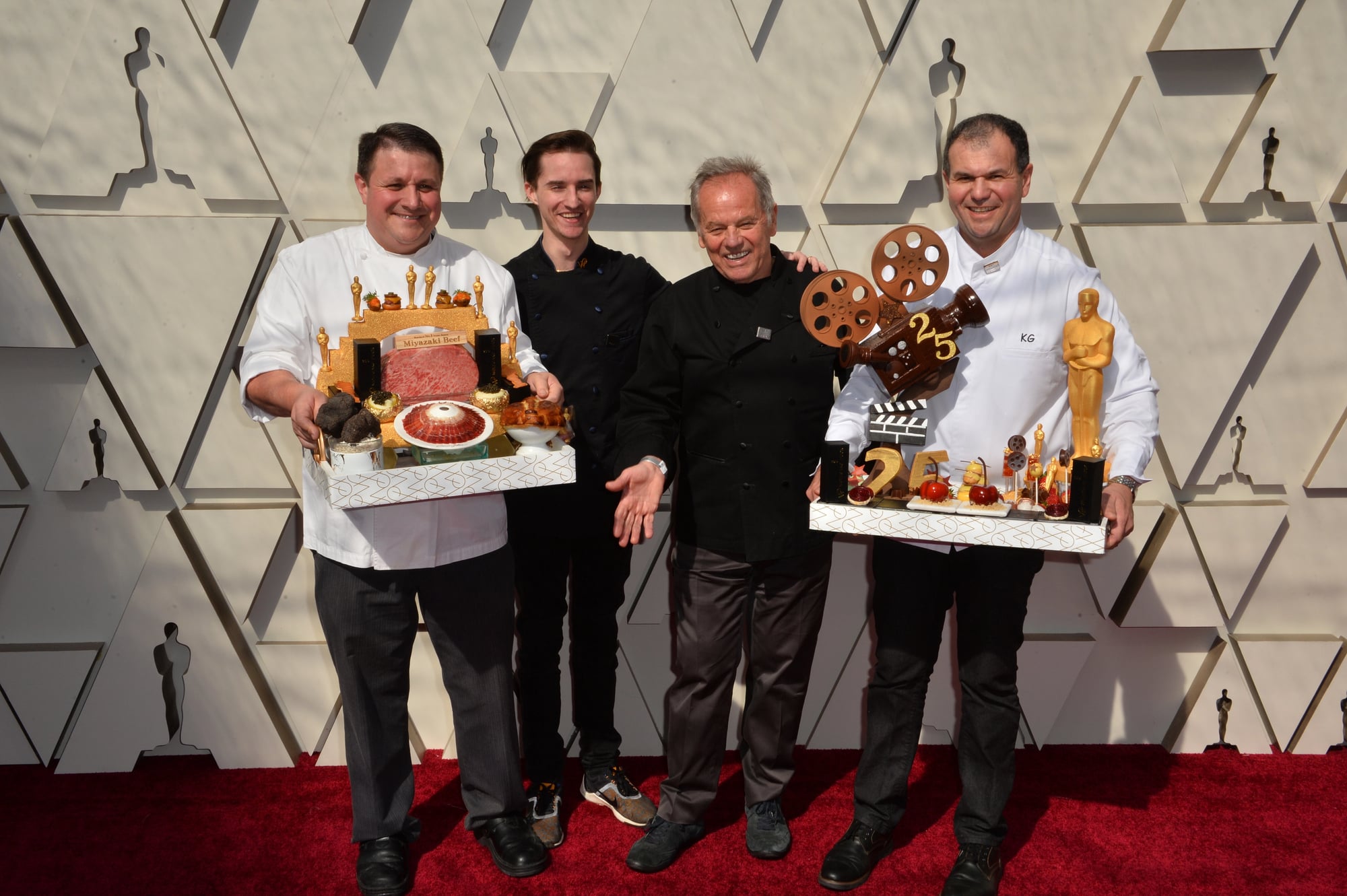
Puck arrived in Los Angeles as a classically trained French chef, expecting to work in traditional fine dining. What he found instead was a city ready for something different.
His fusion of French techniques with California ingredients and Asian flavors at Spago created what became known as California cuisine. But it was his willingness to cater Hollywood events and appear on television that made him a celebrity chef before that was even a recognized category.
Emeril Lagasse
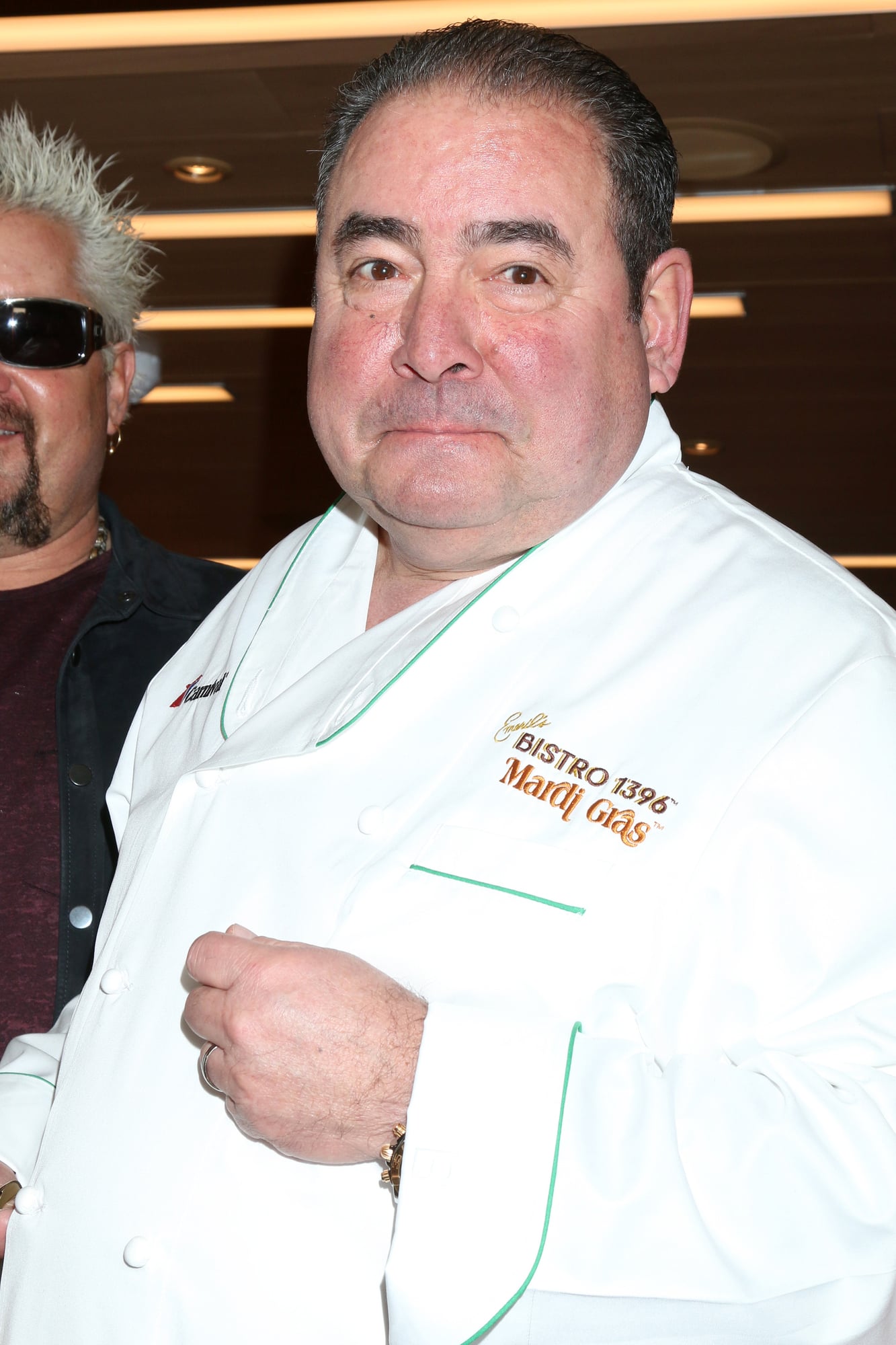
Lagasse was a serious chef running respected restaurants when Food Network convinced him to try television. His first show was a straightforward cooking demonstration, but his personality was too big for the format.
When they gave him a live audience and told him to be himself, “Emeril Live” became a phenomenon. His “BAM!” catchphrase and over-the-top enthusiasm made him the first chef to achieve rock star status on television.
When Accidents Become Destinies

The most interesting thing about these stories isn’t the success — it’s the recognition. Each of these people noticed they had something valuable before anyone else did.
Child could have stayed a mediocre home cook. Ross could have painted landscapes for tourists forever. Sanders could have accepted that his business days were over.
But they didn’t. They saw possibility where others saw coincidence, and that made all the difference.
More from Go2Tutors!

- The Romanov Crown Jewels and Their Tragic Fate
- 13 Historical Mysteries That Science Still Can’t Solve
- Famous Hoaxes That Fooled the World for Years
- 15 Child Stars with Tragic Adult Lives
- 16 Famous Jewelry Pieces in History
Like Go2Tutors’s content? Follow us on MSN.