15 Shipwrecks That Changed Safety Regulations
Maritime disasters have shaped ocean travel for centuries, forcing governments and shipping companies to confront harsh realities about vessel safety. Each catastrophic loss of life sparked outrage, investigations, and ultimately new rules designed to prevent similar tragedies. While these regulations couldn’t bring back the lost souls, they created safer passages for millions of future travelers.
The most significant shipwrecks didn’t just make headlines—they rewrote the rulebook entirely. Here is a list of 15 shipwrecks that fundamentally changed safety regulations and transformed how we think about maritime travel.
RMS Titanic (1912)
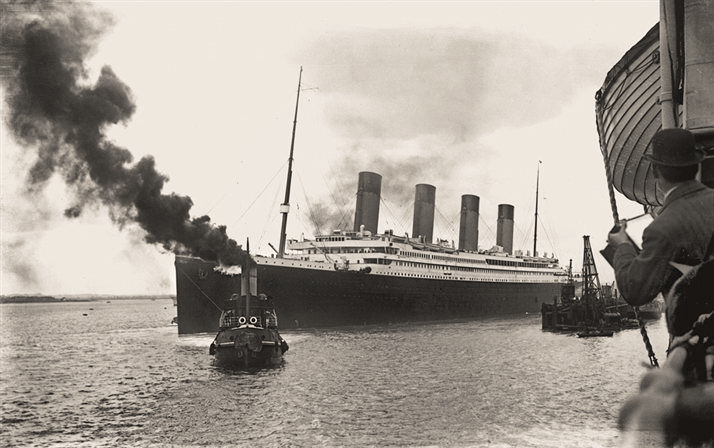
The Titanic’s sinking remains the most influential maritime disaster in history—killing over 1,500 people when it struck an iceberg on its maiden voyage. This tragedy exposed shocking inadequacies in safety protocols: there weren’t enough lifeboats for everyone aboard, and nearby ships couldn’t respond quickly due to poor communication systems.
Within two years, the International Convention for Safety of Life at Sea (SOLAS) was established. It mandated sufficient lifeboats for all passengers and crew, 24-hour radio watch requirements, and regular lifeboat drills.
RMS Lusitania (1915)
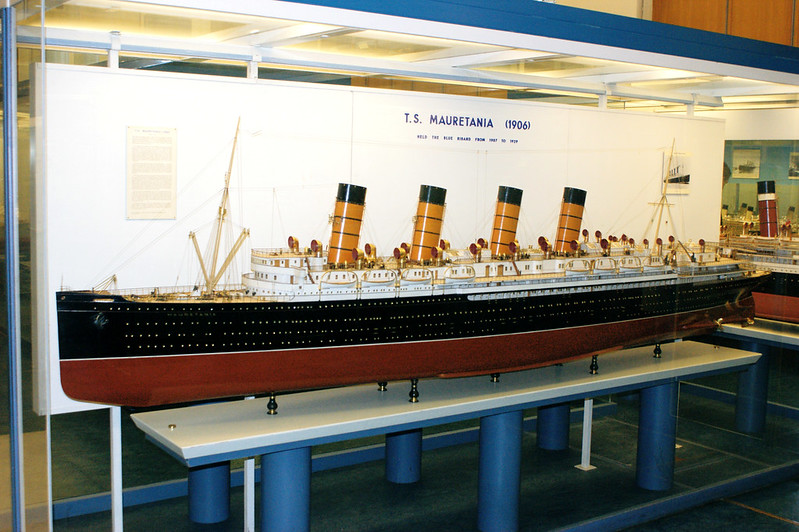
When a German U-boat torpedoed the Lusitania off the Irish coast, 1,198 people died in just 18 minutes. The passenger liner sank so rapidly that most lifeboats couldn’t be launched properly—revealing critical flaws in emergency procedures.
This disaster led to improved lifeboat davit systems and stricter protocols for launching lifeboats under emergency conditions, ensuring they could be deployed even when a ship was listing severely.
Like Go2Tutors’s content? Follow us on MSN.
SS Eastland (1915)
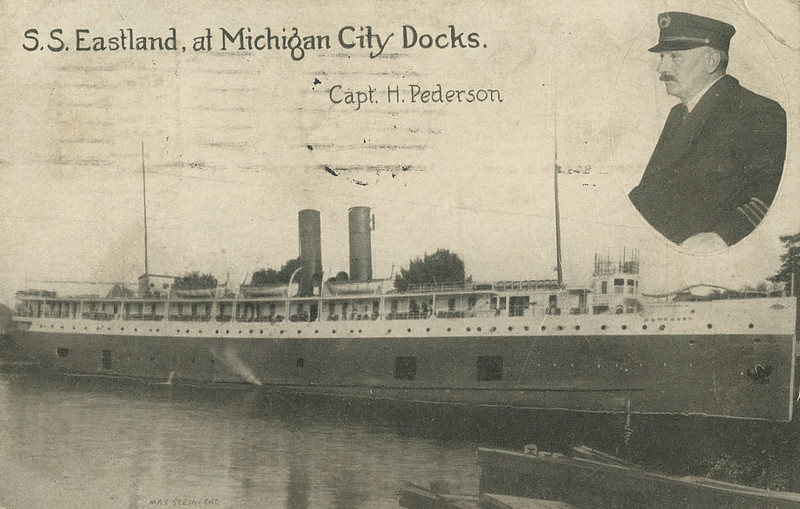
The Eastland capsized in Chicago’s harbor while still tied to the dock, killing 844 people. This made it one of the deadliest maritime disasters in Great Lakes history.
Ironically, the ship became top-heavy partly due to additional lifeboats and safety equipment added after the Titanic disaster—a cruel twist of fate. This tragedy prompted new stability regulations requiring ships to undergo rigorous stability tests before carrying passengers, ensuring that safety modifications wouldn’t compromise a vessel’s seaworthiness.
SS Morro Castle (1934)
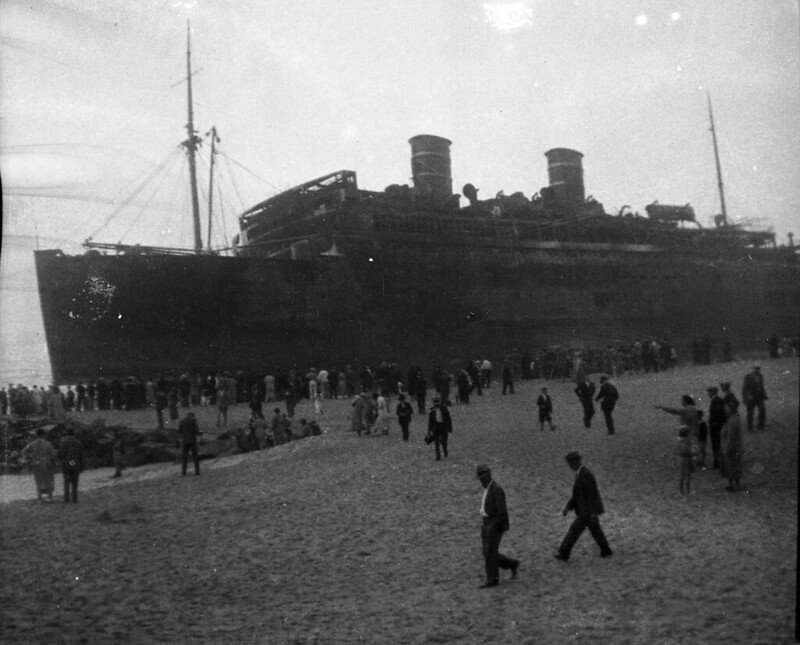
Fire broke out aboard the Morro Castle during a cruise from Havana to New York. 137 people died as the ship burned and ran aground off New Jersey.
The disaster highlighted serious deficiencies in fire safety protocols and crew training—problems that had been overlooked for years. New regulations required fireproof construction materials, automatic fire detection systems, and comprehensive crew training in fire suppression techniques.
MV Wilhelm Gustloff (1945)
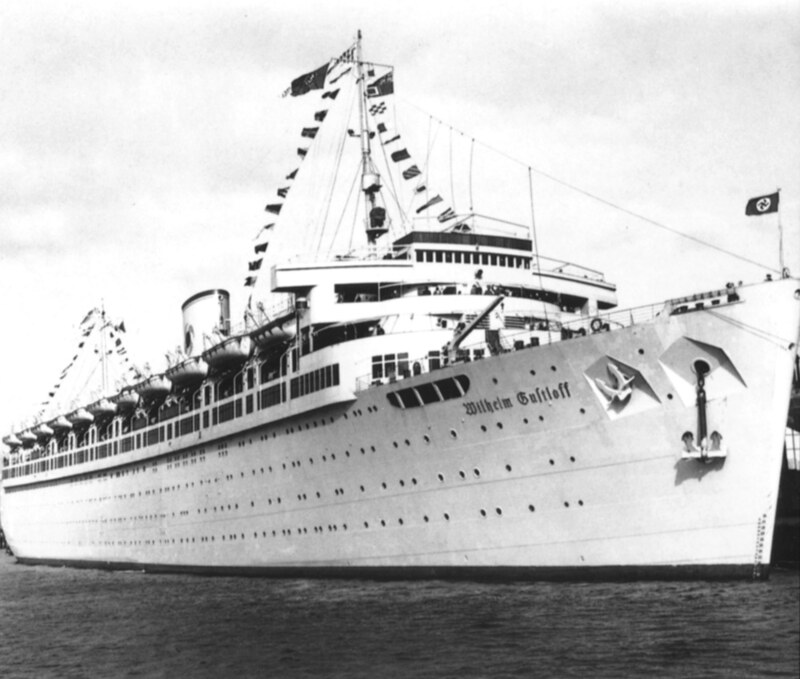
The deadliest maritime disaster in history occurred when a Soviet submarine sank this German ship, killing an estimated 9,400 people. While wartime circumstances made this tragedy unique, it led to post-war regulations requiring better passenger manifests and evacuation procedures for civilian vessels.
The sheer scale of loss also influenced modern requirements for passenger accountability systems.
Like Go2Tutors’s content? Follow us on MSN.
SS Andrea Doria (1956)
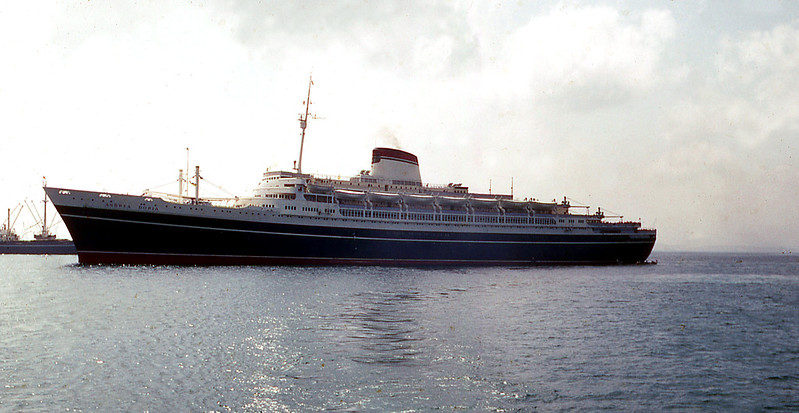
The collision between the Andrea Doria and Stockholm off Nantucket killed 46 people, yet the real lesson came from the rescue efforts. Despite having modern safety equipment, confusion and poor coordination hampered evacuation efforts—creating chaos when clarity was needed most.
This disaster led to standardized international distress frequencies, improved radar regulations, and mandatory collision avoidance systems.
MV Heraklion (1966)
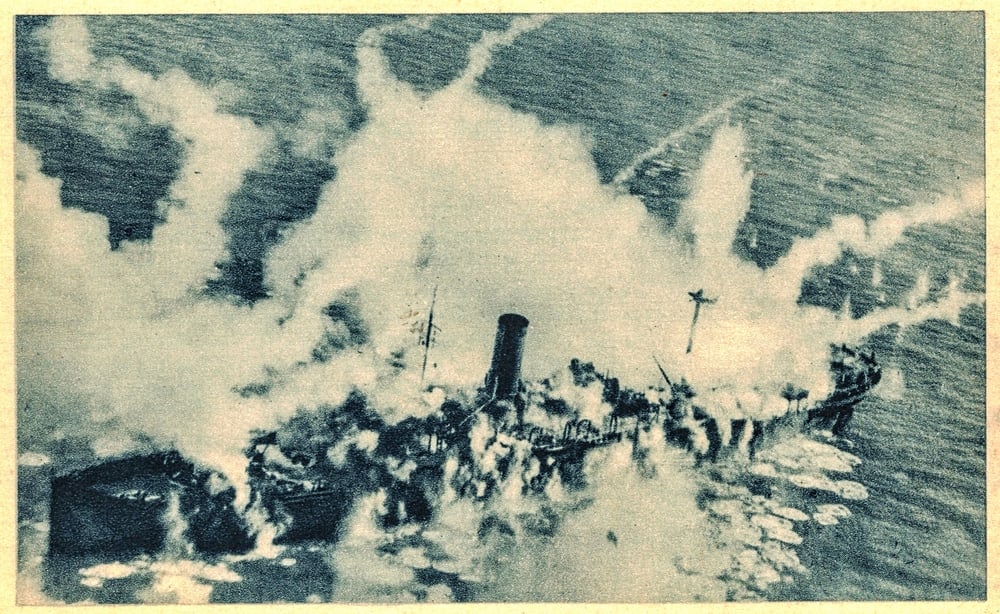
When this Greek ferry sank in the Aegean Sea, killing 217 people, investigators discovered that cargo doors had been left open during rough weather. Water poured into the car deck, causing the ship to lose stability and capsize—a preventable tragedy.
New regulations required positive closure indicators for cargo doors and restricted sailing in severe weather conditions for ro-ro (roll-on/roll-off) ferries.
MS Estonia (1994)
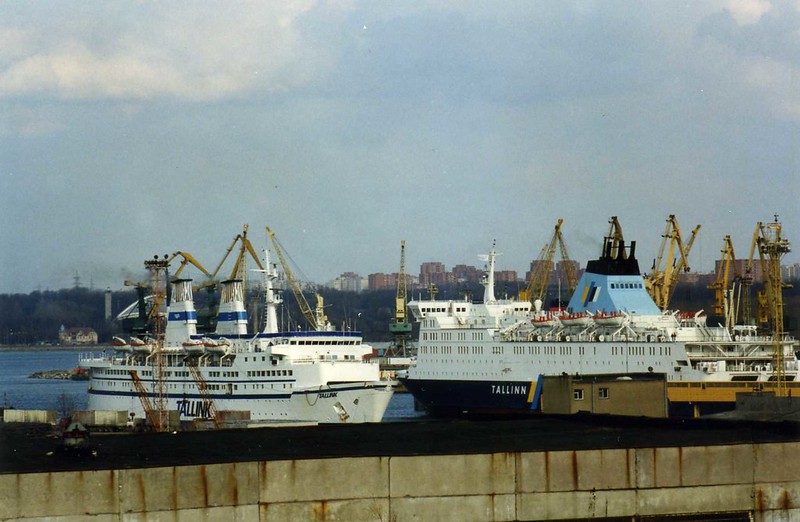
The Estonia’s sinking in the Baltic Sea claimed 852 lives when the bow visor failed during a storm, allowing water to flood the car deck. The disaster exposed fundamental design flaws in ro-ro ferries and led to the Stockholm Agreement.
This required extensive modifications to existing ferries including additional drainage systems, strengthened bow doors, and improved watertight bulkheads.
Like Go2Tutors’s content? Follow us on MSN.
MV Salem (1980)
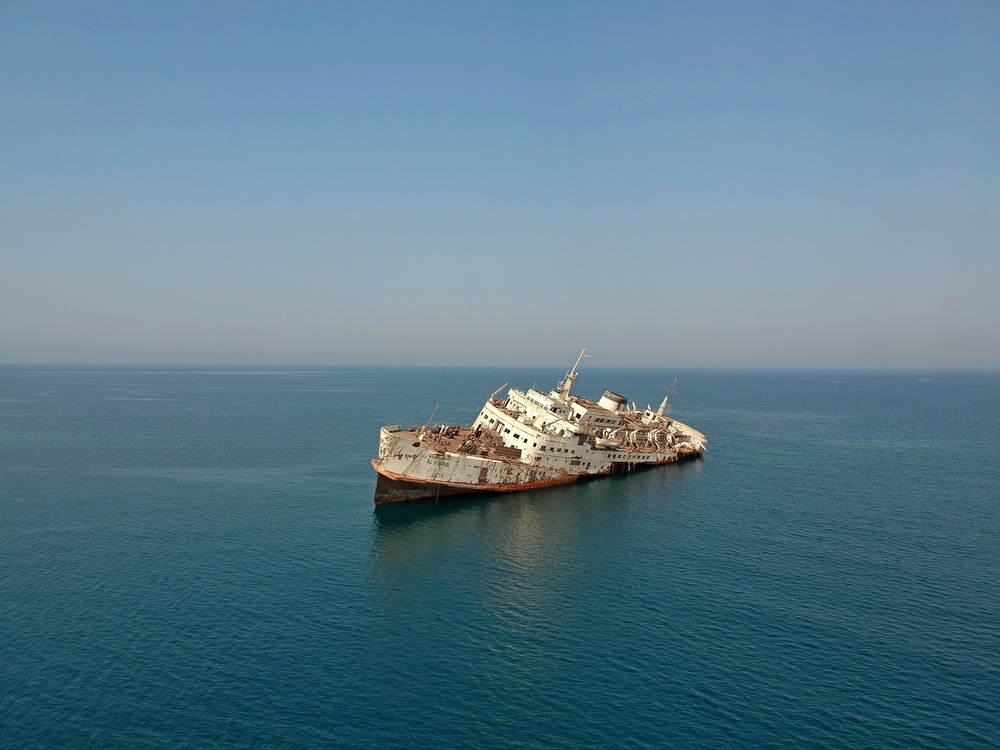
This Saudi ferry caught fire and sank in the Red Sea, killing 422 people when passengers became trapped below deck—a nightmare scenario that could’ve been prevented. The tragedy highlighted the dangers of inadequate fire suppression systems and blocked escape routes.
New international regulations mandated multiple evacuation routes, improved emergency lighting systems, and fire-resistant materials in passenger areas.
MS Herald of Free Enterprise (1987)
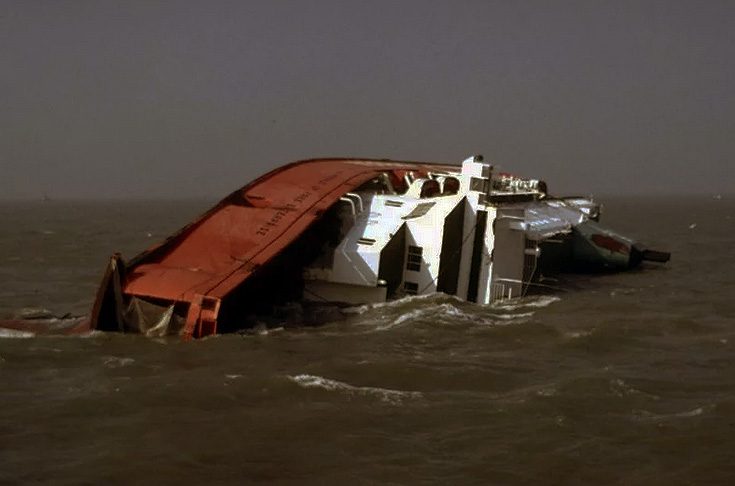
The Herald capsized just outside Belgium’s Zeebrugge harbor when it sailed with bow doors open, killing 193 people. The ship flooded rapidly through the car deck—demonstrating how quickly ro-ro ferries could become death traps.
This disaster led to mandatory bridge indicators showing door positions, improved crew communication procedures, and enhanced stability requirements for passenger ferries.
MV Scandinavian Star (1990)
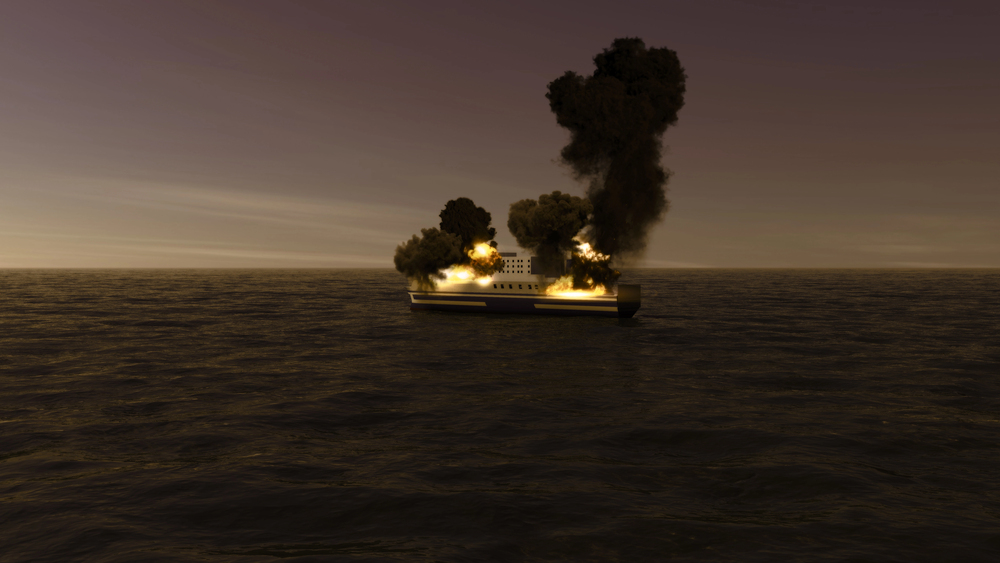
Arson aboard this Danish ferry killed 158 people, though the high death toll resulted from inadequate fire safety measures and poor evacuation procedures. The tragedy exposed how quickly fires could spread through passenger ships and how panic could turn escape routes into death traps.
New regulations required improved fire detection systems, better crew training in crowd management, and clearer evacuation signage.
Like Go2Tutors’s content? Follow us on MSN.
SS Sultana (1865)
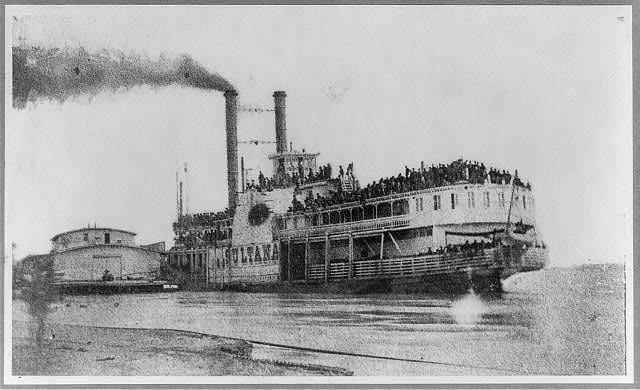
The Sultana’s boiler explosion on the Mississippi River killed an estimated 1,700 people, mostly Union soldiers returning from Confederate prison camps. The disaster revealed how overcrowding and poor boiler maintenance could turn steamboats into floating bombs.
This tragedy led to the first federal steamboat inspection laws, requiring regular boiler inspections and passenger capacity limits.
RMS Empress of Ireland (1914)
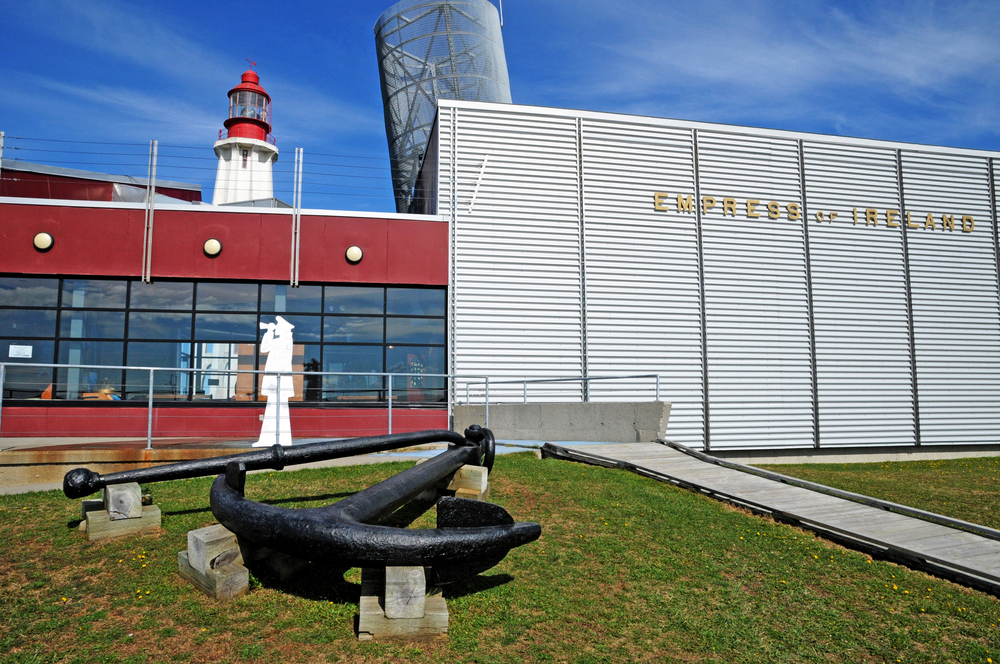
The Empress of Ireland sank in the St. Lawrence River after colliding with a Norwegian freighter, killing 1,012 people. The disaster occurred in heavy fog, highlighting the dangers of navigation in poor visibility conditions.
New regulations required ships to reduce speed in fog, maintain proper lookouts, and use sound signals to indicate their position and intentions.
MV Sewol (2014)

When this South Korean ferry sank off Jindo Island, 304 people died—mostly high school students on a field trip. The disaster exposed corruption in safety inspections and revealed how overloading and improper cargo securing could prove fatal.
South Korea completely overhauled its maritime safety system, implementing stricter inspection protocols, improved crew training requirements, and enhanced passenger safety briefings.
Like Go2Tutors’s content? Follow us on MSN.
SS Noronic (1949)
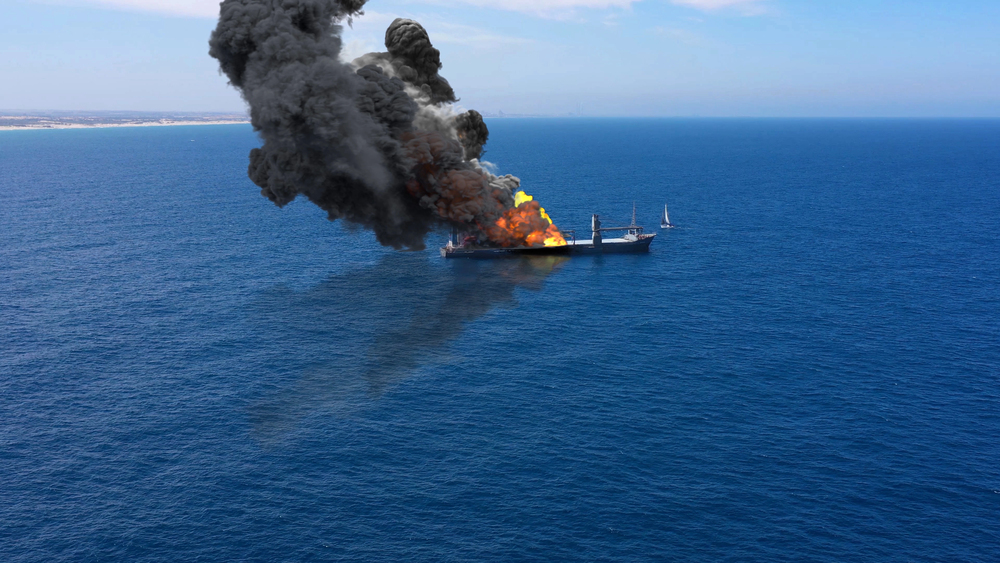
Fire consumed this passenger steamship while docked in Toronto, killing 119 people who were trapped by inadequate escape routes and poor fire safety systems. The tragedy demonstrated how quickly fires could spread through older vessels with wooden superstructures.
New regulations required fire-resistant construction materials, multiple escape routes, and improved fire detection systems for passenger vessels.
Lessons Written in Water
These disasters didn’t just claim lives—they forced an entire industry to confront its shortcomings and evolve. Modern cruise ships now carry satellite communication systems, GPS tracking, and evacuation slides that can handle thousands of passengers, all because previous generations learned from tragedy.
The International Maritime Organization continues updating SOLAS based on new incidents, ensuring that each disaster contributes to safer voyages for future travelers. While we can’t undo these maritime tragedies, we can honor the victims by learning from their stories and maintaining the safety standards born from their loss.
More from Go2Tutors!

- 16 Historical Figures Who Were Nothing Like You Think
- 12 Things Sold in the 80s That Are Now Illegal
- 15 VHS Tapes That Could Be Worth Thousands
- 17 Historical “What Ifs” That Would Have Changed Everything
- 18 TV Shows That Vanished Without a Finale
Like Go2Tutors’s content? Follow us on MSN.