Photos of 15 Buildings Built to Withstand Disasters
Each year, quakes reduce cities to piles of debris while storms rip through rooftops and rising waters drown whole communities. Hard lessons have taught us one truth – building design shapes survival just as much as chance does.
Clever minds in engineering and architecture now offer answers once thought impossible. These 15 structures worldwide stand tough, designed to endure whatever natural forces come their way.
Taipei 101, Taiwan

Years ago, Taipei 101 claimed the title of world’s tallest structure, resting atop a zone where quakes strike often. Hidden within its frame is a giant steel orb, heavy at 730 tons.
As tremors ripple or wind shoves sideways, that sphere sways against the force, balancing the tower above. This counterweight stands out now, recognized widely among safety designs in tall buildings everywhere.
The Burj Khalifa in Dubai
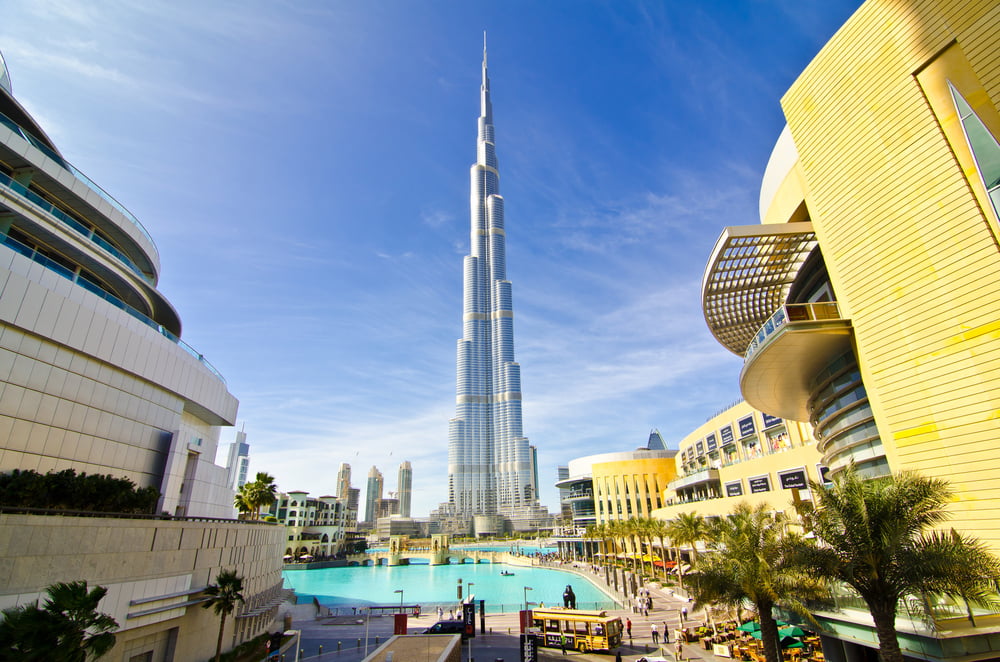
Winds howl across Dubai’s flat landscape, though quakes stay rare here. Rising above grit and gusts, the Burj Khalifa twists upward in a Y-form plan – its edges scatter wind instead of fighting it head-on.
That spiral form kills steady rocking, which might otherwise wear down steel and joints after years of push. Beneath the surface, more than 190 concrete pillars plunge far underground, anchoring the tower so even fierce shoves won’t budge its base.
Torre Mayor Mexico City
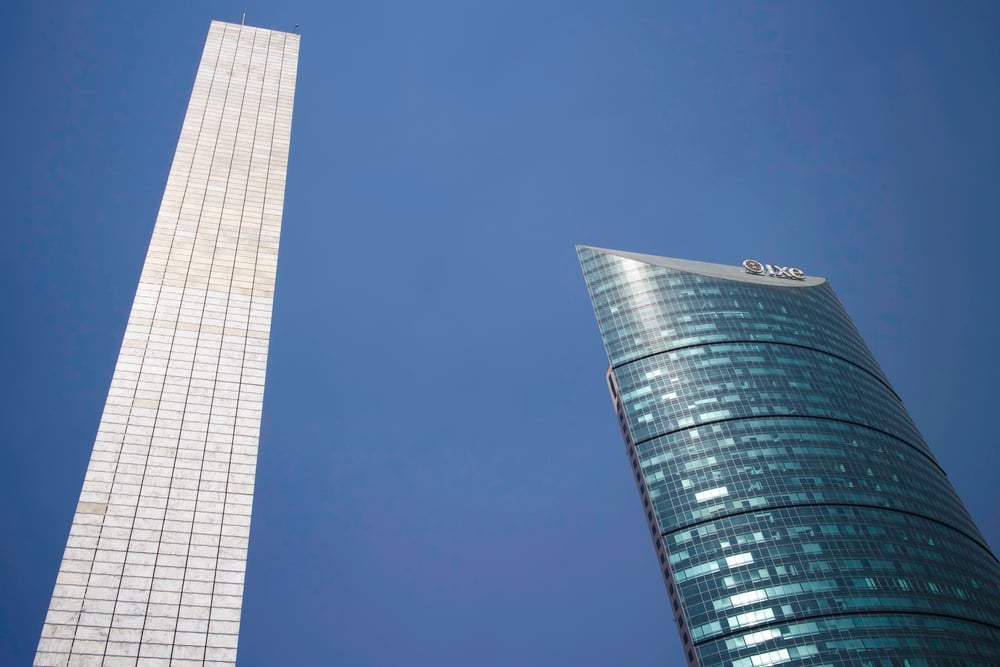
Mexico City knows quakes well, its bones shaped by tremor after tremor. Built because of those memories, Torre Mayor leans on 98 massive dampers – much like what cushions vehicles – to handle shaking ground.
During the 2003 jolt, measuring 7.6, the tower didn’t flinch, even as nearby structures split apart. To this day, few office skyscrapers across Latin America match its grip on stability.
The Transamerica Pyramid in San Francisco
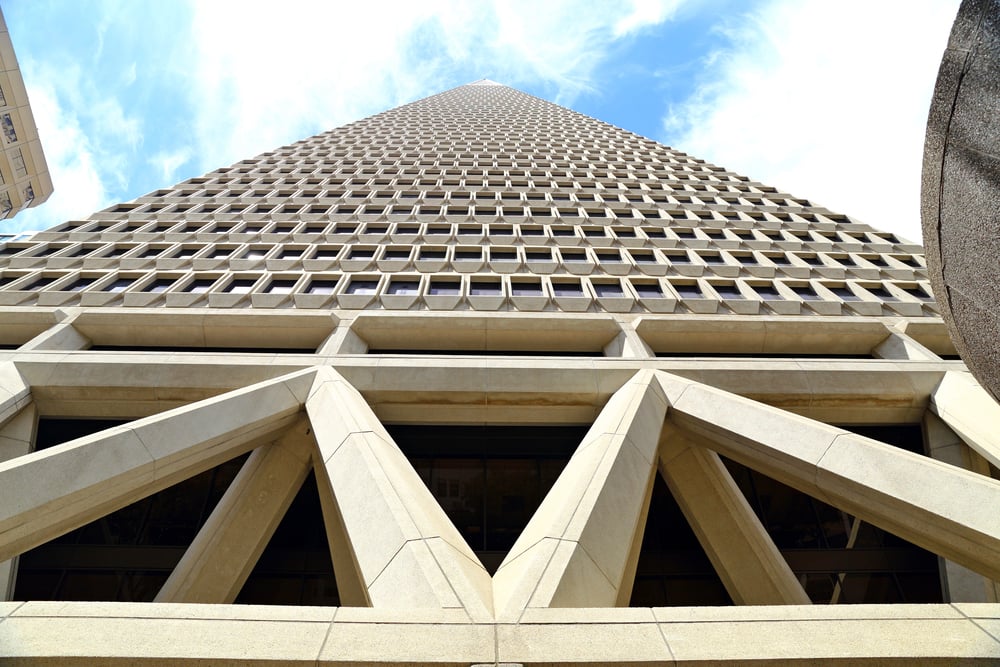
Perched above tangled cracks in the earth, San Francisco shaped how the Transamerica Pyramid came to be. Built like a triangle standing tall, its bottom broad and peak slim, stability comes naturally when the ground shakes.
When the 1989 quake hit near Loma Prieta, movement at the summit reached twelve inches – side to side – but nothing broke. Far from decoration, the pointed form fights danger quietly, answering risk with design.
Yokohama Landmark Tower Japan
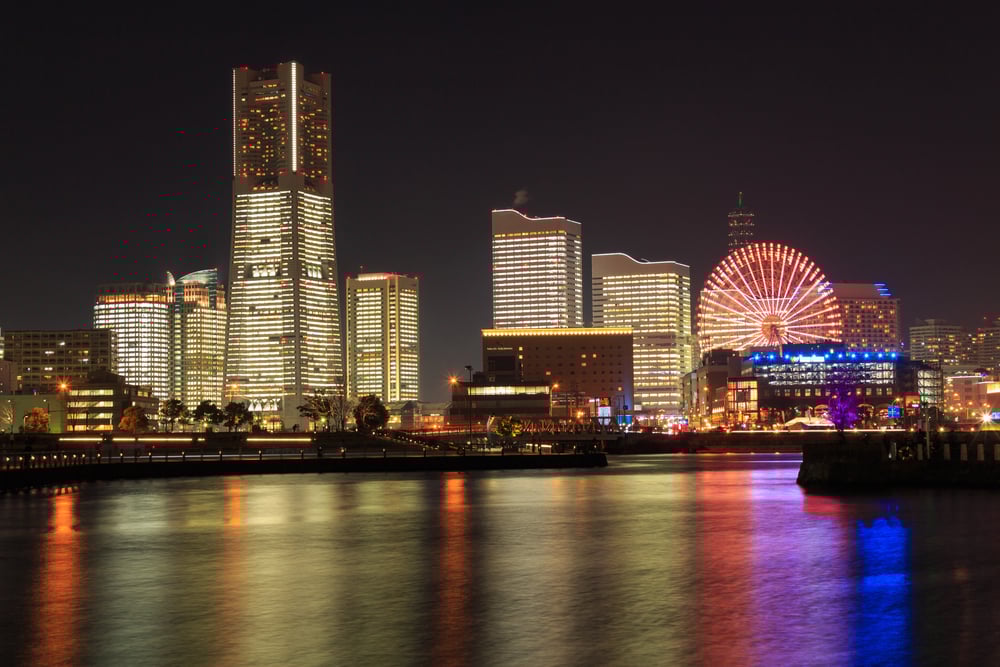
Shaking from quakes or gusts? The Yokohama Landmark Tower fights back without fuss. Japan puts muscle into buildings meant to last, this tower showing how clearly.
Up near the roof sit big water tanks doing quiet work. Motion starts below, yet the slosh above answers with calm.
The CCTV Building in Beijing
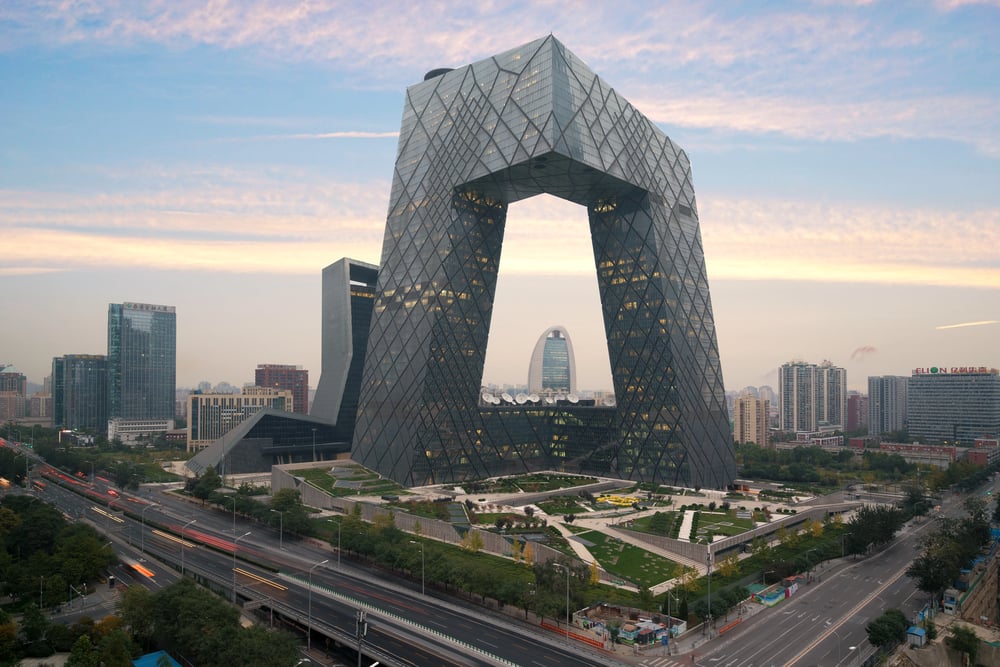
Curved like a twist of ribbon, this tower catches the eye amid Beijing’s cityscape without trying. Not merely for show, its form channels forces throughout the frame rather than piling them on the foundation.
When the ground shakes, stability comes from sharing strain between the twin shafts and their joined arms. To check strength at each kink in the arc, specialists ran complex simulations long before construction began.
One World Trade Center New York
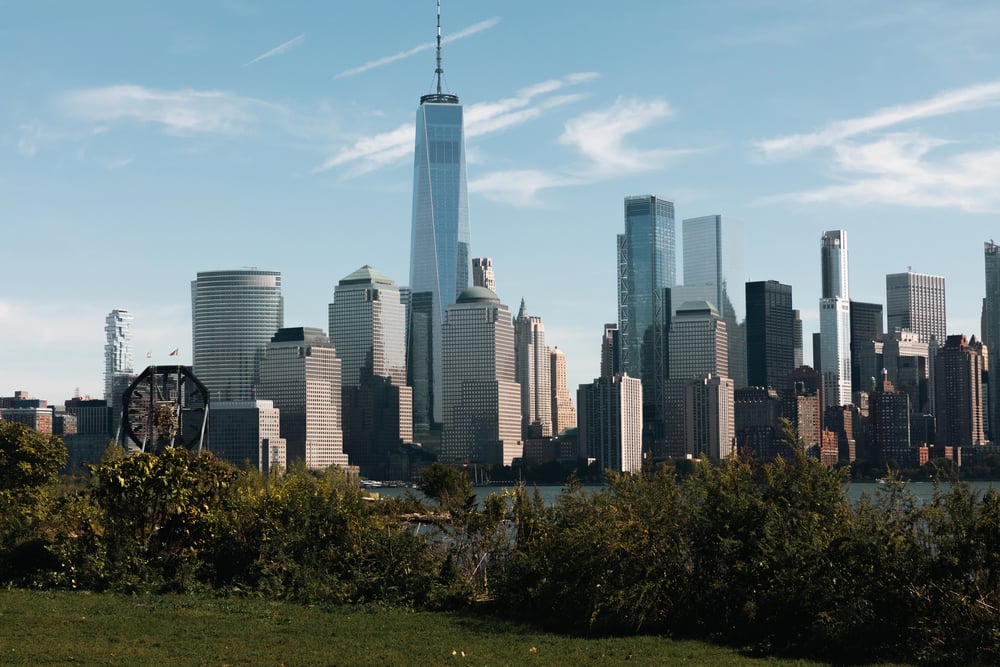
Starting where memory lingers, One World Trade Center rises above more than just ground level. Not only does it withstand blasts, but also fierce winds thanks to walls of solid concrete – some parts nearly a yard wide.
From bottom to top, flood defense shapes its foundation, keeping water out when storms push inland. High within its frame, vital machinery rests beyond reach of rising tides.
The Bosco Verticale in Milan

Trees drape over this structure, yet strength hides beneath the scenery. Though appearances suggest decoration rules here, design precision shapes every detail of the Bosco Verticale.
Floors stretch outward with thickened concrete arms, gripping heavy soil and full-grown trees. Weight piles high – each level bears loads equal to several cars parked together.
The Pentagon, Arlington

The Pentagon was rebuilt after the September 11, 2001 attack with major improvements to its structural resilience. The renovated sections use blast-resistant windows that are framed in steel, along with reinforced concrete walls and steel-backed masonry.
Kevlar cloth was added between layers of the exterior walls to contain debris in the event of another explosion. The rebuilt section held up so well during the attack that it served as a model for future government construction standards.
Storm King Art Center’s Wavefield, New York
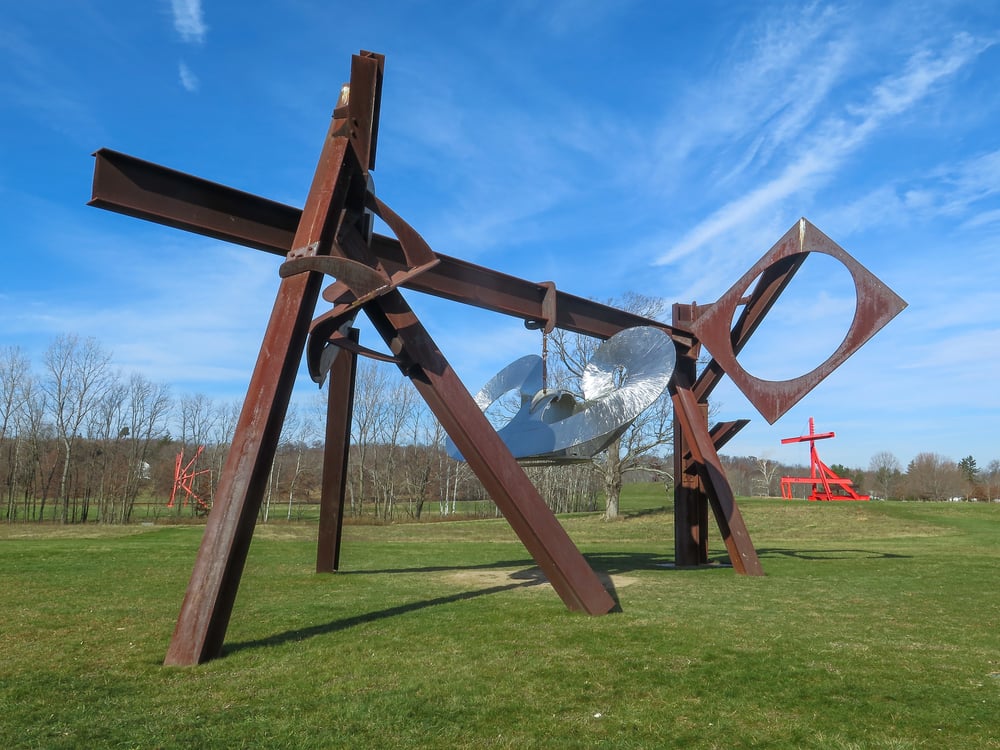
While this is technically a landscape structure rather than a building, its construction principles apply directly to disaster resilience. The earthwork mounds were designed to redirect and absorb wind and water flow across the site.
The soil composition and drainage systems were built to handle heavy rainfall and prevent erosion over decades. It proves that disaster-resistant design does not always mean glass and steel; sometimes the earth itself does the job.
The Floating Piers, Italy (Temporary)
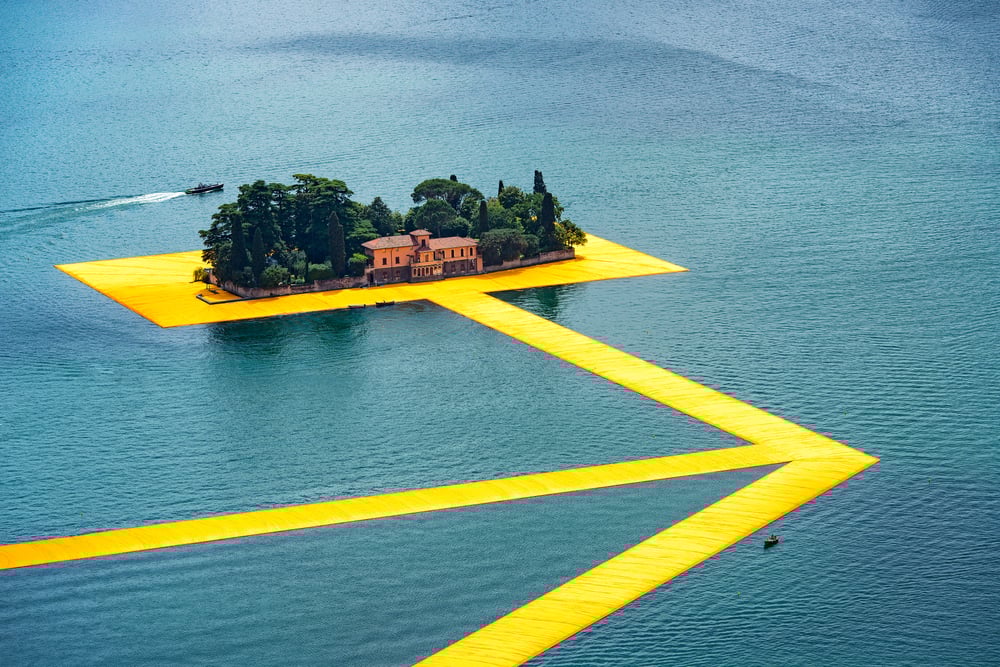
Designed by artist Christo for Lake Iseo in Italy, this structure was built to handle the unpredictable movement of water and the weight of thousands of visitors at once. The modular floating platform used a system of interconnected high-density polyethylene cubes that could flex and shift with waves without breaking apart.
Each cube was anchored in a way that allowed movement without losing structural connection to the others. It handled crowds of up to 100,000 people per day during its installation period.
The Heydar Aliyev Center, Azerbaijan
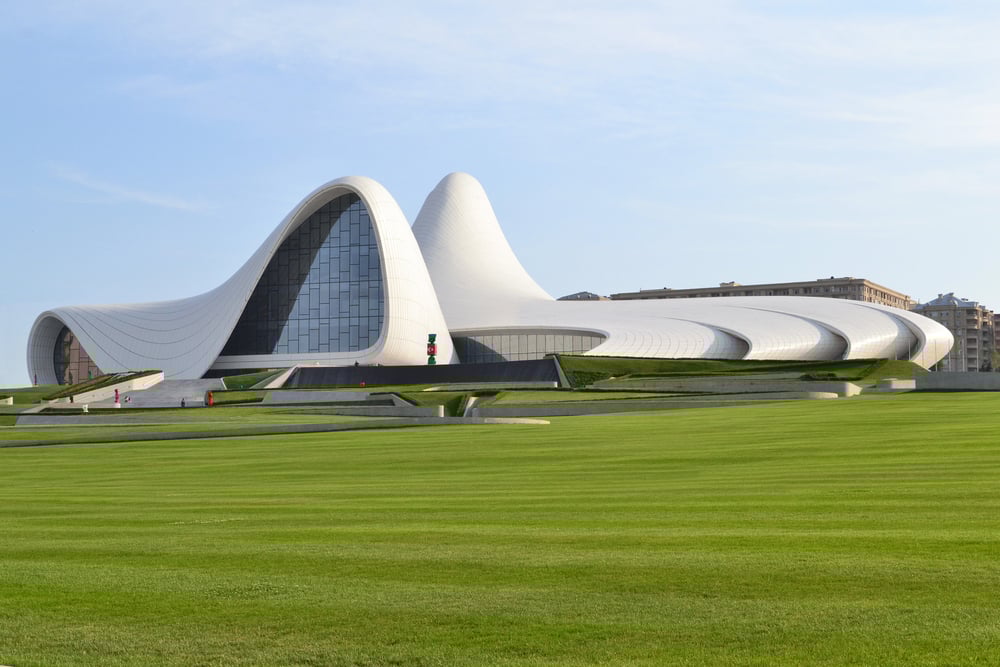
Located in Baku, this flowing, curvy building sits in a region that experiences moderate seismic activity. The structure was built with a complex system of internal steel frames that allow the building to flex slightly during ground movement.
Its curved concrete shell distributes stress in a way that flat walls simply cannot. Zaha Hadid’s team worked closely with structural engineers to ensure that the building’s dramatic shape did not compromise its ability to withstand natural forces.
The Yokohama Bay Bridge, Japan
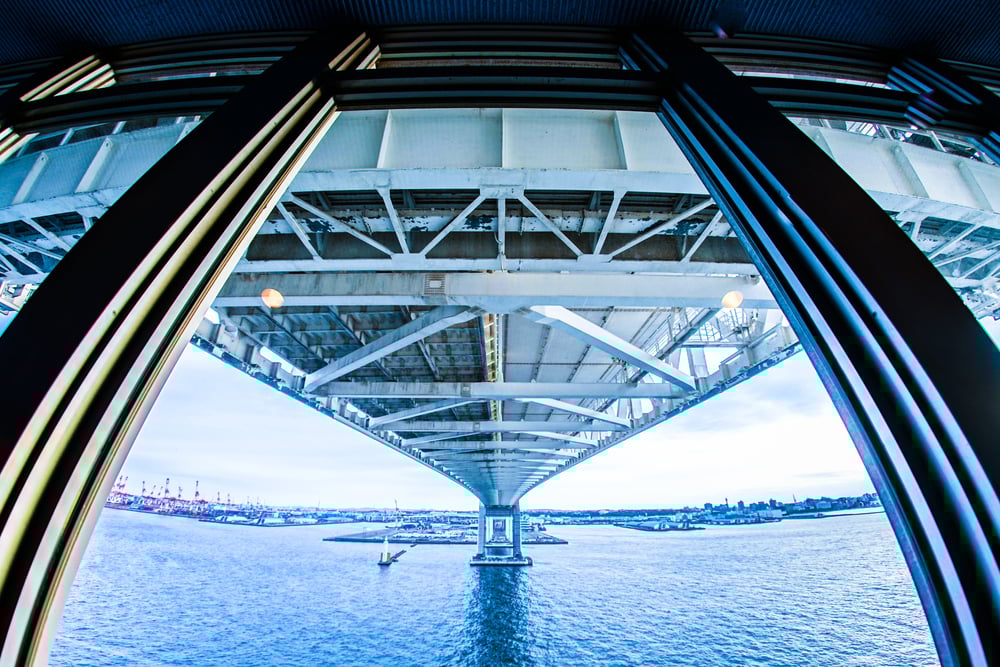
Japan’s Yokohama Bay Bridge was designed to handle both earthquakes and typhoon-force winds. The bridge deck hangs from cables anchored deep into earthquake-resistant foundations on both sides of the bay.
During major typhoons, the aerodynamic shape of the deck allows wind to pass through rather than push directly against the structure. The design has been tested multiple times by real earthquakes and storms, and it has held firm every time.
Bitexco Financial Tower, Vietnam
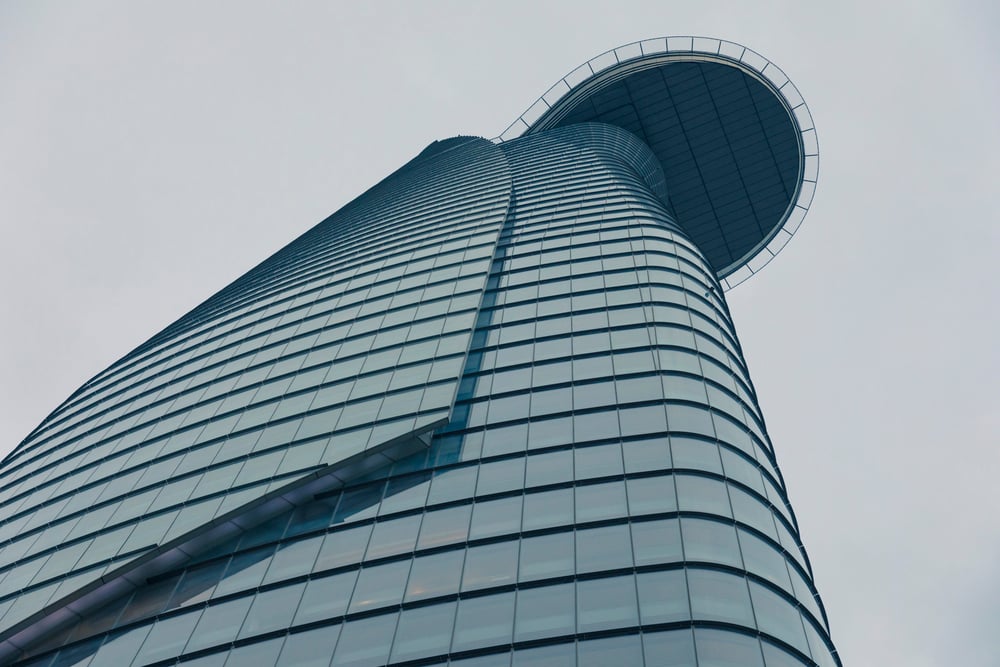
Ho Chi Minh City sits in a region that deals with tropical storms and occasional flooding, and the Bitexco Financial Tower was engineered with those conditions in mind. The building’s lotus-inspired shape is not just cultural symbolism; it helps channel strong winds around the structure rather than against it.
Its foundation goes deep into the ground to handle the soft, wet soil of southern Vietnam, which can shift during heavy rain events. The building also has elevated mechanical floors to protect essential systems from floodwater.
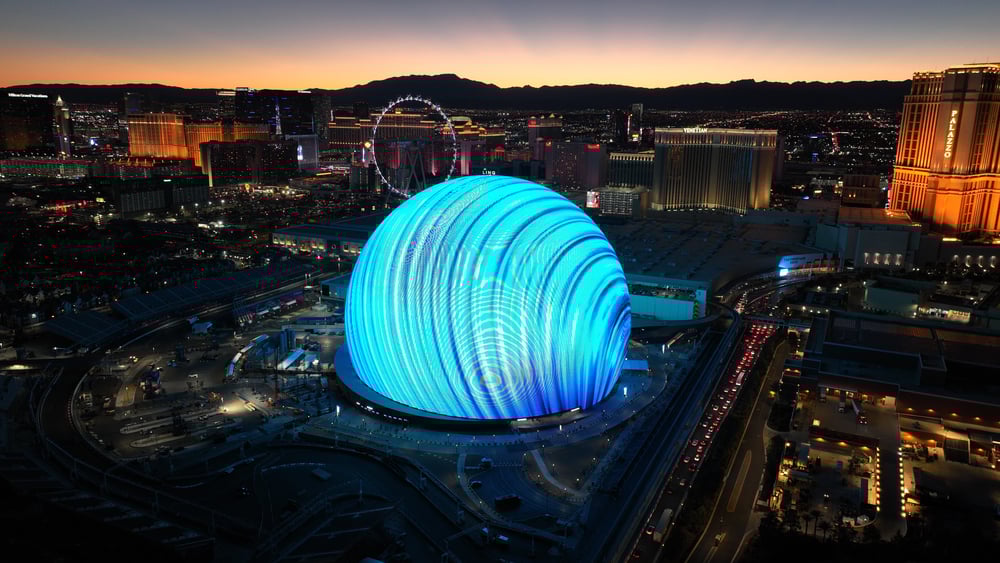
The Sphere, Las Vegas
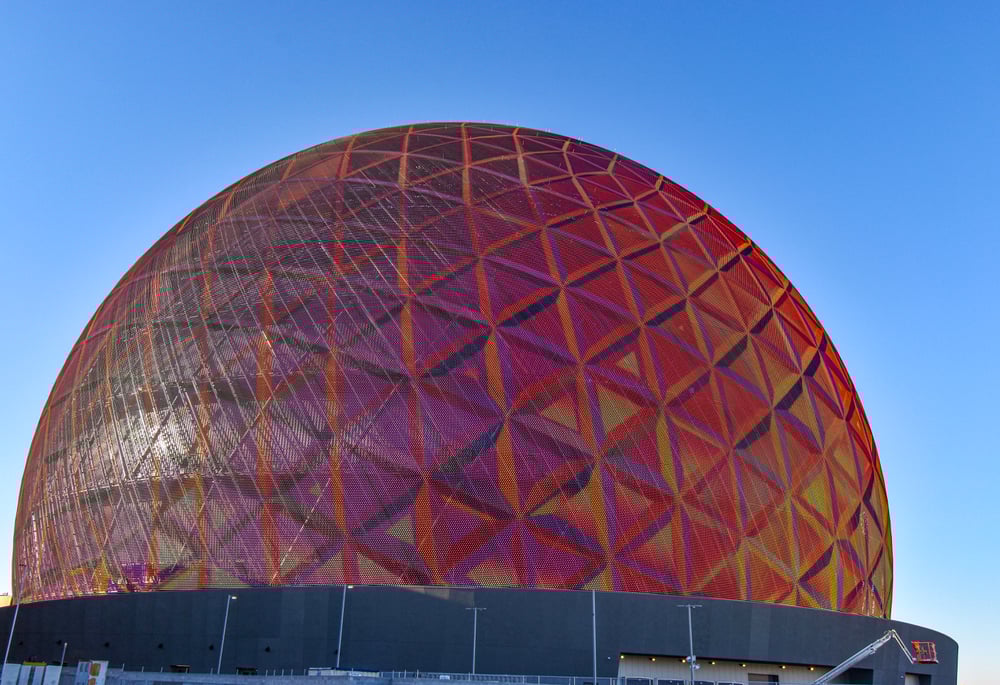
Las Vegas might not be the first place people think of when disaster-resistant buildings come to mind, but The Sphere is built to last in the desert heat and handle seismic activity from the region’s fault lines. Its exterior is covered in 1.2 million LED nodes, but underneath all of that is a reinforced steel exoskeleton designed to flex during ground movement.
The structure sits on base isolators, the same technology used in hospitals and government buildings to absorb earthquake energy. It also has systems designed to handle extreme heat, which in the Nevada desert is very much a real environmental threat.
What These Buildings Tell Us
The buildings on this list did not happen by accident. Every one of them came from a decision, made early and taken seriously, to put safety at the center of the design.
What is worth noting is that disaster-resistant buildings do not have to look boring or plain; many of the structures here are also some of the most visually interesting buildings on earth. As climate patterns shift and natural disasters become more frequent, the ideas behind these buildings are not just impressive, they are becoming necessary for the future of how people build.
More from Go2Tutors!

- The Romanov Crown Jewels and Their Tragic Fate
- 13 Historical Mysteries That Science Still Can’t Solve
- Famous Hoaxes That Fooled the World for Years
- 15 Child Stars with Tragic Adult Lives
- 16 Famous Jewelry Pieces in History
Like Go2Tutors’s content? Follow us on MSN.



