Worst Transportation Accidents in Modern Times
Transportation has always carried risk, but the scale of modern travel means that when accidents happen, they can affect hundreds or even thousands of lives in an instant. These disasters remind us how quickly routine journeys can turn tragic, often due to a combination of human error, mechanical failure, and unfortunate circumstances that align in the worst possible way.
Titanic Sinking
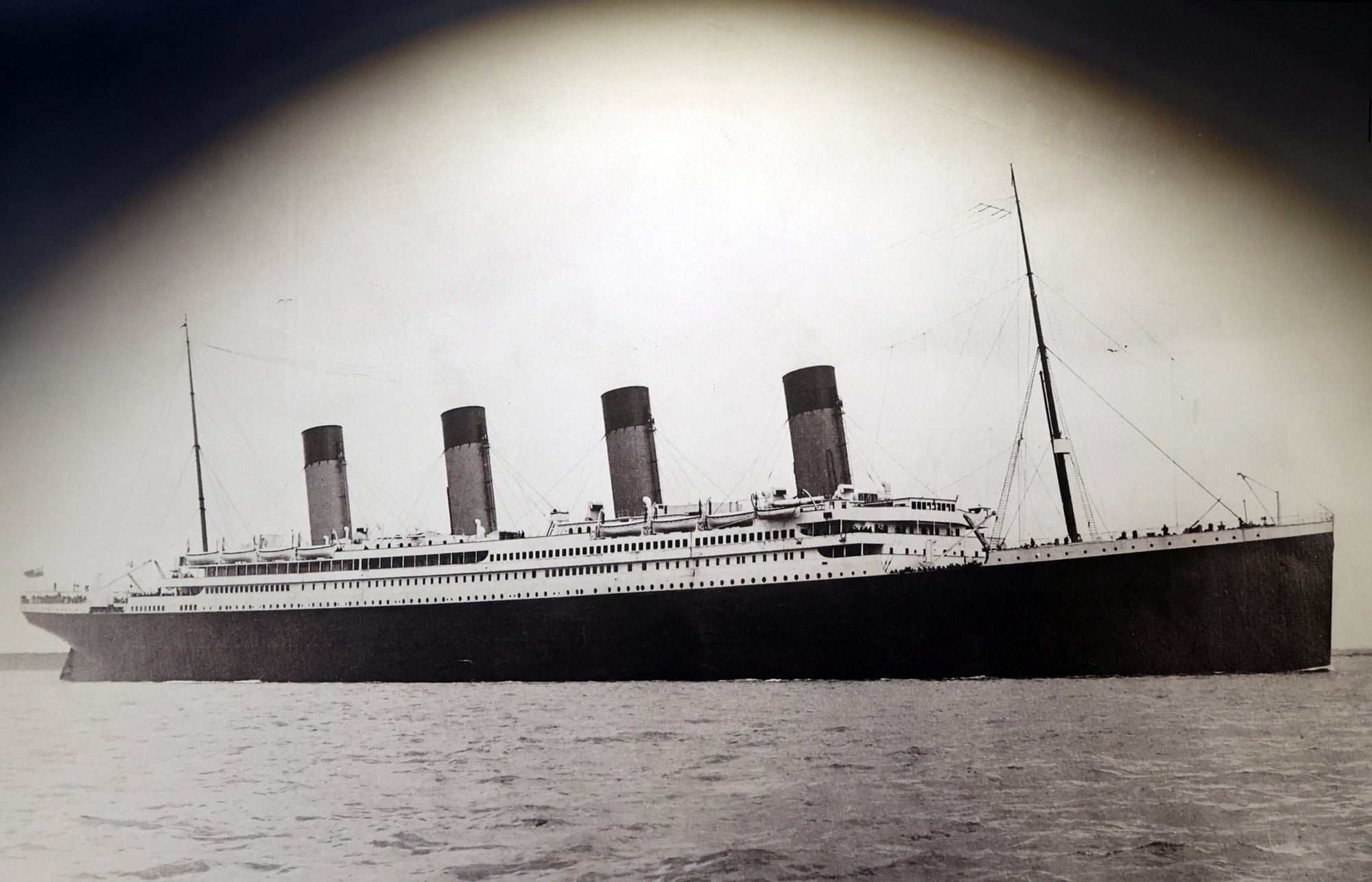
The Titanic represents the hubris of an era that believed technology could conquer nature. April 14, 1912, proved otherwise when the “unsinkable” ship struck an iceberg in the North Atlantic.
Over 1,500 people died in the frigid waters. The real tragedy wasn’t just the collision—it was the cascade of failures that followed.
Not enough lifeboats, inadequate evacuation procedures, and a nearby ship that ignored distress signals. The Titanic disaster changed maritime safety forever, but that knowledge came too late for the passengers who went down with the ship.
Tenerife Airport Disaster
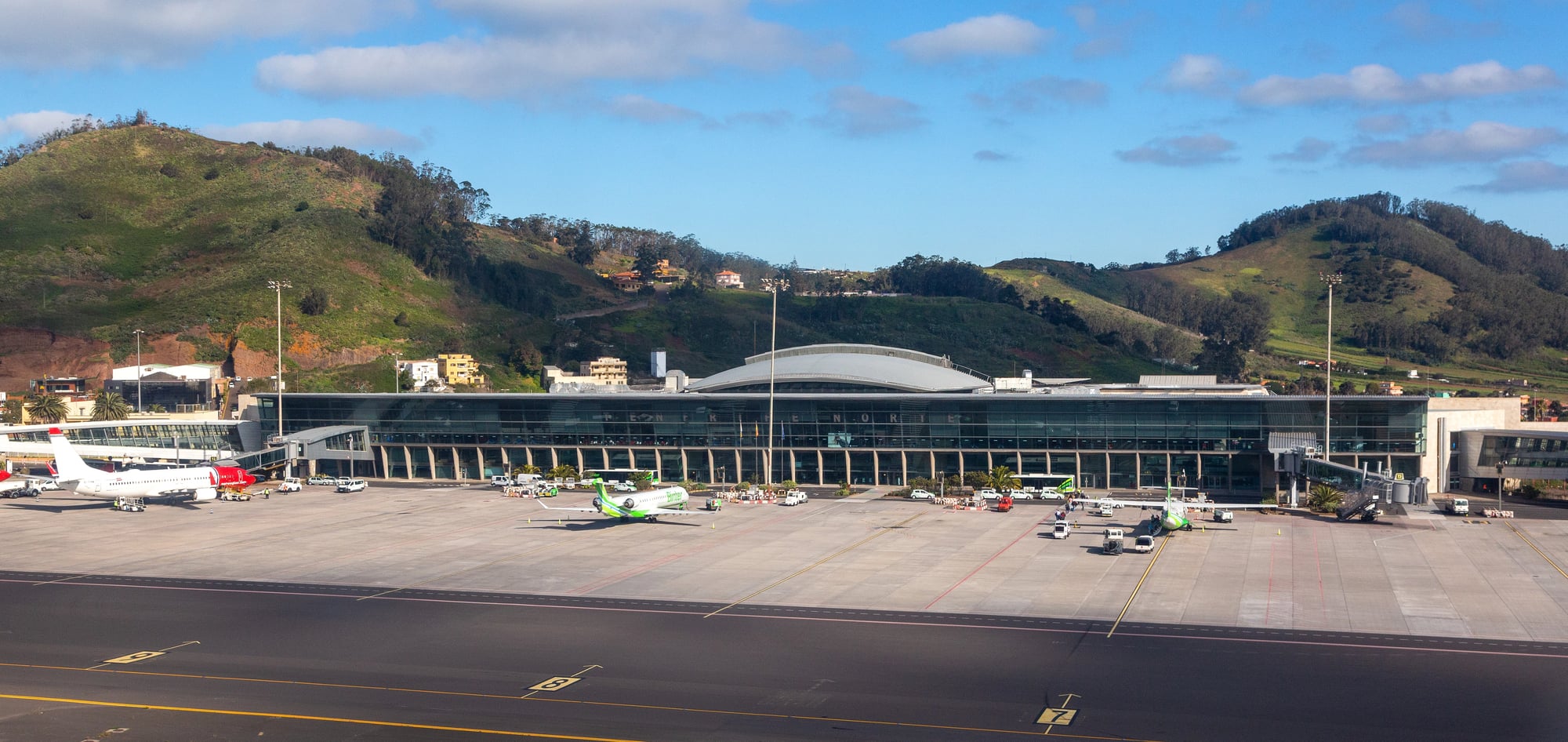
Two Boeing 747s collided on a foggy runway at Tenerife’s Los Rodeos Airport on March 27, 1977. The crash killed 583 people and remains the deadliest accident in aviation history.
Poor visibility, radio communication failures, and misunderstood instructions created a perfect storm of confusion. The KLM flight began takeoff while the Pan Am aircraft was still on the runway.
By the time either crew realized what was happening, physics had already taken over. The investigation revealed how a series of small miscommunications can compound into catastrophe when there’s no room for error at 500 miles per hour.
MS Estonia Ferry Disaster
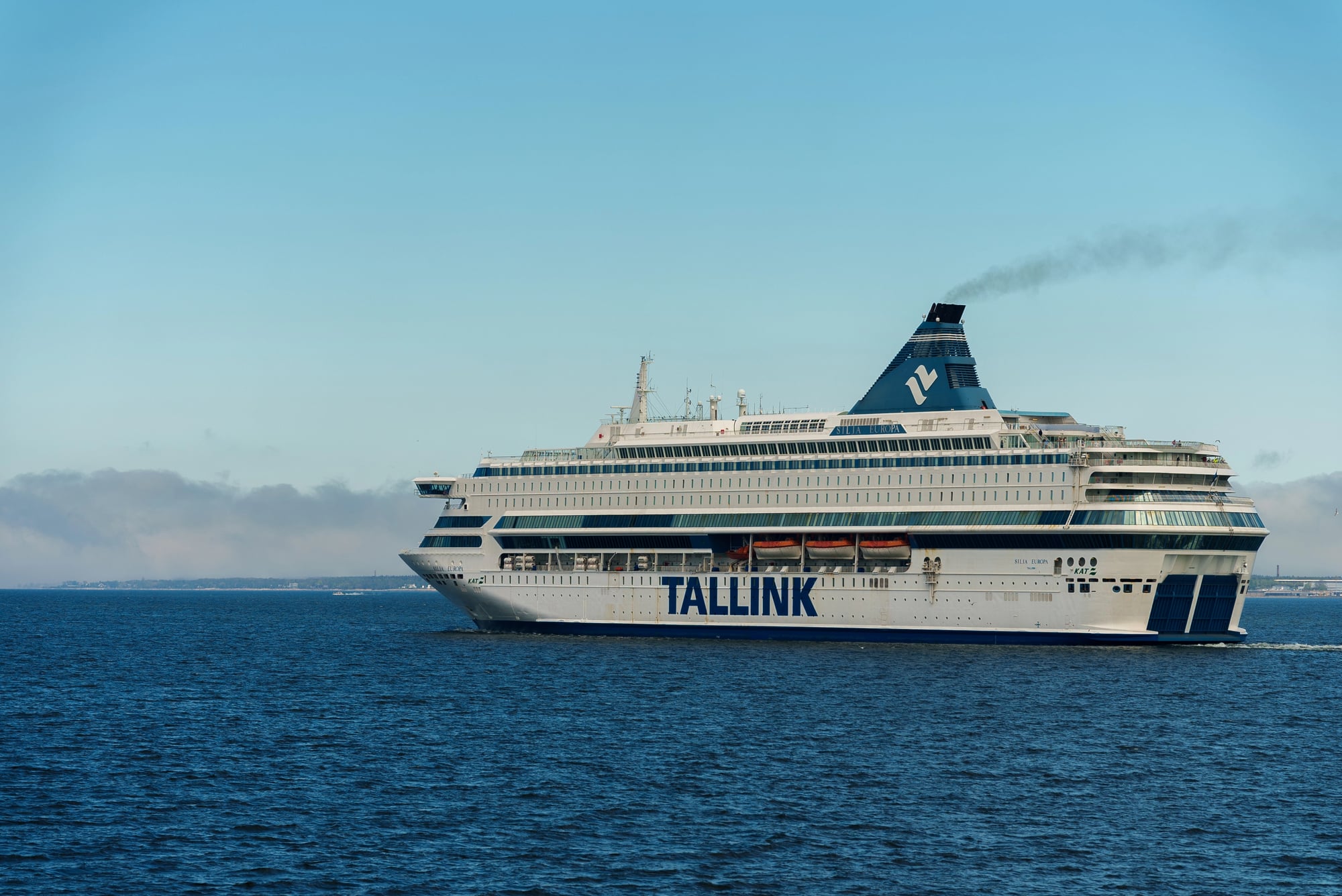
Ferries feel safe because they’re big and stable, like floating parking garages that happen to cross water. The MS Estonia shattered that illusion on September 28, 1994, when it sank in the Baltic Sea during a storm.
852 people died in one of the worst maritime disasters in European waters. The bow visor—the massive steel door that lets cars drive on and off—broke away in heavy seas (you’d think something that fundamental would be built to withstand anything the ocean could throw at it, but apparently not).
Water flooded the car deck, and the ferry listed so severely that lifeboats on one side couldn’t be launched. Most passengers were trapped below deck as the ship went down in less than an hour.
The few survivors who made it to life rafts faced hours in near-freezing water before rescue ships arrived.
Bhopal Gas Tragedy Transportation
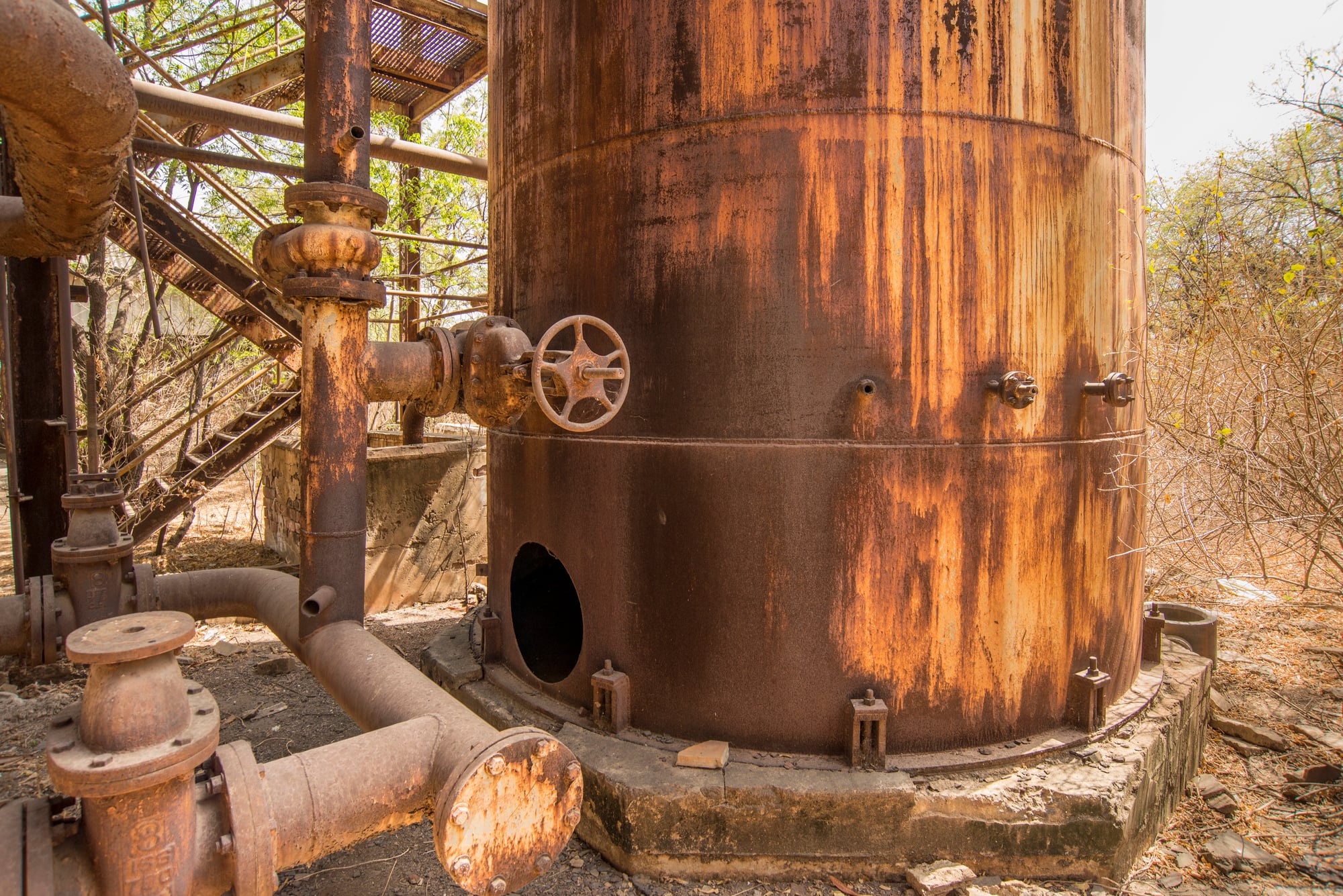
Industrial accidents become transportation disasters when toxic substances escape during transit or storage. The Bhopal disaster of December 3, 1984, killed thousands when methyl isocyanate gas leaked from a Union Carbide plant in India.
While not a traditional transportation accident, the deadly cloud effectively became a moving disaster that affected anyone in its path. The gas spread through densely populated neighborhoods surrounding the plant.
People died in their sleep or while trying to flee. The immediate death toll reached into the thousands, with long-term health effects claiming many more lives over the following decades.
Eschede Train Derailment

High-speed trains promise the efficiency of flight with the comfort of ground travel. The ICE 884 was traveling at 200 kilometers per hour through the German town of Eschede on June 3, 1998, when a wheel rim fractured and caused the train to derail.
The locomotive and several cars slammed into a road bridge, which collapsed onto the wreckage. 101 people died in what became Germany’s worst railway accident.
The train had been operating for years with a wheel design that prioritized passenger comfort over safety—the flexible wheels reduced vibration but proved vulnerable to metal fatigue. So much for German engineering being foolproof.
Dona Paz Ferry Collision
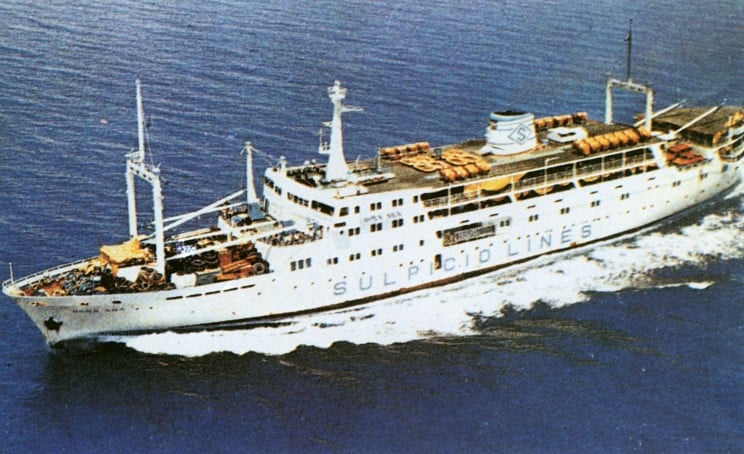
Passenger ferries in the Philippines carry essential transportation between thousands of islands, often packed well beyond their rated capacity (which, as it turns out, matters more than anyone wanted to admit). On December 20, 1987, the MV Dona Paz collided with an oil tanker in the Tablas Strait.
The tanker was carrying 8,800 barrels of petroleum products. The collision triggered a massive fire that spread across both vessels within minutes.
The official death toll reached 4,386 people, making it the deadliest peacetime maritime disaster in history. Most passengers were trapped below deck or died in the burning oil that spread across the water’s surface.
And yet ferries throughout the region continued operating under similar conditions—some lessons take longer to sink in than others.
Air France Flight 447
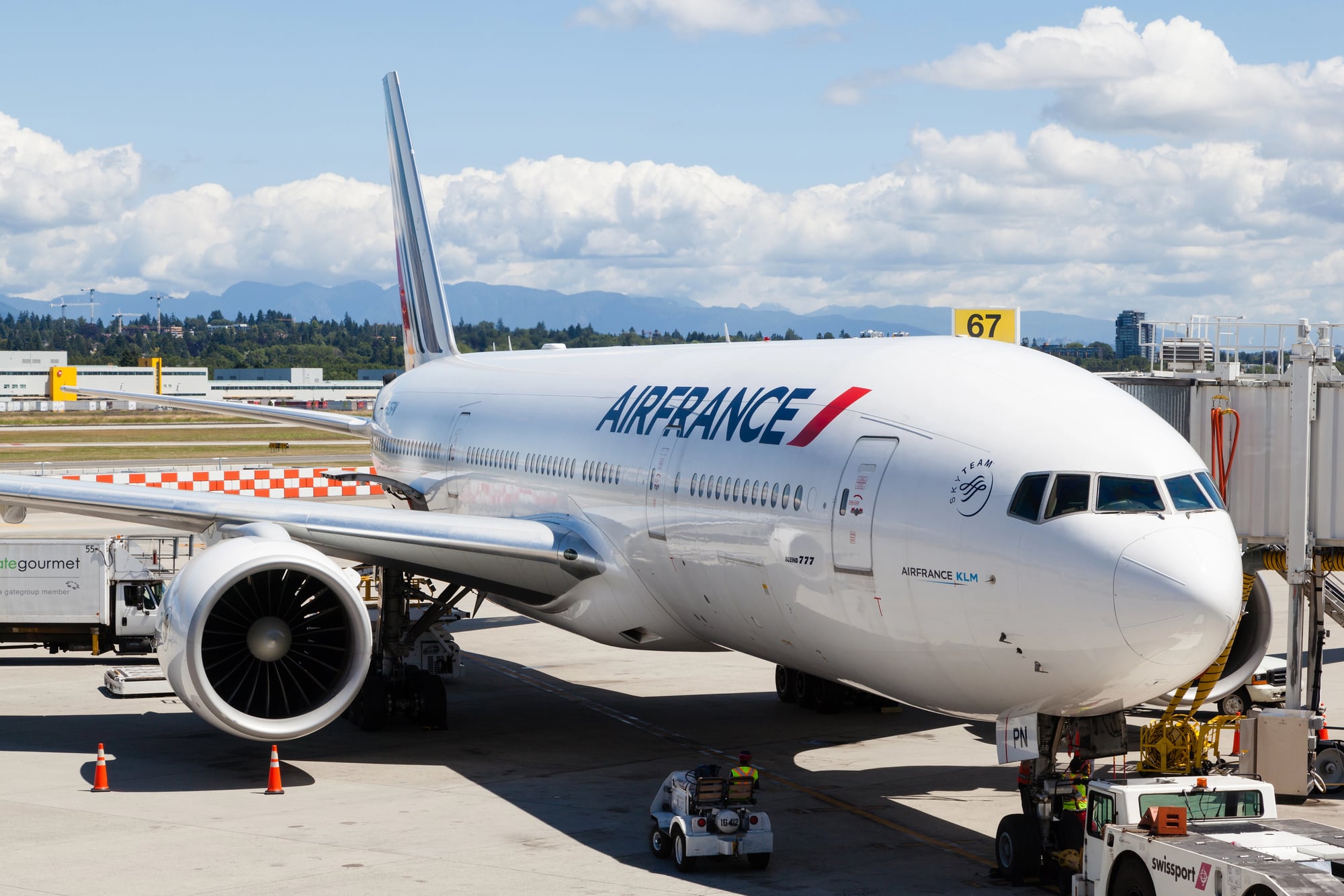
Modern aircraft are so automated that pilots sometimes forget how to fly them manually—until the computers stop working and hand control back to confused humans at 35,000 feet. Air France Flight 447 crashed into the Atlantic Ocean on June 1, 2009, during a flight from Rio de Janeiro to Paris.
All 228 people aboard died. Ice crystals blocked the aircraft’s pitot tubes (which measure airspeed), causing the autopilot to disconnect.
The crew became disoriented in the darkness and storm conditions, inadvertently putting the aircraft into a stall from which it never recovered. The plane fell for four and a half minutes before hitting the ocean.
It took two years to find the wreckage and flight recorders on the sea floor, and even longer to understand how sophisticated technology and human confusion had combined to create such a preventable tragedy.
Kaprun Funicular Fire
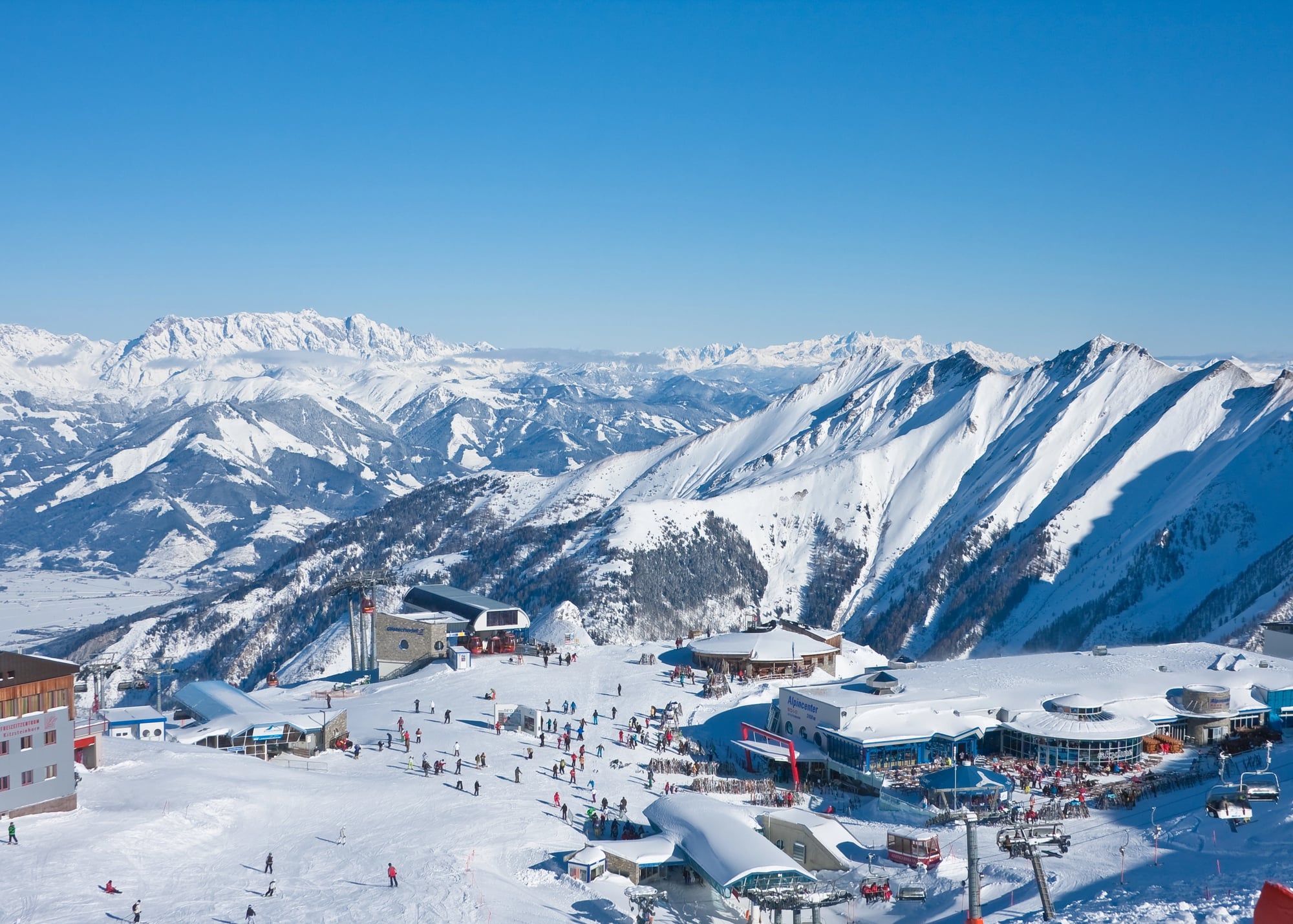
Mountain railways carry tourists through terrain that would otherwise be inaccessible, but that isolation becomes deadly when something goes wrong and there’s nowhere to run. On November 11, 2000, a funicular railway caught fire inside a tunnel in the Austrian Alps.
155 people died, most from smoke inhalation. A faulty heater ignited hydraulic fluid, and the fire spread rapidly through the train car.
The tunnel acted like a chimney, drawing flames and toxic smoke upward toward the mountain station. Most passengers who tried to evacuate uphill—following their natural instinct to head toward the surface—died from smoke inhalation.
The few survivors were those who went against instinct and fled downhill through the smoke to reach the bottom station.
MV Sewol Ferry Disaster
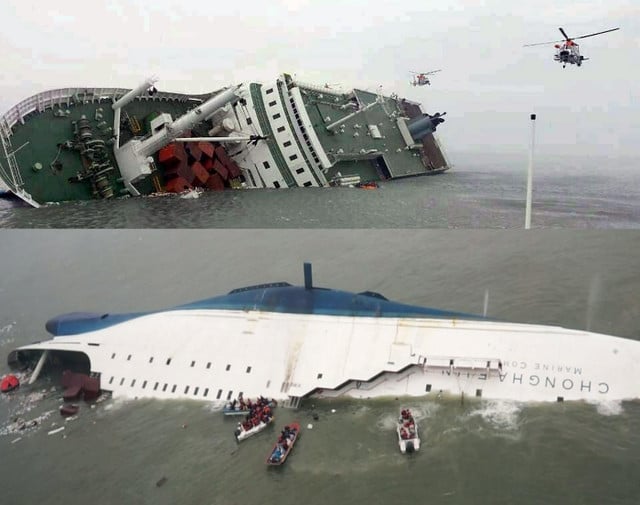
The MV Sewol was carrying 476 people, mostly high school students on a field trip, when it capsized off the coast of South Korea on April 16, 2014. 304 people died, and the disaster exposed systematic failures in maritime safety and emergency response.
The ferry had been overloaded with cargo that wasn’t properly secured. When the ship made a sharp turn, the cargo shifted, causing the vessel to list severely.
The crew abandoned ship while passengers—following instructions to stay in their cabins—remained trapped below deck as the ferry rolled over. Coast Guard rescue efforts were delayed and inadequate.
The captain was later convicted of murder for abandoning passengers, but that conviction couldn’t bring back the students who died waiting for help that came too late.
Lac-Mégantic Rail Disaster
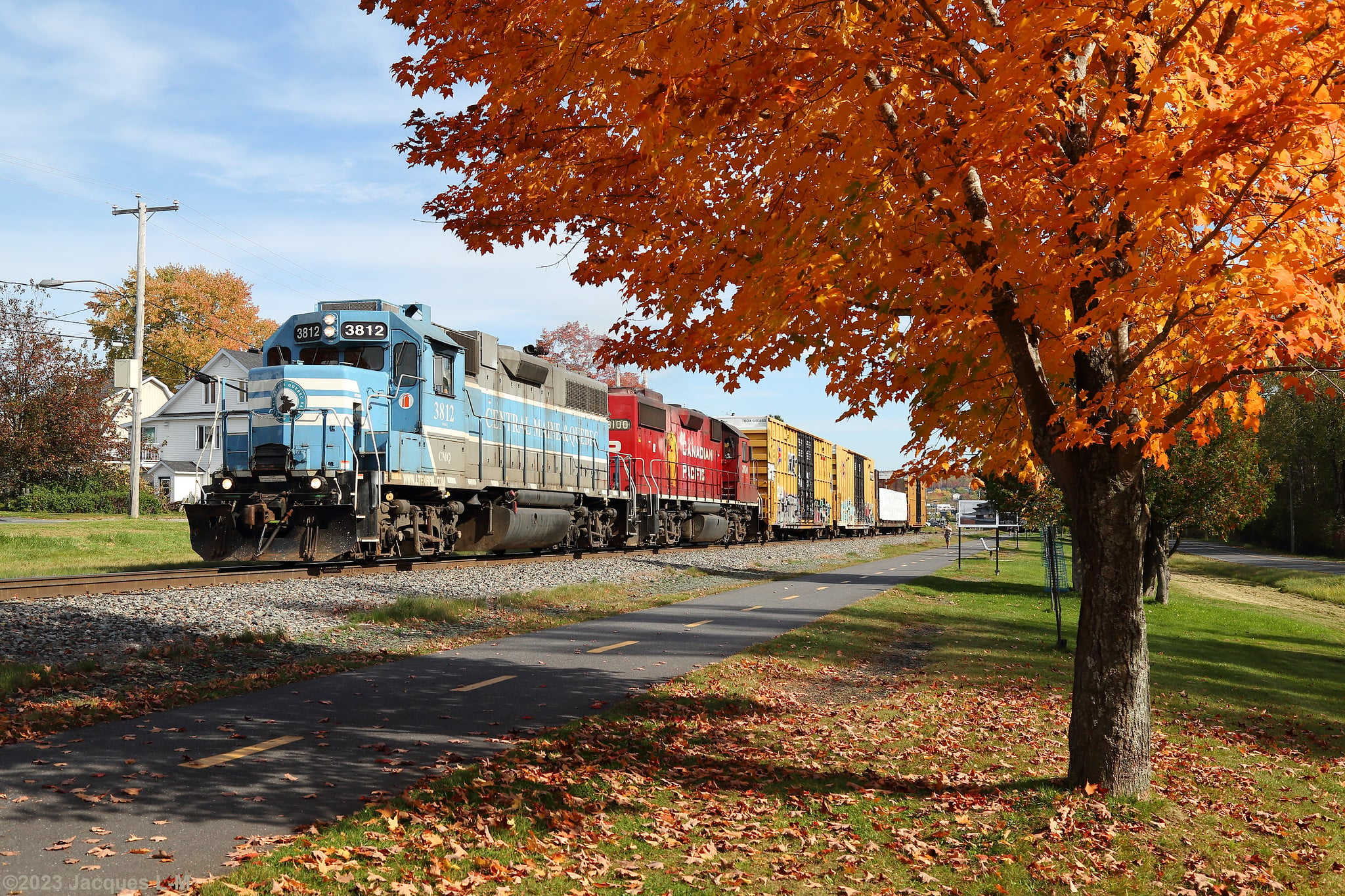
Freight trains carrying hazardous materials roll through towns across North America every day, usually without incident. On July 6, 2013, an unattended train carrying crude oil rolled downhill into the center of Lac-Mégantic, Quebec, where it derailed and exploded.
The blast killed 47 people and destroyed much of the downtown area. The locomotive engineer had parked the train on a slope outside town and failed to set enough hand brakes.
When the air brakes gradually lost pressure overnight, the train began rolling downhill, gaining speed as it approached the town center. The resulting explosion was so intense it vaporized buildings and left a crater where the downtown core had been.
The disaster highlighted the risks of transporting crude oil by rail through populated areas.
Herald of Free Enterprise
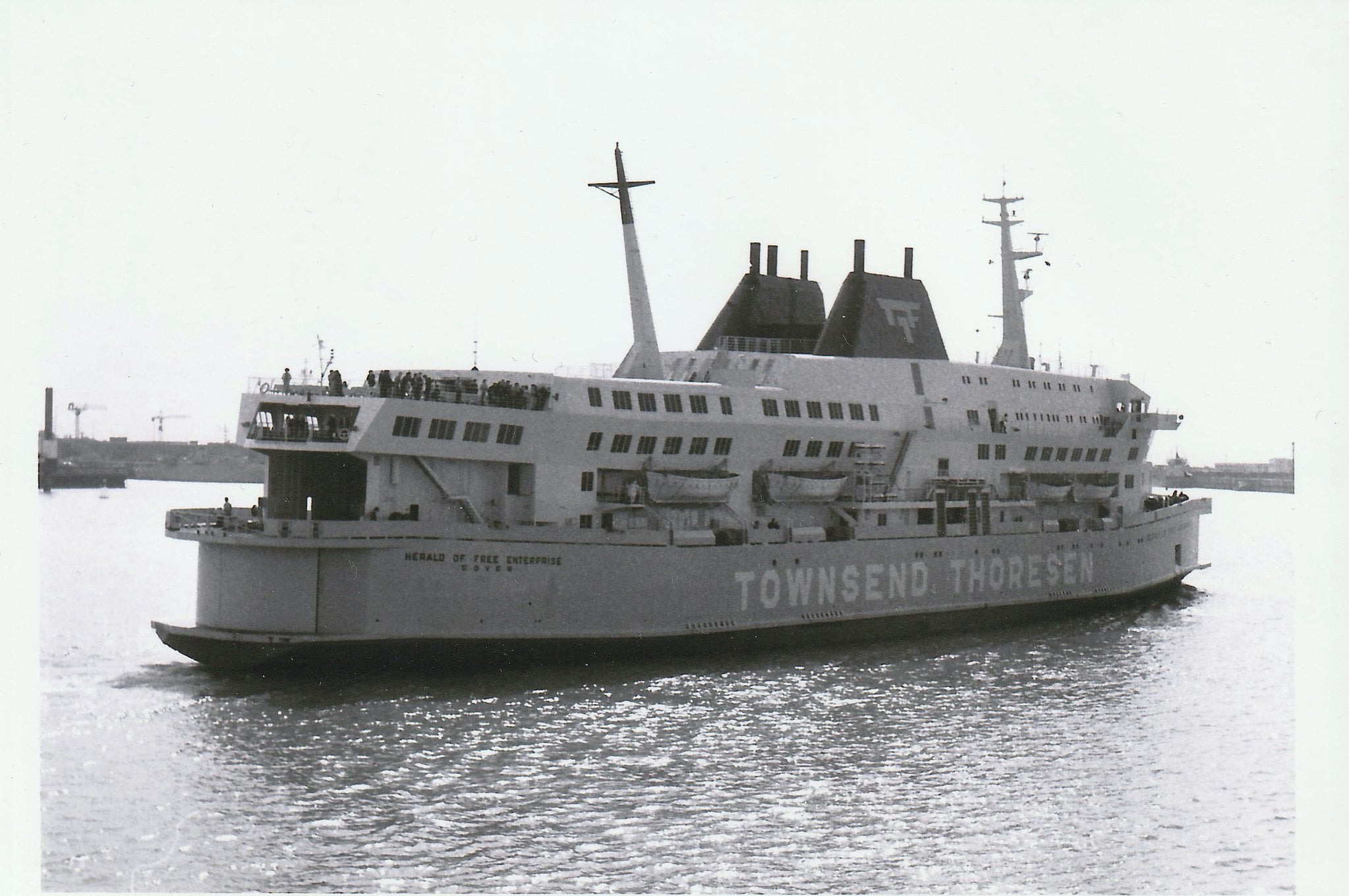
Car ferries are basically floating boxes with doors on both ends, which works fine until someone forgets to close the doors before heading out to sea. The Herald of Free Enterprise capsized on March 6, 1987, just outside the Belgian port of Zeebrugge.
The ferry had left port with its bow doors still open. Water flooded the car deck as soon as the ship gained speed and began cutting through waves.
The ferry capsized in shallow water within 90 seconds of flooding, killing 193 people. Many passengers were trapped in their vehicles or crushed when cars broke loose and tumbled across the tilting deck.
The disaster was entirely preventable—a simple indicator light would have shown that the bow doors were still open—but the ferry company had deemed such safety measures unnecessary.
China Railways High-Speed Train Crash
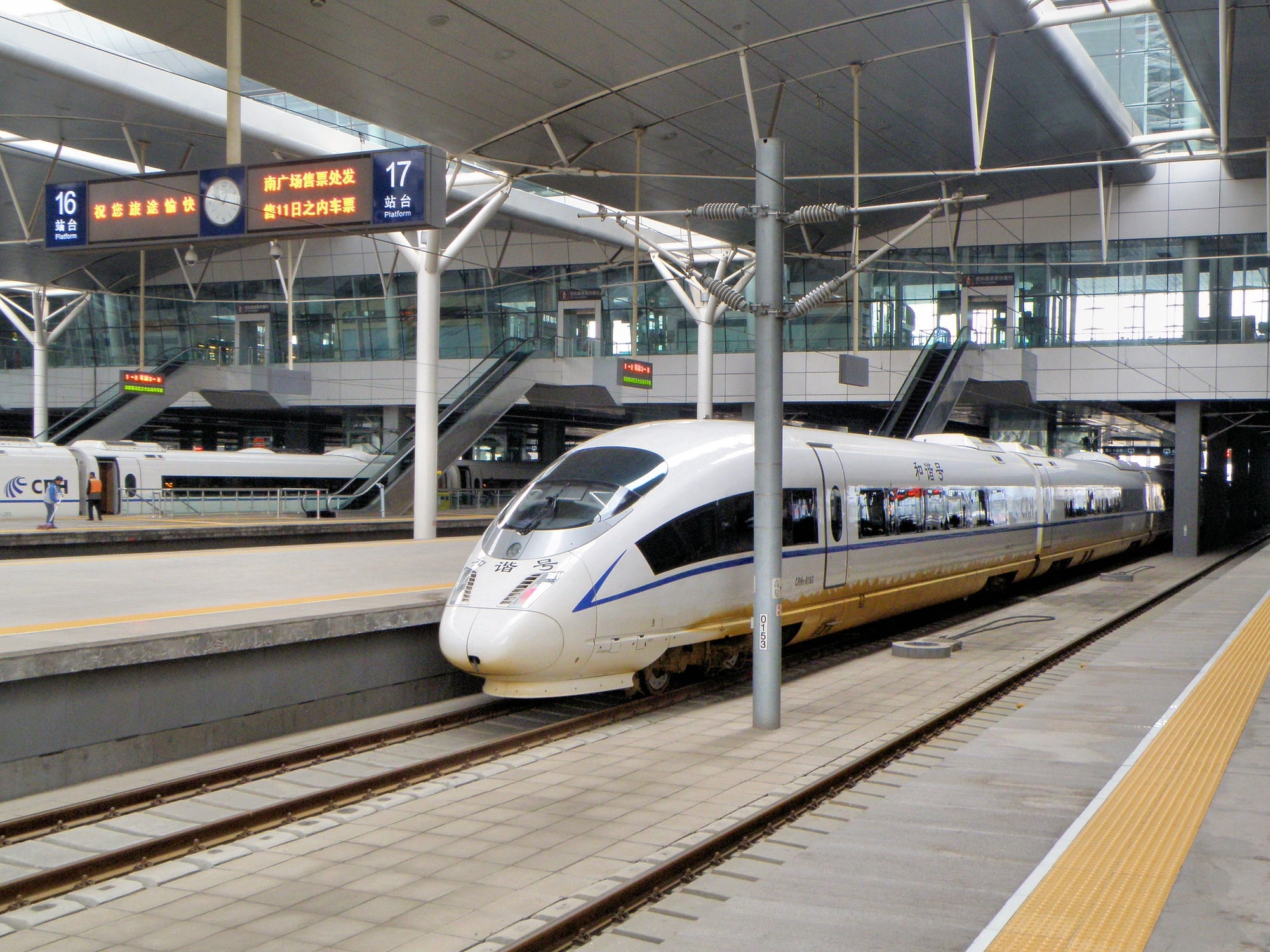
High-speed rail was supposed to represent the future of ground transportation in China—efficient, modern, and safe. On July 23, 2011, two high-speed trains collided near Wenzhou during a thunderstorm, killing 40 people and injuring nearly 200 others.
The first train had stopped on an elevated track after being struck by lightning. A second train, operating under an automated signaling system, failed to detect the stopped train ahead and slammed into it at high speed.
Several cars derailed and fell from the elevated track to the ground below. The crash exposed serious flaws in China’s rapid expansion of high-speed rail infrastructure, where political pressure to build quickly had apparently outweighed attention to safety systems.
MS Hans Hedtoft
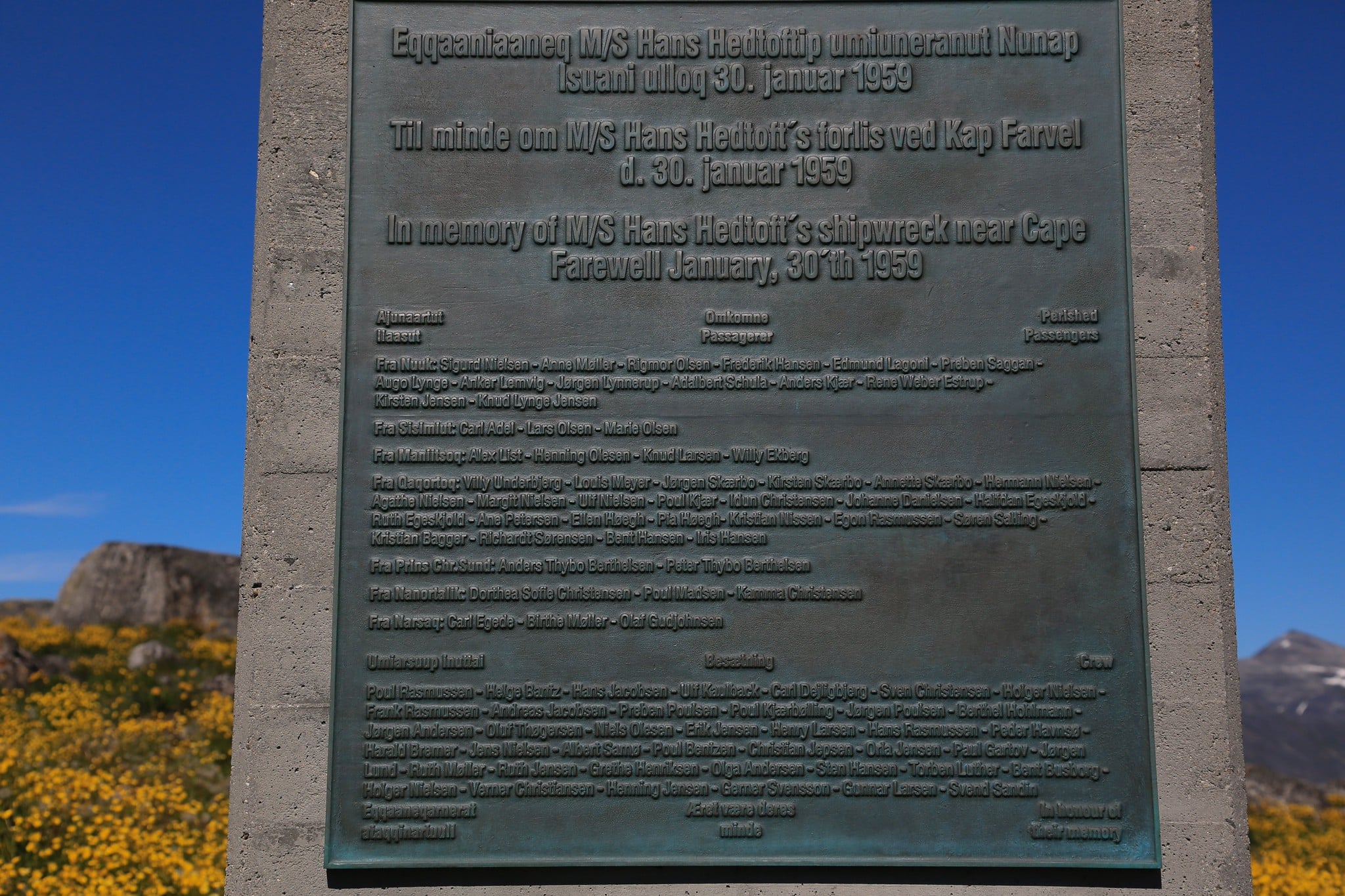
Some ships seem cursed from the moment they’re launched. The MS Hans Hedtoft was Denmark’s newest and most advanced passenger liner when it set out on its maiden voyage to Greenland in January 1959.
The ship was specifically designed to handle ice conditions and was considered unsinkable. The Hans Hedtoft struck an iceberg south of Greenland on January 30, 1959, and sank with all 95 people aboard.
Despite extensive search efforts, no survivors were found, and only a few pieces of wreckage were ever recovered. The tragedy was particularly bitter because the ship represented Danish pride in marine engineering and was supposed to provide safe, reliable transportation to Greenland’s isolated communities.
When the Ground Gives Way
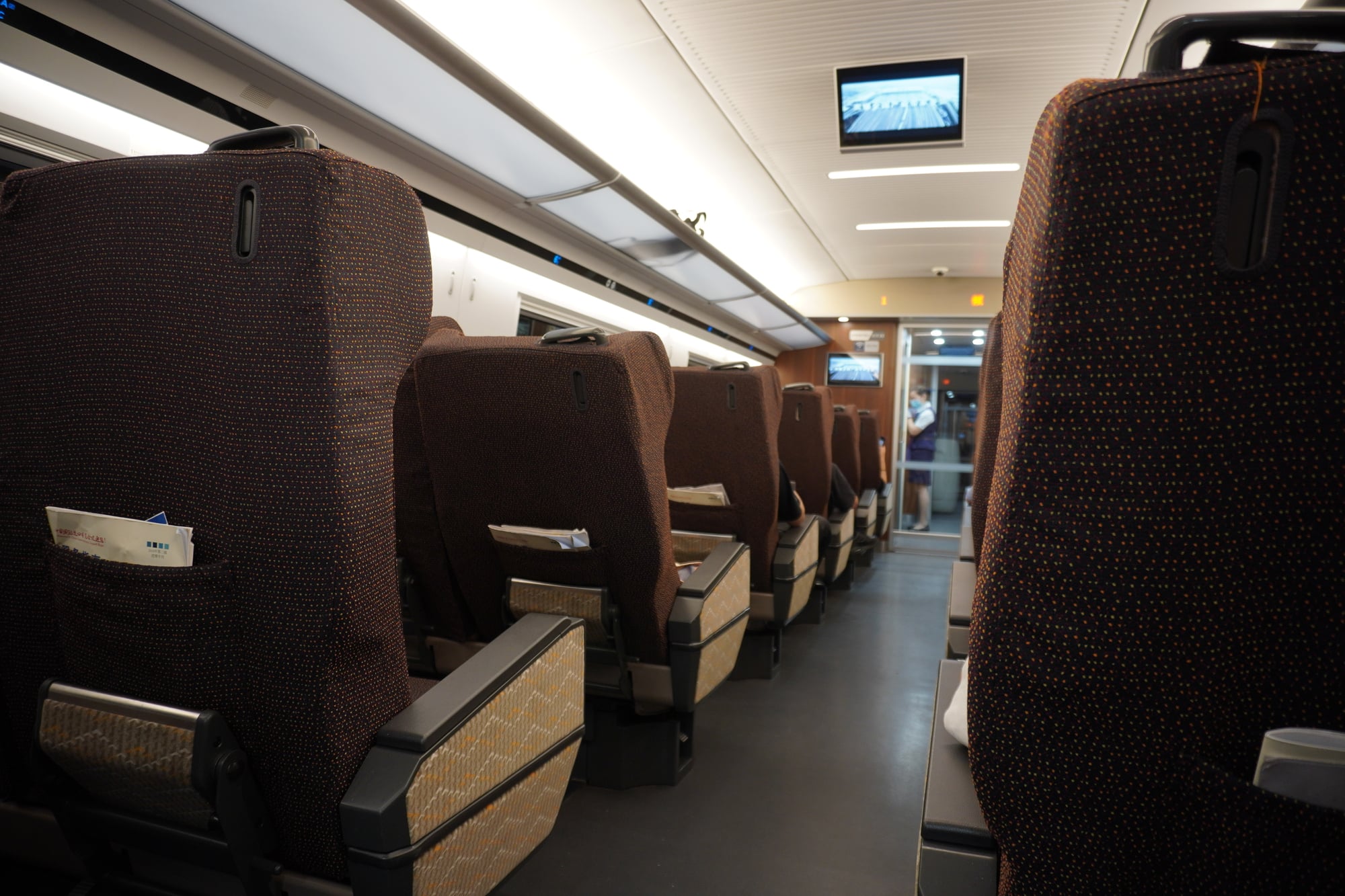
Transportation disasters strip away the illusion that moving from one place to another is routine and predictable. They remind us that every journey—whether by air, sea, or land—requires a complex system of technology, human judgment, and favorable circumstances to work correctly.
The worst accidents often result from cascading failures where small problems compound into catastrophes. A miscommunication, a skipped maintenance check, an ignored warning sign—any of these can set in motion events that unfold too quickly for human intervention.
What makes these disasters particularly tragic is how many of them were preventable, their lessons written in investigations that came too late for those who paid the price for our collective learning.
More from Go2Tutors!

- The Romanov Crown Jewels and Their Tragic Fate
- 13 Historical Mysteries That Science Still Can’t Solve
- Famous Hoaxes That Fooled the World for Years
- 15 Child Stars with Tragic Adult Lives
- 16 Famous Jewelry Pieces in History
Like Go2Tutors’s content? Follow us on MSN.