Photos Of Fastest Man-Made Objects
Humans have always pushed the limits of speed, building machines and devices that travel faster than anything nature ever created. From spacecraft leaving our solar system to projectiles moving at thousands of miles per second, engineers have designed objects that defy imagination.
These creations represent the cutting edge of human achievement, combining science, technology, and pure ambition. Let’s look at the incredible machines and objects that broke every speed record we thought possible.
Parker Solar Probe
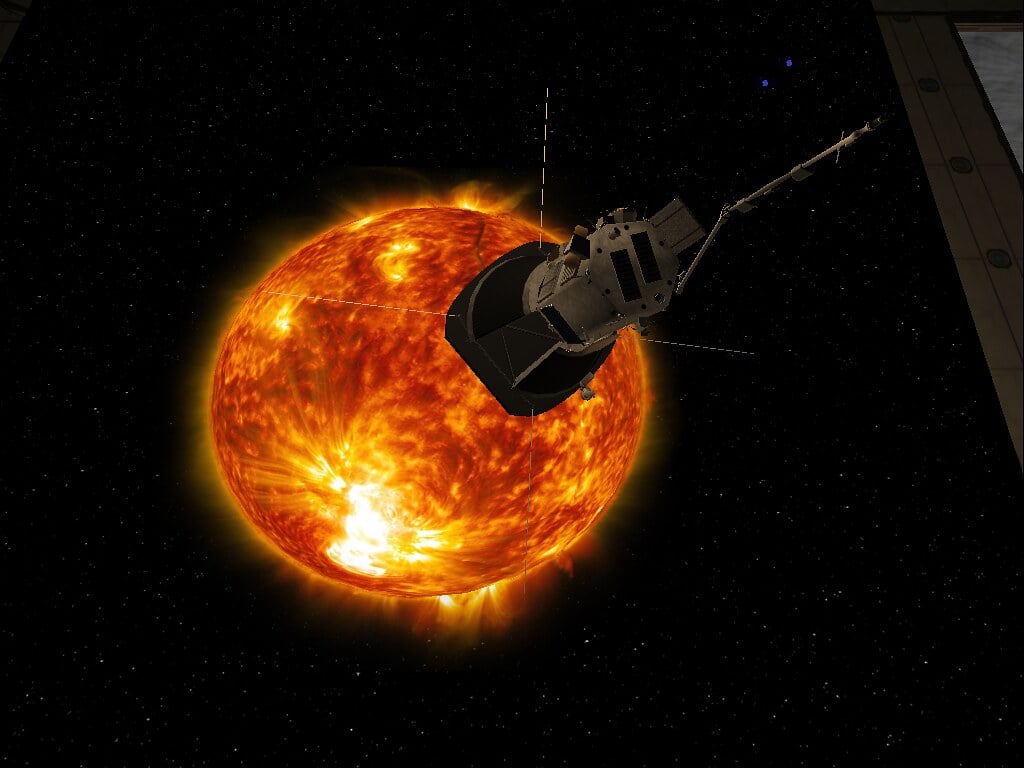
NASA’s Parker Solar Probe holds the record as the fastest human-made object ever built, reaching speeds of 430,000 miles per hour as it approaches the Sun. The spacecraft uses the Sun’s gravity to slingshot itself faster with each orbit, breaking its own speed records repeatedly.
At peak velocity, this probe could travel from New York to Los Angeles in less than 20 seconds. The craft endures temperatures exceeding 2,500 degrees Fahrenheit while gathering data about our star’s corona and solar wind.
Helios 2

Before the Parker Solar Probe took the crown, Helios 2 held the speed record for over four decades. This German-American spacecraft reached 157,078 miles per hour during its 1976 mission to study the Sun.
The probe orbited closer to our star than any previous spacecraft, collecting data about solar processes and cosmic radiation. Helios 2 proved that objects could survive extreme speeds and temperatures in space, paving the way for future missions.
New Horizons
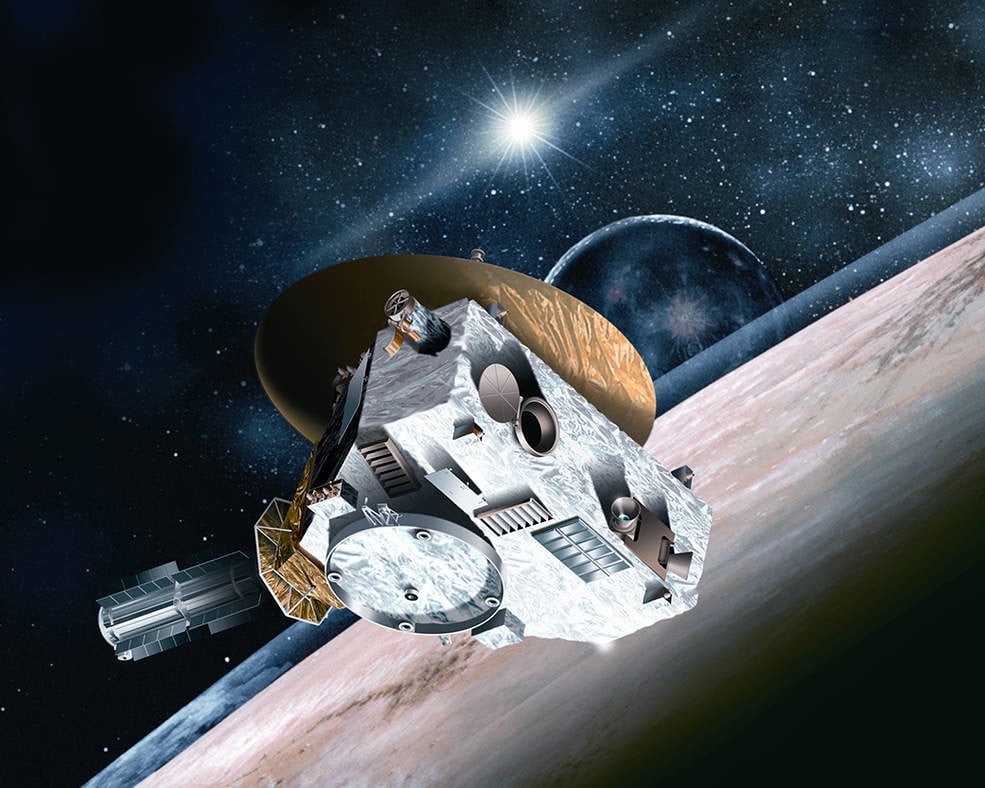
This NASA spacecraft flew past Pluto in 2015 after a nine-year journey, traveling at speeds up to 52,000 miles per hour. New Horizons became the first probe to visit the distant dwarf planet, sending back stunning images that changed our understanding of the outer solar system.
The spacecraft continues moving deeper into space, now exploring the Kuiper Belt beyond Neptune. Its speed allows it to cover vast distances, though it still takes years to reach its destinations.
Voyager 1
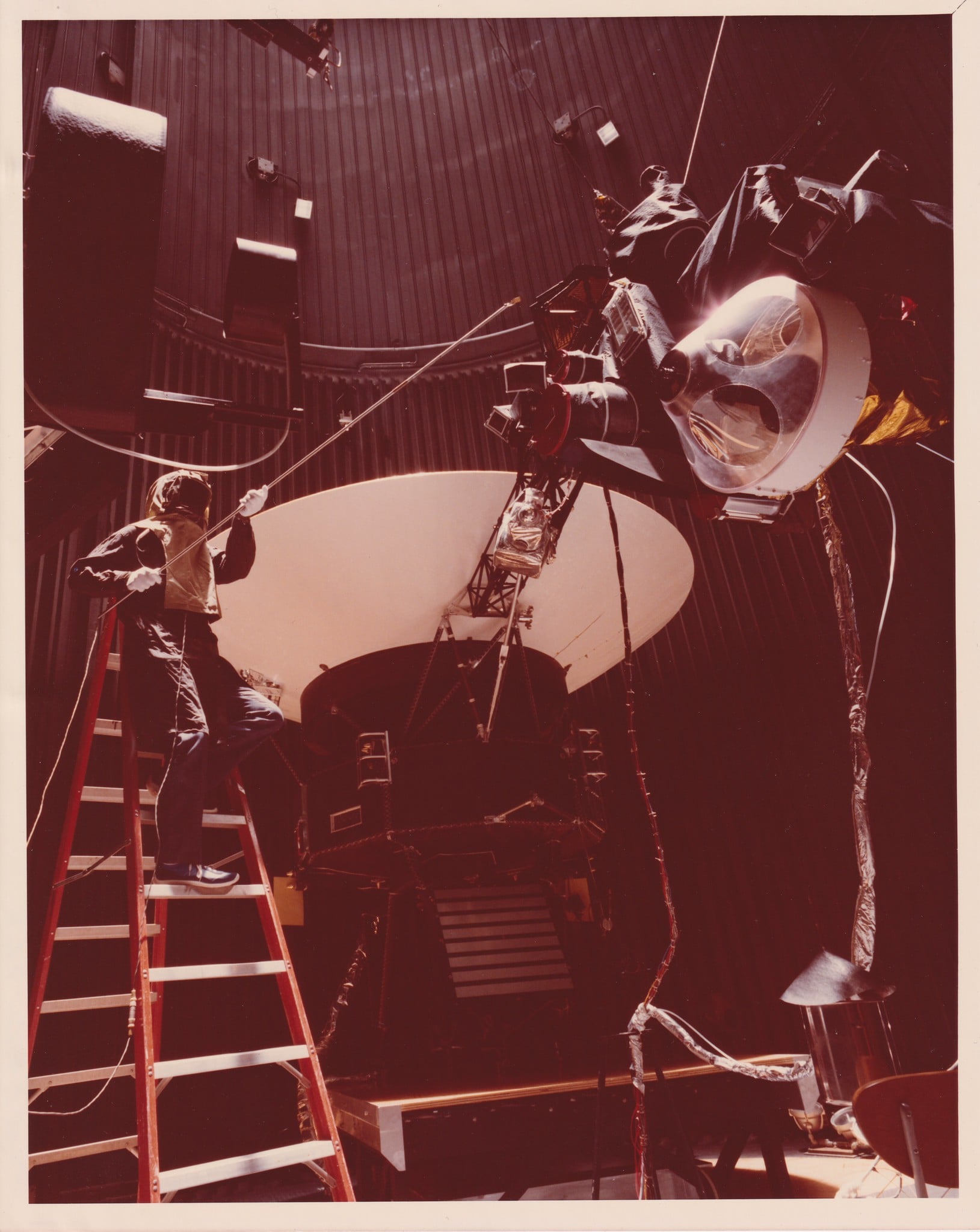
Launched in 1977, Voyager 1 now travels at roughly 38,000 miles per hour as it journeys through interstellar space. This probe left our solar system in 2012, becoming the first human-made object to enter the space between stars.
The spacecraft carries a golden record with sounds and images from Earth, essentially a message in a bottle for any intelligent life that might find it. Despite being over 14 billion miles away, Voyager 1 still sends data back to Earth.
Juno Spacecraft
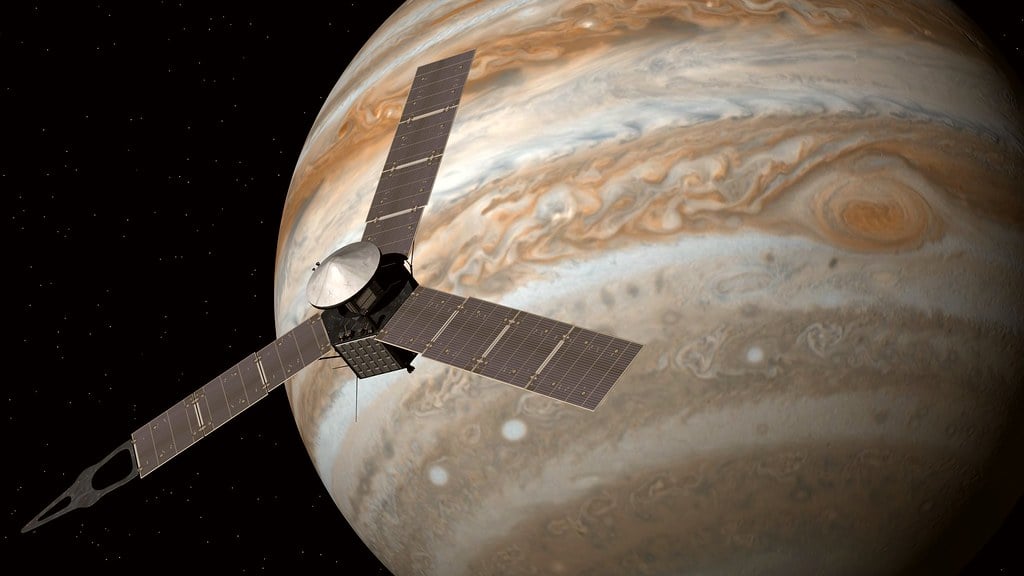
NASA’s Juno mission to Jupiter reaches speeds of 165,000 miles per hour when it swoops close to the giant planet’s atmosphere. The spacecraft uses Jupiter’s immense gravity to accelerate, then climbs back out to a safer distance before repeating the process.
These close passes let Juno study Jupiter’s composition, gravity field, and mysterious aurora. The probe completes these high-speed orbits while dealing with intense radiation that would destroy most electronics.
Apollo 10 Command Module
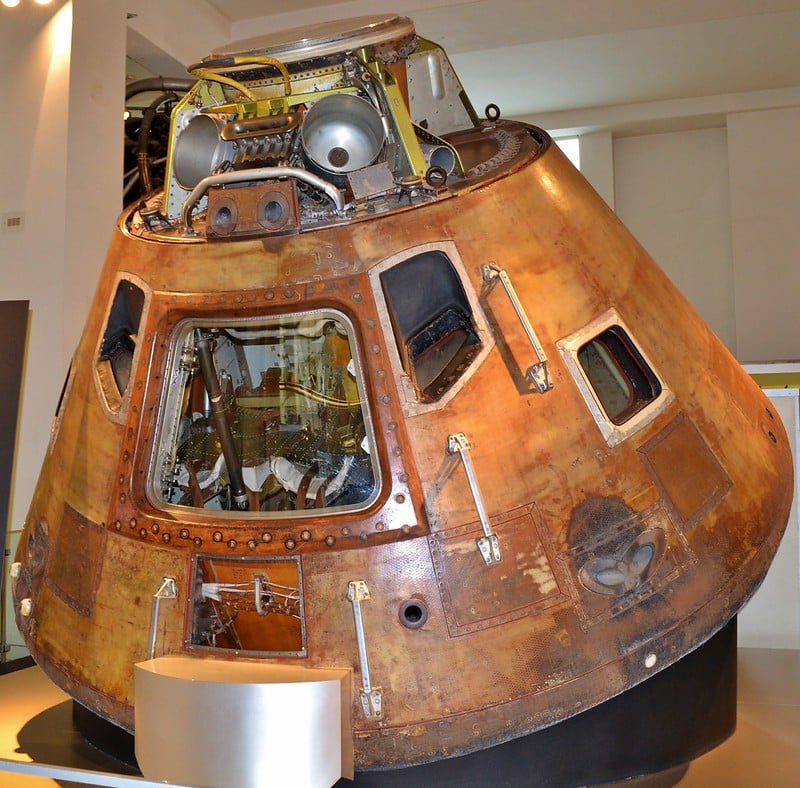
The crew of Apollo 10 set the record for fastest speed ever achieved by humans, reaching 24,791 miles per hour during their return from the Moon in 1969. The astronauts experienced this incredible velocity while safely enclosed in their command module as it re-entered Earth’s atmosphere.
This mission served as the final rehearsal before Apollo 11’s historic Moon landing. No human has traveled faster since, though future missions to Mars might break this record.
Stardust Sample Return Capsule

When this NASA capsule returned to Earth in 2006, it slammed into the atmosphere at 28,600 miles per hour, making it the fastest re-entry ever recorded. The capsule carried samples of comet dust collected during its seven-year mission through the solar system.
Engineers designed a special heat shield to protect the precious cargo from the intense friction and heat of re-entry. The successful recovery proved that spacecraft could return from deep space missions at extreme speeds.
Galileo Atmospheric Probe

This probe plunged into Jupiter’s atmosphere in 1995 at a staggering 106,000 miles per hour, enduring forces 230 times stronger than Earth’s gravity. The descent lasted less than an hour, but the probe transmitted valuable data about Jupiter’s atmosphere, temperature, and composition.
Jupiter’s powerful gravity accelerated the probe to these extreme speeds before the planet’s crushing pressure destroyed it. The mission revealed that Jupiter’s atmosphere contains far less water than scientists expected.
Genesis Sample Return Capsule

NASA’s Genesis capsule re-entered Earth’s atmosphere at 24,000 miles per hour in 2004, carrying samples of solar wind particles. The return didn’t go as planned when the parachute failed to deploy, and the capsule crashed into the Utah desert.
Despite the hard landing, scientists recovered enough material to study the Sun’s composition and learn about the solar system’s formation. The speed of re-entry created temperatures hot enough to melt rock.
Space Shuttle Columbia During Re-entry

During its final, tragic mission in 2003, Columbia traveled at approximately 17,500 miles per hour as it began re-entry into Earth’s atmosphere. At these speeds, air friction creates a plasma field around the spacecraft, temporarily blocking radio communications in what’s known as a blackout period.
The shuttle’s heat-resistant tiles protected the vehicle from temperatures reaching 3,000 degrees Fahrenheit. This speed allowed the shuttle to orbit Earth every 90 minutes during its missions.
X-43A Scramjet
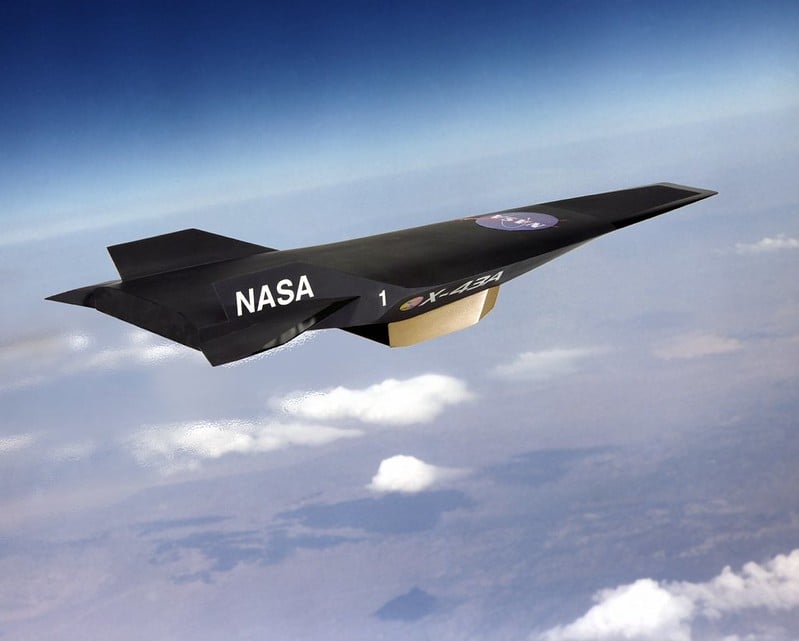
This experimental aircraft set the air-breathing speed record by reaching Mach 9.6, or roughly 7,000 miles per hour, in 2004. The unmanned X-43A used a scramjet engine, which works only at hypersonic speeds by compressing incoming air without moving parts.
The test vehicle flew for just 10 seconds at peak speed before splashing down in the Pacific Ocean. This technology could eventually lead to aircraft that travel from New York to Tokyo in two hours.
Manhigh II Projectile
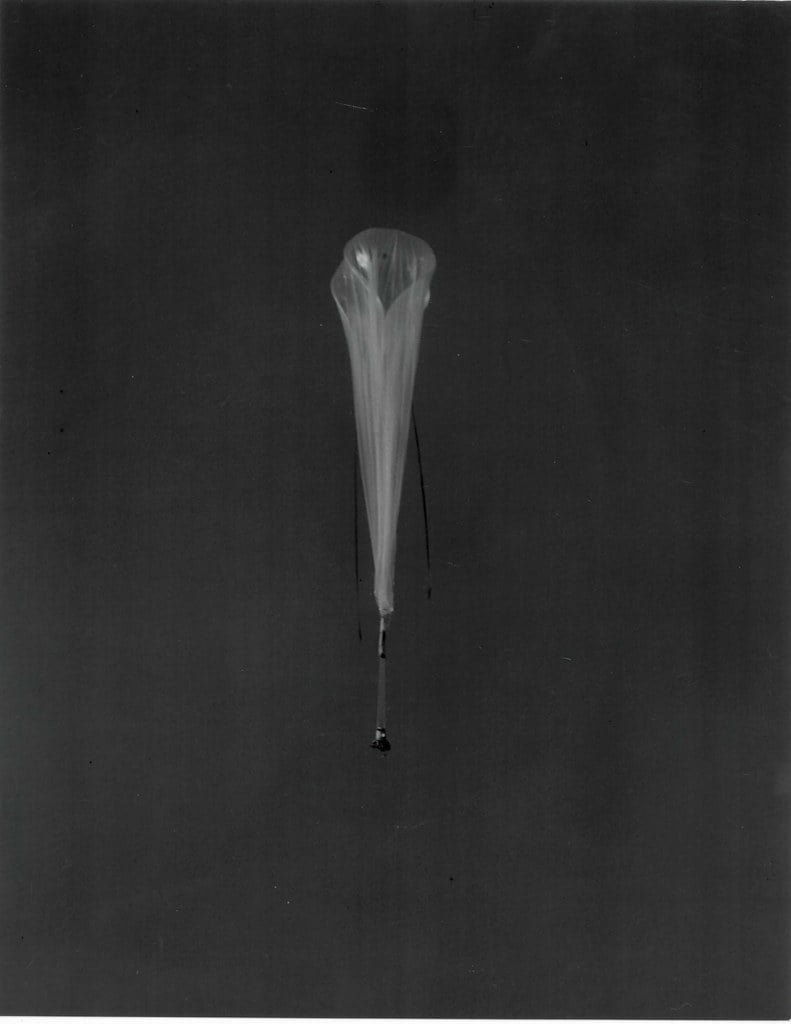
Scientists at Sandia National Laboratories created specialized projectiles that reach speeds exceeding 16,000 miles per hour during weapons testing. These objects help researchers understand how materials behave under extreme conditions and impacts.
The projectiles travel so fast that they generate shock waves and temperatures comparable to those found during spacecraft re-entry. High-speed cameras capture these events, which last only microseconds.
Russian Avangard Hypersonic Glide Vehicle
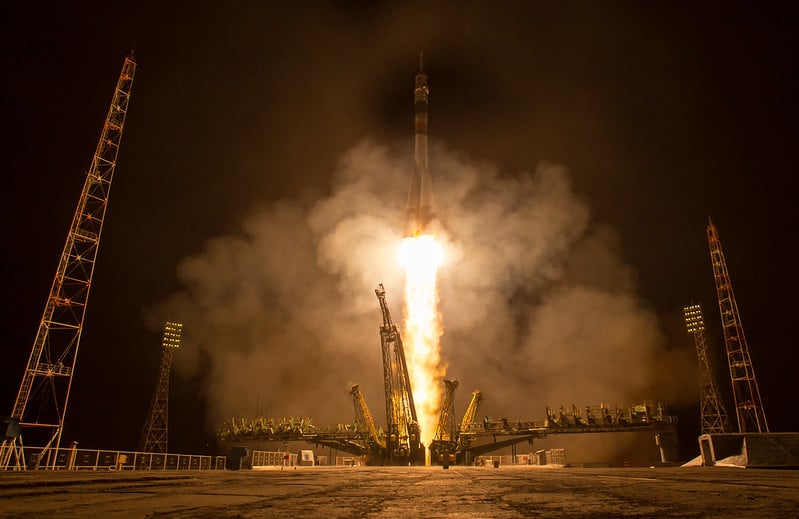
This recently deployed weapon system reportedly travels at speeds up to Mach 27, or roughly 20,700 miles per hour, making it one of the fastest objects in Earth’s atmosphere. The vehicle can maneuver during flight, unlike traditional ballistic missiles that follow predictable paths.
Its speed and agility make it nearly impossible to intercept with current defense systems. Russia claims the Avangard entered service in 2019, though many details remain classified.
Long Rod Penetrator

Speeds over five thousand miles per hour are reached by special rods fired in military trials. These tests check how well armor holds up, using darts built from heavy metals such as tungsten or spent uranium.
Hitting a target at that velocity generates massive force on contact. What happens next shows scientists exactly where materials break under crushing pressure.
Feet-deep penetration into thick steel is possible due to sheer velocity alone. Data gathered helps shape tougher shields for future use. Extreme conditions reveal weaknesses otherwise invisible during normal operation. Each shot delivers insight into survival under sudden violent load.
Fastest Manhole Cover

One moment during a 1957 blast, a heavy metal lid blew skyward – clocked near 125,000 miles per hour. A flash on film showed the two-ton plate once, then nothing.
Air resistance almost certainly turned it to dust right after takeoff. No pieces ever turned up afterward.
That brief glimpse suggested total breakdown in under a second. The event revealed raw power hidden inside atomic detonations.
Star Tram Concept Vehicle
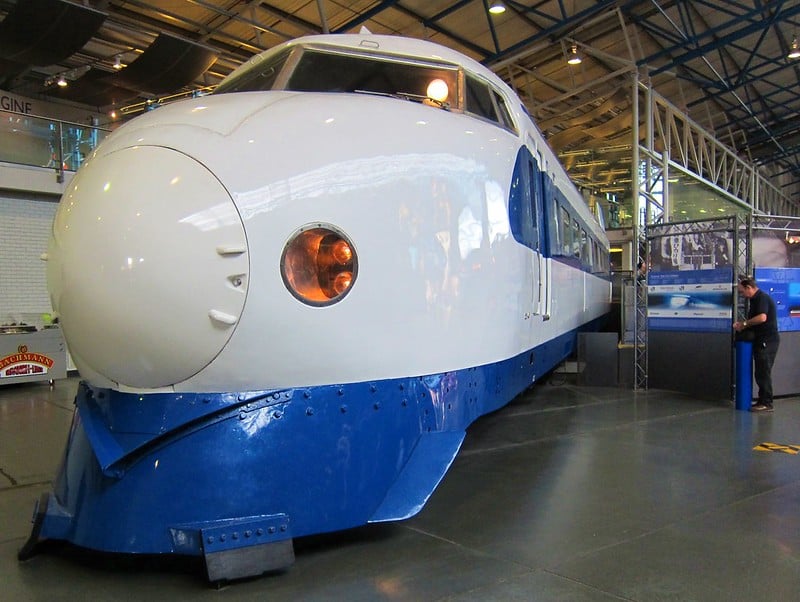
Speeding up objects inside a tunnel with magnets might one day send supplies into space instead of rockets. Not alive things but boxes, tools, machines – those could survive the push.
Imagine something like a rail gun stretched out flat, moving faster than anything we’ve built before. The idea goes by STAR Tram, though nobody has made it real yet.
No flames, no smoke, just electromagnetic force building speed down a smooth track. Huge forces during launch mean humans would never ride along.
Eighteen thousand miles each hour – that kind of rush tears flesh apart. Still, if they figure out how to build it, shipping gear upward gets far cheaper. It sits now as theory, not metal, drawn on paper more than tested in air. Cargo only. Fast. Cold. Without wings or fire beneath.
When Speed Defines Achievement
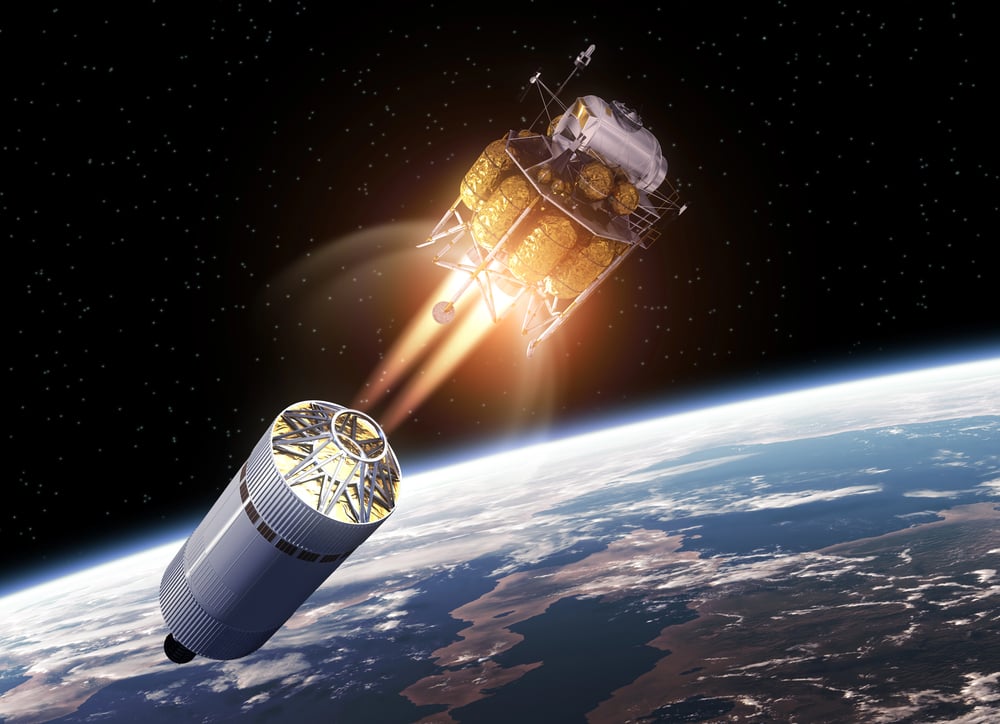
Something about these things shows how people never stop trying to move quicker, travel longer distances, then break through walls others say can’t be broken. Solving puzzles once thought unsolvable was needed for each leap forward – surviving scorching temperatures, guiding crafts moving so fast that tiny fractions of time decide everything.
What counts as record-breaking today turns into groundwork later, while builders sketch out models meant to outrun anything before them. Still chasing, pulled ahead not by plans alone but wonder, rivalry, plus an urge deep down: find out what changes if velocity climbs one more notch.
More from Go2Tutors!

- The Romanov Crown Jewels and Their Tragic Fate
- 13 Historical Mysteries That Science Still Can’t Solve
- Famous Hoaxes That Fooled the World for Years
- 15 Child Stars with Tragic Adult Lives
- 16 Famous Jewelry Pieces in History
Like Go2Tutors’s content? Follow us on MSN.



