Then And Now: How Vintage Holiday Traditions Have Evolved
The holidays arrive each year carrying the weight of tradition, yet somehow they never feel quite the same as they did before. Maybe it’s the way Christmas cards have migrated from mailboxes to phone screens, or how cookie exchanges now happen in neighborhood Facebook groups instead of over kitchen counters.
The rituals remain, but they’ve been quietly reshaped by technology, changing family dynamics, and shifting cultural values. These transformations didn’t happen overnight.
They crept in slowly, one small adaptation at a time, until suddenly the holidays looked completely different than they did for previous generations. Some changes feel like losses — the careful ritual of developing film from holiday gatherings, the anticipation of waiting for a letter.
Others feel like improvements — video calls that bring distant family members into the living room, or apps that help coordinate complicated gift exchanges.
Gift Wrapping
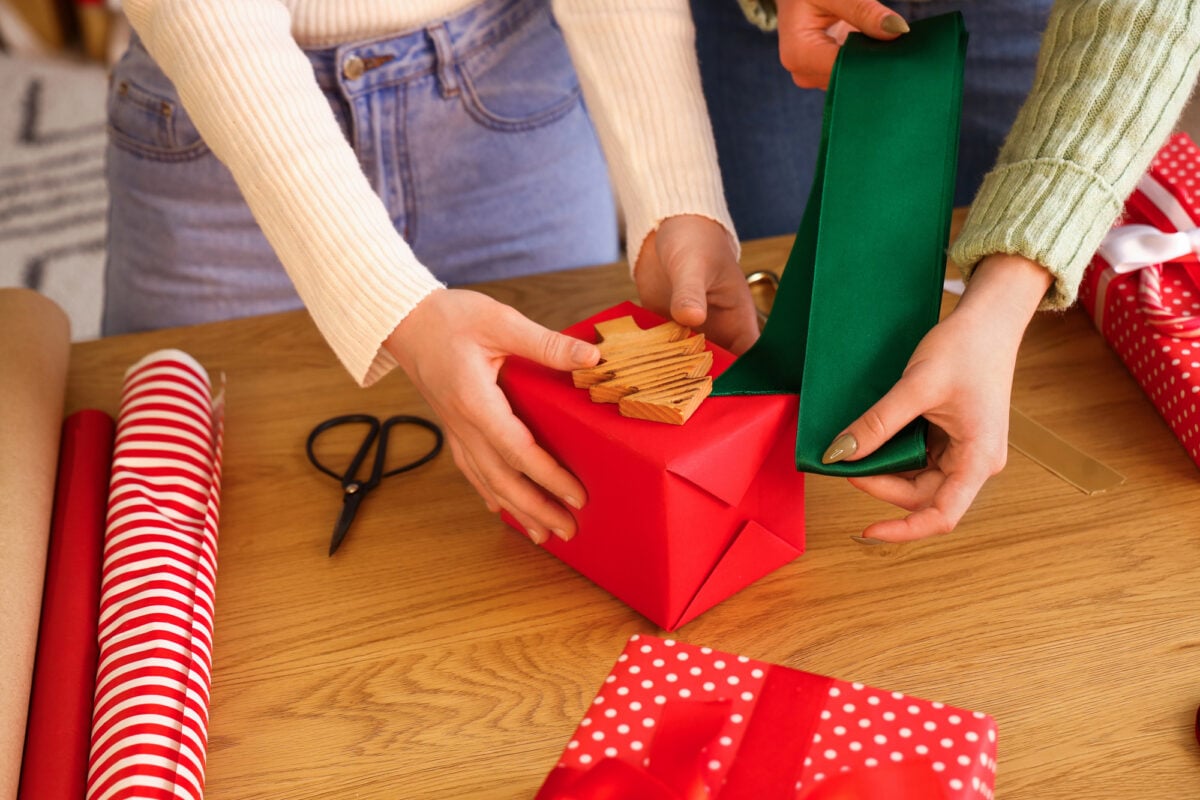
Most people wrap presents the same way their grandparents did. Paper, tape, ribbon if you’re feeling ambitious.
The mechanics haven’t changed much, but everything around them has. Gift bags appeared in the 1980s and have remained a popular alternative ever since.
They solved the problem of oddly shaped presents and gave harried parents a way to make things look finished without mastering hospital corners on wrapping paper.
Christmas Cards

There’s a reason people kept Christmas cards in shoeboxes under the bed for decades. Each one was a small artifact of connection — someone’s handwriting, a photo carefully selected and printed, a stamp that required a trip to the post office.
The cards arrived like tiny presents throughout December, turning mail collection into a daily ceremony of anticipation. Digital cards carry the same messages but none of the weight.
They arrive instantly and disappear just as quickly, lost in email threads and forgotten notifications. And yet (perhaps because the gesture requires so much less effort) people send them more freely now, reaching out to acquaintances they might never have bothered with in the days when cards required driving to the drugstore, addressing envelopes by hand, and calculating postage.
The holiday card tradition adapted rather than disappeared, though something ineffable was lost in translation — that sense of physical evidence that someone took time, bought supplies, and trusted the postal system to carry their wishes across whatever distance separated you.
Cookie Exchanges
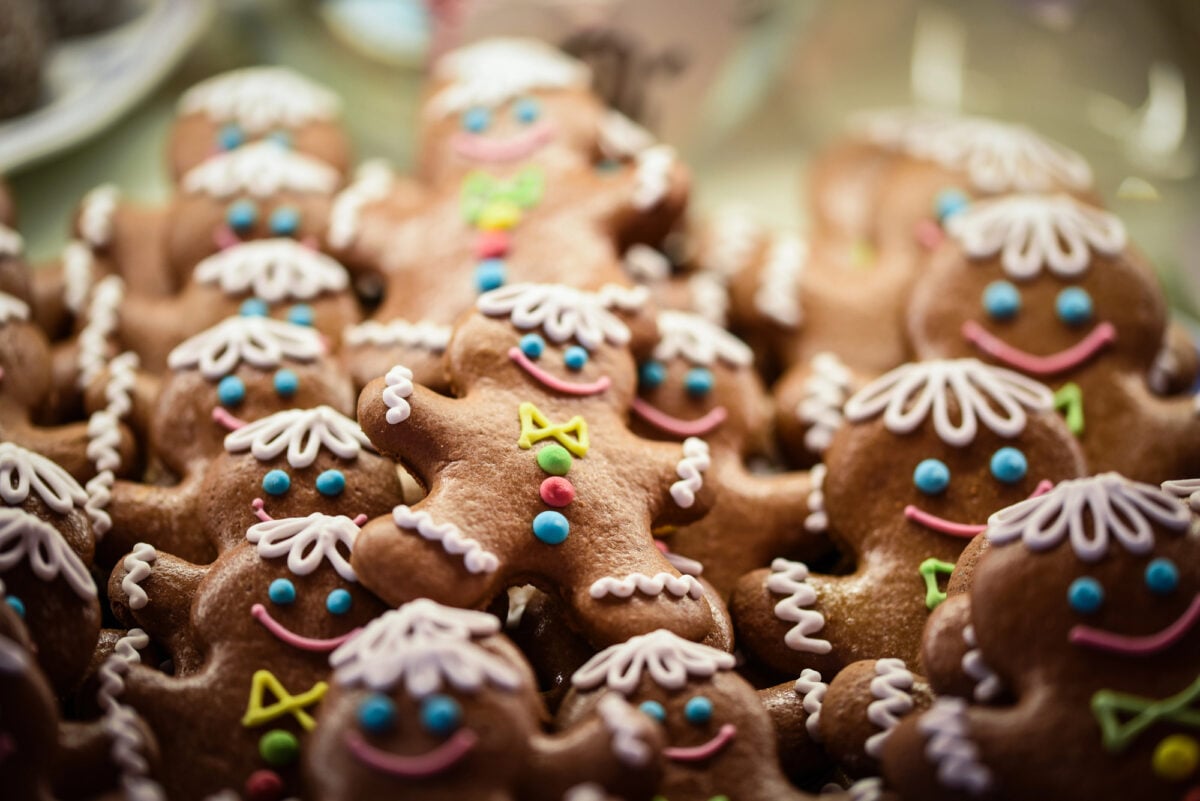
Cookie exchanges used to require military-level coordination. Phone calls to confirm who was bringing what.
Handwritten recipe cards passed between neighbors. Tupperware containers that would circulate through the neighborhood for months afterward, each one eventually finding its way home like a homing pigeon.
Now the organizing happens in group texts and shared Google docs, but the essential magic remains unchanged — that peculiar alchemy of turning individual baking efforts into a communal treasure trove of treats that no single household could produce alone.
Holiday Shopping

Holiday shopping is less social than it used to be. The crowded mall expeditions, the family trips to pick out a tree, the weekend excursions to hunt for that one specific toy — these have been replaced by late-night browsing sessions and packages that appear on doorsteps.
Online shopping solved the problem of availability and convenience, but it also eliminated the accidental discoveries that happened when you wandered through stores with time to spare. Those moments when you’d spot something perfect for someone you hadn’t even planned to shop for, or when overhearing another shopper’s conversation would give you an idea you never would have found searching Amazon with purpose.
Tree Decorating

Fresh-cut tree lots still exist, though they compete now with pre-lit artificial trees that store efficiently in basements and eliminate the annual needle cleanup. The ritual of selecting a tree — debating height and fullness, asking the lot attendant to trim another inch off the bottom, wrestling it through the front door — has become optional rather than inevitable.
Ornament collections tell different stories now too. Where families once accumulated decorations slowly over decades, building collections that served as physical timelines of Christmases past, many people now buy coordinated sets that create instantly perfect trees with no history attached.
Holiday Music

Spotify playlists have replaced the careful curation of holiday mixtapes and the seasonal ritual of digging out cherished CDs. The music arrives more easily now but with less intention.
Instead of choosing specific albums to soundtrack the season, many people let algorithms decide what Christmas sounds like, trading personal curation for infinite variety and perfect convenience. Those old holiday albums — scratched from years of use, their cases cracked from being stored in hot attics — carried the weight of repetition and familiarity that streaming can’t quite replicate.
Family Photos

Holiday photo sessions have become elaborate productions. Professional photographers, matching outfits planned months in advance, multiple location changes to capture the perfect card-worthy image.
The resulting photos are technically superior to anything previous generations could produce, but they often feel more like artistic statements than family documents. Meanwhile, the real moments get captured constantly on phones — kids tearing through wrapping paper, grandparents dozing in recliners, the chaos of meal preparation.
These candid shots pile up in digital albums that rarely get printed, creating vast archives of memories that exist only as data.
Cooking And Baking

YouTube has become the holiday cooking instructor, replacing the phone calls to relatives for recipe clarification and technique advice (though those conversations probably taught you more about your family history than any video ever could, when your aunt would inevitably digress into stories about where the recipe came from and which relatives had modified it over the years, adding their own touches until it became something uniquely yours).
Stand mixers and food processors have mechanized tasks that once required hours of hand mixing and chopping, but they’ve also removed some of the meditative aspects of holiday baking — that rhythm of stirring cookie dough by hand, the way the repetitive motion left space for conversation and wandering thoughts. But then again, efficiency means more variety and less exhaustion, which is probably a fair trade.
Gift Lists And Wish Lists

Amazon wish lists solve the guessing game that used to define holiday shopping. No more detective work to figure out what someone actually wants, no more returns and exchanges, no more storing receipts just in case.
But gift-giving used to be more about demonstrating that you knew someone well enough to surprise them with something perfect. The wish list eliminates disappointment but also eliminates the possibility of being truly surprised by someone’s thoughtfulness and attention.
Holiday Traditions That Endure
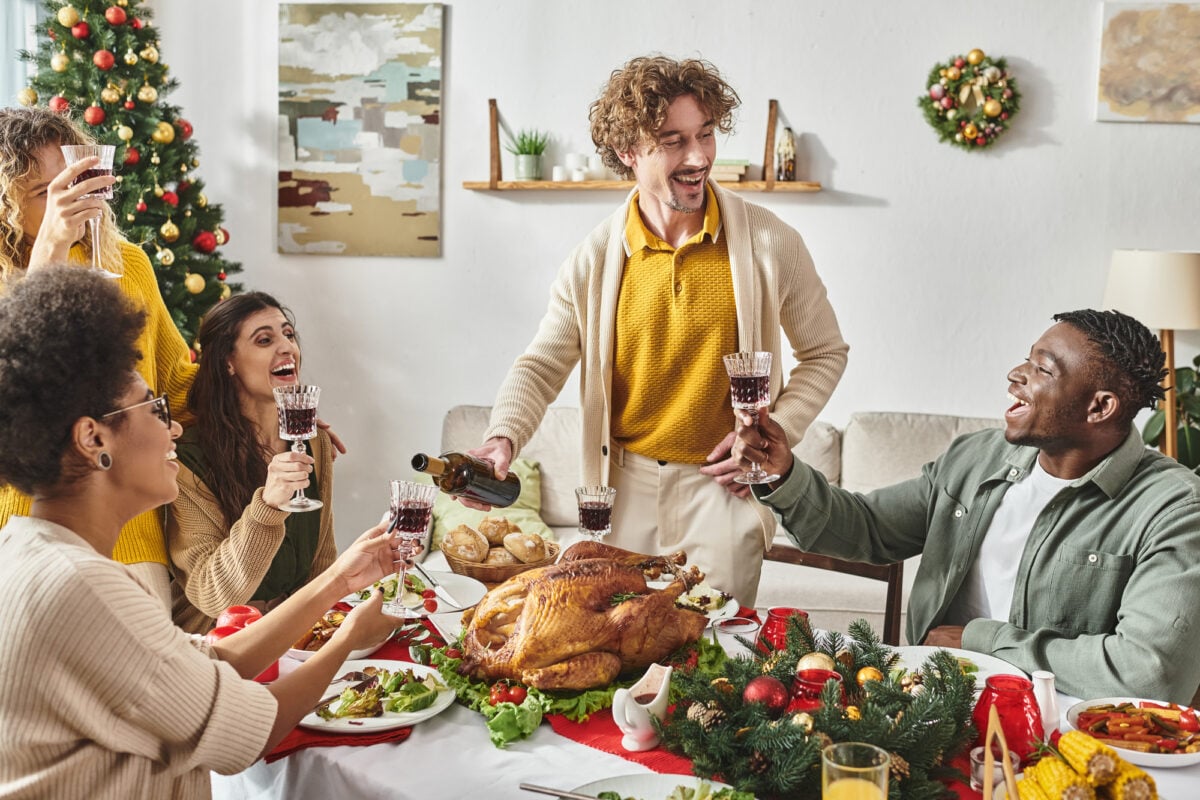
The most stubborn holiday traditions are the ones that resist digitization. Advent calendars still require physical opening of tiny doors.
Gingerbread houses still demand the patience to wait for icing to set properly before adding the next wall. Christmas morning still happens at whatever ungodly hour the youngest family member determines.
These rituals persist because they can’t be streamlined or optimized. They exist in real time, require physical presence, and create the kind of shared experience that technology hasn’t found a way to replicate or improve upon.
Celebrating Across Distance

Video calls have solved the geography problem that used to fracture families during the holidays. Grandparents can watch grandchildren open presents in real time, even from across the country.
Holiday meals can include family members who exist as faces on tablet screens propped up at the dinner table. The technology works well enough that distance feels less like an obstacle than it used to, though anyone who has tried to coordinate multiple family video calls on Christmas morning knows that the logistics can be more complicated than the old system of scheduled phone calls and mailed photos.
Holiday Decorating

Outdoor holiday lights have evolved from simple string lights to programmable displays synchronized with music and controlled by smartphone apps. Some neighborhoods now feature light shows that would have required professional installation just a decade ago.
Indoor decorating has become more Pinterest-influenced, with themes and color schemes replacing the cheerful chaos of accumulated decorations. The result is often more visually cohesive but less personally meaningful than trees adorned with decades of collected ornaments, each one carrying its own story.
Holiday Movies And Entertainment
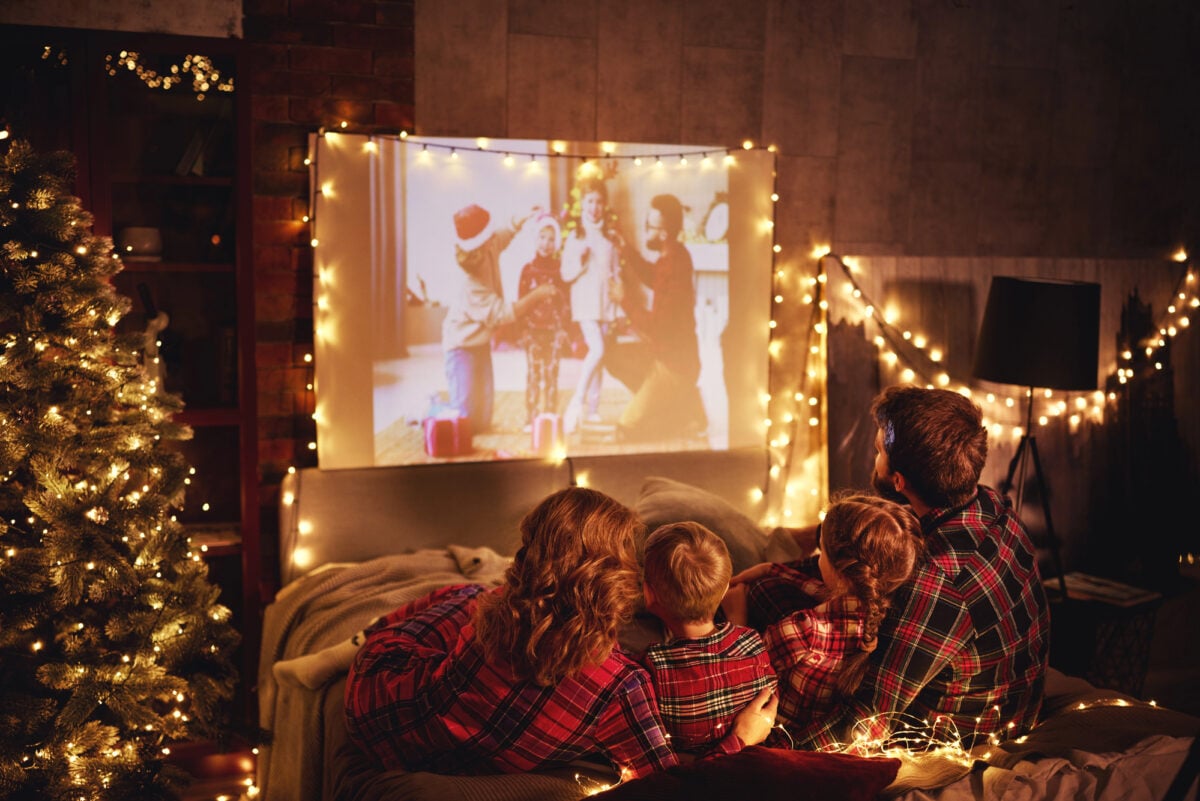
Streaming services have created infinite holiday entertainment options, but they’ve also eliminated the shared cultural experience of everyone watching the same few holiday specials that aired each year. Those shows created common reference points — everyone knew when Charlie Brown Christmas was on, and families planned their schedules around it.
Now holiday viewing is personalized and on-demand, which offers more choice but fewer shared memories across families and communities.
The Evolution Continues
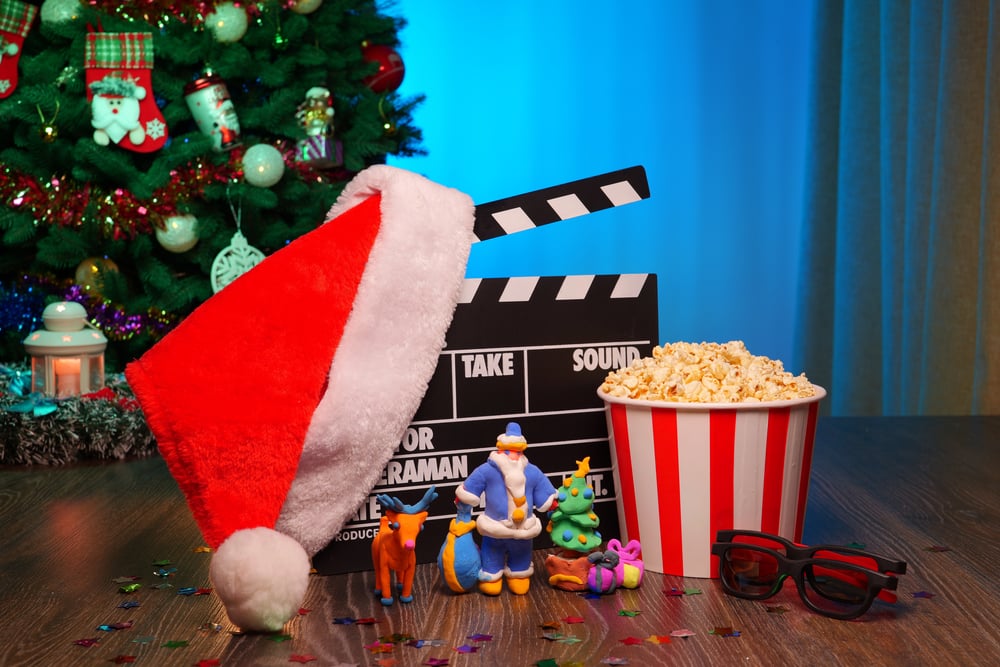
Holiday traditions keep adapting because they have to. Each generation inherits the rituals that mattered to their parents, then modifies them to fit their own circumstances, values, and available technology.
What feels like loss to one generation often feels like practical improvement to the next. The holidays endure not because they stay the same, but because they remain flexible enough to carry forward the essential elements — gathering, giving, celebrating — even as the specific methods evolve.
The tree might be artificial now, the cards might be digital, and the shopping might happen online, but the underlying human impulses that drive these traditions remain unchanged.
More from Go2Tutors!

- The Romanov Crown Jewels and Their Tragic Fate
- 13 Historical Mysteries That Science Still Can’t Solve
- Famous Hoaxes That Fooled the World for Years
- 15 Child Stars with Tragic Adult Lives
- 16 Famous Jewelry Pieces in History
Like Go2Tutors’s content? Follow us on MSN.