Products That Flopped Then Became Cult Classics
Not every great idea gets love at first sight. Some products stumble out of the gate, get ignored by the masses, or even get laughed out of stores.
But here’s the twist: a few of these failures refused to die. They found their people, built their tribes, and came roaring back stronger than ever.
Let’s look at some products that bombed initially but eventually turned into beloved cult classics.
Pabst Blue Ribbon

This beer was losing ground fast in the 1990s. Sales were tanking, and the brand looked ready for the graveyard.
Then something unexpected happened. Hipsters in Portland and other cities started drinking it ironically, or maybe because it was cheap.
Either way, PBR went from forgotten to fashionable almost overnight. The company barely advertised, which somehow made it cooler.
Now it’s a staple at dive bars and indie music venues across the country.
Converse Chuck Taylors
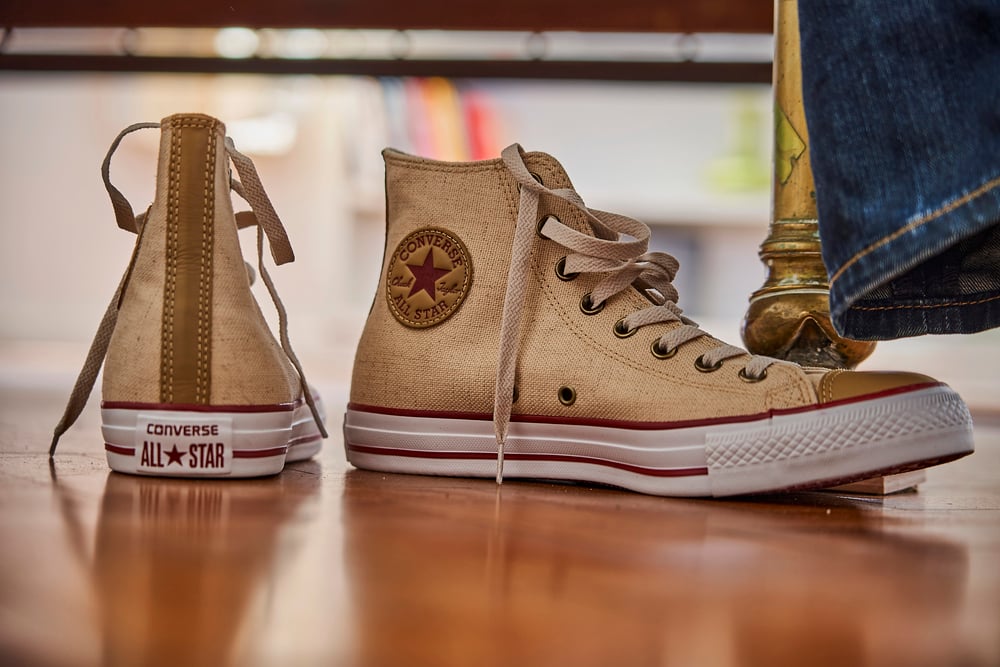
Converse nearly went bankrupt in the early 2000s. The classic basketball shoe had been around since 1917, but by then it felt outdated and irrelevant.
Kids wanted flashy Nike and Adidas sneakers with all the latest tech. But punk rockers, skaters, and artists never stopped wearing Chucks.
They represented authenticity and rebellion. Nike eventually bought the company in 2003, and Converse exploded back into mainstream fashion while keeping its underground credibility intact.
The Velvet Underground and Nico
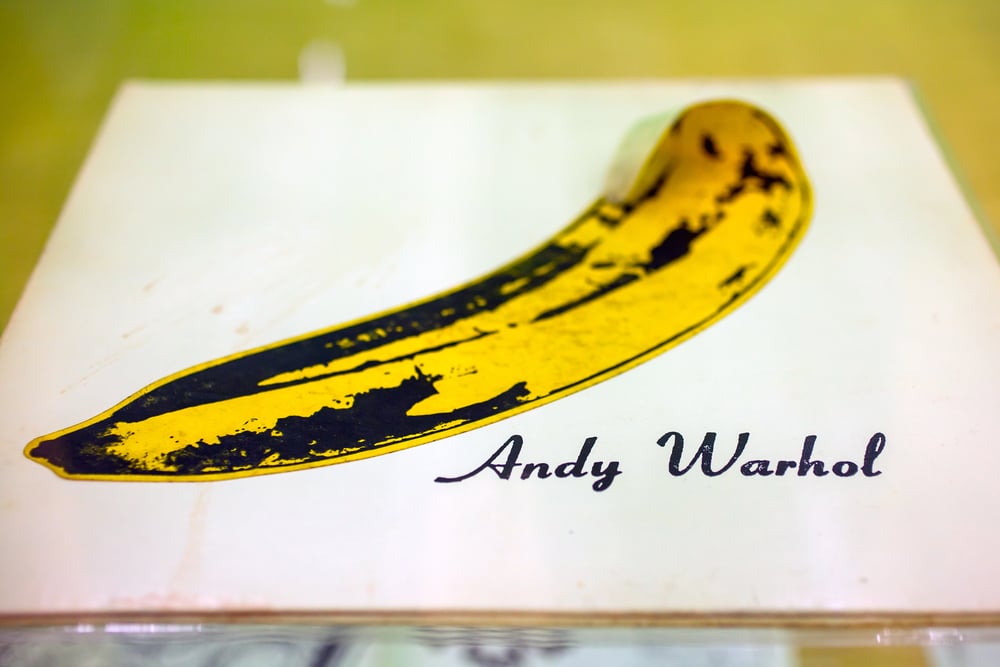
This album sold fewer than 30,000 copies when it dropped in 1967. Radio stations wouldn’t touch it.
Most people who heard it thought it was weird, dark, and too experimental. The band broke up without ever achieving commercial success.
But almost everyone who bought that album started a band themselves. Decades later, it’s considered one of the most influential rock albums ever made.
Dr. Martens Boots

These work boots were created for postmen and factory workers in England. They were practical and ugly, nothing more.
When punk culture adopted them in the late 1970s, the brand got a second life. But by the early 2000s, sales collapsed again.
The company closed its UK factories and looked finished. Then fashion caught up once more.
Celebrities started wearing them, and suddenly Docs were everywhere. Now they’re a billion-dollar brand selling everything from sandals to platforms.
The Shawshank Redemption

This movie tanked at the box office when it came out in 1994. It made only about 28 million dollars against a 25 million dollar budget.
Critics liked it, but nobody went to see it in theaters. Then something magical happened with home video and cable TV.
People discovered it on TNT and HBO. They told their friends.
Now it regularly tops lists of the greatest films ever made. All because people finally gave it a chance at home.
Spam
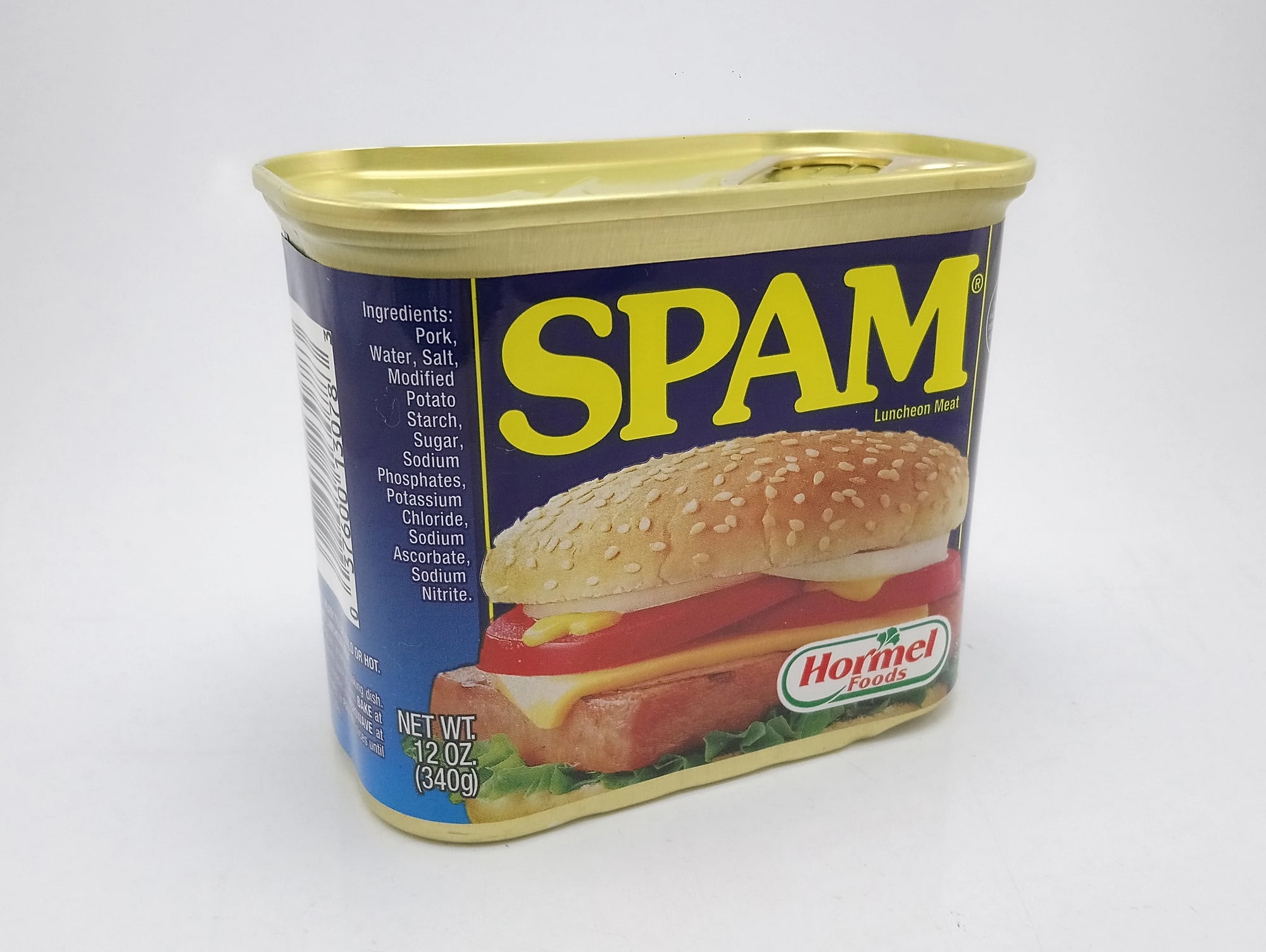
This canned meat became a punchline after World War II. People associated it with poverty and bad food.
Comedians mocked it. Monty Python turned it into a joke.
Sales dropped as fresher options became available. But Spam never disappeared in places like Hawaii, Guam, and parts of Asia.
It became a cultural staple there. Today it sells over eight billion cans worldwide.
Chefs even use it in fancy restaurants. The joke food became genuinely respected again.
The Cadillac Escalade

When this SUV launched in 1999, critics destroyed it. They called it a rushed rebadge of the GMC Yukon with a fancy grille.
Car magazines said it lacked substance and style. Early sales were disappointing.
Then rappers and athletes started buying them. Suddenly the Escalade became the ultimate status symbol.
It represented success and arrival. Cadillac leaned into this new identity, and the Escalade became one of the most profitable vehicles in America.
Levi’s 501 Jeans
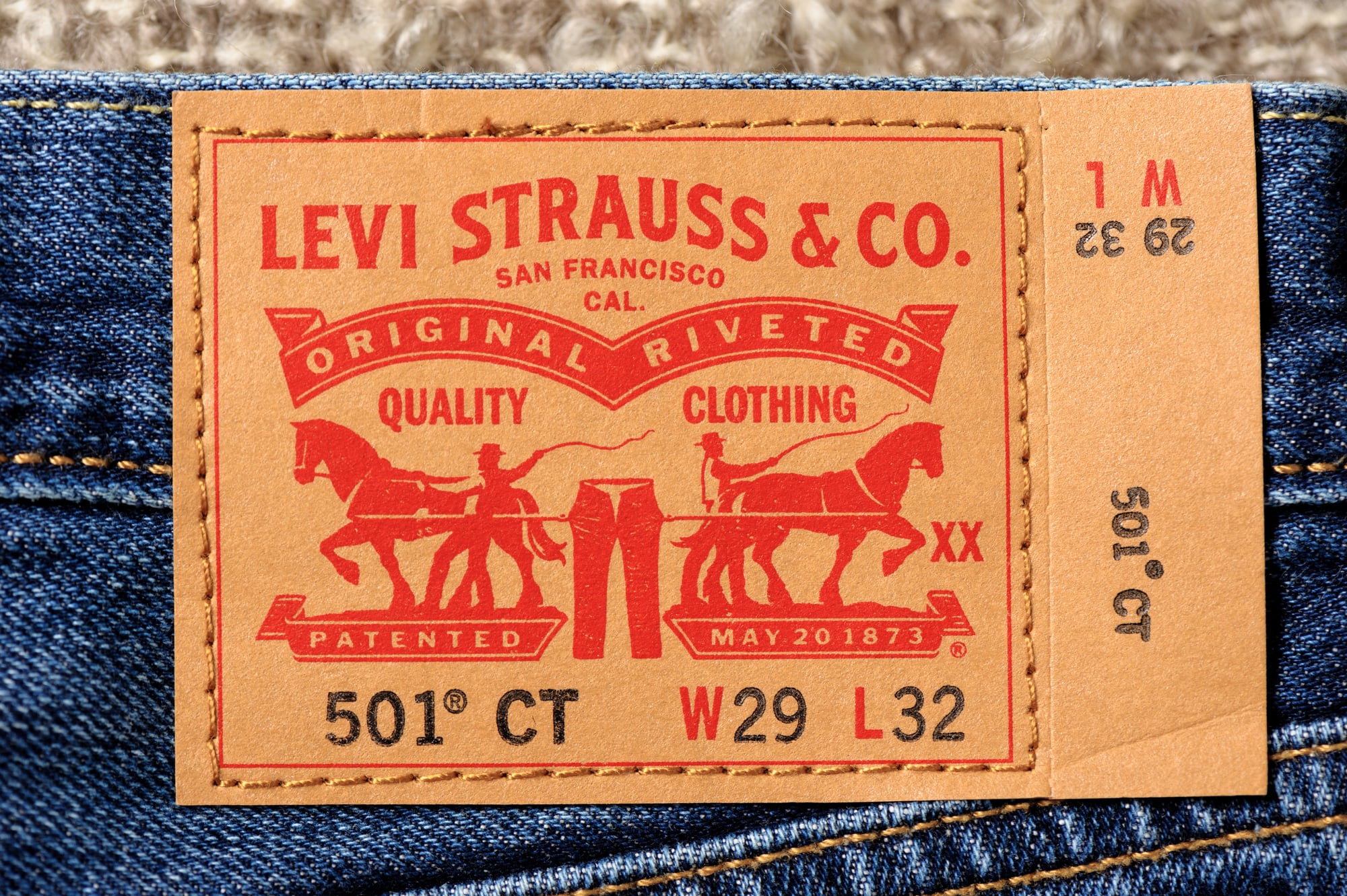
These jeans almost died in the 1980s. Everyone wanted designer denim with fancy labels and bright colors.
Levi’s looked boring and old-fashioned. The company struggled badly as sales plummeted.
Then grunge music hit in the early 1990s. Kurt Cobain and other rockers wore beat-up 501s.
The authenticity of these plain jeans suddenly mattered again. Levi’s made a massive comeback by being exactly what it always was.
Tabasco Sauce

This hot sauce barely survived for decades after its creation in 1868. It stayed a regional Louisiana product that most Americans never tried.
The McIlhenny family kept making it anyway, even when it seemed pointless. Soldiers discovered it during World War II and Vietnam.
They started requesting it from home. That military connection spread the word slowly but surely.
Now Tabasco is in over 195 countries and dialects. It went from obscure to absolutely everywhere.
The Big Lebowski
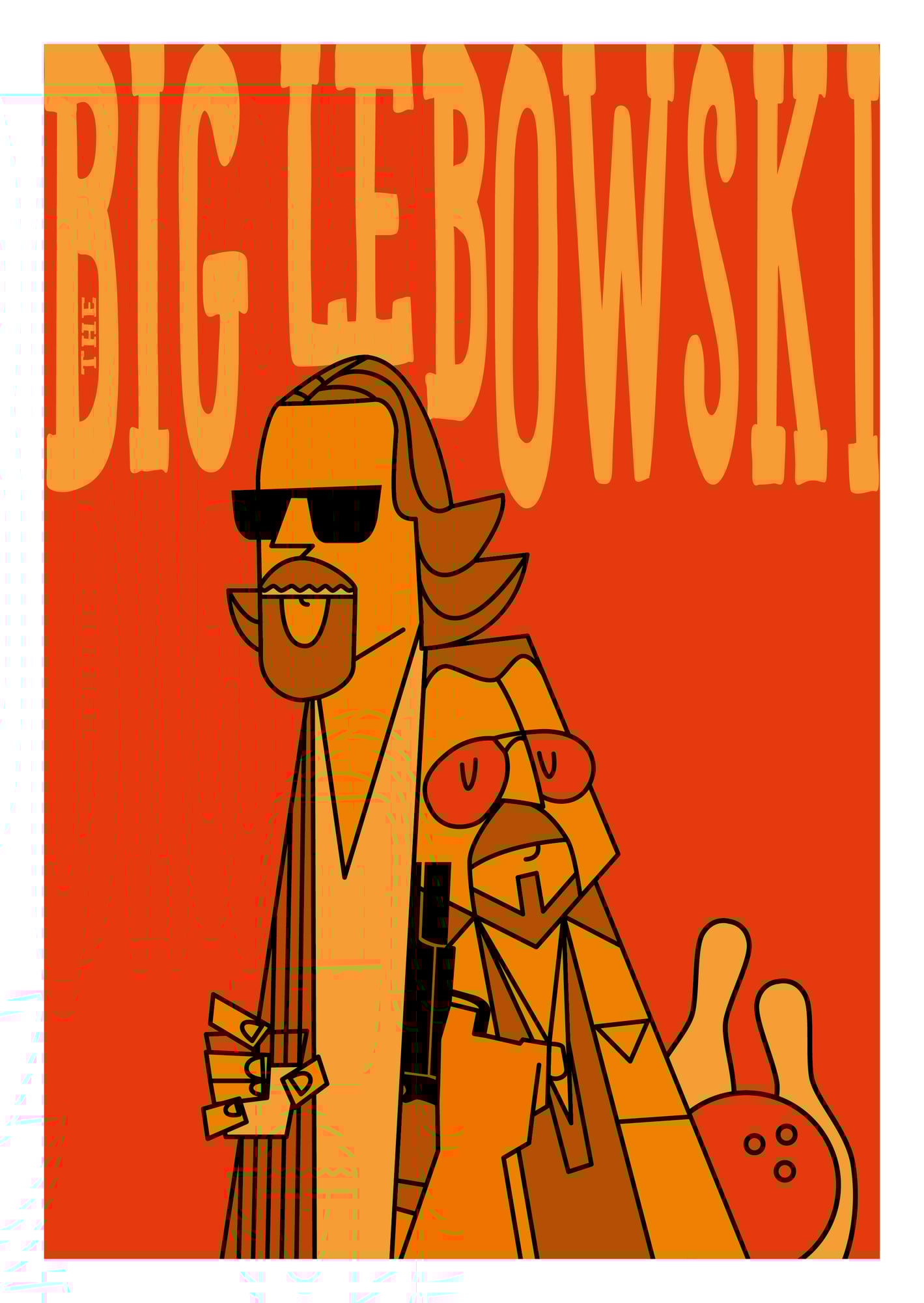
This Coen Brothers film bombed when it opened in 1998. It made about 18 million dollars and got mixed reviews.
Many critics didn’t understand what they were watching. The studio considered it a failure and moved on.
But college students and stoners kept watching it on DVD. They quoted it endlessly.
Annual Lebowski Fest gatherings started happening. Twenty-six years later, it’s one of the most quoted and beloved comedies ever.
Vans Sneakers
This shoe company nearly collapsed in the 1980s. The brand filed for bankruptcy as competition crushed it.
Vans looked like it would join the pile of forgotten footwear brands. But skateboarders never abandoned them.
The shoes worked perfectly for skating, and the culture stayed loyal. When skateboarding exploded into mainstream consciousness, Vans came with it.
Now it’s a global brand worth billions, all because skaters refused to let it die.
Red Wing Boots
These work boots lost relevance as American manufacturing declined. Fewer people needed serious boots for factory jobs.
The company nearly went under in the 1980s and 1990s. Then heritage fashion became a thing.
People started caring about quality craftsmanship and products that lasted forever. Red Wing stores began opening in trendy neighborhoods.
Now these boots cost over 300 dollars a pair and have waiting lists. Blue-collar boots became white-collar fashion statements.
Old Spice

This aftershave screamed “grandpa” for decades. Young men avoided it like the plague.
Sales dropped every year as the brand aged out. Procter & Gamble almost killed it entirely.
Then in 2010, they launched the “Man Your Man Could Smell Like” campaign. The commercials went viral.
Old Spice became funny, self-aware, and cool. Sales jumped 125 percent in months.
Polaroid Cameras

Digital photography murdered Polaroid. The company filed for bankruptcy in 2001 and seemed finished.
Nobody wanted instant film when phones could take unlimited pictures. But artists and nostalgia lovers kept hunting for old Polaroid cameras.
They valued the physical photos and the imperfection. The Impossible Project bought the last factory and restarted film production.
Now Polaroid cameras are back in stores, and instant film photography is trendy again.
Ray-Ban Wayfarers

These shades almost vanished during the ’80s. Their sales fell more than 90% compared to the high numbers back in the ’50s.
People thought they seemed old-fashioned and silly. The brand even thought about killing them off for good.
But then Tom Cruise showed up wearing them in “Risky Business,” followed by “Top Gun.” After that, demand skyrocketed.
Wayfarers turned trendy once more. Because the company put its gear in key films, a fading look got a second chance.
Schlitz Beer

This used to be the top beer in America. But mistakes in the ’70s wrecked everything.
Cost cuts led to a new recipe, yet the flavor turned awful. Sales plunged while the name almost disappeared.
Pabst snapped up the leftovers, somehow keeping it breathing. By 2008, they dusted off the old ’60s recipe.
Fans flipped over that real-deal flavor. Thanks to this move, Schlitz climbed back into favor.
Gibson Les Paul Guitars

Gibson quit building these guitars by 1960. Sales were low, so they shifted to fresh designs.
Yet blues and rock players adored the rich sound of vintage Les Pauls. Think Jimmy Page, Clapton, and Slash.
Vintage versions got crazy expensive. Then, in 1968, Gibson brought back the Les Paul.
Something that flopped at first turned into the legendary electric look.
Hydrox Cookies

These showed up four years earlier than Oreos. Yet Oreos wiped the floor with them when it came to ads and stores.
Over time, Hydrox got pushed aside and seen as the copycat despite being first. Ownership shifted again and again until they vanished.
Then in 2015, Leaf Brands revived it. Cookie traditionalists began snapping them up once more.
Hydrox gathered loyal fans by sticking to its roots and offering a subtly unique flavor.
What Makes Certain Flops Finally Succeed?

Some items show perfect timing doesn’t matter much. A thing might need to land with the right people, sit around until trends shift, or simply stick around no matter what.
Firms that made it past flop moments often got lucky or stumbled into loyal users by chance. Something ignored now could become wildly popular later. All it needs is time, a break, and most times, die-hard supporters who keep using it.
More from Go2Tutors!

- The Romanov Crown Jewels and Their Tragic Fate
- 13 Historical Mysteries That Science Still Can’t Solve
- Famous Hoaxes That Fooled the World for Years
- 15 Child Stars with Tragic Adult Lives
- 16 Famous Jewelry Pieces in History
Like Go2Tutors’s content? Follow us on MSN.



