Reasons the Regent Diamond Stands Out
The Regent diamond has captured the attention of royalty, revolutionaries, and collectors for over three centuries. This famous gem has traveled from the mines of India to the palace rooms of French kings, surviving theft, revolution, and the rise and fall of empires.
Few diamonds can match its combination of size, quality, and incredible history. Ready to discover what makes this diamond so special? Let’s explore the amazing reasons why the Regent diamond continues to fascinate people around the world.
Its incredible size commands attention

The Regent diamond weighs 140.64 carats, making it one of the largest high-quality diamonds in the world. To put this in perspective, most engagement ring diamonds weigh between one and two carats.
This means the Regent is about 70 times larger than a typical engagement ring stone. The diamond measures about 35 millimeters at its longest point, roughly the size of a large grape.
Perfect D color grade makes it exceptionally rare
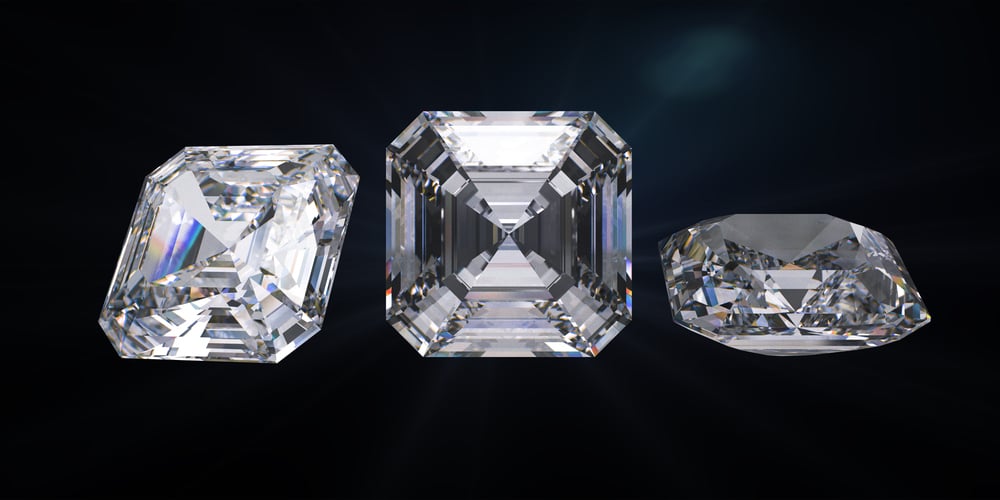
The Regent diamond has a D color classification, which represents the highest possible color grade for diamonds. D color diamonds appear completely colorless to the eye and show no hint of yellow or brown tints that appear in lower grades.
Finding a diamond this large with perfect color is extremely rare in nature. Most diamonds of this size have some color tinting, but the Regent looks like a piece of pure crystal when viewed under proper lighting.
Type IIa classification puts it in elite company

The Regent belongs to the Type IIa category, meaning it has negligible nitrogen concentration and represents the purest type of diamond. Less than two percent of all natural diamonds fall into this category.
Type IIa diamonds are composed of pure carbon with no impurities or structural defects. This classification places the Regent alongside other famous stones like the Cullinan and Koh-i-Noor diamonds.
Internally flawless clarity is nearly impossible to find

The Regent diamond has an Internally Flawless clarity grade, meaning it contains no visible inclusions when examined under 10x magnification. Most diamonds contain tiny imperfections that formed during their creation millions of years ago.
Finding a diamond this large without any internal flaws is like finding a needle in a haystack. The clarity allows light to pass through the stone without any interference, creating maximum brilliance and sparkle.
Blue fluorescence adds a mysterious glow

The Regent diamond displays bluish fluorescence, which gives it a light blue tinge under certain lighting conditions. Under certain conditions, stones with this characteristic will emit a blue glow in daylight.
This fluorescence doesn’t diminish the diamond’s value but instead adds to its unique character. The blue glow appears most noticeable under ultraviolet light, creating an almost supernatural appearance that has amazed viewers for centuries.
Its discovery story reads like an adventure tale

The diamond was discovered in 1698 by a slave working in the Kollur Mine in India, weighing an incredible 410 to 426 carats in its rough form. The slave hid the massive stone in a wound on his leg to smuggle it out of the mine.
The desperate man knew he had found something extraordinary and risked his life to escape with it. This dramatic beginning set the stage for centuries of equally dramatic events surrounding the stone.
The cushion brilliant cut was revolutionary for its time

The rough diamond was cut into a 141-carat cushion brilliant shape, which represented cutting-edge technology in the early 1700s. The Regent was praised as one of the most perfectly cut and brilliant diamonds in existence, often regarded as a model of early brilliant faceting.
The cushion shape combines the fire of a round brilliant with the elegance of a square or rectangular outline. This cutting style maximized the stone’s brilliance while preserving as much weight as possible from the original rough diamond.
Napoleon Bonaparte chose it for his coronation sword

Napoleon I wore the stone in the pommel of his sword, making it a symbol of imperial power during one of history’s most important periods. The emperor could have chosen any jewel for this honor, but he selected the Regent for its unmatched beauty and size.
The diamond served as a visible reminder of Napoleon’s authority and France’s wealth. Having the Regent on his sword meant carrying one of the world’s most valuable objects into battle and state ceremonies.
It survived the chaos of the French Revolution

In 1792, the diamond was stolen along with other French crown jewels during the revolution but was later recovered. While many other royal treasures disappeared forever during this turbulent period, the Regent somehow made its way back to France.
The recovery of such a valuable stone during a time of complete social upheaval seems almost impossible. This survival story adds another layer to the diamond’s already incredible history.
The purchase price shocked 18th century society

The Duke of Orleans, regent of France, purchased the diamond in 1717, giving the stone its current name. The purchase price was enormous for its time, equivalent to millions of dollars today.
The regent had to convince the French court that spending such a massive sum on a single diamond was worthwhile. This expensive purchase demonstrated France’s commitment to displaying its wealth and power through magnificent jewels.
Its Golconda origin links it to legendary mines

The Regent is unquestionably of Golconda origin, connecting it to the most famous diamond mines in history. The Golconda region in India produced many of the world’s most celebrated diamonds, including the Hope Diamond and Koh-i-Noor.
Diamonds from these mines were prized for their exceptional quality and lack of color. The Golconda connection immediately marked the Regent as a stone of the highest caliber.
It influenced diamond cutting techniques for centuries

The exceptional cutting of the Regent diamond influenced how gemologists approached large stones for generations. Cutters studied the proportions and angles used in the Regent to understand how to maximize brilliance in other diamonds.
The techniques developed for cutting the Regent became standard practices in the diamond industry. Even today, gemologists reference the Regent when discussing optimal cutting strategies for large, high-quality diamonds.
Its current value reflects its unmatched combination of qualities
The Regent diamond was valued at £48,000,000 as of 2015, and its worth has likely increased significantly since then. This value reflects not just its size and quality, but also its historical importance and rarity.
Finding another diamond with the same combination of size, color, clarity, and provenance would be virtually impossible today. The price represents what collectors and museums are willing to pay for owning a piece of world history.
The Louvre Museum setting makes it accessible to millions

The diamond is owned by the French state and displayed in the Louvre Museum, allowing people from around the world to see it in person. This confirms its status as a public treasure of great historical value.
Unlike many famous diamonds that remain in private collections, the Regent can be viewed by anyone willing to visit Paris. The museum setting provides proper security and lighting to showcase the diamond’s incredible beauty.
It represents three centuries of continuous fascination

The Regent Diamond’s journey spans more than three centuries, traveling from Indian mines to the Louvre Museum. Each generation has found new reasons to admire and study this remarkable stone.
The diamond has witnessed the rise and fall of monarchies, survived revolutions, and adapted to changing tastes in jewelry and collecting. Its ability to maintain relevance across such a long period demonstrates its truly exceptional nature.
The stories connect different eras through shared wonder
The Regent diamond proves that some things remain beautiful and valuable regardless of changing times or politics. Today’s visitors to the Louvre experience the same sense of wonder that amazed French courtiers three centuries ago.
The diamond serves as a bridge between past and present, reminding everyone that human appreciation for beauty and rarity transcends individual lifetimes. Whether viewed by kings, revolutionaries, or modern tourists, the Regent continues to inspire the same sense of amazement that has followed it throughout its remarkable journey.
More from Go2Tutors!

- The Romanov Crown Jewels and Their Tragic Fate
- 13 Historical Mysteries That Science Still Can’t Solve
- Famous Hoaxes That Fooled the World for Years
- 15 Child Stars with Tragic Adult Lives
- 16 Famous Jewelry Pieces in History
Like Go2Tutors’s content? Follow us on MSN.