Record-breaking feats from the Winter Olympics
The Winter Olympics have always been a stage where athletes push the limits of what seems possible. From icy slopes to frozen tracks, competitors chase glory while battling brutal conditions and intense pressure.
These games have witnessed some of the most incredible achievements in sports history, moments that left crowds speechless and records shattered beyond belief. Let’s take a look at some of the most jaw-dropping accomplishments that have defined the Winter Olympics over the years.
Eric Heiden’s five gold medals in one games
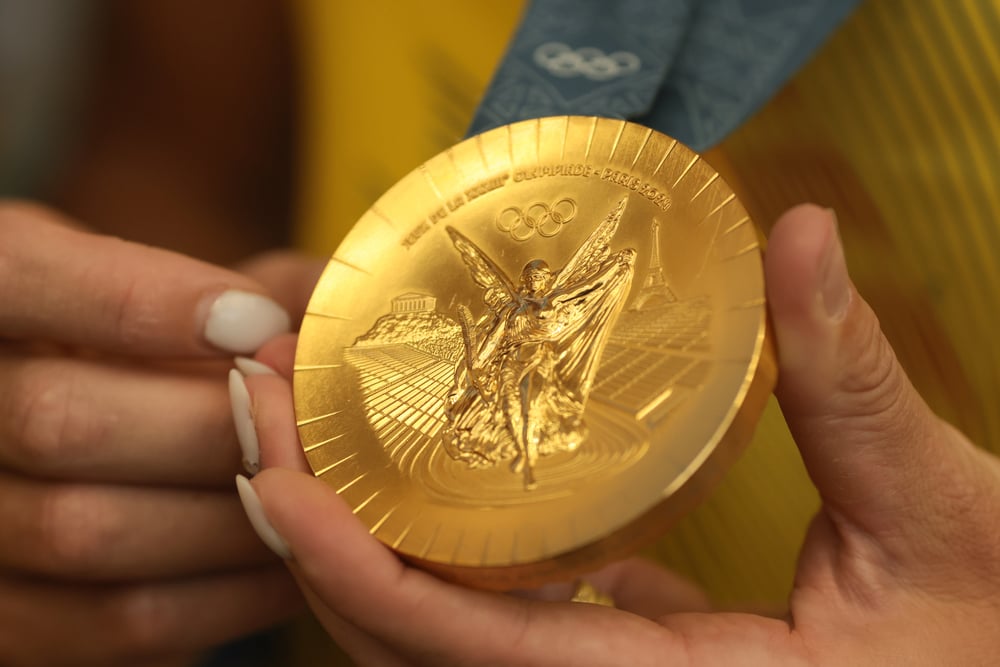
American speed skater Eric Heiden pulled off something truly remarkable at the 1980 Lake Placid Olympics. He won gold in all five speed skating events, ranging from the 500-meter sprint to the grueling 10,000-meter race.
No other athlete has ever dominated an entire sport at a single Winter Olympics quite like that. Heiden set four Olympic records and one world record during his sweep, and then walked away from competitive skating shortly after to pursue a career in medicine.
Bjørn Dæhlie’s eight gold medals across three Olympics

Norwegian cross-country skier Bjørn Dæhlie became the most decorated Winter Olympian of his time by collecting eight gold medals between 1992 and 1998. He also picked up four silver medals, bringing his total to twelve Olympic medals overall.
His endurance and consistency over three consecutive games showed a level of athletic dominance rarely seen in any sport. Dæhlie’s ability to perform at the highest level year after year made him a legend in the skiing world.
Marit Bjørgen’s fifteen total Olympic medals

Norwegian cross-country skier Marit Bjørgen holds the record for most Winter Olympic medals by any athlete, with fifteen medals earned across five Olympic Games from 2002 to 2018. She won eight golds, four silvers, and three bronze medals during her career.
Bjørgen competed well into her thirties and still managed to outpace younger competitors. Her final Olympic appearance in 2018 saw her win five more medals, proving that experience and determination can match raw youth.
Shaun White’s perfect halfpipe score

Snowboarder Shaun White earned a perfect 100 points at the 2012 Winter X Games, but his Olympic performances were nearly as flawless. At the 2010 Vancouver Olympics, he dominated the halfpipe competition with a score that left his closest competitor nearly five points behind.
White’s ability to land back-to-back perfect runs under Olympic pressure showed why he became known as the ‘Flying Tomato’ in his early career. His technical precision and air awareness changed how people viewed snowboarding as a competitive sport.
Ole Einar Bjørndalen’s thirteen total medals

Norwegian biathlete Ole Einar Bjørndalen collected thirteen Olympic medals across six Winter Games, spanning from 1998 to 2014. He won eight golds, four silvers, and one bronze, making him one of the most successful Winter Olympians ever.
Biathlon requires both skiing endurance and rifle shooting accuracy, two skills that rarely come together in one person. Bjørndalen’s calm focus and physical stamina allowed him to compete at the top level for nearly two decades.
Ireen Wüst’s six gold medals in five different Olympics
Dutch speed skater Ireen Wüst became the first athlete to win individual gold medals at five consecutive Winter Olympics. She started her winning streak at the 2006 Turin Games when she was just nineteen years old and continued through 2022 in Beijing.
Wüst’s versatility showed in her ability to win at multiple distances, from the 1500 meters to the 3000 meters. Her longevity in a sport that demands explosive power and perfect technique remains unmatched.
Chloe Kim’s back-to-back 1080s at age seventeen

American snowboarder Chloe Kim stunned everyone at the 2018 Pyeongchang Olympics by landing back-to-back 1080-degree spins in the halfpipe final. She was only seventeen years old at the time and had already secured the gold medal before her final run.
Kim decided to go for the massive trick anyway, showing the kind of confidence and skill that separates good athletes from great ones. Her performance score was so high that it left her competitors wondering what was even possible anymore.
Apolo Ohno’s medal haul in short track speed skating

American short track speed skater Apolo Ohno won eight Olympic medals between 2002 and 2010, making him the most decorated American Winter Olympian at the time. His two golds, two silvers, and four bronze medals came in one of the most unpredictable and chaotic sports in the Winter Games.
Short track racing involves tight turns, physical contact, and split-second decisions that can end careers or create champions. Ohno’s ability to stay upright and strategic while others crashed around him showed exceptional mental toughness.
Janica Kostelić’s four medals in a single games
Croatian alpine skier Janica Kostelić won four medals at the 2002 Salt Lake City Olympics, including three golds and one silver. She became the first female Alpine skier to win four medals at a single Winter Games.
Kostelić competed despite chronic injuries and health issues that would have sidelined most athletes. Her determination and technical skill on the slopes made her a national hero in Croatia and inspired a generation of skiers.
Tessa Virtue and Scott Moir’s perfect ice dance scores

Canadian ice dancers Tessa Virtue and Scott Moir set world record scores multiple times throughout their careers, including at the 2018 Pyeongchang Olympics. They became the most decorated figure skaters in Olympic history with five medals total, three of them gold.
Their chemistry on the ice created performances that judges scored higher than any ice dance team before them. Virtue and Moir’s partnership lasted over two decades, starting when they were children training together in their hometown.
Eddie Eagan’s gold medals in two different Olympic seasons

Eddie Eagan remains the only athlete to win gold medals in both the Summer and Winter Olympics. He won gold in boxing at the 1920 Summer Olympics in Antwerp and then joined the four-man bobsled team that won gold at the 1932 Winter Olympics in Lake Placid.
Eagan’s athletic versatility showed that determination and competitive spirit can translate across completely different sports. His achievement has stood for over ninety years and seems unlikely to ever be repeated.
Bonnie Blair’s five gold medals in speed skating

American speed skater Bonnie Blair won five gold medals and one bronze across three Winter Olympics from 1988 to 1994. She specialized in sprint distances, particularly the 500 meters and 1000 meters.
Blair’s consistency and explosive starts made her nearly unbeatable during her prime years. She became a household name in the United States and showed that American athletes could compete with traditional speed skating powerhouses from Europe.
Jean-Claude Killy’s triple gold sweep

French alpine skier Jean-Claude Killy won all three alpine skiing events at the 1968 Grenoble Olympics. He took gold in the downhill, slalom, and giant slalom, becoming only the second man to sweep all three events at a single Olympics.
Killy’s dominance came during an era when alpine skiing equipment was far less advanced than today, making his victories even more impressive. His success turned him into a French national icon and one of the most recognized athletes of the 1960s.
Ester Ledecká’s gold medals in two different sports

Czech athlete Ester Ledecká made history at the 2018 Pyeongchang Olympics by winning gold medals in two different sports. She won the super-G in alpine skiing and then took gold in parallel giant slalom in snowboarding.
No other athlete had ever won gold in two different sports at the same Winter Olympics. Ledecká’s versatility and willingness to compete at the highest level in both disciplines showed an unusual combination of skill and fearlessness.
Gillis Grafström’s three consecutive figure skating golds
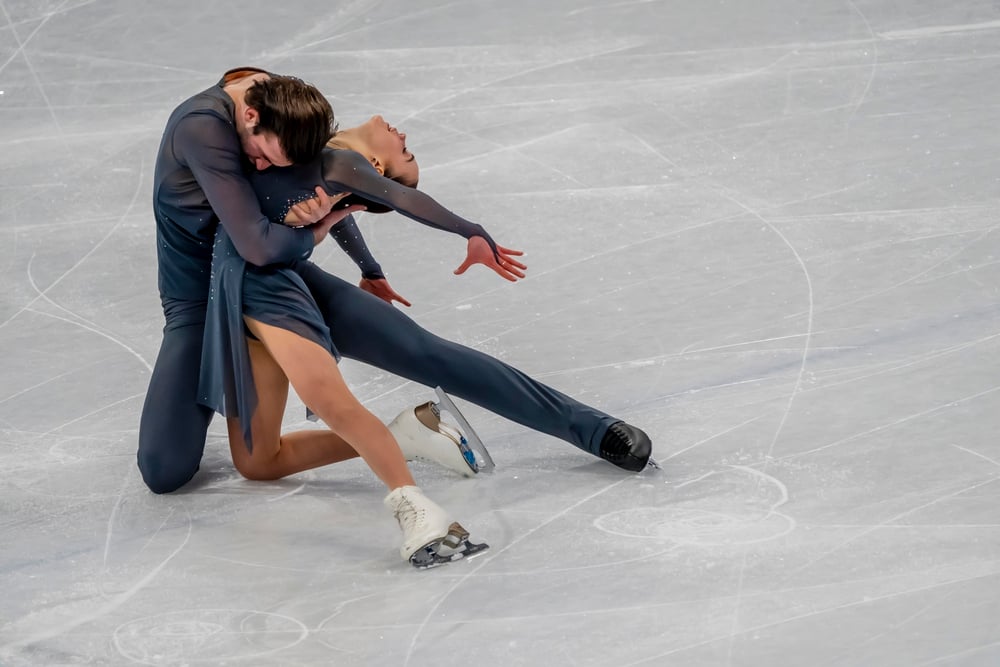
Swedish figure skater Gillis Grafström won three consecutive Olympic gold medals in men’s singles figure skating at the 1920, 1924, and 1928 Games. He also won a silver medal in 1932, making him one of the most successful figure skaters in Olympic history.
Grafström competed during the early days of winter sports when the Olympics were still finding their identity. His elegant style and technical innovation helped shape what figure skating would become in later decades.
The Miracle on Ice upset victory
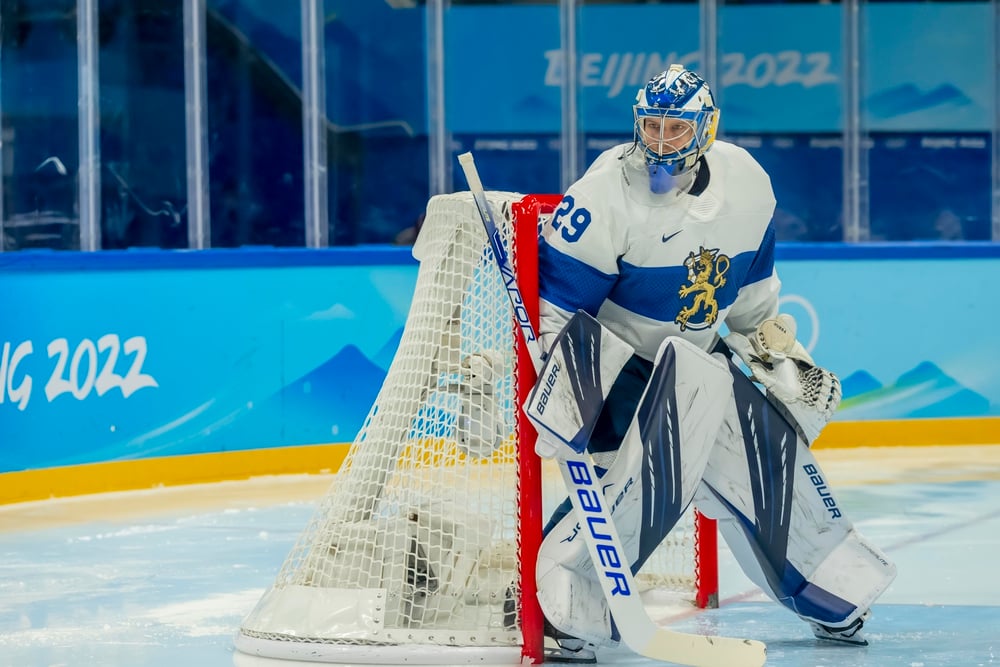
The 1980 United States men’s hockey team pulled off what many consider the greatest upset in sports history by defeating the Soviet Union. The Soviets had won the previous four Olympic gold medals and were heavily favored to win again.
The American team was made up of amateur and college players facing a Soviet squad that was essentially a professional team in all but name. The final score of 4-3 sent shockwaves through the sports world and became a defining moment of the Cold War era.
Sonja Henie wins three straight golds

Young Sonja Henie from Norway took home her first Olympic gold at age fifteen. By 1936, she had claimed three straight titles in a row.
Ballet steps found their way into her routines, changing how women skated forever. Skirts got shorter because of her – making jumps easier, smoother, freer.
After leaving the rink behind, bright lights called; fame followed in films. Ice shows across America filled arenas thanks to her appeal.
Even now, echoes of her style shape skating’s look and feel.
Kamila Valieva’s quadruple jumps at age fifteen
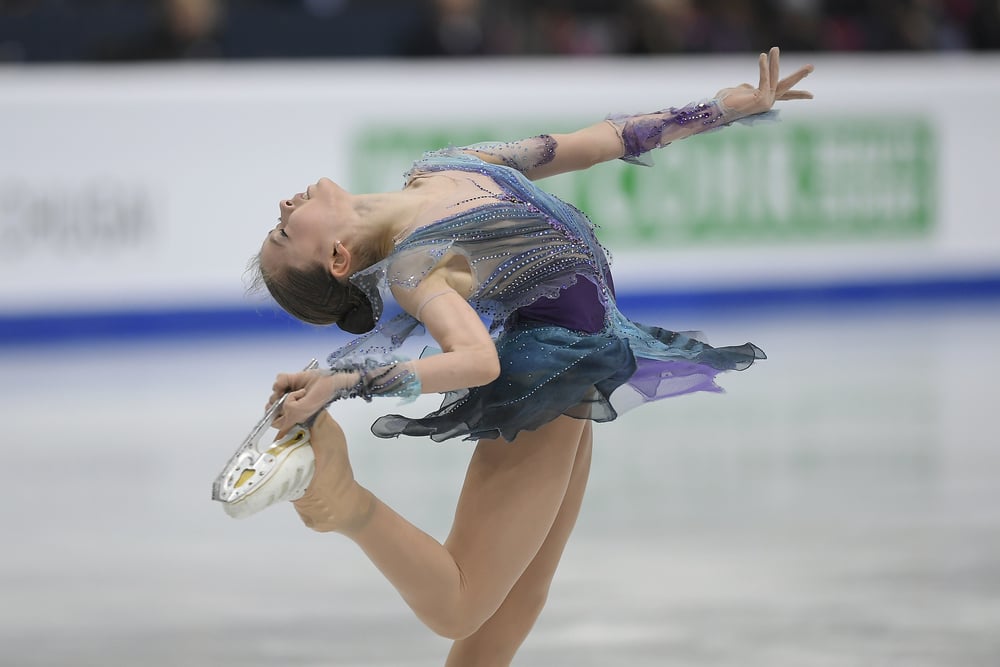
Midair spins totaling four complete turns had rarely been seen from female skaters until a teenager made them look almost routine. During the 2022 Olympic team competition in Beijing, Kamila Valieva spun through several of these jumps, defying earlier assumptions about limits in women’s skating.
Judges watched closely as her routines included moves many believed too tough for younger competitors. Though small in stature, her presence stirred big conversations across the sport.
Questions grew louder afterward – how much should youth endure just to excel? For years ahead, that moment might be remembered less for points scored and more for the weight it revealed.
Legends start here
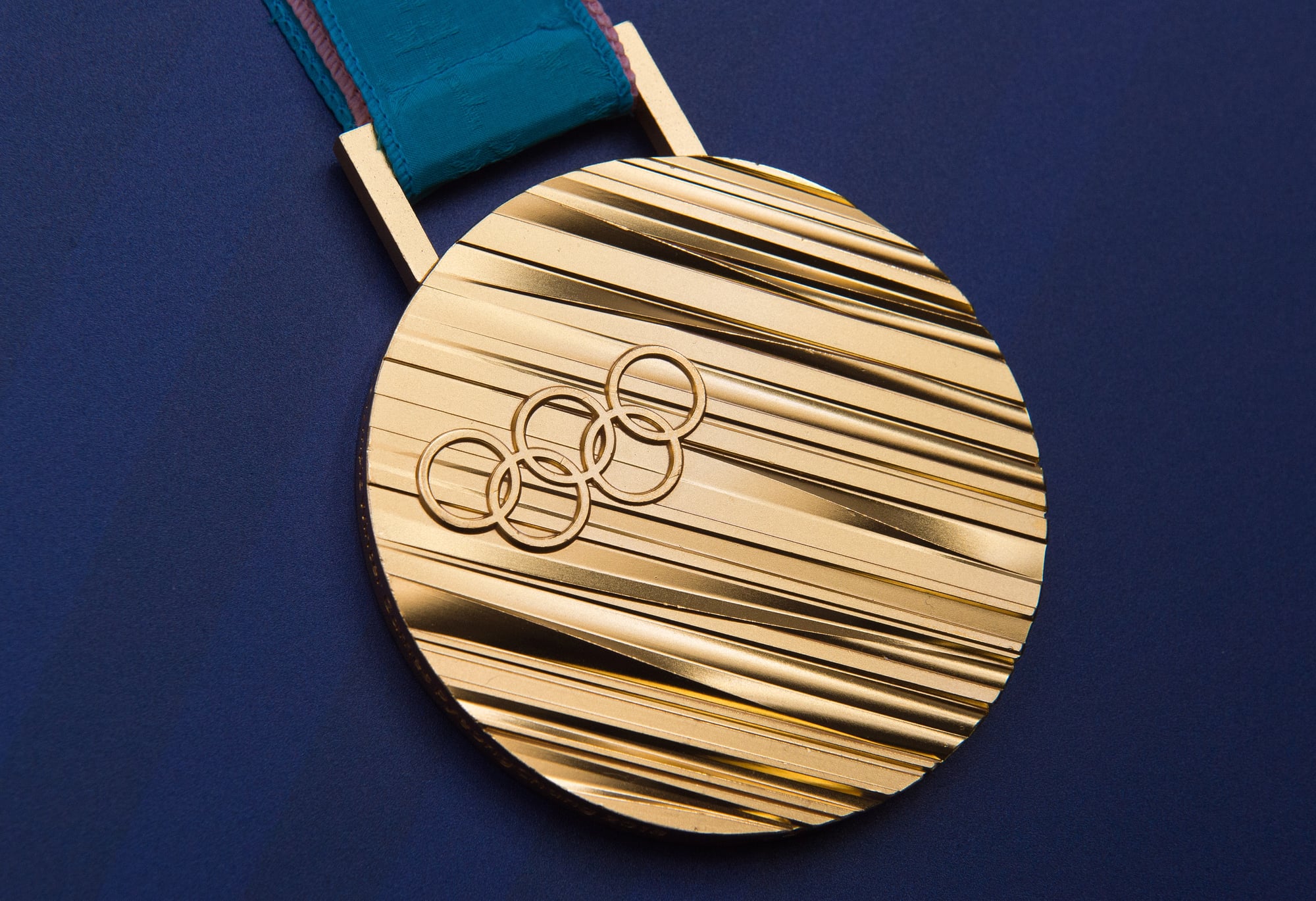
Watching closely, winter’s biggest stage shows again how far someone might go when eyes are on them. Not just numbers on a board, each mark hints at strength thought impossible yesterday.
Someone younger will beat today’s best, though those who led won’t fade from memory. On ice and snow, regular lives turn remarkable by showing up, risking failure, refusing limits.
More from Go2Tutors!

- The Romanov Crown Jewels and Their Tragic Fate
- 13 Historical Mysteries That Science Still Can’t Solve
- Famous Hoaxes That Fooled the World for Years
- 15 Child Stars with Tragic Adult Lives
- 16 Famous Jewelry Pieces in History
Like Go2Tutors’s content? Follow us on MSN.